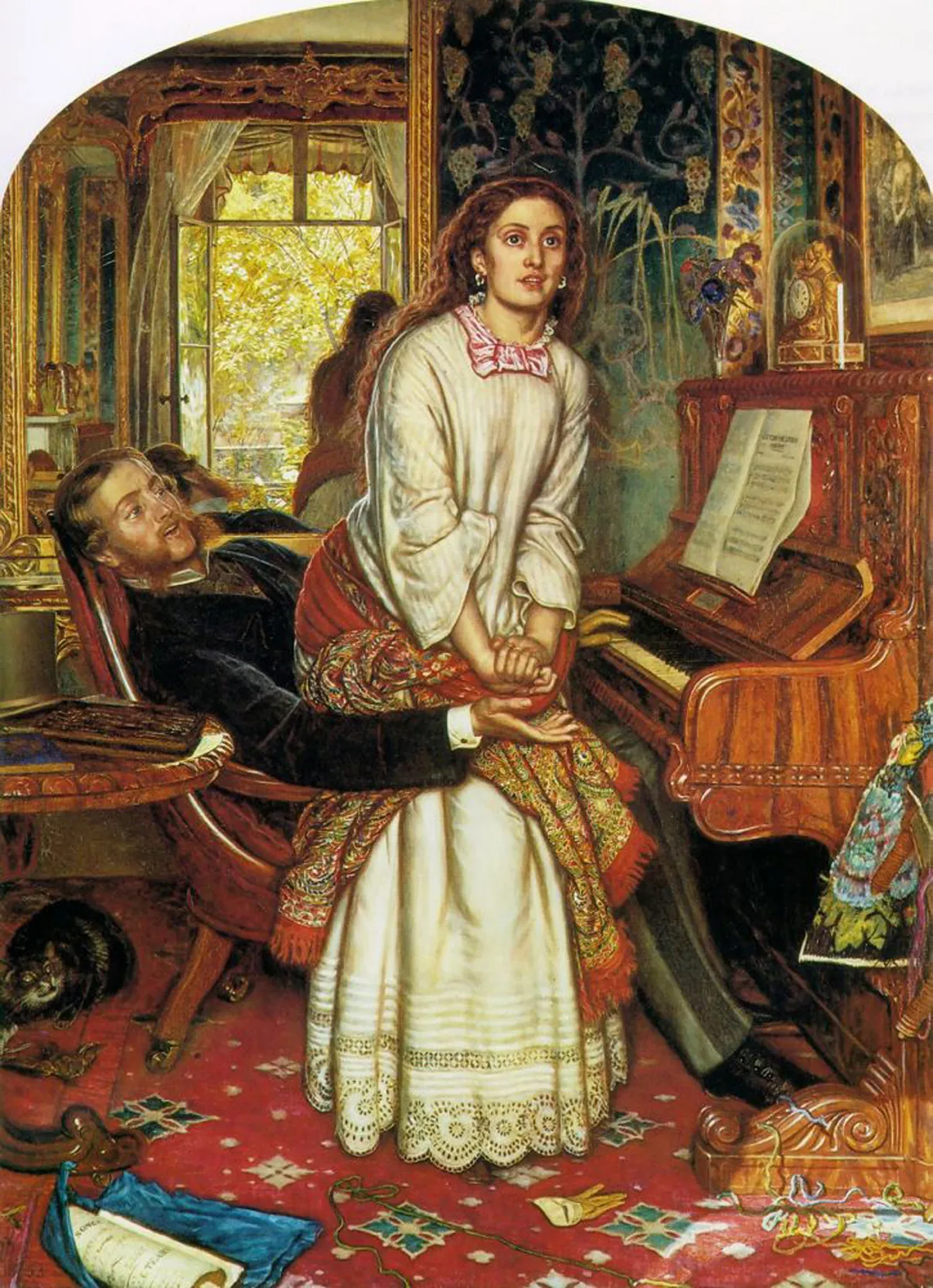
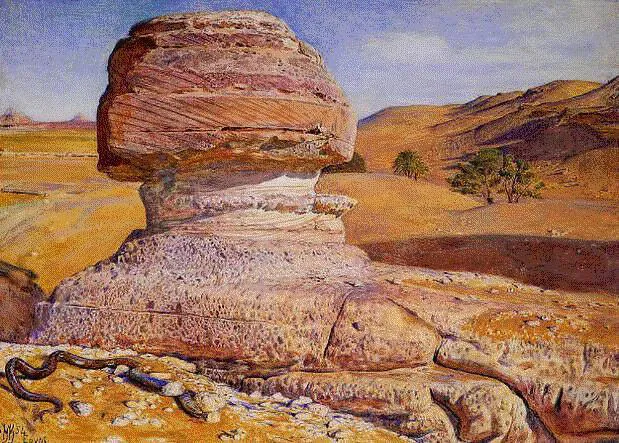
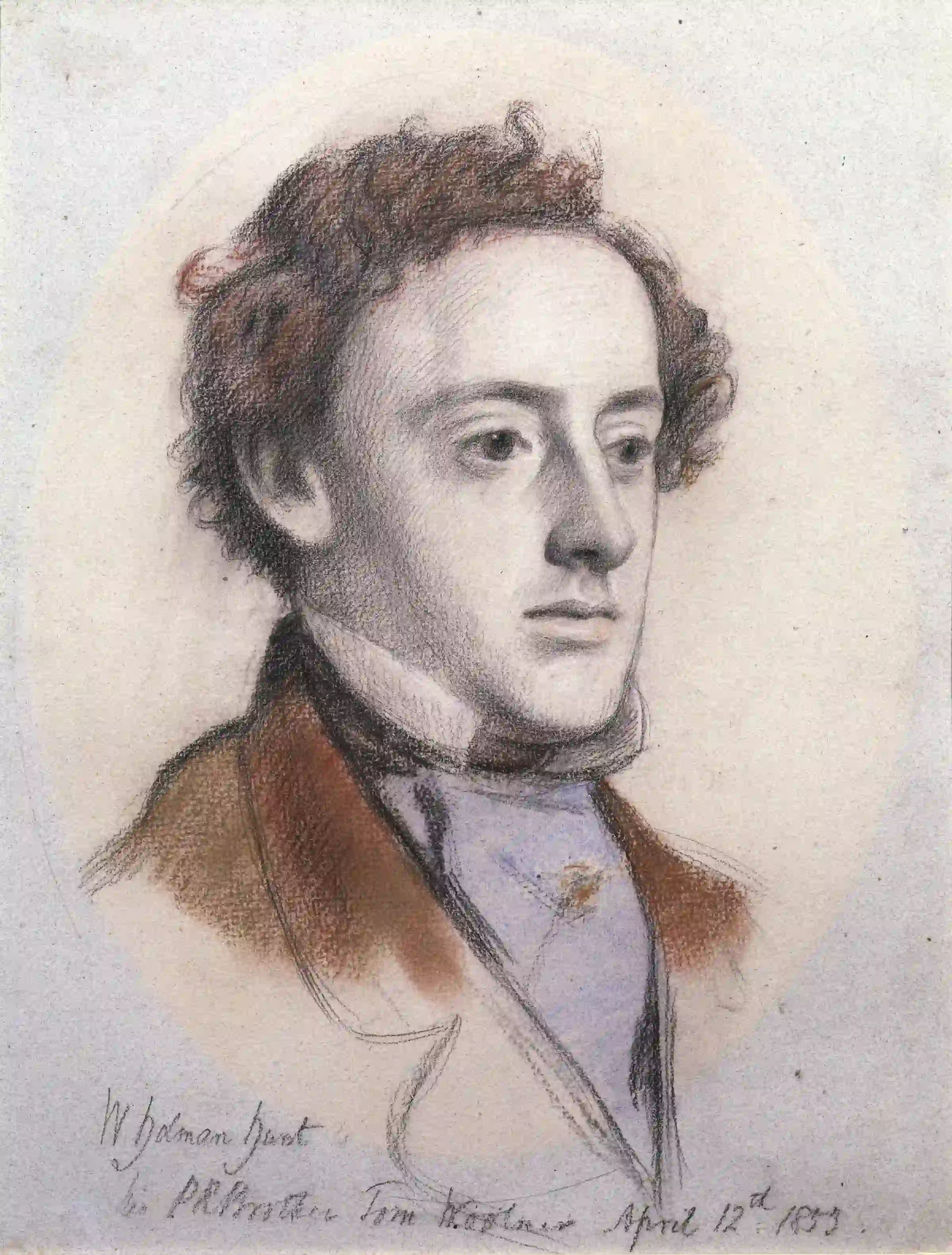
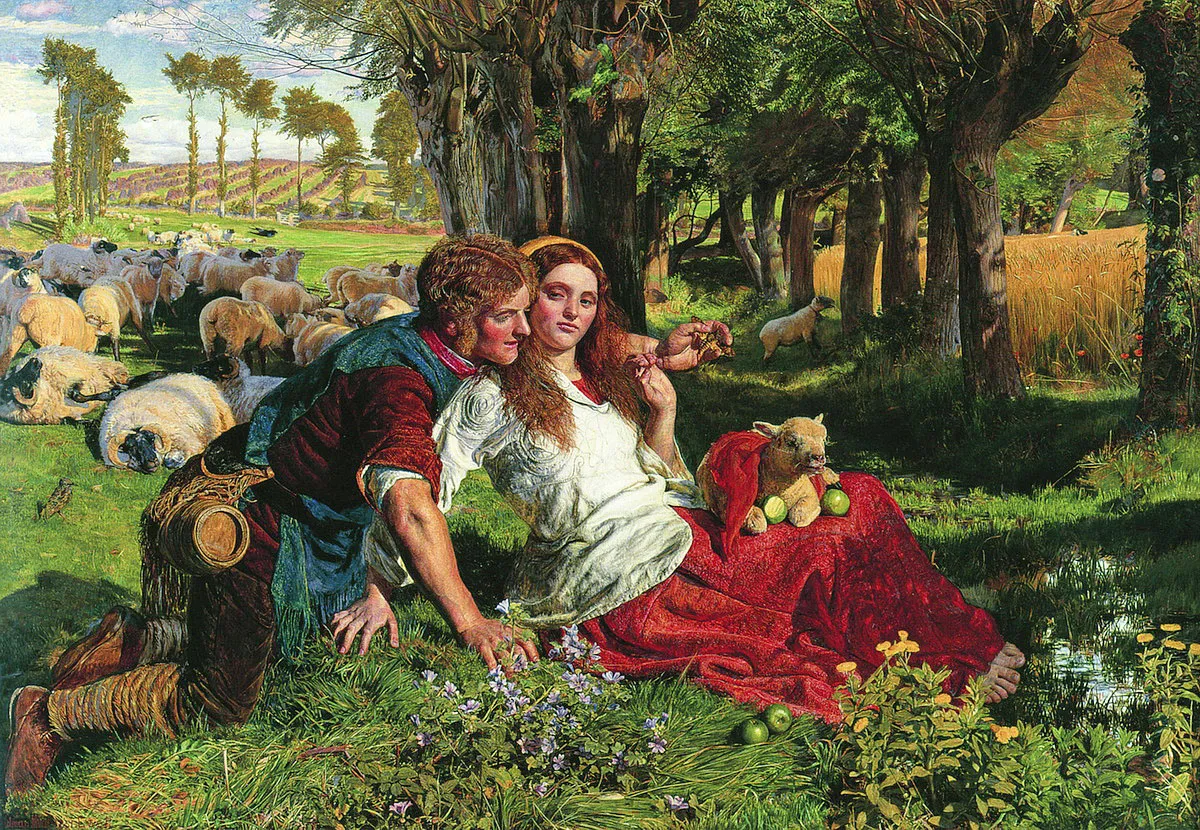
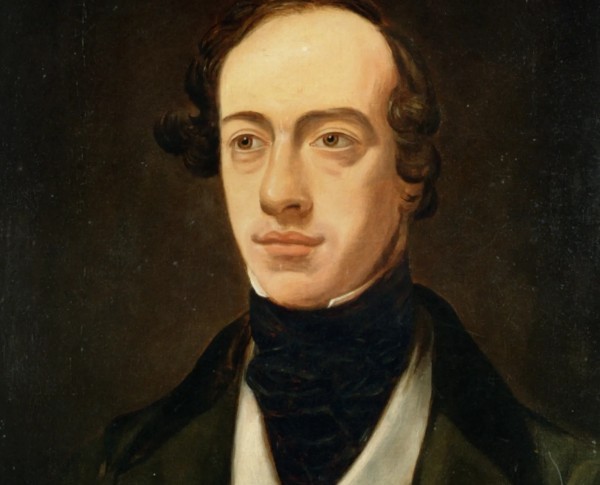
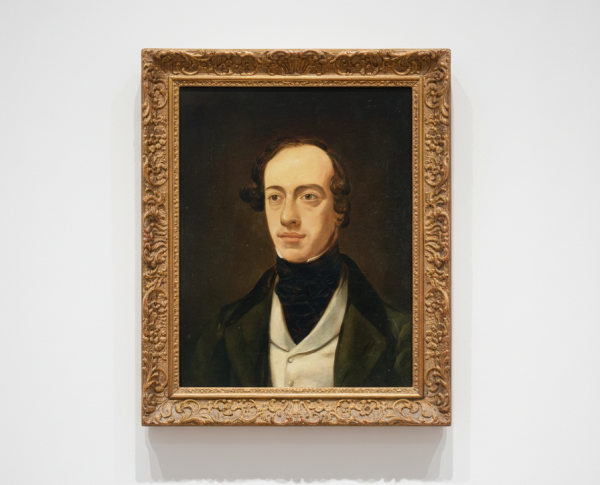
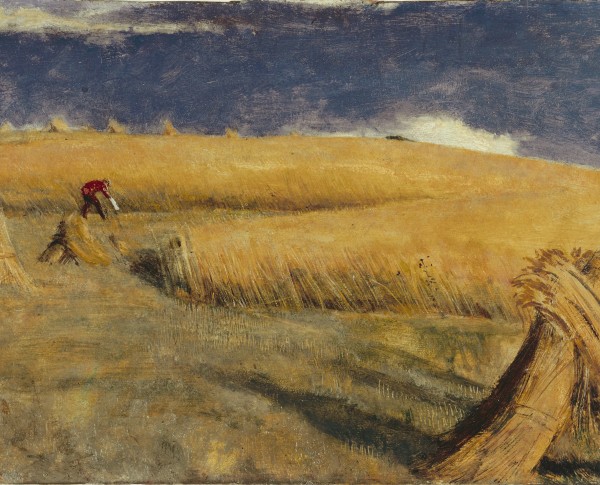
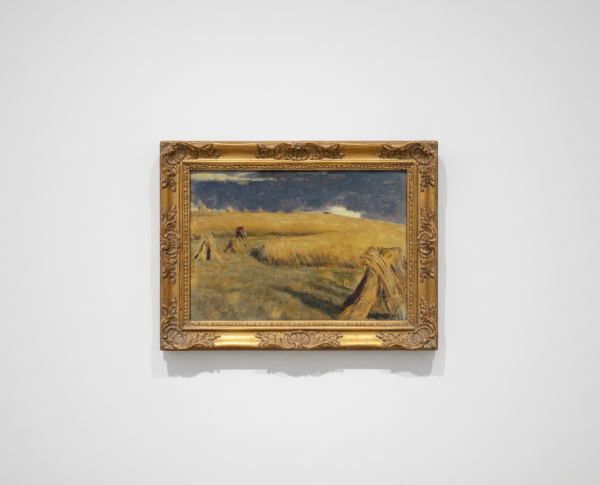
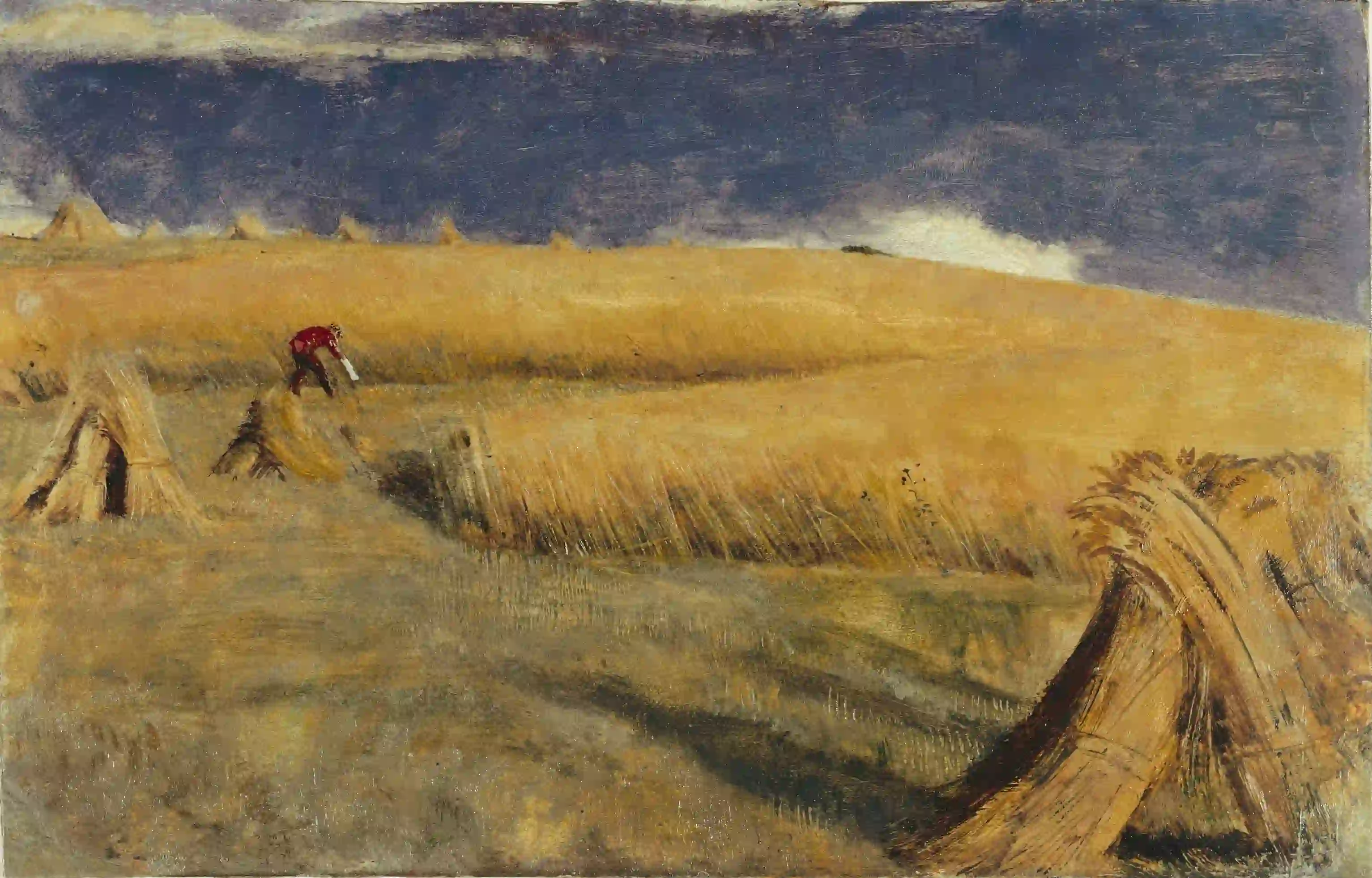
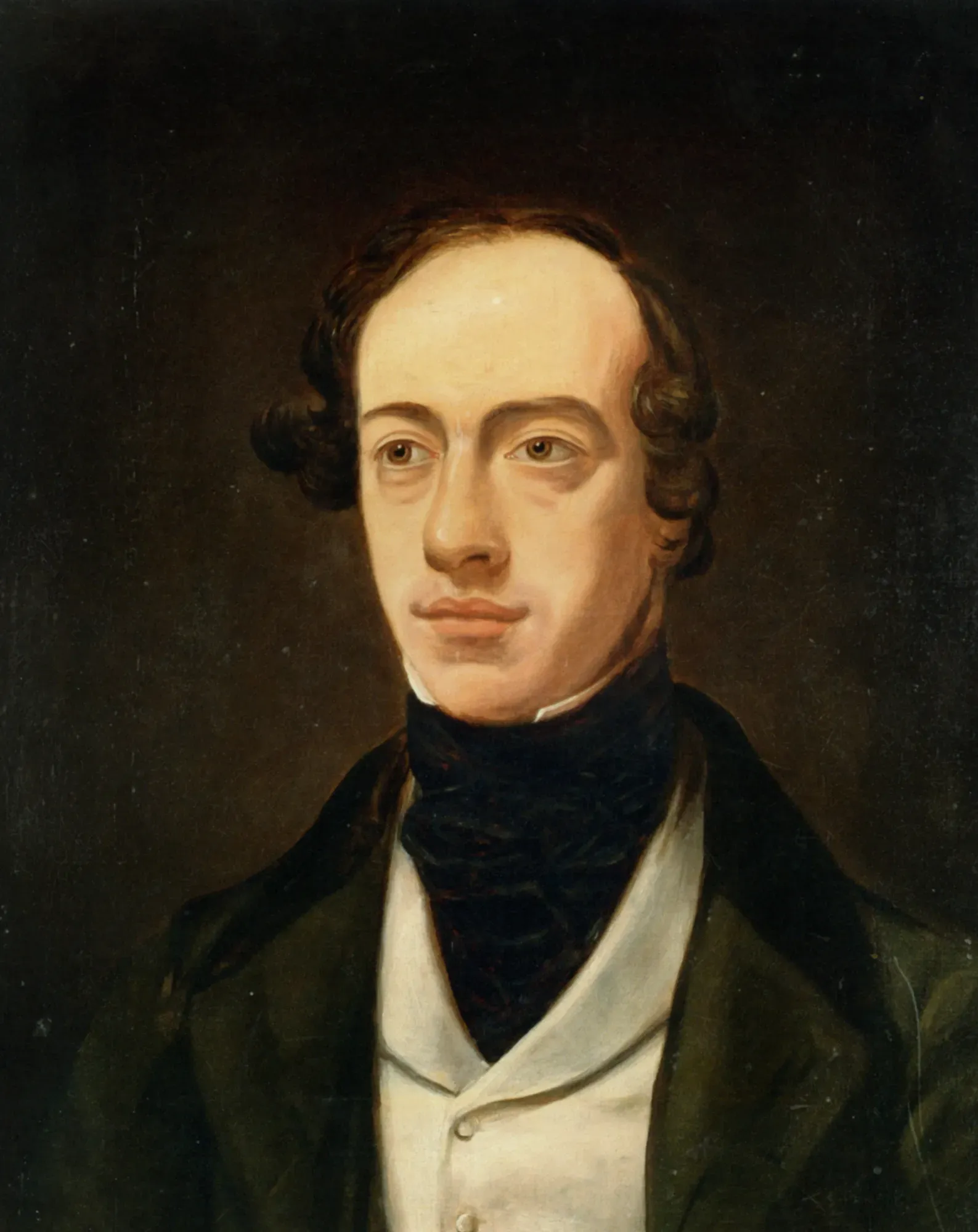
The technique displayed in "Cornfield at Ewell" exemplifies Hunt’s mastery with oil on canvas. Each brushstroke reveals his dedication to realism and his ability to evoke emotion through landscape. The vivid depiction of golden fields and tranquil skies marks this painting as a significant contribution to Romanticism. Collectors and art enthusiasts alike appreciate the craftsmanship, making it an ideal companion to other works such as "Portrait of William Pink" for those who value fine oil on canvas artistry.
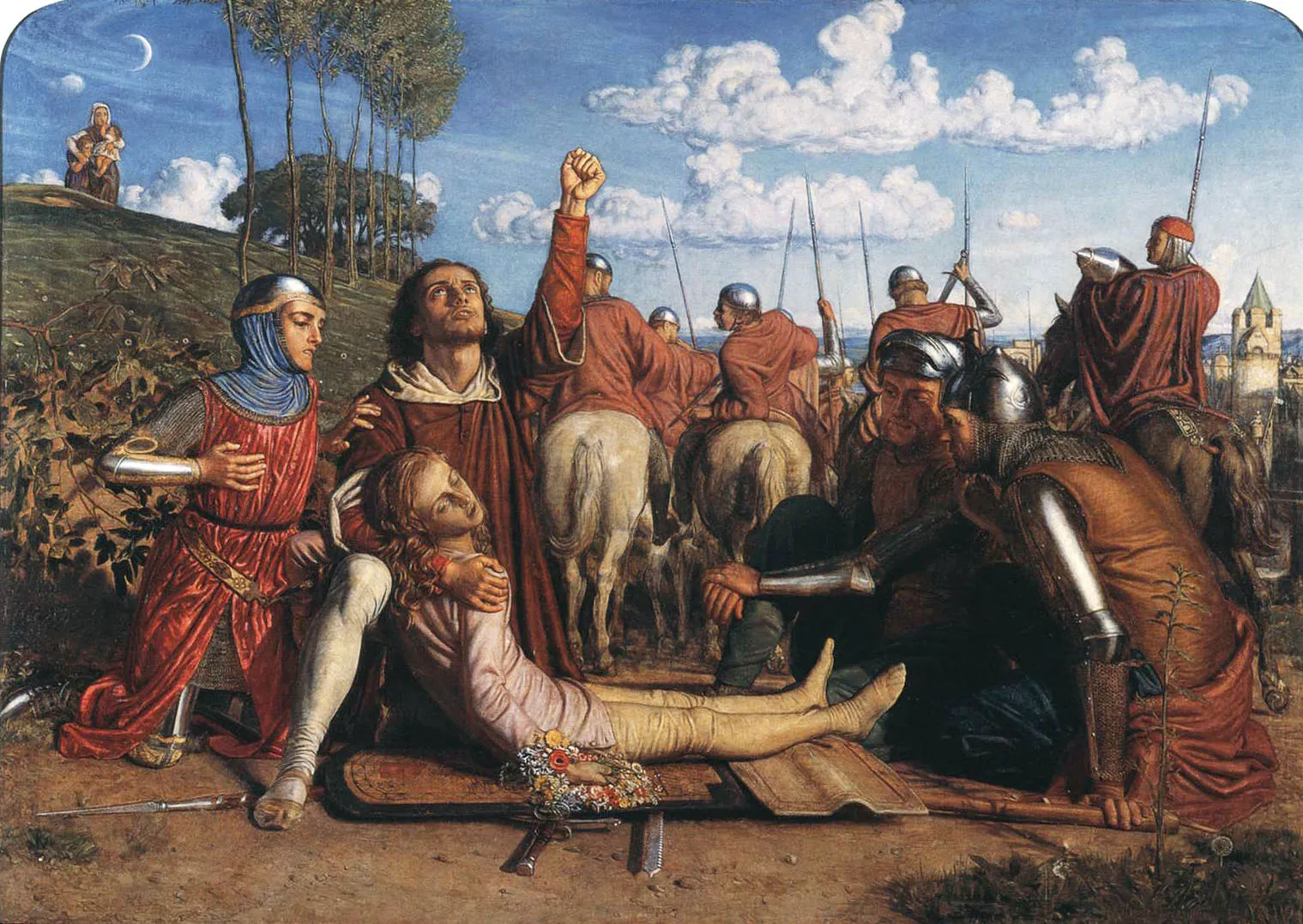
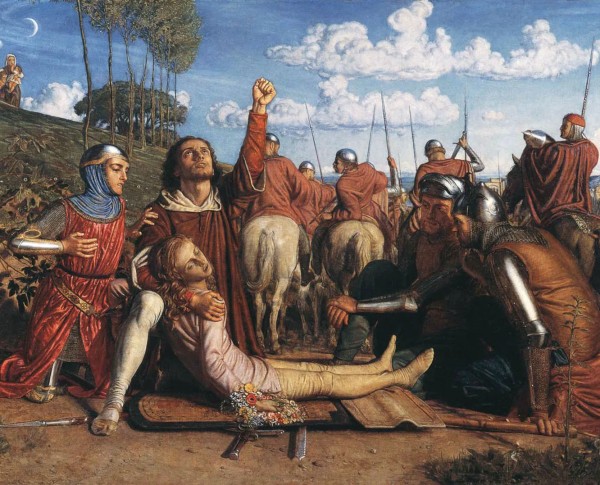
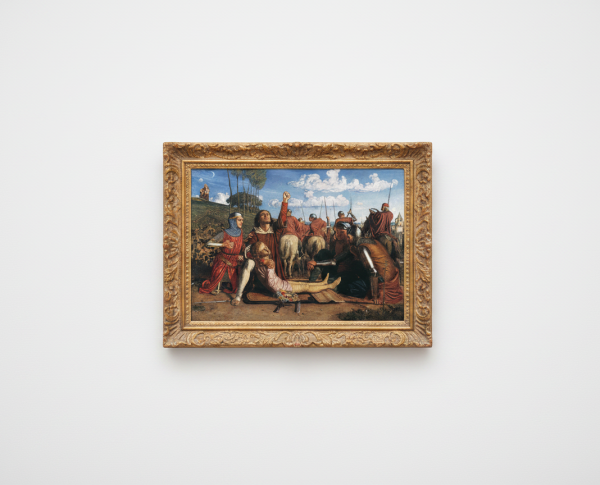
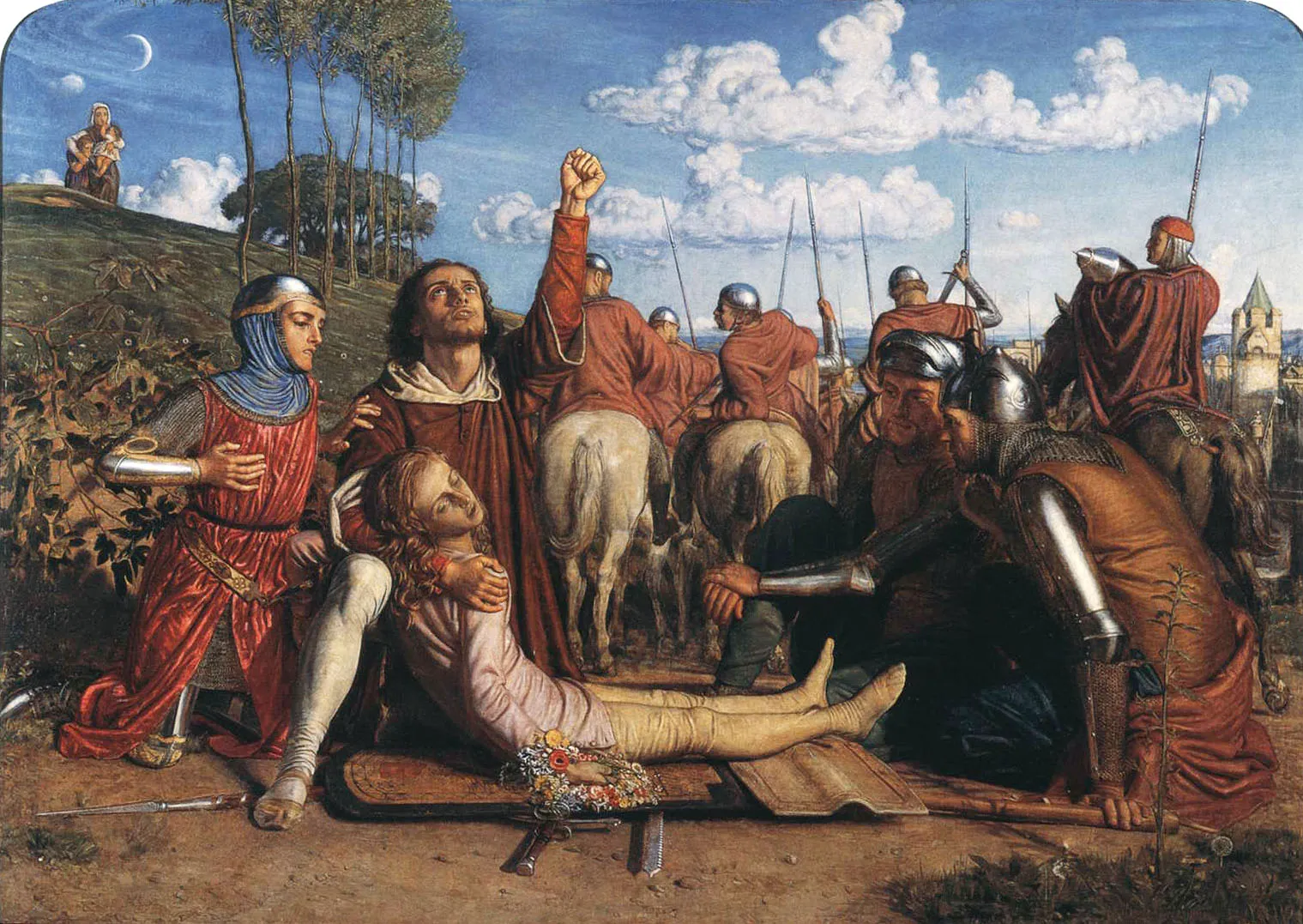
"Cornfield at Ewell" is more than a landscape; it is a narrative woven in color and light by William Holman Hunt. The hand-painted oil painting invites viewers to explore the symbolism of growth, harvest, and the passage of time—key themes in the Romanticism movement. This work, along with related products like "Rienzi Vowing to Obtain Justice for the Death of his Young Brother," offers a glimpse into the artist’s storytelling prowess through visual symbolism and emotive imagery.
For those seeking a fine art painting for sale, "Cornfield at Ewell" by William Holman Hunt is an exceptional choice. Its place within the Romanticism movement and its connection to other masterpieces, such as "Portrait of William Pink," enhance its value for collectors. Owning this painting means adding a touch of history and artistic excellence to any collection, making it a sought-after piece for anyone passionate about fine art painting for sale from this era.
When Art Meets History
"Cornfield at Ewell" by William Holman Hunt stands as a testament to the Romanticism movement, capturing a serene English countryside in vivid detail. This hand-painted oil painting beautifully reflects the era’s fascination with nature and emotion. Hunt’s work, much like "Dedham Lock and Mill" and "Adolf Gottlieb Friedrich, Reading," connects viewers to a historical moment when artists sought to evoke deep feelings through landscapes, making each brushstroke a bridge between past and present.
Techniques That Speak
William Holman Hunt’s mastery is evident in the meticulous oil on canvas technique showcased in "Cornfield at Ewell." The painting’s luminous colors and intricate textures echo the Romanticism movement’s devotion to realism and emotional depth. Hunt’s approach can be seen in related works such as "Fishing Boats Beating up to Windward" and "The Kiss 1859," where each composition highlights his ability to bring life and movement to pastoral scenes with remarkable clarity and skill.
Emotions on Display
"Cornfield at Ewell" immerses viewers in a tranquil yet stirring landscape, emblematic of Romanticism’s emphasis on feeling and nature’s grandeur. William Holman Hunt’s fine art painting for sale invites personal reflection, similar to the emotional resonance found in "Colonel Count Claude Etienne Guyot." Through subtle light and shadow, Hunt crafts an atmosphere that evokes nostalgia and wonder, allowing the audience to experience the countryside’s beauty and solitude on a deeply personal level.
Coveted by Collectors
As a significant piece by William Holman Hunt, "Cornfield at Ewell" is highly sought after by art enthusiasts and collectors alike. Its status as a hand-painted oil painting within the Romanticism movement elevates its desirability, much like other renowned works such as "The Kiss 1859" and "Dedham Lock and Mill." Owning such a masterpiece not only enriches a collection but also connects its possessor to the enduring legacy of 19th-century fine art.
Related Romanticism Hand-Painted Oil Paintings by Other Artists
Other Famous Romanticism Artists:
Frequently Asked Questions About Cornfield at Ewell
What is the historical context of "Cornfield at Ewell"?
"Cornfield at Ewell," painted by William Holman Hunt in 1850, reflects the Pre-Raphaelite movement's emphasis on realism and nature, emerging during a time of industrialization in England.
What artistic techniques did Hunt use in "Cornfield at Ewell"?
Hunt employed meticulous detail and vibrant colors, characteristic of the Pre-Raphaelite style, to depict the natural landscape and convey a sense of immediacy and realism.
What symbolism is present in "Cornfield at Ewell"?
The painting symbolizes the harmony between humanity and nature, suggesting a pastoral ideal and a longing for a simpler, more connected existence amidst the encroaching industrial age.
How does "Cornfield at Ewell" reflect the Pre-Raphaelite Brotherhood's ideals?
The work embodies the Brotherhood's commitment to naturalism, emotional depth, and the beauty of the English countryside, emphasizing a return to the detailed observation of nature.
What influences can be seen in Hunt's portrayal of the landscape?
Hunt was influenced by the Romantic movement, which celebrated nature's beauty and emotional resonance, as well as the detailed observation of landscapes found in earlier artists' works.
What role does light play in "Cornfield at Ewell"?
Light is used dramatically in the painting to enhance the vibrancy of the colors and to create a sense of time and atmosphere, drawing the viewer into the scene.
What is the significance of the title "Cornfield at Ewell"?
The title emphasizes the specific location and subject matter, grounding the painting in a real place and highlighting the importance of local landscapes to Hunt's artistic vision.
How does "Cornfield at Ewell" compare to other works by Hunt?
This painting showcases Hunt's early style, focusing on landscape, which contrasts with his later works that often included more complex narratives and human figures.
What emotions does "Cornfield at Ewell" evoke?
The painting evokes feelings of tranquility and nostalgia, inviting viewers to reflect on the beauty of nature and the simplicity of rural life.
What impact did "Cornfield at Ewell" have on the art community at the time?
The painting contributed to the growing appreciation for naturalism in art and helped to establish the Pre-Raphaelite Brotherhood as a significant force in 19th-century British art.






















_GFM_Painting_(1).webp)


 100% Hand-Painted: Finished in 3-6 Weeks

.png)















_(1).webp)