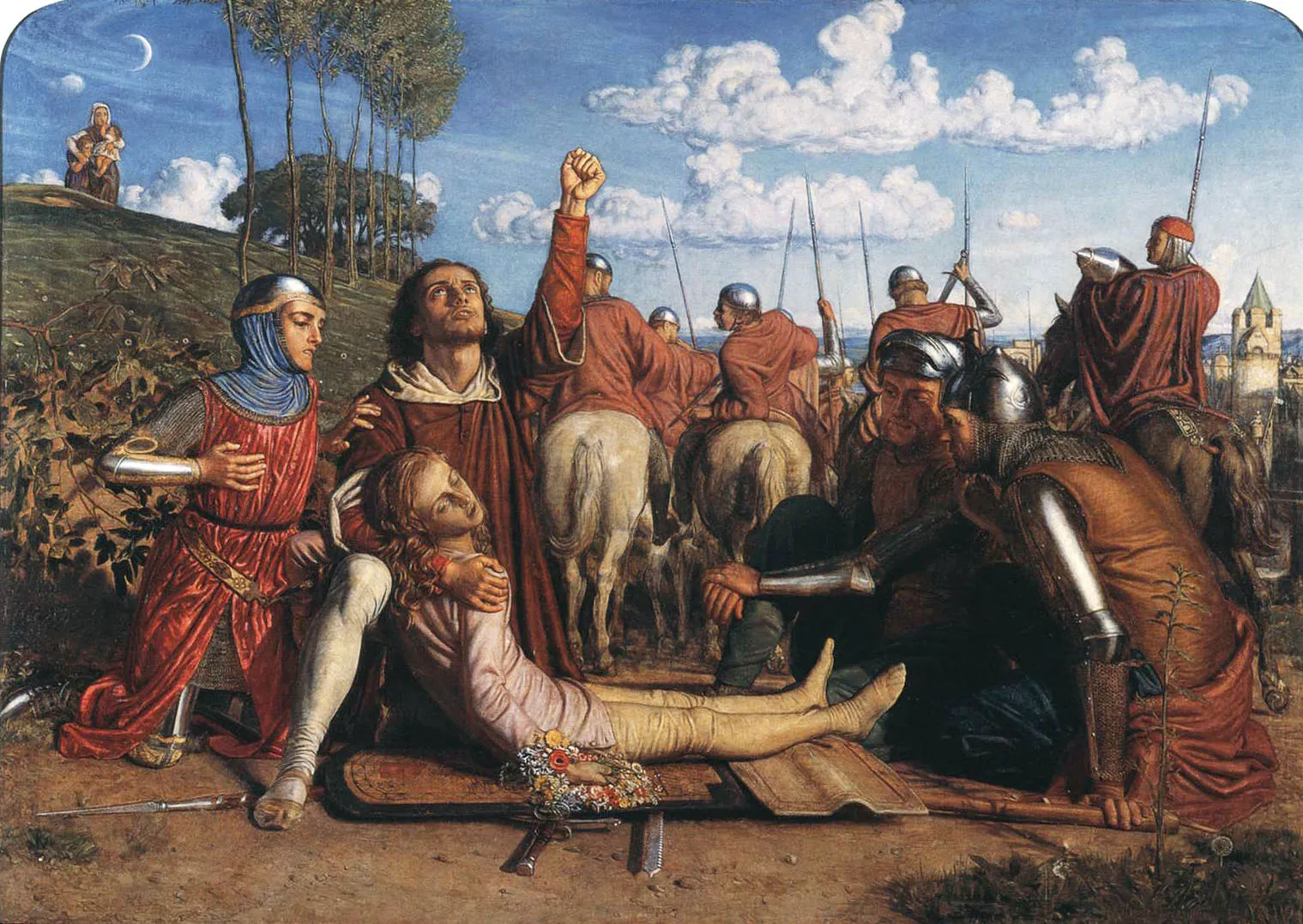
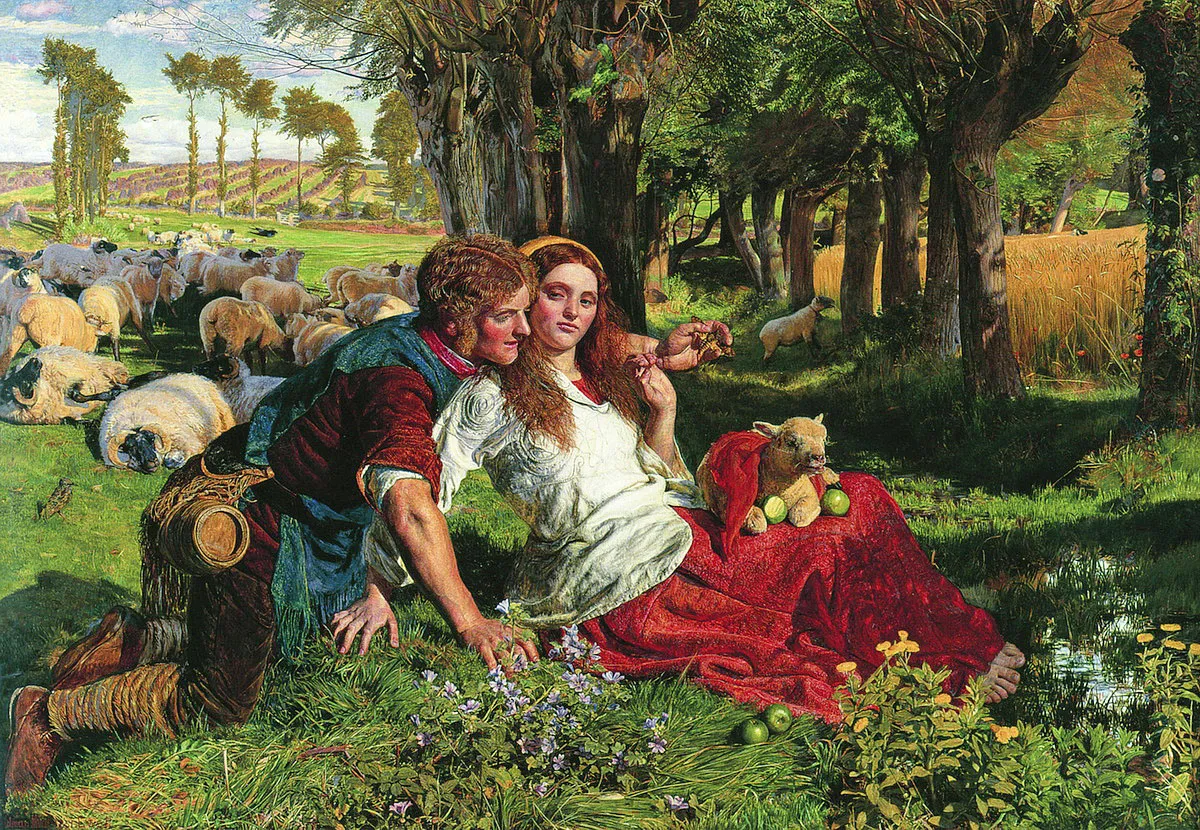
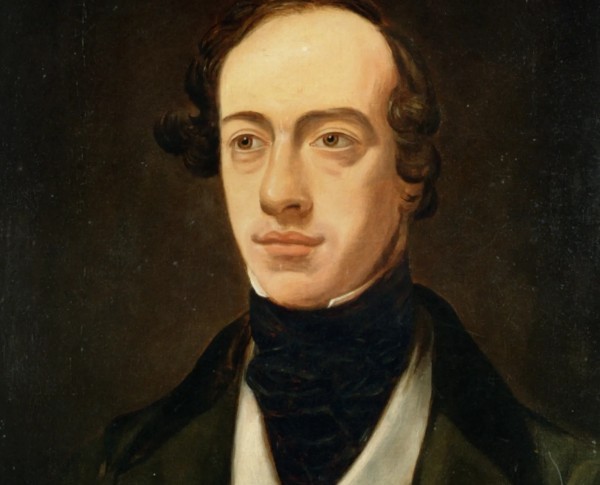
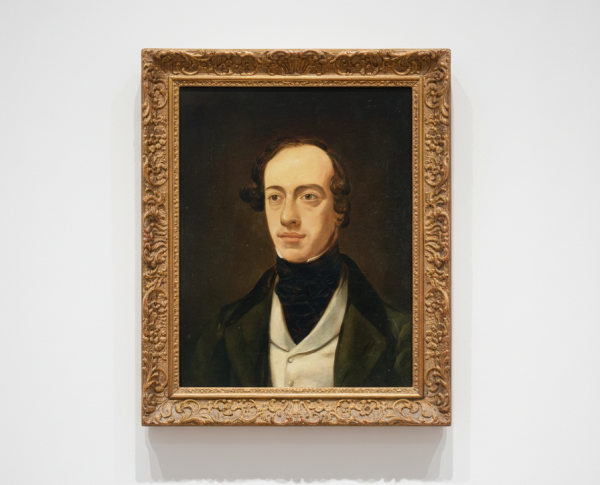
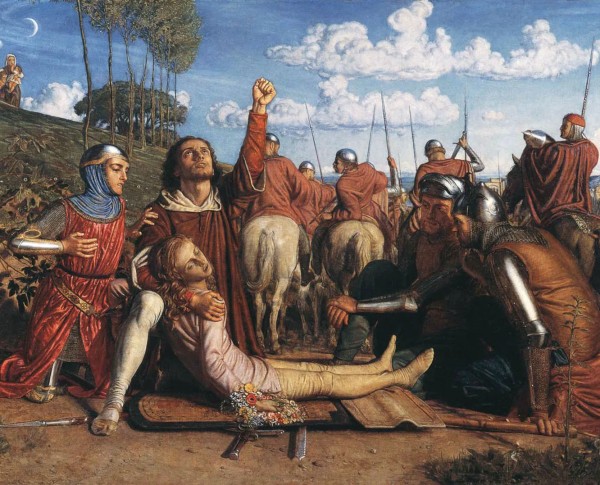
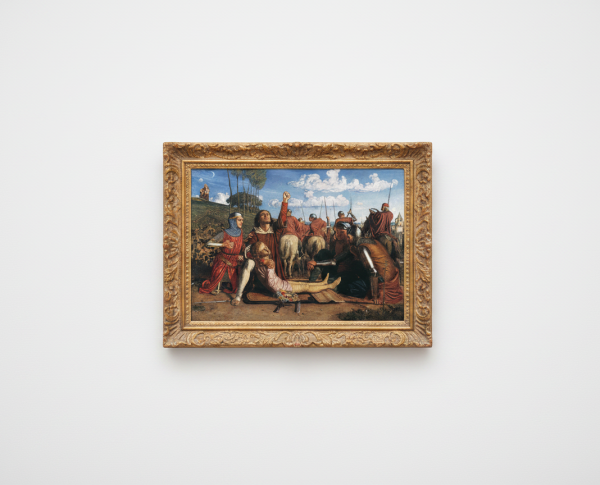
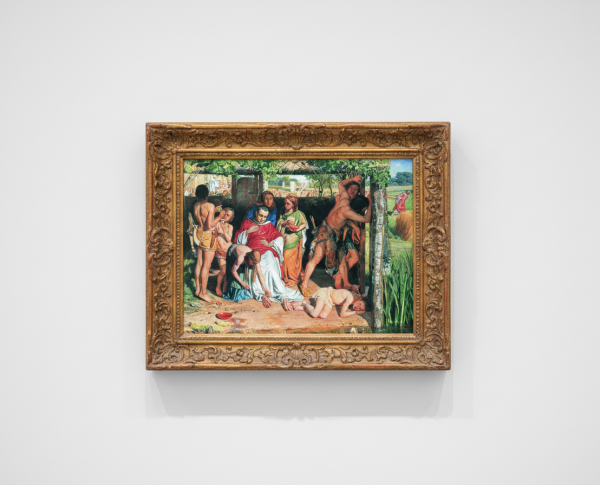
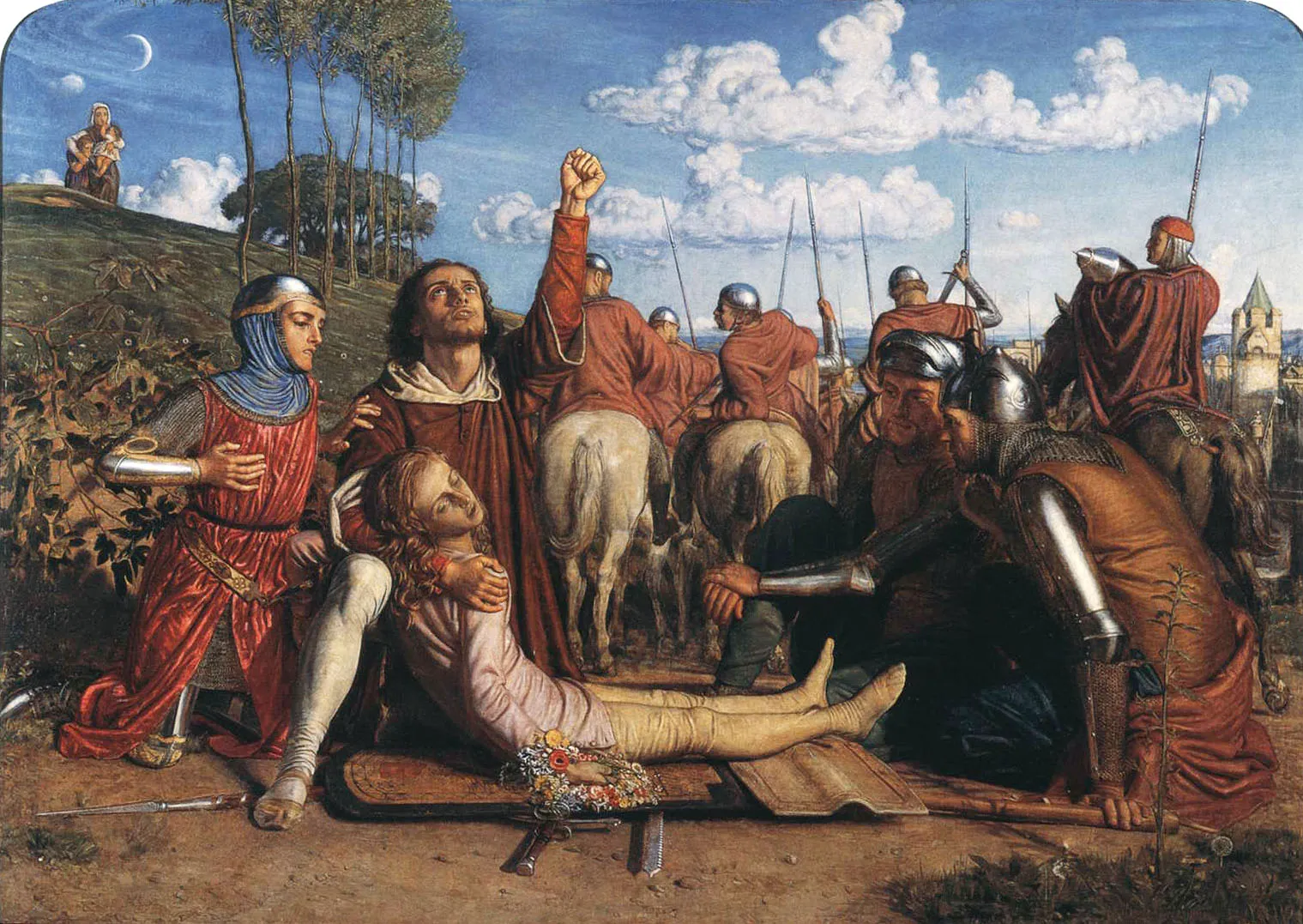
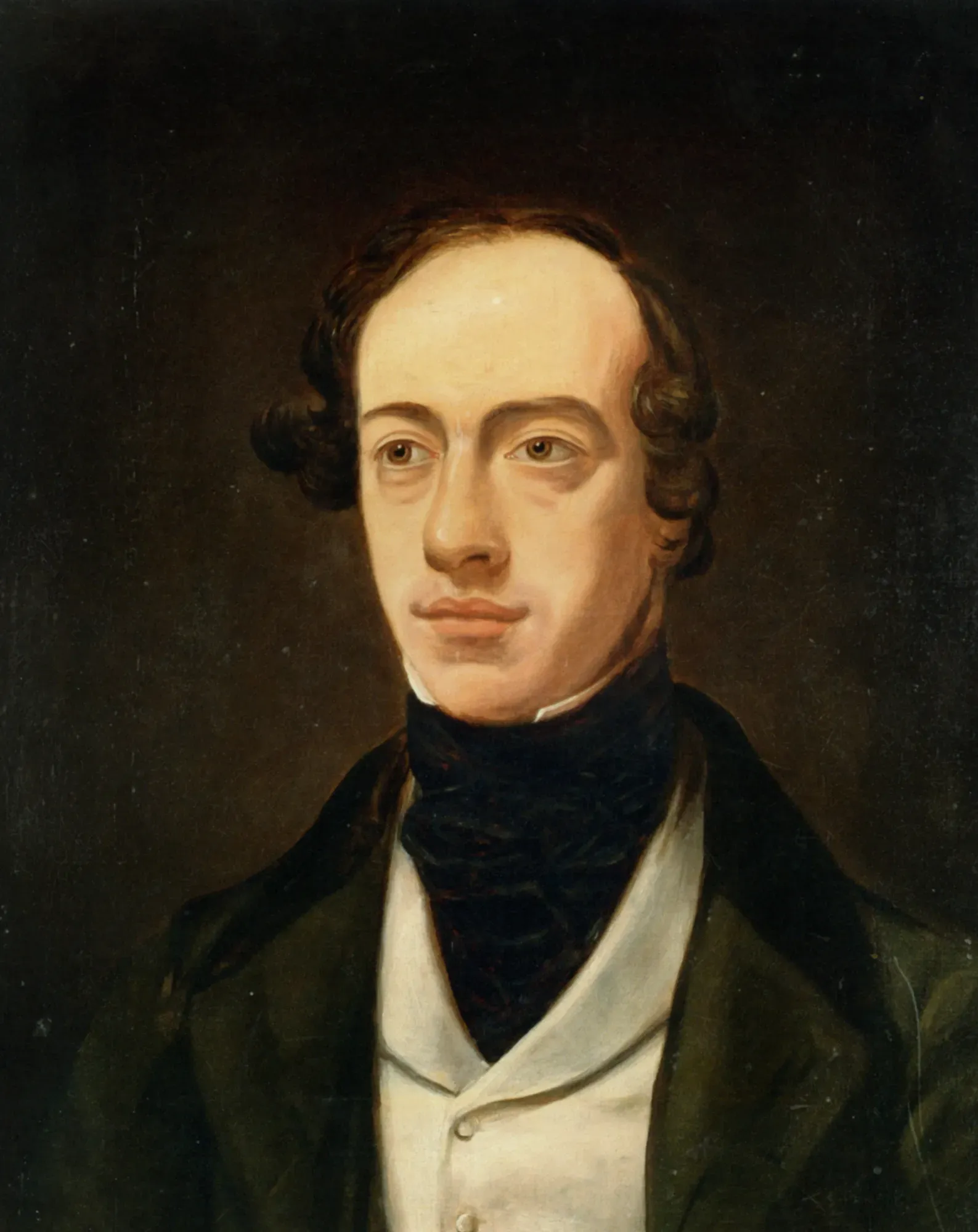
This magnificent oil on canvas showcases William Holman Hunt’s technical brilliance, evident in the dramatic lighting and expressive figures. As a leading artist of the Romanticism movement, Hunt’s brushwork brings to life the intensity of Rienzi’s vow. The intricate composition and attention to mood make this piece a standout example of nineteenth-century artistry. For those seeking similar masterpieces, "Portrait of William Pink" is another celebrated oil on canvas by Hunt.
In this fine art painting for sale, Hunt weaves a powerful narrative through symbolism and historical context. "Rienzi Vowing to Obtain Justice" explores themes of loyalty, justice, and familial love, all central to the Romanticism movement. The artist’s use of color and composition draws viewers into the unfolding drama. Art enthusiasts interested in Hunt’s storytelling may also find the "Portrait of William Pink" a compelling addition to their collections.
Owning this hand-painted oil painting by William Holman Hunt offers more than aesthetic pleasure—it connects collectors with the enduring legacy of Romanticism. "Rienzi Vowing to Obtain Justice" is a centerpiece for any fine art collection and pairs beautifully with related works, such as Hunt’s "Portrait of William Pink." With its historical significance and masterful execution, this painting remains a sought-after fine art painting for sale among discerning collectors worldwide.
When Art Meets History
William Holman Hunt’s “Rienzi Vowing to Obtain Justice for the Death of his Young Brother, Slain in a Skirmish between the Colonna and Orsini Factions” captures a pivotal moment in Roman history, blending drama with artistry. This hand-painted oil painting, a hallmark of the Romanticism movement, stands alongside works like “The Battle of Trafalgar” and “Interview Between Napoleon and Francis II after the Battle of Austerlitz,” showcasing how artists immortalize historical events through their creative vision.
Techniques That Speak
In this remarkable oil on canvas, Hunt employs intricate brushwork and luminous color to evoke the emotional intensity of Rienzi’s vow. The Romanticism movement’s emphasis on expressive technique is evident, drawing parallels with masterpieces such as “Laocoon” and “Pietro Rossi prisonner of the Scaligeri.” Through careful composition and dramatic lighting, Hunt transforms a historical episode into a visual narrative that continues to captivate art lovers and historians alike.
Emotions on Display
Hunt’s “Rienzi” is a fine art painting for sale that vividly conveys the anguish and determination of its protagonist. The artist’s mastery in portraying raw emotion resonates with other Romantic works like “In the Forest,” inviting viewers to empathize with Rienzi’s grief and resolve. Through the powerful interplay of facial expressions and posture, Hunt ensures that the emotional core of the story is unmistakably brought to life on canvas.
Coveted by Collectors
This hand-painted oil painting by William Holman Hunt remains highly sought after by collectors of Romanticism art. Its historical significance, combined with the artist’s technical prowess, places it among esteemed works such as “The Battle of Trafalgar” and “Laocoon.” Collectors prize this piece for its dramatic storytelling and exquisite technique, making it a standout selection for anyone seeking a distinguished fine art painting for sale from the Romantic period.
Related Romanticism Hand-Painted Oil Paintings by Other Artists
Other Famous Romanticism Artists:
Frequently Asked Questions About Rienzi Vowing to Obtain Justice for the Death of his Young Brother, Slain in a Skirmish between the Colonna and Orsini Factions
What historical event does this painting depict?
This painting illustrates the historical figure Cola di Rienzi, a 14th-century Roman politician and reformer, who vowed to avenge the death of his younger brother, killed in a conflict between the Colonna and Orsini factions, two powerful families in Rome.
Who was William Holman Hunt?
William Holman Hunt was a British painter and one of the founding members of the Pre-Raphaelite Brotherhood, known for his detailed and vibrant works that often conveyed moral and symbolic meanings.
What artistic style is used in this painting?
The painting is characterized by the Pre-Raphaelite style, which emphasizes vivid colors, intricate detail, and a focus on realism, often incorporating symbolic elements that convey deeper meanings.
What is the significance of the Colonna and Orsini factions in the painting?
The Colonna and Orsini factions represent the intense political and familial rivalries in medieval Rome, highlighting the themes of loyalty, vengeance, and the struggle for justice that are central to the narrative of the painting.
What symbolism is present in the painting?
The painting is rich in symbolism, with elements such as the sword representing justice and vengeance, and the presence of the brother's ghost symbolizing the haunting nature of unresolved grief and the call to action.
How does Hunt portray emotion in this artwork?
Hunt captures deep emotional intensity through the expressions and gestures of the figures, particularly Rienzi's determined stance and the sorrowful atmosphere surrounding the scene, evoking a sense of urgency and moral righteousness.
What role does color play in this painting?
The use of color in the painting enhances the emotional impact, with contrasting hues that draw attention to Rienzi's figure while creating a somber mood that reflects the gravity of the situation depicted.
What techniques did Hunt employ to achieve realism?
Hunt utilized meticulous attention to detail, naturalistic rendering of textures, and careful observation of light and shadow to create a lifelike representation of the figures and their surroundings, hallmark traits of the Pre-Raphaelite approach.
What is the overall theme of the painting?
The overall theme revolves around justice, the quest for retribution, and the personal toll of political conflict, reflecting the broader societal struggles of the time and the moral dilemmas faced by individuals in positions of power.
How does this painting fit within the context of Hunt's body of work?
This painting exemplifies Hunt's interest in historical narratives and moral themes, aligning with his other works that often explore human emotion, ethical dilemmas, and the consequences of societal actions, reinforcing his commitment to the Pre-Raphaelite ideals.























_GFM_Painting_(1).webp)


 100% Hand-Painted: Finished in 3-6 Weeks

.png)















_(1).webp)