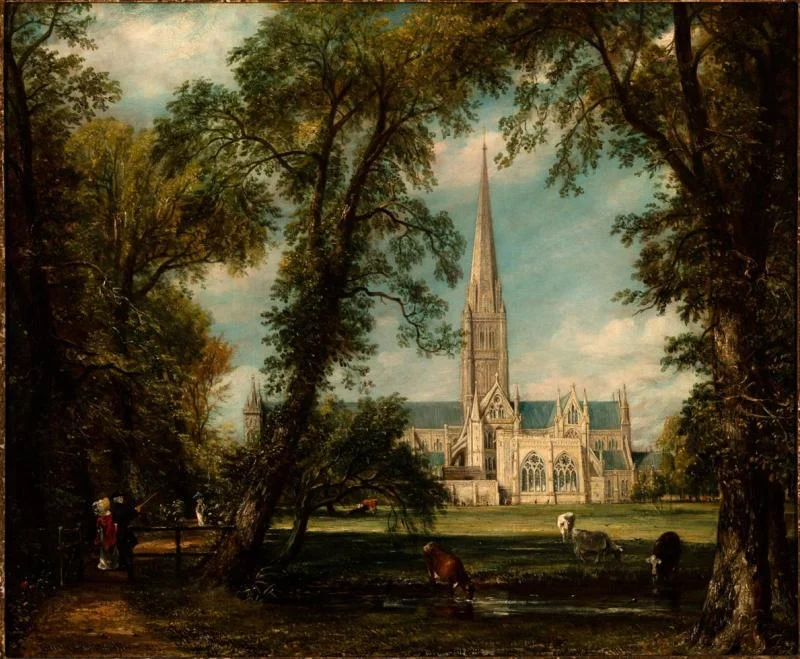
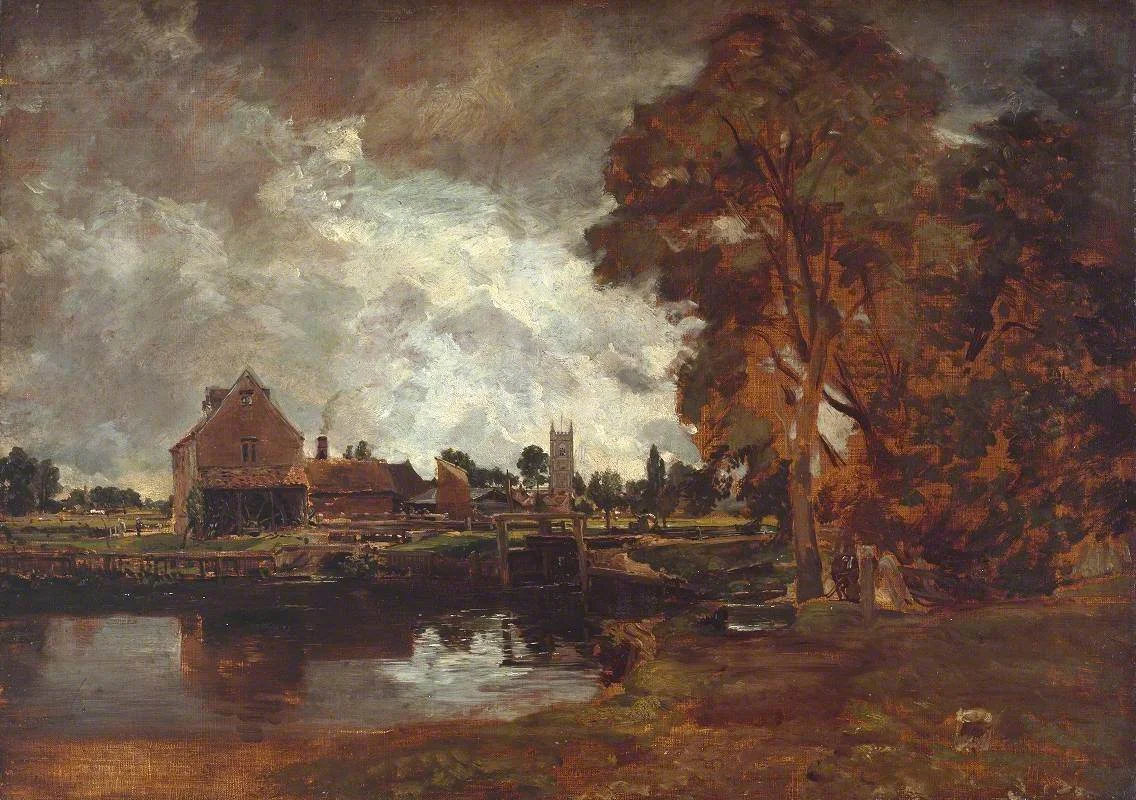
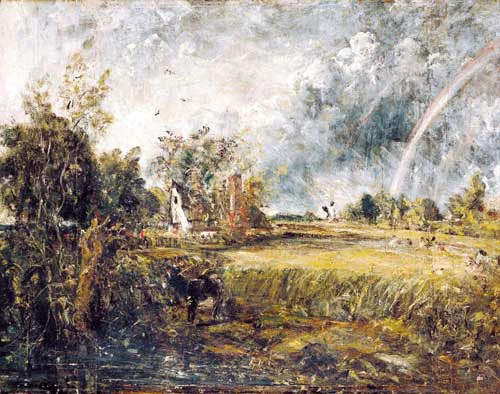
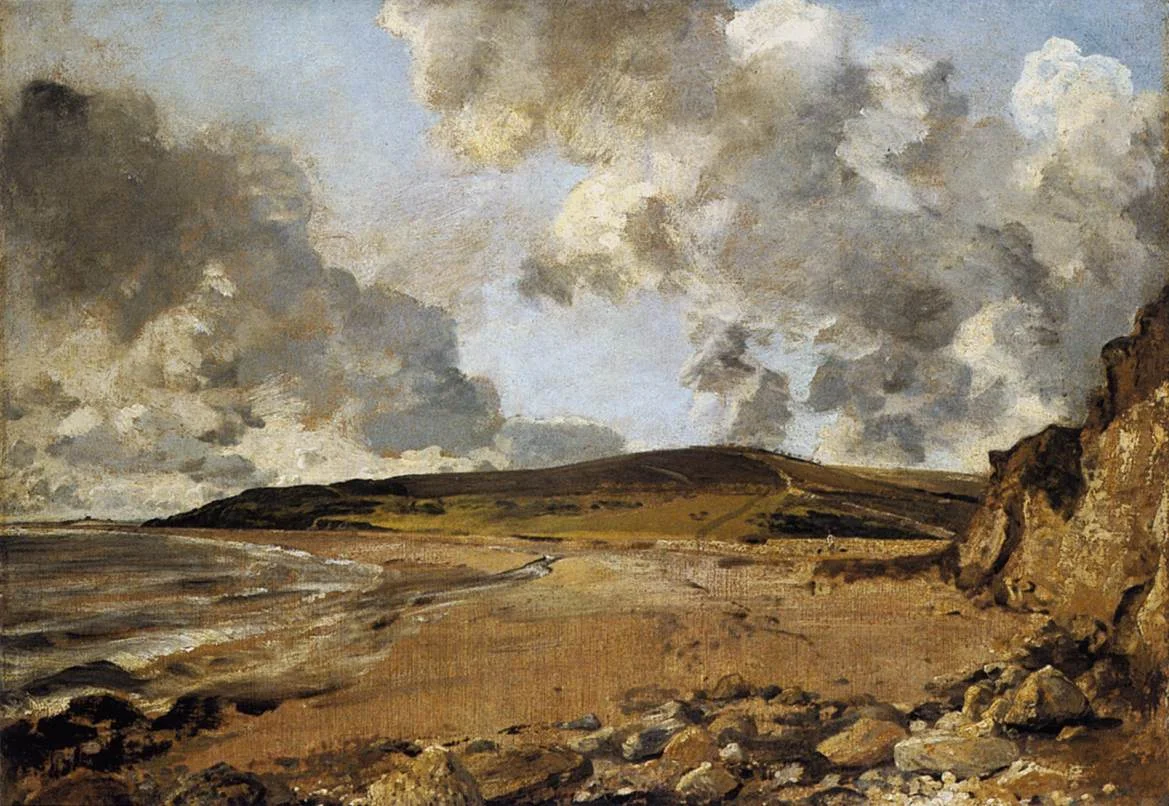
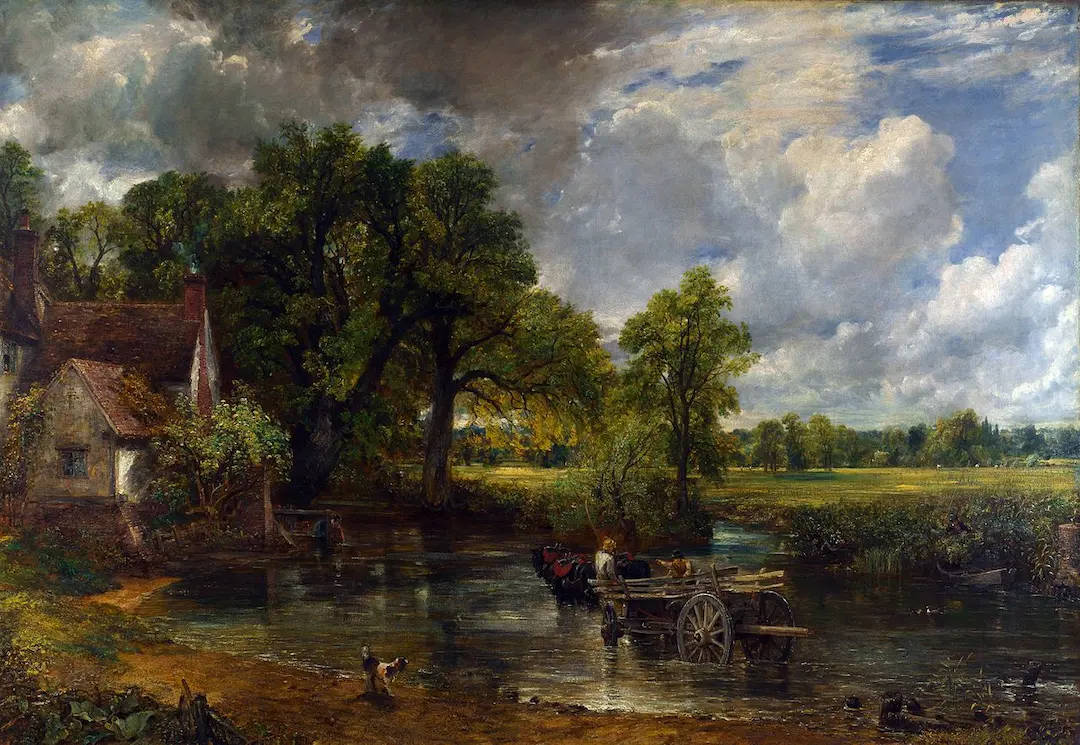
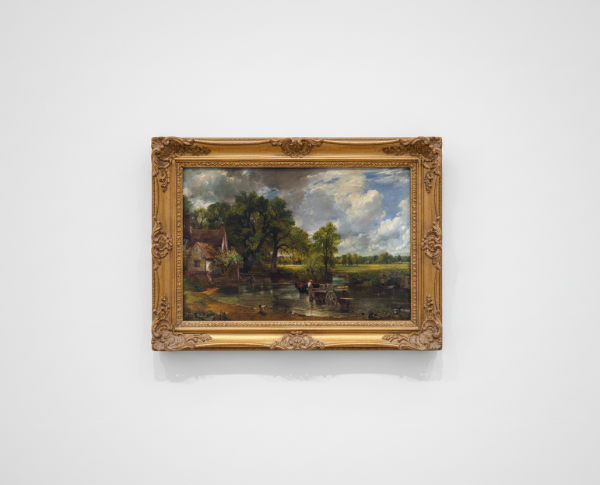
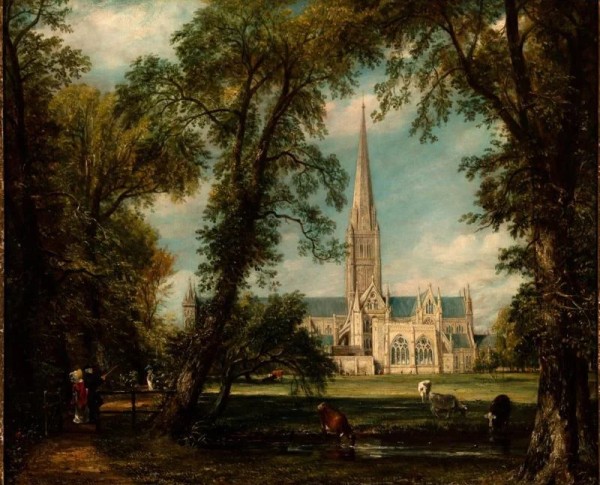
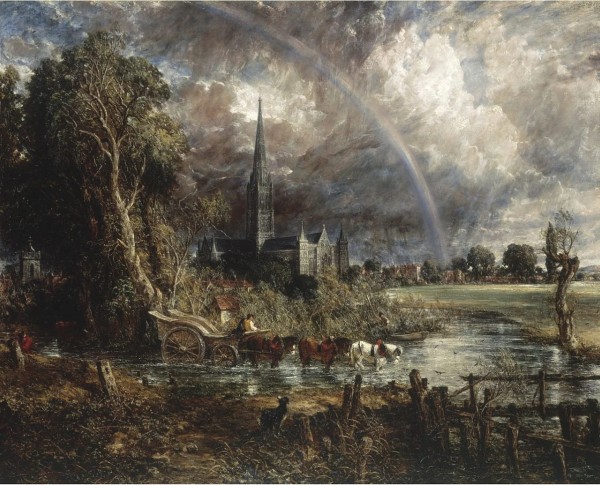
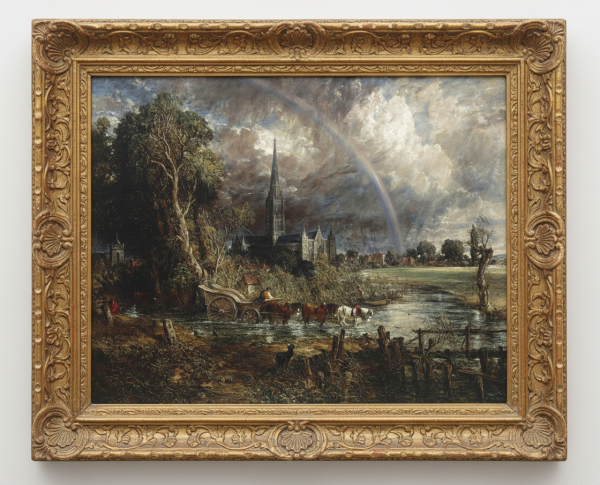
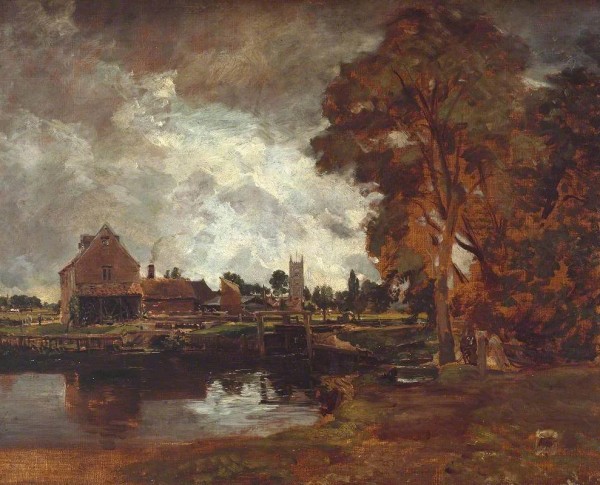
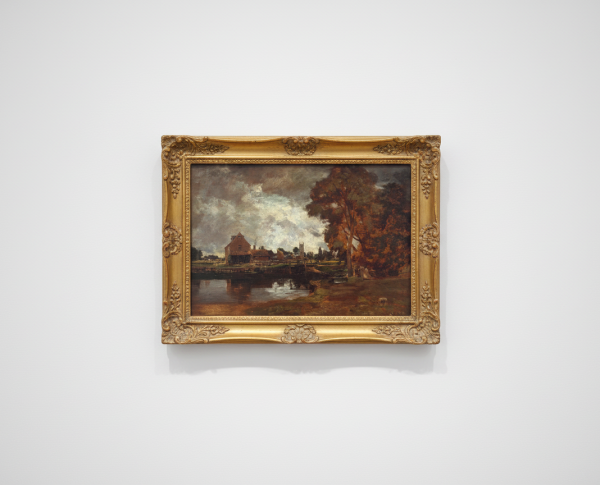
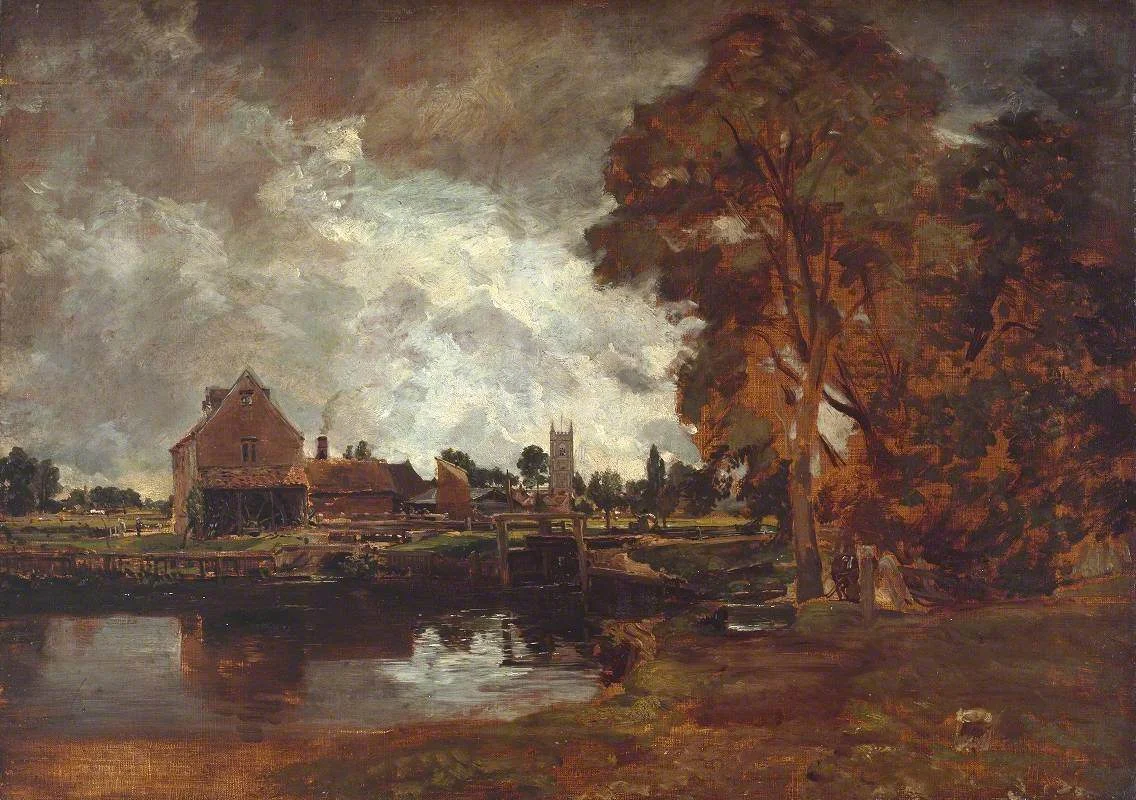
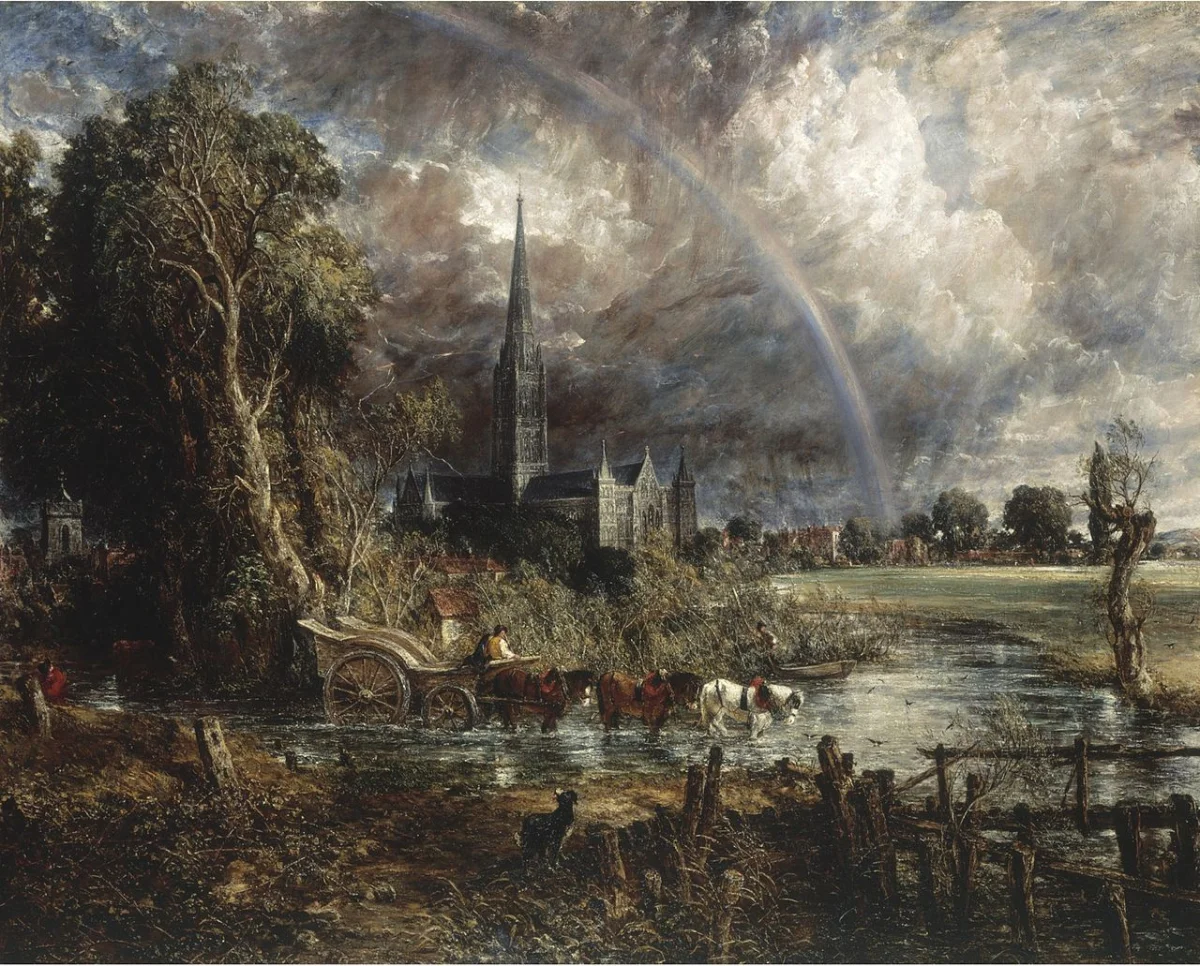
Constable’s technique in "Dedham Lock and Mill" showcases his remarkable skill with oil on canvas, a medium that allows for lush textures and atmospheric effects. His meticulous brushwork brings the landscape to life, highlighting the Romantic era’s emphasis on emotion and natural beauty. The painting’s realism and vivid details are hallmarks of Constable’s artistry, making it a prized example among fine art painting for sale, often compared to works like "Salisbury Cathedral from the Meadows".
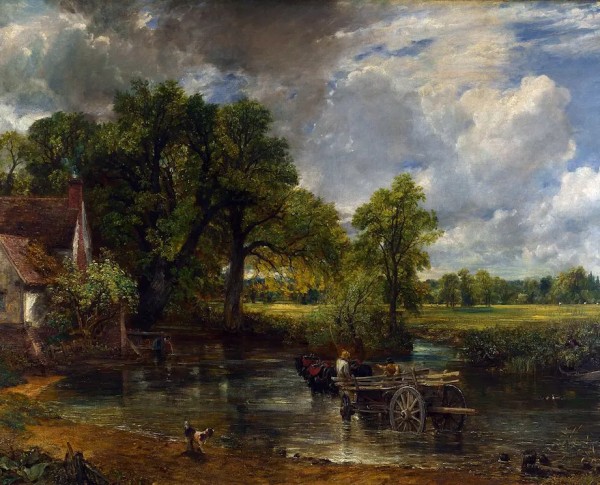
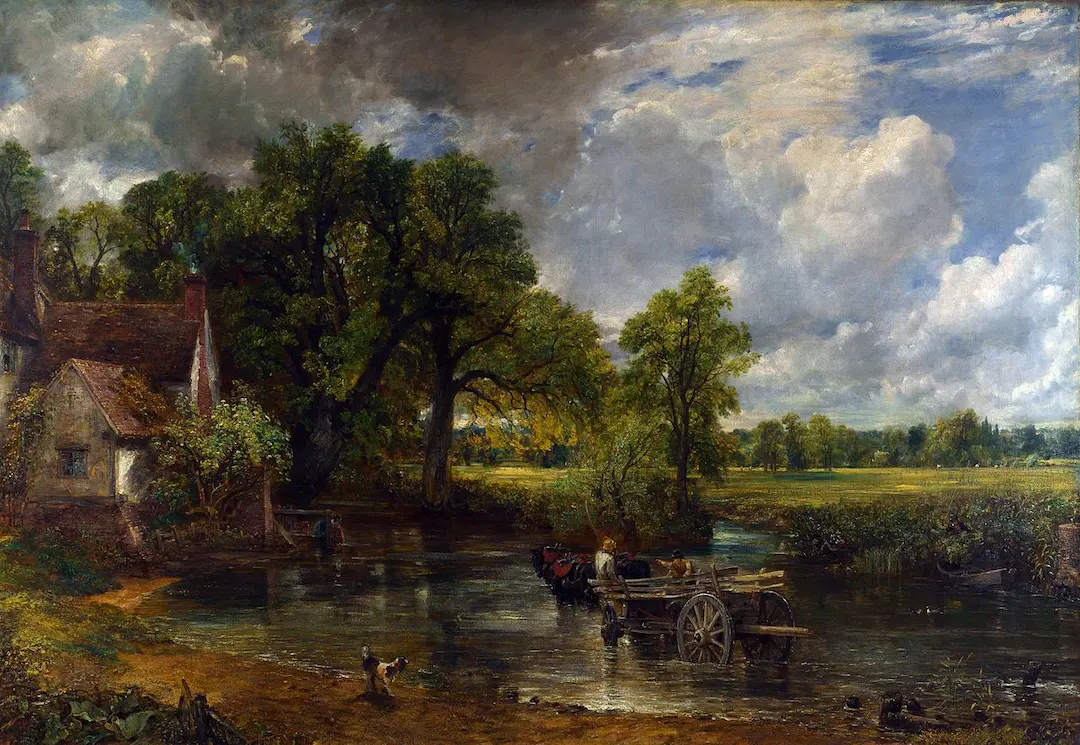
"Dedham Lock and Mill" is more than a landscape; it embodies stories of rural life and the enduring relationship between humanity and nature. Through his hand-painted oil painting, Constable weaves subtle symbols of tranquility and nostalgia, inviting viewers to reflect on England’s pastoral charm. This work, much like "The Hay Wain, 1821," is celebrated within the Romanticism movement for its ability to evoke emotion and tell stories through scenery and composition.
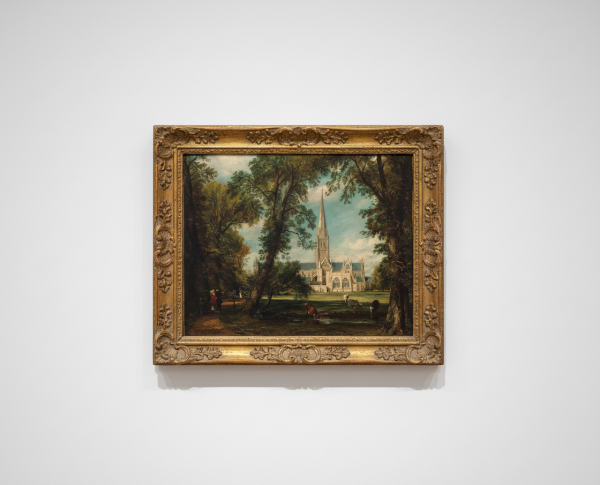
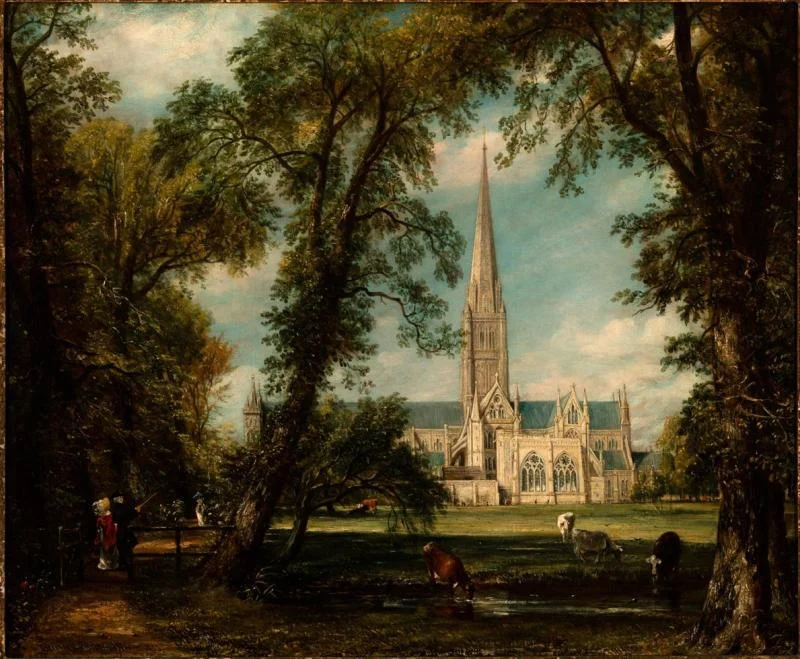
For collectors, owning "Dedham Lock and Mill" is like holding a piece of art history. As an exceptional oil on canvas by John Constable, it represents the pinnacle of Romantic landscape painting. Its desirability is further enhanced by its association with related products, including "Salisbury Cathedral from the Bishop's Grounds" and "Salisbury Cathedral from the Meadows". As a fine art painting for sale, it remains a cherished addition to any distinguished collection.
When Art Meets History
"Dedham Lock and Mill" by John Constable stands as a testament to the Romanticism movement, capturing the spirit of early 19th-century England. This hand-painted oil painting reflects Constable’s fascination with rural landscapes and his dedication to portraying the English countryside authentically. Works like "The Fighting Temeraire" and "The Wreckers" share a similar historical narrative, where art becomes a bridge between past and present, making every brushstroke a piece of history.
Techniques That Speak
John Constable’s mastery is evident in his use of oil on canvas, a medium that allows for rich textures and vibrant color palettes. In "Dedham Lock and Mill," he skillfully layers paint to evoke the play of light and the movement of clouds, hallmarks of the Romanticism movement. Techniques seen here are echoed in related works such as "Riding out a Gale" and "Christopher Columbus Before the Council of Salamanca," emphasizing the expressive potential of oil on canvas.
Emotions on Display
"Dedham Lock and Mill" evokes a profound sense of nostalgia and tranquility, capturing the emotional depth characteristic of Romanticism. John Constable’s ability to infuse his landscapes with feeling sets this fine art painting for sale apart from others. The same emotional resonance can be found in related paintings like "Worthington Whittredge" and "The Fighting Temeraire," where artists channel their inner worlds onto the canvas, inviting viewers to share in their reverie.
Coveted by Collectors
As one of John Constable’s celebrated masterpieces, "Dedham Lock and Mill" is highly sought after by art enthusiasts. Its status as a hand-painted oil painting from the Romanticism era increases its desirability among collectors. Similar to works like "The Wreckers" and "Riding out a Gale," this painting exemplifies the timeless appeal of classic landscapes, making it a prized fine art painting for sale in galleries and private collections worldwide.
Related Romanticism Hand-Painted Oil Paintings by Other Artists
Other Famous Romanticism Artists:
Frequently Asked Questions About Dedham Lock and Mill
What is the historical significance of "Dedham Lock and Mill"?
"Dedham Lock and Mill," painted by John Constable in 1820, captures a quintessential English rural landscape, reflecting the artist's deep connection to the Dedham Vale, an area he cherished and frequently depicted. The painting serves as a historical document of the English countryside during the early 19th century, showcasing the importance of agriculture and industry in the region.
What artistic techniques did Constable use in this painting?
Constable employed a technique known as "plein air" painting, which involved working outdoors to capture the natural light and atmosphere of the scene. His use of vibrant colors, dynamic brush strokes, and attention to detail in the foliage and water reflects his innovative approach to landscape painting, which was revolutionary for his time.
What themes are explored in "Dedham Lock and Mill"?
The painting explores themes of nature, industry, and the relationship between humanity and the environment. It juxtaposes the serene beauty of the landscape with the presence of the mill, symbolizing the coexistence of natural beauty and human enterprise.
How does "Dedham Lock and Mill" reflect the Romantic movement?
As a prominent figure in the Romantic movement, Constable's work embodies the era's emphasis on emotion, nature, and individualism. "Dedham Lock and Mill" reflects the Romantic ideal of finding beauty in the everyday landscape, emphasizing the emotional connection between the viewer and the natural world.
What role does light play in this painting?
Light is a crucial element in "Dedham Lock and Mill," as Constable skillfully captures the interplay of sunlight and shadow across the landscape. This technique enhances the three-dimensionality of the scene and evokes a sense of time, often portraying the fleeting moments of a day in the countryside.
What is the significance of the mill in the painting?
The mill serves as a focal point in the composition, symbolizing the industrial progress of the time while also representing the harmony between nature and human activity. It illustrates the importance of agriculture and local industry in the rural economy of 19th-century England.
How did Constable's personal experiences influence this work?
Constable's upbringing in Suffolk and his frequent visits to Dedham Vale deeply influenced his artistic vision. His personal connection to the landscape is evident in "Dedham Lock and Mill," as he sought to capture the beauty of the area he loved, making the painting a reflection of his own experiences and emotions.
What impact did "Dedham Lock and Mill" have on future artists?
The painting significantly influenced future generations of landscape artists, particularly the Impressionists, who admired Constable's ability to convey light and atmosphere. His pioneering techniques and emphasis on capturing the essence of a scene laid the groundwork for modern landscape painting.
In what ways does the painting represent the English countryside?
"Dedham Lock and Mill" is a quintessential representation of the English countryside, showcasing its lush greenery, tranquil waters, and rural architecture. Constable's attention to detail and his portrayal of the natural environment reflect the beauty and charm of the English landscape, making it an enduring symbol of national identity.
What is the current location of "Dedham Lock and Mill"?
The painting is part of the collection at the Victoria and Albert Museum in London. It remains a significant work in the study of English landscape painting and continues to attract visitors interested in Constable's artistry and the historical context of his work.






















_GFM_Painting_(1).webp)


 100% Hand-Painted: Finished in 3-6 Weeks

.png)















_(1).webp)