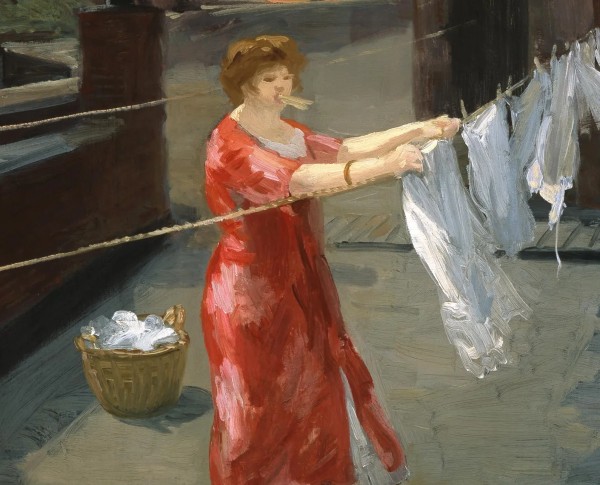
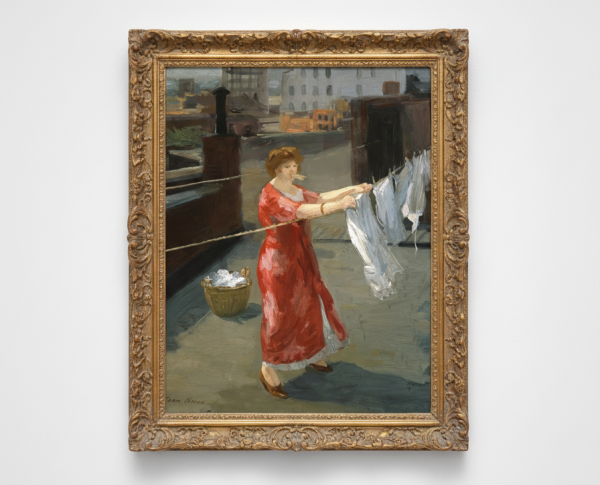
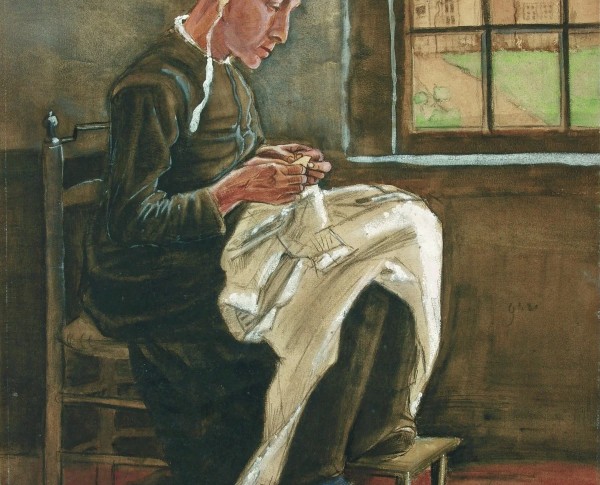
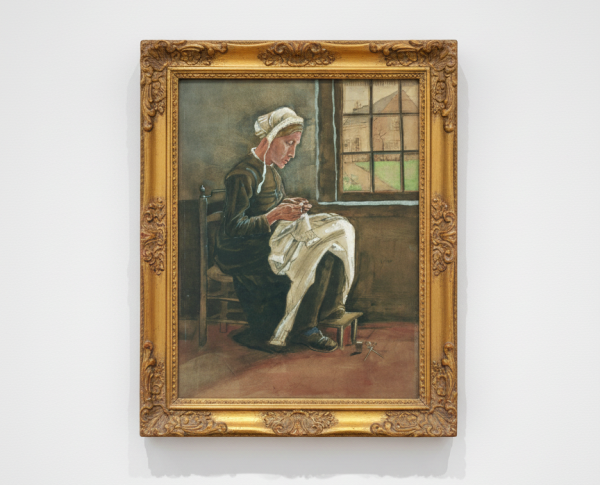
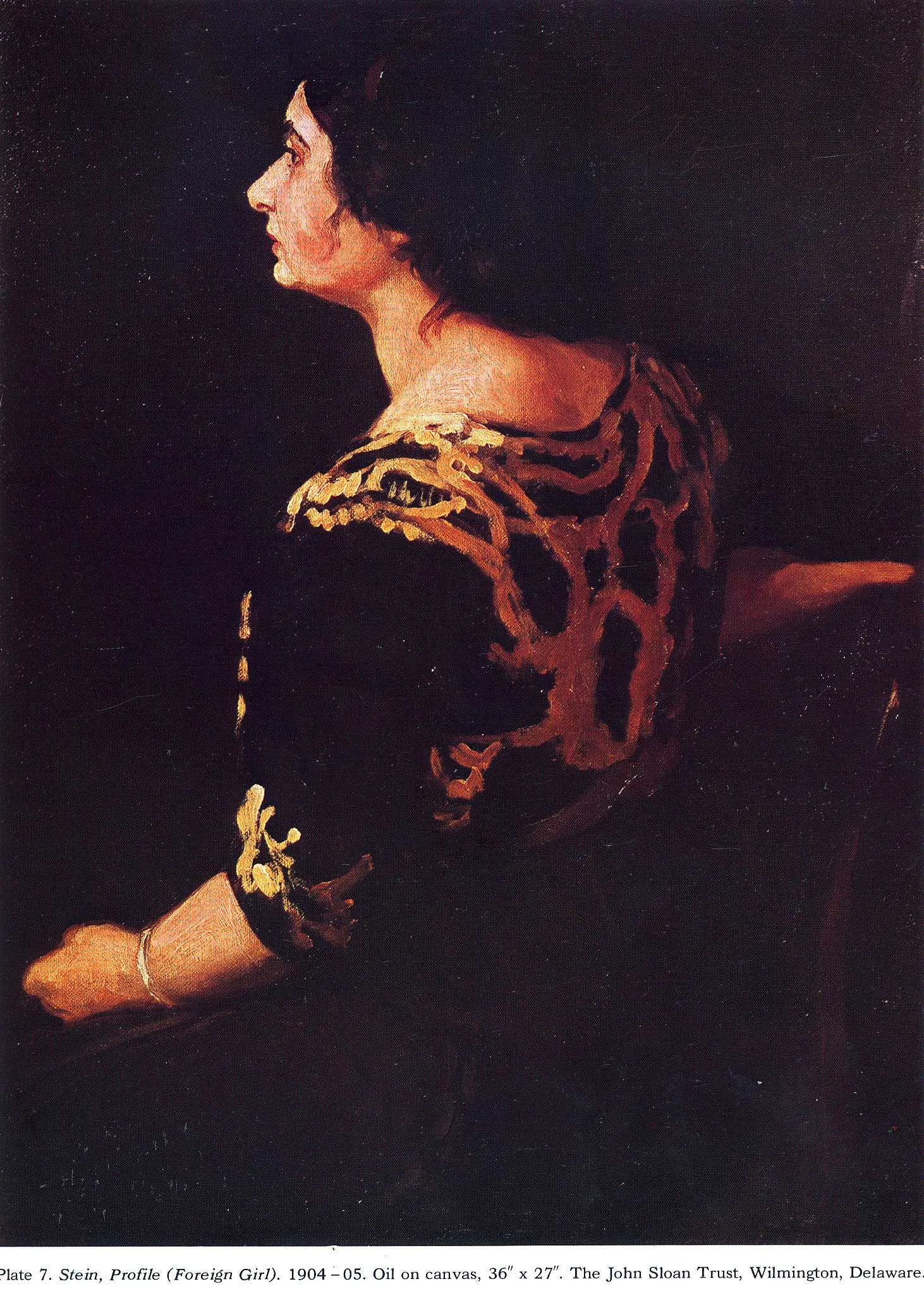
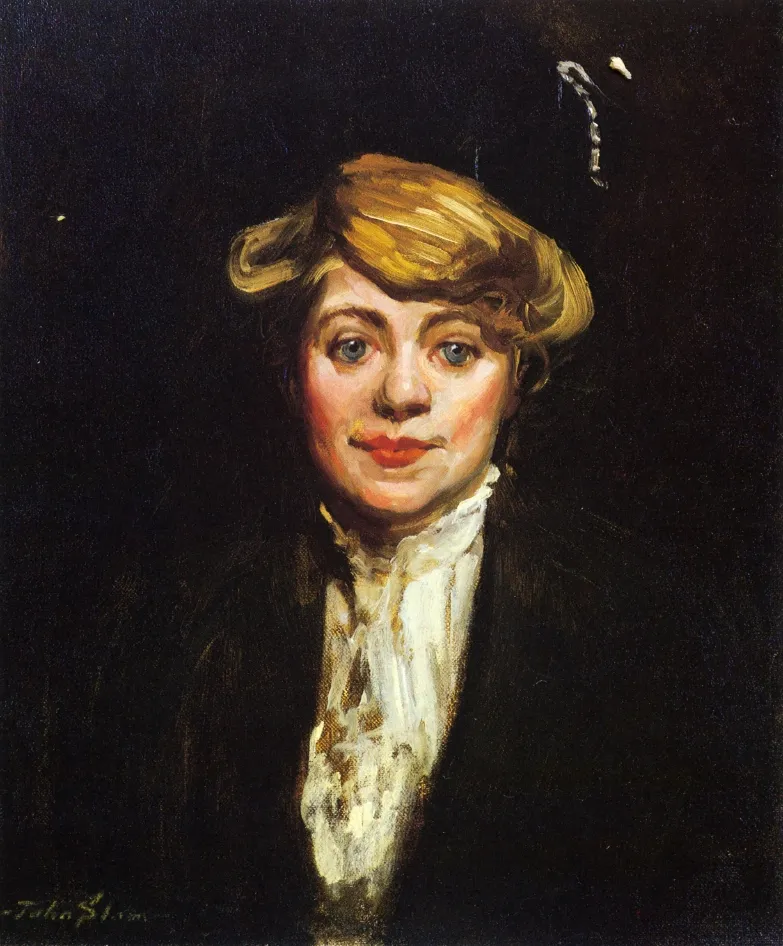
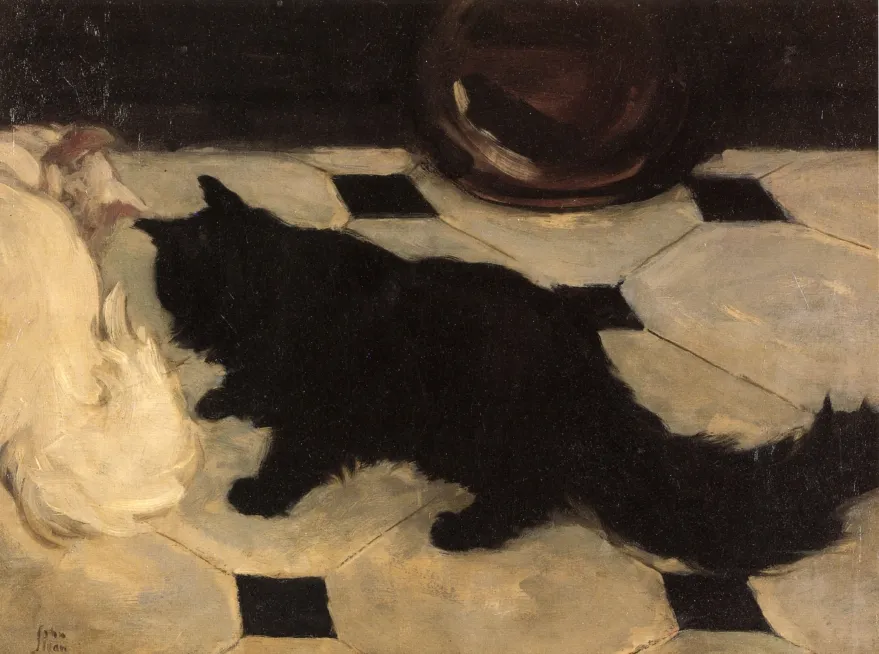
John Sloan’s expert technique is evident in every inch of "Daisy," an exquisite oil on canvas that exemplifies the Ashcan School's vibrant energy. The artist’s brushwork and color choices bring the subject to life, resonating with the same vitality found in related works such as "Profile" and "Boy with Piccolo." Collectors appreciate how Sloan’s mastery transforms a simple scene into a compelling oil on canvas, making "Daisy" a true highlight of his artistic legacy.
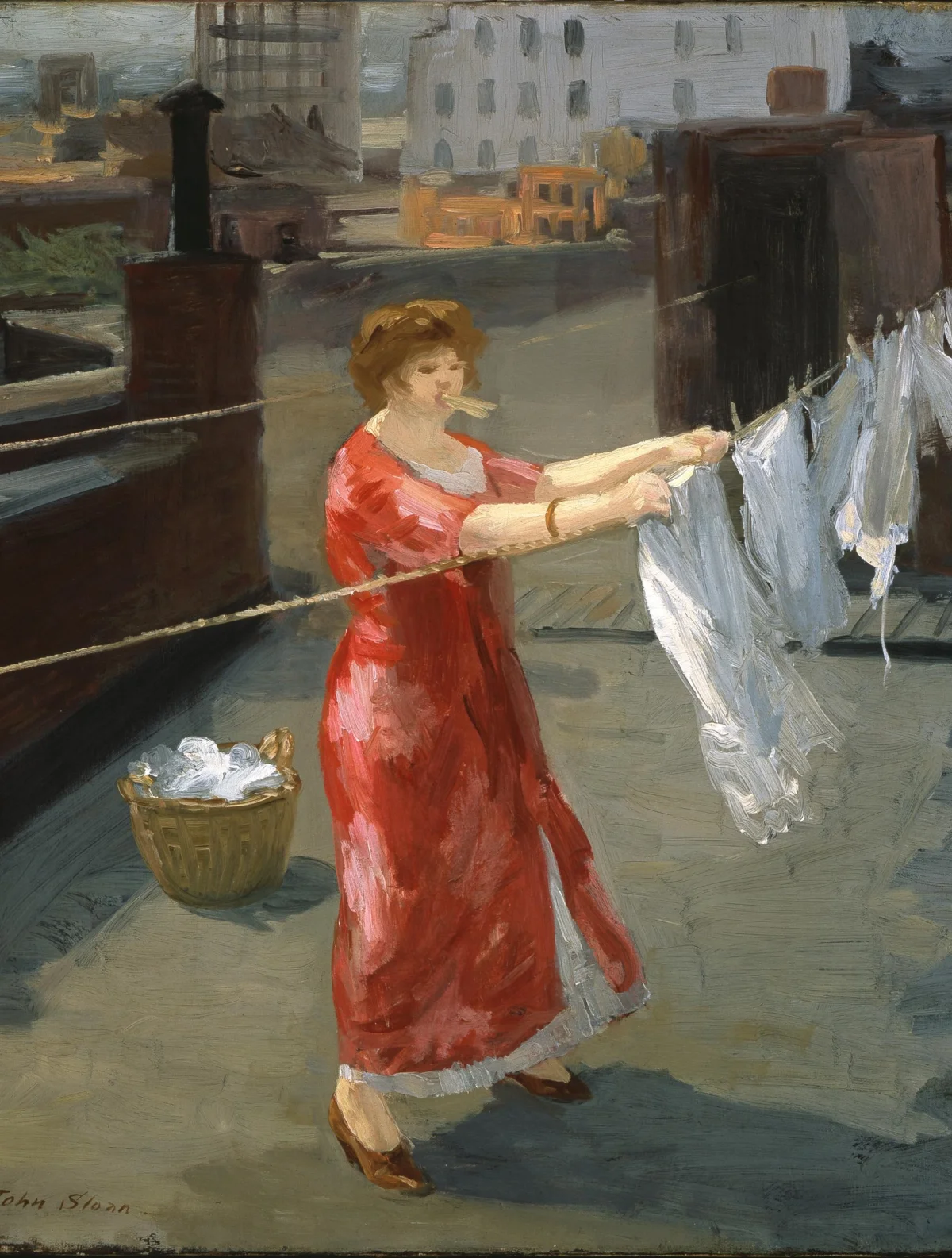
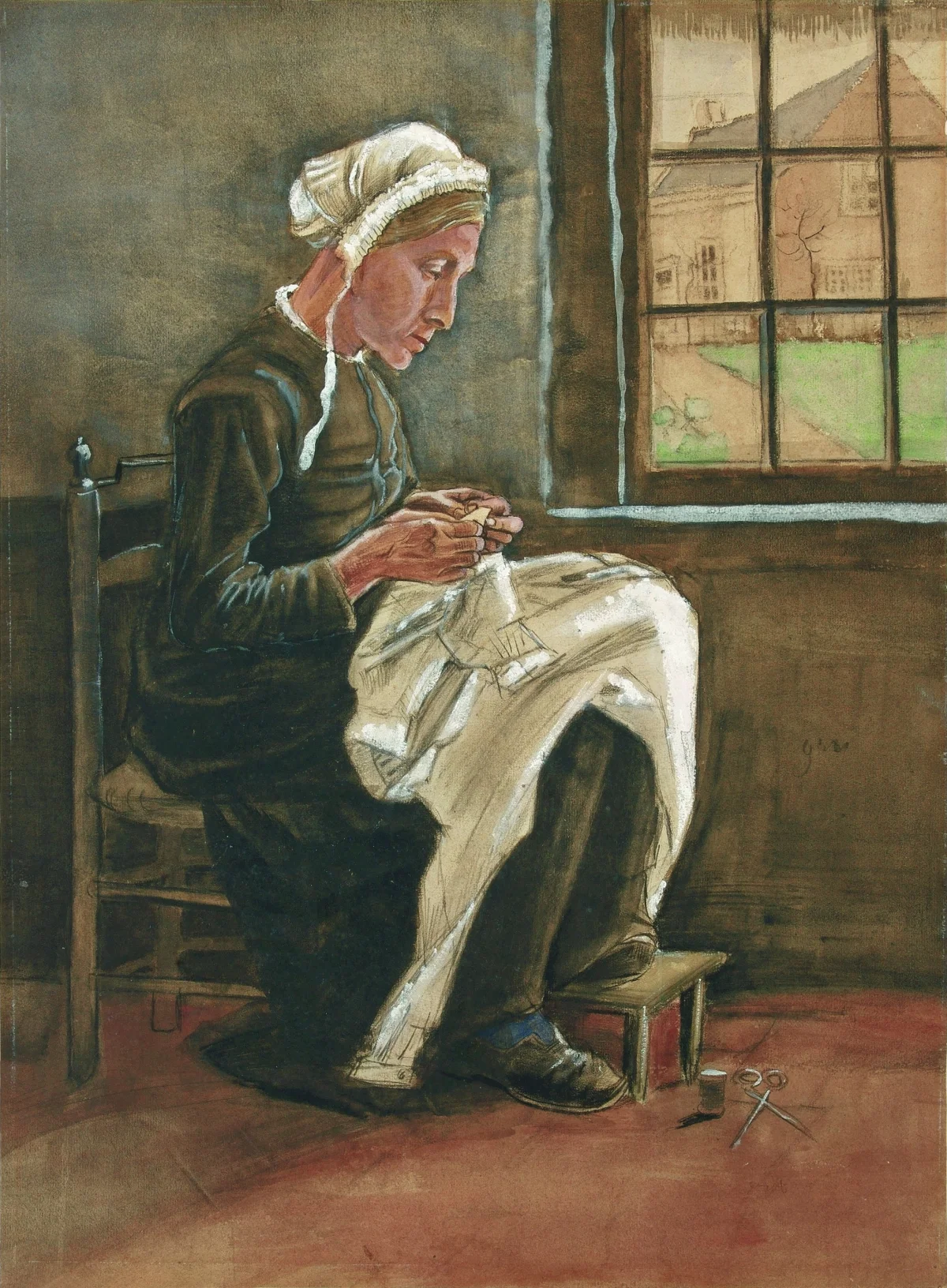
"Daisy" weaves a narrative that is both personal and universal, characteristic of John Sloan’s approach within the Ashcan School. Through subtle symbolism and expressive details, the fine art painting for sale invites viewers to explore themes of resilience and everyday beauty. The painting’s storytelling aligns it with pieces like "The Sewing Woman" and "Young Woman in Black and White," all of which celebrate the richness of ordinary life through the lens of a fine art painting for sale.
As a distinguished work by John Sloan, "Daisy" holds a special place in the realm of art collecting, especially among aficionados of the Ashcan School movement. Its authenticity and historical value position it alongside other cherished artworks such as "Sunset" and "West Twenty-Third Street." For those seeking a unique investment, this hand-painted oil painting stands out as a collector’s treasure, blending artistic mastery with the timeless appeal of early twentieth-century urban scenes.
When Art Meets History
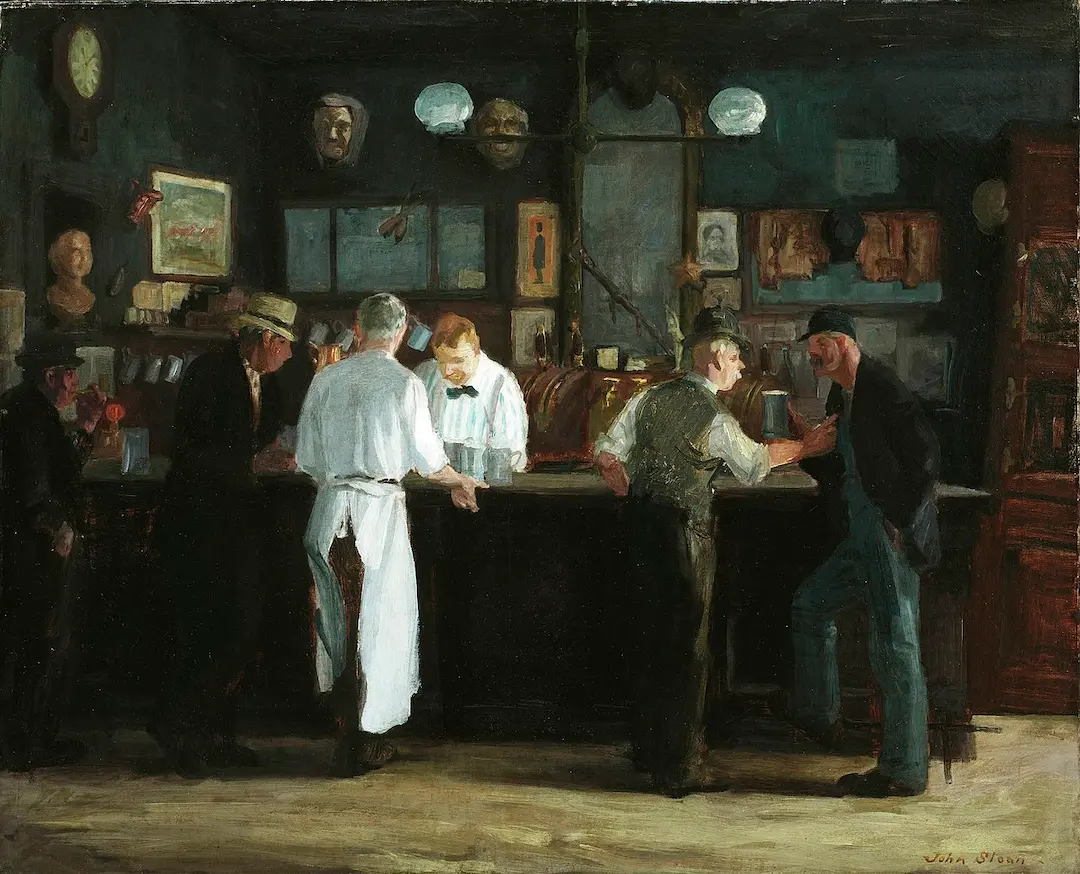
"Daisy" by John Sloan is a remarkable hand-painted oil painting that captures the spirit of the early twentieth-century Ashcan School movement. Sloan, a prominent artist of this era, used his brush to document everyday urban life. This painting stands alongside other notable works from the movement, showcasing the social realities of the time. With "Daisy," Sloan invites viewers to step back in history and experience the world as seen through the eyes of an Ashcan artist.
Techniques That Speak
John Sloan’s mastery of oil on canvas is evident in "Daisy," where his loose, expressive brushwork brings vitality to the subject. The painting exemplifies the Ashcan School’s commitment to realism and immediacy, using bold strokes and a muted palette to convey urban atmosphere. Sloan’s technique in "Daisy" aligns with his other works, demonstrating the technical prowess that has made his paintings highly regarded within the tradition of American realism.
Emotions on Display
"Daisy" by John Sloan is a fine art painting for sale that resonates with emotion and depth. The subject’s contemplative expression and the intimate setting evoke a sense of empathy and connection. Like other Ashcan School paintings, this work reveals the emotional undercurrents of daily life, inviting viewers to reflect on their own experiences. Sloan’s attention to detail and mood makes "Daisy" a standout piece within his celebrated body of work.
Coveted by Collectors
Collectors seeking a hand-painted oil painting with historical significance often turn to "Daisy" by John Sloan. As a key example of the Ashcan School movement, this painting offers both aesthetic appeal and cultural value. Its connection to Sloan’s broader oeuvre and the movement’s legacy increases its desirability among art enthusiasts. "Daisy" remains a sought-after artwork, representing the enduring appeal of American urban realism in the early twentieth century.
Frequently Asked Questions About Daisy
What is the historical context of John Sloan's painting "Daisy"?
"Daisy" was created during the early 20th century, a time when American artists were exploring new styles and subjects, moving away from European influences. Sloan was part of the Ashcan School, which focused on depicting everyday life and urban scenes, reflecting the realities of contemporary society.
What artistic techniques did John Sloan employ in "Daisy"?
Sloan utilized a combination of loose brushwork and vibrant colors to convey the spontaneity of the moment. His use of light and shadow adds depth, while the composition draws the viewer's eye to the central figure, emphasizing the intimacy of the scene.
What themes are explored in "Daisy"?
The painting explores themes of domesticity and femininity, capturing a moment of quiet reflection. It highlights the beauty of everyday life and the significance of personal connections, particularly in the context of early 20th-century American society.
How does "Daisy" reflect the influence of the Ashcan School?
What is the significance of the title "Daisy"?
The title "Daisy" may symbolize purity and innocence, often associated with the flower itself. This choice reflects the subject's serene demeanor and the gentle, intimate atmosphere of the painting, inviting viewers to contemplate the deeper emotional layers of the scene.
What role does color play in "Daisy"?
Color in "Daisy" serves to evoke mood and emotion. Sloan's palette, characterized by soft, warm tones, enhances the sense of tranquility and domesticity, while contrasting colors highlight the subject and create visual interest within the composition.
How does "Daisy" compare to other works by John Sloan?
Sloan was influenced by Impressionism and Post-Impressionism, evident in his loose brushwork and emphasis on light. Additionally, the Ashcan School's focus on realism and everyday subjects significantly shaped his approach to painting in "Daisy."
What can we learn about early 20th-century American society from "Daisy"?
"Daisy" provides insight into the domestic sphere of women during the early 20th century, reflecting societal norms and expectations. The painting captures a moment of solitude, suggesting the complexities of women's roles and the importance of personal space in a rapidly changing world.
How has "Daisy" been received by critics and art historians?
"Daisy" has been praised for its emotional depth and technical skill, with critics noting Sloan's ability to capture the essence of his subjects. Art historians often highlight the painting as a significant representation of the Ashcan School's ideals and the evolution of American art during this period.























_GFM_Painting_(1).webp)


 100% Hand-Painted: Finished in 3-6 Weeks

.png)















_(1).webp)