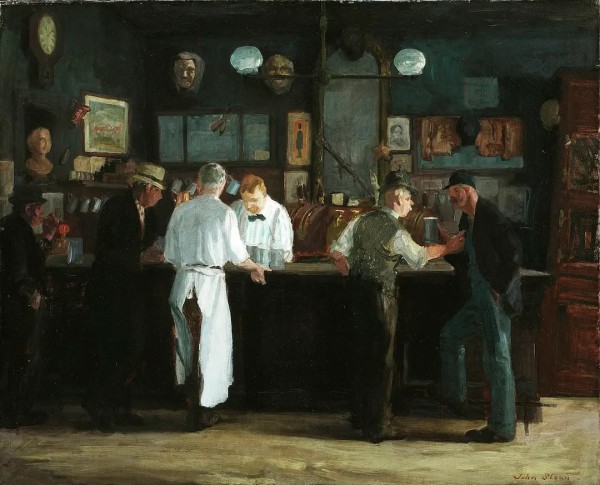
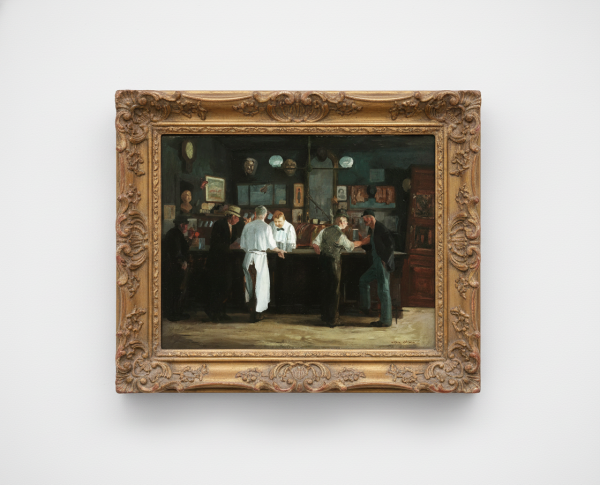
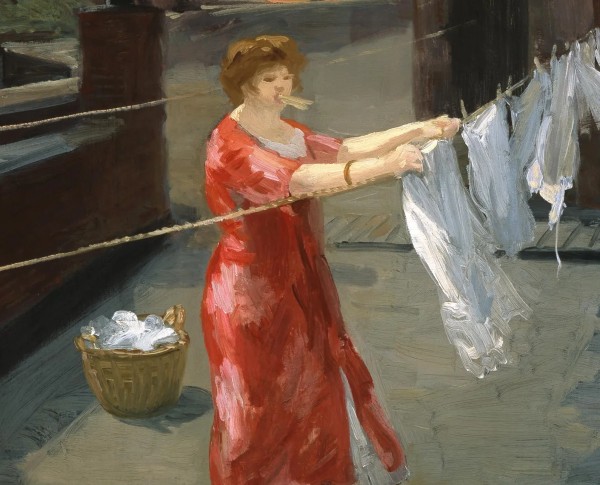
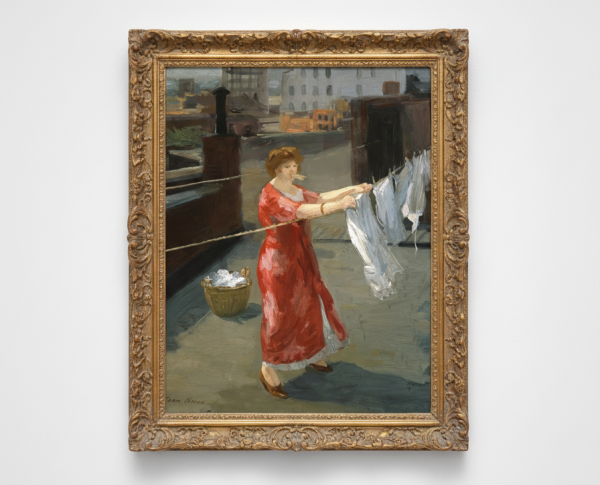
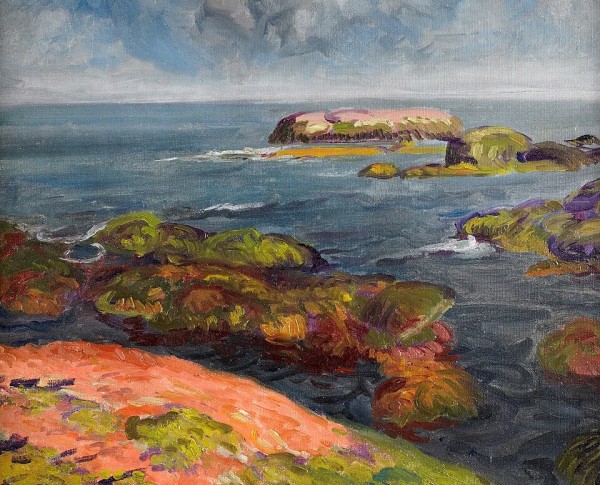
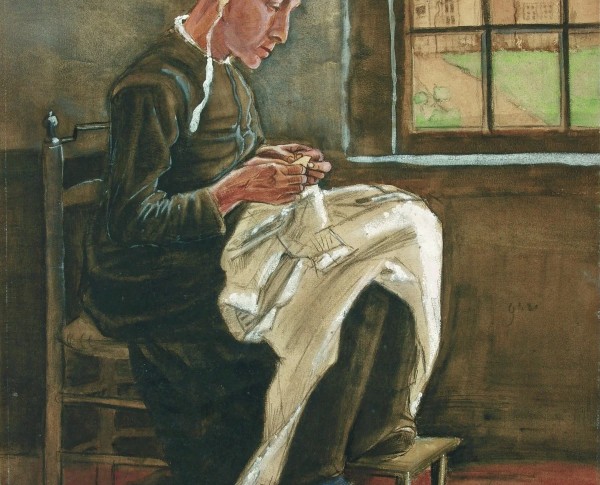
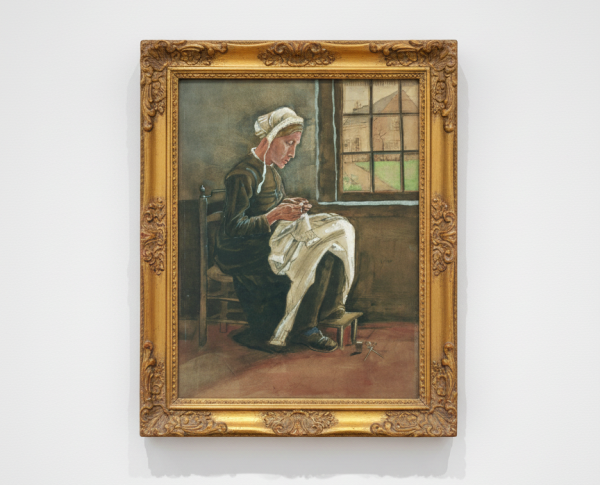
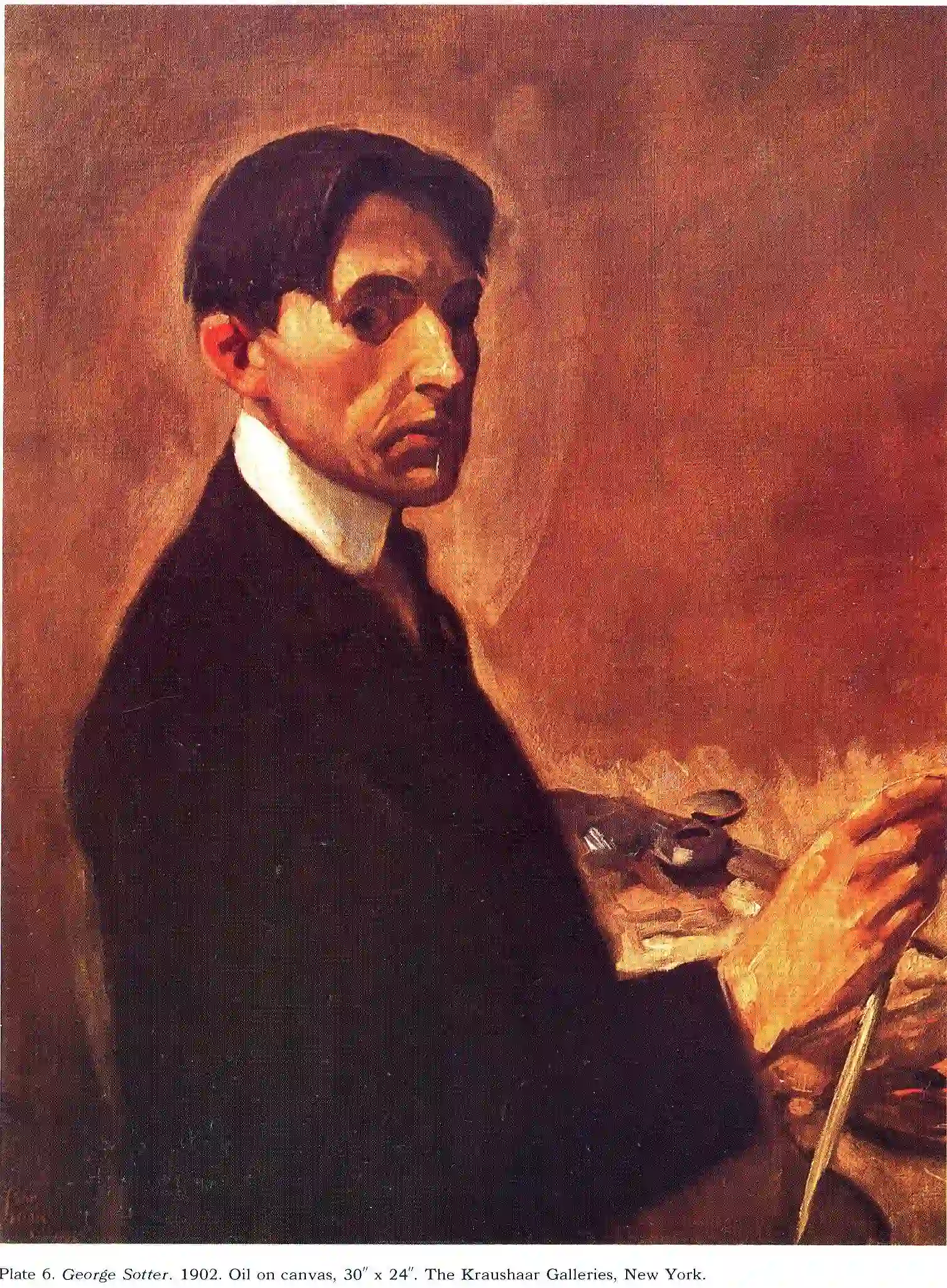
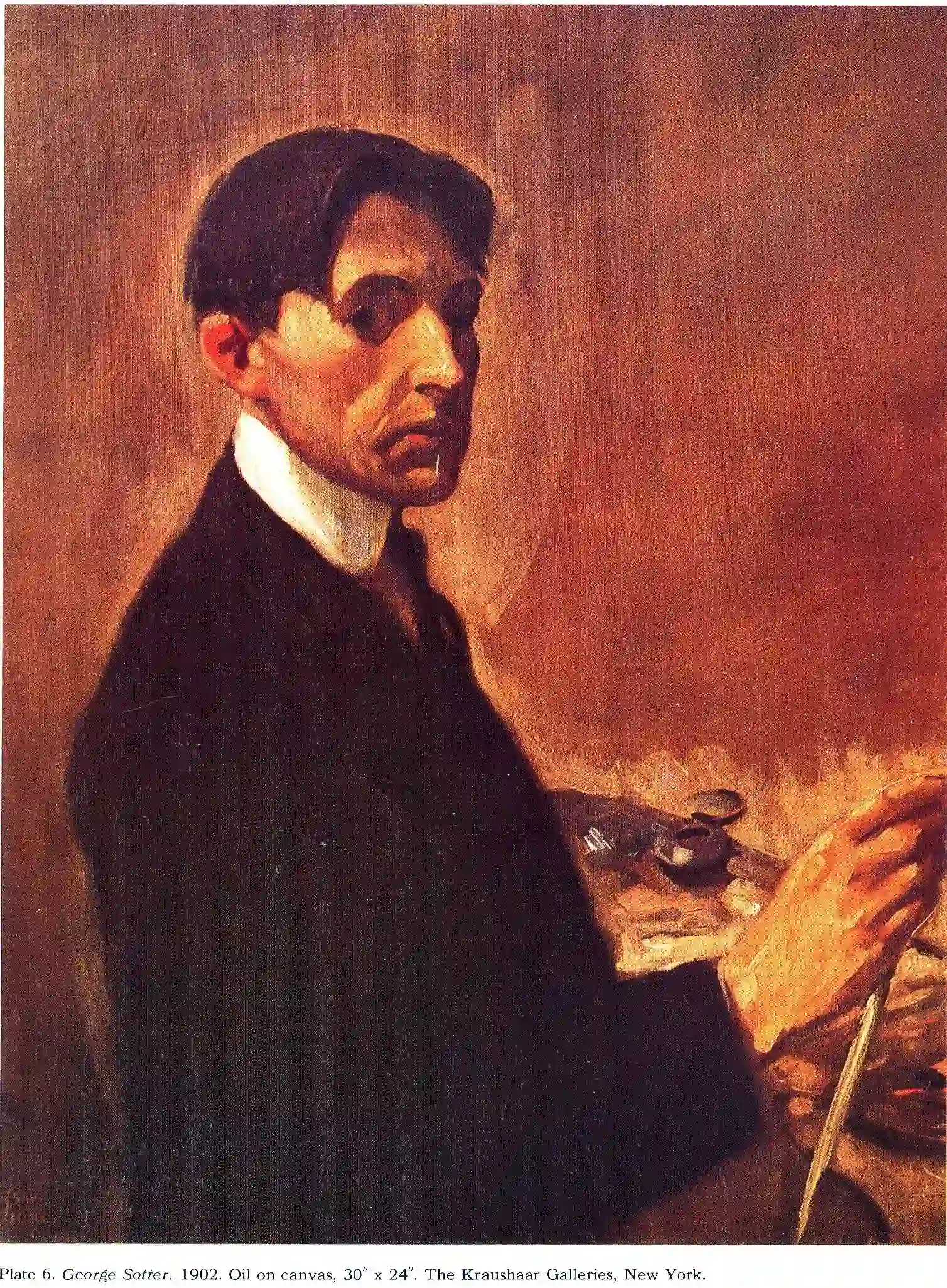
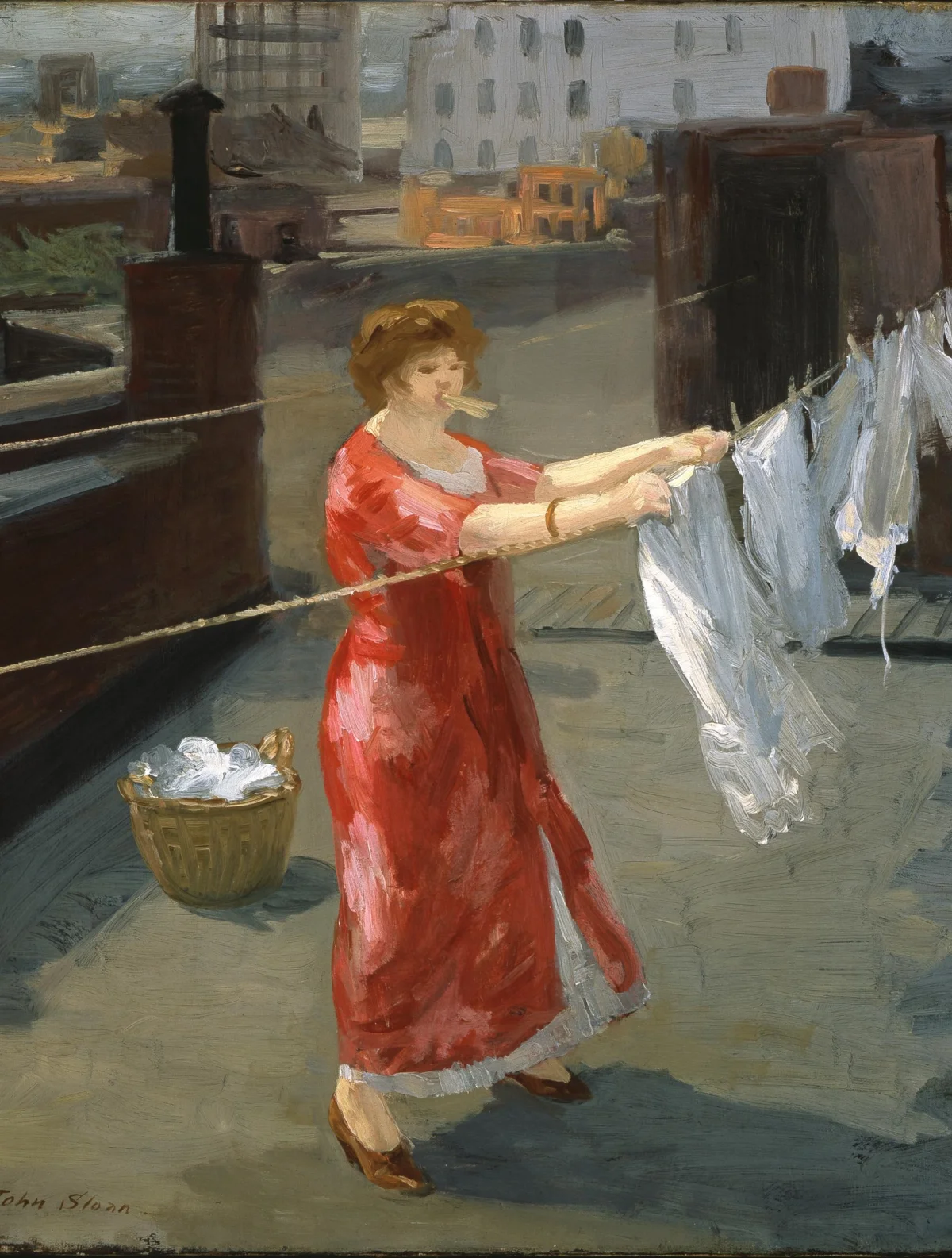
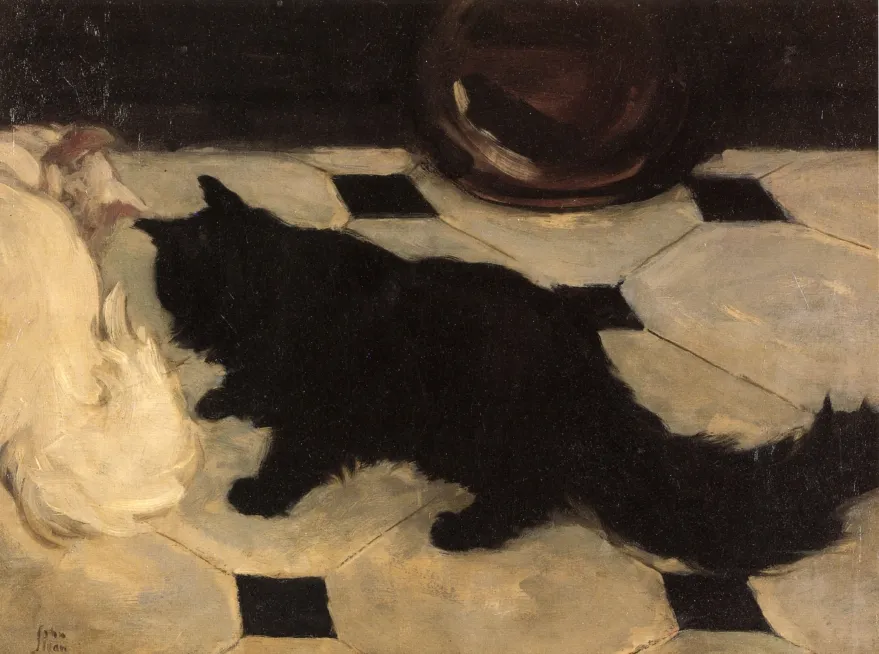
John Sloan's "George Sotter" masterfully utilizes oil on canvas to capture the essence of urban existence. Each brushstroke demonstrates his ability to merge realism with emotional depth, a hallmark of the Ashcan School. The textured layers and subtle color shifts invite close examination, much like his other celebrated pieces—"East Entrance, City Hall, Philadelphia" and "Green's Cat." This painting is a testament to Sloan’s technical prowess and his commitment to portraying genuine city life.
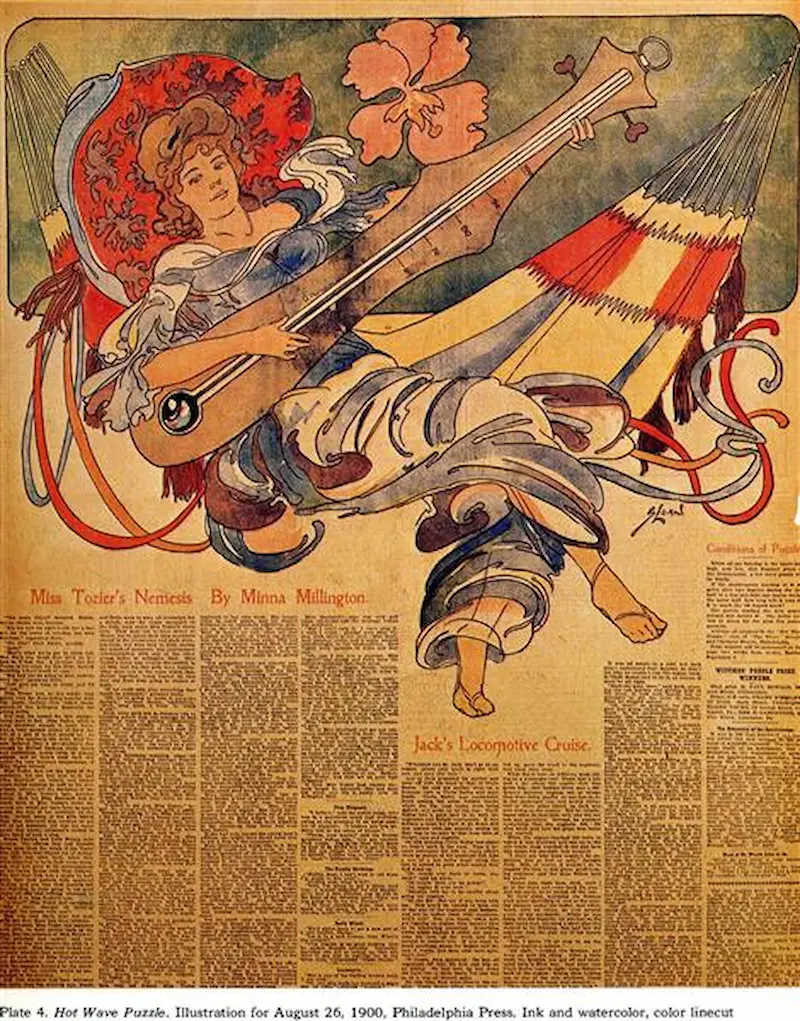
In "George Sotter," John Sloan weaves a narrative rich with symbolism and subtle storytelling. Through his fine art painting for sale, viewers are encouraged to ponder the subject’s inner world and the broader social context of the Ashcan School era. The painting’s mood echoes that of "Independence Square, Philadelphia" and "Hot Wave Puzzle Illustration for Philadelphia Press," inviting collectors to delve into the stories behind each work and explore the deeper meanings within Sloan’s artistic universe.
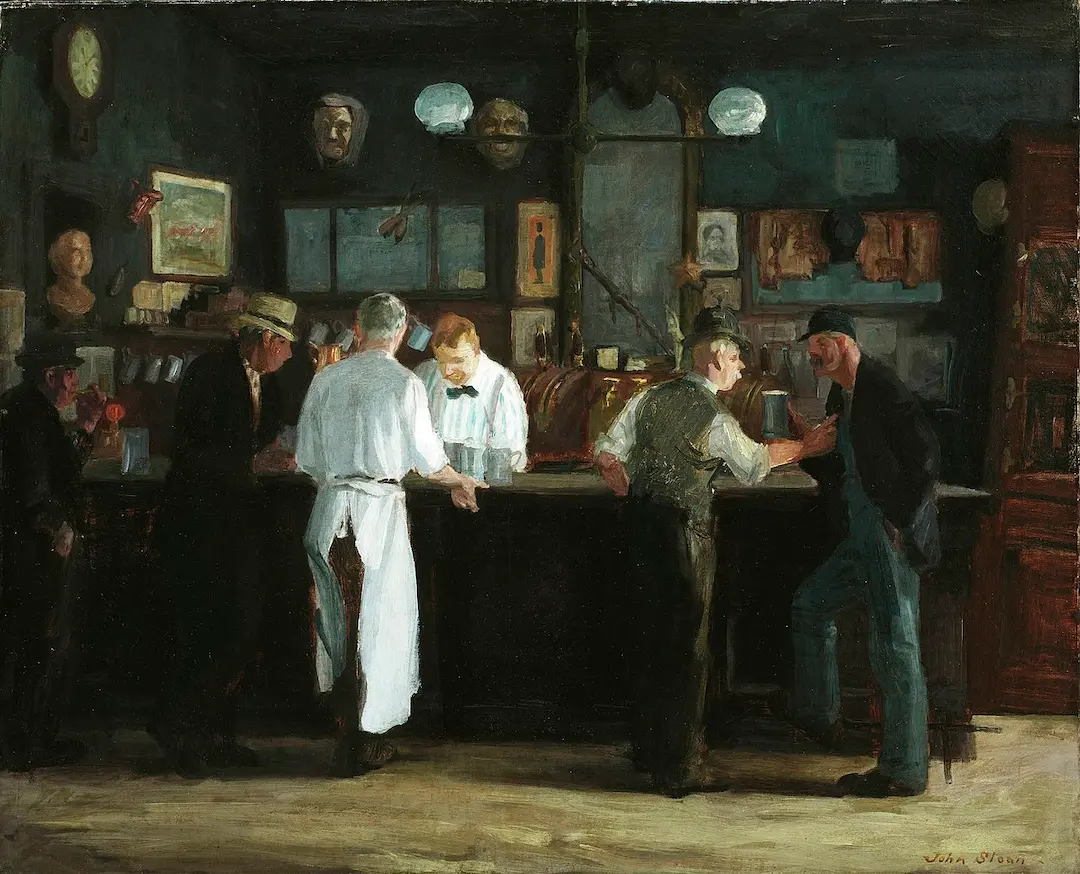
Owning "George Sotter" by John Sloan represents a unique opportunity for art lovers to acquire a hand-painted oil painting rooted in the Ashcan School tradition. This fine art painting for sale pairs beautifully with related products like "McSorley's Bar" or "Green's Cat," creating a cohesive and historically significant collection. Collectors value such pieces not only for their aesthetic appeal but also for the rich stories and cultural legacy they bring into any curated space.
When Art Meets History
"George Sotter" by John Sloan stands as a testament to the Ashcan School movement, capturing a slice of early 20th-century American life. This hand-painted oil painting reflects the social realities and urban experiences that defined the era. Sloan, renowned for his candid portrayals, brings history to life through his brushwork. Like other works from the Ashcan School, "George Sotter" immerses viewers in the everyday, making it a must-see for those interested in historical art narratives.
Techniques That Speak
John Sloan’s mastery is evident in "George Sotter," where he employs oil on canvas to deliver depth and nuance. His bold, expressive strokes are characteristic of the Ashcan School, emphasizing realism and raw emotion. The textured layers and dynamic composition showcase Sloan’s technical prowess. Collectors and art enthusiasts alike admire how the painting’s techniques echo those found in other Ashcan School masterpieces, making "George Sotter" a prime example of expert oil on canvas artistry.
Emotions on Display
"George Sotter" conveys a profound sense of atmosphere, embodying the emotional intensity the Ashcan School is known for. Through nuanced facial expressions and urban backdrops, John Sloan invites viewers to connect with the subject’s inner world. This fine art painting for sale resonates with those who appreciate artworks that evoke empathy and reflection. As with other paintings by Sloan, the emotional depth present in "George Sotter" continues to captivate audiences and inspire meaningful conversations.
Coveted by Collectors
Collectors highly prize "George Sotter" for its historical significance and unique place within the Ashcan School movement. John Sloan’s reputation and the painting’s authentic depiction of urban life make it a sought-after hand-painted oil painting. Its rarity and connection to a pivotal artistic era enhance its allure. Art lovers searching for investment-worthy pieces often seek out works like "George Sotter," appreciating its lineage alongside other celebrated Ashcan School paintings.
Frequently Asked Questions About George Sotter
What is the historical context of "George Sotter"?
"George Sotter" was painted during the early 20th century, a period marked by significant changes in American art. This era saw the rise of modernism and a departure from traditional artistic conventions, reflecting broader societal transformations.
What artistic techniques did John Sloan employ in "George Sotter"?
John Sloan utilized a blend of realism and impressionism in "George Sotter," employing loose brushwork and a vibrant color palette to capture the essence of his subject while also conveying emotional depth.
Who is the subject of the painting "George Sotter"?
The painting depicts George Sotter, an influential American artist known for his contributions to the Ashcan School, which focused on depicting everyday life and urban scenes in a candid manner.
What themes are explored in "George Sotter"?
The painting explores themes of identity and artistic legacy, highlighting the relationship between the artist and his subject while also reflecting on the broader artistic movements of the time.
How does "George Sotter" reflect the characteristics of the Ashcan School?
"George Sotter" embodies the Ashcan School's focus on realism and the portrayal of everyday life, showcasing the raw and unfiltered aspects of urban existence that were often overlooked in traditional art.
What symbolism can be found in "George Sotter"?
The painting symbolizes the intersection of personal and artistic identity, with Sloan capturing not only the likeness of Sotter but also the spirit of creativity and the struggles faced by artists of the time.
What influences can be seen in Sloan's style in "George Sotter"?
Sloan's style in "George Sotter" is influenced by both European impressionism and American realism, merging techniques from both to create a unique visual narrative that is both intimate and expressive.
What is the significance of the color palette used in "George Sotter"?
The color palette in "George Sotter" is significant as it evokes a sense of warmth and familiarity, drawing viewers into the emotional landscape of the painting while also reflecting the mood of the early 20th century.
How does "George Sotter" contribute to our understanding of American art history?
"George Sotter" contributes to American art history by exemplifying the shift towards modernism and the exploration of urban life, serving as a testament to the evolving nature of artistic expression during that era.
In what ways does "George Sotter" connect to contemporary art?
"George Sotter" connects to contemporary art through its exploration of identity and personal narrative, themes that remain relevant today as artists continue to reflect on their experiences and societal contexts.























_GFM_Painting_(1).webp)


 100% Hand-Painted: Finished in 3-6 Weeks

.png)
















_(1).webp)