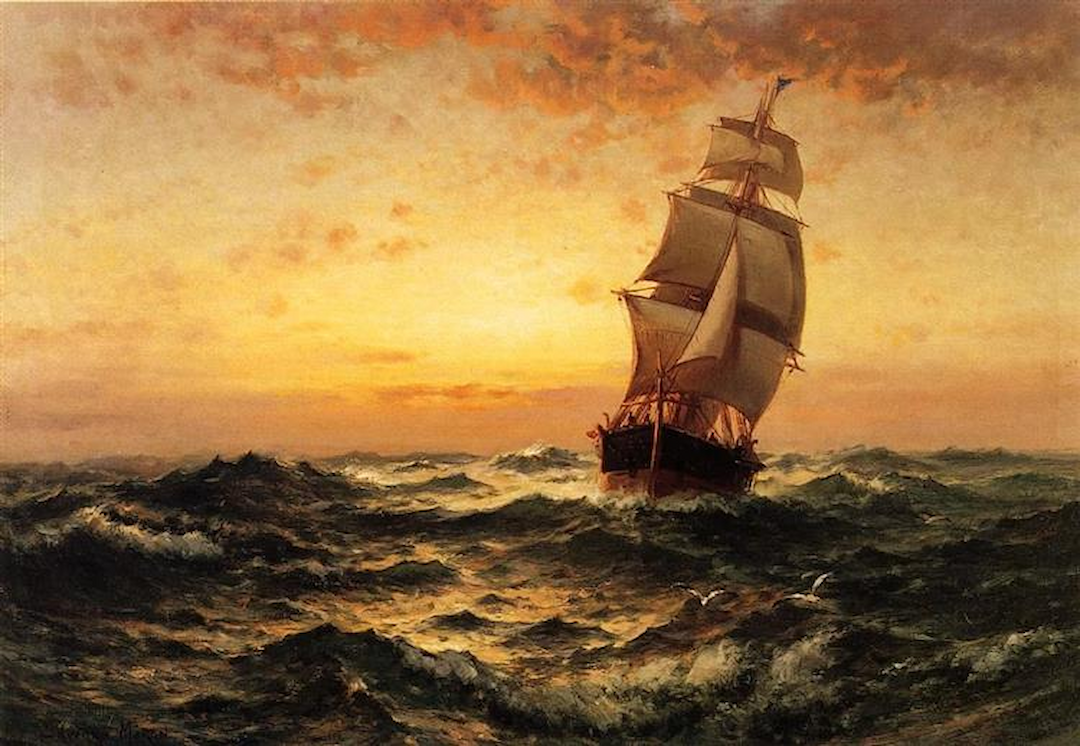
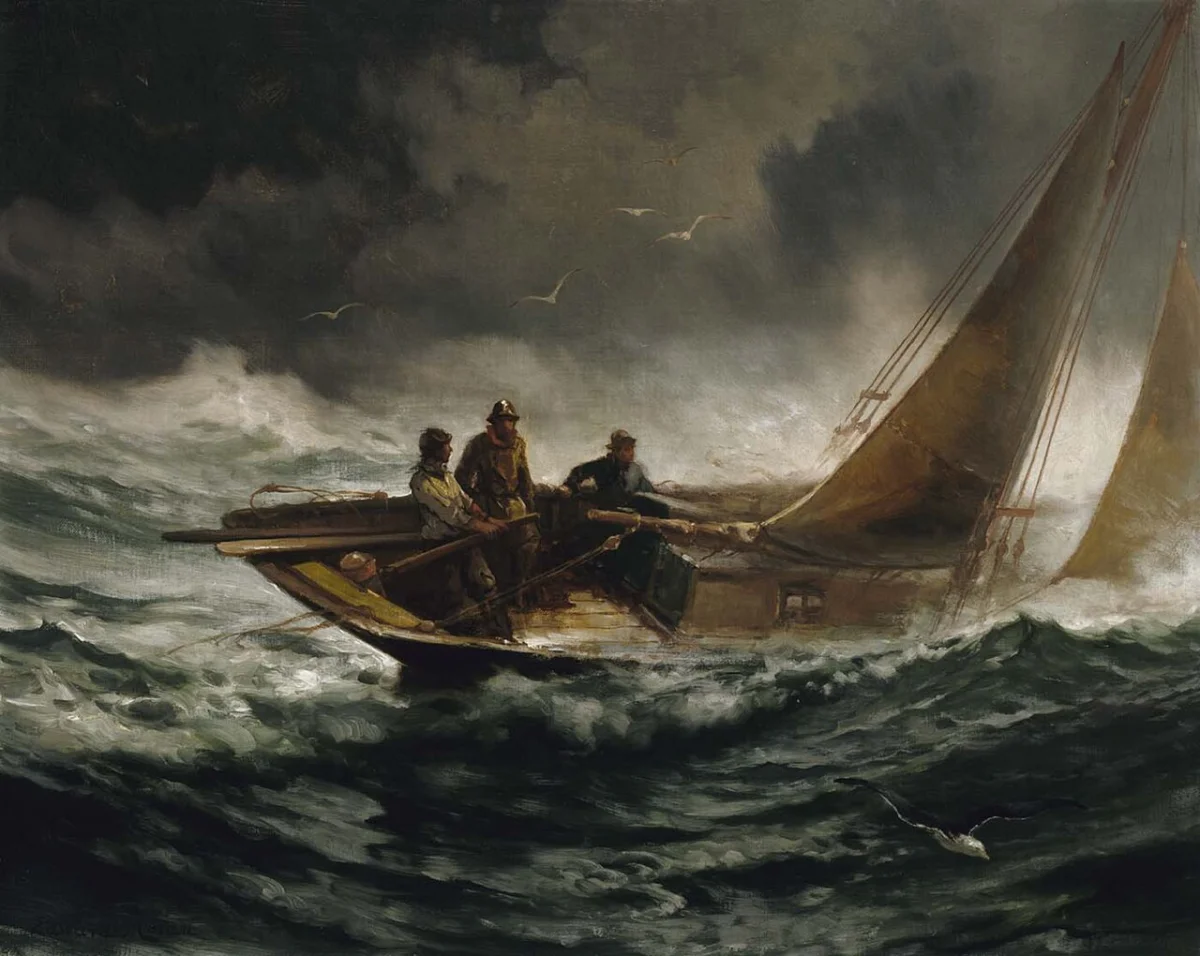
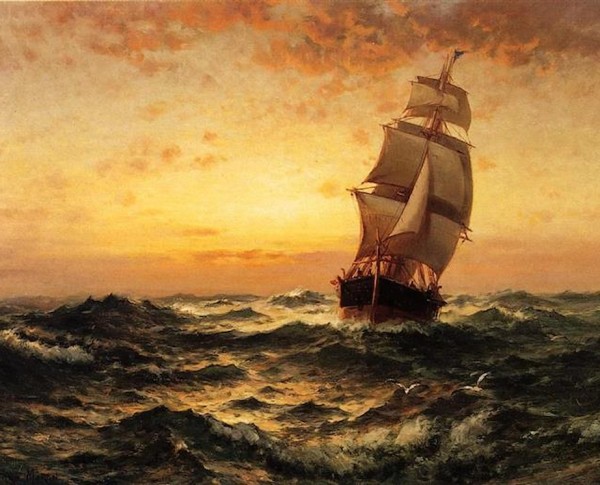
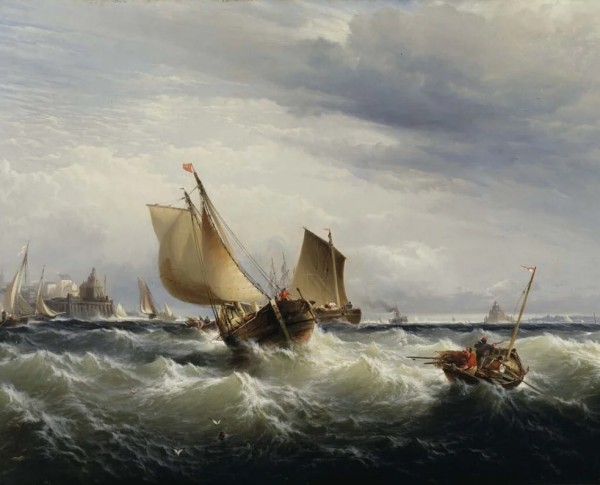
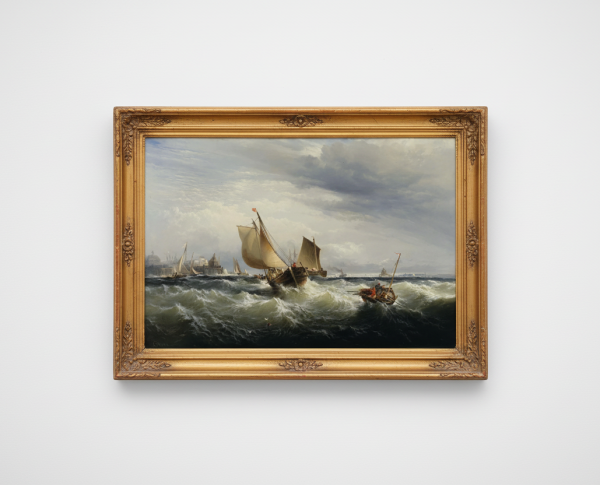
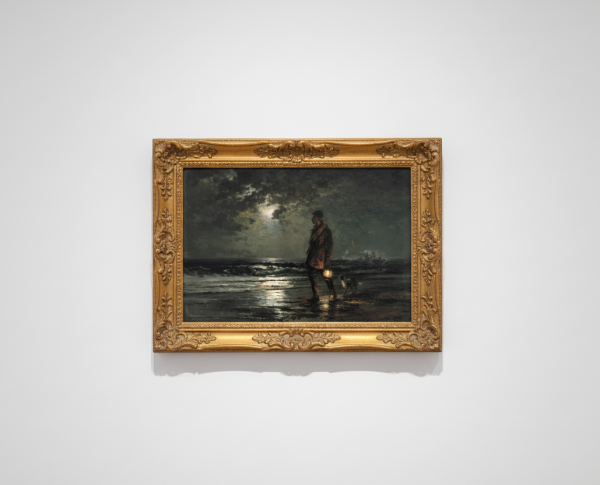
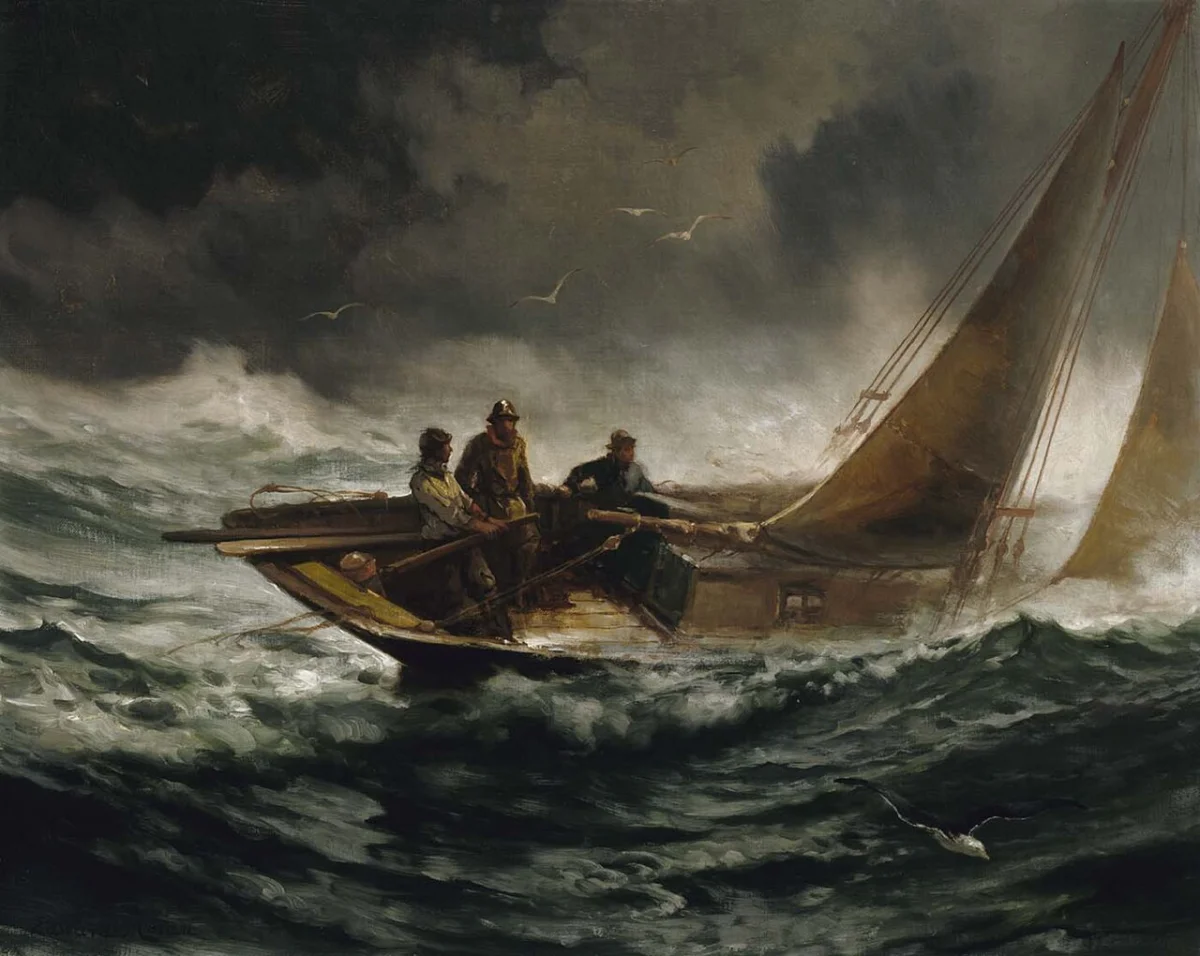
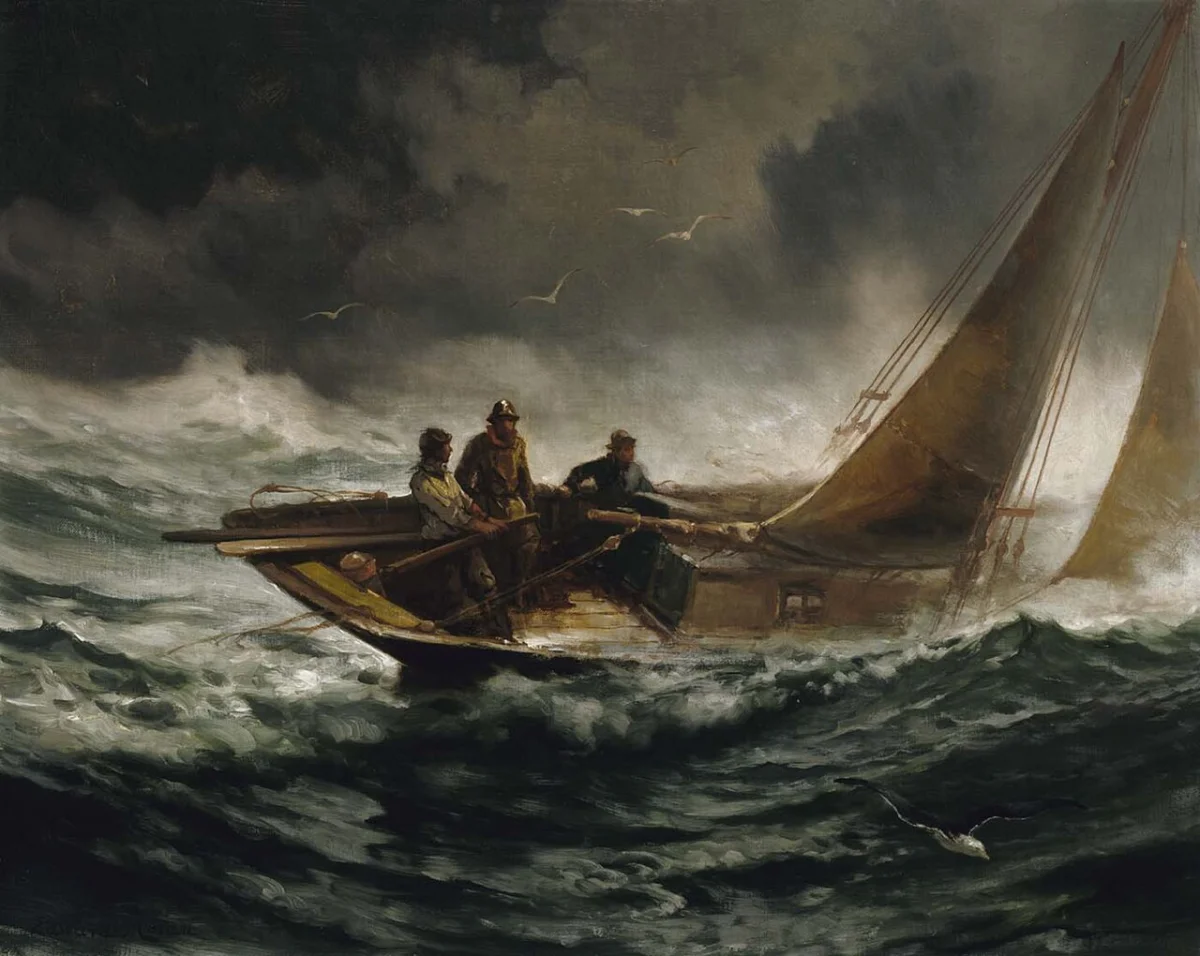
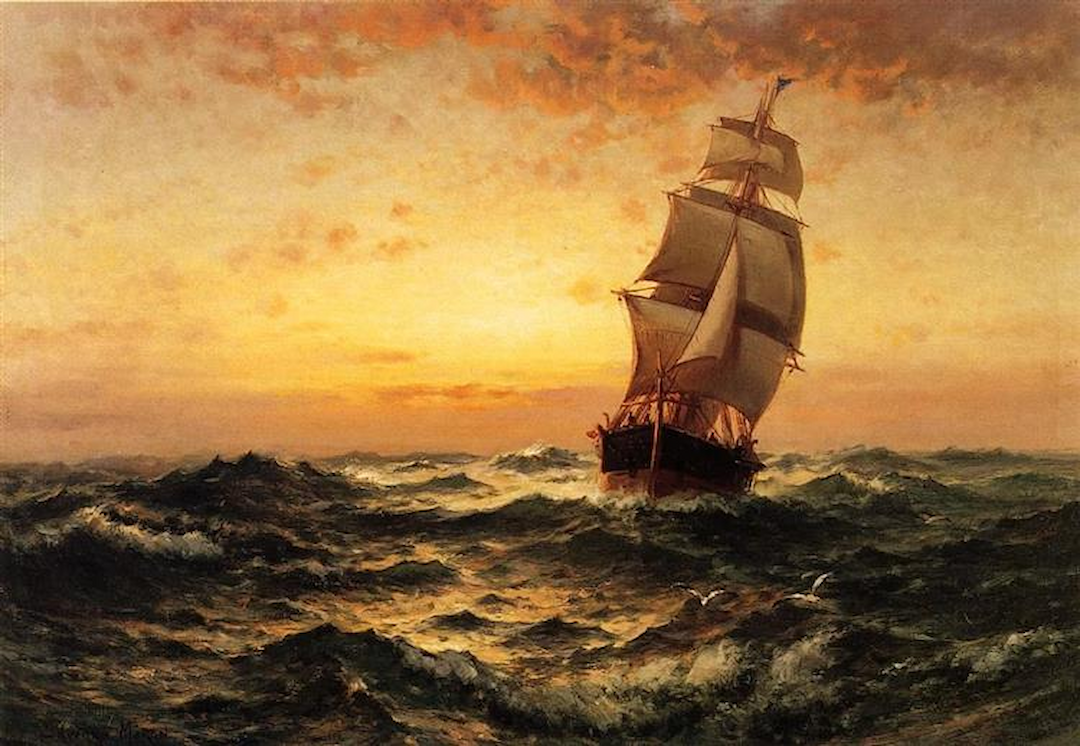
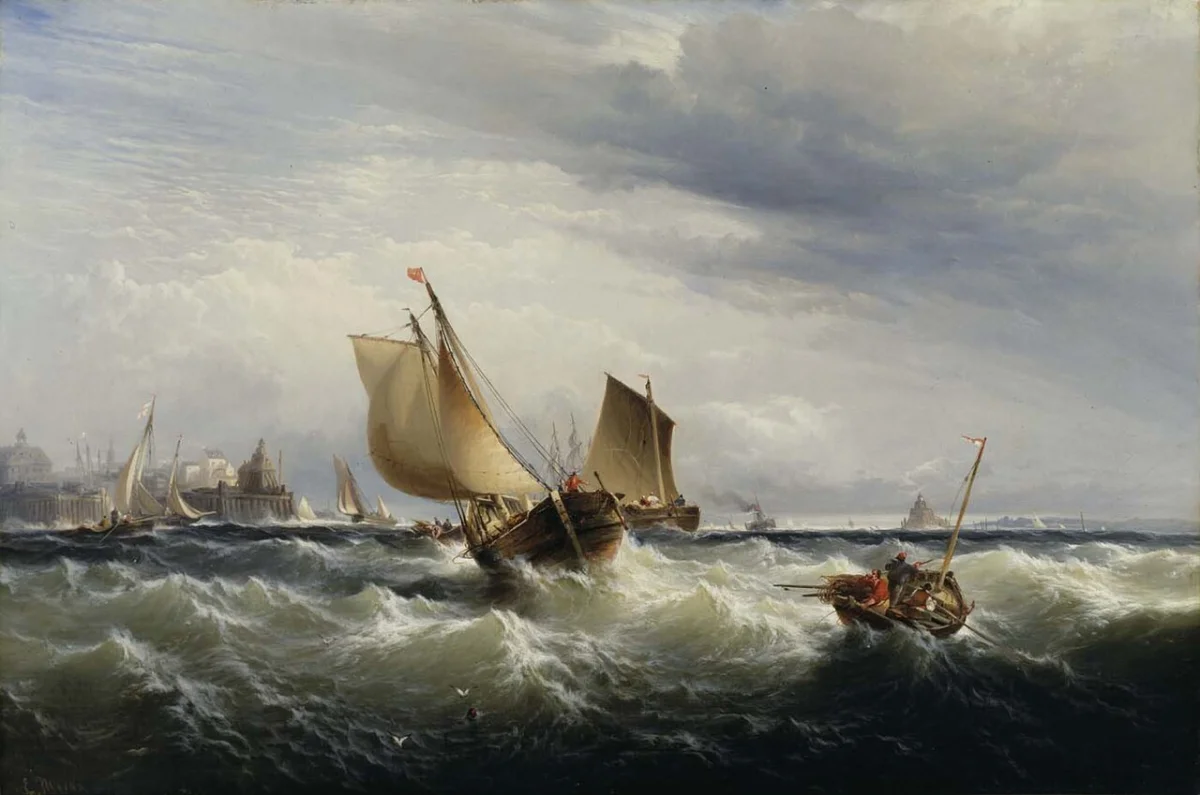
Edward Moran’s "Riding out a Gale" showcases his exceptional skill with oil on canvas. Each brushstroke conveys the movement and intensity of stormy seas, a hallmark of the Romanticism movement. Moran’s detailed technique is equally evident in related works such as "Fishermans Home" and "Brig off Sandy Hook." Collectors seeking a masterful oil on canvas will appreciate the authenticity and technical prowess embedded in this evocative marine scene.
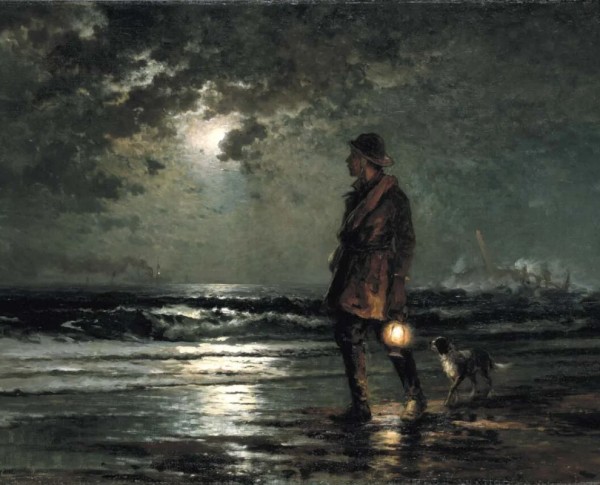
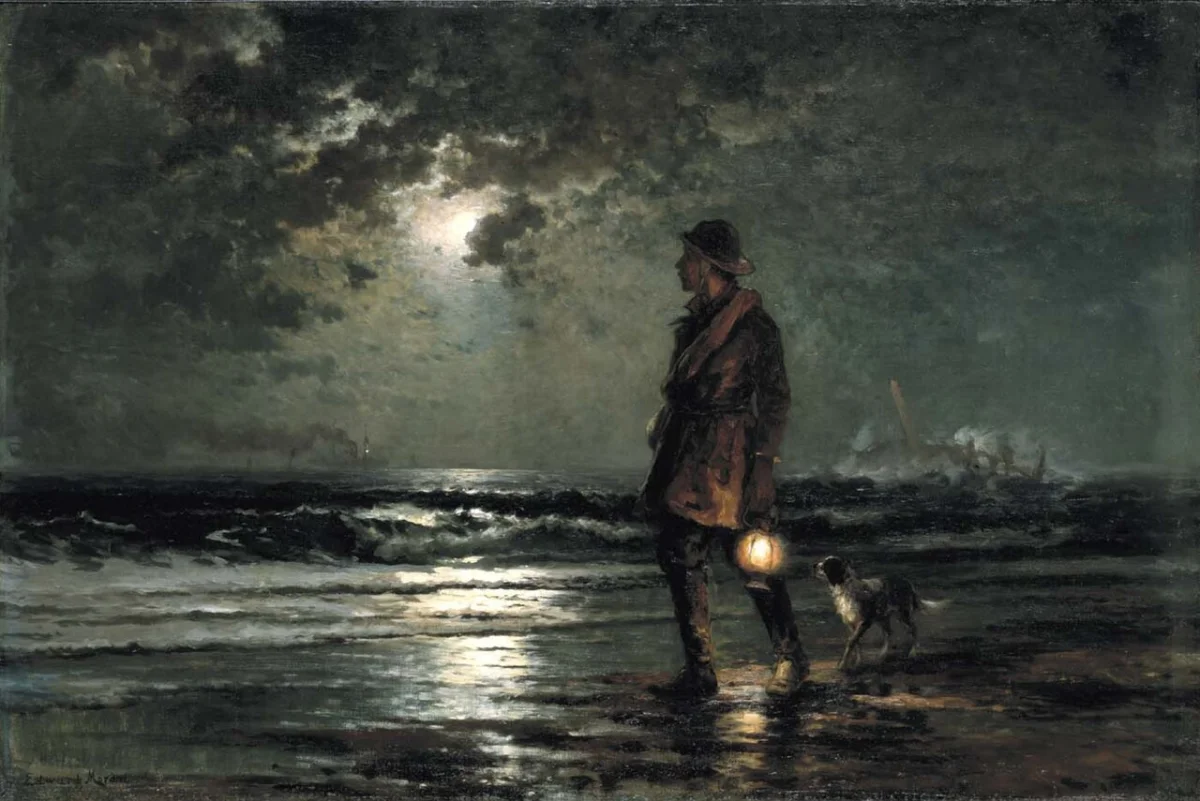
"Riding out a Gale" is more than a fine art painting for sale; it is a narrative filled with symbolism. Edward Moran weaves stories of resilience and adventure amid the fury of nature, common themes in Romanticism. The painting’s dramatic skies and surging waves echo the emotional depth found in Moran’s other works like "Life Saving Patrol" and "Marine," inviting viewers to explore the deeper meaning behind each element.
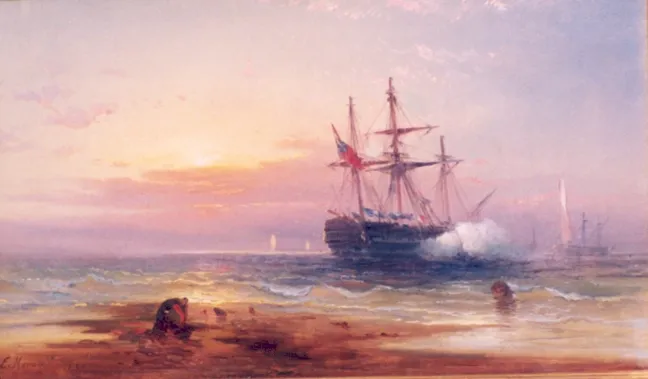
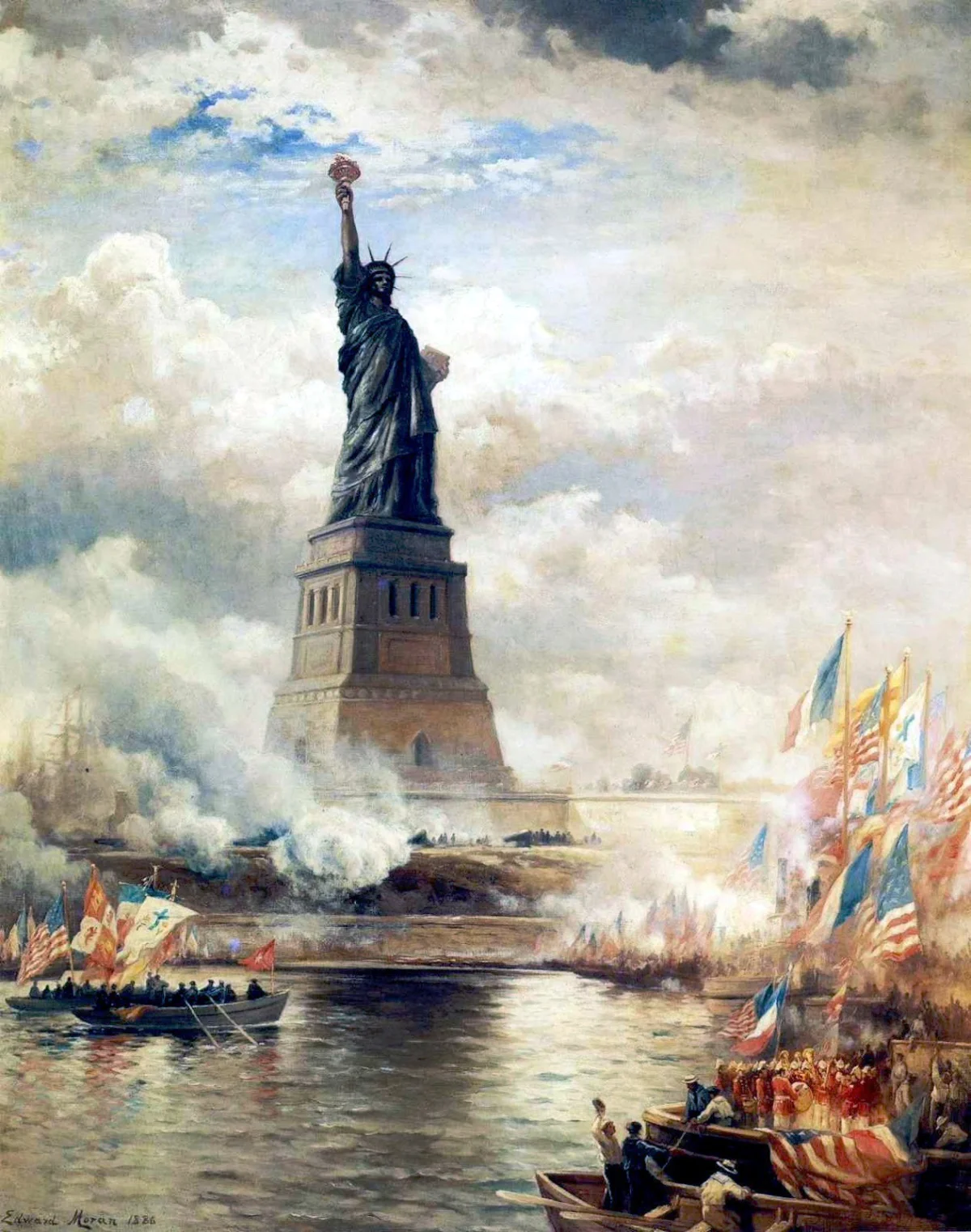
For collectors of Romanticism and aficionados of hand-painted oil painting, Edward Moran’s "Riding out a Gale" is a prized acquisition. Its evocative depiction of the sea, combined with Moran’s artistic heritage, makes it a standout piece among related products such as "Salute at Sunset" and "Marine." This painting is not only a visual masterpiece but also a timeless investment, enriching any collection with the spirit of nineteenth-century fine art.
When Art Meets History
"Riding out a Gale" by Edward Moran stands as a testament to the Romanticism movement, capturing the drama and intensity of nature’s fiercest moments. This hand-painted oil painting reflects Moran’s fascination with maritime themes and his ability to intertwine historical context with emotional storytelling. Similar to his works like "The Trapper" and "Granada," Moran’s attention to detail brings historical scenes to life, making each fine art painting for sale a window into the past’s turbulent beauty.
Techniques That Speak
Edward Moran’s mastery of oil on canvas is evident in "Riding out a Gale," where bold brushstrokes and layered textures evoke the wild energy of the sea. The Romanticism movement emphasized expressive techniques, and Moran’s use of color and light is reminiscent of his other works, such as "Madame Pasteur" and "The Death of Timophanes." This oil on canvas not only showcases technical prowess but also immerses viewers in the tempestuous world Moran sought to portray.
Emotions on Display
"Riding out a Gale" channels the raw emotion characteristic of the Romanticism movement, inviting viewers to experience the tension and drama faced by sailors at sea. Edward Moran’s hand-painted oil painting captures the struggle against nature’s might, echoing the emotional depth found in "The Trapper." Through dynamic composition and vivid color, Moran’s art stirs empathy and awe, making it a fine art painting for sale that resonates with collectors and enthusiasts alike.
Coveted by Collectors
Collectors prize "Riding out a Gale" for its compelling narrative and technical excellence, hallmarks of Edward Moran’s legacy in Romanticism. This hand-painted oil painting, along with related masterpieces like "Granada" and "Madame Pasteur," attracts art lovers seeking both historical and emotional depth. Its status as a fine art painting for sale makes it a valuable addition to any collection, representing the enduring allure of Moran’s evocative seascapes and the timeless spirit of Romanticism.
Related Romanticism Hand-Painted Oil Paintings by Other Artists
Other Famous Romanticism Artists:
Frequently Asked Questions About Riding out a Gale
What is the historical context of "Riding out a Gale"?
"Riding out a Gale" was painted during the late 19th century, a period characterized by significant maritime exploration and the rise of the American maritime industry. Edward Moran, an American artist known for his seascapes, captured the essence of the era's fascination with the power and majesty of the ocean.
What artistic techniques did Edward Moran use in this painting?
Moran employed a combination of dramatic lighting and dynamic brushwork to convey the tumultuous nature of the sea. His use of chiaroscuro enhances the contrast between the dark storm clouds and the illuminated waves, creating a sense of movement and urgency.
What symbolism is present in "Riding out a Gale"?
The painting symbolizes resilience and the human spirit's ability to confront adversity. The ship battling the fierce waves represents the struggle against nature, while the light breaking through the clouds suggests hope and perseverance.
How does "Riding out a Gale" reflect the Romantic movement in art?
This painting exemplifies the Romantic movement through its emphasis on emotion and the sublime power of nature. The dramatic portrayal of the stormy sea evokes feelings of awe and respect for the natural world, which were central themes of Romanticism.
What influences can be seen in Moran's style in this artwork?
Moran's style shows influences from both the Hudson River School and European Romantic painters. His attention to atmospheric effects and natural detail reflects the American landscape tradition while also incorporating the dramatic flair typical of European seascapes.
Who were Edward Moran's contemporaries, and how did they influence his work?
Moran was contemporaneous with artists such as Winslow Homer and Albert Bierstadt. Their focus on natural landscapes and the American experience likely influenced Moran's approach to depicting maritime scenes, emphasizing both realism and emotional depth.
What techniques did Moran use to depict the sea's movement?
Moran utilized vigorous brushstrokes and a palette of blues and greens to convey the sea's turbulence. The swirling waves and foamy crests create a sense of motion, immersing the viewer in the chaotic atmosphere of the storm.
How does the composition of "Riding out a Gale" enhance its dramatic effect?
The composition is carefully arranged to draw the viewer's eye towards the ship at the center, surrounded by tumultuous waves and dark clouds. This focal point, combined with the diagonal lines of the waves, enhances the feeling of tension and drama in the scene.
What role does color play in "Riding out a Gale"?
Color plays a crucial role in establishing mood and atmosphere. The dark, moody colors of the storm contrast with the lighter hues of the ship, symbolizing hope amidst chaos. This interplay of color enhances the emotional impact of the painting.
In what ways does "Riding out a Gale" reflect the relationship between humans and nature?
The painting illustrates the precarious relationship between humans and nature, showcasing both the beauty and danger of the sea. The ship's struggle against the storm serves as a metaphor for humanity's ongoing battle with the forces of nature, highlighting themes of vulnerability and strength.






















_GFM_Painting_(1).webp)


 100% Hand-Painted: Finished in 3-6 Weeks

.png)















_(1).webp)