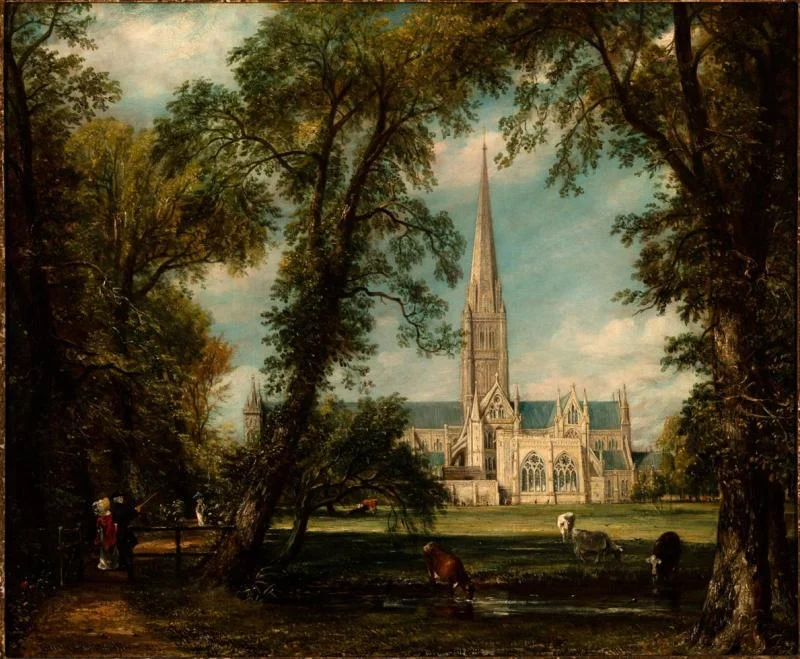
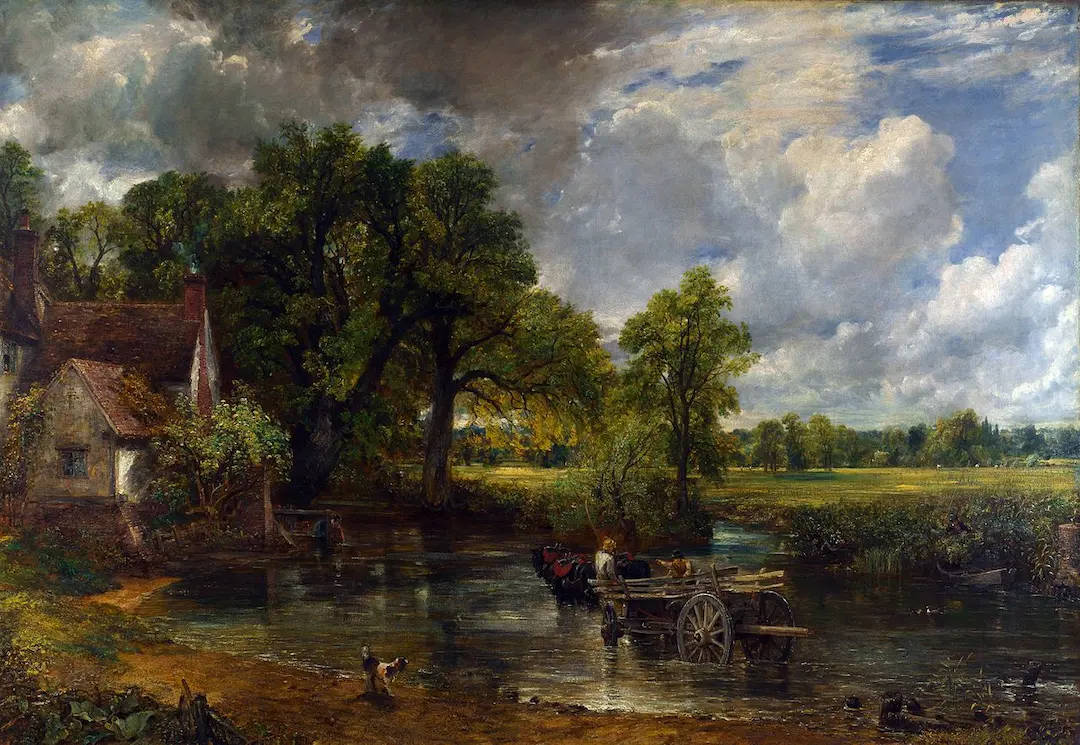
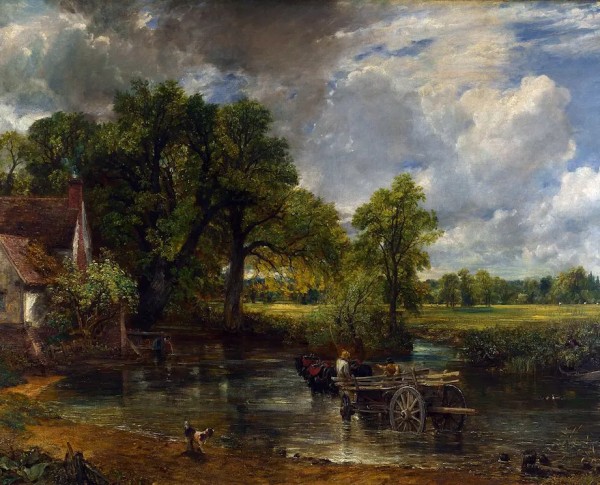
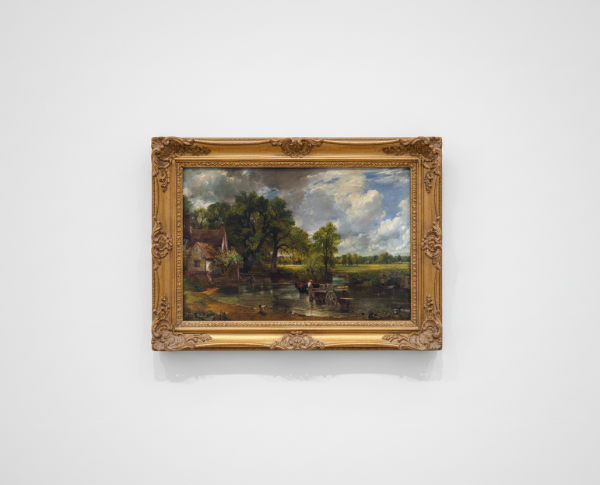
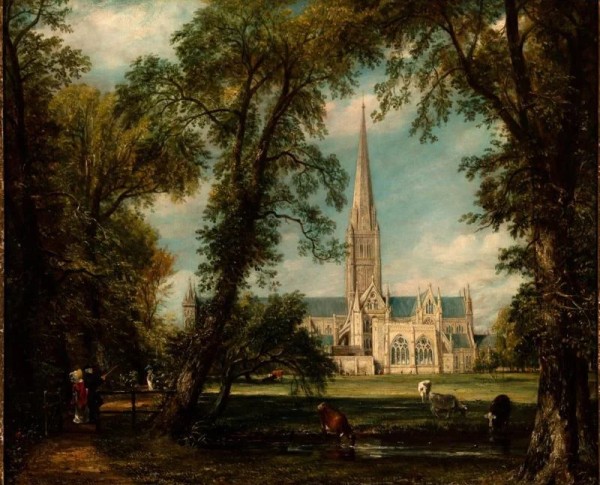
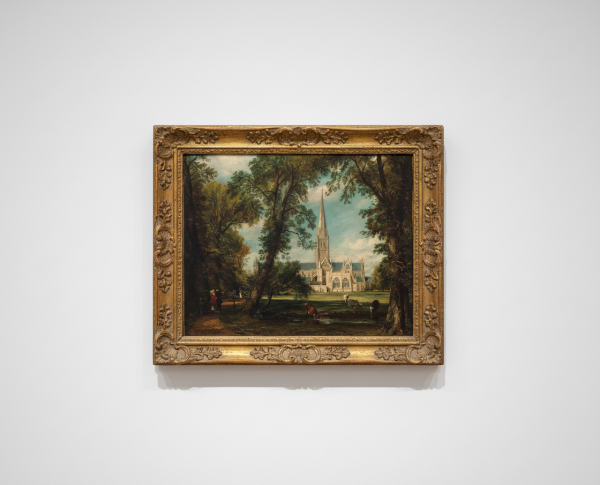
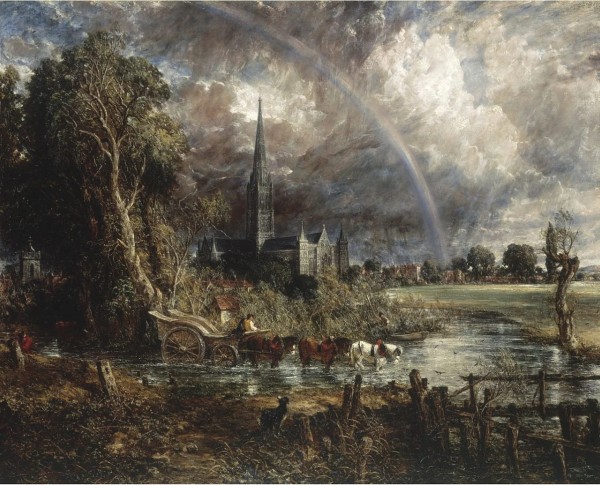
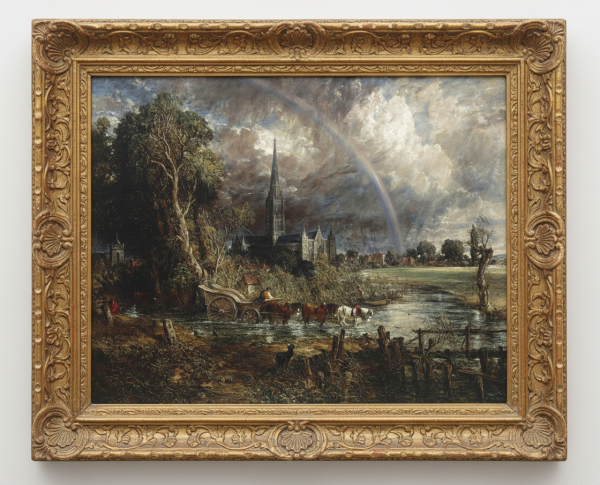
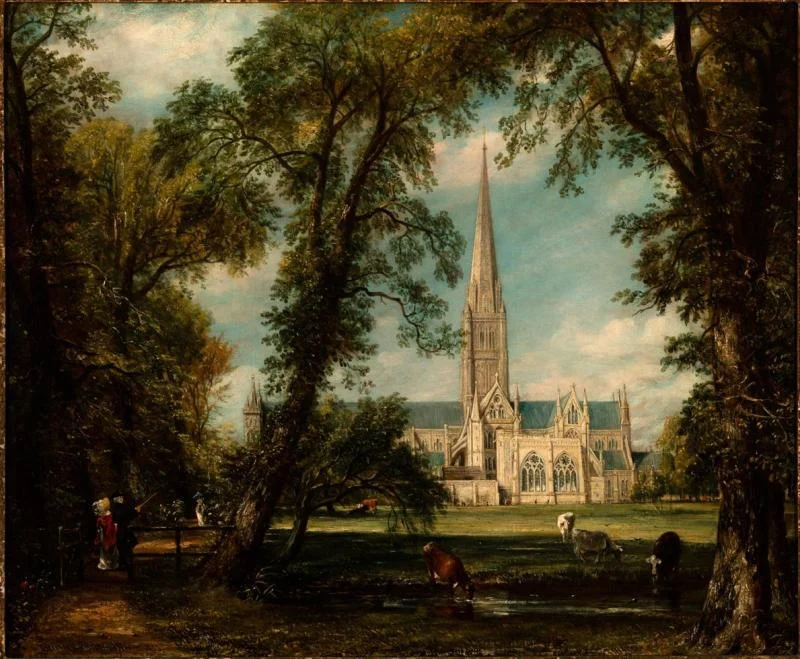
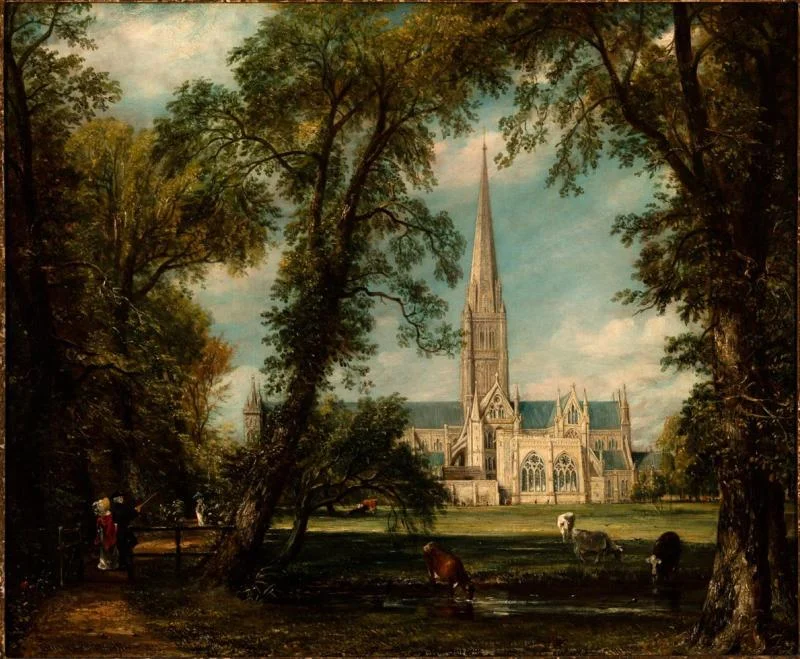
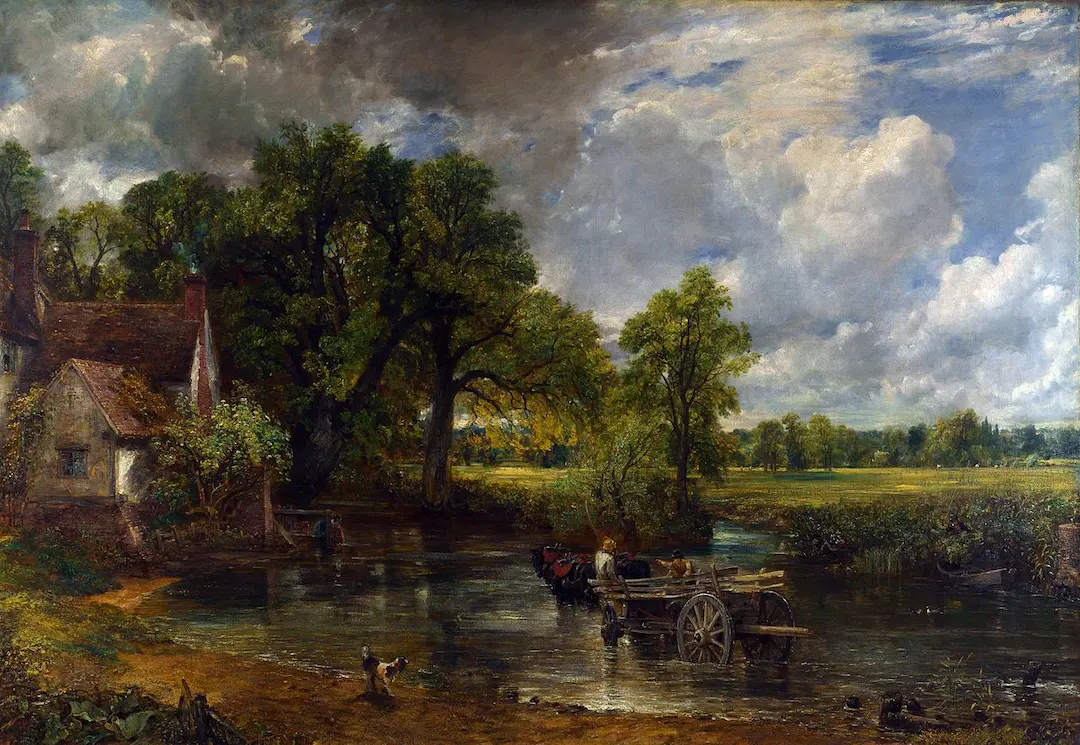
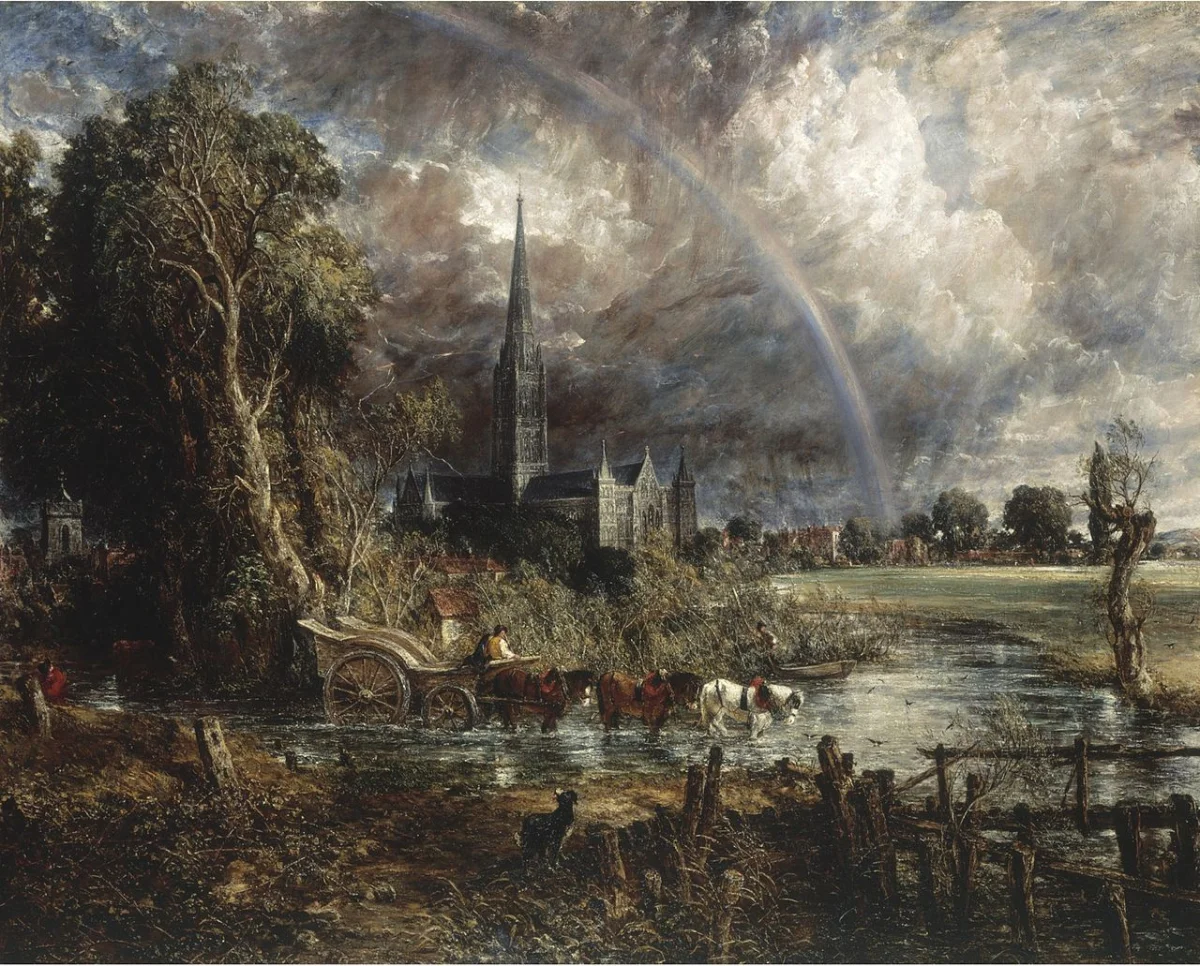
Created with meticulous attention, "Salisbury Cathedral from the Bishop's Grounds" showcases Constable’s expertise in oil on canvas. The artist’s unique brushwork and delicate layering techniques bring the cathedral and its lush surroundings to life. As a significant figure in Romanticism, Constable’s approach invites viewers to experience the tranquil beauty of the English countryside, making this painting and related works like "The Hay Wain, 1821" highly sought after by collectors.
Constable’s "Salisbury Cathedral from the Bishop's Grounds" is more than a landscape; it’s a narrative woven with subtle symbolism. Through this fine art painting for sale, Constable expresses the harmony between humanity and nature, a hallmark of the Romanticism movement. The cathedral, framed by towering trees and expansive skies, invites reflection and wonder, much like his other celebrated work, "The Hay Wain, 1821," which also explores the profound relationship between people and their environment.
This hand-painted oil painting by John Constable remains a prized possession among art collectors who value the Romanticism era. "Salisbury Cathedral from the Bishop's Grounds" is not only admired for its technical brilliance but also for its historical significance. Collectors often seek complementary works such as "The Hay Wain, 1821" to enrich their collections with masterpieces that embody the spirit and beauty of 19th-century English art.
When Art Meets History
John Constable’s masterpiece, "Salisbury Cathedral from the Bishop's Grounds," is a striking example of Romanticism’s embrace of nature and emotion. Painted in 1823, this hand-painted oil painting captures the majestic cathedral amid a turbulent sky, symbolizing the tension between nature and spirituality. Constable’s work is often compared to related paintings like "The Runaway Match" and "Washington Crossing the Delaware 1851," each reflecting pivotal moments in art and history.
Techniques That Speak
Constable’s use of oil on canvas in "Salisbury Cathedral from the Bishop's Grounds" demonstrates his mastery of atmospheric effects. The brushwork brings the clouds and landscape to life, a hallmark of the Romanticism movement. Similar to "Light and Colour (Goethe's Theory)" and "Dawn at the Alamo," Constable’s technique emphasizes light’s transformative power, immersing viewers in the scene. His dedication to realistic textures and dramatic skies remains influential in fine art painting for sale today.
Emotions on Display
The emotional resonance of "Salisbury Cathedral from the Bishop's Grounds" lies in Constable’s ability to evoke awe and contemplation. This hand-painted oil painting invites viewers to ponder humanity’s place in nature, a core theme in Romanticism. Like "Ancient Rome; Agrippina Landing with the Ashes of Germanicus," Constable’s work conveys deep sentiment through landscape, blending personal feeling with historical grandeur. The painting’s emotive power continues to captivate art lovers worldwide.
Coveted by Collectors
"Salisbury Cathedral from the Bishop's Grounds" remains a highly sought-after fine art painting for sale, prized by collectors who appreciate its historical and artistic significance. John Constable’s legacy endures, with this oil on canvas often showcased alongside related paintings such as "Moses Writing the Book of Genesis." Its enduring appeal lies in the unique combination of technical skill and emotional depth, making it a cornerstone of Romanticism collections around the globe.
Related Romanticism Hand-Painted Oil Paintings by Other Artists
Other Famous Romanticism Artists:
Frequently Asked Questions About Salisbury Cathedral from the Bishop's Grounds
What is the historical significance of "Salisbury Cathedral from the Bishop's Grounds"?
This painting, created by John Constable in 1825, captures the iconic Salisbury Cathedral, which is a prime example of Gothic architecture in England. It reflects the artist's deep appreciation for the English landscape and his desire to document the beauty of his homeland.
What artistic techniques did John Constable use in this painting?
Constable employed a technique known as "plein air" painting, which involves working outdoors to capture the natural light and atmosphere. His use of vibrant colors and dynamic brushwork conveys the liveliness of the scene, while his attention to detail showcases the architectural features of the cathedral.
How does this painting reflect the Romantic movement?
"Salisbury Cathedral from the Bishop's Grounds" exemplifies the Romantic movement through its emphasis on emotion, nature, and the sublime. Constable's portrayal of the cathedral amidst a serene landscape evokes a sense of spirituality and connection to the natural world.
What symbols are present in the painting?
The cathedral itself serves as a symbol of faith and endurance, representing the historical and cultural significance of religion in England. The surrounding landscape symbolizes the harmony between nature and human achievement, reflecting Constable's belief in the beauty of both.
What was Constable's relationship with Salisbury Cathedral?
Constable had a personal connection to Salisbury Cathedral, as it was a site he visited frequently during his youth. His admiration for the cathedral's architecture and its picturesque setting greatly influenced his artistic vision and inspired several works throughout his career.
How does this painting compare to Constable's other works?
While Constable is known for his landscapes, "Salisbury Cathedral from the Bishop's Grounds" uniquely combines architectural representation with natural scenery. This painting stands out for its focus on a specific historical structure, showcasing Constable's versatility as an artist.
What influence did this painting have on future artists?
This work influenced subsequent generations of artists, particularly in the way it blended landscape and architecture. Its emphasis on capturing the essence of a place inspired the Impressionists and later movements to explore the relationship between nature and built environments.
What materials did Constable use for this painting?
Constable primarily used oil paints on canvas for "Salisbury Cathedral from the Bishop's Grounds." His choice of materials allowed for rich textures and depth, enhancing the visual impact of the scene.
What is the significance of the color palette in this painting?
The color palette in this painting is characterized by soft greens, blues, and warm earth tones, which evoke a sense of tranquility and harmony. This choice of colors reflects Constable's intention to convey the beauty of the English countryside and the spiritual essence of the cathedral.
How does this painting fit into the context of 19th-century British art?
"Salisbury Cathedral from the Bishop's Grounds" is a significant work within 19th-century British art, as it embodies the shift towards a more personal and emotional representation of landscapes. It reflects the growing interest in nature and the historical significance of architectural landmarks during this period.






















_GFM_Painting_(1).webp)


 100% Hand-Painted: Finished in 3-6 Weeks

.png)















_(1).webp)