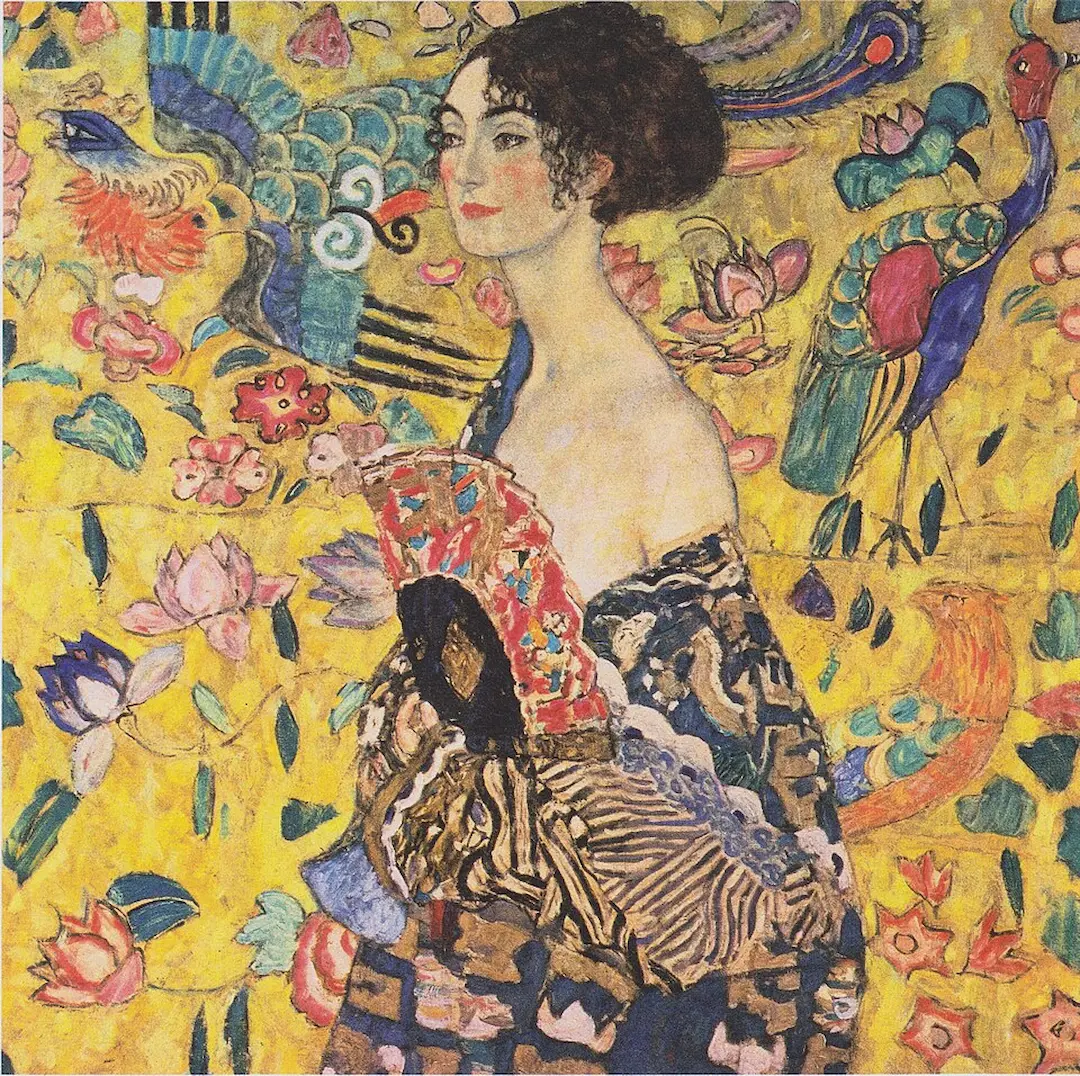
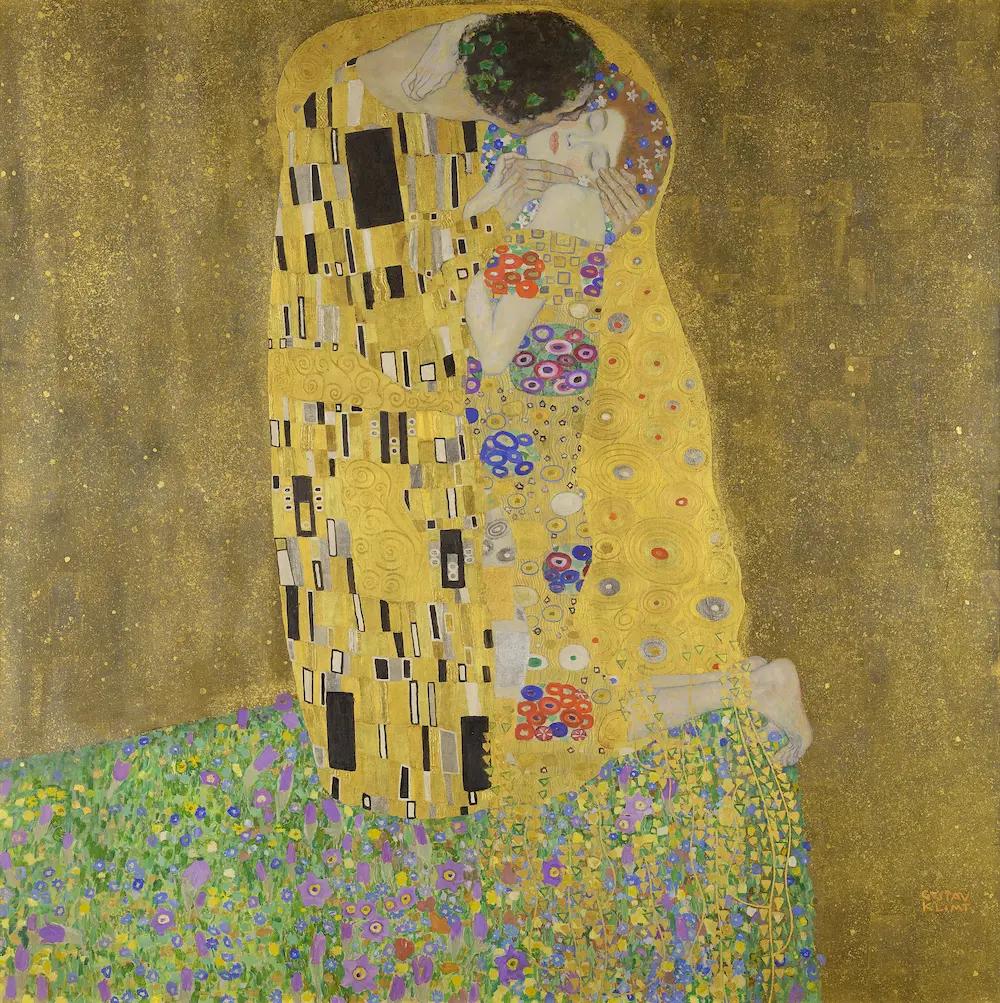
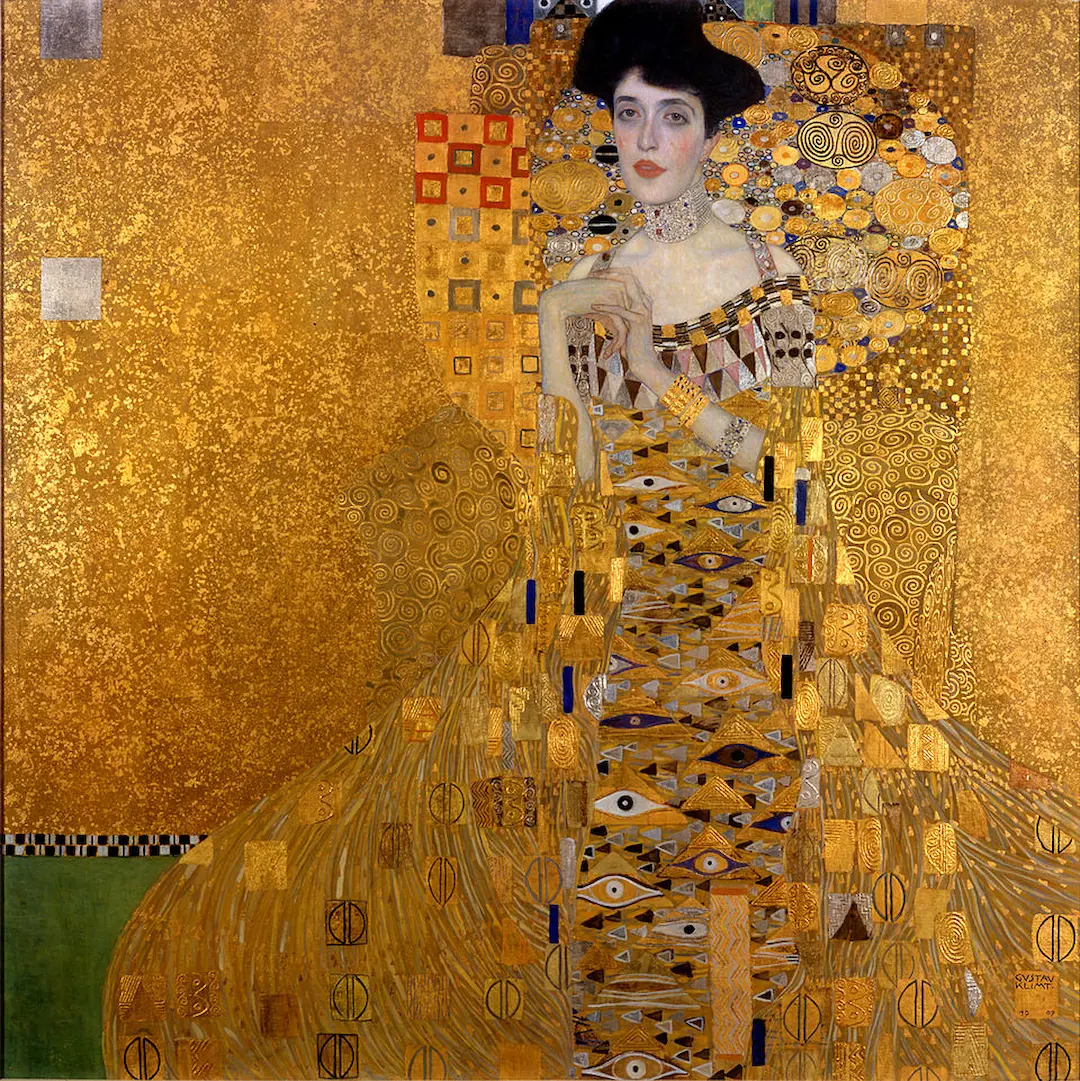
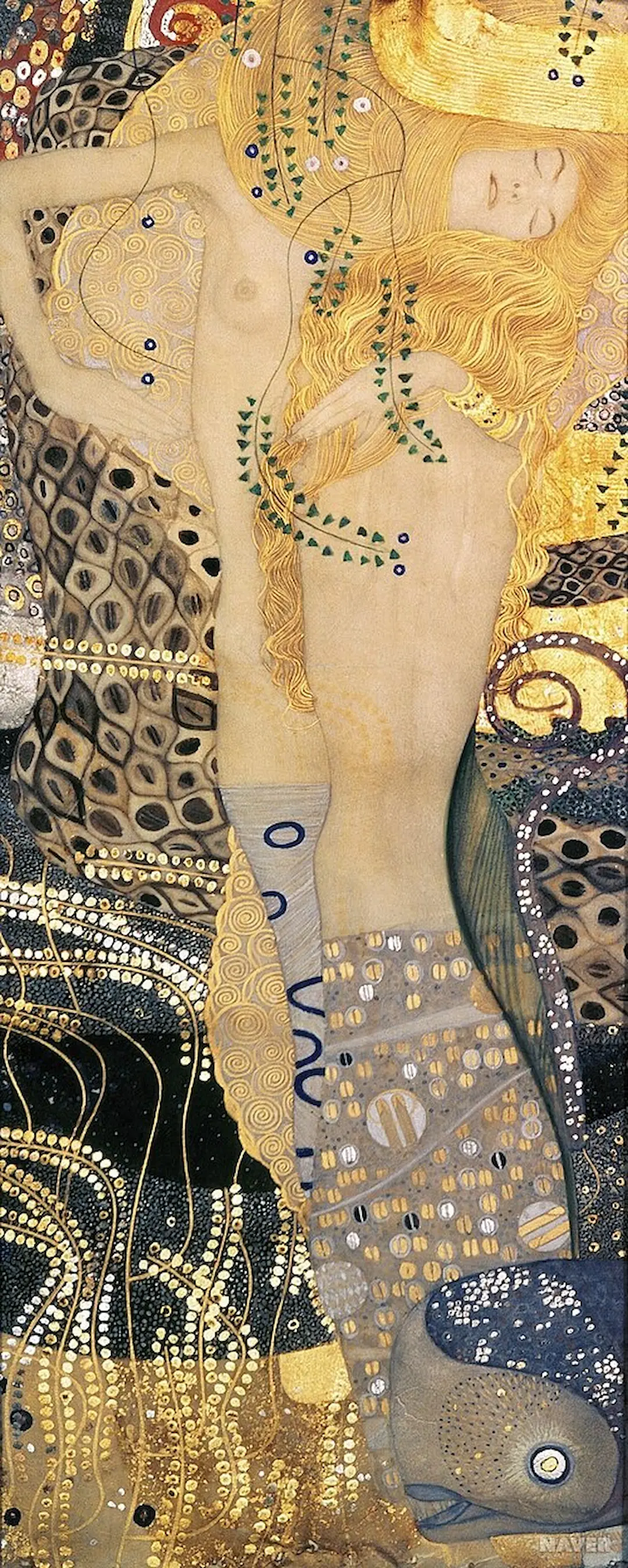
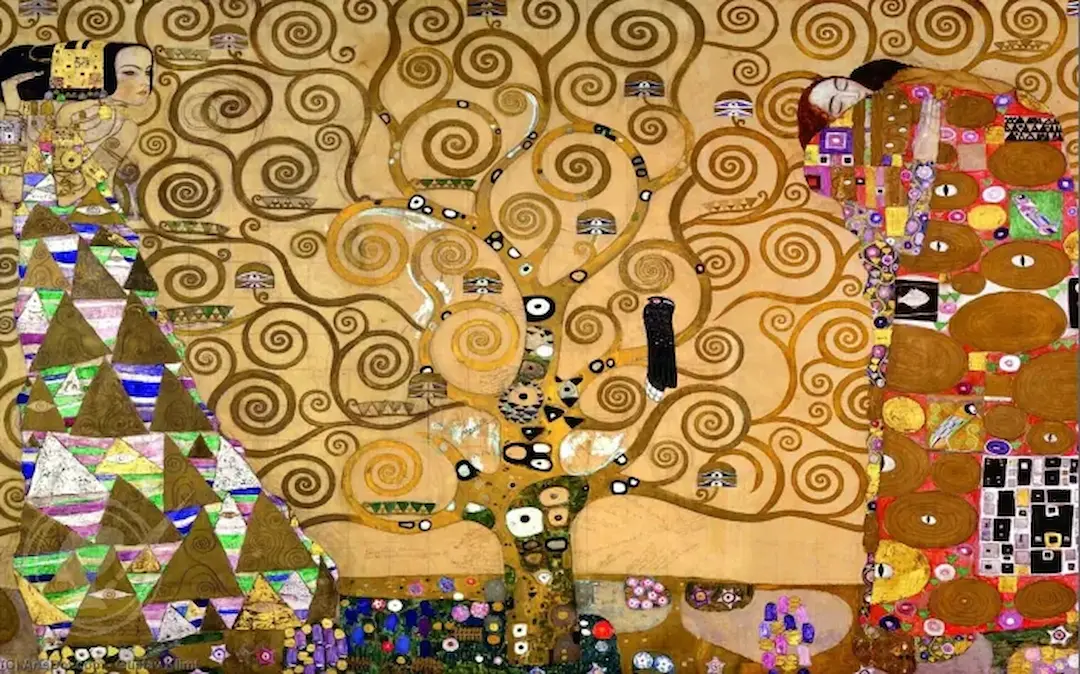
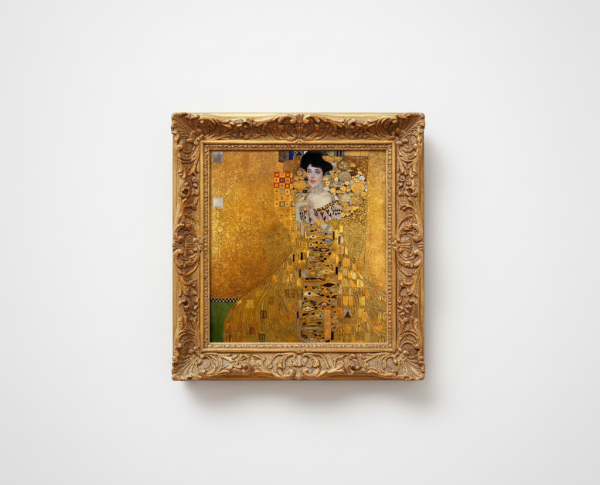
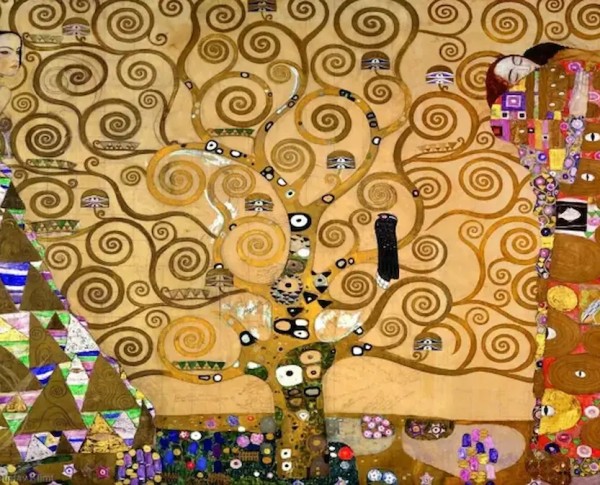
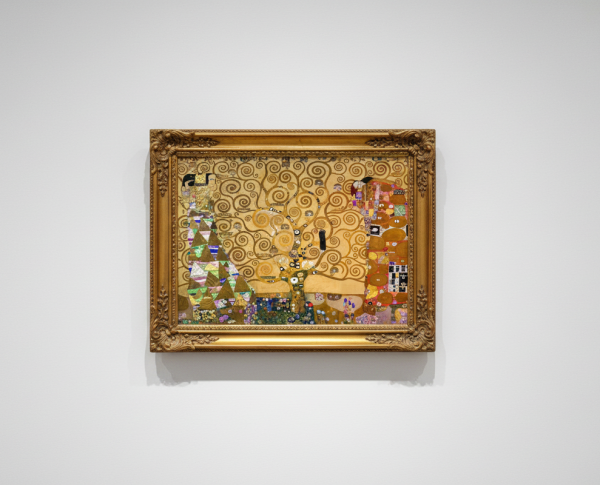
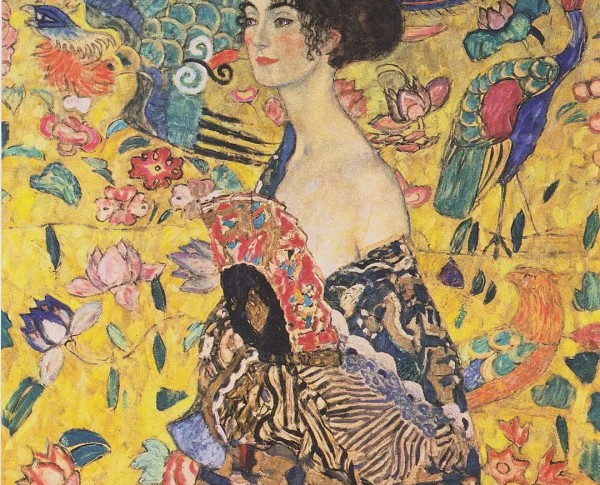
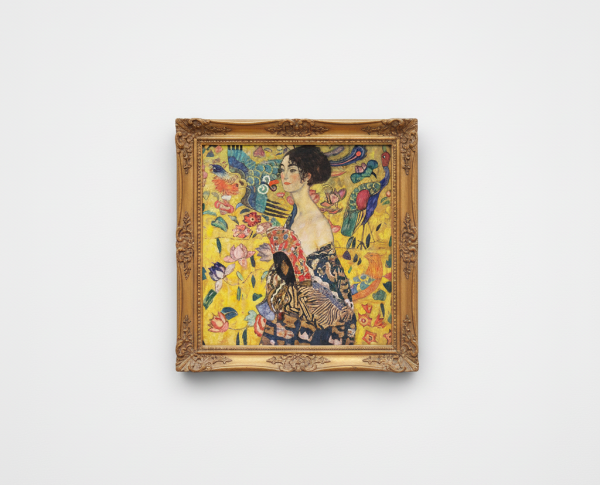
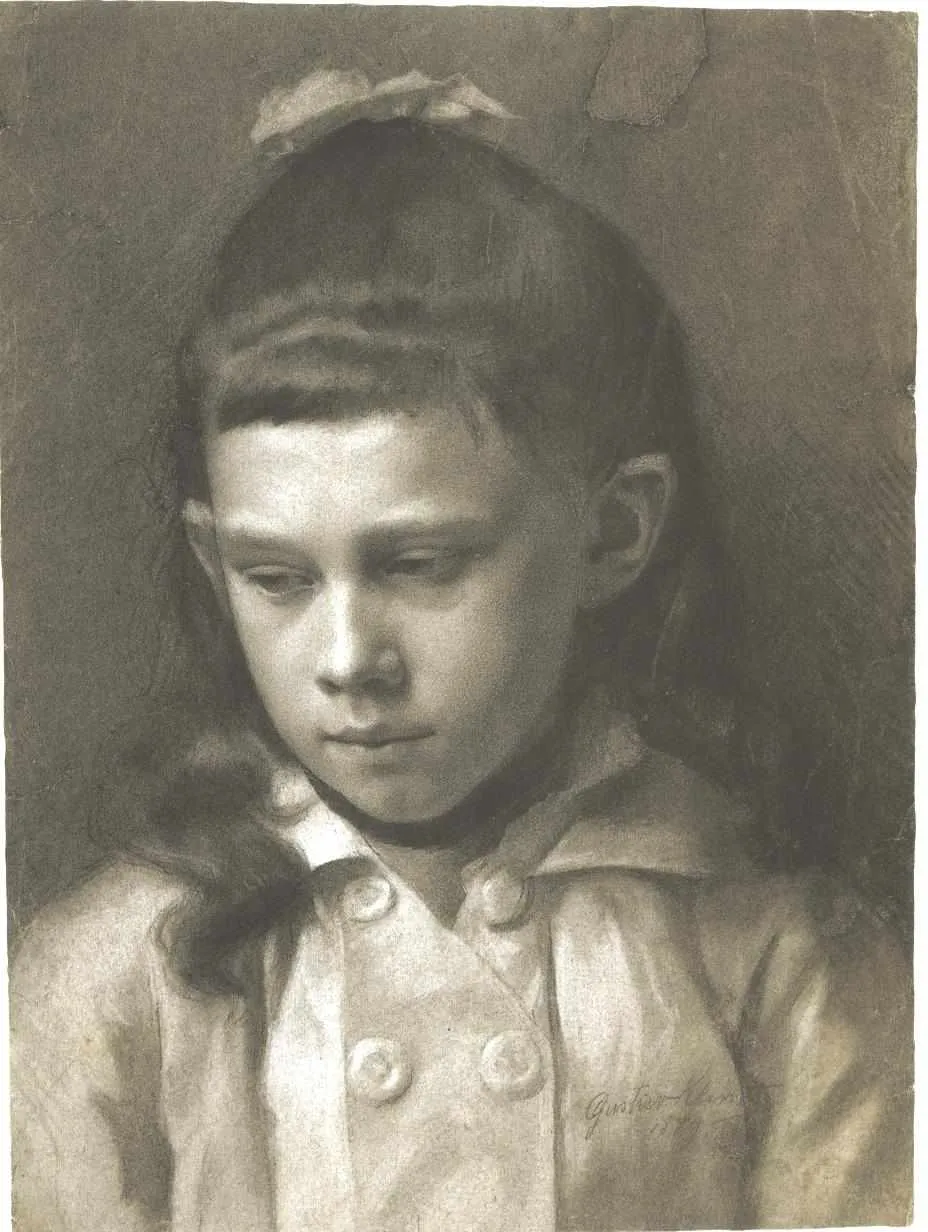
This exquisite oil on canvas showcases Gustav Klimt’s signature style, merging decorative brilliance with symbolic depth. The intricate brushwork and dynamic forms highlight Klimt’s technical prowess within the Vienna Secession. Collectors and enthusiasts often seek out related products such as "Sitting Nude Man Turned to the Left" and "Head Study of a Girl from Haná" to complement their appreciation for Klimt’s oil on canvas masterpieces, each echoing his artistic genius.
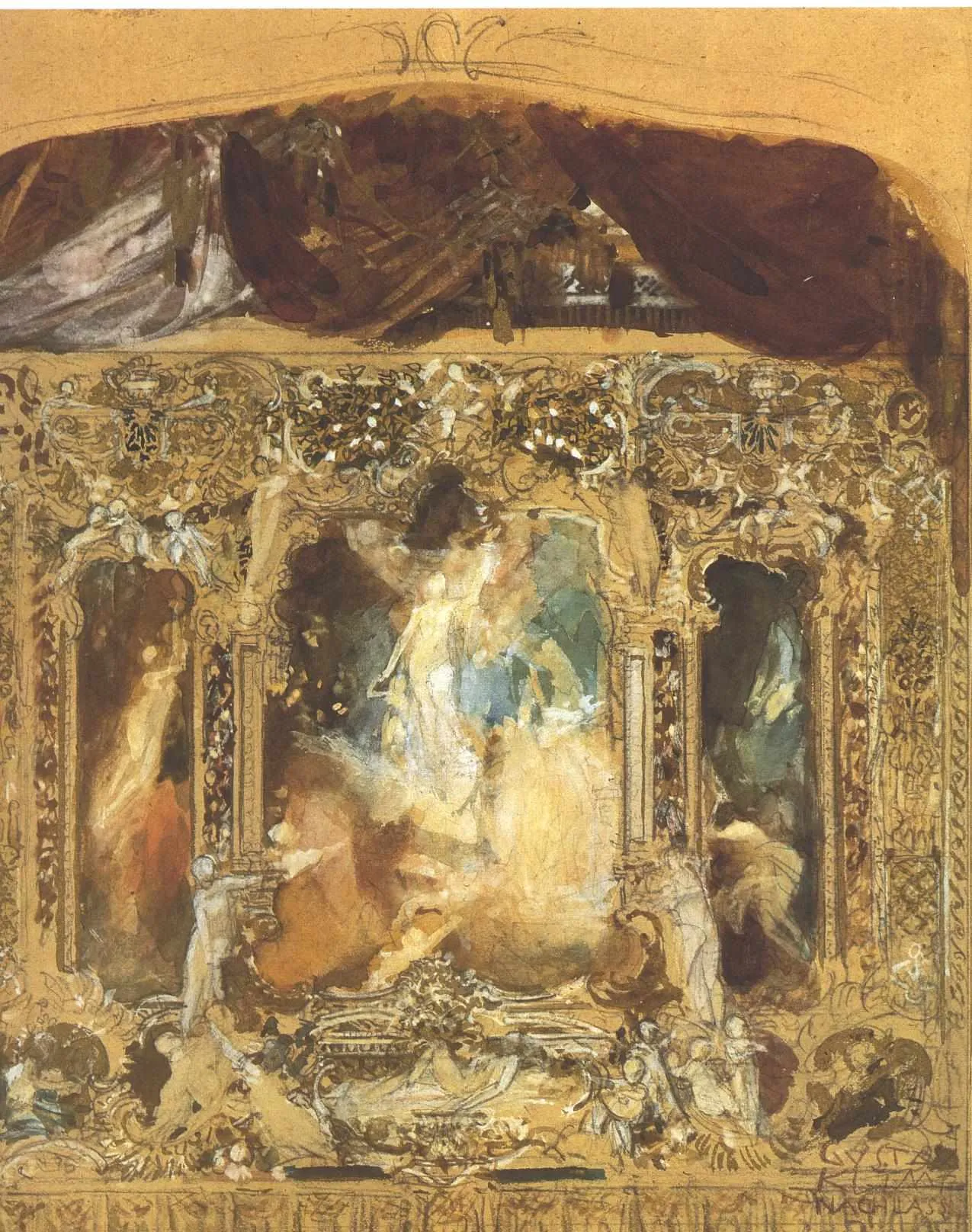
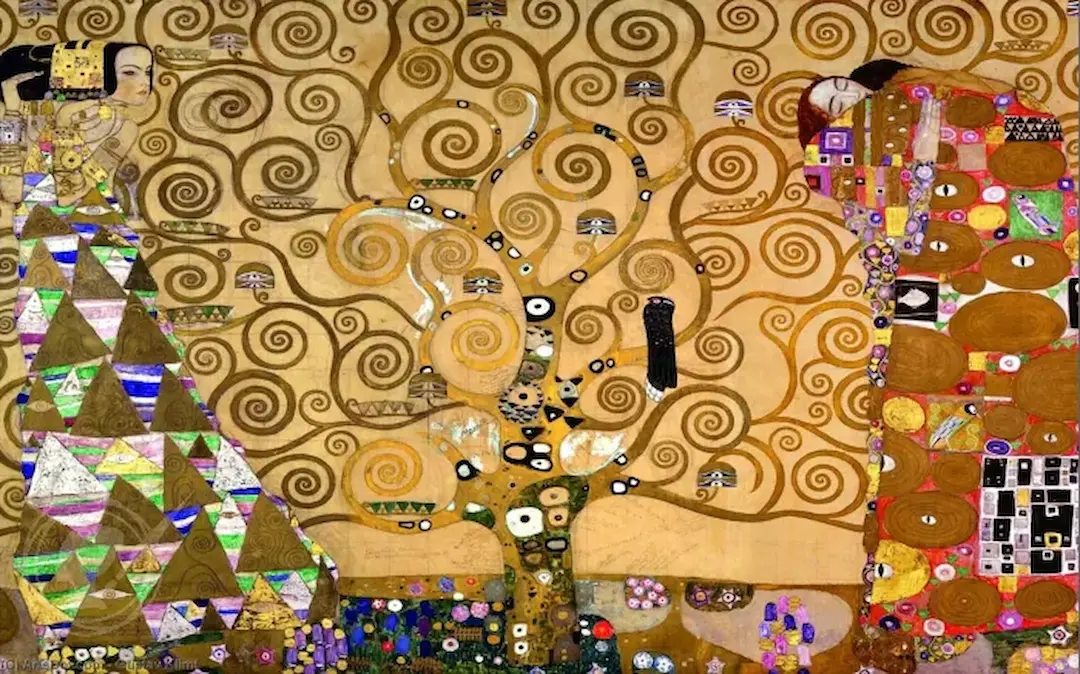
"Design for a theater curtain" by Gustav Klimt weaves narrative and symbolism, hallmarks of the Vienna Secession movement. Klimt’s fine art painting for sale invites viewers to interpret the theatrical motifs and layered meanings within its composition. Alongside this work, pieces like "Portrait of a man with beard in three quarter profile" and "Klara Klimt" further reveal Klimt’s fascination with allegory, making each painting a unique exploration of visual storytelling.
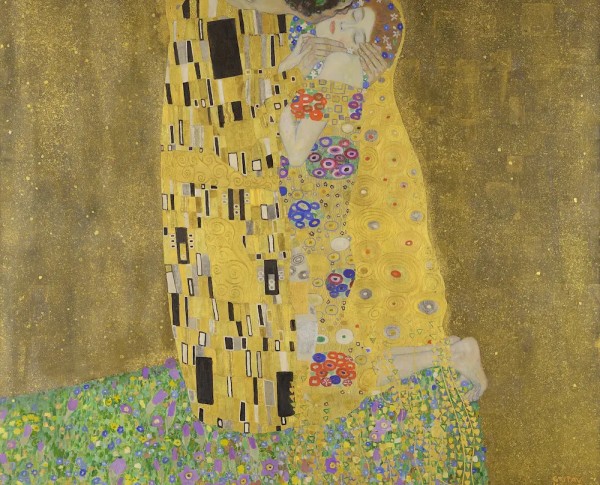
Owning a hand-painted oil painting like Gustav Klimt’s "Design for a theater curtain" is a rare opportunity for collectors seeking a piece of Vienna Secession history. This fine art painting for sale is often paired with sought-after works such as "The Kiss" and "Portrait of a Girl, Head Slightly Turned Left," enhancing any collection. Klimt’s enduring influence ensures that each acquisition remains a cherished investment in the world of art.
When Art Meets History
Gustav Klimt’s “Design for a theater curtain” stands as a pivotal work within the Vienna Secession movement, reflecting a transformative period in European art. This hand-painted oil painting captures the innovative spirit of turn-of-the-century Vienna, where artists like Klimt challenged traditional aesthetics. The painting’s historical significance is heightened when compared to other fine art painting for sale from this era, offering a rare glimpse into the creative evolution that shaped modern art’s trajectory.
Techniques That Speak
Utilizing oil on canvas, Klimt employed his signature decorative motifs and vibrant color palette in “Design for a theater curtain.” The intricate brushwork and use of gold tones exemplify the Vienna Secession’s departure from academic norms. This technique, also evident in Klimt’s other iconic works, creates a dynamic interplay of light and texture. Collectors and enthusiasts appreciate the mastery behind each oil on canvas piece, recognizing the artist’s unique contribution to the movement’s visual language.
Emotions on Display
In “Design for a theater curtain,” Gustav Klimt evokes a sense of grandeur and anticipation, capturing the emotional energy of a theater’s opening moment. The composition’s flowing forms and luminous hues stir feelings of excitement and wonder, hallmarks of the Vienna Secession’s expressive approach. This fine art painting for sale resonates with audiences, much like Klimt’s other celebrated works, inviting viewers to immerse themselves in the emotional depth and narrative richness of his artistic vision.
Coveted by Collectors
Collectors prize “Design for a theater curtain” not only for its aesthetic beauty but also for its place in art history. As a hand-painted oil painting by Gustav Klimt, it represents the pinnacle of Vienna Secession ideals. The rarity and provenance of such works make them highly desirable, often sought after alongside related paintings from the same period. Owning a Klimt masterpiece is a testament to an appreciation of innovation in fine art and the enduring legacy of this influential movement.
Frequently Asked Questions About Design for a theater curtain
What is the historical significance of "Design for a theater curtain"?
"Design for a theater curtain" is significant as it reflects Gustav Klimt's innovative approach to decorative arts during the early 20th century, showcasing his transition from traditional painting to applied arts.
What artistic movements influenced Klimt's work on this piece?
This artwork is influenced by the Art Nouveau movement, characterized by its organic forms, intricate patterns, and a focus on decorative aesthetics, which are all evident in Klimt's design.
What materials and techniques did Klimt likely use for this design?
Klimt likely employed watercolor and ink on paper for this design, utilizing his signature decorative style that combines detailed patterns with vibrant colors.
How does "Design for a theater curtain" reflect Klimt's overall artistic style?
The piece embodies Klimt's distinctive style through its ornamental motifs, use of gold leaf, and the integration of symbolic elements, which are hallmarks of his broader body of work.
What themes are explored in the "Design for a theater curtain"?
The themes of beauty, nature, and the interplay between art and performance are central to this design, illustrating Klimt's fascination with the relationship between visual art and theatrical expression.
What symbols can be found in this artwork, and what do they represent?
The design features motifs such as flowers and geometric shapes, which symbolize growth, harmony, and the cyclical nature of life, reflecting Klimt's interest in the natural world.
In what context was "Design for a theater curtain" created?
This design was created during a period of artistic experimentation in Vienna, where Klimt was a leading figure, contributing to the cultural landscape of the time through his work in theater and decorative arts.
How does this work compare to Klimt's other notable pieces?
Compared to Klimt's other works, such as "The Kiss," "Design for a theater curtain" emphasizes decorative elements over narrative, showcasing his versatility as an artist in both fine arts and applied design.
What impact did Klimt's design have on theater arts during his time?
Klimt's design contributed to the aesthetic transformation of theater arts, influencing set design and stage decor by integrating fine art principles into theatrical presentations, enhancing the overall visual experience.
Where can I see "Design for a theater curtain" displayed?
This artwork is part of a private collection and may be exhibited in select galleries or museums that focus on Klimt's work, particularly those showcasing his contributions to theater and decorative arts.























_GFM_Painting_(1).webp)


 100% Hand-Painted: Finished in 3-6 Weeks

.png)















_(1).webp)