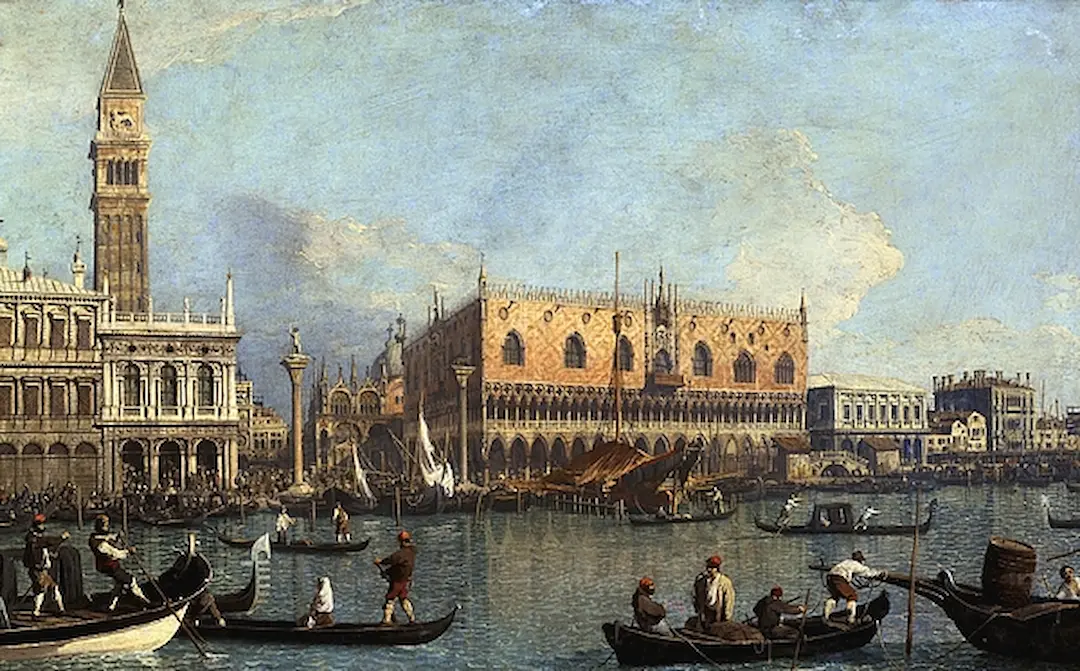
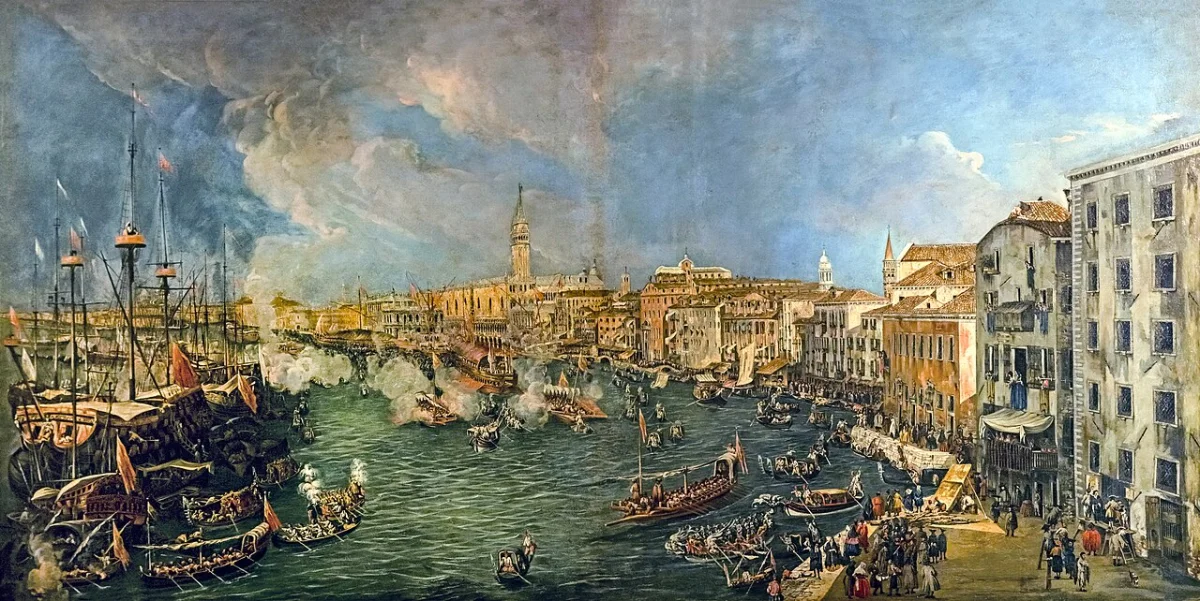
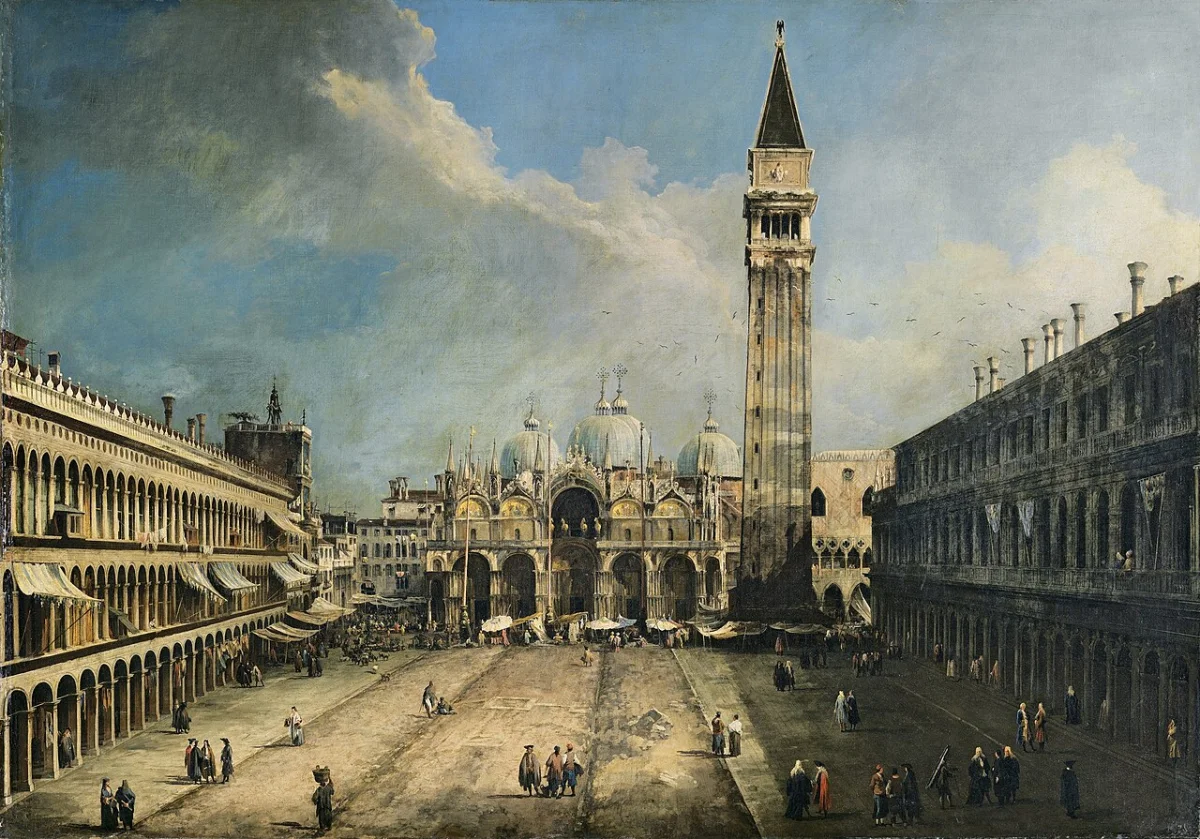
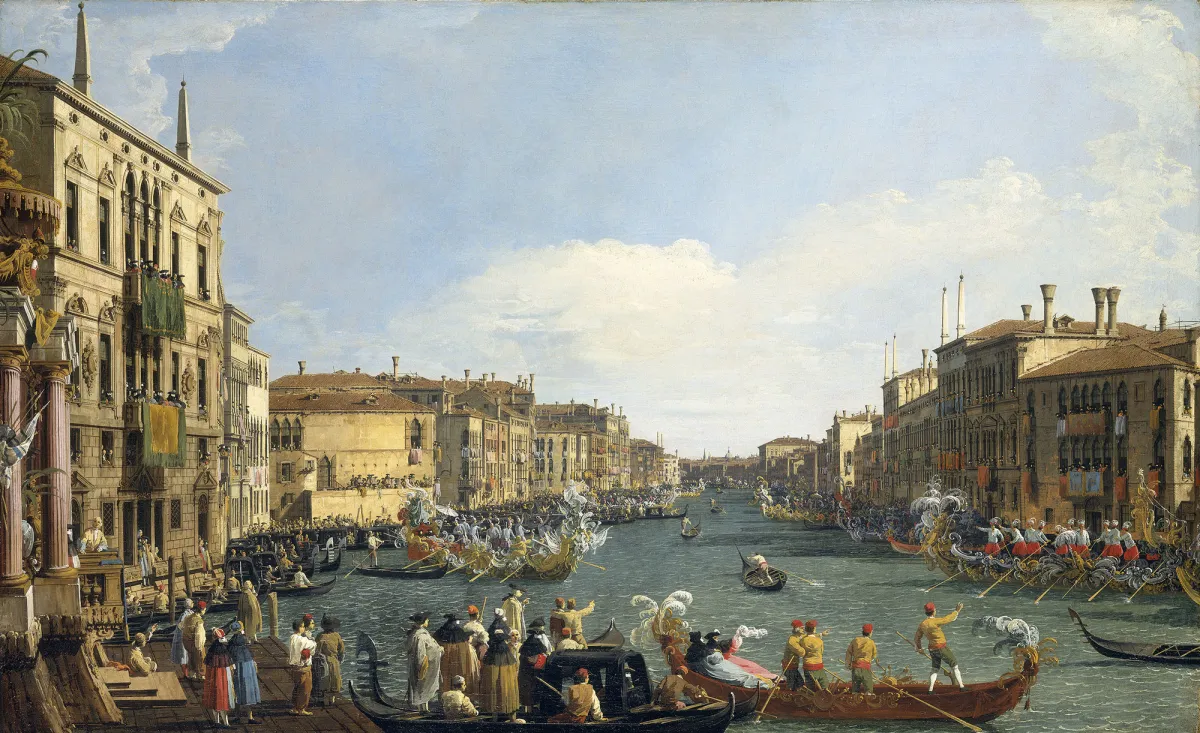
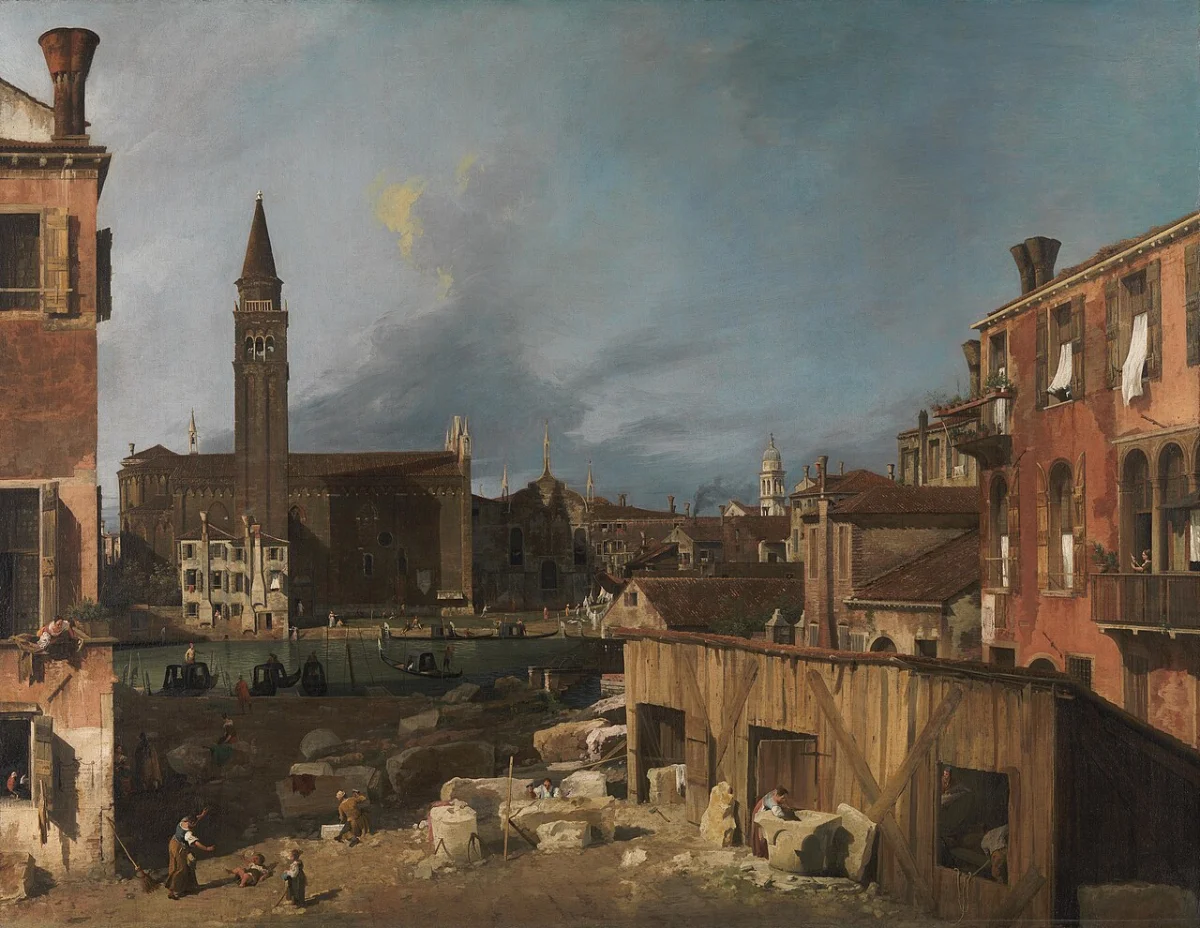
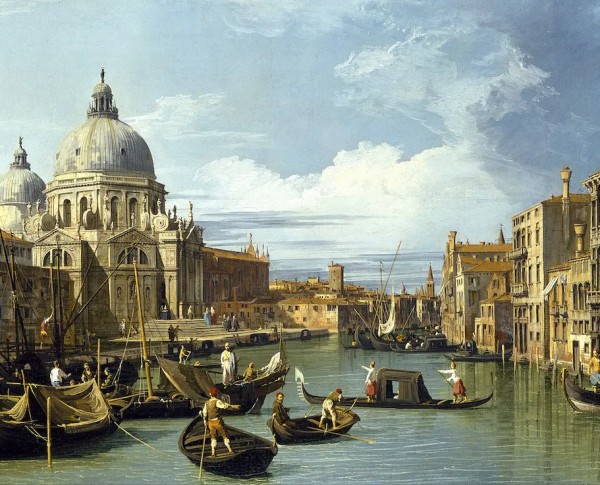
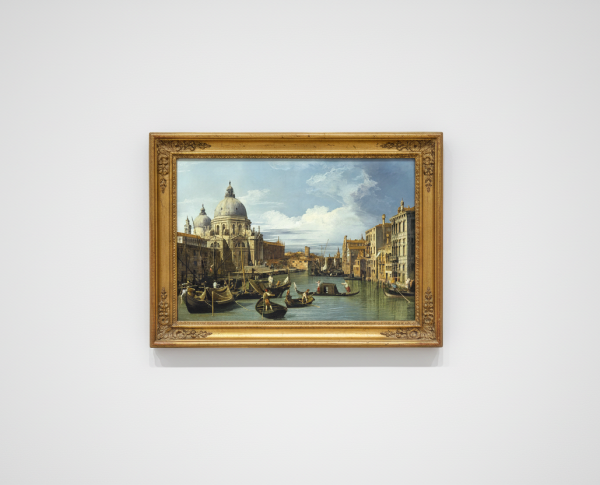
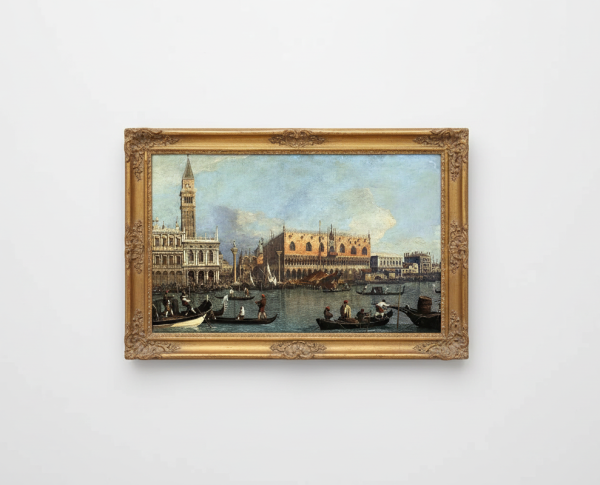
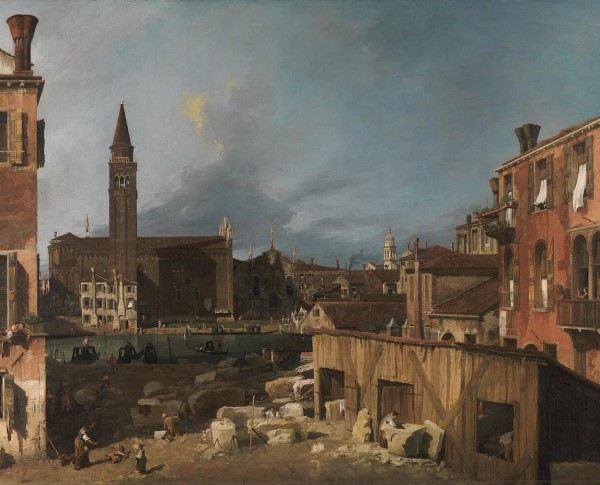
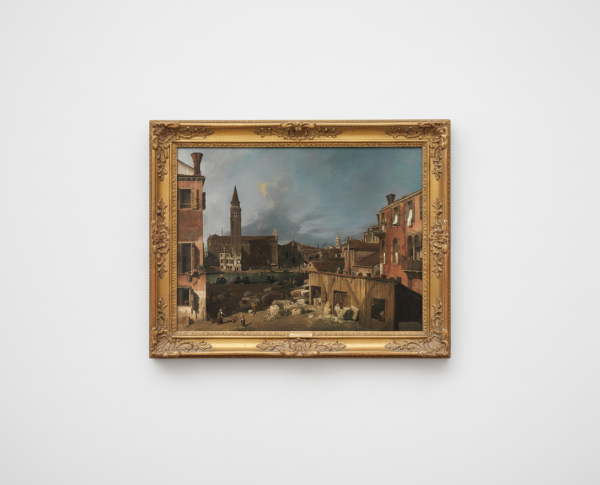
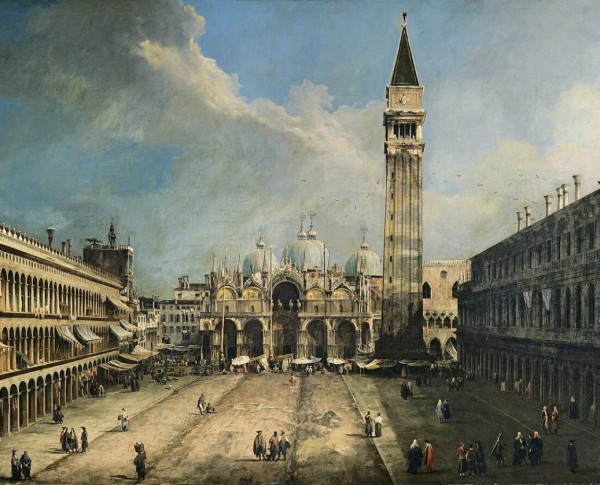
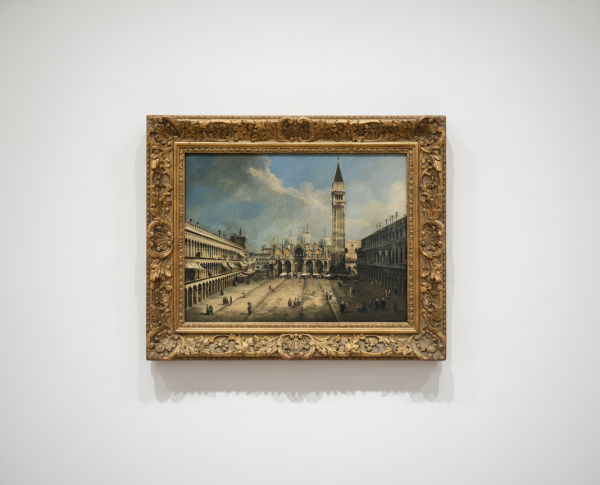
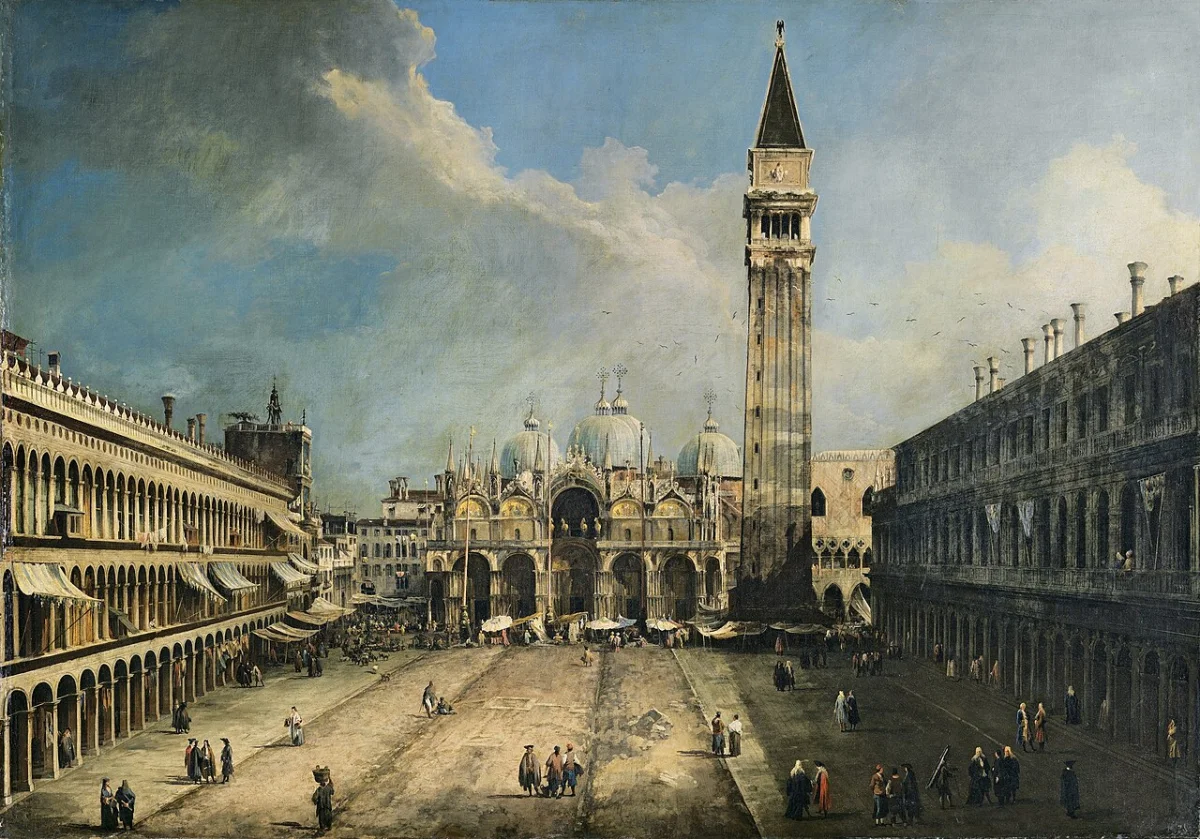
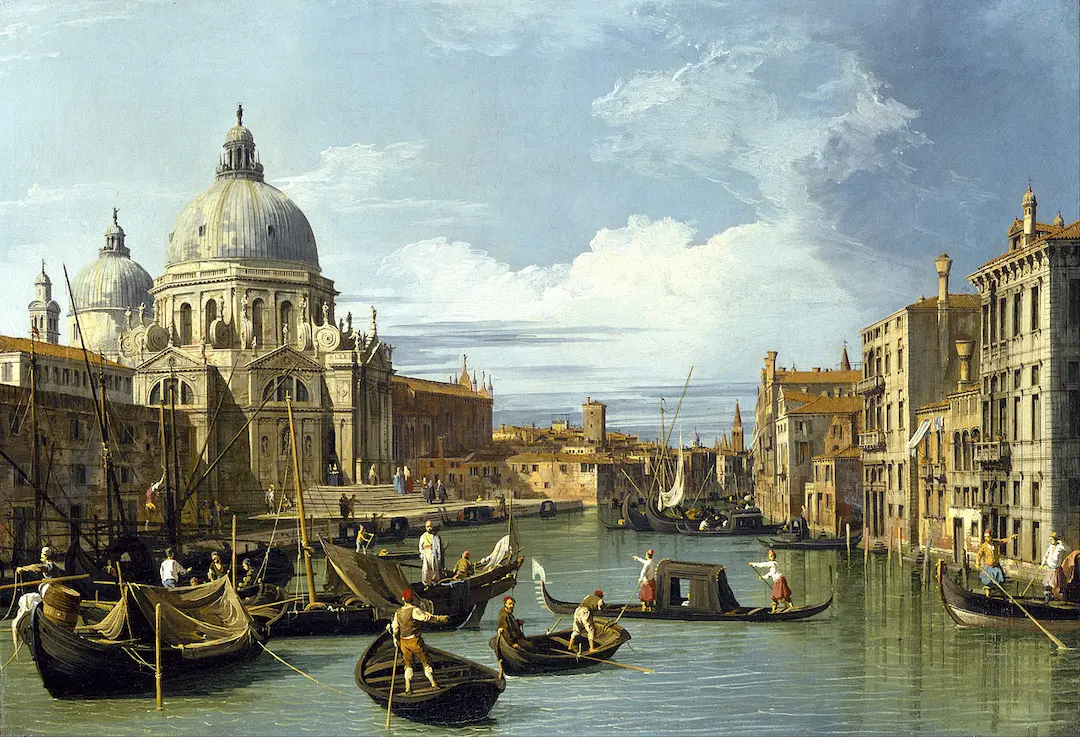
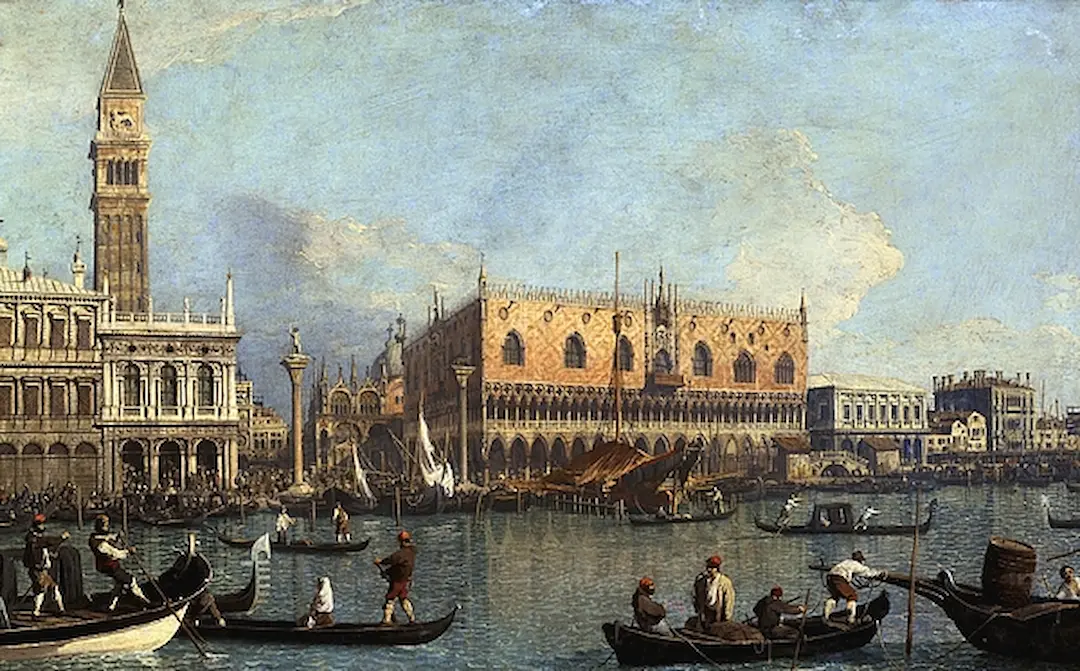
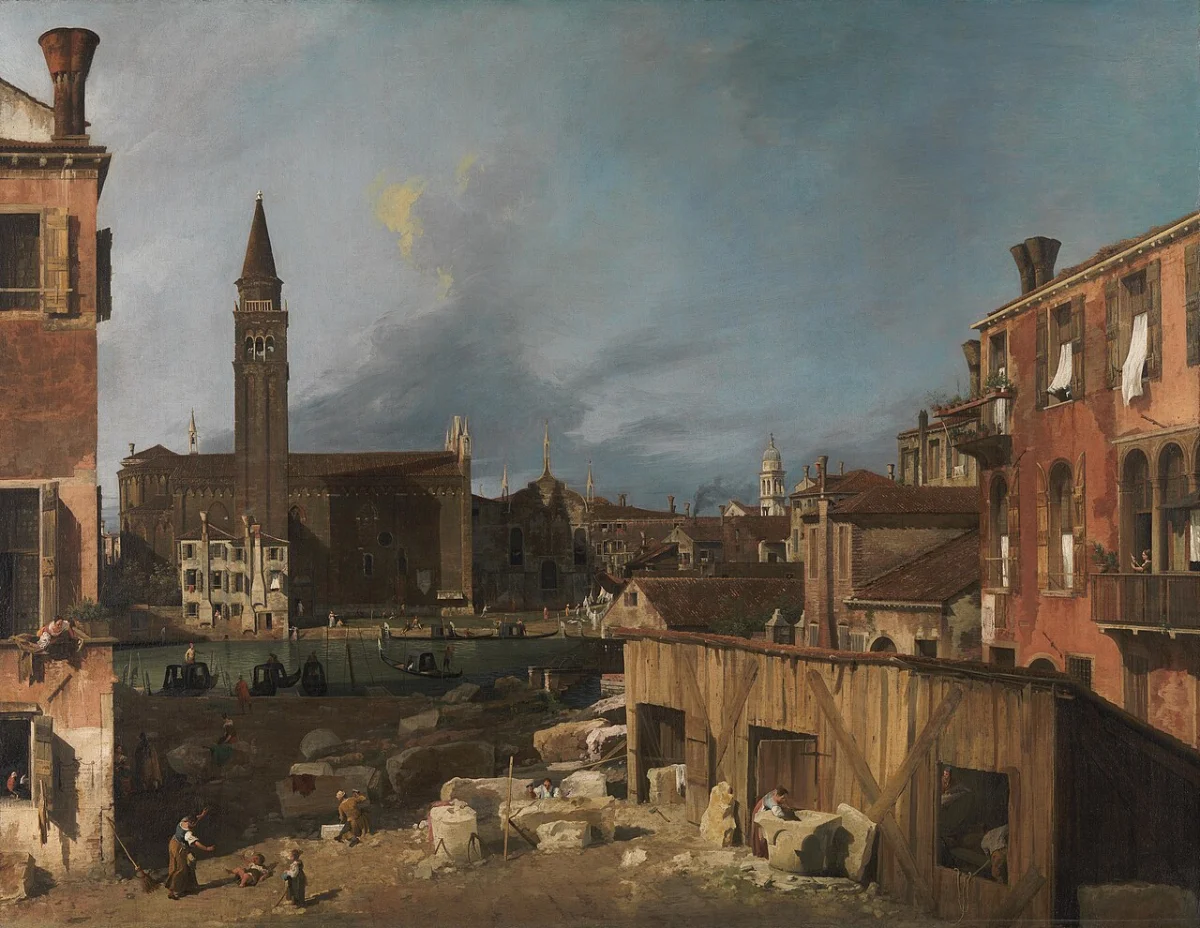
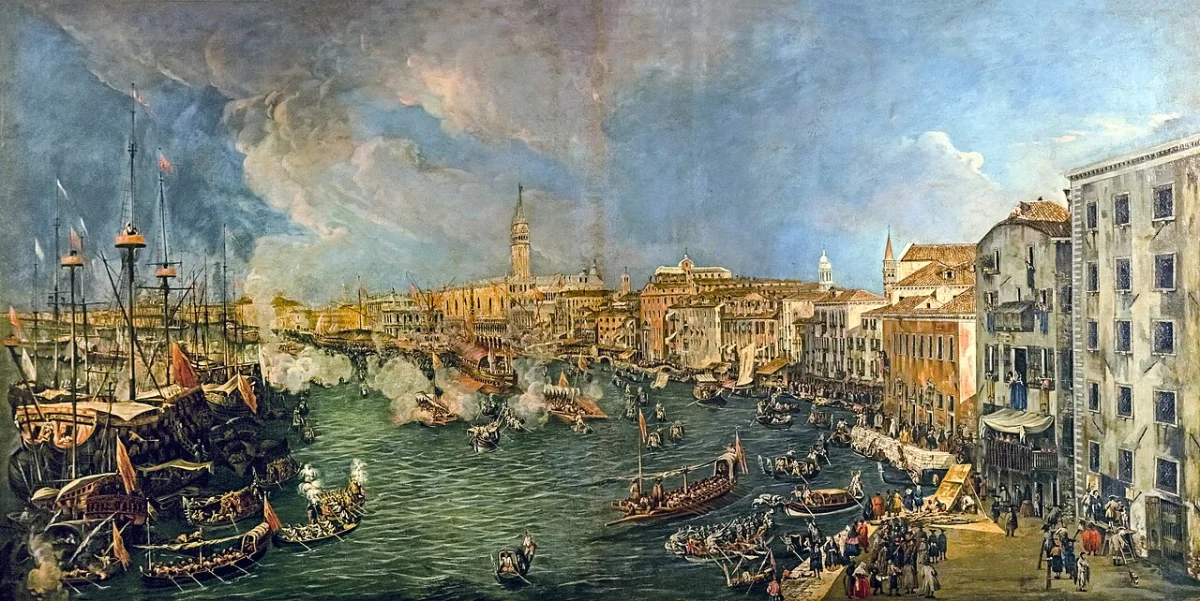
Giovanni Antonio Canal, known as Canaletto, crafted "The Piazza San Marco in Venice" during the Rococo movement, immortalizing the heart of Venice with exquisite detail. This hand-painted oil painting captures the vibrancy and elegance of the city’s iconic square, reflecting Canaletto’s mastery in architectural perspective. Collectors and enthusiasts alike admire its historical significance, alongside related works such as "The Stonemason's Yard" and "The Entrance to the Grand Canal, Venice, c.1730".
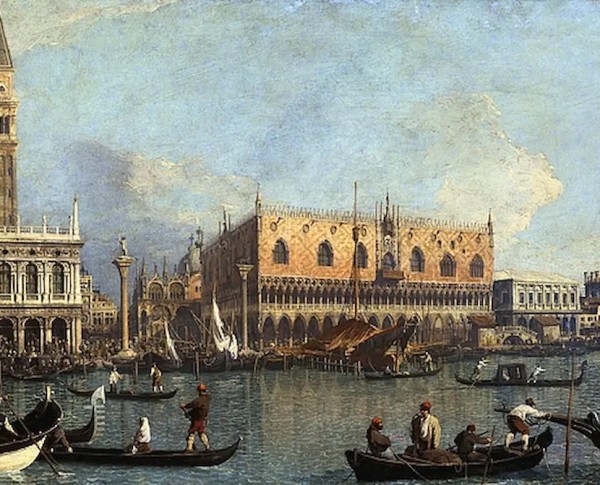
Canaletto’s "The Piazza San Marco in Venice" showcases his renowned technique with oil on canvas, blending luminous colors and intricate brushwork. The Rococo movement’s influence is evident in the painting’s playful light and refined detail, making it a prized example of 18th-century Venetian art. Art lovers seeking similar masterpieces often explore related products like "Ducal Palace, Venice, c.1755" for their own curated collections.
Every corner of "The Piazza San Marco in Venice" tells a story—whether it’s the bustling crowds, majestic architecture, or the lively atmosphere of Venice’s most famous square. Canaletto’s work, a fine art painting for sale, invites viewers to step into the daily life of Rococo-era Venice. The artist’s attention to symbolic elements connects this piece to his other celebrated paintings, including "The Entrance to the Grand Canal, Venice, c.1730".
For art collectors, owning "The Piazza San Marco in Venice" represents the pinnacle of Rococo elegance and Canaletto’s genius. This hand-painted oil painting is a testament to the artist’s legacy, offering timeless beauty and sophistication. Collectors often seek complementary works, such as "The Stonemason's Yard" and "Ducal Palace, Venice, c.1755", to enrich their galleries with the grandeur of Venetian artistry.
When Art Meets History
"The Piazza San Marco in Venice" by Giovanni Antonio Canal, widely known as Canaletto, stands as a testament to the Rococo movement's fascination with elegance and urban grandeur. This hand-painted oil painting captures Venice’s iconic square during the 18th century, blending historical authenticity with artistic flair. Canaletto’s attention to architectural detail and lively scenes echoes throughout his works, making this masterpiece and other related paintings highly valued by art lovers and historians alike.
Techniques That Speak
Canaletto’s mastery shines in his use of oil on canvas, a classic technique that brings depth and vibrancy to "The Piazza San Marco in Venice." His precise brushwork and subtle color gradations showcase the Rococo movement’s lightness and sophistication. The artist’s skill in rendering reflections and the play of light across the square exemplifies his technical prowess, setting this painting apart from other fine art pieces of the era and reinforcing his reputation among collectors.
Emotions on Display
Through "The Piazza San Marco in Venice," Canaletto invites viewers to experience the bustling energy and serene beauty of Venice’s heart. This fine art painting for sale evokes a sense of wonder and nostalgia, capturing both the lively spirit of city life and the tranquil ambiance of the square. The Rococo movement’s charm is evident in the painting’s airy composition, encouraging viewers to immerse themselves in the atmosphere and imagine the stories unfolding within the scene.
Coveted by Collectors
As a quintessential work by Canaletto, "The Piazza San Marco in Venice" holds a special allure for art collectors worldwide. The painting’s combination of historical significance, exquisite detail, and association with the Rococo movement ensures its status as a highly sought-after hand-painted oil painting. Alongside Canaletto’s other celebrated views of Venice, this masterpiece continues to captivate those seeking to own a piece of art history and timeless beauty.
Frequently Asked Questions About The Piazza San Marco in Venice
Who is the artist of The Piazza San Marco in Venice?
The painting was created by Giovanni Antonio Canal, commonly known as Canaletto, an Italian painter renowned for his detailed and vibrant depictions of Venetian landscapes.
What is the historical significance of The Piazza San Marco in Venice?
The Piazza San Marco, or St. Mark's Square, is one of the most famous public squares in the world, serving as a central hub of social, religious, and political life in Venice throughout history.
What artistic techniques did Canaletto employ in this painting?
Canaletto utilized techniques such as precise linear perspective, vibrant color palettes, and intricate detailing to create a realistic and immersive representation of the square.
What time period does The Piazza San Marco in Venice represent?
This painting reflects the 18th century, a time when Venice was a prominent center for art and culture, showcasing the grandeur of its architecture and public life.
What are the key architectural features depicted in the painting?
The painting highlights significant structures such as St. Mark's Basilica, the Campanile, and the Doge's Palace, each embodying the unique Venetian Gothic architectural style.
What role does light play in The Piazza San Marco in Venice?
Canaletto masterfully captures the effects of natural light, using it to enhance the vibrancy of the scene and to create a sense of depth and atmosphere in the painting.
How does this painting reflect the culture of Venice during Canaletto's time?
The artwork encapsulates the lively social interactions and public events that characterized Venetian culture, showcasing the importance of communal spaces in the daily lives of its citizens.
What symbolism can be found in The Piazza San Marco in Venice?
The painting symbolizes the grandeur and historical significance of Venice as a maritime power, as well as the city's enduring beauty and cultural heritage.
How did Canaletto's work influence future artists?
Canaletto's precise rendering of urban landscapes and his innovative use of perspective influenced many artists, paving the way for future movements such as Romanticism and Impressionism.
Where can I view The Piazza San Marco in Venice today?
The painting is part of a collection at a prominent art institution, where it is displayed alongside other significant works from the Venetian school of painting.






















_GFM_Painting_(1).webp)


 100% Hand-Painted: Finished in 3-6 Weeks

.png)















_(1).webp)