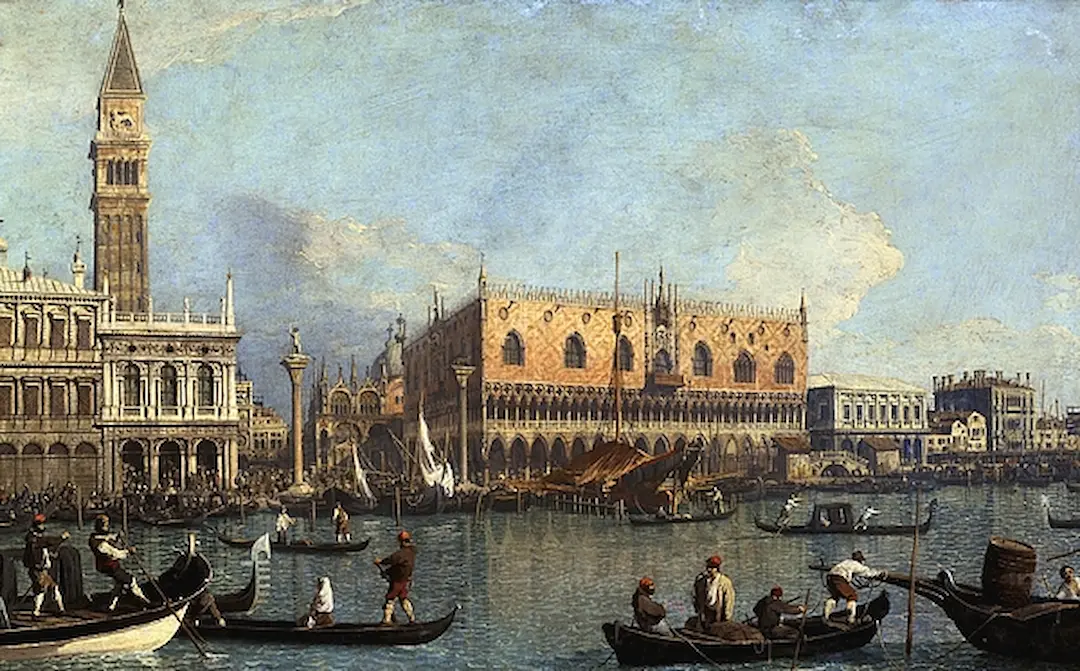
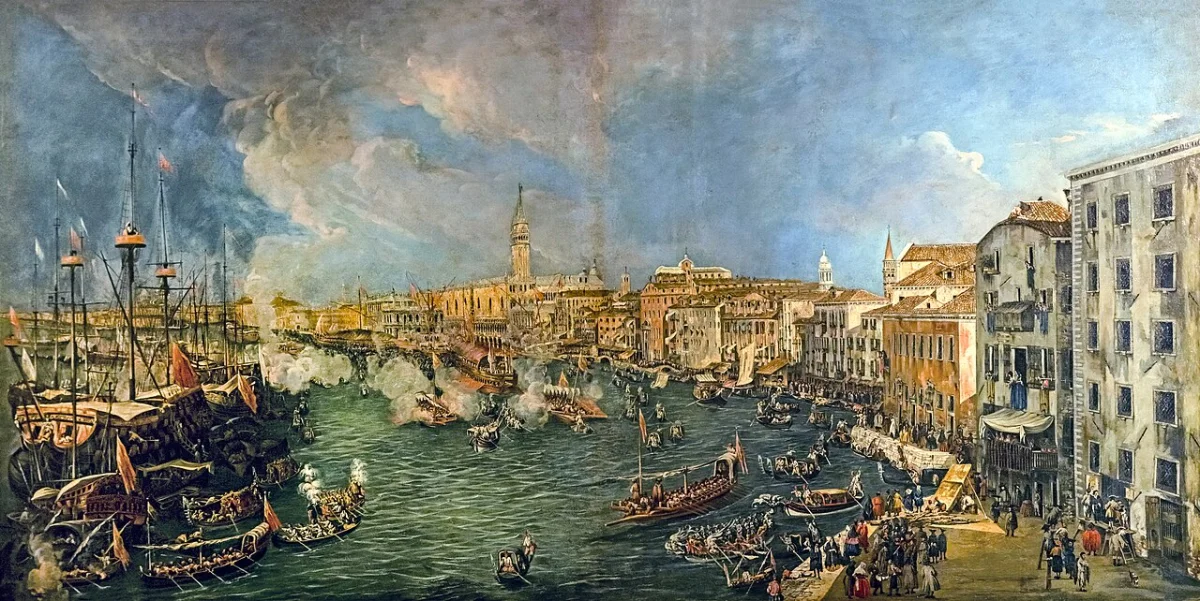
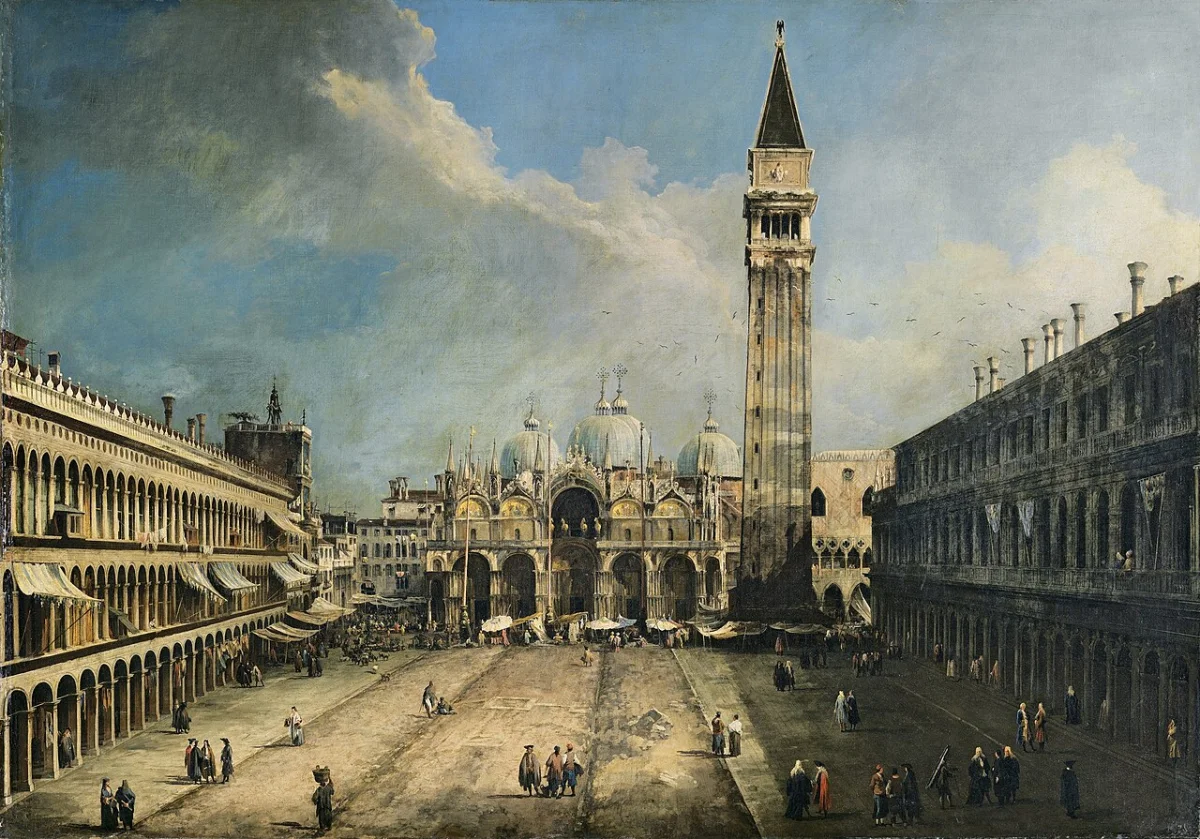
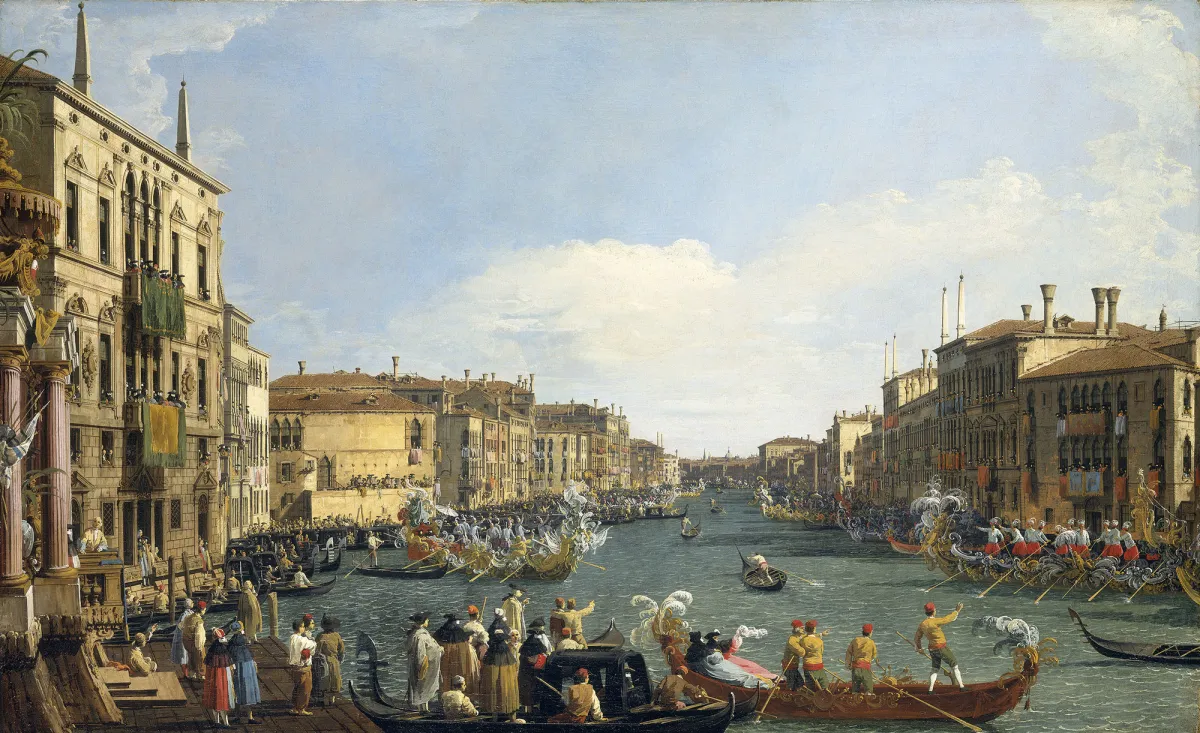
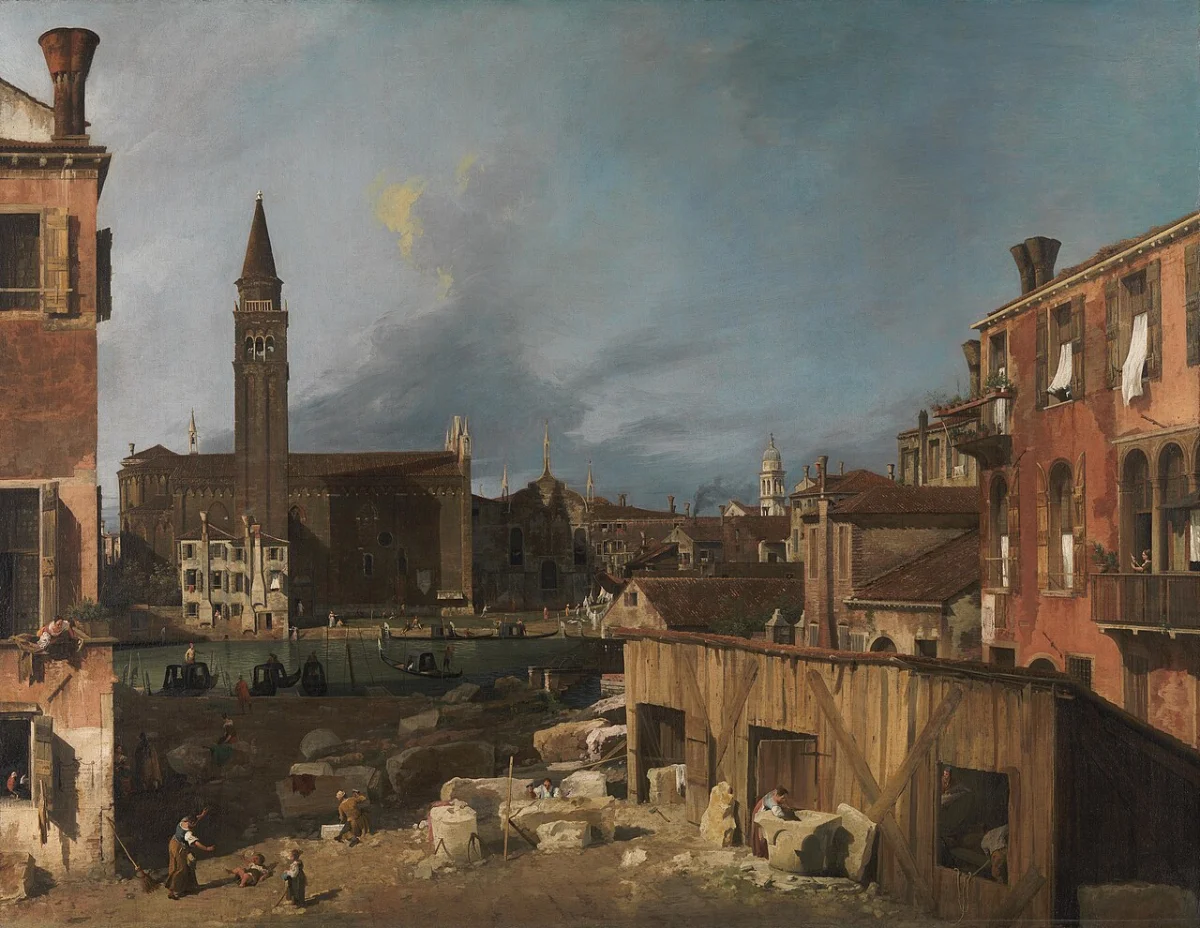
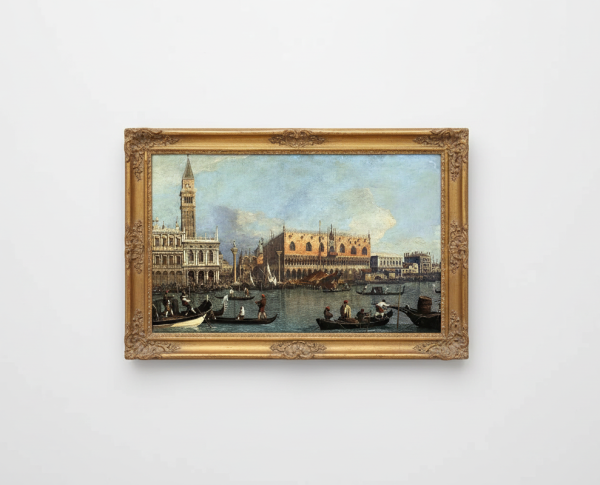
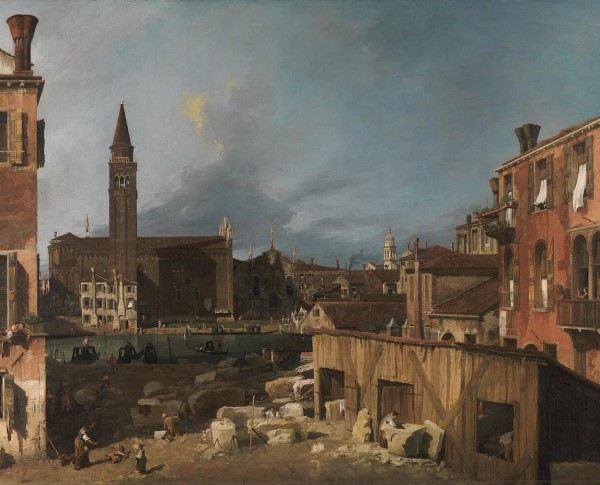
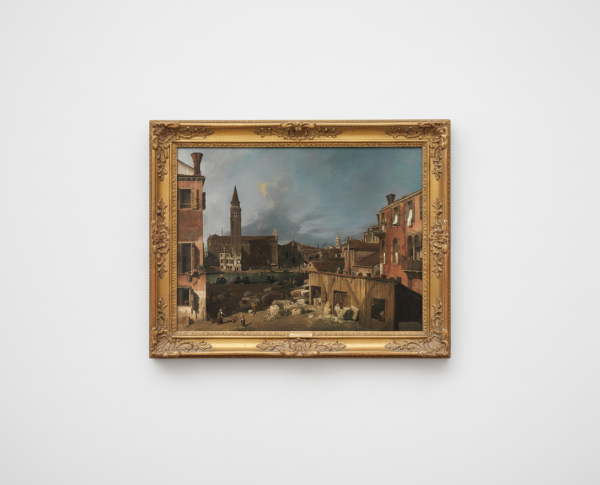
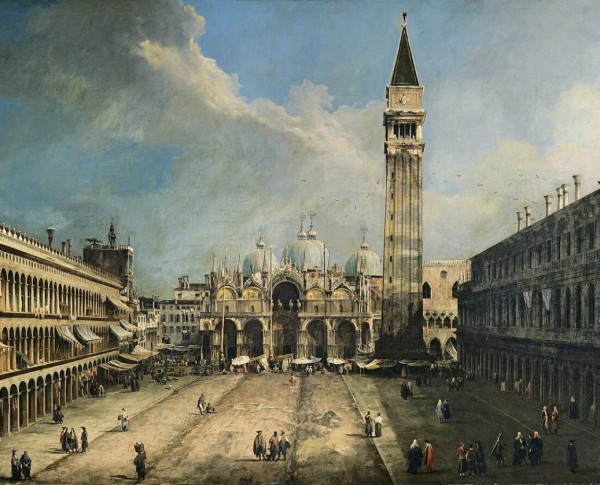
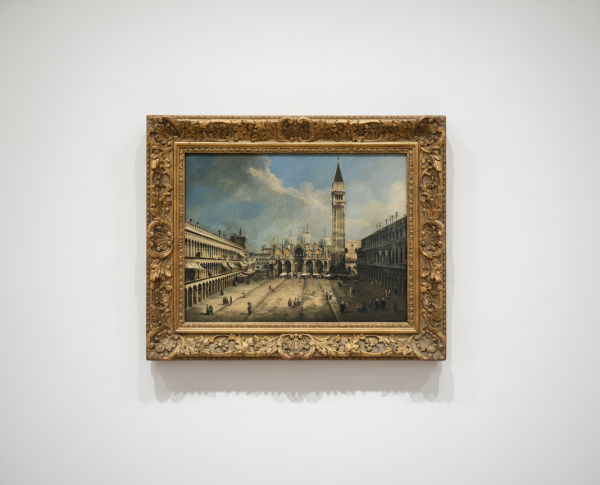
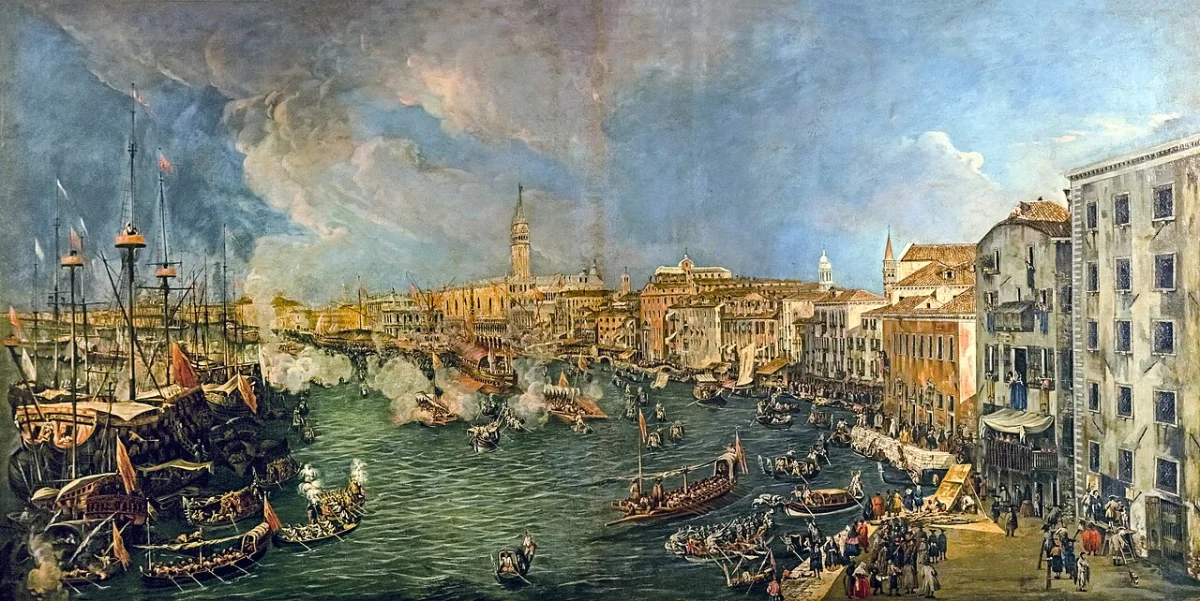
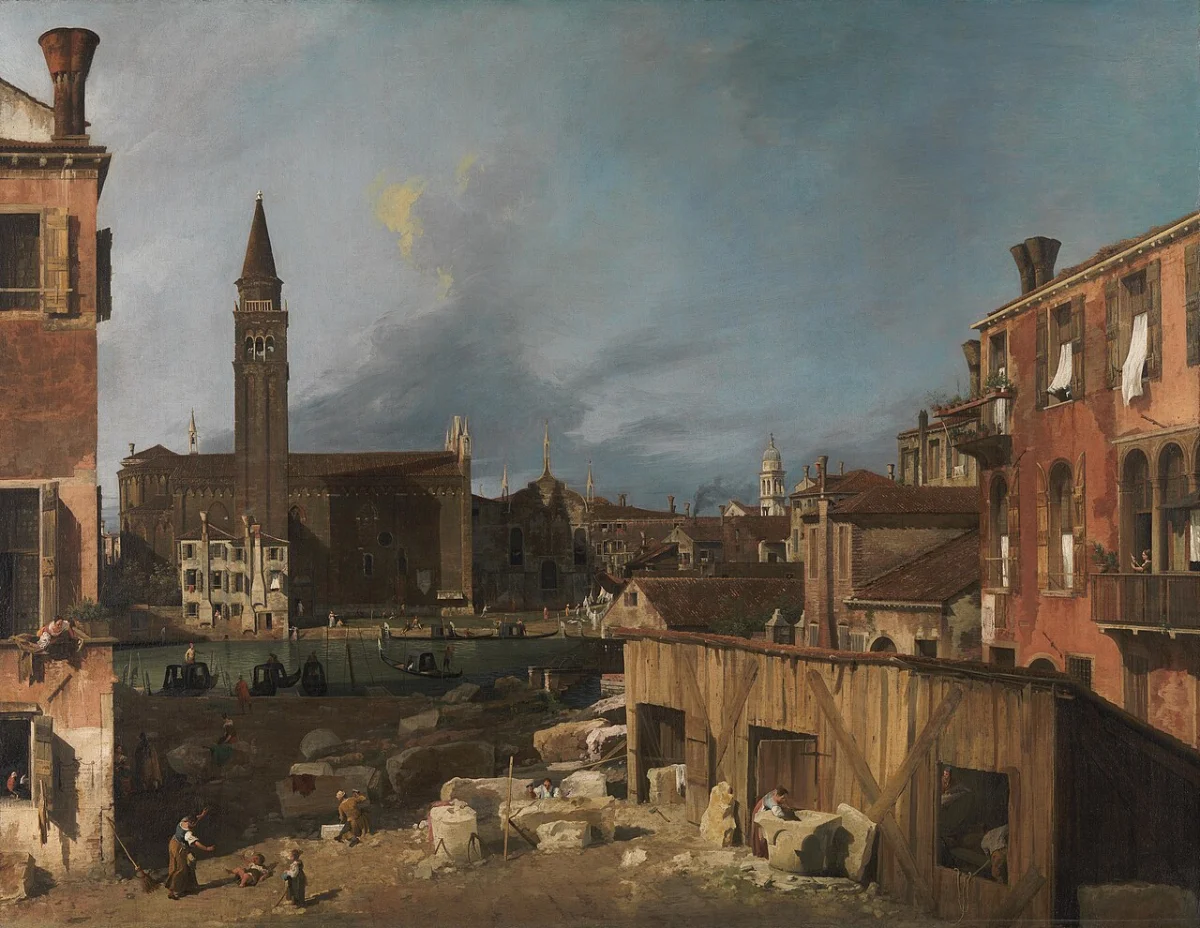
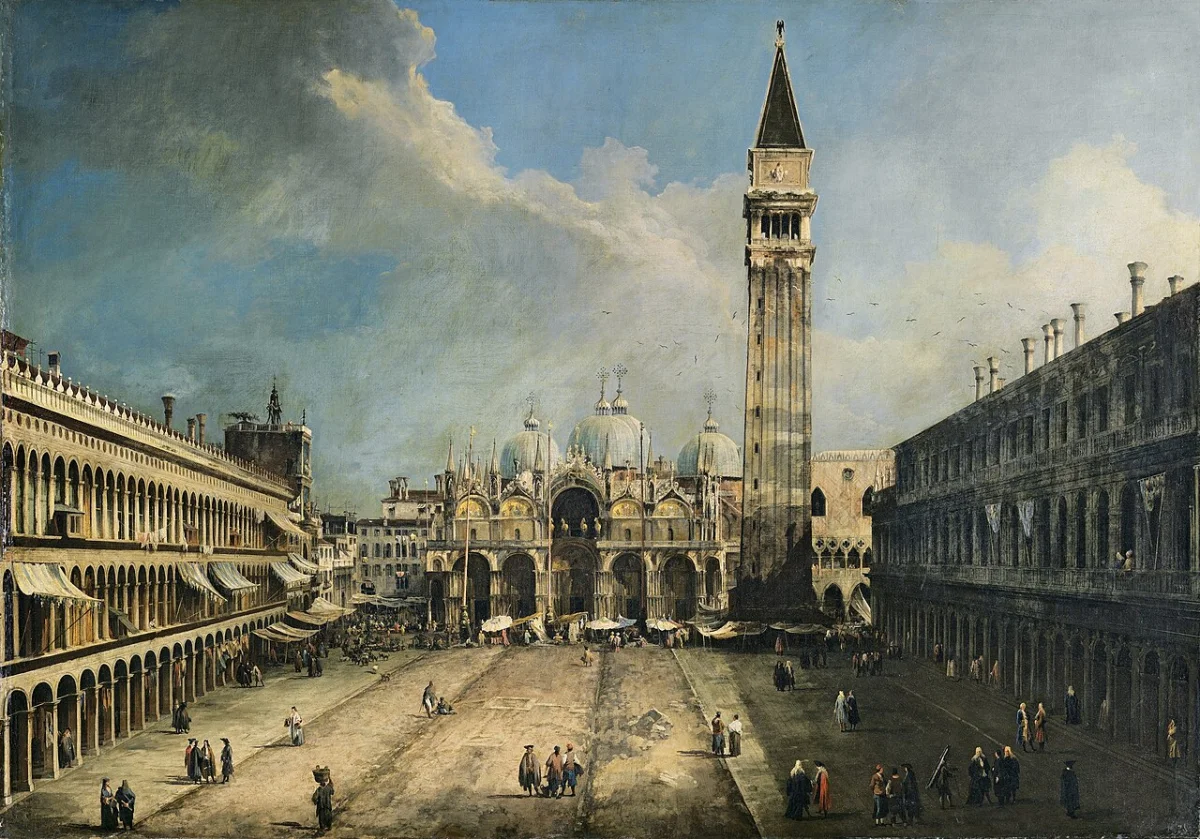
"The Bucintoro" by Giovanni Antonio Canal, known as Canaletto, stands as a shining example of the Rococo movement. This hand-painted oil painting captures Venice’s grand traditions with remarkable finesse, drawing viewers into its historical spectacle. Canaletto’s attention to detail and love for Venetian life are evident, making this artwork a prized possession for enthusiasts. Related masterpieces like "The Piazza San Marco in Venice" and "The Stonemason's Yard" further cement Canaletto’s legacy in art history.
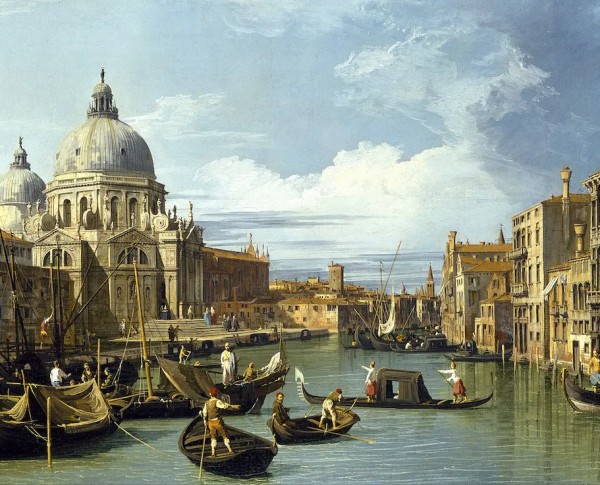
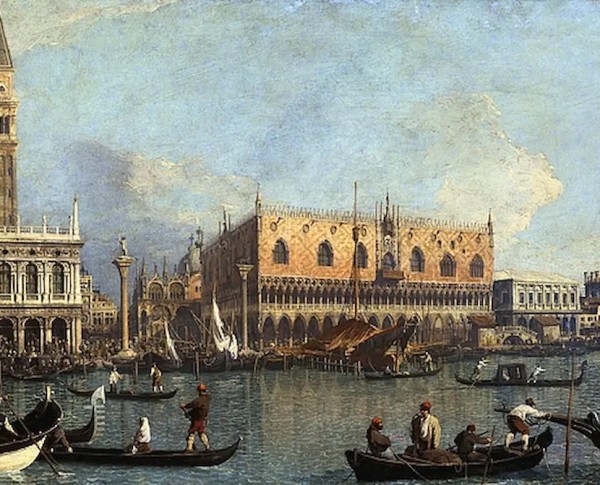
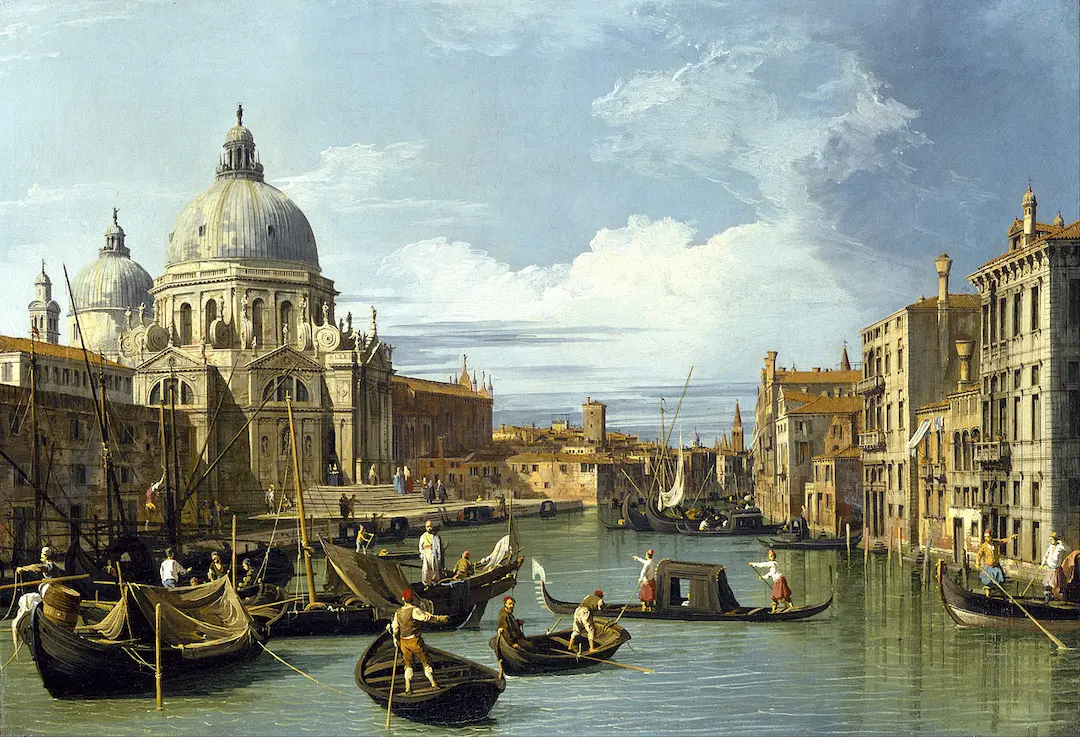
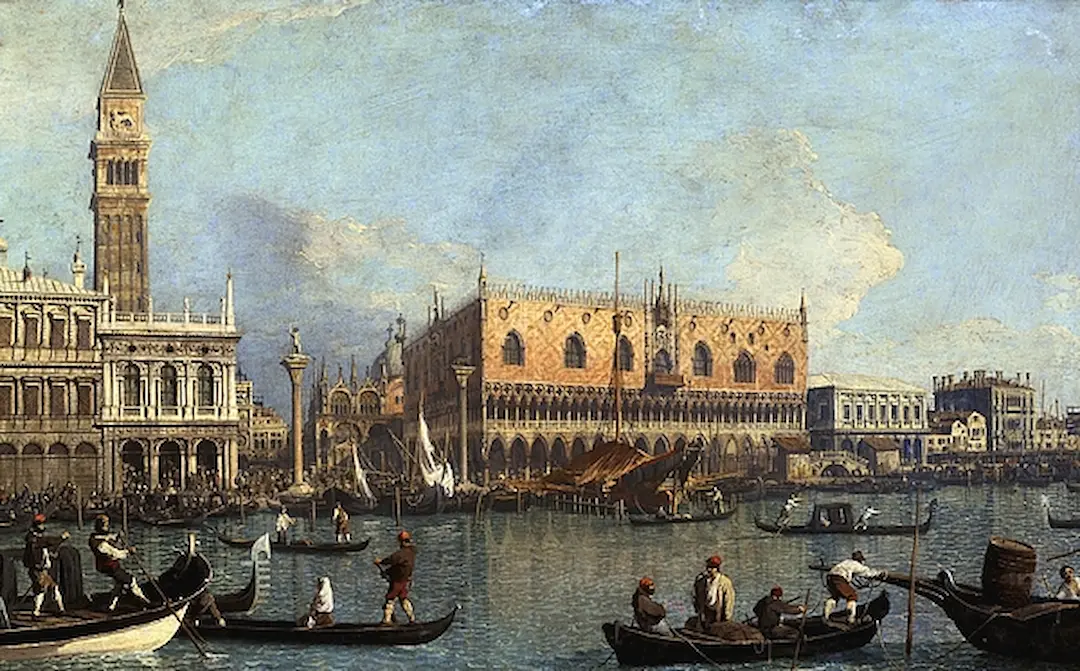
Canaletto’s "The Bucintoro" demonstrates exceptional mastery with oil on canvas, a medium that highlights the artist’s technical brilliance. His meticulous brushwork brings the pageantry and architectural splendor of Venice to life, embodying the elegance of the Rococo style. Collectors and admirers seeking fine art painting for sale often turn to Canaletto’s works, including "The Entrance to the Grand Canal, Venice, c.1730" and "Ducal Palace, Venice, c.1755," for their enduring beauty and craftsmanship.
Rich with symbolism, "The Bucintoro" celebrates Venice’s historic traditions and the grandeur of its state ceremonies. Each element in this hand-painted oil painting reflects Canaletto’s fascination with storytelling through art. The bustling festivities and ornate vessels invite viewers to explore deeper meanings beneath the surface. Collectors seeking similar narratives may also appreciate the thematic connections in Canaletto’s "The Piazza San Marco in Venice" and "The Stonemason's Yard."
For art connoisseurs, acquiring "The Bucintoro" is a unique opportunity to own a piece of Rococo heritage. This oil on canvas masterpiece is a testament to Canaletto’s enduring influence and serves as a fine art painting for sale that enhances any collection. Complementary works like "The Entrance to the Grand Canal, Venice, c.1730" and "Ducal Palace, Venice, c.1755" are also highly sought after, making them ideal additions for admirers of Venetian art.
When Art Meets History
"The Bucintoro" by Giovanni Antonio Canal, famously known as Canaletto, is a masterful hand-painted oil painting that captures the grandeur of Venice during the Rococo movement. This iconic work immortalizes the traditional Venetian festival, blending historical significance with artistic brilliance. Canaletto’s attention to architectural and ceremonial detail makes this piece a testament to both the city’s culture and the Rococo era, similar in spirit to other Venetian scenes he created throughout his prolific career.
Techniques That Speak
Canaletto’s expertise with oil on canvas is evident in "The Bucintoro." His precise brushwork and delicate play of light create a vibrant atmosphere, bringing the Venetian waters and festivities to life. The artist’s use of perspective and meticulous attention to detail are characteristic of both his style and the Rococo movement, making this painting a remarkable example among his many cityscapes. Such technical prowess continues to inspire admirers of oil on canvas masterpieces today.
Emotions on Display
"The Bucintoro" radiates the lively spirit and joy of Venice’s grand ceremonies, a hallmark of Rococo’s emotional flair. Canaletto evokes a sense of celebration, pride, and communal unity through his vivid portrayal of the event. This fine art painting for sale not only documents a historic occasion but also invites viewers to partake in the exuberance and elegance of 18th-century Venetian life, just as his other festive city scenes so masterfully do.
Coveted by Collectors
Collectors worldwide seek "The Bucintoro" for its historical value and Canaletto’s renowned artistry. As a hand-painted oil painting from the Rococo movement, it holds a prestigious place in both private and public collections. The artist’s name, along with the work’s exquisite detail and cultural resonance, ensures that this masterpiece—and similar works from Canaletto’s oeuvre—remain highly desirable for those interested in owning a piece of fine art history.
Frequently Asked Questions About The Bucintoro
What is the historical significance of "The Bucintoro"?
"The Bucintoro" captures a pivotal moment in Venetian history, symbolizing the grandeur of the Venetian Republic and its maritime power during the 18th century.
Who was Giovanni Antonio Canal, and what is his role in art history?
Giovanni Antonio Canal, known as Canaletto, was a prominent Italian painter known for his detailed landscapes and cityscapes of Venice, playing a crucial role in the development of veduta painting.
What artistic techniques did Canaletto employ in "The Bucintoro"?
Canaletto utilized precise perspective, vibrant color palettes, and intricate detailing to create a realistic depiction of the scene, showcasing his mastery of light and shadow.
What does the Bucintoro symbolize in Venetian culture?
The Bucintoro, a ceremonial barge, symbolizes the power and prestige of the Venetian Republic, serving as a vessel for the Doge during important public ceremonies, particularly the annual Marriage of the Sea.
How does "The Bucintoro" reflect the socio-political context of its time?
The painting reflects the socio-political context of 18th-century Venice, illustrating the Republic's wealth, maritime dominance, and the importance of naval ceremonies in reinforcing civic pride and identity.
What elements in the painting highlight the grandeur of Venice?
Elements such as the opulent architecture, the elaborate decorations of the Bucintoro, and the bustling activity of boats and figures in the foreground highlight the grandeur and vibrancy of Venice.
In what ways does "The Bucintoro" exemplify the Baroque style?
The painting exemplifies the Baroque style through its dramatic use of light, dynamic composition, and rich detail, which evoke a sense of movement and emotional intensity characteristic of the period.
What is the significance of the colors used in "The Bucintoro"?
The colors in "The Bucintoro" are significant as they convey the vibrancy of Venetian life, with blues and golds symbolizing the sea and wealth, while contrasting shades enhance the overall luminosity of the scene.
How does the composition of "The Bucintoro" guide the viewer's eye?
The composition of "The Bucintoro" is carefully arranged to guide the viewer's eye through the scene, with leading lines created by the boats and architecture that draw attention to the central Bucintoro and its ceremonial importance.
What impact did "The Bucintoro" have on later artists and art movements?
"The Bucintoro" influenced later artists by establishing a benchmark for landscape and maritime painting, inspiring movements such as Romanticism and Impressionism with its emphasis on light, atmosphere, and the depiction of urban life.






















_GFM_Painting_(1).webp)


 100% Hand-Painted: Finished in 3-6 Weeks

.png)















_(1).webp)