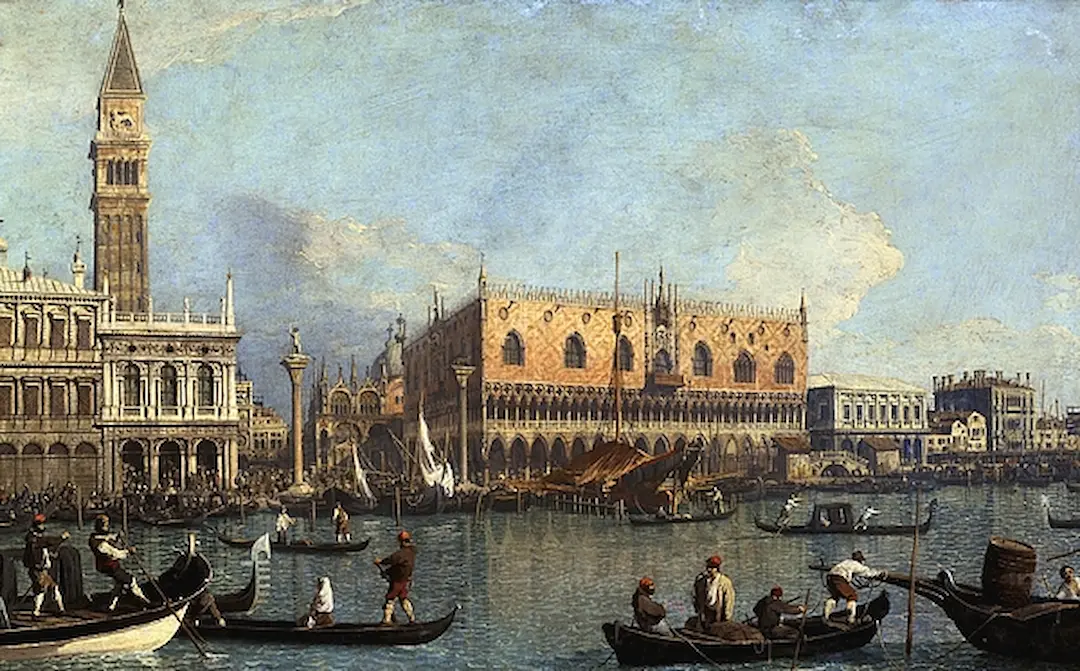
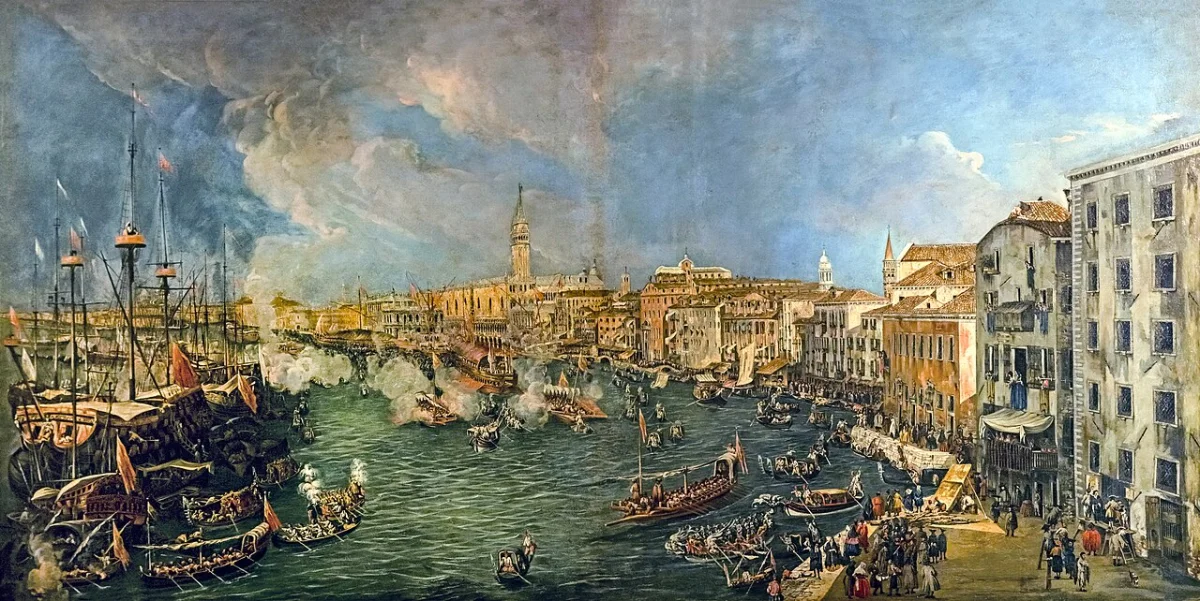
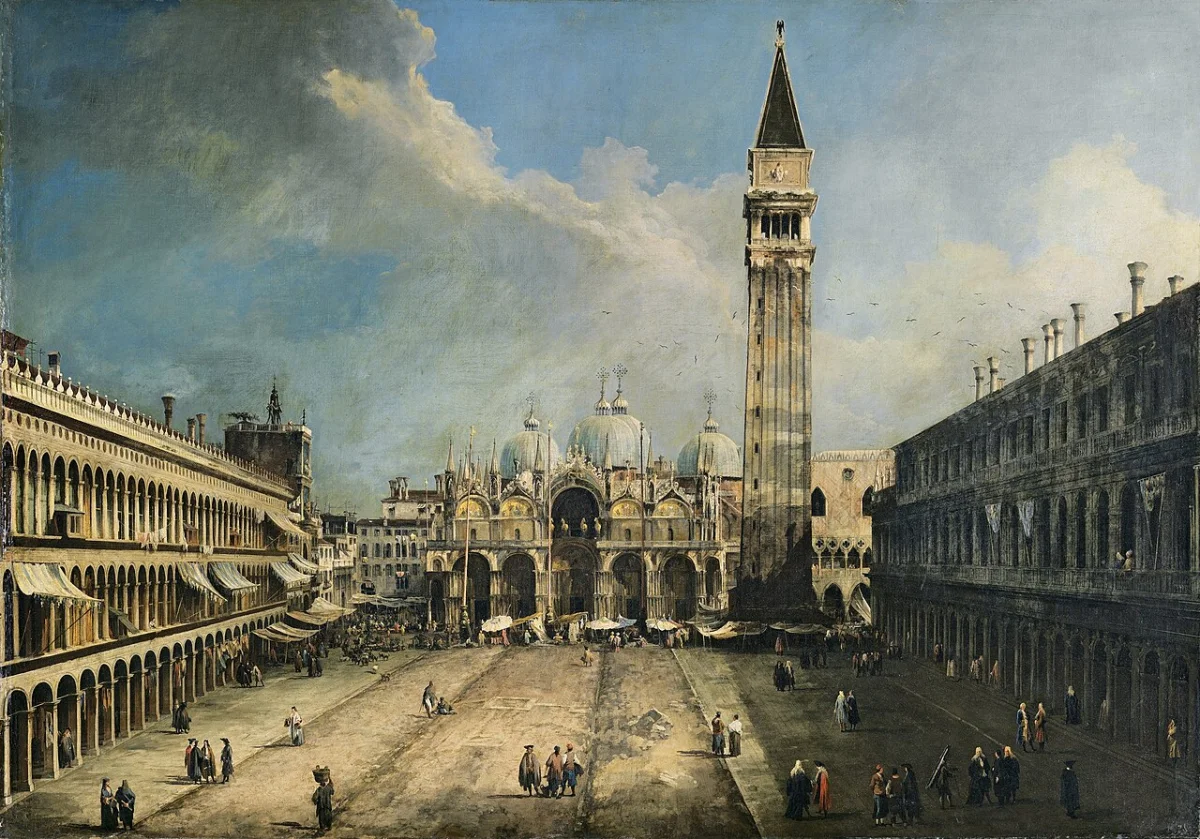
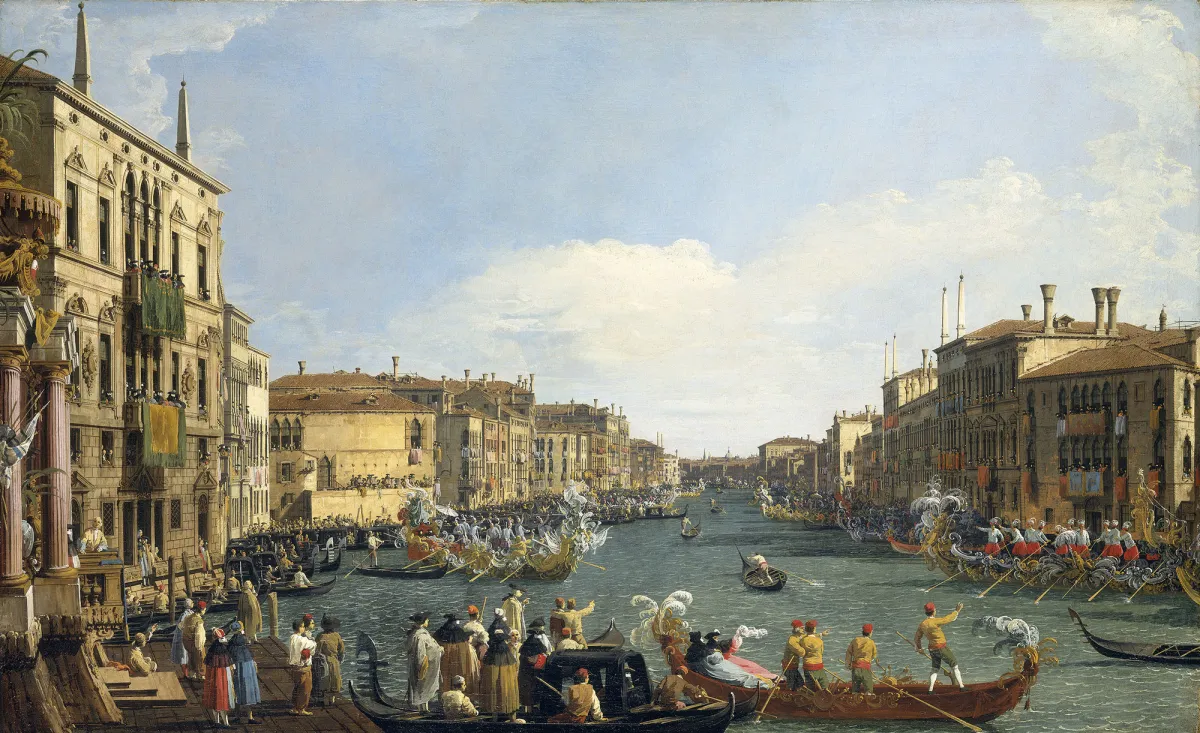
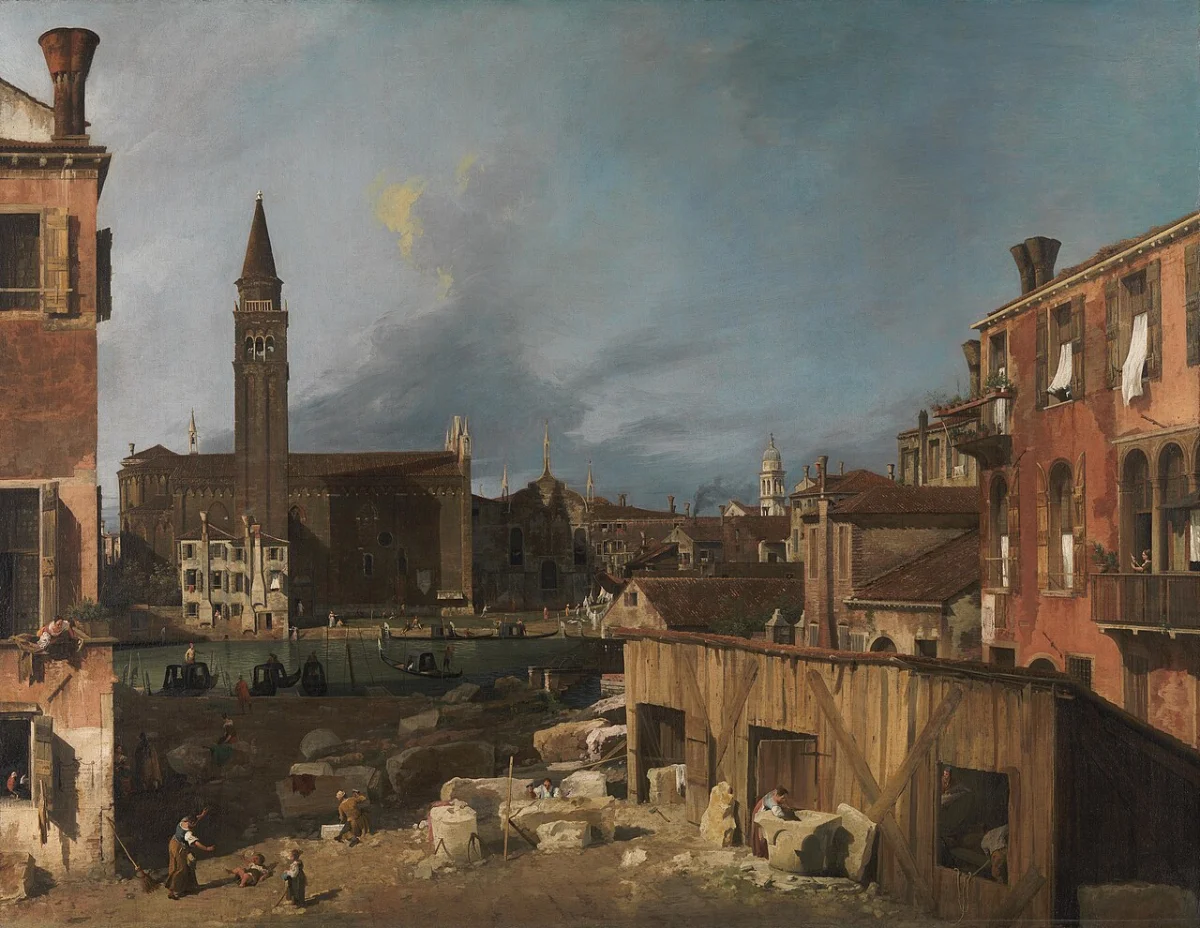
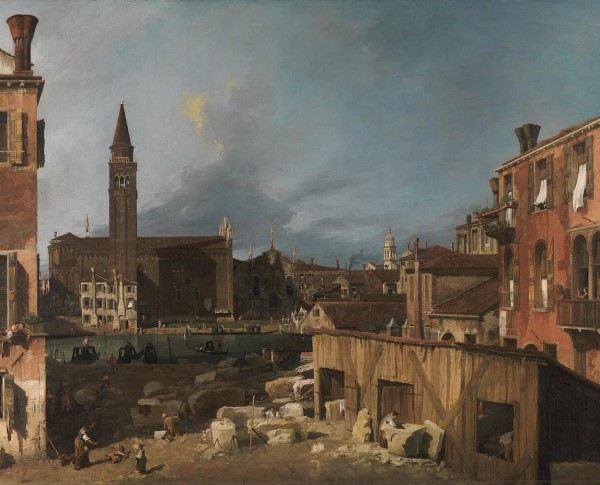
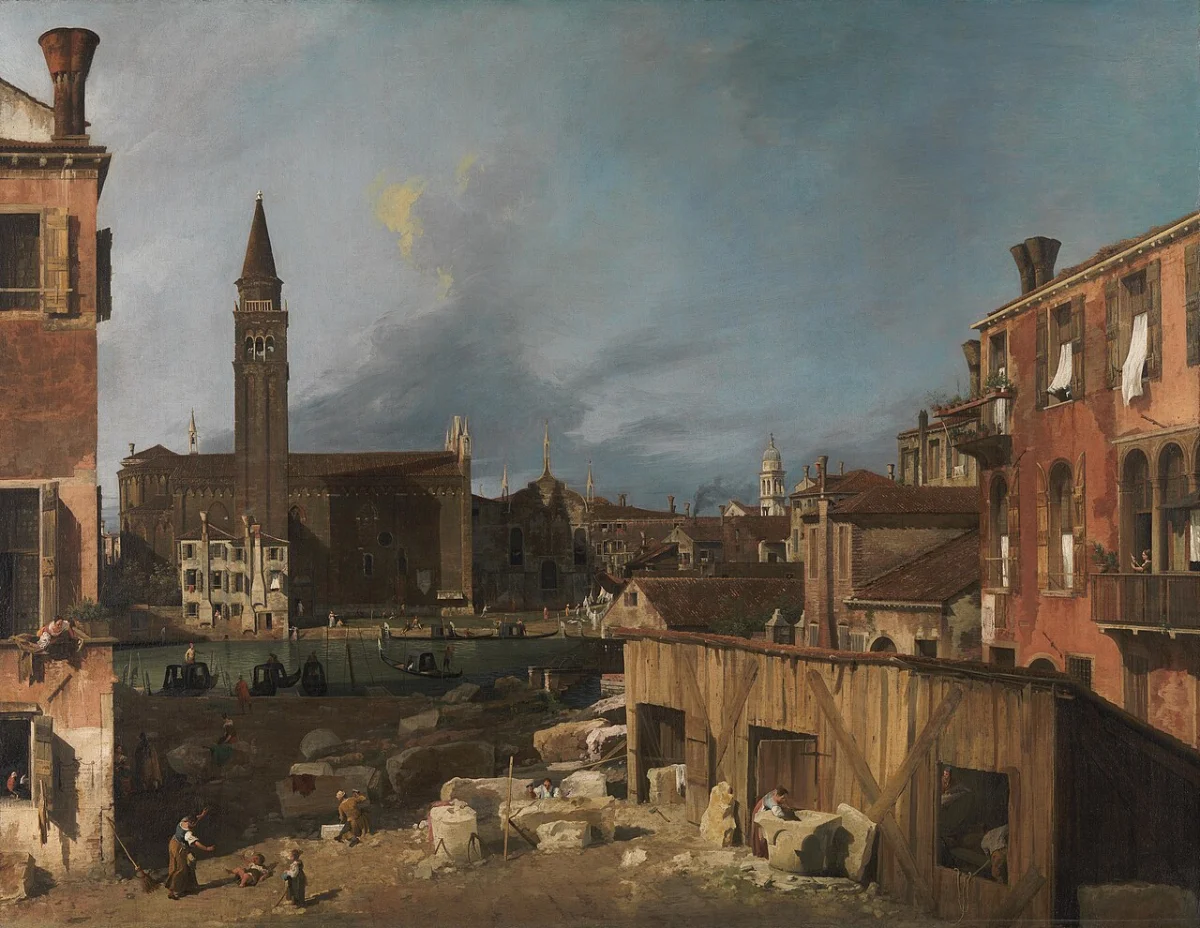
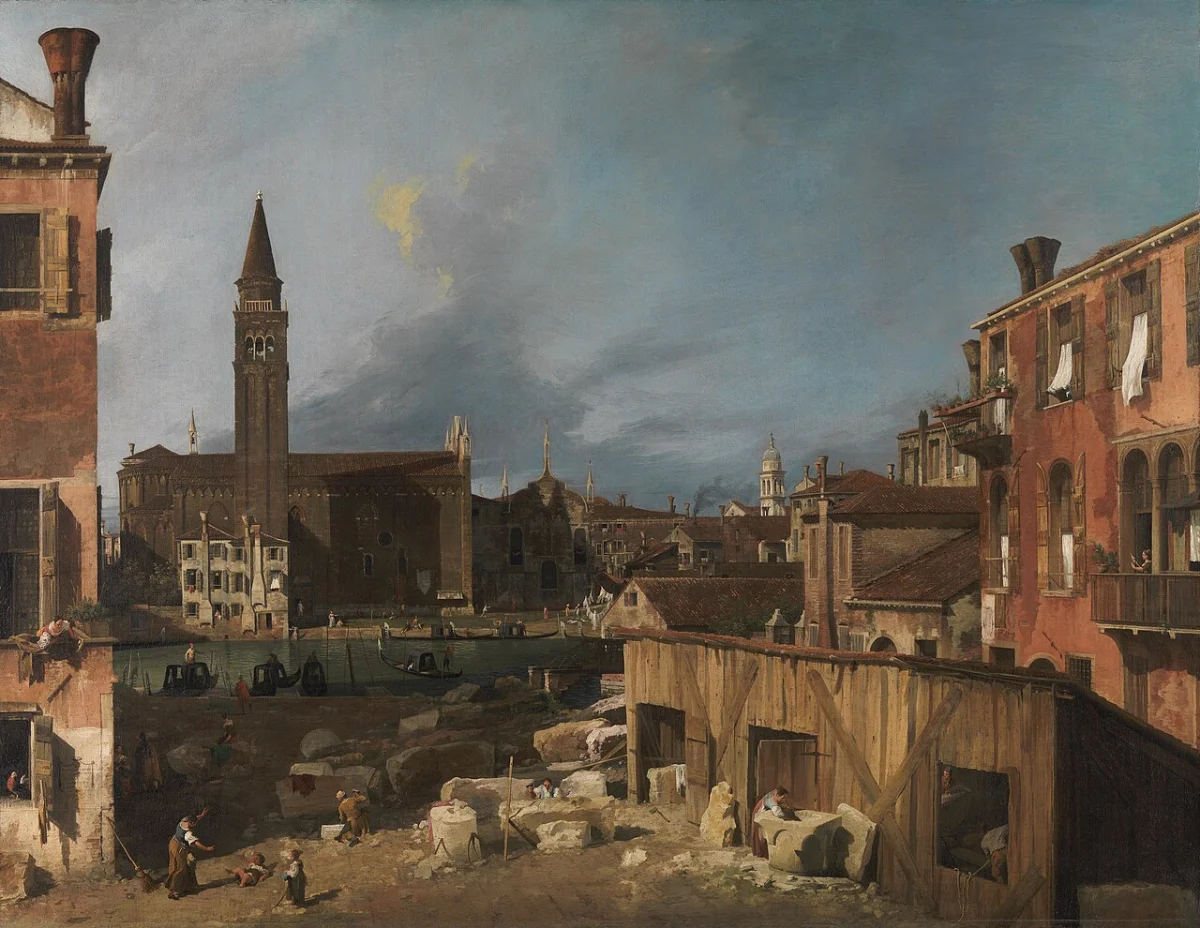
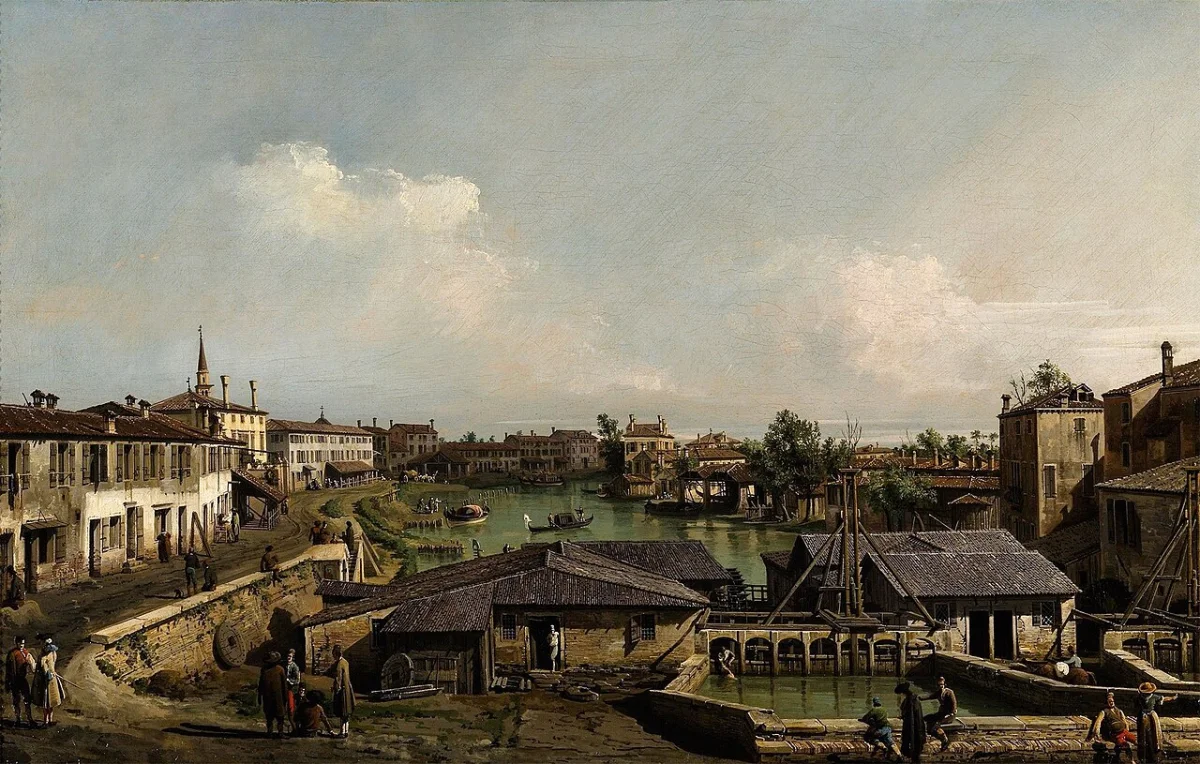
"The Stonemason's Yard" by Giovanni Antonio Canal, known as Canaletto, is a remarkable example of the Rococo movement. This hand-painted oil painting showcases Canaletto's meticulous attention to detail and his love for Venetian life. The artwork not only embodies the grandeur of 18th-century Venice but is also a testament to Canaletto's enduring legacy. Collectors and art enthusiasts searching for a fine art painting for sale will appreciate its historic significance and exquisite craftsmanship.
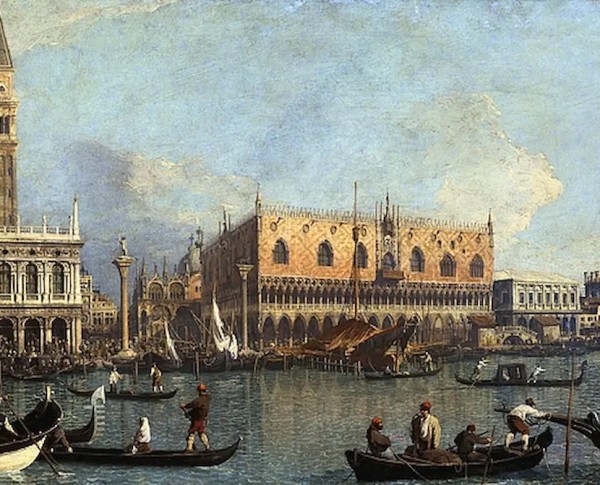
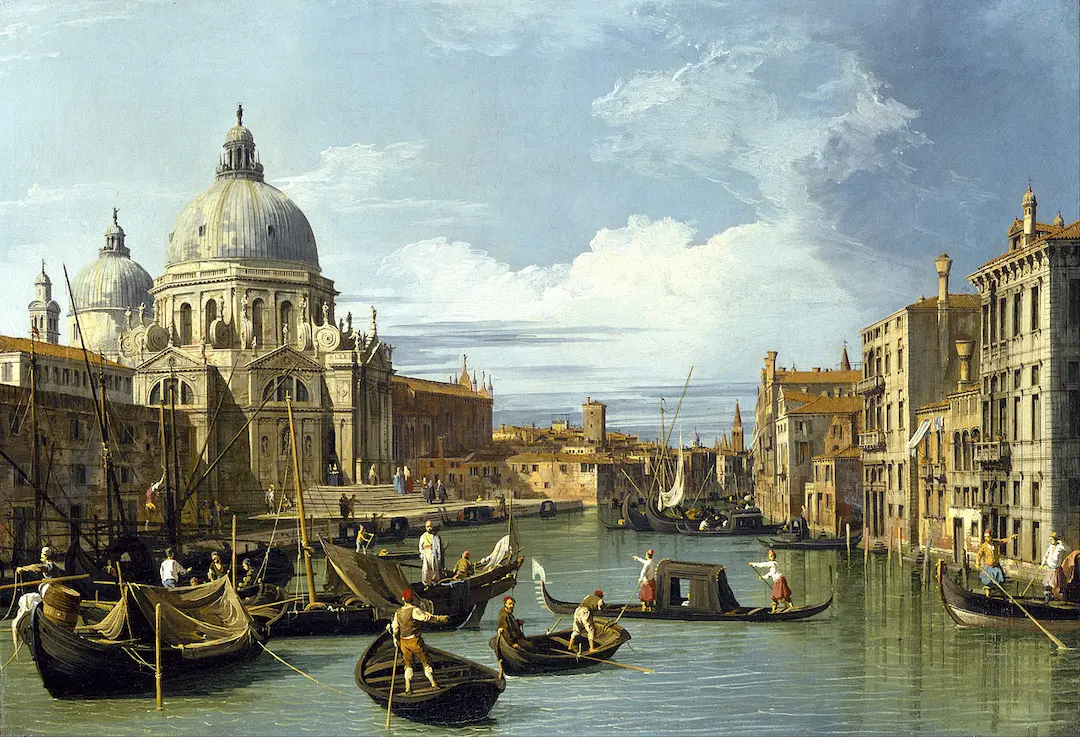
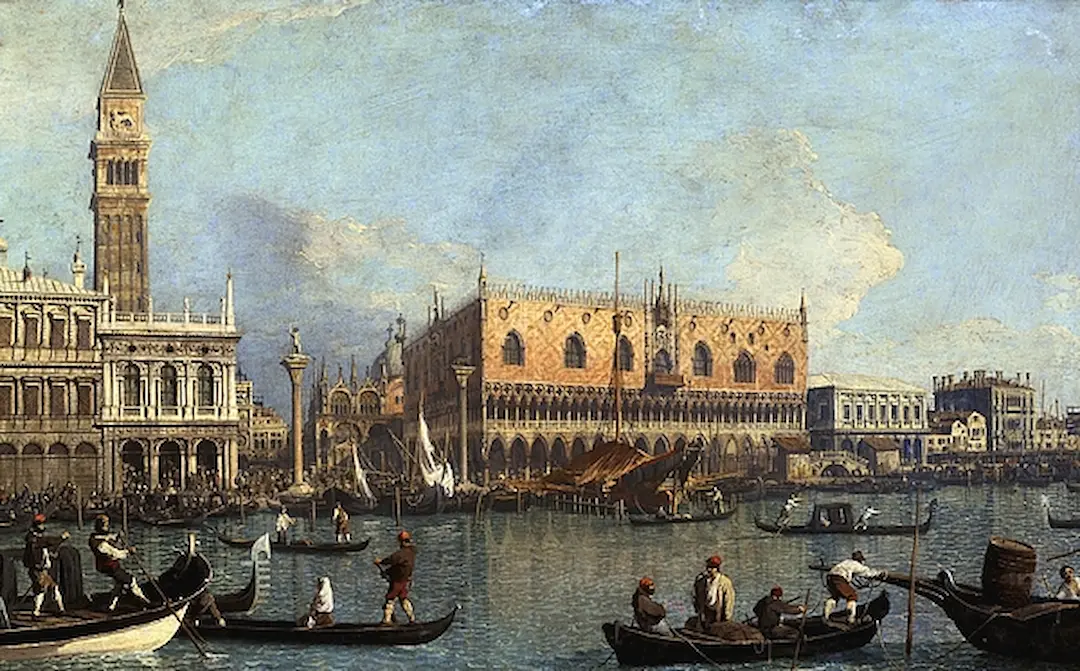
Canaletto’s mastery shines through the oil on canvas technique used in "The Stonemason's Yard." Each brushstroke captures the lively atmosphere and intricate architecture of Venice, a hallmark of the Rococo style. The artist’s keen observation brings the city to life, much like in his other celebrated works such as "The Entrance to the Grand Canal, Venice, c.1730" and "Ducal Palace, Venice, c.1755." This painting remains a prime example of exceptional oil on canvas artistry.
In "The Stonemason’s Yard," Canaletto weaves everyday Venetian scenes with subtle symbolism, making this hand-painted oil painting a narrative-rich masterpiece. The bustling activity, children at play, and workers at their craft reflect the vibrancy of 18th-century Venice. The fine details and dynamic composition, typical of the Rococo movement, invite viewers to explore the stories hidden within the canvas, much like his other works available as fine art paintings for sale.
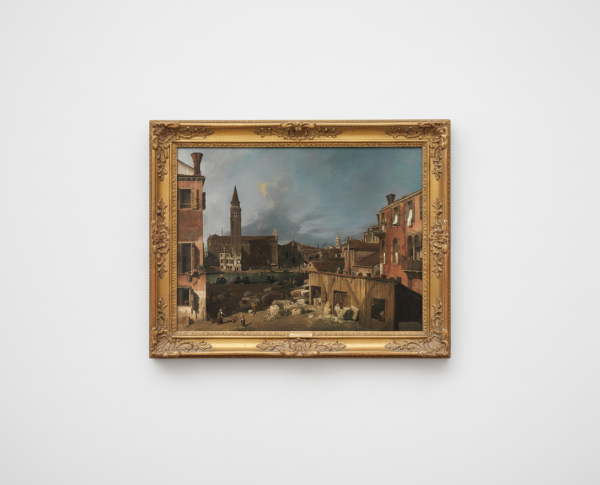
For collectors seeking a fine art painting for sale, "The Stonemason’s Yard" by Canaletto represents both artistic mastery and historical value. This painting stands alongside other notable works like "The Entrance to the Grand Canal, Venice, c.1730" and "Ducal Palace, Venice, c.1755" as a testament to the artist’s skill. Owning such a piece not only enriches a collection but also brings the elegance and charm of the Rococo period into any space.
When Art Meets History
"The Stonemason's Yard" by Giovanni Antonio Canal, famously known as Canaletto, stands as a remarkable example of the Rococo movement’s fascination with everyday life. This hand-painted oil painting captures a lively Venetian square, bustling with workers and townspeople. Canaletto’s attention to historical detail provides a vivid glimpse into 18th-century Venice, making the scene as much a documentary as a work of art. This masterpiece continues to inspire those seeking a connection between history and art.
Techniques That Speak
Canaletto’s "The Stonemason's Yard" showcases his masterful oil on canvas technique, which brings luminosity and depth to the Venetian cityscape. Through delicate brushwork and precise perspective, the artist achieves a lifelike representation of architecture, water, and figures. The Rococo movement’s emphasis on lightness and naturalism is evident in Canaletto’s handling of color and texture, making this oil on canvas a testament to his technical brilliance and artistic vision.
Emotions on Display
In "The Stonemason's Yard," Canaletto invites viewers to experience the vibrancy and spirit of Venice. The painting’s animated figures and intricate details evoke a sense of community and daily life, hallmarks of the Rococo movement. As a fine art painting for sale, it offers art lovers the chance to connect emotionally with a bygone era, celebrating both the labor and leisure of Venetian society in a single, captivating scene.
Coveted by Collectors
Collectors value "The Stonemason's Yard" not only for its historical significance but also for its impeccable artistry. This hand-painted oil painting by Canaletto is a prized piece within the Rococo movement, admired for its realism and charm. As one of the artist’s celebrated works, it stands alongside his other Venetian masterpieces, making it a highly sought-after addition for those looking to own a piece of fine art history.
Frequently Asked Questions About The Stonemason's Yard
Who is the artist of The Stonemason's Yard?
The Stonemason's Yard was created by Giovanni Antonio Canal, commonly known as Canaletto, an Italian painter renowned for his detailed landscapes and cityscapes of Venice.
What is the historical context of The Stonemason's Yard?
The Stonemason's Yard was painted in the early 18th century, a period marked by the Baroque style in art, which emphasized grandeur, drama, and movement, reflecting the cultural and architectural developments of the time.
What techniques did Canaletto use in this painting?
Canaletto employed techniques such as precise linear perspective, meticulous attention to detail, and a vibrant color palette, which together create a sense of realism and depth in The Stonemason's Yard.
What themes are explored in The Stonemason's Yard?
The painting explores themes of labor, craftsmanship, and the relationship between humans and their environment, showcasing the stonemasons at work and the architectural beauty surrounding them.
What is the significance of the setting in The Stonemason's Yard?
The setting, a stonemason's yard, symbolizes the industrious spirit of Venice during the 18th century, highlighting the importance of craftsmanship in the city's architectural heritage.
How does Canaletto's style reflect the Baroque period in The Stonemason's Yard?
Canaletto's style in The Stonemason's Yard reflects the Baroque period through its dramatic use of light and shadow, dynamic composition, and the celebration of everyday life, all characteristic of the era's artistic tendencies.
What role do the figures play in The Stonemason's Yard?
The figures in The Stonemason's Yard serve to humanize the scene, providing a narrative element that emphasizes the labor and skill involved in stonemasonry, while also adding scale and context to the architectural elements.
What can we learn about Venetian society from The Stonemason's Yard?
The Stonemason's Yard offers insights into Venetian society by highlighting the significance of craftsmanship, the thriving construction industry, and the daily lives of workers, reflecting the city's economic and cultural vitality during the 18th century.
How does The Stonemason's Yard compare to other works by Canaletto?
Compared to other works by Canaletto, The Stonemason's Yard showcases a more intimate and grounded perspective, focusing on the everyday lives of workers rather than grandiose views of Venice, thus providing a different narrative within his oeuvre.
What symbolic meanings can be derived from The Stonemason's Yard?
The Stonemason's Yard symbolizes the foundation of society built on labor and craftsmanship, representing the idea that every great structure is a result of hard work and dedication, thus elevating the status of the working class in art.






















_GFM_Painting_(1).webp)


 100% Hand-Painted: Finished in 3-6 Weeks

.png)















_(1).webp)