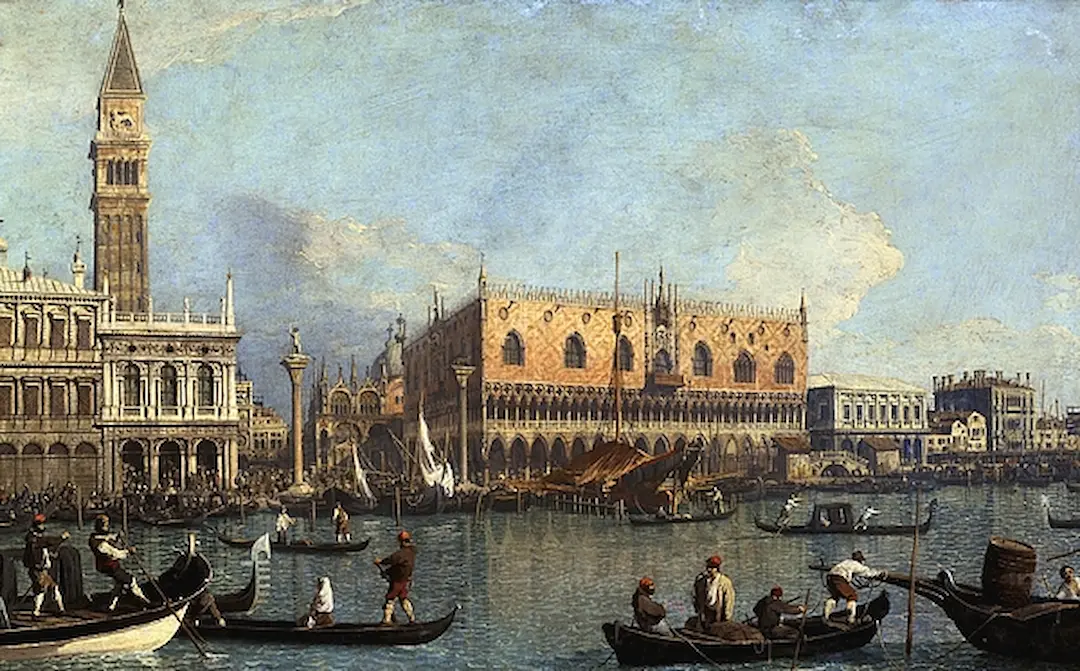
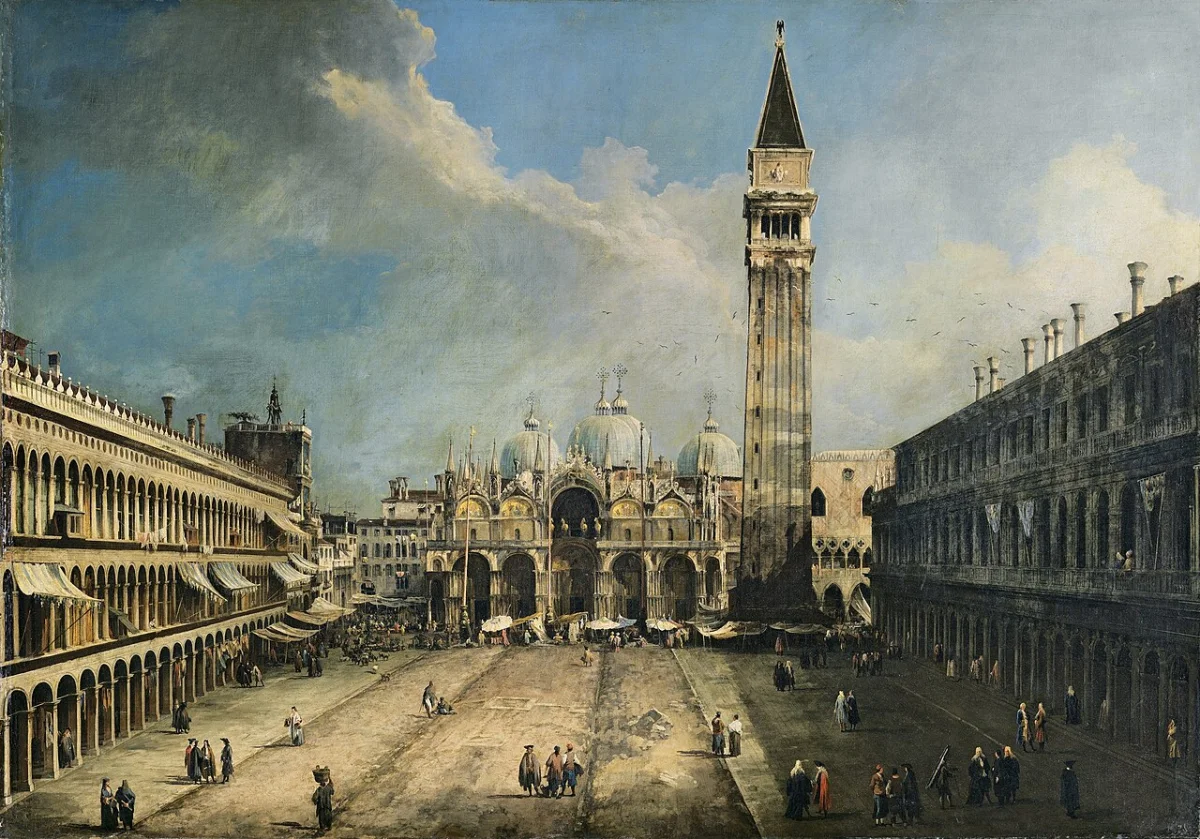
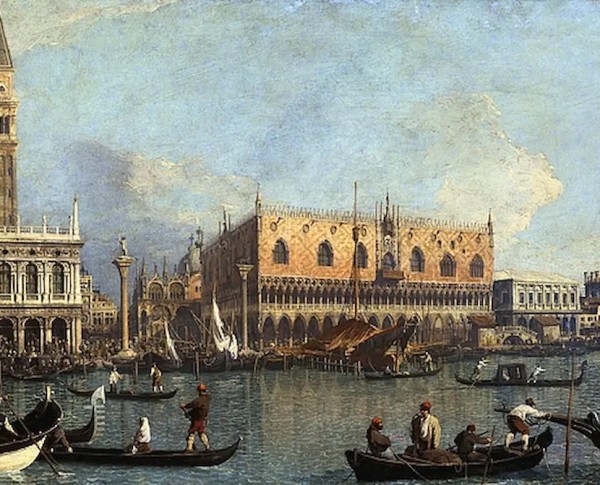
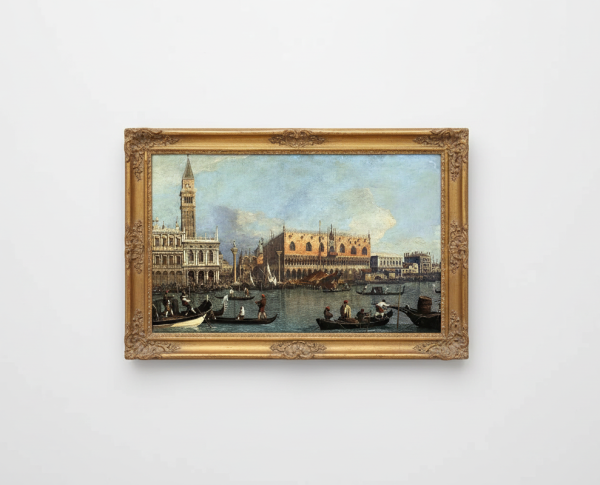
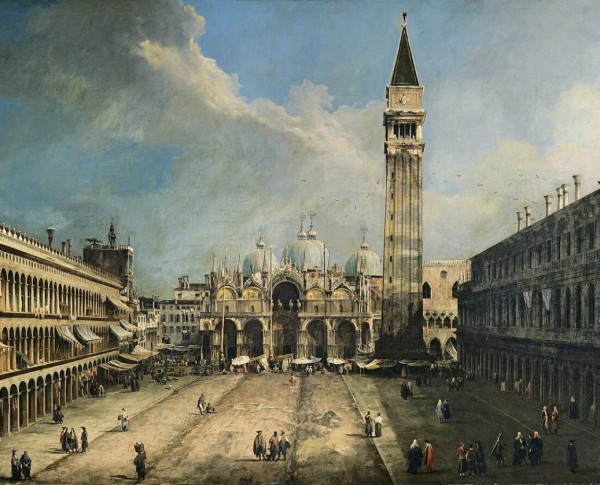
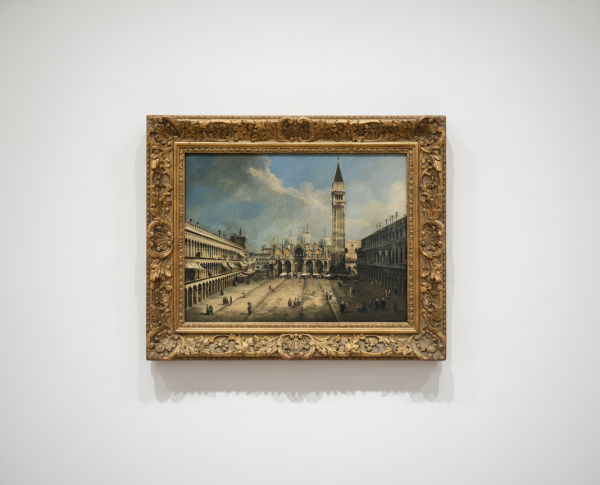
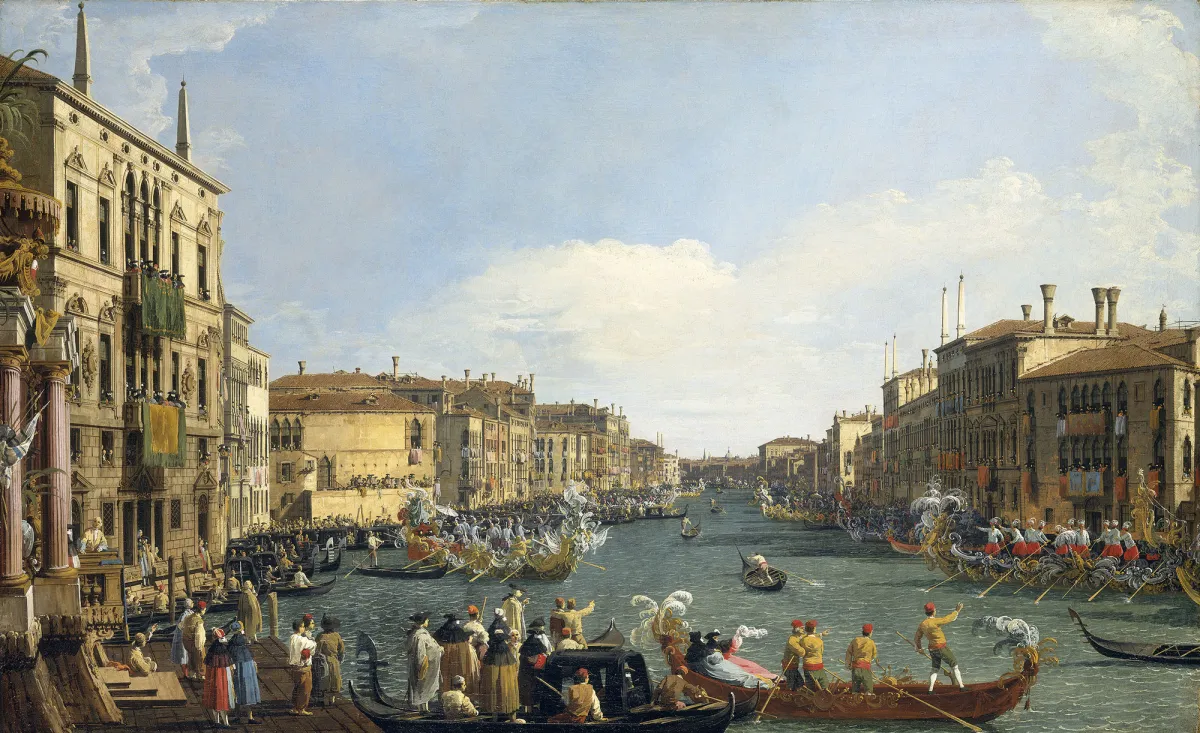
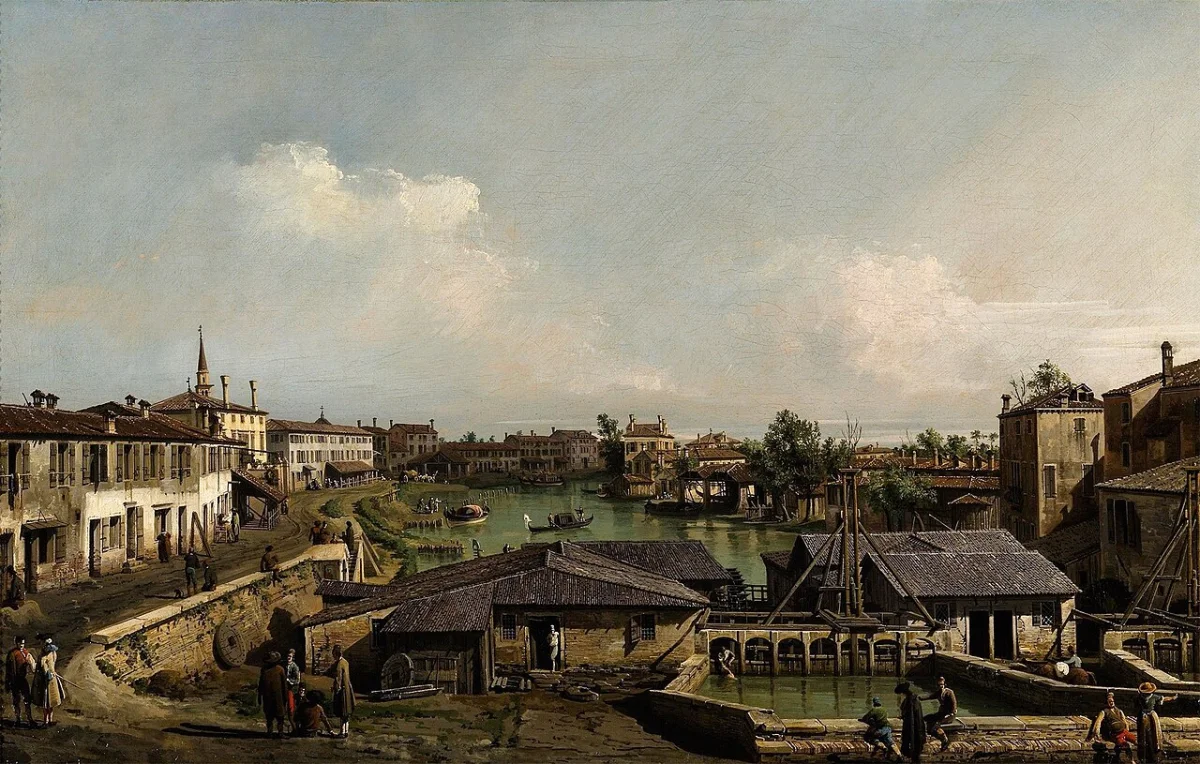
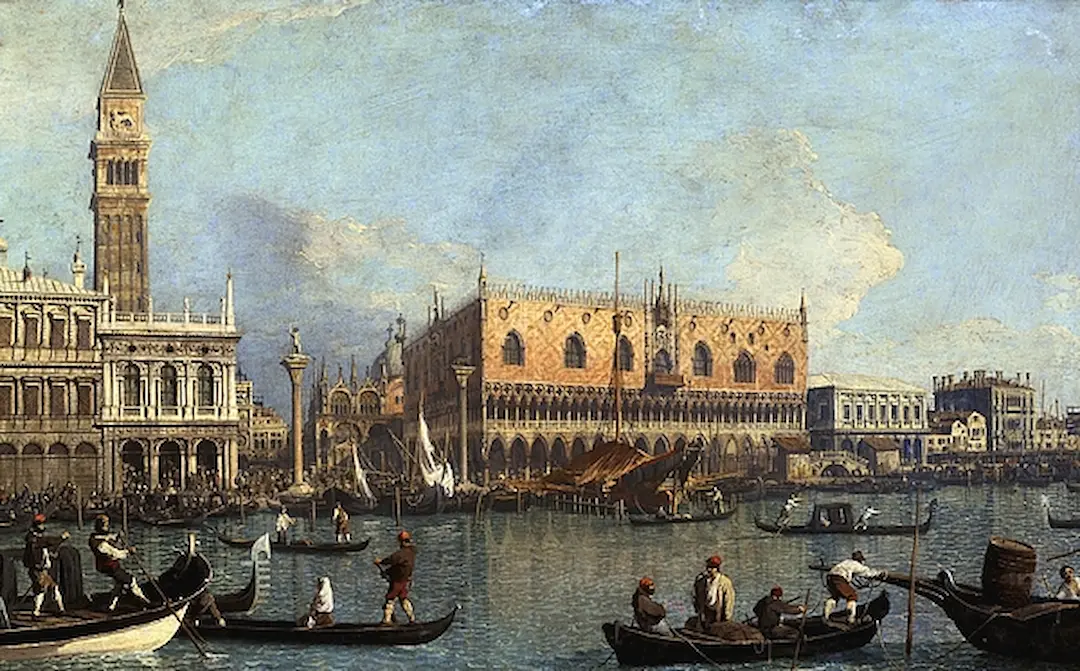
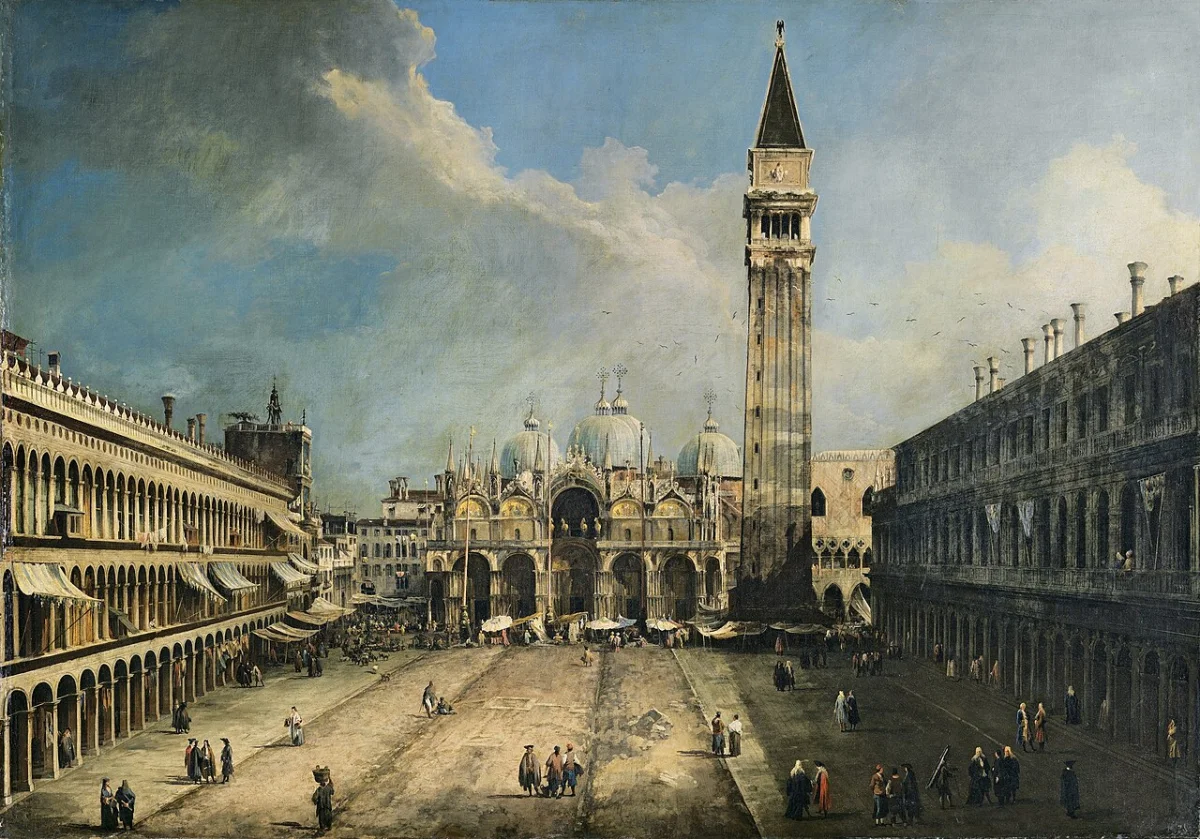
Giovanni Antonio Canal, famously known as Canaletto, masterfully captured the spirit of the Rococo movement with his hand-painted oil painting "View of the Mills of Dolo on the Brenta." This masterpiece reflects Canaletto’s dedication to realism and detail, much like his other works such as "Ducal Palace, Venice, c.1755" and "The Piazza San Marco in Venice." Art lovers seeking a fine art painting for sale will appreciate the historical significance embedded in every brushstroke.
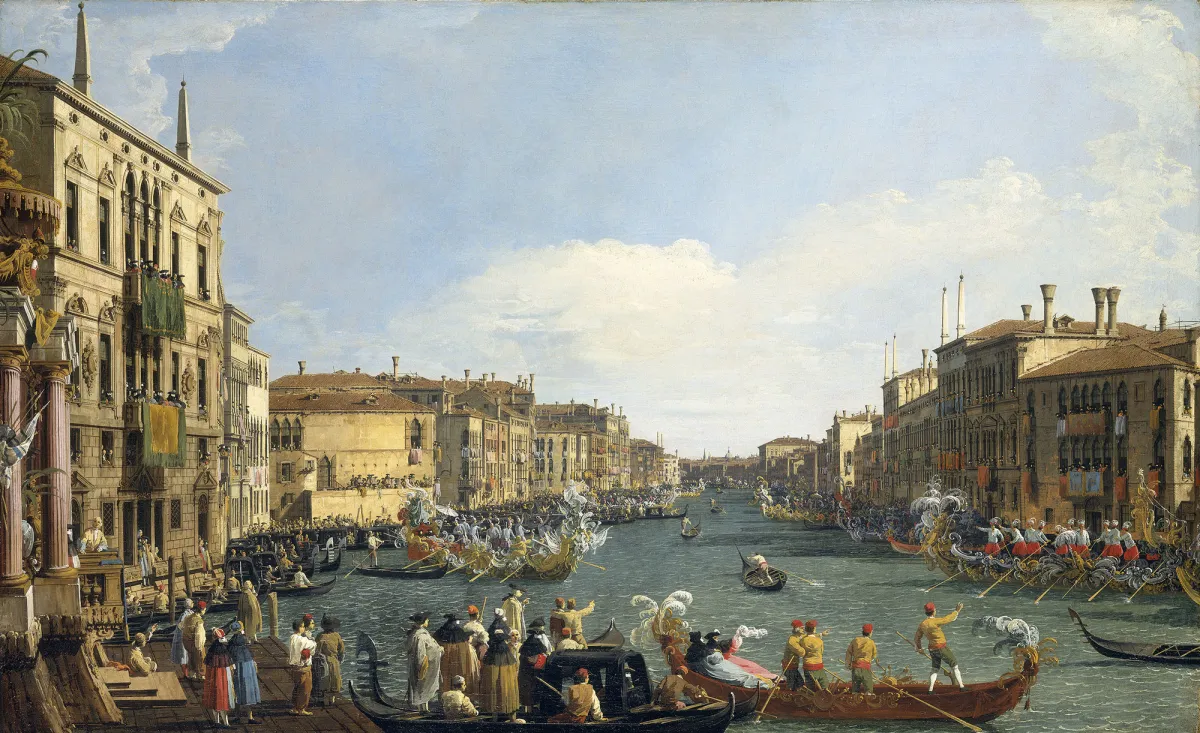
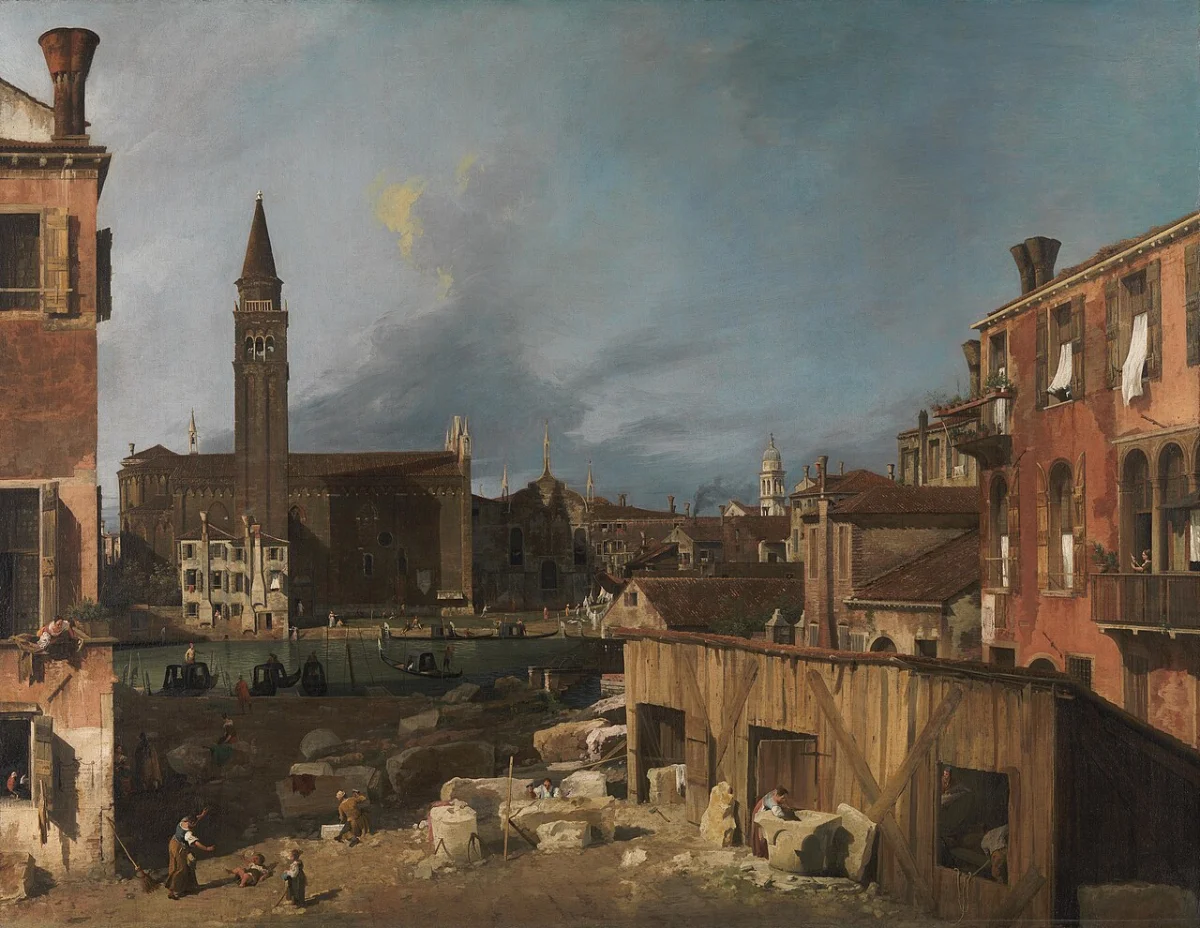
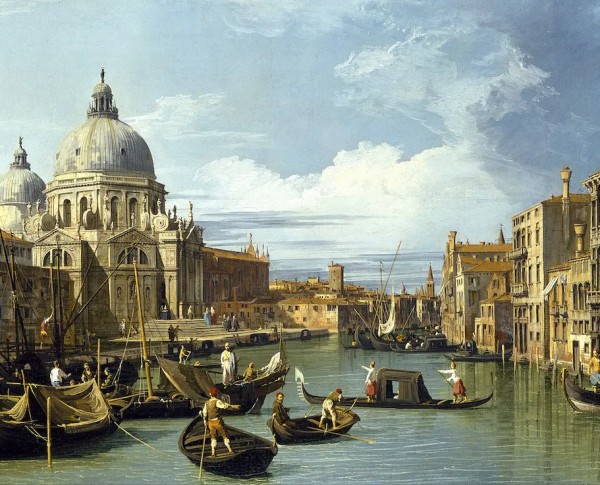
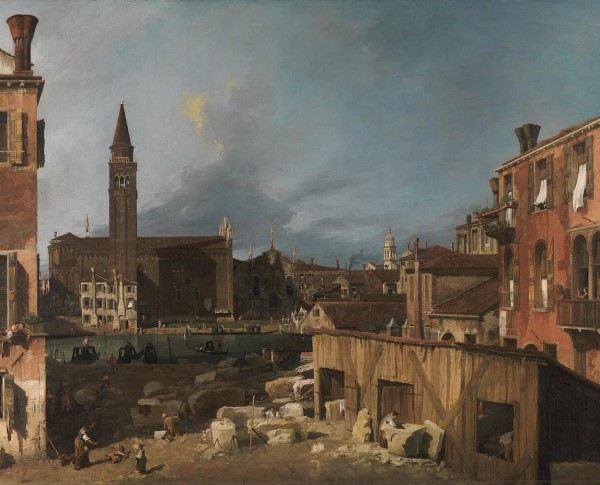
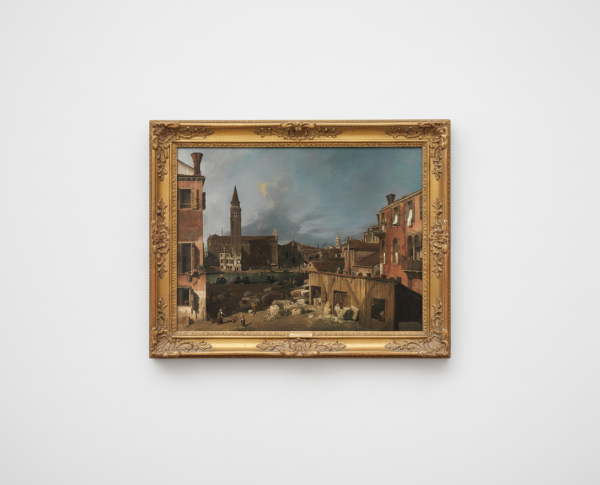
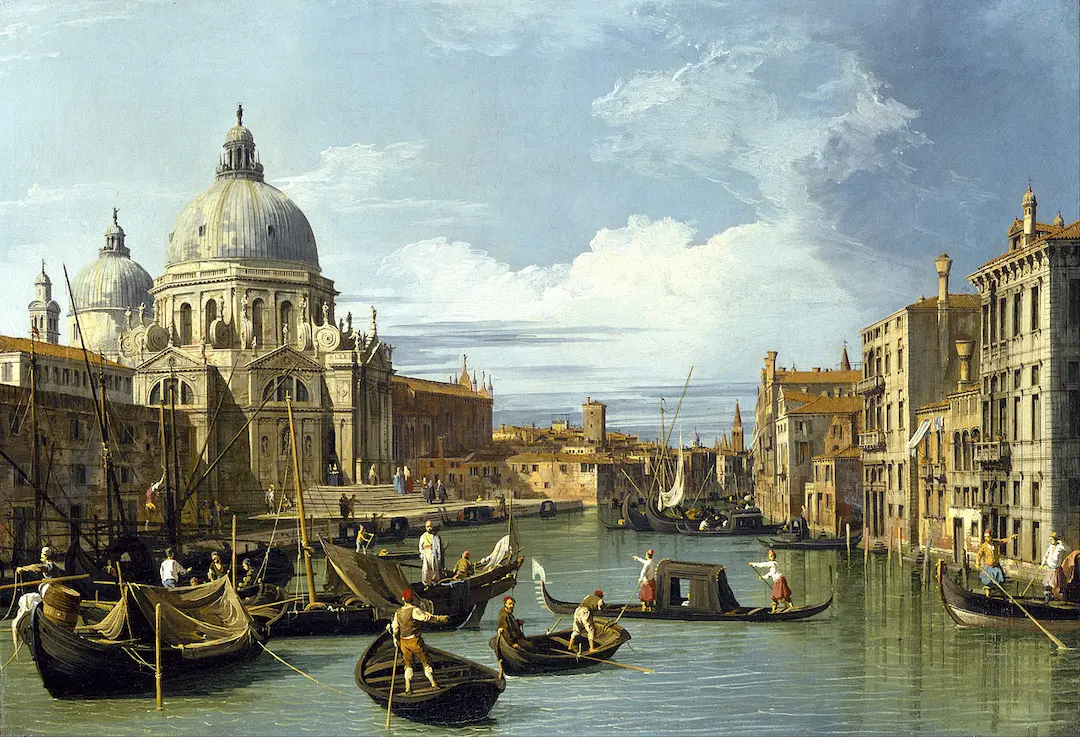
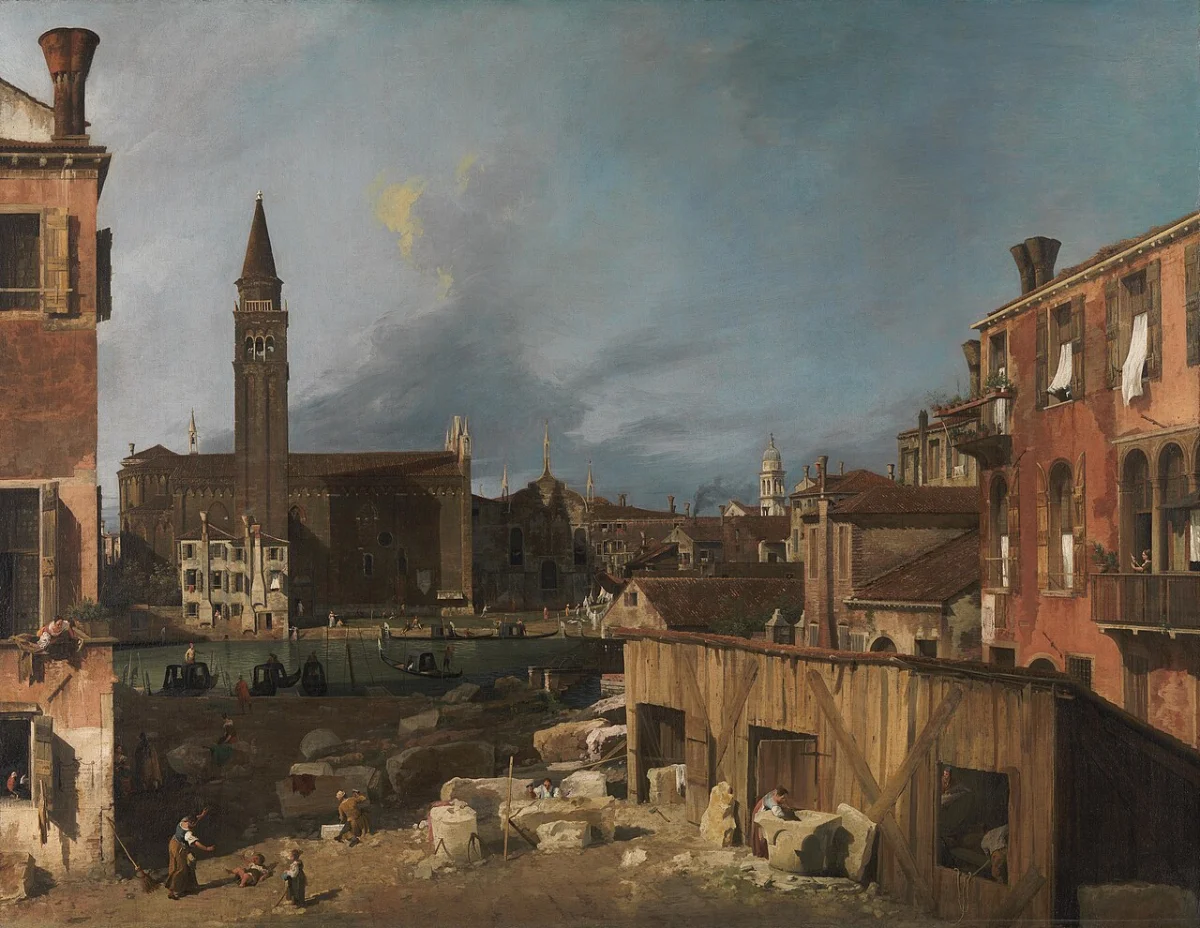
In "View of the Mills of Dolo on the Brenta," Canaletto’s technique of oil on canvas showcases his signature clarity and luminous atmosphere, characteristic of the Rococo era. The artist’s meticulous attention to architectural precision draws parallels to his celebrated pieces like "The Entrance to the Grand Canal, Venice, c.1730" and "The Stonemason's Yard." Collectors and enthusiasts searching for oil on canvas works will find Canaletto’s artistry truly captivating and enduring.
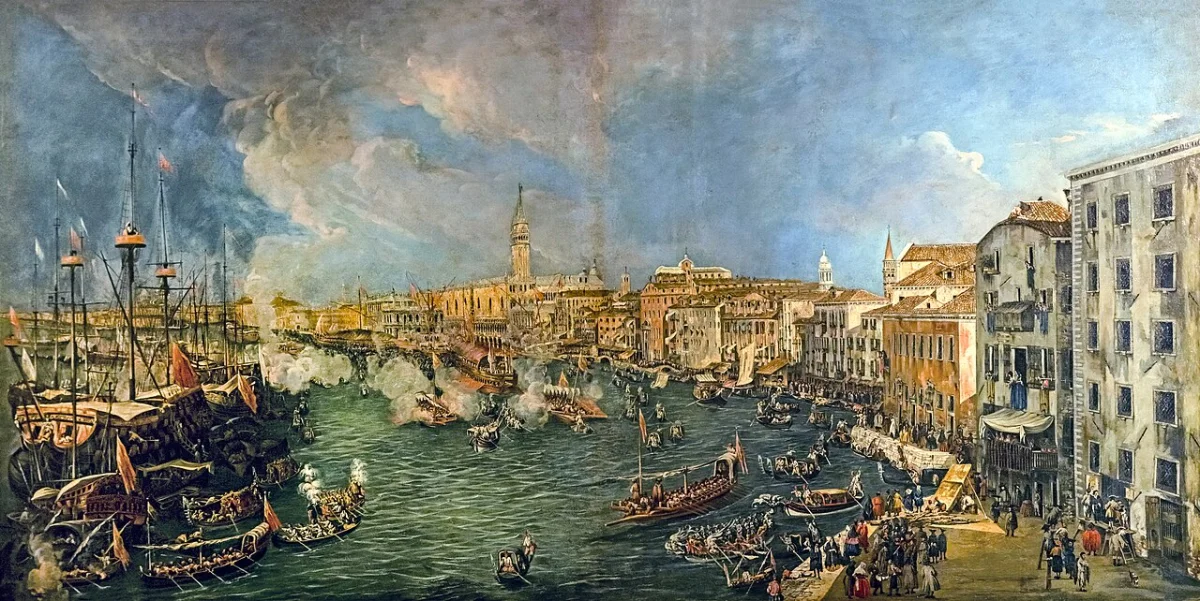
Through this fine art painting for sale, Canaletto invites viewers to explore the serene yet bustling life along the Brenta River. The mills, townsfolk, and gentle waterways symbolize prosperity and the harmonious blend of man and nature, a recurring theme in Rococo art. Similar narrative richness can be found in related products such as "The Bucintoro" and "The Piazza San Marco in Venice," making his oeuvre a treasure trove for those who cherish storytelling in art.
Owning a hand-painted oil painting like "View of the Mills of Dolo on the Brenta" by Canaletto is a testament to refined taste and appreciation for Rococo artistry. This painting, along with related works like "Ducal Palace, Venice, c.1755" and "The Bucintoro," represents the pinnacle of 18th-century Venetian painting. For collectors seeking a fine art painting for sale, Canaletto’s canvases remain timeless investments and cherished centerpieces in any distinguished collection.
When Art Meets History
"View of the Mills of Dolo on the Brenta" by Giovanni Antonio Canal, known as Canaletto, is a remarkable hand-painted oil painting from the Rococo movement. Created during a time when Venice flourished with culture and commerce, this work immortalizes the industrial vibrancy of the Brenta River. Like other masterpieces by Canaletto, this painting offers viewers a window into the past, blending architectural precision with lively scenes that showcase the artist’s unique perspective on history.
Techniques That Speak
Canaletto’s mastery is evident in his use of oil on canvas, a medium that allows for exquisite detail and luminous effects. Through delicate brushwork and expert manipulation of light, he brings the mills and riverbanks to life. The artist’s technical prowess is a hallmark of the Rococo movement, where elegance and refinement shine. Each element is rendered with clarity, demonstrating Canaletto’s dedication to capturing both the atmosphere and the intricate architecture of Venetian landscapes.
Emotions on Display
This fine art painting for sale conveys a sense of serenity and industriousness, inviting viewers to experience the harmony between nature and human endeavor. Canaletto’s depiction of daily life along the Brenta River exudes tranquility, reflecting the Rococo movement’s preference for lighthearted and picturesque scenes. The artist’s ability to capture subtle emotions within the landscape makes this work, and others like it, enduringly captivating to art lovers worldwide.
Coveted by Collectors
"View of the Mills of Dolo on the Brenta" is a prized hand-painted oil painting among collectors who appreciate Canaletto’s signature style and the Rococo movement’s aesthetic. Its historical significance and technical brilliance make it a sought-after piece in galleries and private collections. As with many of Canaletto’s works, this painting’s blend of realism and elegance ensures its lasting appeal and value in the world of fine art.
Frequently Asked Questions About View of the Mills of Dolo on the Brenta
What is the historical significance of "View of the Mills of Dolo on the Brenta"?
This painting captures a vital aspect of 18th-century Venetian life, showcasing the industrial activities along the Brenta River, which were crucial for the region's economy and development during that era.
Who was Giovanni Antonio Canal, and what is his contribution to art?
Giovanni Antonio Canal, known as Canaletto, was a prominent Venetian painter renowned for his detailed landscapes and cityscapes. His works significantly influenced the genre of veduta, or panoramic views, in European art.
What artistic techniques did Canaletto employ in this painting?
Canaletto utilized precise linear perspective and a meticulous attention to detail, capturing the interplay of light and shadow to create a realistic representation of the mills and their surroundings.
What does the painting reveal about the relationship between nature and industry?
The artwork illustrates a harmonious coexistence between the natural landscape and industrial development, reflecting the changes in the Venetian economy during the 18th century while highlighting the beauty of the environment.
How does "View of the Mills of Dolo on the Brenta" fit into the broader context of Baroque art?
This painting embodies the Baroque emphasis on realism and dramatic effects, showcasing Canaletto's ability to blend architectural precision with the dynamic qualities of light and atmosphere characteristic of the period.
What symbolism can be found in the depiction of the mills?
The mills symbolize the industrious spirit of the Venetian people and the importance of water as a source of life and commerce, representing both progress and the traditional ways of life along the Brenta River.
What influences can be seen in Canaletto's style in this painting?
Canaletto was influenced by the works of earlier artists such as Francesco Guardi and the Dutch landscape painters, which is evident in his use of atmospheric perspective and the vibrant depiction of light reflecting on water.
In what ways did this painting contribute to Canaletto's reputation?
This work solidified Canaletto's status as a leading painter of Venetian landscapes, showcasing his unique ability to capture the essence of the city and its surroundings, ultimately appealing to both local and international patrons.
What role did the Brenta River play in the history of Venice?
The Brenta River served as a vital transportation route for goods and people, facilitating trade and commerce, which is reflected in the painting's emphasis on the mills that harnessed the river's power for industrial use.
How does this painting compare to other works by Canaletto?
Compared to other works by Canaletto, "View of the Mills of Dolo on the Brenta" showcases a more intimate portrayal of rural life, contrasting with his grand depictions of Venice's architectural marvels, thus highlighting his versatility as an artist.






















_GFM_Painting_(1).webp)


 100% Hand-Painted: Finished in 3-6 Weeks

.png)















_(1).webp)