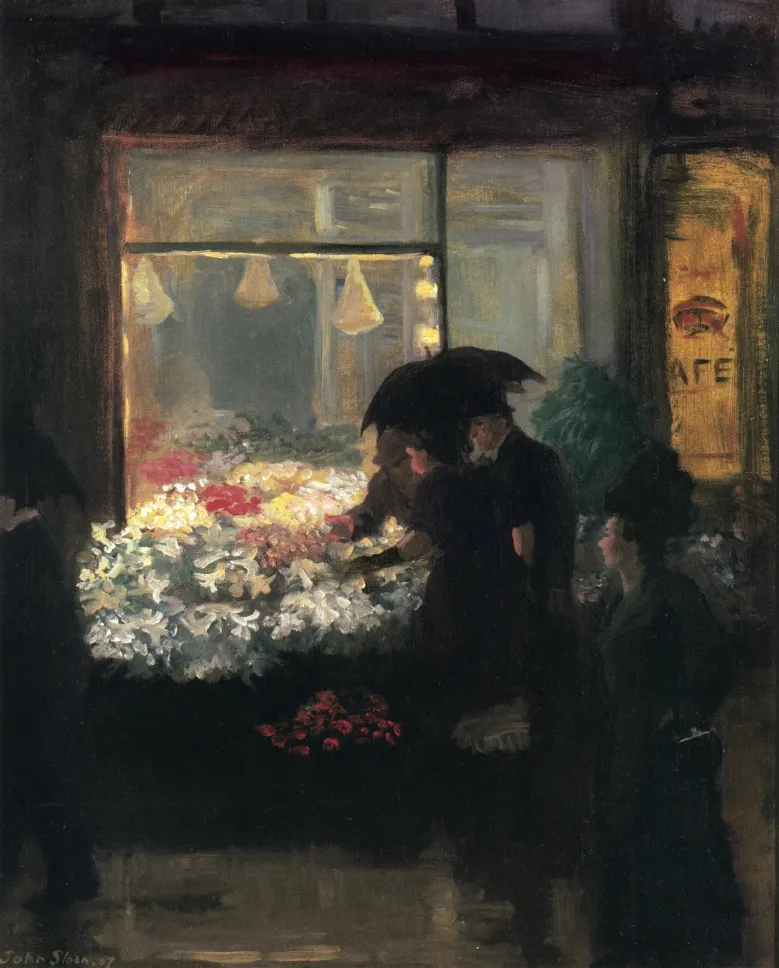
John Sloan’s "Easter Eve" showcases his remarkable technique, evident in the dynamic brushwork and nuanced color palette typical of oil on canvas masterpieces. As a prominent figure in the Ashcan School, Sloan masterfully brings scenes to life, immersing viewers in the bustling streets and intimate moments of city dwellers. Art enthusiasts often admire related pieces like "East Entrance, City Hall, Philadelphia" and "Sunset, West Twenty-Third Street" for their similar attention to detail and expressive style.
Within "Easter Eve," Sloan weaves a narrative rich with social commentary, using the medium of oil on canvas to highlight the complexities of urban existence. The painting’s subtle storytelling aligns with the Ashcan School’s philosophy, offering viewers a glimpse into everyday experiences. Collectors and admirers often explore related works such as "Seacoast, Gloucester" and "Daisy" to further appreciate the symbolic depth and storytelling prowess that define John Sloan’s fine art painting for sale.
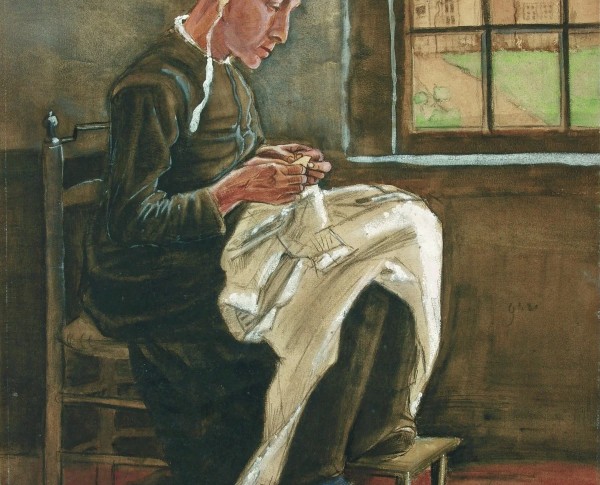
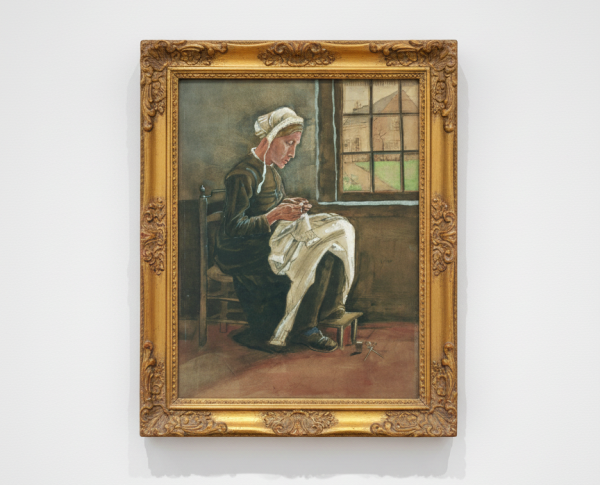
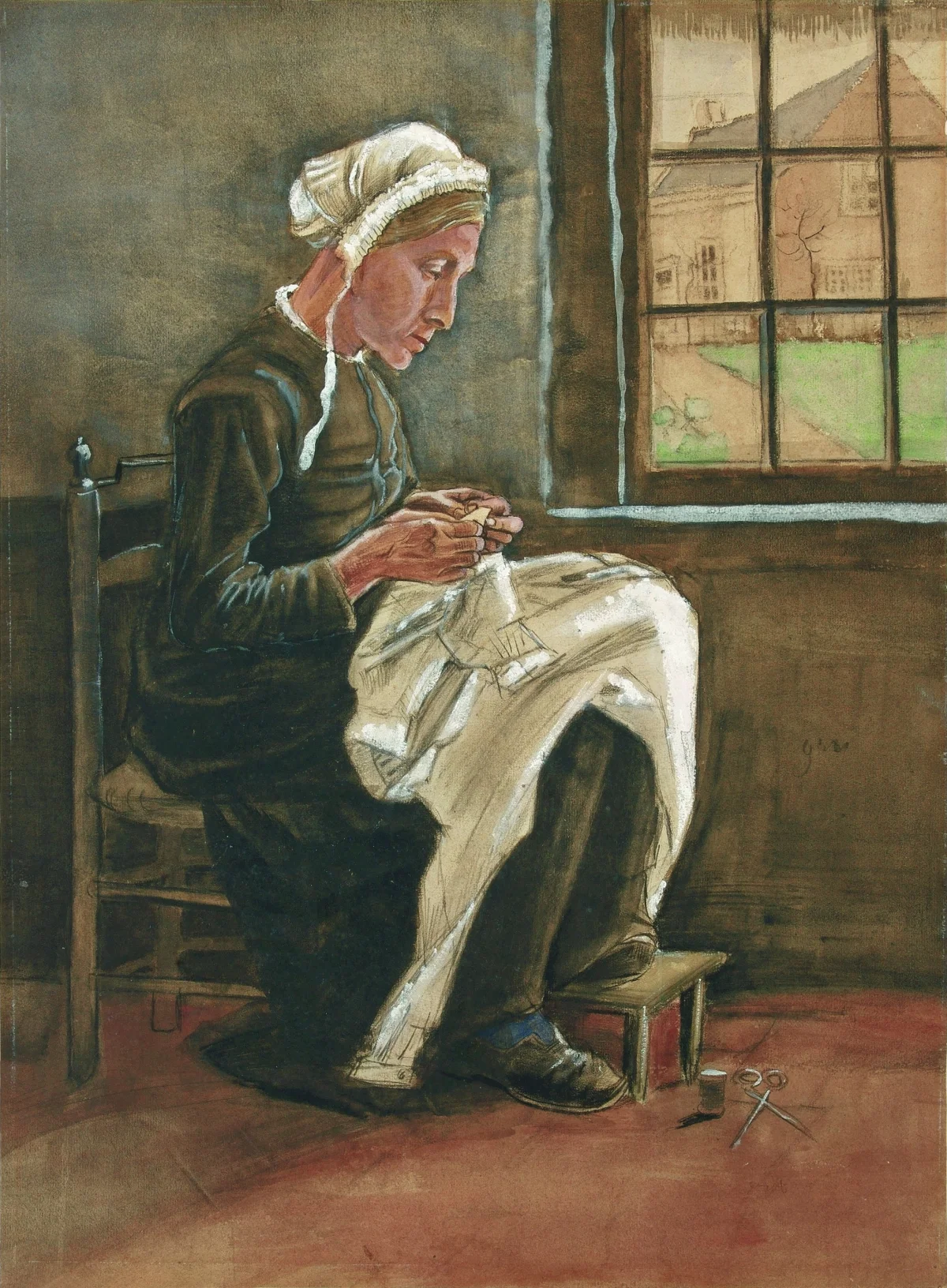
Owning "Easter Eve" by John Sloan means possessing a significant piece of Ashcan School history, a hand-painted oil painting that resonates with authenticity and artistic mastery. This artwork, alongside related products like "The Sewing Woman" and "Sunset, West Twenty-Third Street," enriches any fine art collection. For those seeking an exceptional fine art painting for sale, Sloan’s work offers both aesthetic beauty and historical significance, making it a prized treasure for discerning collectors.
When Art Meets History
"Easter Eve" by John Sloan stands as a testament to the Ashcan School movement, which captured the spirit of early 20th-century urban life. This hand-painted oil painting offers a vivid glimpse into the bustling streets and everyday moments of New York City. John Sloan, a key figure in the movement, created works like "Easter Eve" to document the raw realities of his time, aligning with the vision of other Ashcan artists who sought authenticity in their art.
Techniques That Speak
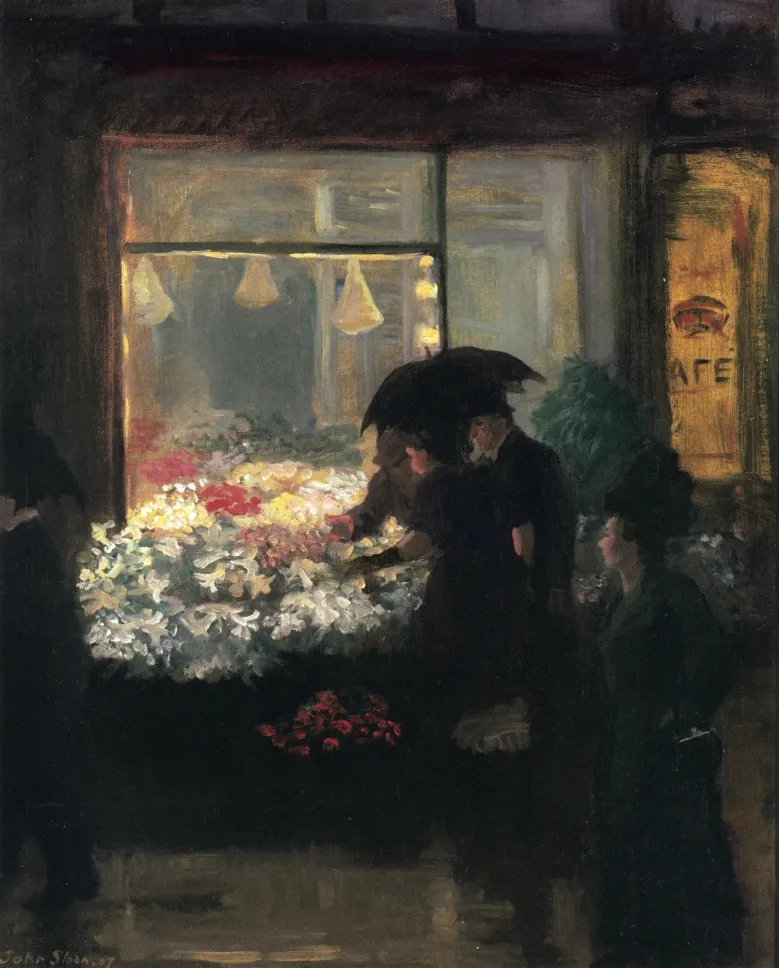
In "Easter Eve," John Sloan employs oil on canvas to masterfully depict the interplay of light and shadow, characteristic of the Ashcan School’s approach. His confident brushwork and nuanced color palette bring the city scene to life, engaging viewers in the narrative. This oil on canvas not only showcases Sloan’s technical prowess but also reinforces the movement’s dedication to portraying real-life subjects with sincerity and depth, setting it apart from more romanticized art styles of the era.
Emotions on Display
"Easter Eve" is a fine art painting for sale that resonates with emotion, capturing the anticipation and subtle excitement of urban dwellers on the eve of a significant holiday. John Sloan’s keen observation of human interaction infuses the scene with authenticity, a hallmark of the Ashcan School. The painting’s expressive details invite viewers to connect with the characters, reflecting the movement’s commitment to social realism and the honest portrayal of contemporary city life.
Coveted by Collectors
Collectors and art enthusiasts value "Easter Eve" for its historical significance and artistic mastery. As a hand-painted oil painting by John Sloan, it represents a pivotal moment in the Ashcan School movement, making it highly sought-after in the art market. Alongside other works by Sloan and his contemporaries, "Easter Eve" continues to attract those looking for a fine art painting for sale that embodies both cultural heritage and enduring visual appeal.
Frequently Asked Questions About Easter Eve
What is the historical context of John Sloan's "Easter Eve"?
"Easter Eve" was painted in the early 20th century, a time when American art was undergoing significant transformation. Sloan, associated with the Ashcan School, sought to depict everyday life and the urban experience, reflecting the social changes of the era.
What artistic techniques did John Sloan employ in "Easter Eve"?
Sloan utilized a combination of impressionistic brushwork and realist detail to capture the essence of the scene. His use of light and shadow enhances the mood, creating a sense of intimacy and warmth.
What themes are explored in "Easter Eve"?
The painting explores themes of community, celebration, and the passage of time. It captures a moment of anticipation and reflection as families prepare for Easter, symbolizing renewal and hope.
How does "Easter Eve" reflect the characteristics of the Ashcan School?
The Ashcan School is known for its focus on urban life and social realism. "Easter Eve" exemplifies these characteristics by portraying a candid moment in a domestic setting, highlighting the vibrancy and complexity of everyday experiences.
What is the significance of the setting in "Easter Eve"?
The setting, likely a modest home, emphasizes the importance of family and tradition. It serves as a backdrop for the intimate and personal moments that define the holiday, reinforcing the painting's themes of togetherness.
What symbols are present in "Easter Eve"?
Key symbols in "Easter Eve" include the Easter decorations and the gathering of family members, which represent rebirth and the celebration of life. These elements reflect the cultural significance of Easter as a time of renewal.
How does color play a role in "Easter Eve"?
Sloan's use of color in "Easter Eve" is warm and inviting, with soft pastels and rich earth tones. This palette enhances the emotional resonance of the scene, evoking feelings of nostalgia and comfort associated with family gatherings.
What impact did "Easter Eve" have on American art?
"Easter Eve" contributed to the broader narrative of American art by showcasing the everyday lives of ordinary people. It helped pave the way for future artists to explore themes of realism and social commentary in their work.
In what ways does "Easter Eve" reflect John Sloan's personal experiences?
Sloan's background in urban environments and his experiences as a member of the Ashcan School influenced "Easter Eve." The painting reflects his appreciation for the nuances of daily life and the importance of familial bonds, both of which were central to his own life.
How has "Easter Eve" been received by critics and art historians?
Critics and art historians have praised "Easter Eve" for its emotional depth and technical prowess. It is often regarded as one of Sloan's significant works, illustrating his ability to capture the spirit of a moment while addressing broader social themes.























_GFM_Painting_(1).webp)


 100% Hand-Painted: Finished in 3-6 Weeks

.png)
















_(1).webp)