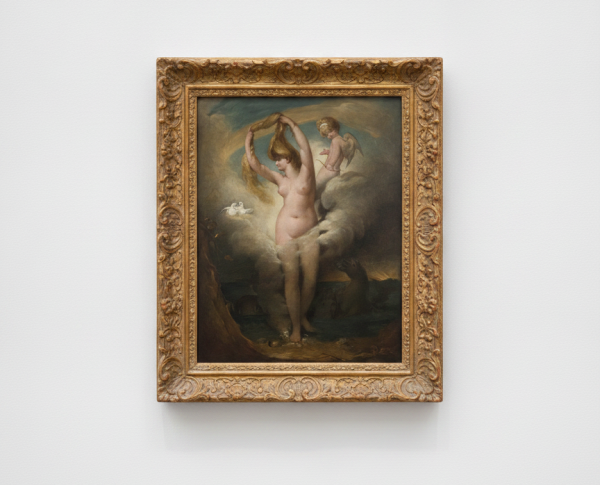
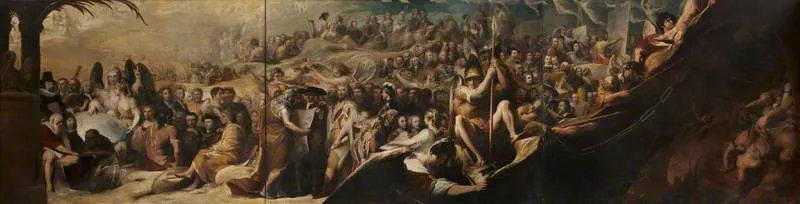
Frequently Asked Questions About Elysium, or the State of Final Retribution
What is the historical context of "Elysium, or the State of Final Retribution"?
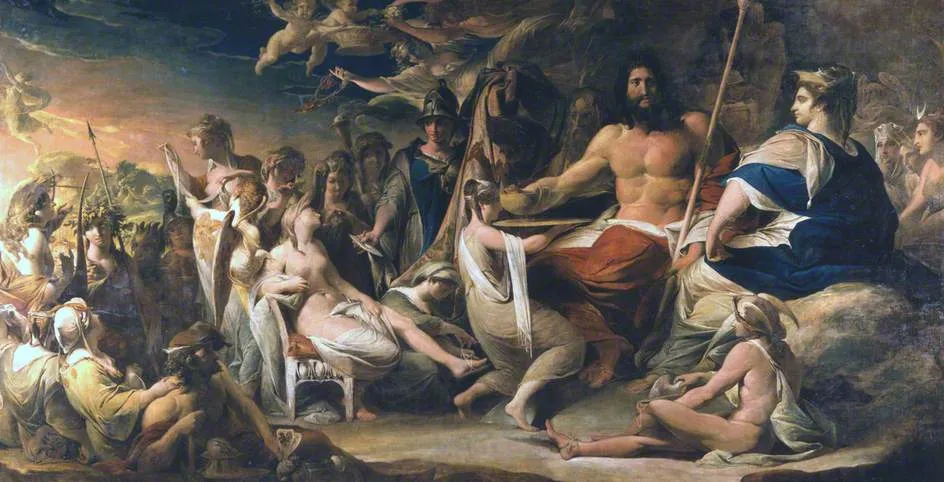
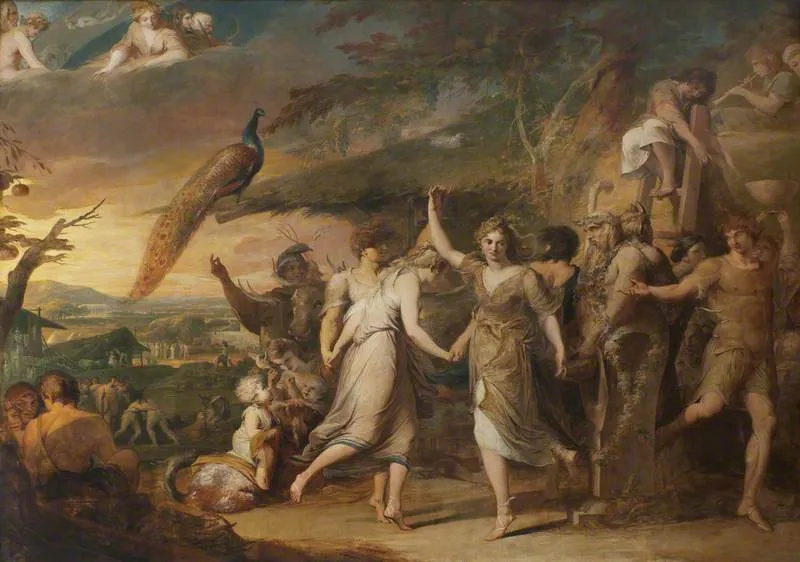
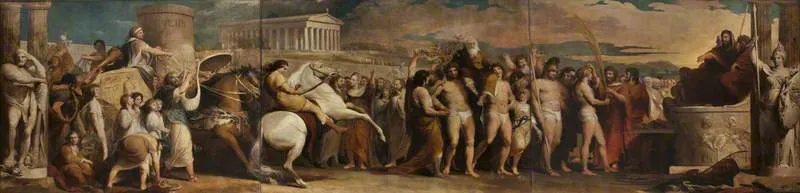
This painting was created by James Barry in the late 18th century, a time when neoclassicism and romanticism were emerging as dominant artistic movements. Barry's work reflects the intellectual currents of the Enlightenment, emphasizing themes of morality, justice, and the human condition.
What are the main themes represented in the painting?
The primary themes of "Elysium" include justice, retribution, and the moral consequences of one's actions. The painting illustrates the idea of an afterlife where souls are judged, reflecting Barry's interest in the philosophical debates of his time regarding morality and ethics.
How does Barry's use of color contribute to the painting's symbolism?
Barry employs a dramatic palette that contrasts light and dark, symbolizing the dichotomy between virtue and vice. The vibrant colors used for the divine figures suggest enlightenment and purity, while darker tones represent the consequences of immoral actions.
What artistic techniques did James Barry use in this painting?
Barry utilized chiaroscuro to create depth and dimension, enhancing the emotional impact of the scene. His attention to detail and the dynamic composition guide the viewer's eye through the narrative of judgment and retribution.
Who are the figures depicted in "Elysium" and what do they represent?
The painting features allegorical figures representing various virtues and vices. Notable characters include the personifications of Justice and Retribution, symbolizing the moral order and the consequences of human actions in the afterlife.
What influences can be seen in Barry's style in this painting?
Barry's style reflects influences from both neoclassical and romantic traditions. His emphasis on dramatic narratives and emotional expression aligns with romantic ideals, while his structured composition and use of classical themes are rooted in neoclassical principles.
What is the significance of the title "Elysium, or the State of Final Retribution"?
The title references Elysium, a concept from classical mythology representing a paradise for the virtuous after death. The phrase "State of Final Retribution" underscores the painting's focus on the ultimate judgment of souls, highlighting the moral consequences of earthly actions.
How does "Elysium" reflect the Enlightenment ideals?
The painting embodies Enlightenment ideals by exploring themes of reason, morality, and justice. Barry's portrayal of the afterlife as a realm governed by rational judgment reflects the period's emphasis on human reason and ethical responsibility.
In what ways has "Elysium" influenced modern interpretations of art and morality?
"Elysium" has prompted discussions about the relationship between art and morality, influencing contemporary artists to explore similar themes of justice and ethical dilemmas. Its allegorical nature continues to resonate in modern interpretations of moral narratives in art.
Where can I view "Elysium, or the State of Final Retribution"?
This masterpiece is housed in [insert gallery or museum name], where visitors can appreciate its historical and artistic significance firsthand. Please check our exhibition schedule for current display information.























_GFM_Painting_(1).webp)


 100% Hand-Painted: Finished in 3-6 Weeks

.png)















_(1).webp)