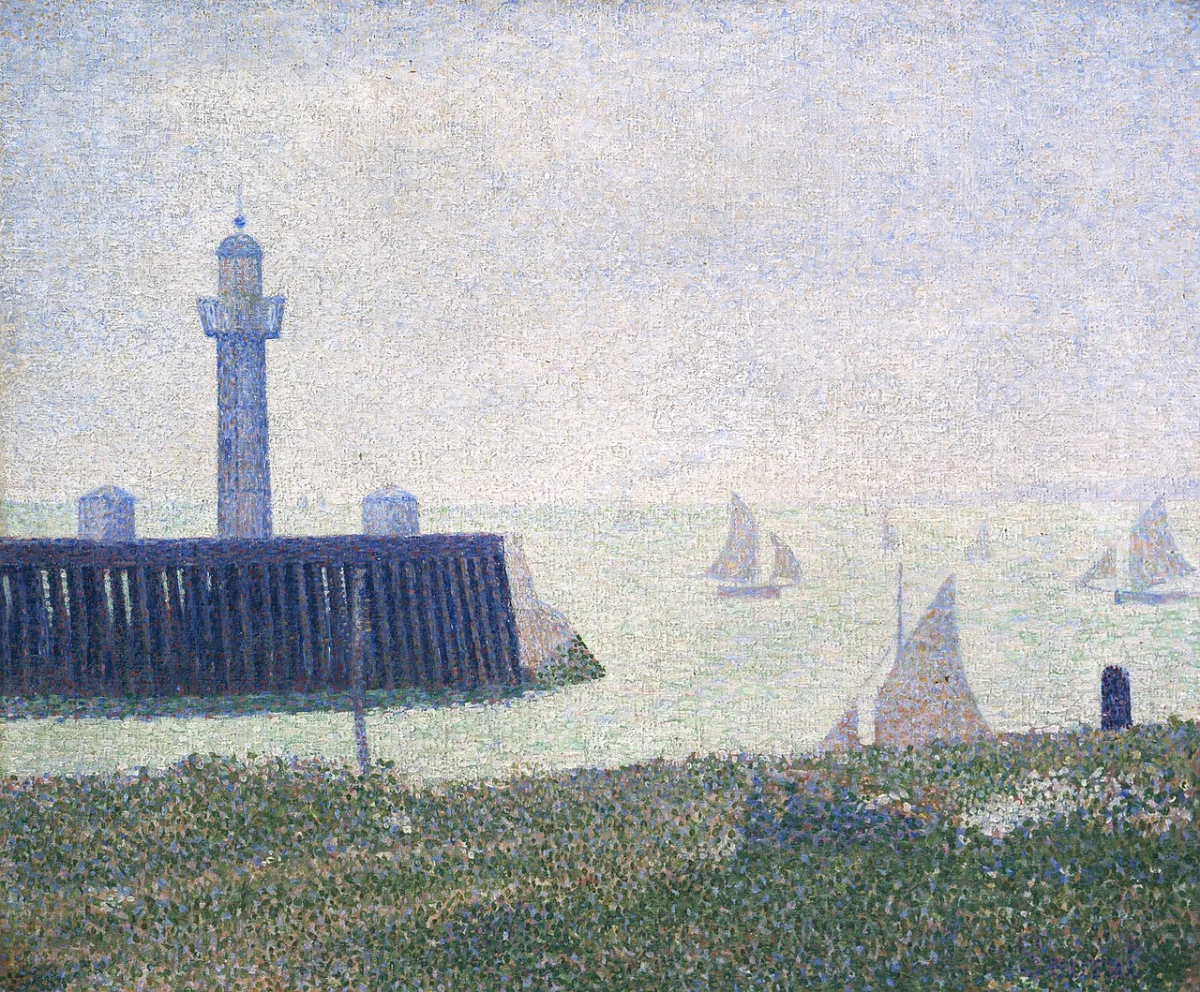
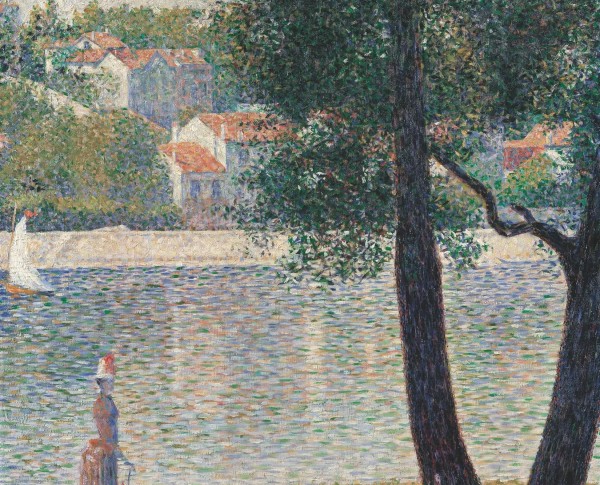
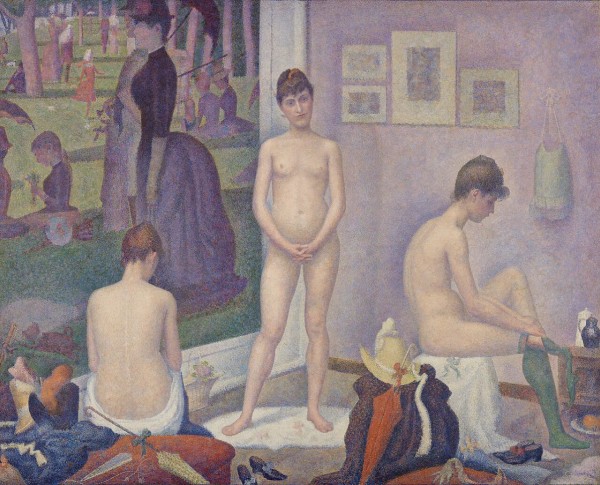
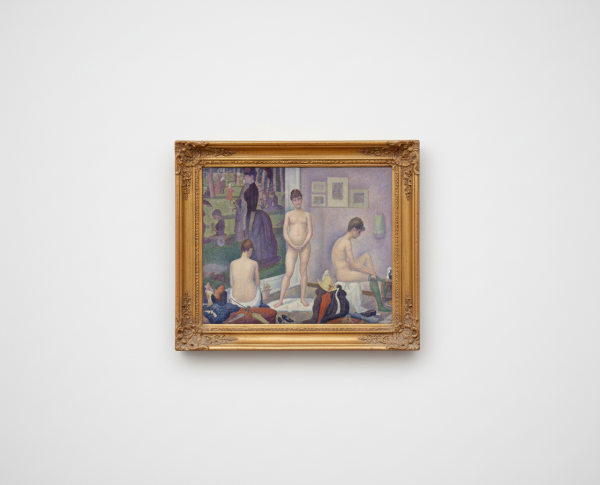
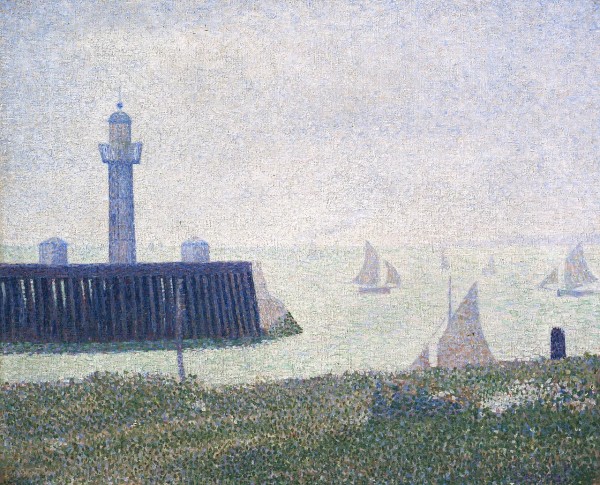
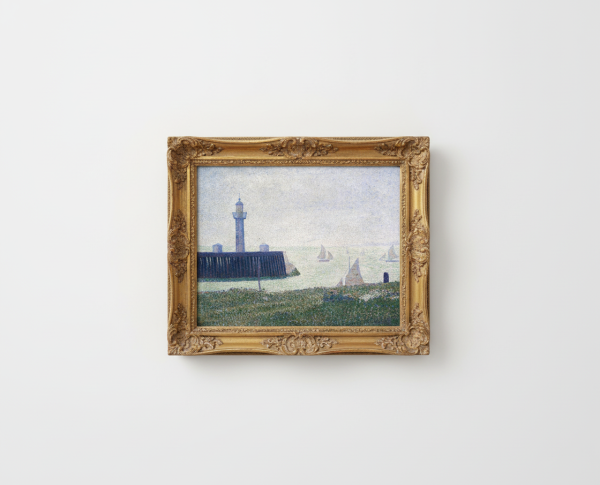
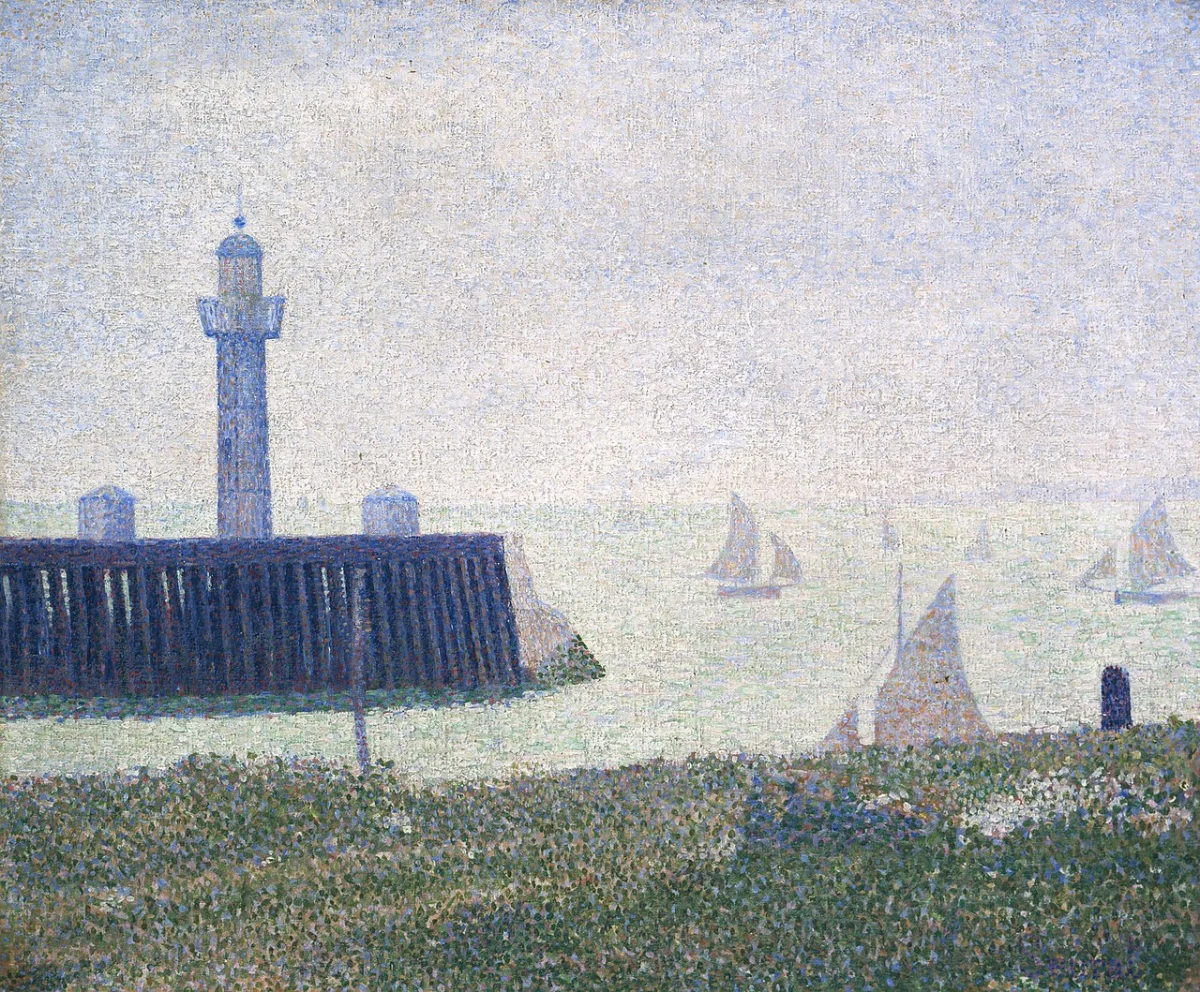
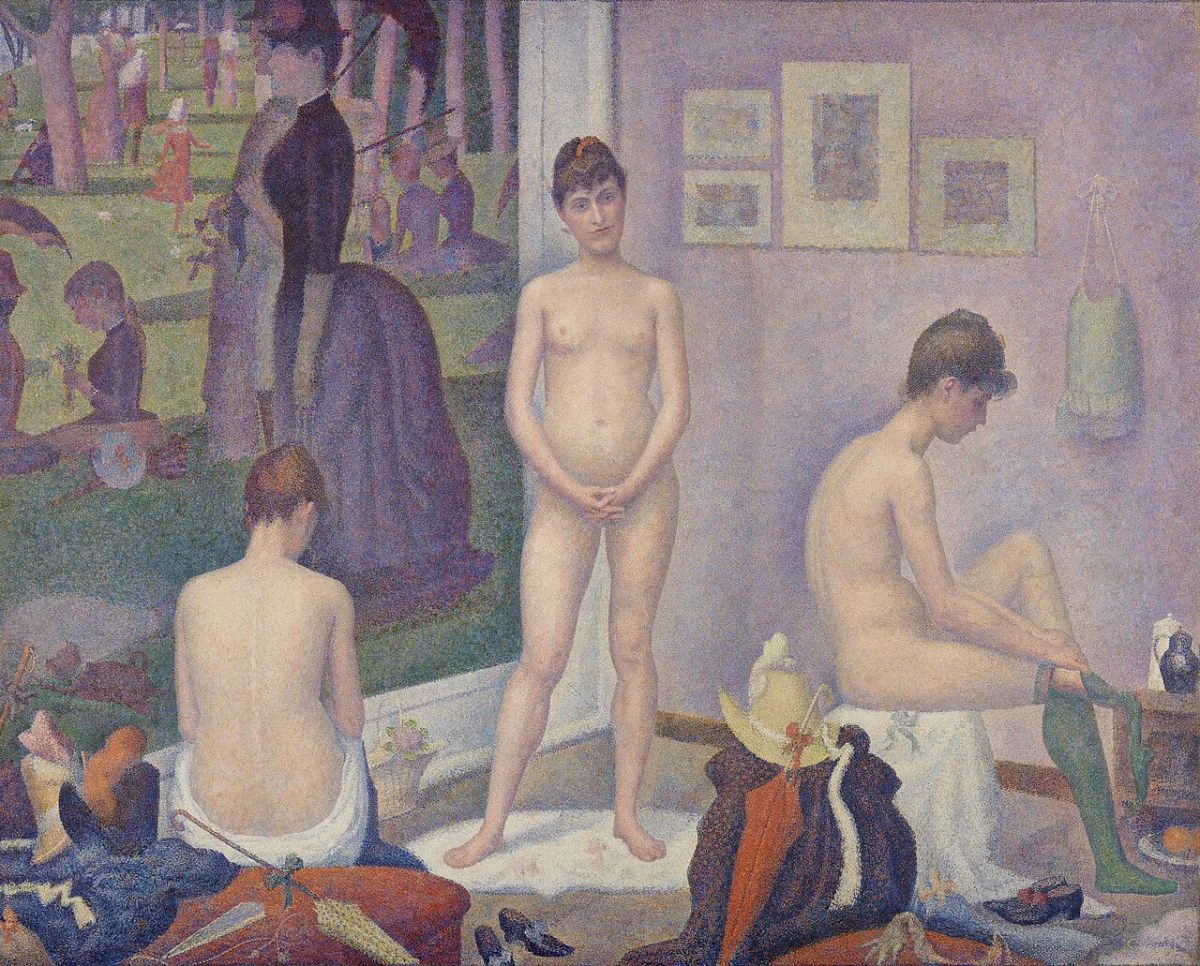
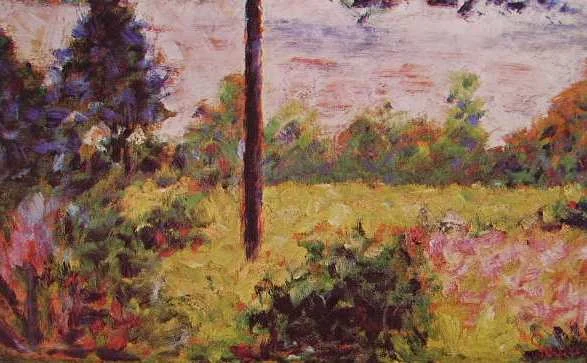
Georges Seurat’s meticulous approach to oil on canvas is evident in "End of the pier, Honfleur." Each precise brushstroke and subtle color transition demonstrates his expertise and innovation within the Post-Impressionism movement. The painting’s serene composition invites viewers to appreciate Seurat’s unique vision, much like his other celebrated works such as "The Models." Collectors and admirers alike treasure Seurat’s ability to transform everyday scenes into captivating works of art.
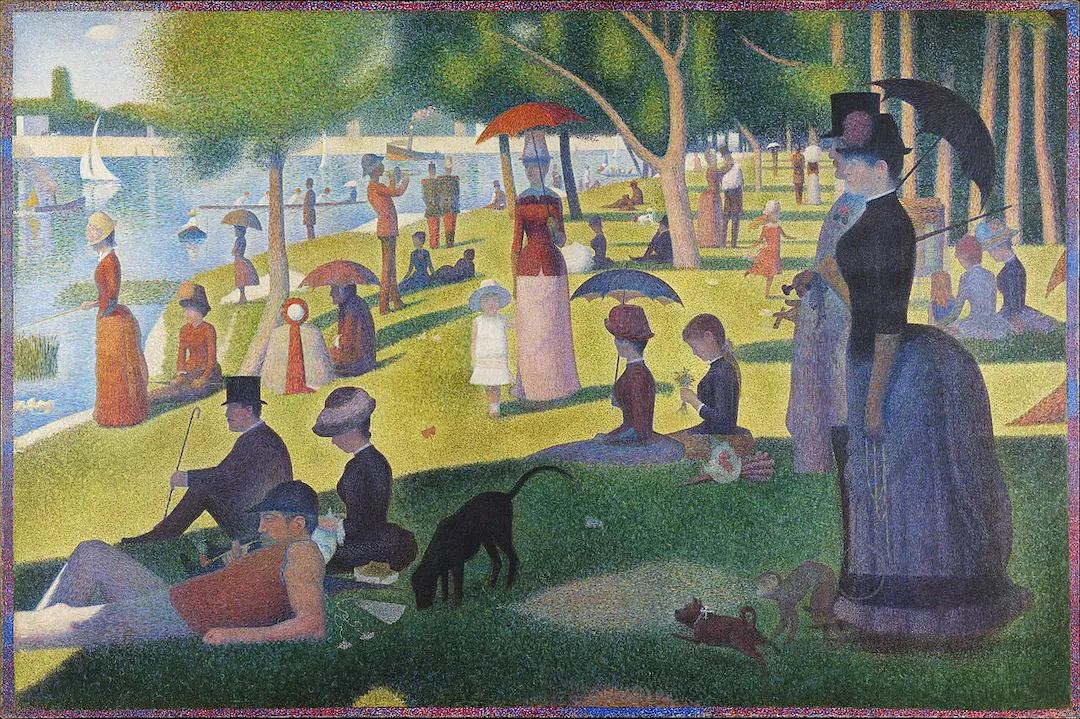
Within "End of the pier, Honfleur," Seurat weaves stories of daily life and the symbolism of tranquility found at the water’s edge. This fine art painting for sale offers a glimpse into the artist’s fascination with light, leisure, and the passage of time—hallmarks of the Post-Impressionism movement. Collectors drawn to works like "A Sunday Afternoon on the Island of La Grande Jatte" will find similar narrative depth and symbolic richness in this evocative masterpiece.
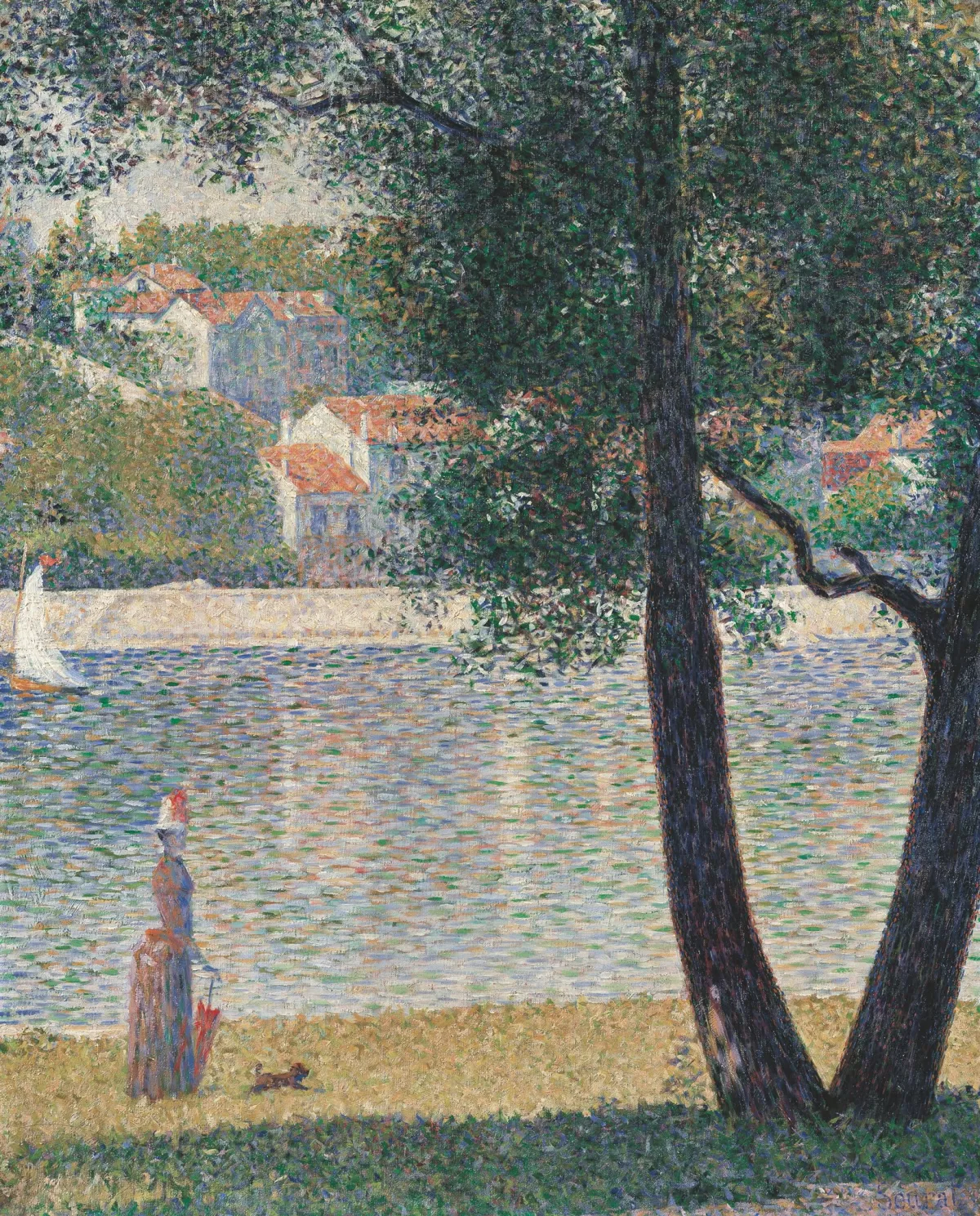
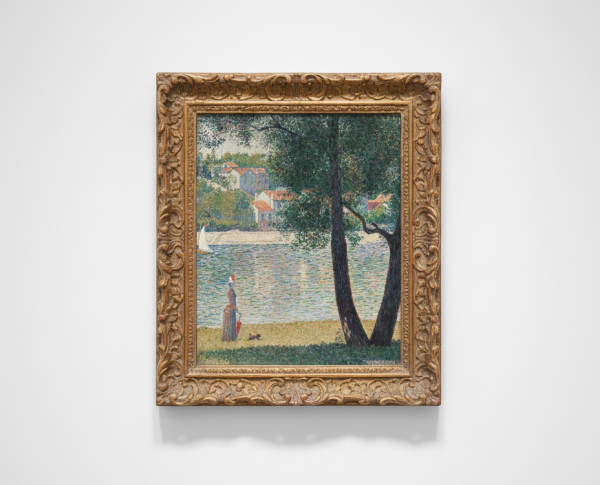
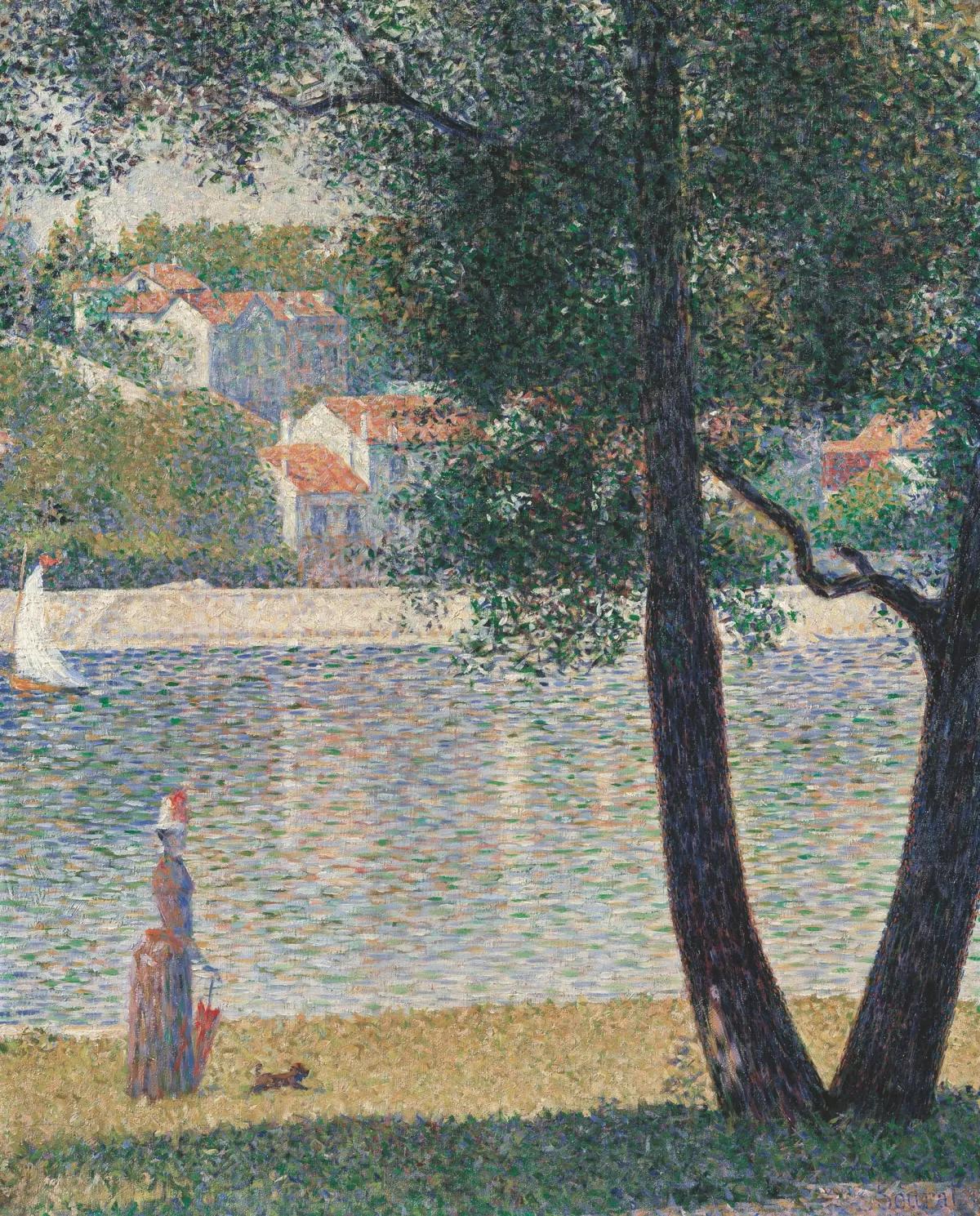
For enthusiasts of Post-Impressionism, owning "End of the pier, Honfleur" by Georges Seurat is a rare opportunity to possess a piece of art history. This hand-painted oil painting complements collections featuring related works such as "The Seine at Courbevoie" and "The Models." As a fine art painting for sale, it embodies the enduring allure of Seurat’s artistry, making it a prized acquisition for those who value innovation and timeless beauty in their art collections.
When Art Meets History
"End of the pier, Honfleur" by Georges Seurat stands as a remarkable example of the Post-Impressionism movement, reflecting a pivotal moment in art history. Crafted as a hand-painted oil painting, it captures the serene beauty of the French coastline. Seurat, best known for his innovative style, created this masterpiece alongside other notable works like "One Of The Family" and "The Night Café in Arles," leaving a lasting legacy in the world of fine art.
Techniques That Speak
Georges Seurat distinguished himself through his meticulous technique of pointillism, which is evident in "End of the pier, Honfleur." This oil on canvas piece showcases thousands of carefully placed dots, creating luminous effects and vibrant colors. As with his contemporaries in Post-Impressionism, Seurat pushed artistic boundaries, as seen in related paintings such as "Vase With Twelve Sunflowers II" and "Irises." The artist’s approach transformed traditional views of light and composition.
Emotions on Display
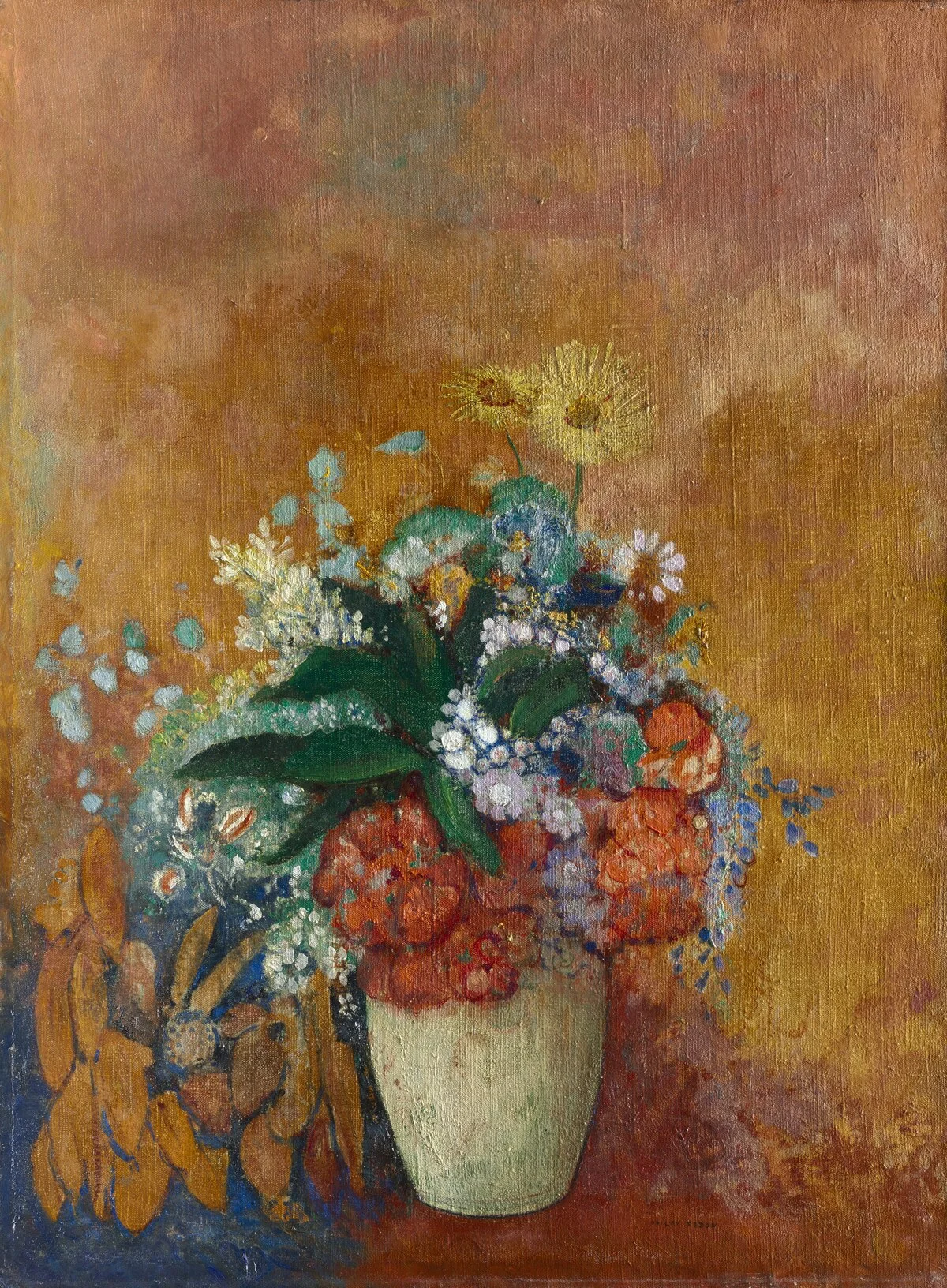
The tranquil atmosphere in "End of the pier, Honfleur" invites viewers to experience the calm and contemplative mood Seurat intended. This fine art painting for sale evokes a sense of peaceful solitude, much like the emotional depth found in "Bowl With Peonies And Roses." Through subtle color harmonies and gentle brushwork, Seurat’s Post-Impressionist vision captures fleeting moments and quiet emotions, making his works deeply resonant with art lovers and collectors alike.
Coveted by Collectors
"End of the pier, Honfleur" remains highly sought after by art collectors, celebrated for its historical significance and technical brilliance. As a hand-painted oil painting by Georges Seurat, it embodies the spirit of Post-Impressionism, standing alongside masterpieces like "The Night Café in Arles" and "Irises." Collectors value such works for their rarity and enduring appeal, making them prized additions to any collection of fine art painting for sale.
Related Post-Impressionism Hand-Painted Oil Paintings by Other Artists
Other Famous Post-Impressionism Artists:
Frequently Asked Questions About End of the pier, Honfleur
What is the historical context of "End of the pier, Honfleur"?
"End of the pier, Honfleur" was painted by Georges Seurat in the late 19th century, a time when Impressionism was gaining prominence in the art world. Seurat, however, was a pioneer of Pointillism, a technique that diverged from traditional Impressionist methods.
What artistic techniques did Seurat employ in this painting?
Seurat utilized Pointillism, a technique that involves applying small dots of color to create a cohesive image when viewed from a distance. This method allows for vibrant color interactions and a unique texture in the painting.
What themes are explored in "End of the pier, Honfleur"?
The painting explores themes of leisure and the relationship between humanity and nature. The serene setting of the pier reflects a moment of tranquility, inviting viewers to contemplate the beauty of the seaside environment.
How does "End of the pier, Honfleur" reflect Seurat's artistic philosophy?
Seurat believed in the scientific approach to color and composition. This painting exemplifies his philosophy by showcasing how color theory can create emotional responses and enhance the visual experience through structured arrangement.
What is the significance of the location depicted in the painting?
Honfleur, a picturesque port town in Normandy, was a popular subject for artists of the time. The location symbolizes the connection between art and the natural world, highlighting the beauty of coastal landscapes that inspired many Impressionists.
How does the composition of "End of the pier, Honfleur" contribute to its overall impact?
The composition features a balanced arrangement of figures and the pier, drawing the viewer's eye toward the horizon. This perspective creates a sense of depth and invites contemplation of the vastness of the sea.
What role does color play in "End of the pier, Honfleur"?
Color is central to Seurat's technique, as he used complementary colors to create vibrancy and luminosity. The interplay of light and shadow enhances the painting's atmosphere, evoking the feeling of a sunny day by the sea.
How does this painting fit within the broader context of Seurat's body of work?
"End of the pier, Honfleur" is representative of Seurat's later works, where he increasingly focused on the effects of light and color. It showcases his evolution as an artist and his dedication to exploring new techniques and ideas.
What influence did "End of the pier, Honfleur" have on later artists?
The painting influenced subsequent generations of artists who sought to explore color theory and the emotional impact of light. Seurat's innovative techniques paved the way for movements such as Neo-Impressionism and even modern abstract art.
What can viewers learn from studying "End of the pier, Honfleur"?
Viewers can gain insights into the relationship between color, light, and form in painting. The work serves as a testament to the importance of technique in conveying emotion and atmosphere, encouraging a deeper appreciation for the art of painting.






















_GFM_Painting_(1).webp)


 100% Hand-Painted: Finished in 3-6 Weeks

.png)















_(1).webp)