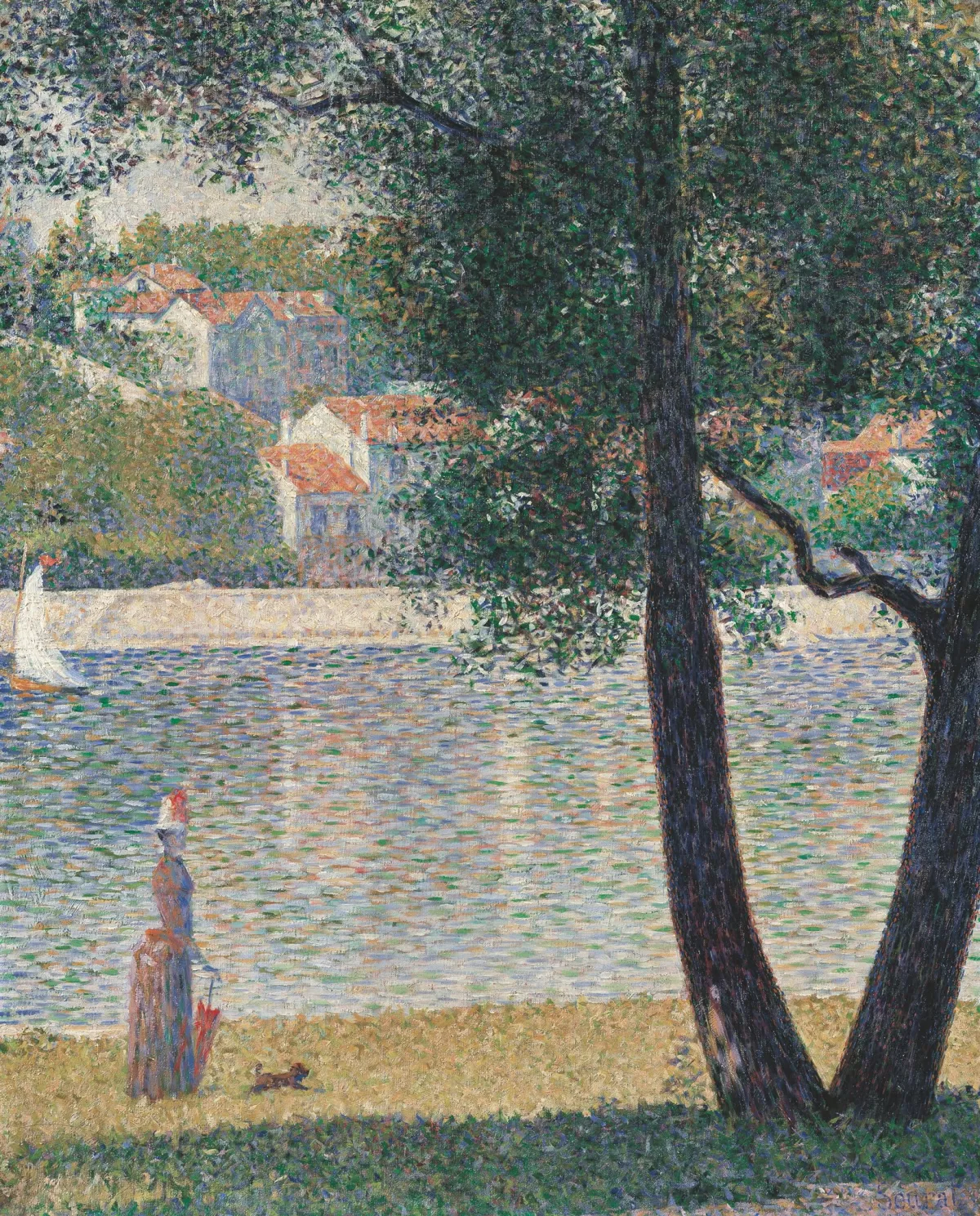
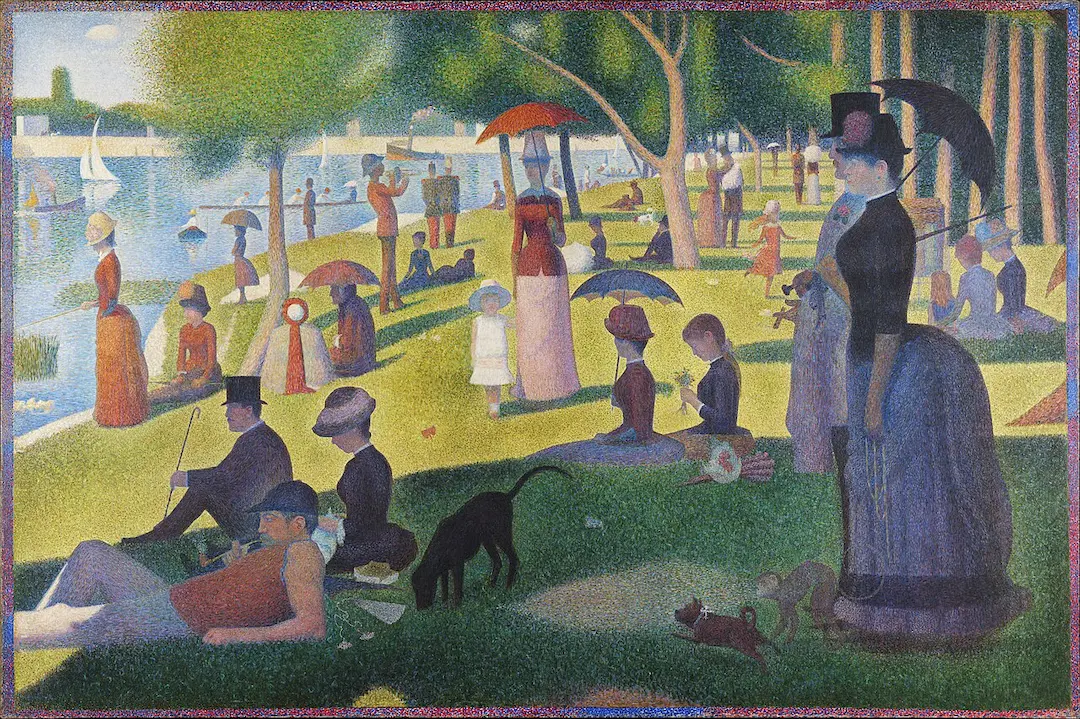
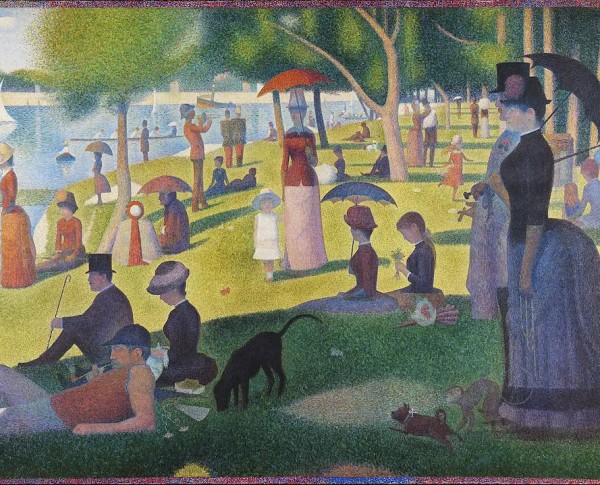
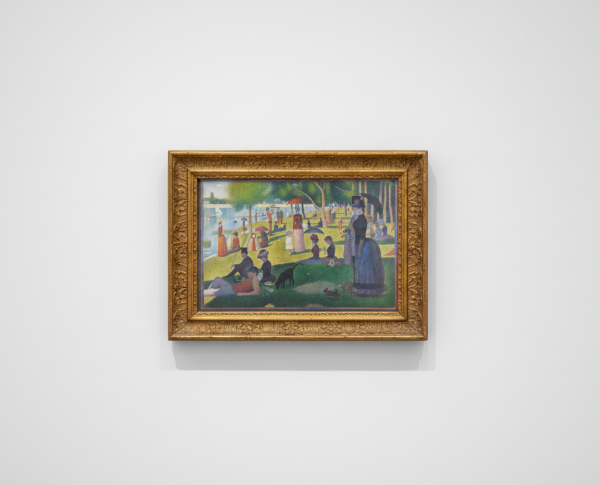
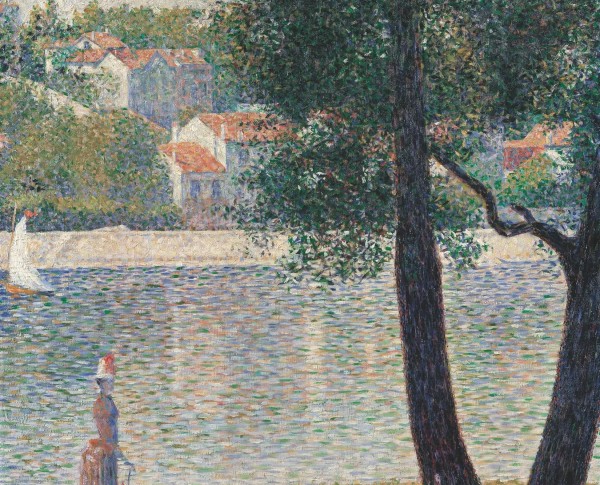
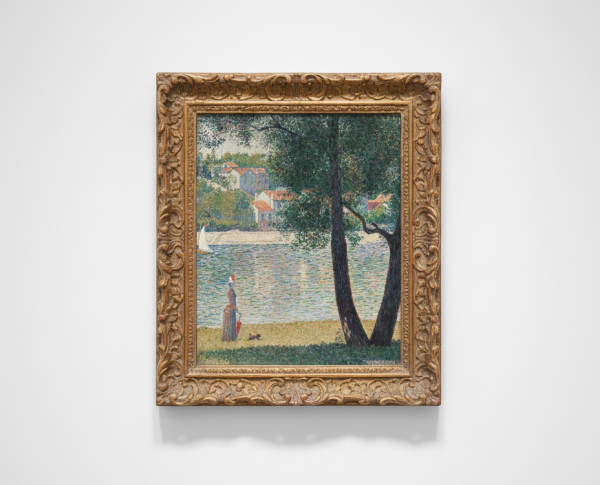
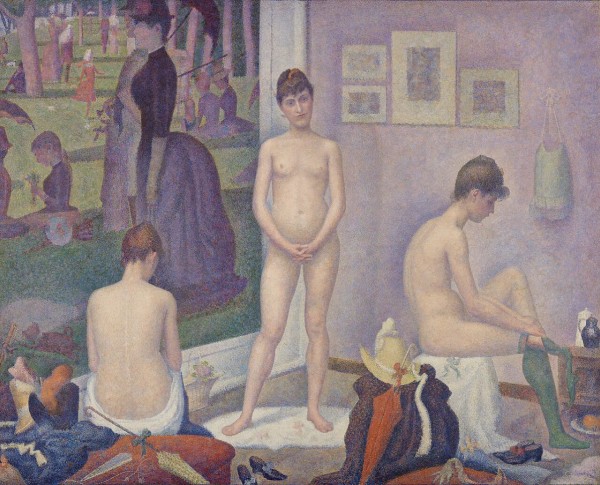
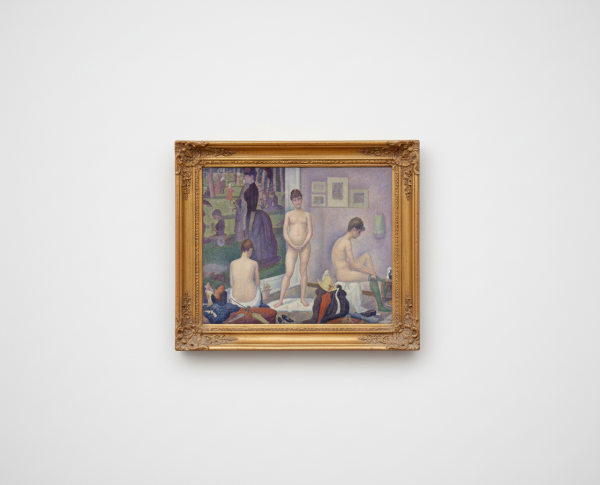
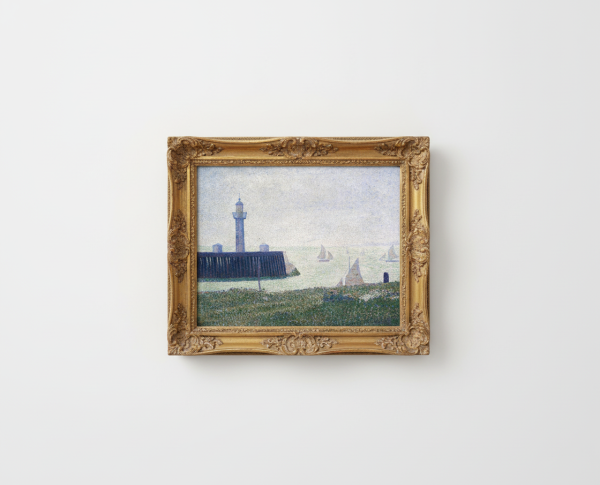
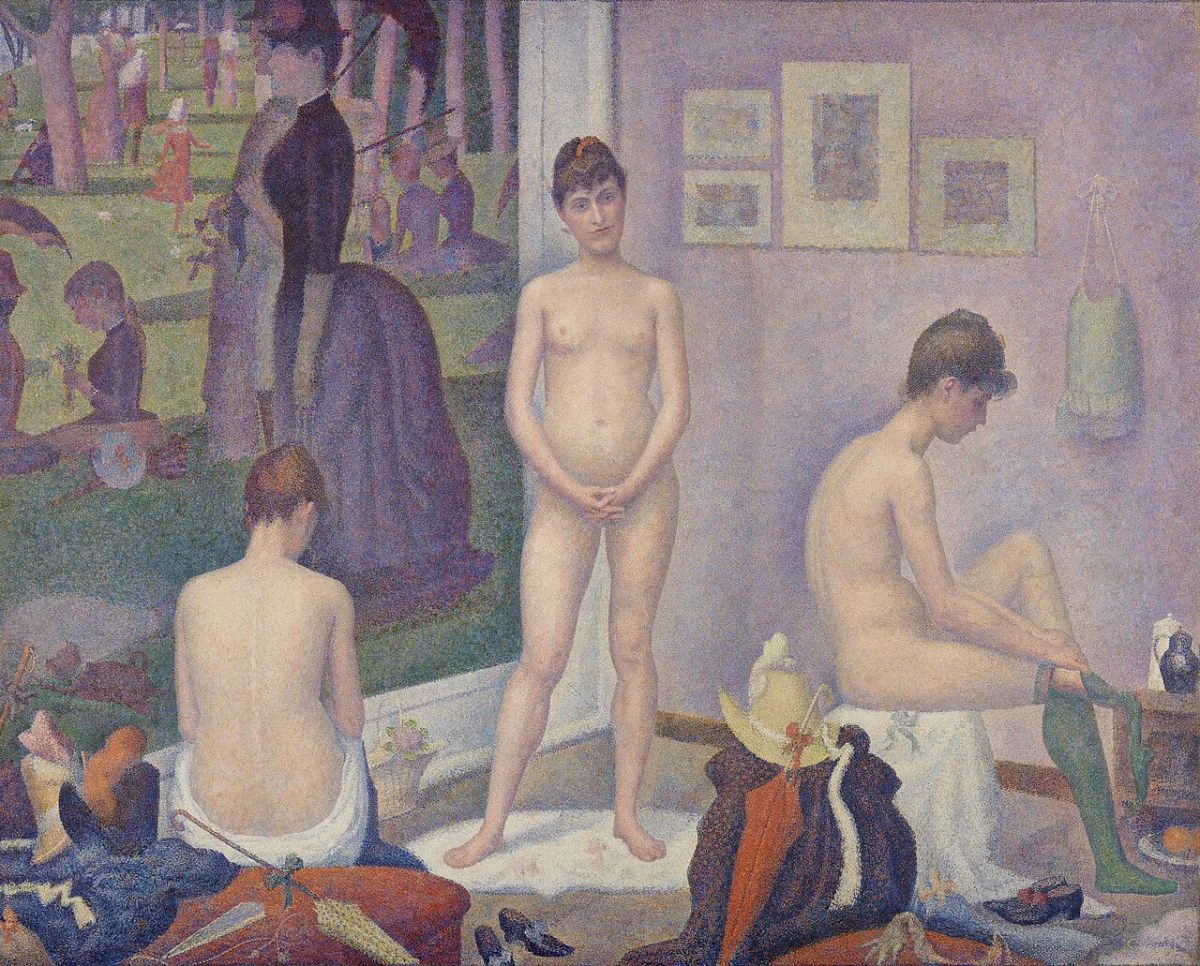
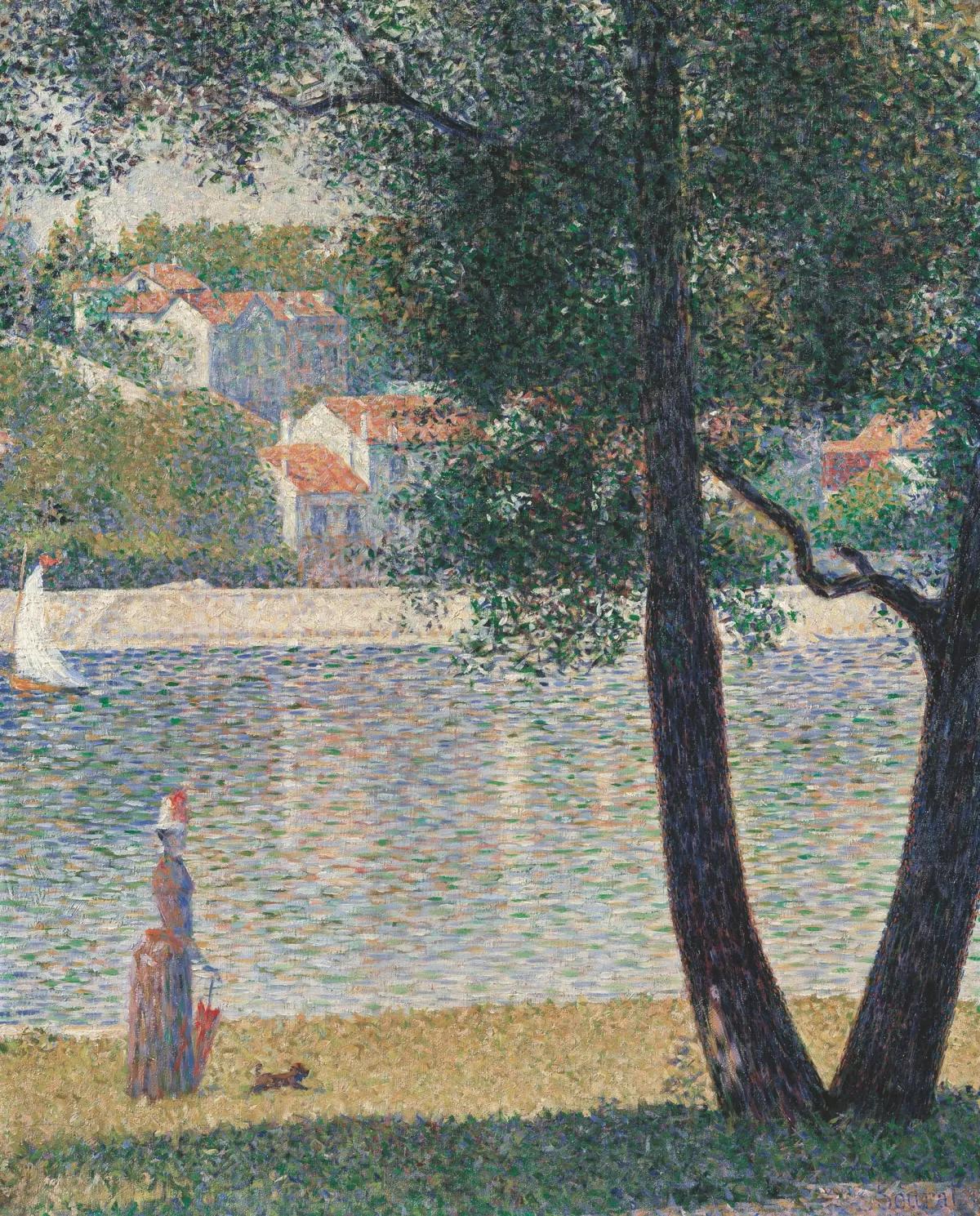
Georges Seurat’s "The Models" demonstrates his meticulous approach to oil on canvas, employing countless dots of color to create depth and luminosity. The painting exemplifies the technical brilliance that defines Post-Impressionism, highlighting Seurat’s commitment to scientific precision in art. Admirers of Seurat’s style often explore related products like "The Seine at Courbevoie" and "A Sunday Afternoon on the Island of La Grande Jatte," both of which showcase his signature mastery and innovative vision.
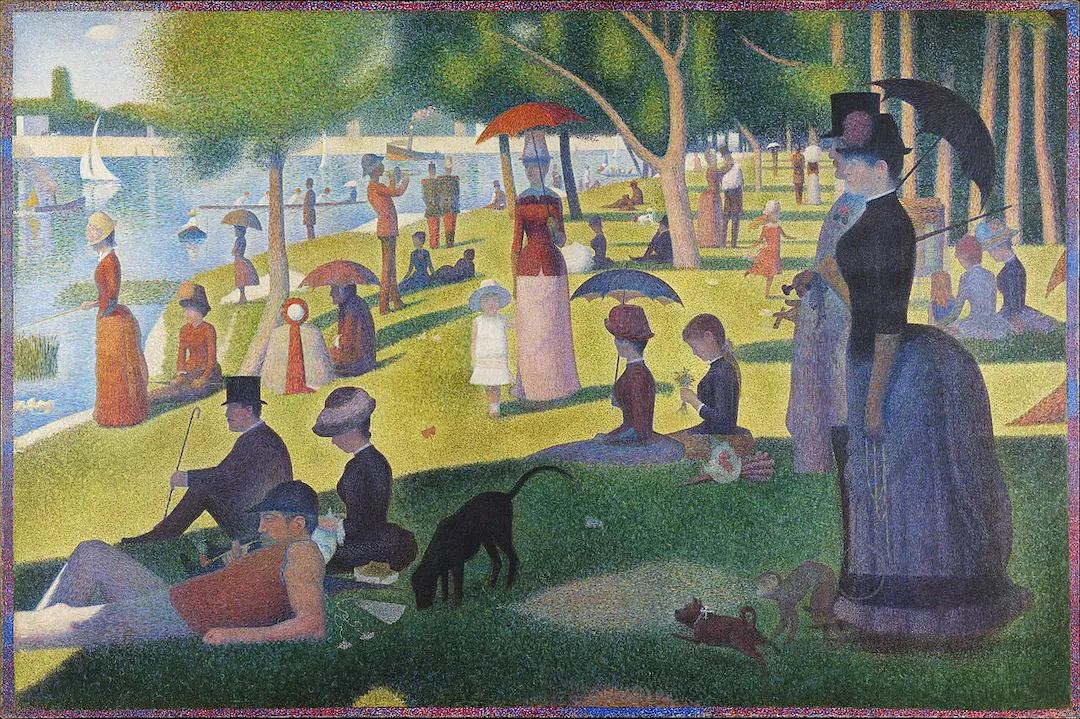
"The Models" is more than a fine art painting for sale; it is a narrative woven with subtle symbolism. Seurat places his subjects within the studio, referencing his own masterpiece "A Sunday Afternoon on the Island of La Grande Jatte" in the background. This Post-Impressionist work invites viewers to contemplate the relationship between artist, model, and creation. Collectors often pair this piece with "The Seine at Courbevoie" to deepen their appreciation of Seurat’s storytelling.
For art collectors, "The Models" by Georges Seurat is a prized hand-painted oil painting that encapsulates the essence of Post-Impressionism. Its unique composition and historical context make it a standout piece in any collection. Those interested in acquiring a fine art painting for sale will find its value enhanced when displayed alongside related works like "The Seine at Courbevoie" and "A Sunday Afternoon on the Island of La Grande Jatte," each representing Seurat’s artistic legacy.
When Art Meets History
"The Models" by Georges Seurat stands as a testament to the transformative period of Post-Impressionism. Painted in 1888, this hand-painted oil painting reflects Seurat's innovative spirit and his quest to merge scientific precision with artistic expression. Like "The Night Café" and "The Potato Eaters," Seurat's work captures the essence of its era, inviting viewers to explore the evolving relationship between society and art in late nineteenth-century France.
Techniques That Speak
Georges Seurat revolutionized the art world with his technique of pointillism, meticulously applying tiny dots of color to create depth and luminosity. "The Models" showcases this method on oil on canvas, resulting in a textured, vibrant composition. This approach, also seen in related works like "Wheatfield with Cypress I" and "Still Life with Beer Mug and Fruit," highlights Seurat's dedication to scientific color theory and the innovative spirit of the Post-Impressionism movement.
Emotions on Display
In "The Models," Seurat invites viewers to contemplate the quiet introspection of his subjects. The painting's delicate balance of color and form evokes a sense of calm and introspection, setting it apart from the more dramatic tones of "Peasant Woman Against a Background of Wheat." As a fine art painting for sale, it continues to resonate emotionally, offering a glimpse into the subtle yet profound psychological depth that defines much of Post-Impressionist art.
Coveted by Collectors
Georges Seurat's "The Models" remains highly sought after by collectors and art enthusiasts worldwide. Its status as a masterful oil on canvas within the Post-Impressionism movement ensures its enduring appeal. Alongside related paintings like "The Night Café" and "The Potato Eaters," Seurat's work is prized for its technical brilliance and historical significance, making it a top choice for those seeking a fine art painting for sale to enhance their collection.
Related Post-Impressionism Hand-Painted Oil Paintings by Other Artists
Other Famous Post-Impressionism Artists:
Frequently Asked Questions About "The Models"
What is the historical context of "The Models"?
"The Models" was created in 1886 during the Post-Impressionist movement, a time when artists were exploring new techniques and subjects. Georges Seurat, the artist, was known for his innovative use of color and form, which was influenced by contemporary scientific theories on color perception.
What artistic techniques did Seurat use in "The Models"?
Seurat employed the technique of pointillism, where he applied small dots of color to create a cohesive image. This method allowed him to explore the optical effects of color and light, resulting in a vibrant and dynamic composition.
Who are the figures depicted in "The Models"?
The painting features models from Seurat's circle, showcasing the artist's interest in the human form and the relationship between the figures and their environment. The models are portrayed in a relaxed and naturalistic manner, emphasizing their individuality.
What themes are explored in "The Models"?
"The Models" explores themes of beauty, leisure, and the role of the artist in society. It reflects the changing dynamics of the art world in the late 19th century, where artists began to challenge traditional representations of the human figure.
How does "The Models" reflect Seurat's artistic philosophy?
Seurat believed in the scientific study of color and form, which is evident in "The Models." His approach to painting was methodical and analytical, aiming to evoke emotional responses through structured compositions and color harmony.
What is the significance of the color palette in "The Models"?
The color palette in "The Models" is characterized by a harmonious blend of complementary colors, which enhances the visual impact of the painting. Seurat’s use of color theory allows for a vibrant interplay of light and shadow, creating depth and dimension.
How does "The Models" compare to Seurat's other works?
Compared to Seurat's other works, such as "A Sunday Afternoon on the Island of La Grande Jatte," "The Models" is more intimate and focused on the human figure. It showcases his evolving style and mastery of pointillism while retaining a sense of personal connection with the subjects.
What impact did "The Models" have on future art movements?
"The Models" played a significant role in the development of modern art by influencing subsequent movements such as Fauvism and Abstract Expressionism. Its innovative use of color and form paved the way for artists to explore new ways of seeing and representing reality.
What is the current location of "The Models"?
"The Models" is currently housed in a prominent art collection, showcasing the importance of Seurat's work within the context of art history. Its presence in major exhibitions continues to educate and inspire audiences about the evolution of modern art.
What symbolic meanings can be derived from "The Models"?
The figures in "The Models" symbolize the intersection of art and life, representing the artist's contemplation of beauty and the human experience. The relaxed poses and expressions of the models invite viewers to reflect on themes of leisure, creativity, and the role of the artist in society.






















_GFM_Painting_(1).webp)


 100% Hand-Painted: Finished in 3-6 Weeks

.png)















_(1).webp)