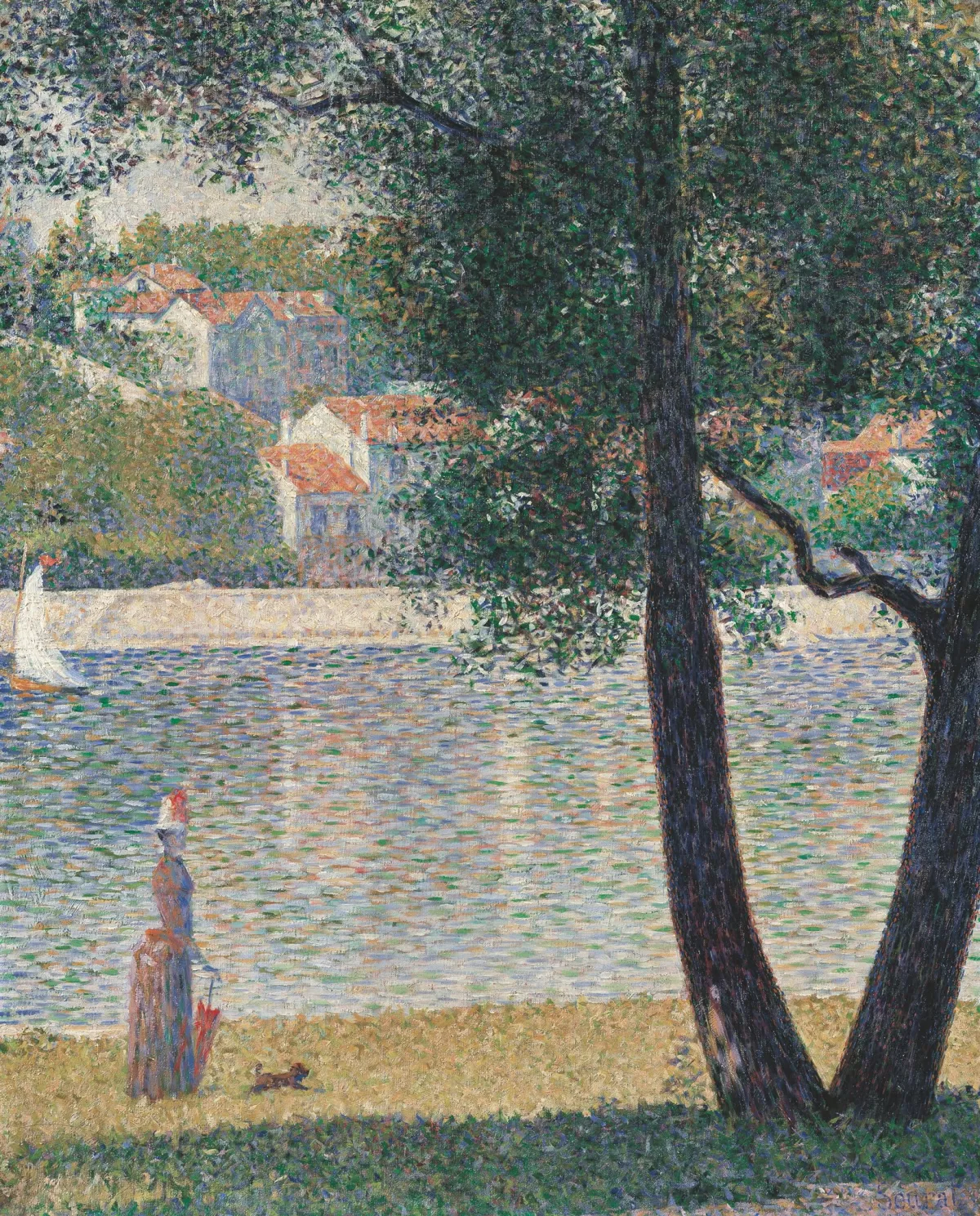
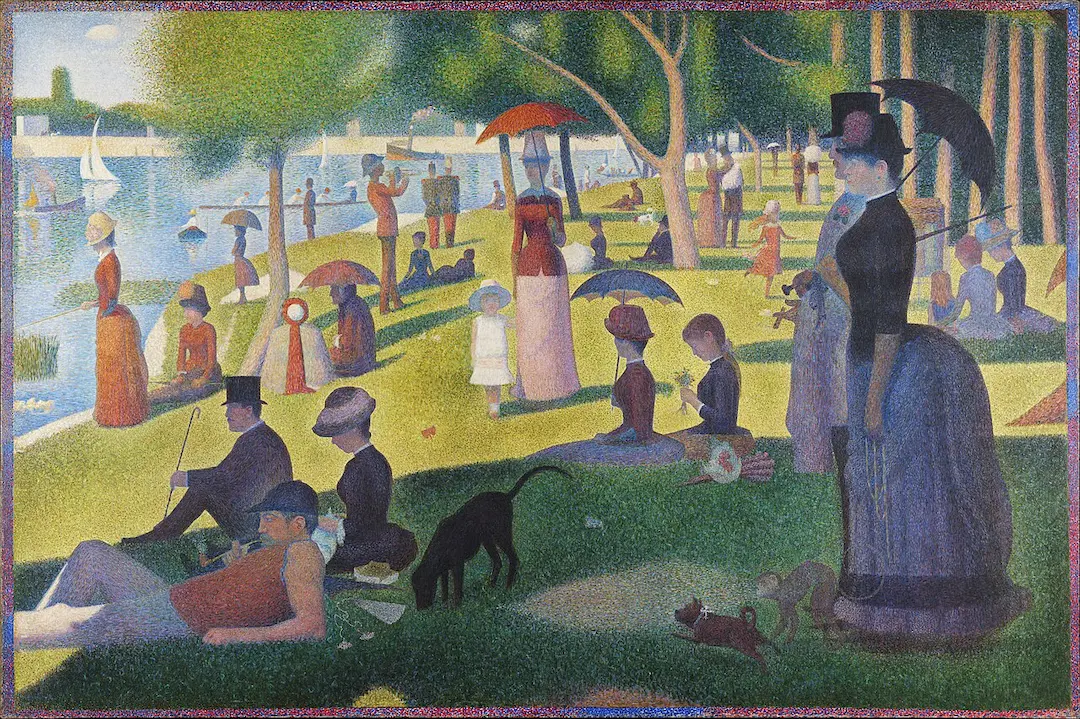
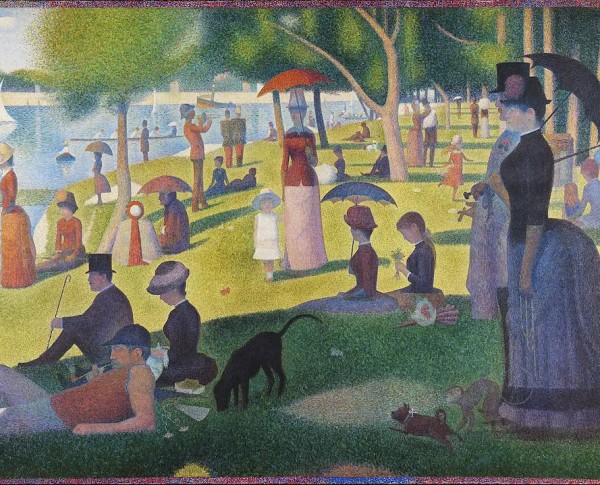
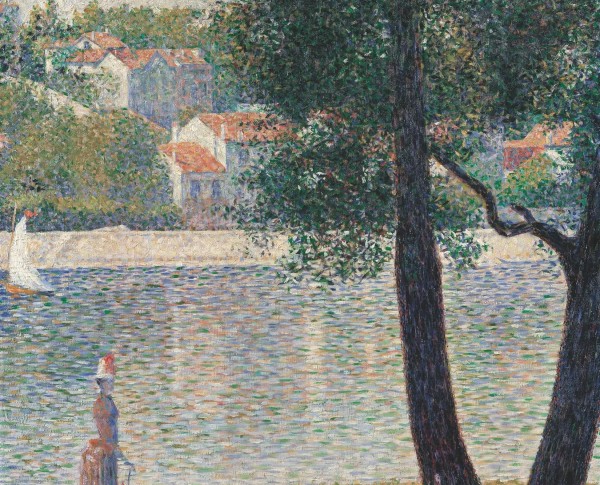
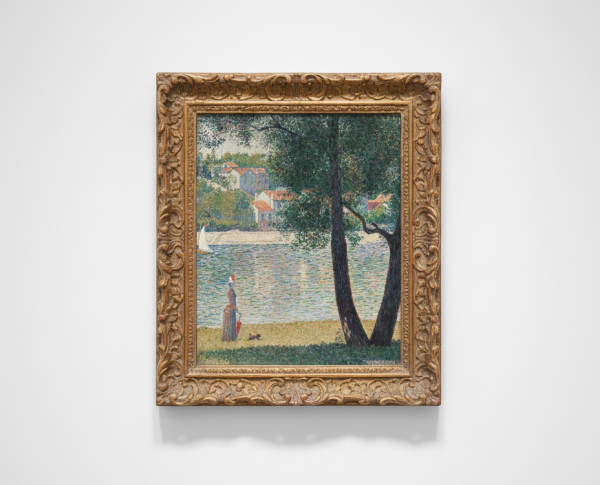
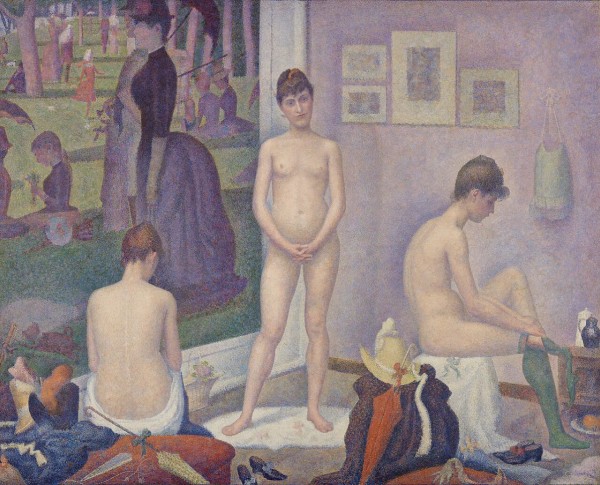
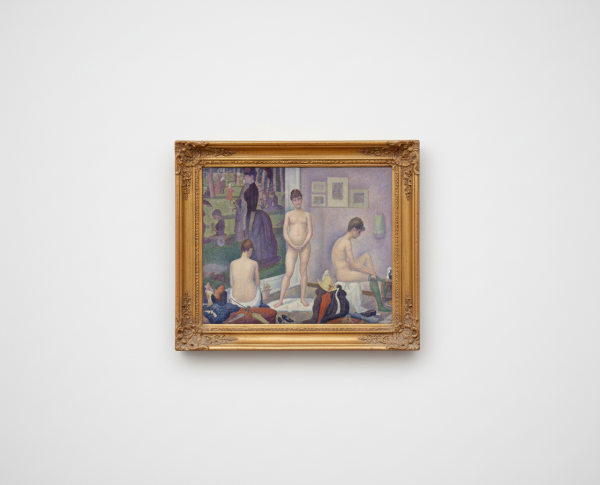
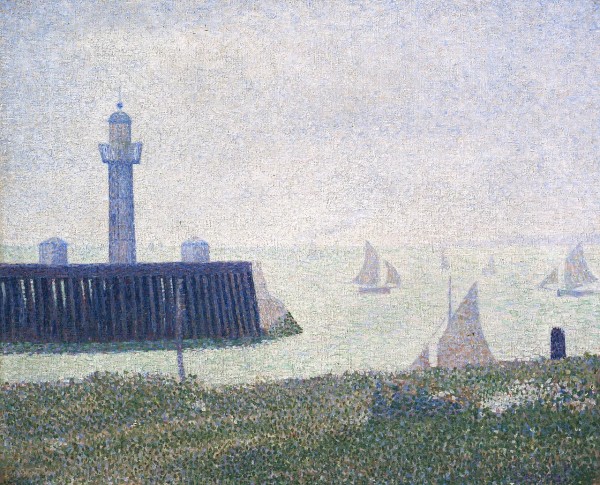
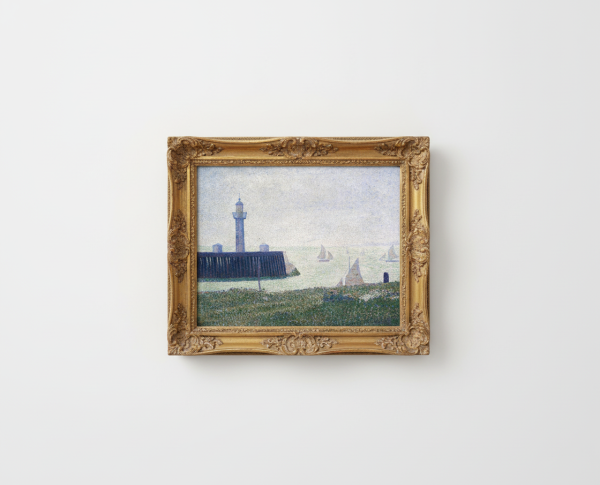
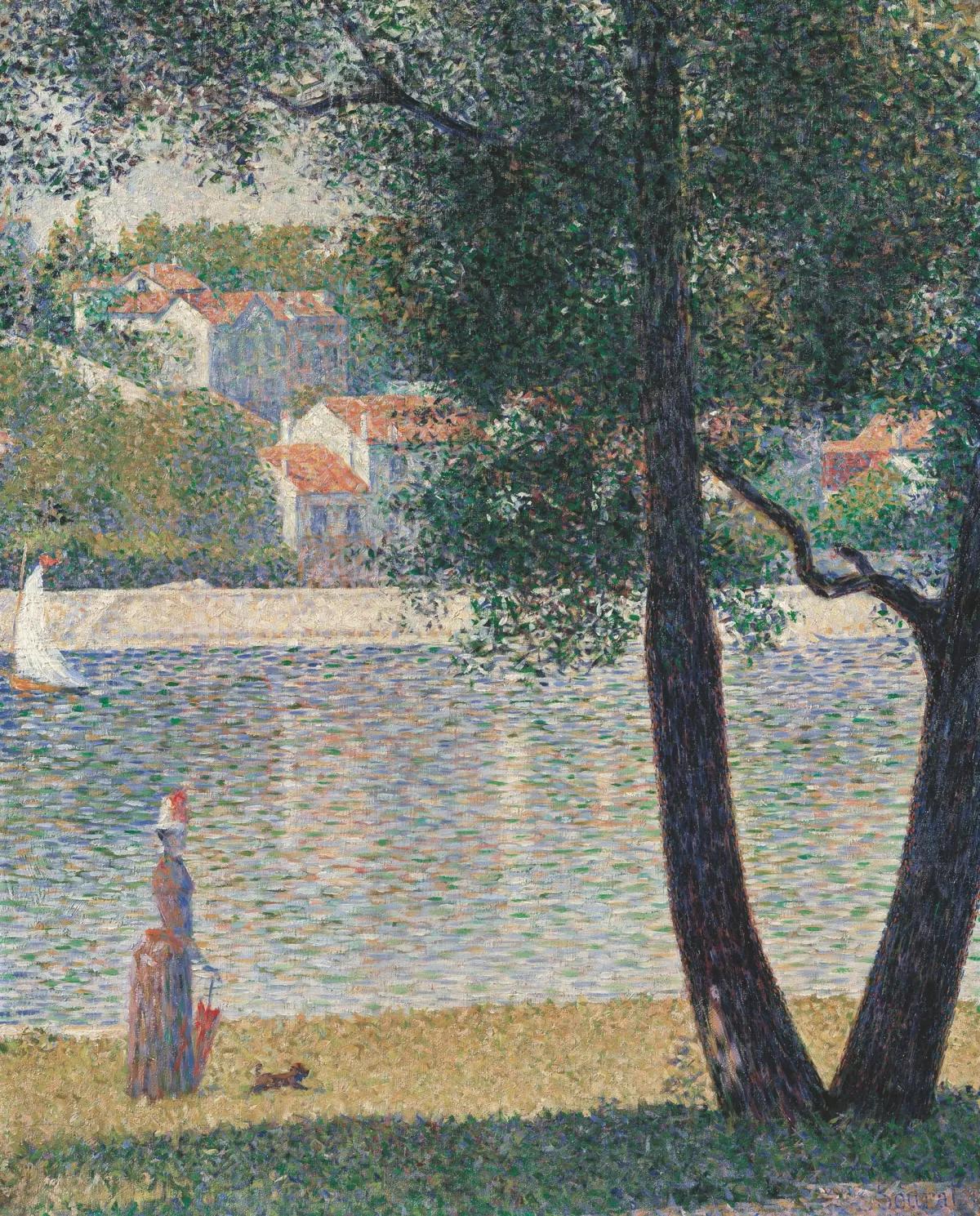
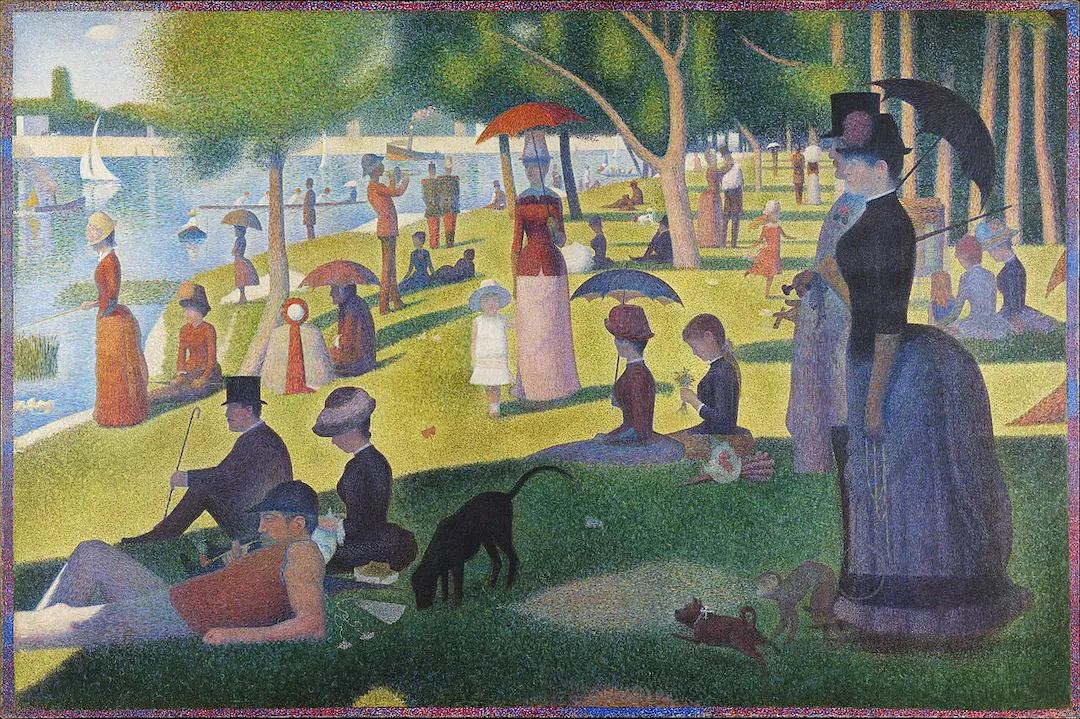
Georges Seurat’s "The Seine at Courbevoie" demonstrates his meticulous technique through the use of oil on canvas. Each dot and brushstroke reveals his dedication to pointillism, a hallmark of Post-Impressionism. The painting’s vibrant colors and intricate details highlight Seurat’s mastery, making it a prized piece among art lovers. Collectors often seek related products, such as "A Sunday Afternoon on the Island of La Grande Jatte," to complement their collection of oil on canvas masterpieces.
"The Seine at Courbevoie" is more than a fine art painting for sale; it’s a visual narrative of Parisian life along the riverbank. Seurat weaves subtle stories and symbols into the landscape, reflecting the social atmosphere of the era. The Post-Impressionism movement’s emphasis on emotion and symbolism is evident, inviting viewers to explore deeper meanings. Art enthusiasts often pair this piece with related works like "A Sunday Afternoon on the Island of La Grande Jatte" for a richer collection.
For art collectors, owning "The Seine at Courbevoie" by Georges Seurat is a unique opportunity to possess a significant hand-painted oil painting from the Post-Impressionism era. Its historical importance and artistic brilliance make it a standout addition to any collection. Collectors frequently seek out related products, such as "A Sunday Afternoon on the Island of La Grande Jatte," to showcase the full range of Seurat’s influence and the timeless allure of Post-Impressionist masterpieces.
When Art Meets History
Georges Seurat’s masterpiece, "The Seine at Courbevoie," exemplifies the Post-Impressionism movement, capturing the essence of late 19th-century France. This hand-painted oil painting reflects the artist’s fascination with light and urban landscapes, much like his contemporaries in "Wheat Field With Crows" and "Martinique Landscape." Seurat’s work invites viewers to experience a historical Parisian riverside, skillfully blending artistic innovation with the social context of his era.
Techniques That Speak
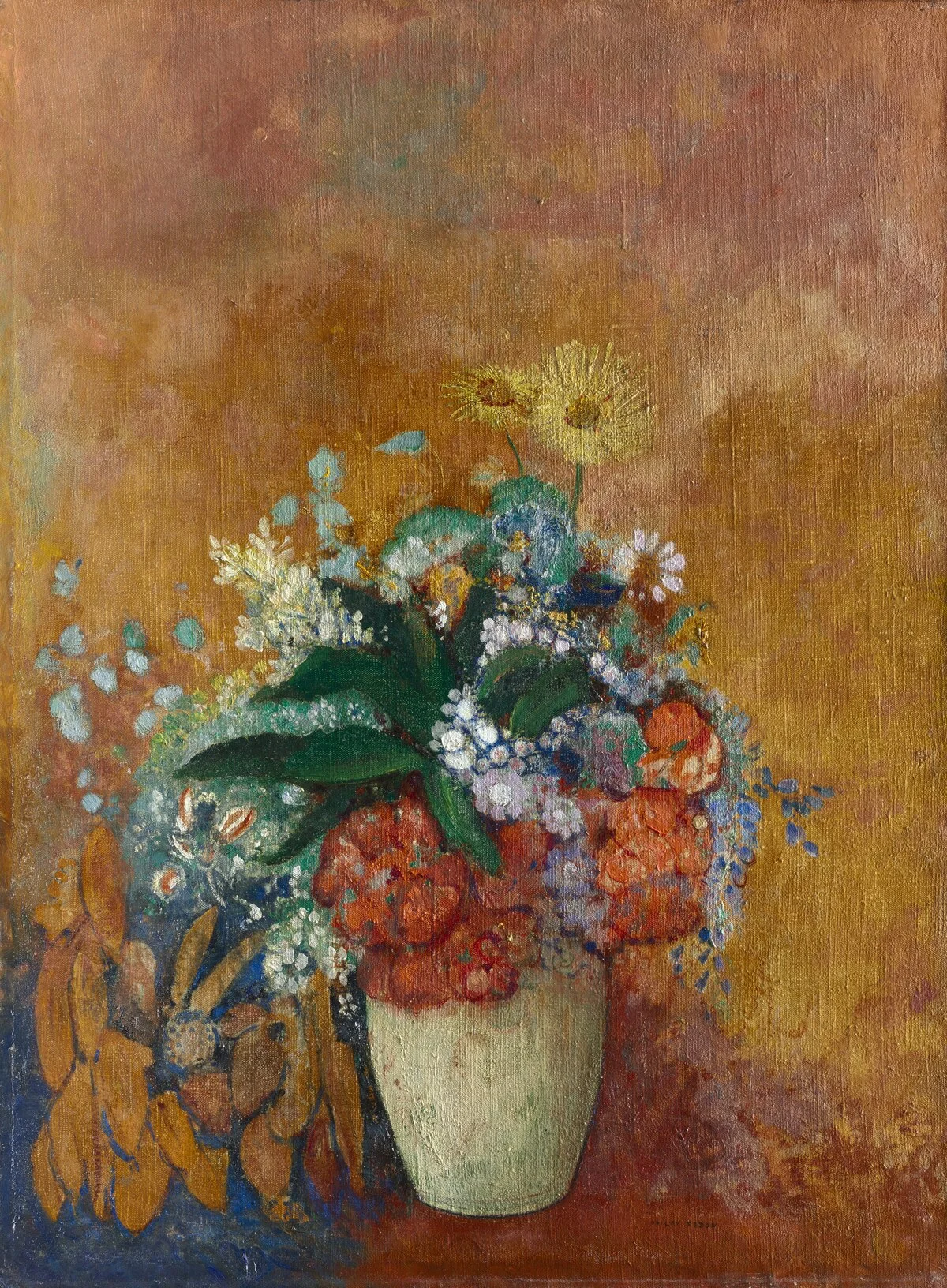
Seurat’s "The Seine at Courbevoie" is renowned for its meticulous oil on canvas technique, utilizing tiny dots of color in a method known as Pointillism. This approach creates vibrant textures and a shimmering effect, setting it apart from other fine art painting for sale. Similar to "Still Life with Beer Mug and Fruit" and "Vase With Red Poppies," Seurat’s painting demonstrates a mastery of color theory and a unique vision within the Post-Impressionism movement.
Emotions on Display
The tranquil atmosphere in "The Seine at Courbevoie" evokes a sense of calm and contemplation, hallmarks of Seurat’s artistic style. Through his oil on canvas application, he invites viewers to immerse themselves in the gentle rhythms of the riverbank. Like "Harvest At La Crau With Montmajour In The Background," this fine art painting for sale elicits emotions ranging from nostalgia to serene introspection, making it a cherished piece among art lovers.
Coveted by Collectors
"The Seine at Courbevoie" by Georges Seurat is highly sought after by collectors due to its historical significance and innovative technique. As a hand-painted oil painting, it stands alongside masterpieces like "Wheat Field With Crows" and "Vase With Red Poppies" in the world of Post-Impressionism. Its rarity and artistic brilliance make it a fine art painting for sale that continues to captivate and inspire collectors globally.
Related Post-Impressionism Hand-Painted Oil Paintings by Other Artists
Other Famous Post-Impressionism Artists:
Frequently Asked Questions About The Seine at Courbevoie
What is the historical context of "The Seine at Courbevoie"?
"The Seine at Courbevoie" was painted in 1886 during the late 19th century, a period marked by rapid industrialization and urbanization in France. This painting reflects the changing landscape of the Seine River as it became a site of both natural beauty and industrial activity.
Who was Georges Seurat and what is his significance in art history?
Georges Seurat was a French post-impressionist painter known for developing the technique of pointillism. His innovative approach to color and light has had a lasting impact on modern art, influencing numerous artists and movements that followed.
What artistic techniques did Seurat employ in this painting?
In "The Seine at Courbevoie," Seurat utilized pointillism, a technique where small dots of color are applied to the canvas. This method allows for optical mixing, where the viewer's eye blends the colors from a distance, creating a vibrant and luminous effect.
What themes are explored in "The Seine at Courbevoie"?
The painting explores themes of leisure and the relationship between nature and urban life. It captures a moment of tranquility amidst the bustling environment of Courbevoie, highlighting the coexistence of natural beauty and industrial progress.
How does "The Seine at Courbevoie" reflect the Impressionist movement?
While Seurat is often associated with post-impressionism, "The Seine at Courbevoie" reflects the Impressionist movement through its focus on light, color, and the depiction of everyday life. The painting captures a fleeting moment in time, a hallmark of Impressionist art.
What is the significance of the Seine River in French art and culture?
The Seine River has been a central motif in French art and culture, symbolizing the beauty of nature and the vibrancy of urban life. It has inspired countless artists, including Impressionists, who sought to capture its changing moods and reflections.
What role does color play in "The Seine at Courbevoie"?
Color is fundamental to Seurat's technique in "The Seine at Courbevoie." He carefully selected a palette of complementary colors to create depth and vibrancy, using juxtaposition to enhance the visual experience and evoke emotional responses from the viewer.
How does Seurat's composition contribute to the overall impact of the painting?
The composition of "The Seine at Courbevoie" is meticulously structured, with a balanced arrangement of figures and landscape elements. This careful organization guides the viewer's eye and creates a sense of harmony, enhancing the painting's tranquil atmosphere.
What influence did "The Seine at Courbevoie" have on later artists?
"The Seine at Courbevoie" has influenced subsequent generations of artists by demonstrating the potential of color theory and new techniques in painting. Seurat's innovative methods paved the way for modern art movements, encouraging exploration beyond traditional forms.
Where can I view "The Seine at Courbevoie" today?
"The Seine at Courbevoie" is part of the collection at the Musée d'Orsay in Paris, France. The museum is dedicated to showcasing Impressionist and post-Impressionist masterpieces, providing an excellent context for appreciating Seurat's work.






















_GFM_Painting_(1).webp)


 100% Hand-Painted: Finished in 3-6 Weeks

.png)















_(1).webp)