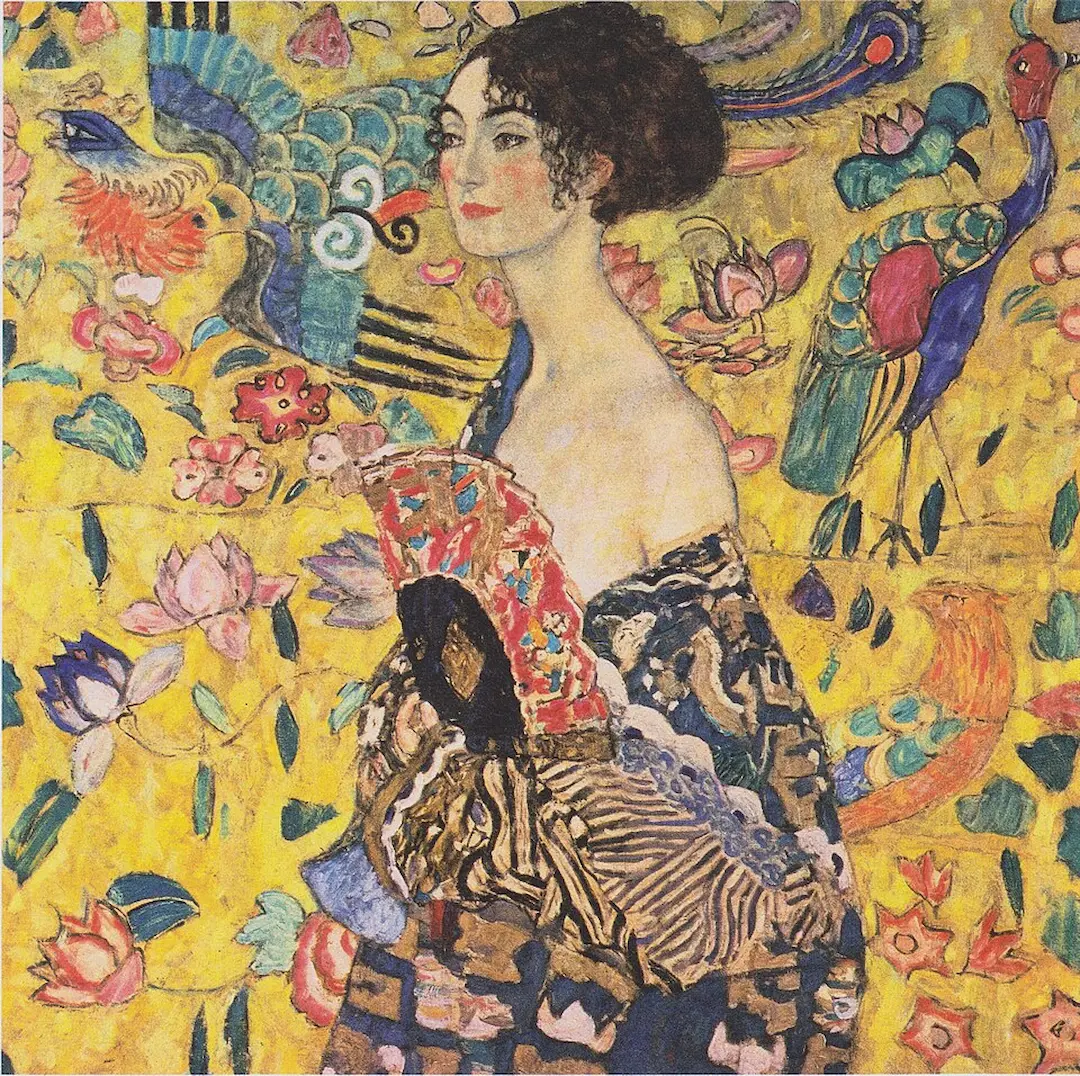
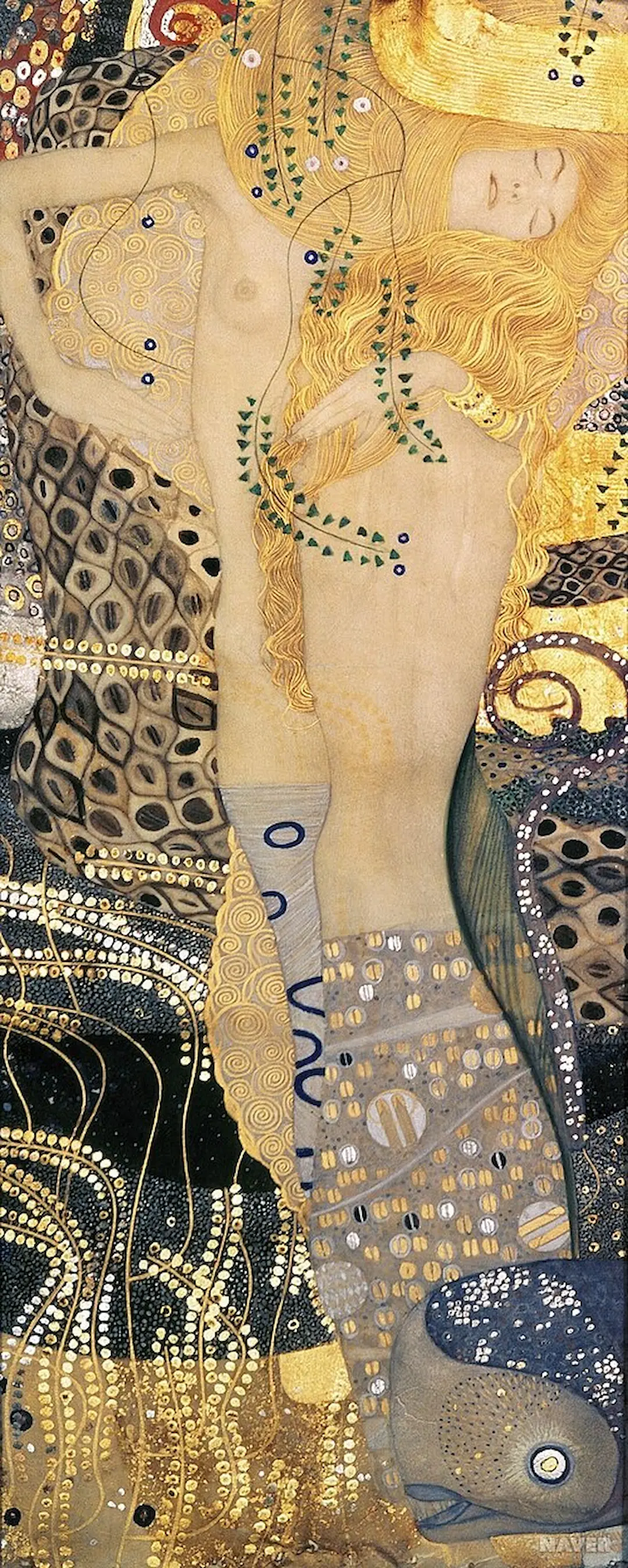
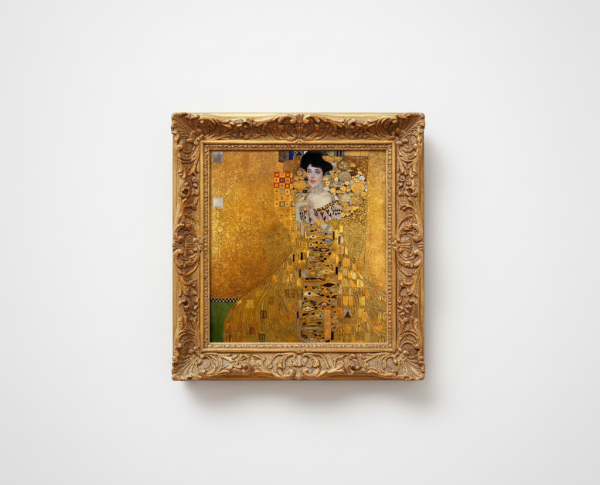
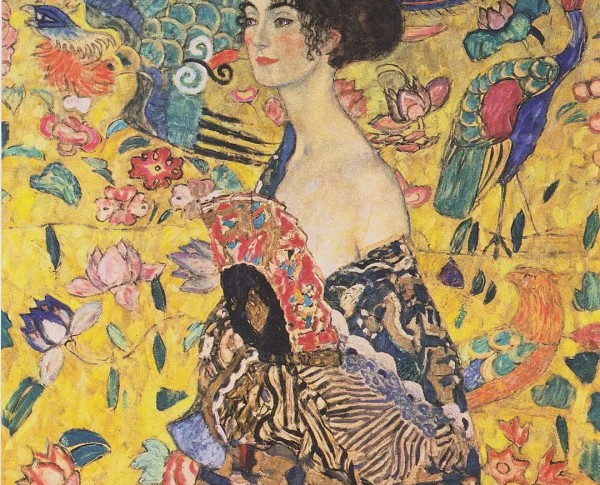
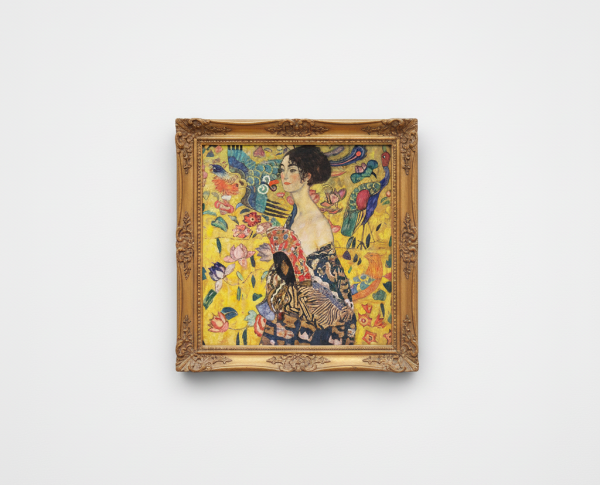
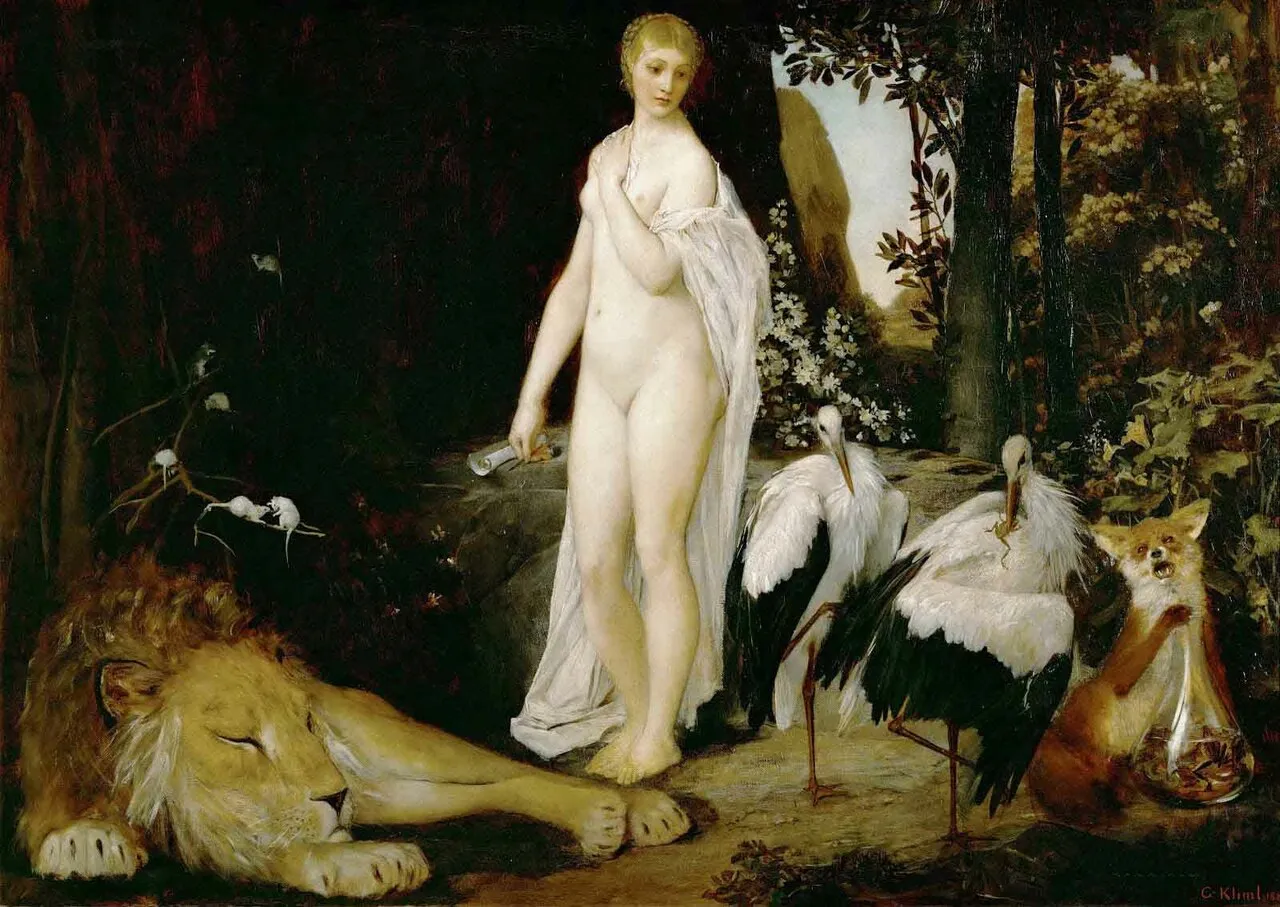
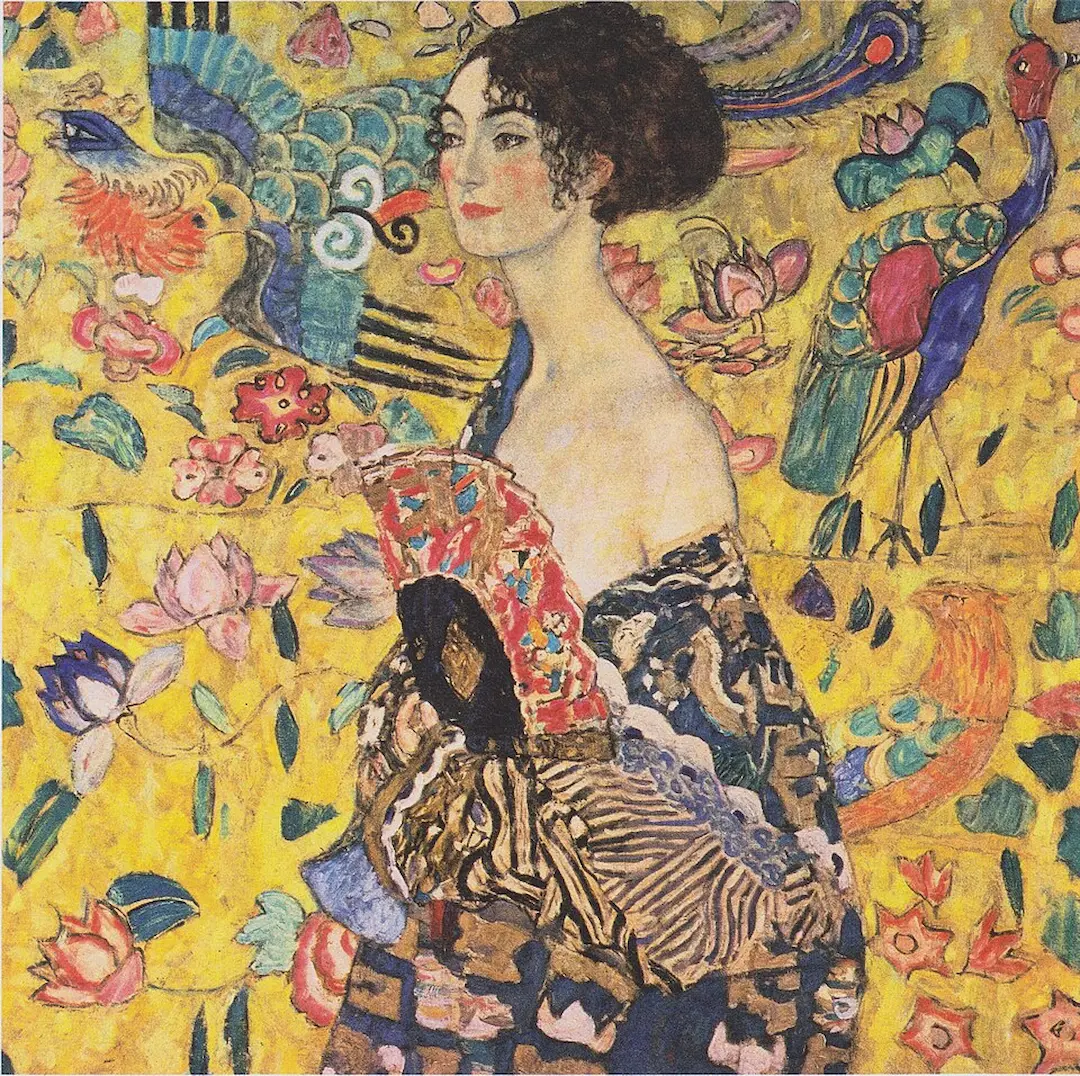
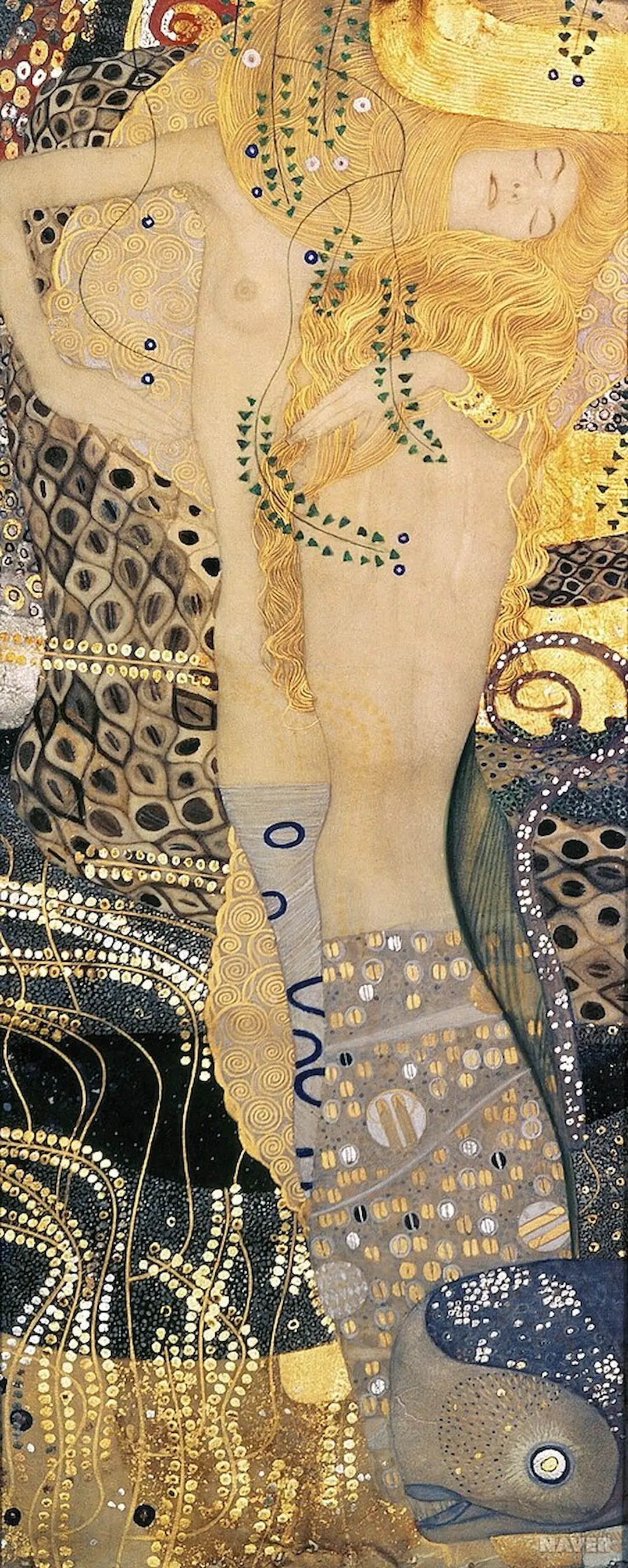
With "Fable," Klimt demonstrates his exceptional technique in oil on canvas, blending intricate patterns and vibrant colors that define the Vienna Secession style. The painting’s delicate brushwork and meticulous detail are reminiscent of other Klimt classics such as "Water Serpents I" and "Lady With Fan." Each element of "Fable" reveals the artist’s mastery, making it a coveted piece among those who appreciate Klimt’s refined artistry and the elegance of early twentieth-century European painting.
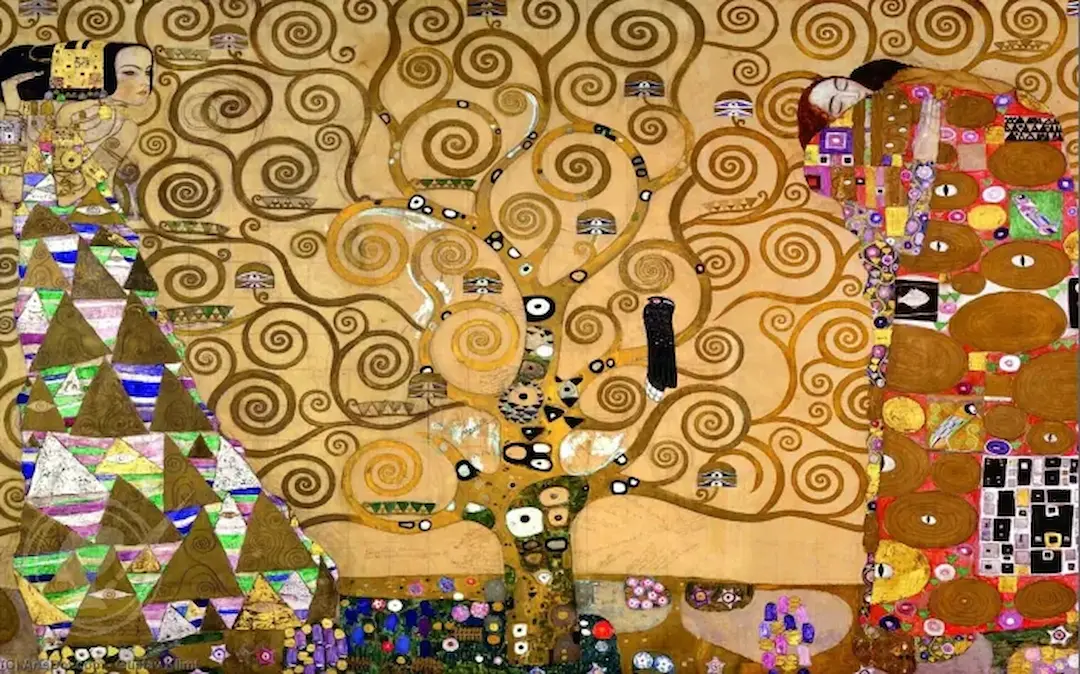
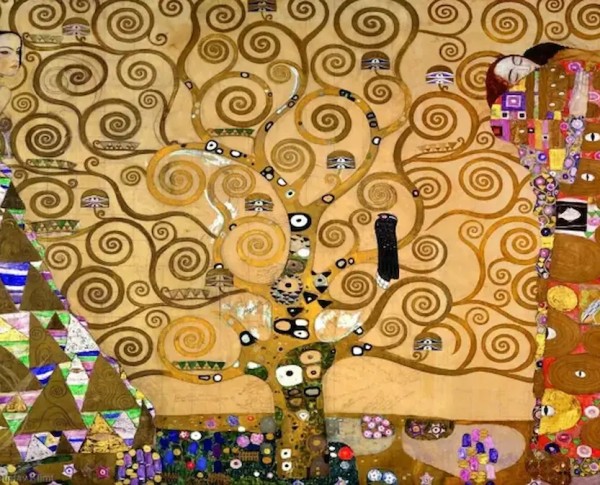
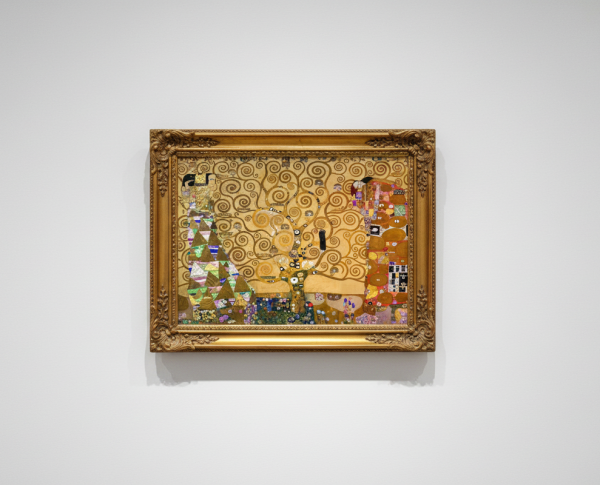
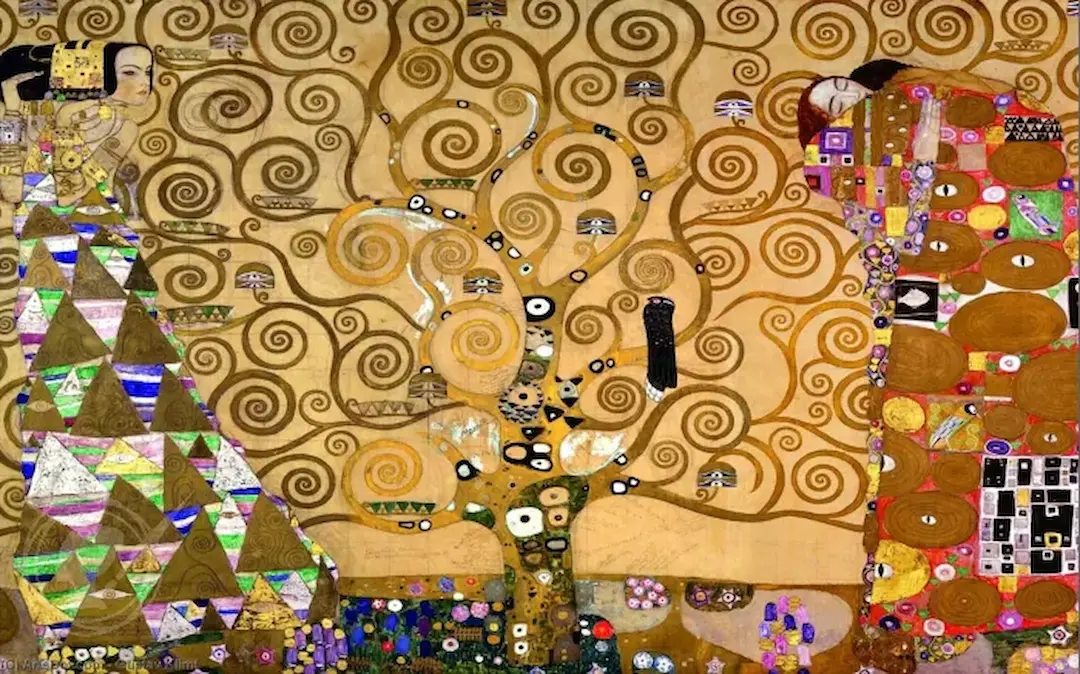
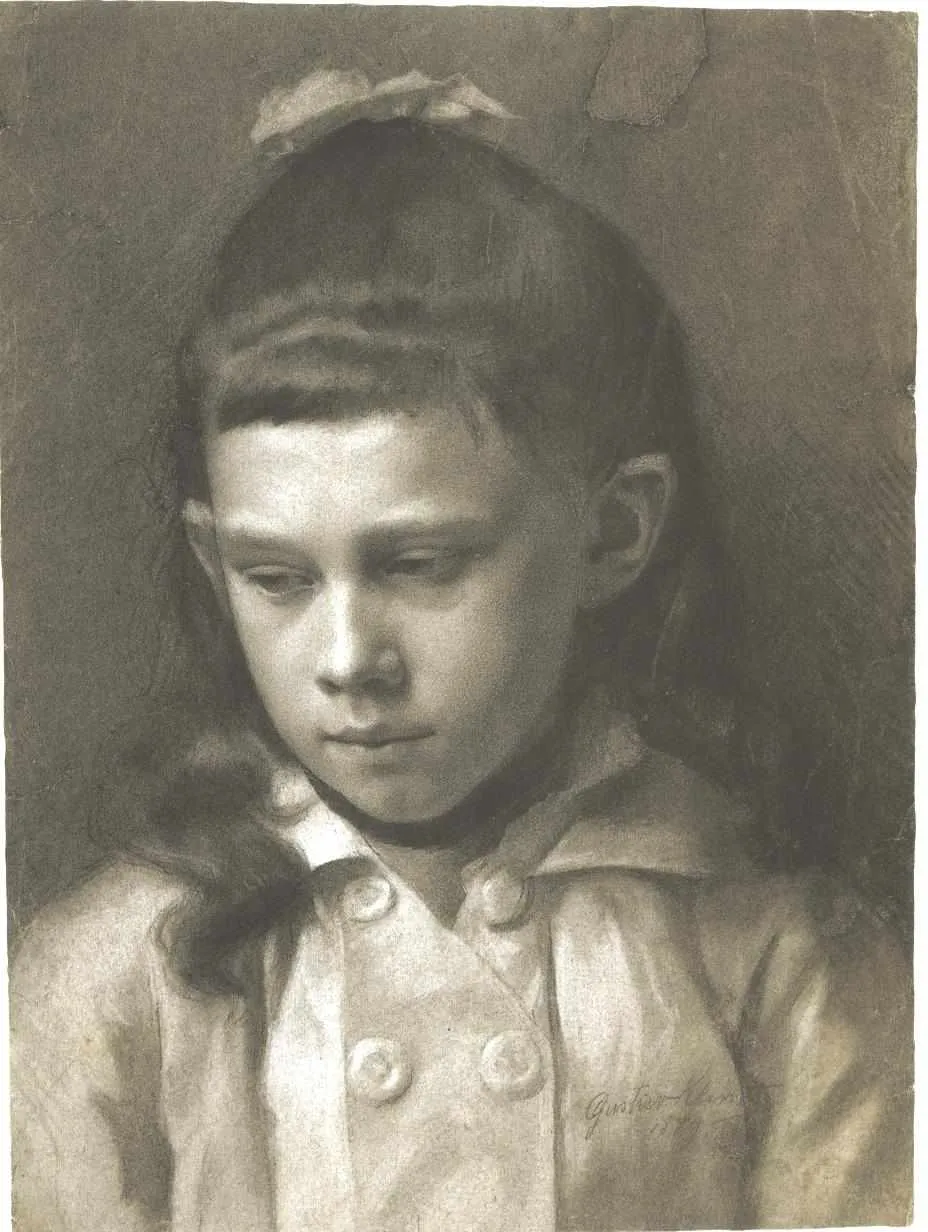
"Fable" is more than just a fine art painting for sale; it is a tapestry of stories and symbols woven by Gustav Klimt. The work invites viewers to interpret its enigmatic subjects, much like "The Tree of Life" or "Sitting Nude Man Turned to the Left." Klimt's use of allegorical imagery and ornamental motifs in "Fable" highlights the Vienna Secession’s emphasis on personal expression and mystique, offering endless intrigue for art lovers and collectors.
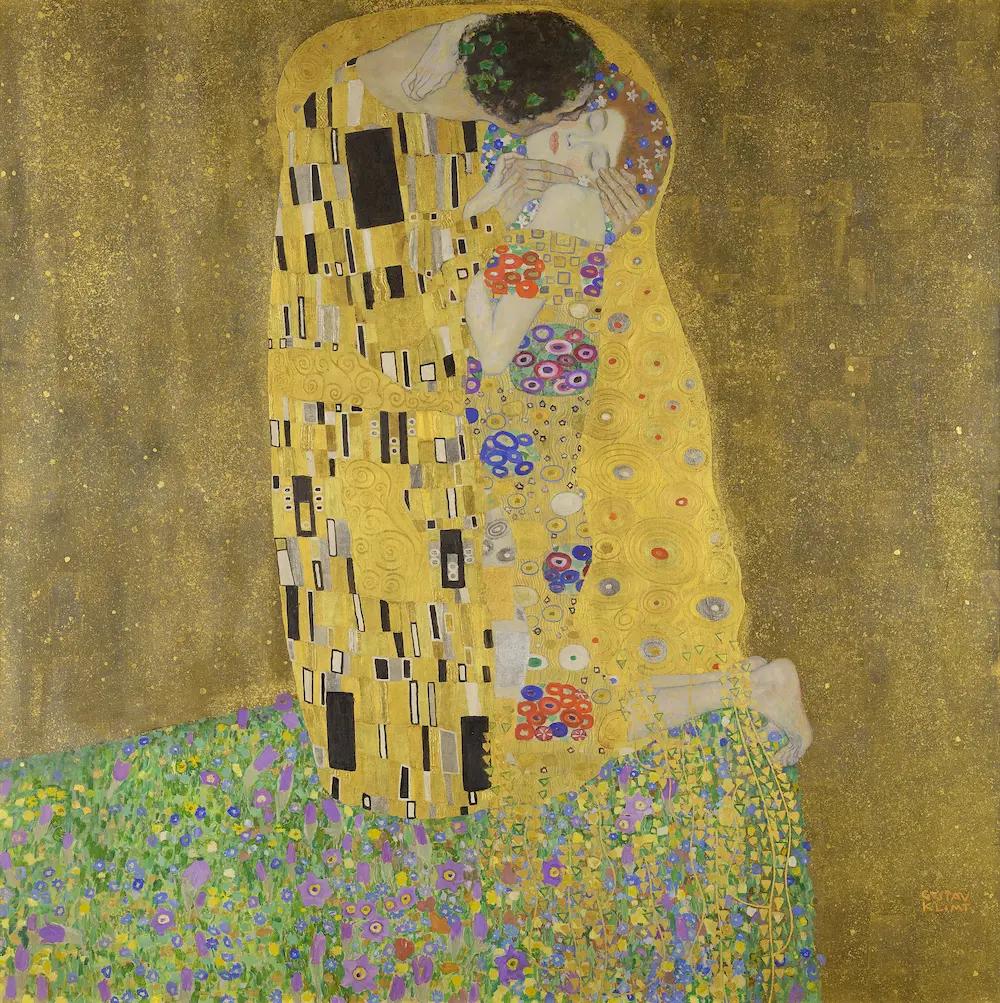
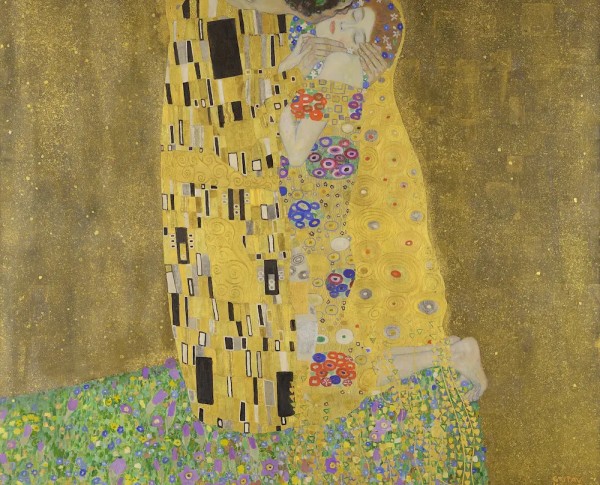
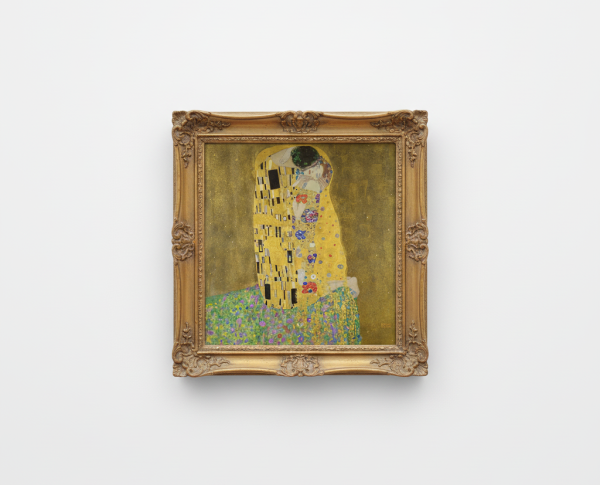
Owning a piece like Gustav Klimt’s "Fable" is a testament to one's appreciation for the Vienna Secession movement and its revolutionary impact. This hand-painted oil painting ranks alongside masterpieces such as "The Kiss" and "Lady With Fan" in desirability among collectors. As Klimt’s works continue to inspire, "Fable" remains a fine art painting for sale that promises both aesthetic pleasure and a lasting legacy for any discerning art collection.
When Art Meets History
Gustav Klimt’s “Fable” stands as a testament to the innovative spirit of the Vienna Secession movement. Created during a period of artistic revolution, this hand-painted oil painting encapsulates the era’s fascination with symbolism and decorative beauty. Klimt, renowned for masterpieces like “The Kiss,” used his unique vision to challenge traditional norms. “Fable” not only reflects the historical context of its creation but continues to influence discussions about modern art and its transformative power.
Techniques That Speak
In “Fable,” Gustav Klimt employs his signature oil on canvas approach, blending intricate patterns with luminous colors. The brushwork reveals a mastery of layering, resulting in a tapestry-like surface characteristic of the Vienna Secession. Klimt’s technique invites viewers to explore the interplay of texture and form, echoing the stylistic elements found in his other celebrated works. Through these methods, “Fable” becomes an enduring example of technical brilliance in early twentieth-century European art.
Emotions on Display
“Fable” by Gustav Klimt radiates a profound emotional depth, typical of his fine art painting for sale. The composition evokes a sense of mystery and introspection, drawing the viewer into a world of allegory and imagination. As with other Vienna Secession pieces, the painting’s expressive lines and compelling color palette invite personal interpretation. Klimt’s ability to convey emotion through art makes “Fable” an evocative experience, resonating with art lovers across generations.
Coveted by Collectors
Today, “Fable” is highly sought after by collectors who appreciate both its historical significance and aesthetic allure. As a hand-painted oil painting, it exemplifies Klimt’s role in advancing the Vienna Secession movement. The rarity and artistic merit of “Fable” elevate its status among Klimt’s oeuvre, making it a prized possession in any collection. Whether displayed in galleries or private homes, this work continues to captivate admirers of fine art painting for sale worldwide.
Frequently Asked Questions About Fable
What is the historical context of Gustav Klimt's "Fable"?
"Fable" was created during the height of the Art Nouveau movement in the early 20th century, a period characterized by ornamental styles and a focus on nature and mythology. Klimt's work reflects the cultural and artistic innovations of this era, particularly in Vienna, where he was a prominent figure.
What themes are explored in "Fable"?
The painting delves into themes of mythology, nature, and the interconnectedness of human experience with the natural world. It embodies the idea of storytelling through visual art, inviting viewers to interpret the narrative woven into the imagery.
How does Klimt use symbolism in "Fable"?
Klimt employs a rich tapestry of symbols, including animals and mythical figures, to convey deeper meanings. Each element serves as a metaphor, reflecting human emotions, desires, and the complexities of life, thus enhancing the narrative quality of the artwork.
What artistic techniques are evident in "Fable"?
The painting showcases Klimt's signature use of gold leaf, intricate patterns, and decorative motifs. His technique of layering and juxtaposing textures creates a visually striking composition that captivates the viewer's attention.
In what ways does "Fable" reflect Klimt's overall artistic style?
How does "Fable" relate to Klimt's other works?
What role does color play in "Fable"?
Color in "Fable" serves not only as a visual element but also as a means of conveying emotion and atmosphere. Klimt's use of bold, contrasting colors enhances the painting's dynamic quality and draws attention to key symbolic elements within the composition.
How has "Fable" been received by art critics and historians?
<p"fable" has="" been="" widely="" praised="" for="" its="" intricate="" detail="" and="" emotional="" depth.="" art="" critics="" historians="" often="" highlight="" klimt's="" innovative="" approach="" to="" composition="" symbolism,="" recognizing="" the="" painting="" as="" a="" significant="" contribution="" nouveau="" movement="" modern="" whole.























_GFM_Painting_(1).webp)


 100% Hand-Painted: Finished in 3-6 Weeks

.png)















_(1).webp)