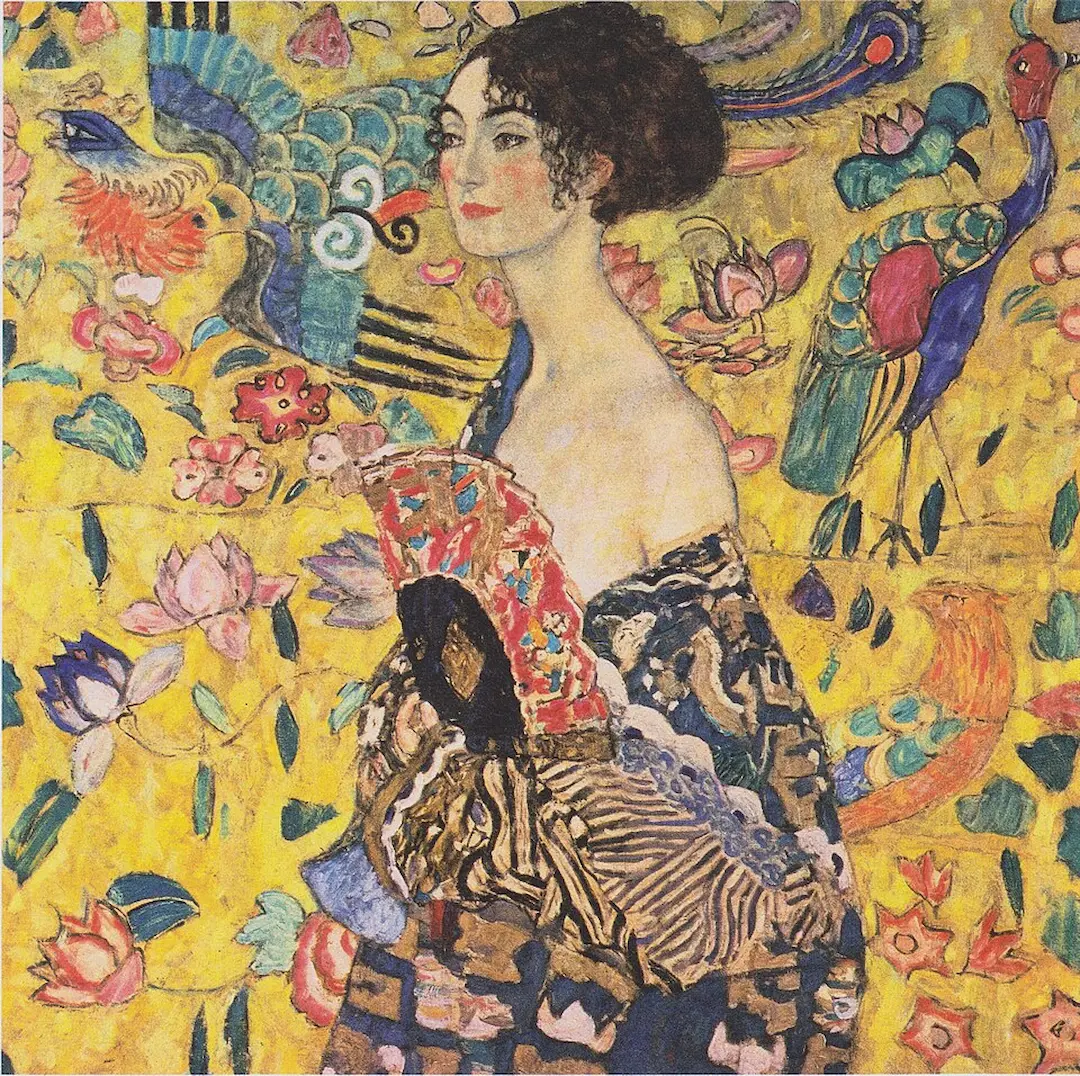
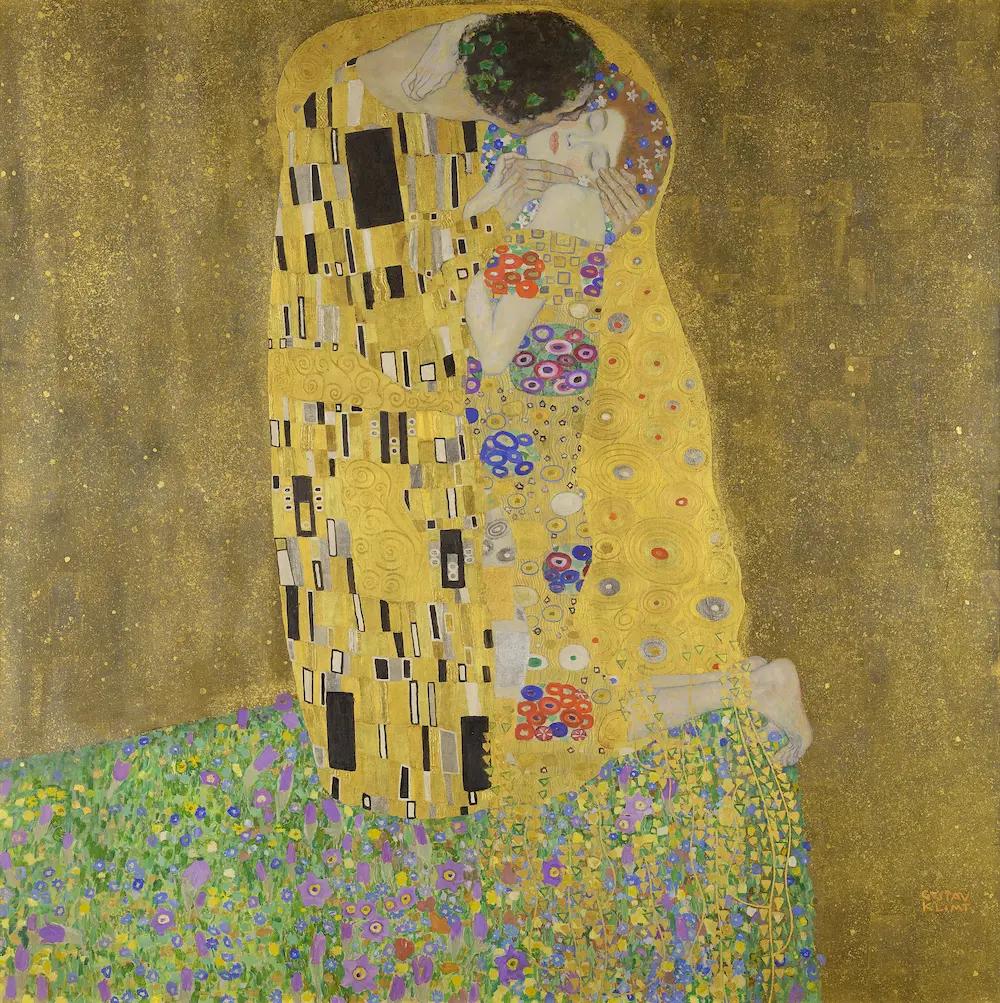
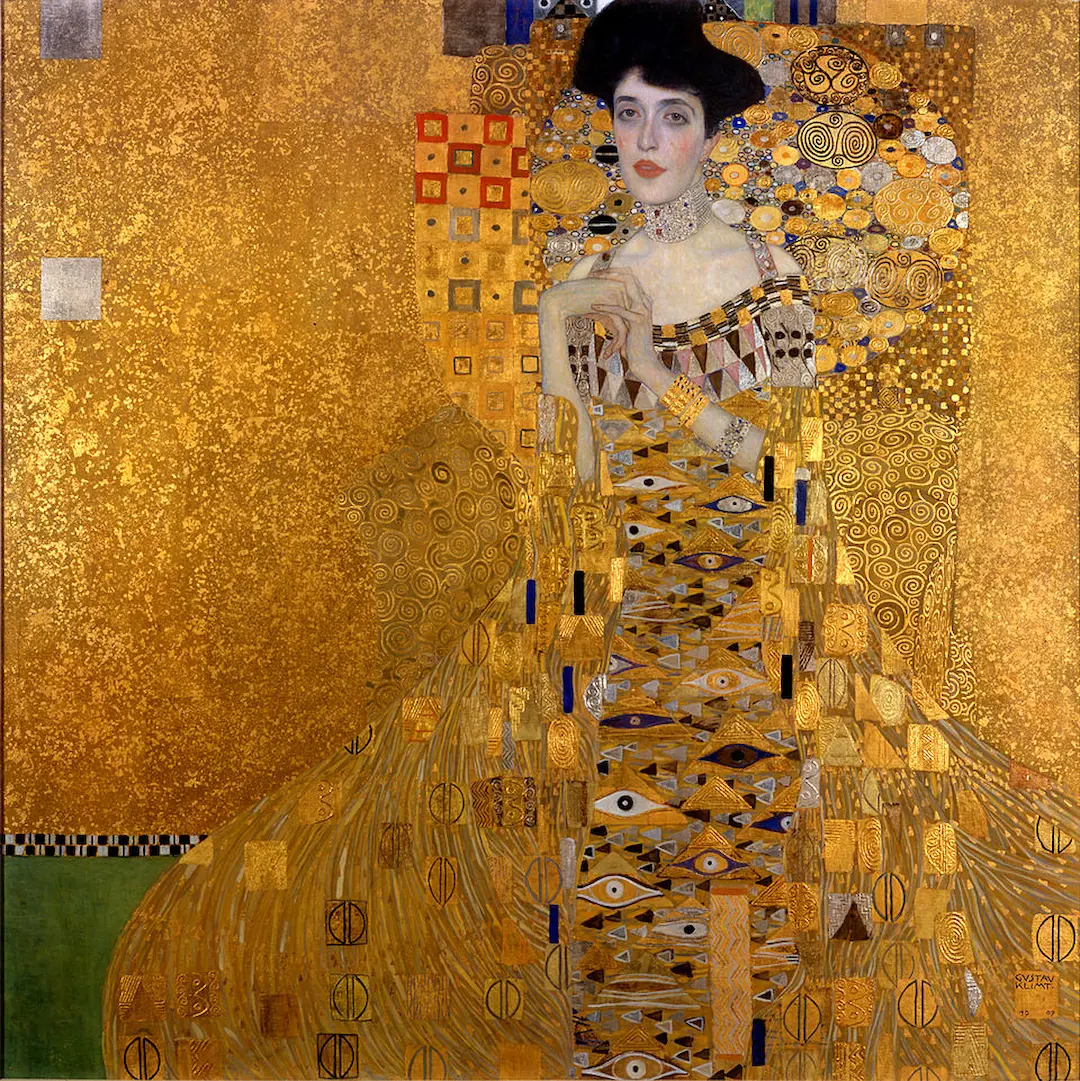
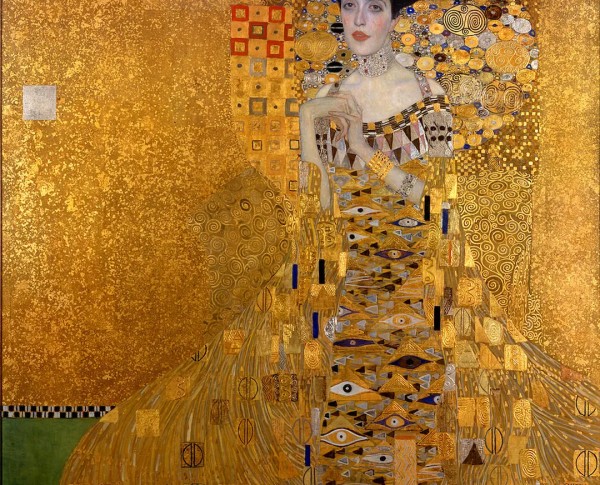
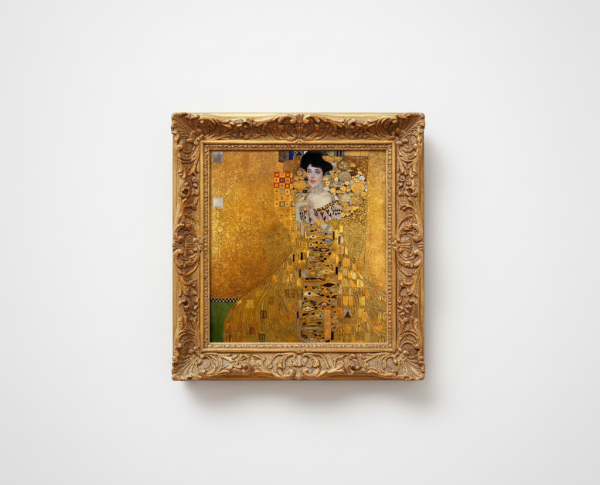
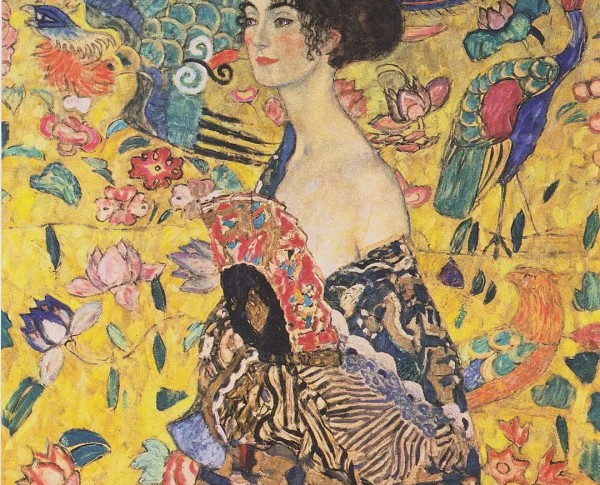
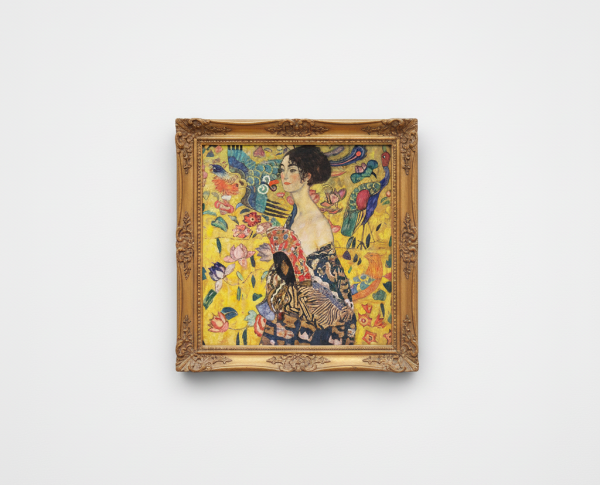
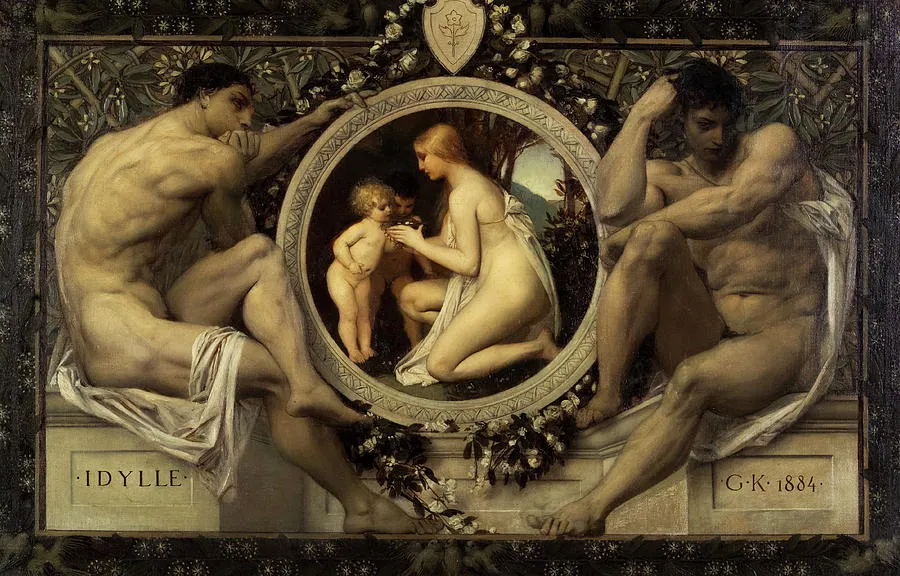
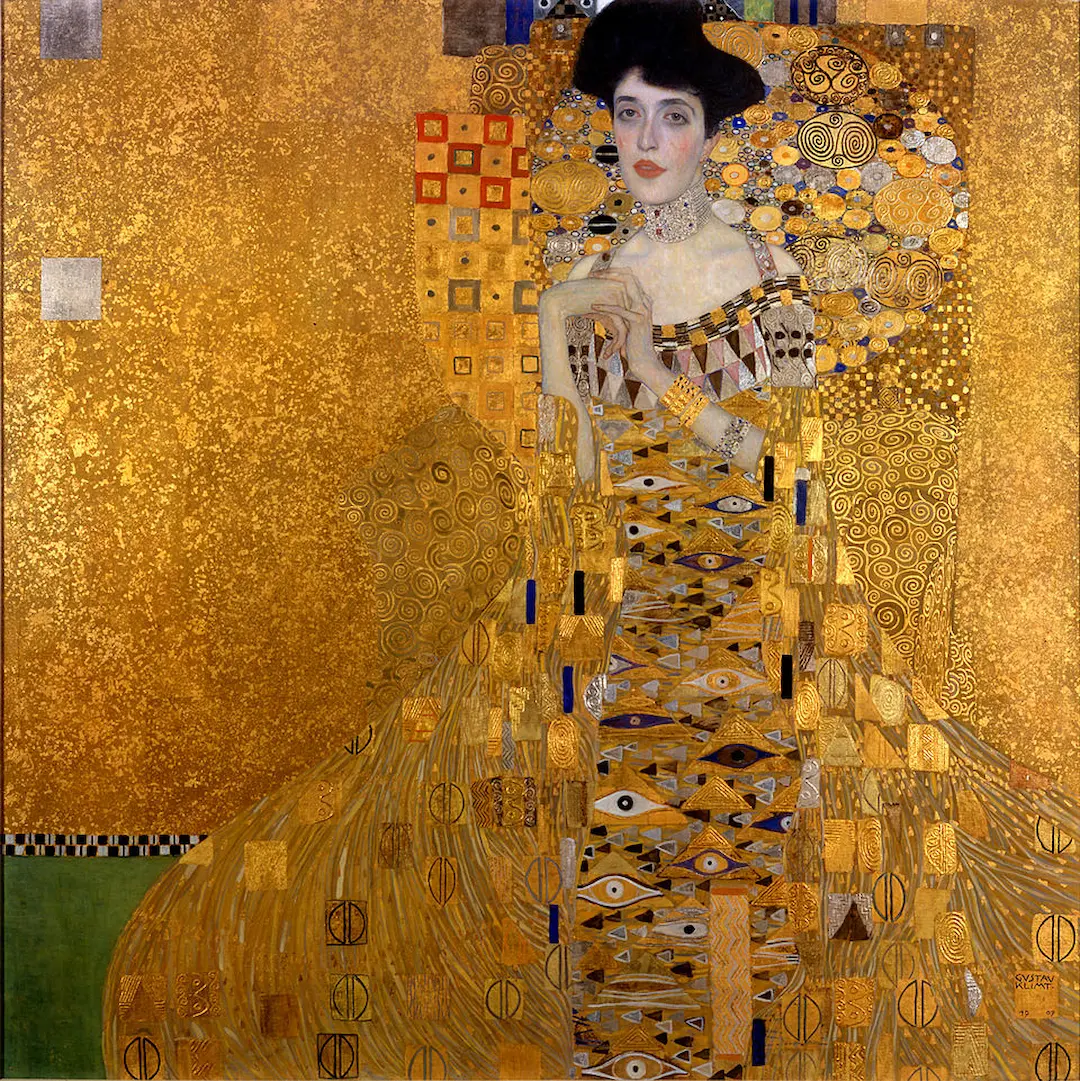
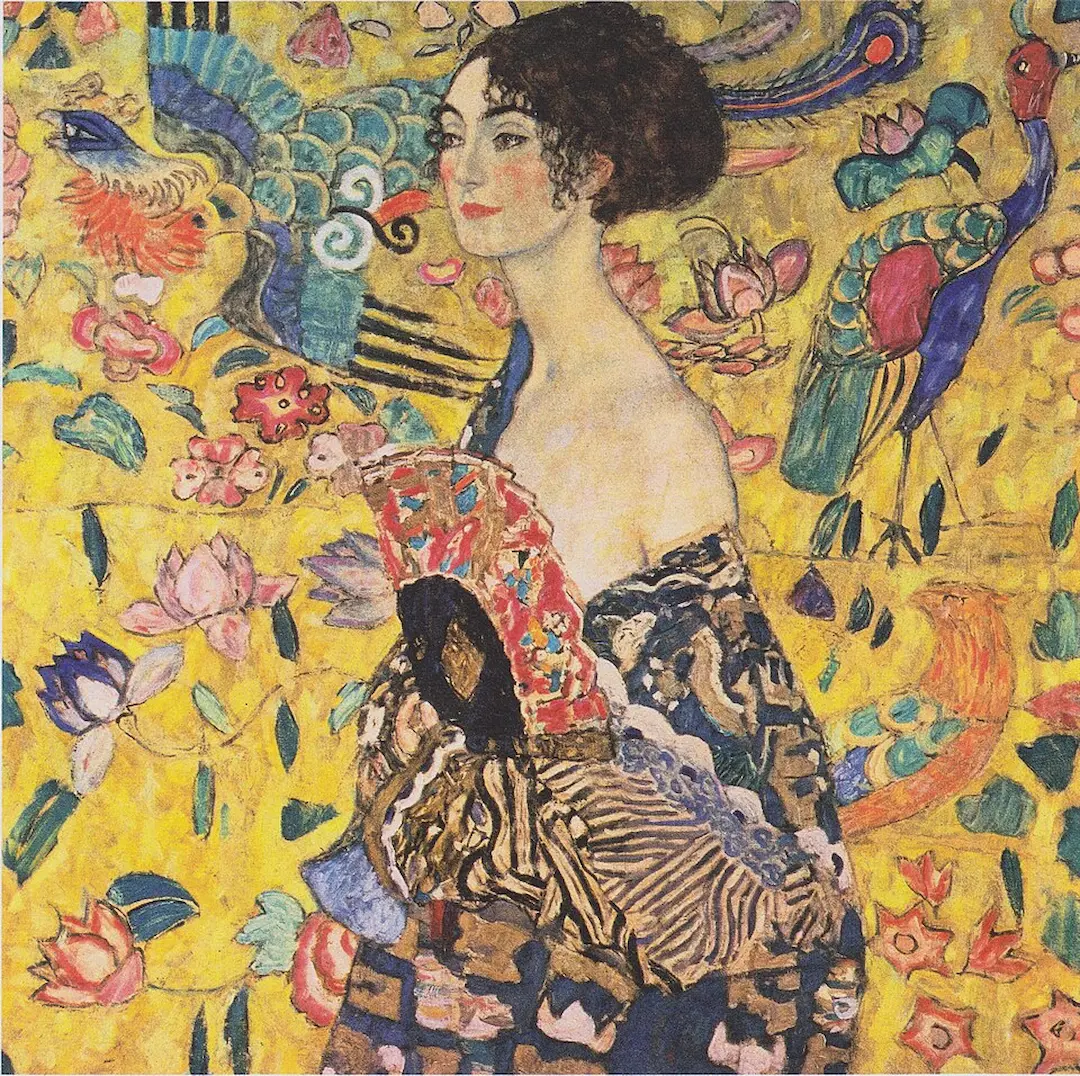
Gustav Klimt’s "Idylle" demonstrates exceptional skill in applying oil on canvas, a hallmark of his artistry during the Vienna Secession period. The delicate brushwork and harmonious color palette reveal Klimt’s ability to evoke mood and atmosphere, much like in "Portrait Of Adele Bloch Bauer I" and "Klara Klimt". Each stroke contributes to the painting’s enchanting effect, making it a true representation of the movement’s ideals and a desirable fine art painting for sale.
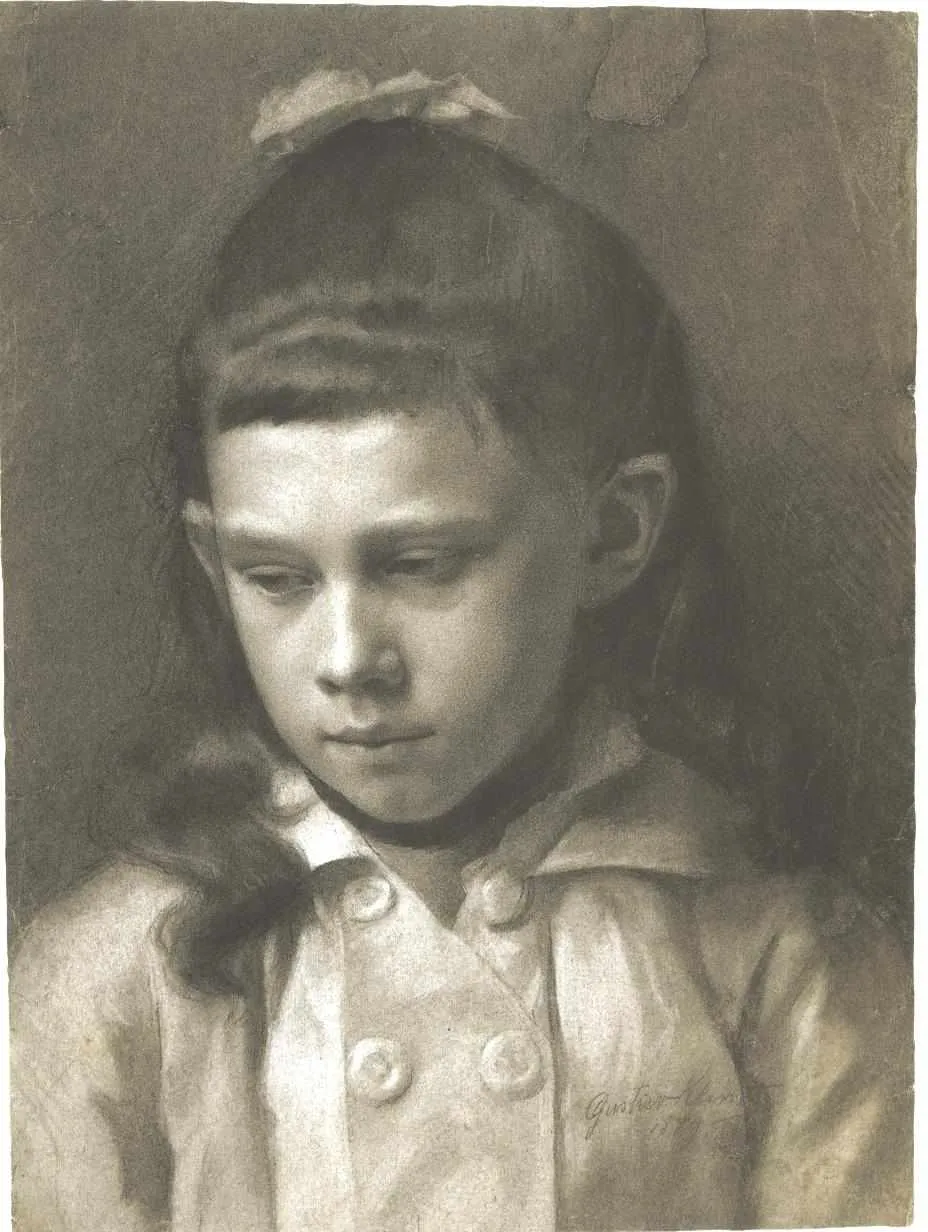
Within "Idylle," Gustav Klimt weaves subtle narratives and symbolism, a signature of the Vienna Secession style. The composition and subject matter echo themes found in related works like "Design for a theater curtain" and "Head Study of a Girl from Haná". This hand-painted oil painting invites viewers to interpret its serene atmosphere and hidden meanings, reflecting Klimt’s fascination with allegory and personal expression in his fine art painting for sale.
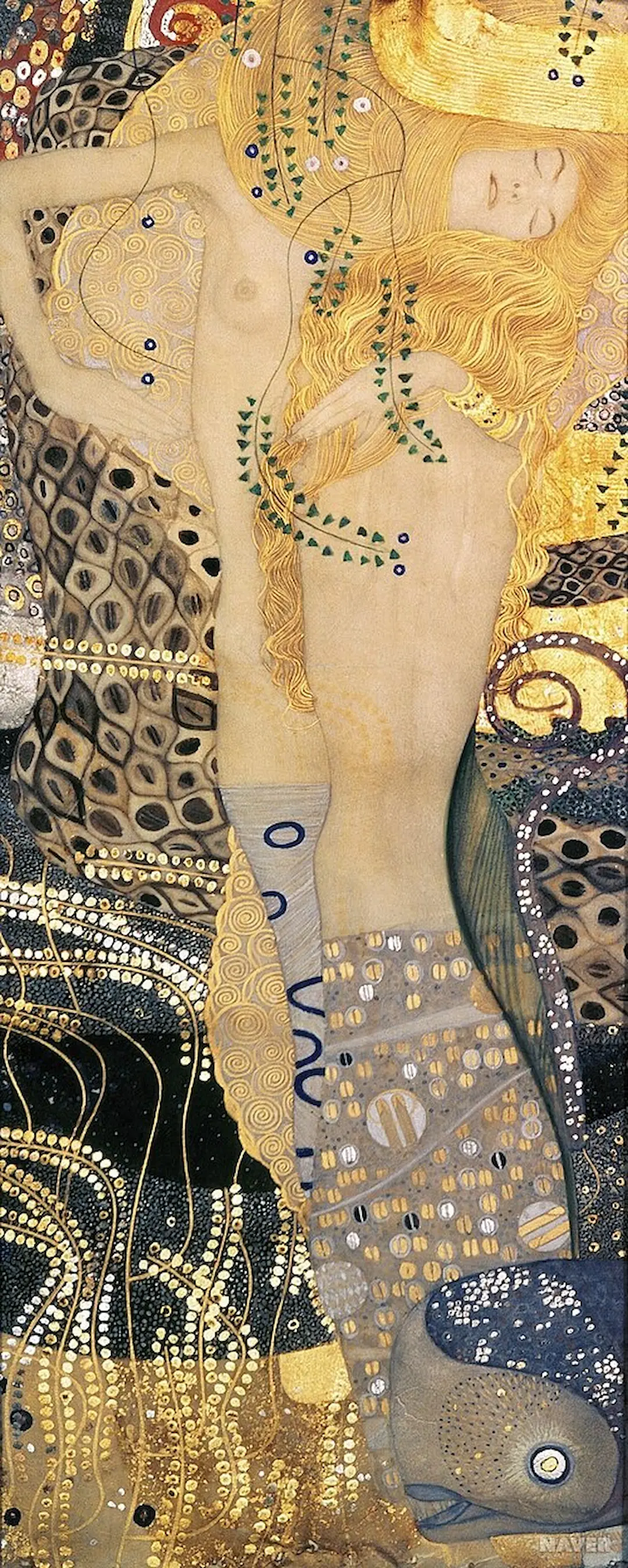
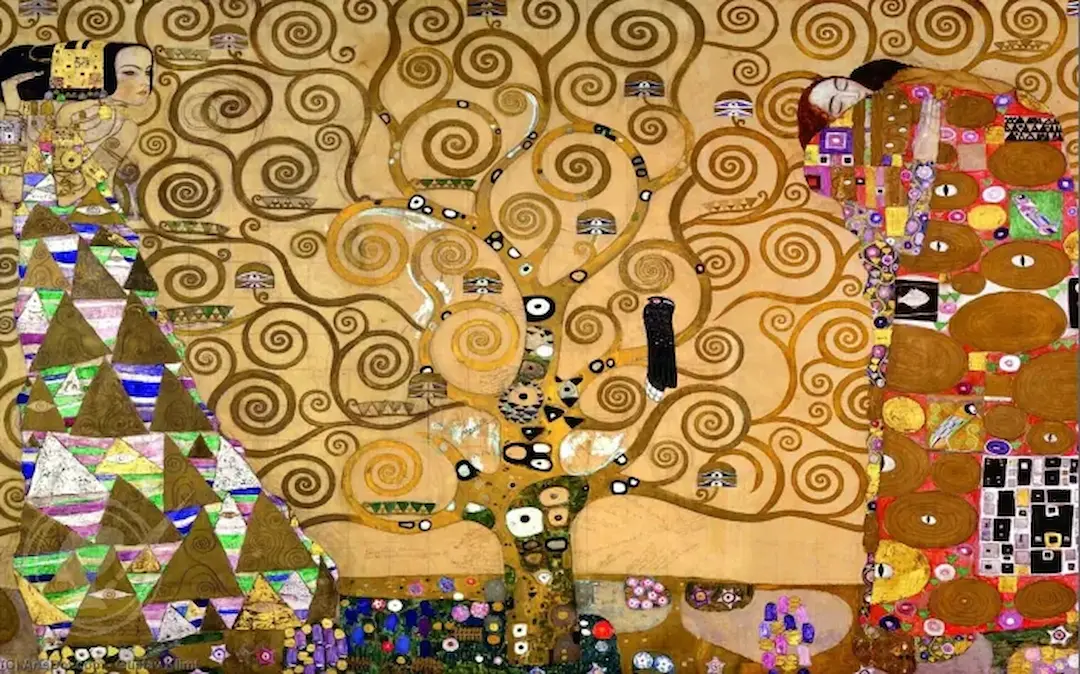
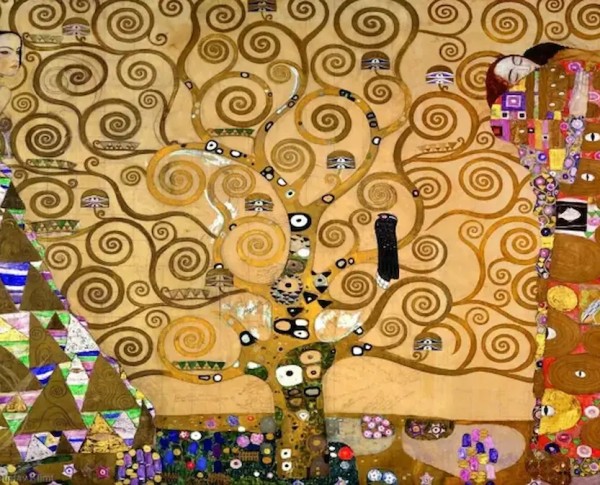
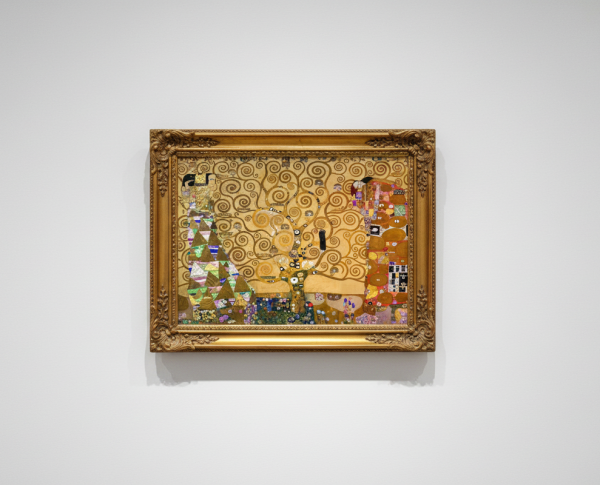
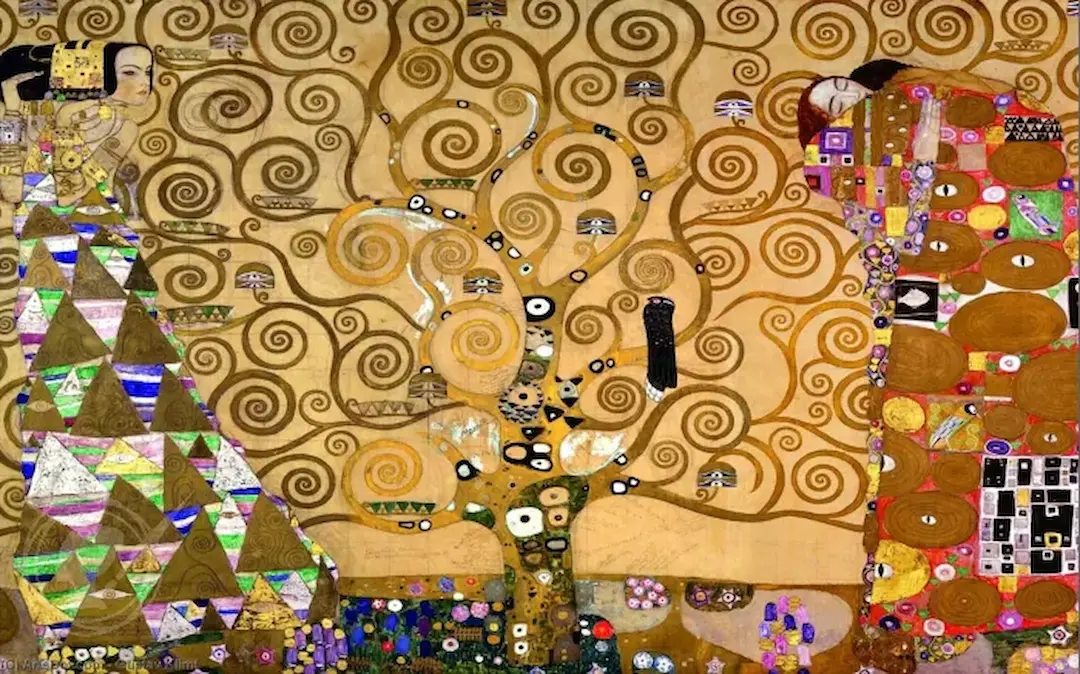
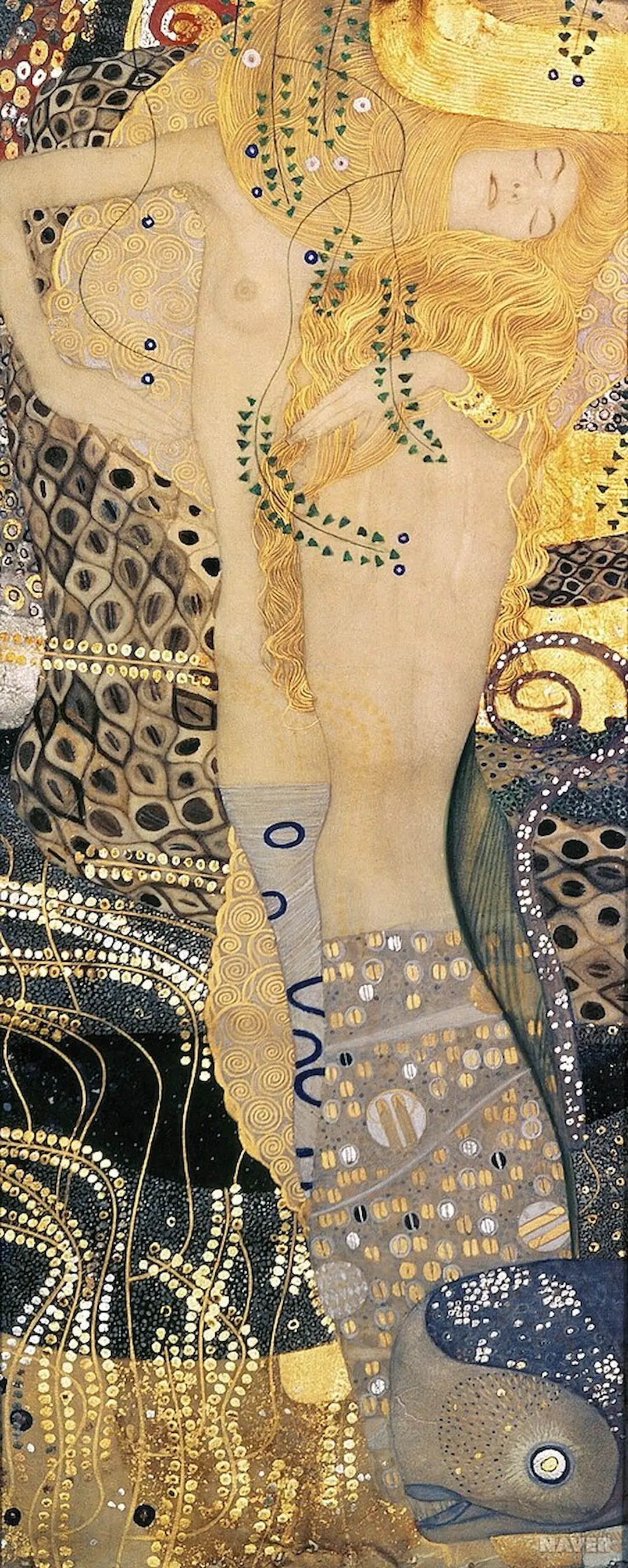
Owning "Idylle" by Gustav Klimt means possessing a significant piece of Vienna Secession history. This oil on canvas artwork stands alongside celebrated paintings such as "Water Serpents I" and "The Tree of Life". As a fine art painting for sale, "Idylle" appeals to collectors seeking both investment value and artistic prestige, offering a timeless connection to Klimt’s legacy and the enduring allure of early twentieth-century European art.
When Art Meets History
Gustav Klimt’s "Idylle" stands as a remarkable example of the Vienna Secession movement, symbolizing a shift in the art world at the turn of the 20th century. This hand-painted oil painting captures the essence of innovation and individuality that defined Klimt’s era. Alongside his other masterpieces, "Idylle" showcases the artist’s unique approach, blending tradition with modernity. The painting’s historical context enhances its allure, making it a significant milestone in the evolution of European art.
Techniques That Speak
The captivating beauty of "Idylle" lies in Klimt’s expert use of oil on canvas, employing delicate brushwork and intricate detailing. His signature style from the Vienna Secession movement is evident in the harmonious composition and subtle color palette. By mastering these techniques, Klimt invites viewers into a world of refined elegance and expressive artistry. This approach, also seen in his related paintings, continues to inspire contemporary artists and art lovers alike.
Emotions on Display
"Idylle" by Gustav Klimt radiates a tranquil yet evocative atmosphere, delicately balancing serenity and emotional depth. The fine art painting for sale evokes a sense of harmony, drawing viewers into a peaceful reverie. Klimt’s ability to convey complex emotions through simple gestures and soft hues places "Idylle" among the most beloved works of the Vienna Secession movement, alongside his other celebrated paintings. Its emotional resonance continues to captivate audiences worldwide.
Coveted by Collectors
Art collectors and enthusiasts seek out "Idylle" for its historical significance and exquisite craftsmanship as a hand-painted oil painting. Gustav Klimt’s legacy, firmly rooted in the Vienna Secession movement, ensures that works like "Idylle" remain highly desirable. The painting’s unique qualities, shared with Klimt’s related paintings, make it a prized addition to any collection. Owning such a masterpiece connects collectors to the rich artistic heritage of early modern Europe.
Frequently Asked Questions About Idylle
What is the historical context of Gustav Klimt's painting "Idylle"?
"Idylle" was created during the late 19th century, a time marked by the emergence of Symbolism and the Art Nouveau movement. Klimt's work reflects the cultural and artistic shifts of this period, particularly in Vienna, where he was a prominent figure.
What are the main themes depicted in "Idylle"?
The painting explores themes of love, nature, and the idealization of relationships. It captures a serene moment between two figures, symbolizing harmony and intimacy in a tranquil setting.
How does Klimt's style influence the interpretation of "Idylle"?
Klimt's distinctive style, characterized by decorative patterns and vibrant colors, enhances the emotional depth of "Idylle." The use of gold leaf and intricate details invites viewers to engage with the painting on both a visual and emotional level.
What symbolism can be found in "Idylle"?
The figures in "Idylle" are often interpreted as representations of love and unity. The natural elements surrounding them symbolize growth and fertility, reinforcing the connection between humanity and nature.
In what ways does "Idylle" reflect Klimt's artistic evolution?
"Idylle" showcases Klimt's transition from traditional academic painting to a more personal and symbolic approach. This work exemplifies his exploration of emotional expression and the integration of decorative elements.
What influences did Klimt draw from when creating "Idylle"?
Klimt was influenced by various sources, including Byzantine art, Japanese prints, and the Symbolist movement. These influences are evident in the composition, use of pattern, and thematic depth of "Idylle."
How does "Idylle" compare to Klimt's other works?
What techniques did Klimt use in "Idylle" to create depth and texture?
Klimt employed a combination of oil paint and gold leaf, layering these materials to create a rich texture. His meticulous brushwork and attention to detail contribute to the painting's overall depth and visual interest.
What impact did "Idylle" have on the art world during Klimt's time?
"Idylle" contributed to Klimt's reputation as a leading figure in the Vienna Secession movement. Its innovative approach to composition and subject matter challenged traditional artistic norms and influenced future generations of artists.
How is "Idylle" perceived in contemporary art discussions?
Today, "Idylle" is celebrated for its exploration of intimacy and the human experience. It is often discussed in the context of gender studies and the representation of women in art, reflecting ongoing conversations about identity and expression.























_GFM_Painting_(1).webp)


 100% Hand-Painted: Finished in 3-6 Weeks

.png)















_(1).webp)