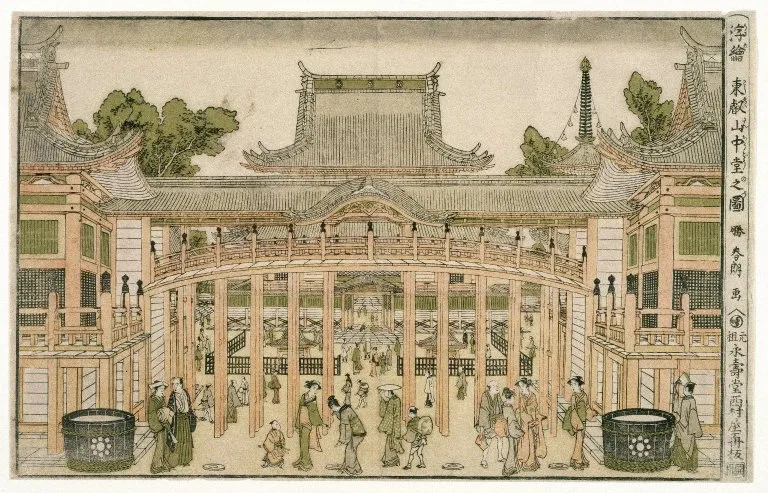
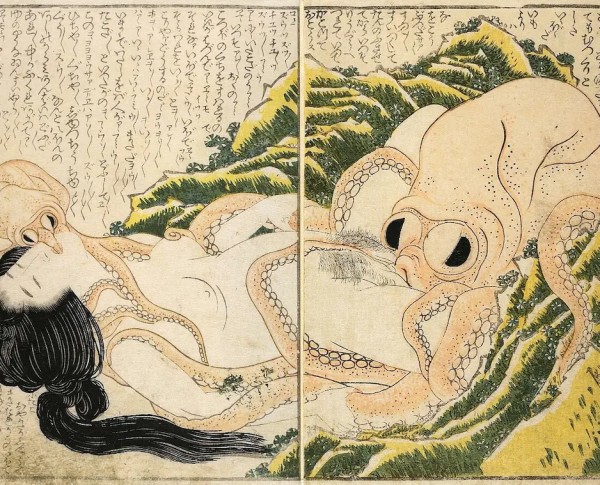
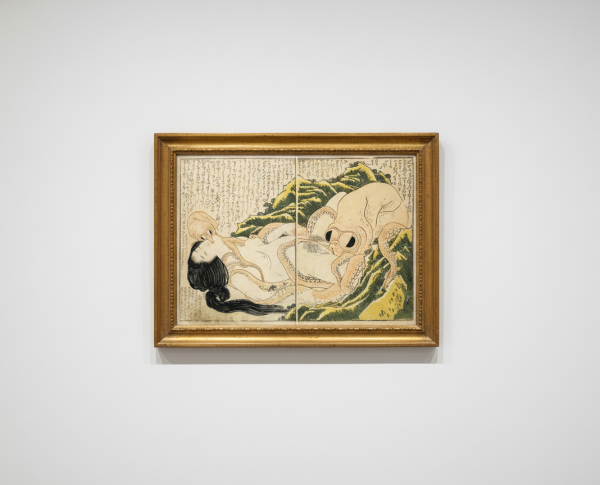
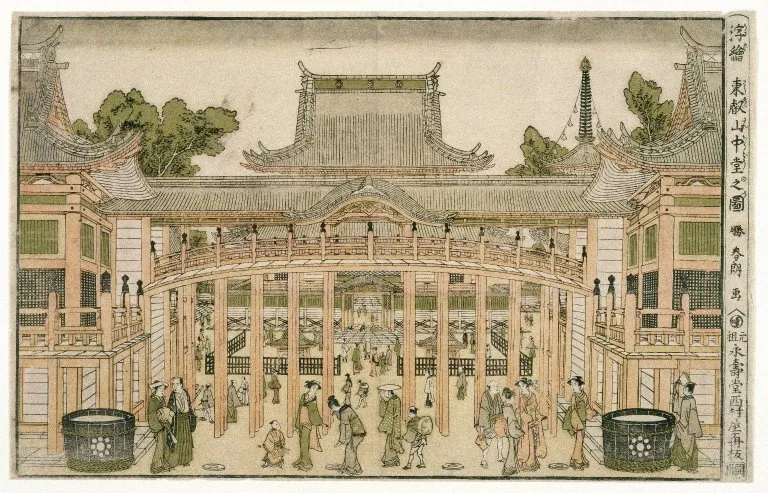
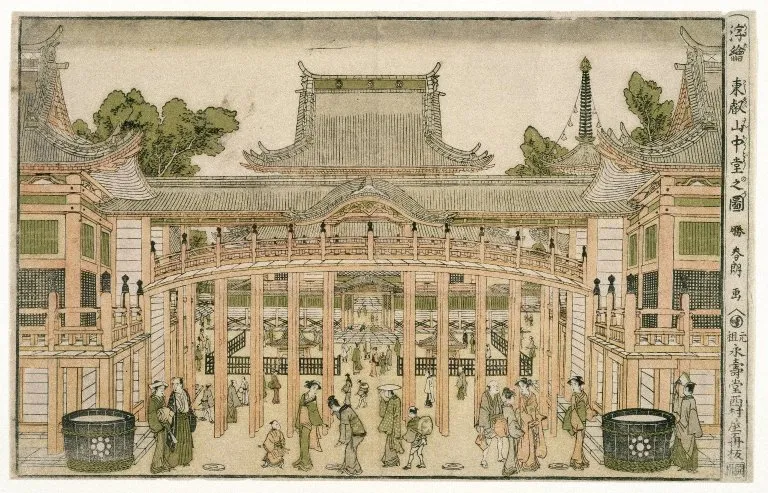
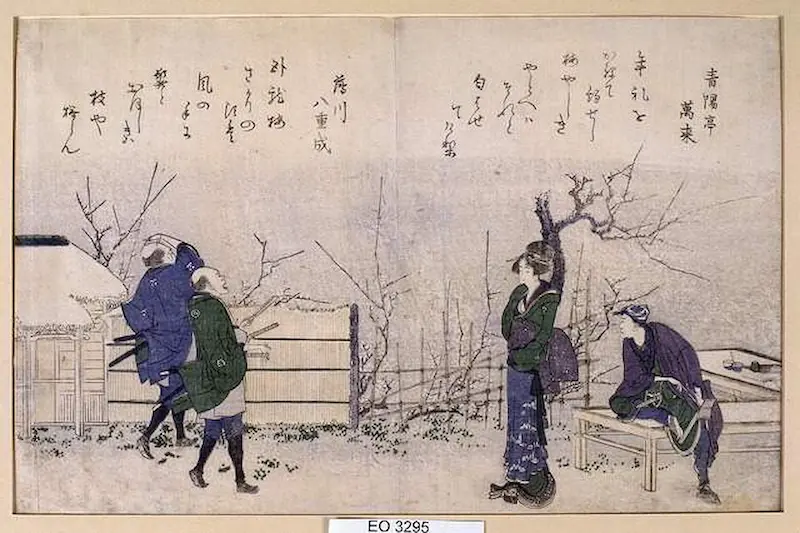
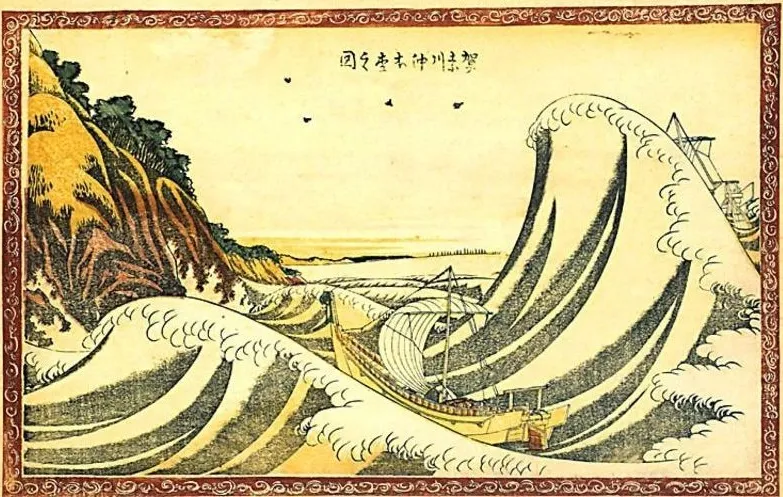
"Inside the Courtyard of the Toeizan Temple at Ueno" is a remarkable creation by Katsushika Hokusai, a renowned figure in the Ukiyo-e movement. This hand-painted oil painting captures the tranquil atmosphere and cultural vibrancy of Edo-period Japan. Hokusai’s legacy is celebrated not only through this masterpiece but also through related products like "Dream of the Fisherman’s Wife," which highlight his versatility and contribution to fine art. Collectors and enthusiasts cherish such timeless works.
Katsushika Hokusai’s "Inside the Courtyard of the Toeizan Temple at Ueno" exemplifies the artist’s exceptional skill with oil on canvas. Each brushstroke reveals Hokusai’s attention to detail and mastery of composition, hallmarks of the Ukiyo-e movement. The play of light and shadow in this painting draws viewers into the serene temple setting. Art admirers often seek similar works, including "Dream of the Fisherman’s Wife," to enrich their collections with true Japanese artistry.
More than a simple depiction, "Inside the Courtyard of the Toeizan Temple at Ueno" weaves stories and symbols from Japanese tradition. Katsushika Hokusai infuses the scene with elements that reflect spiritual harmony and everyday life, making it a sought-after fine art painting for sale. The Ukiyo-e movement, known for its narrative depth, is further exemplified in Hokusai’s related products like "Dream of the Fisherman’s Wife," inviting collectors to explore a world of meaning and beauty.
Owning "Inside the Courtyard of the Toeizan Temple at Ueno" by Katsushika Hokusai is a unique privilege for any art lover. This hand-painted oil painting stands as a testament to the enduring appeal of the Ukiyo-e movement. Collectors often pair it with related products such as "Dream of the Fisherman’s Wife" to create a comprehensive display of Hokusai’s genius. Each piece offers a glimpse into Japanese history and artistic innovation, making them prized acquisitions.
When Art Meets History
"Inside the Courtyard of the Toeizan Temple at Ueno" by Katsushika Hokusai stands as a striking testament to the Ukiyo-e movement. This hand-painted oil painting captures the vibrant atmosphere of Edo-period Japan, transporting viewers to a historical moment within a sacred temple courtyard. Hokusai, renowned for his iconic works like "The Great Wave off Kanagawa," masterfully documents daily life, making this piece a must-see for those interested in the intersection of fine art and Japanese culture.
Techniques That Speak
Katsushika Hokusai’s "Inside the Courtyard of the Toeizan Temple at Ueno" demonstrates meticulous attention to detail and a sophisticated use of color. Utilizing oil on canvas, Hokusai brings depth and texture to the lively temple scene, setting it apart from traditional woodblock prints of the Ukiyo-e movement. The artist’s brushwork and composition serve as a perfect example of how traditional themes can be reinterpreted through innovative techniques in fine art painting for sale.
Emotions on Display
The painting evokes a profound sense of tranquility and reverence, immersing viewers in the spiritual ambiance of the Toeizan Temple. Hokusai's masterful use of light and shadow in this oil on canvas work invites reflection on the significance of communal spaces in Japanese culture. Through this fine art painting for sale, Hokusai shares not only the beauty of the temple but also the collective emotions experienced within its historic walls.
Coveted by Collectors
"Inside the Courtyard of the Toeizan Temple at Ueno" is highly sought after by art enthusiasts and collectors alike. As a hand-painted oil painting by Katsushika Hokusai, it represents a unique blend of traditional Ukiyo-e themes and Western artistic techniques. Collectors prize this piece for its historical value and exceptional artistry, making it a standout among fine art painting for sale in the global art market.
Frequently Asked Questions About Inside the Courtyard of the Toeizan Temple at Ueno
What is the historical significance of the Toeizan Temple at Ueno?
The Toeizan Temple, also known as the Kan'ei-ji Temple, is an important Buddhist temple in Ueno, Tokyo, founded in 1625. It served as a significant religious site during the Edo period and is known for its beautiful architecture and gardens, reflecting the cultural and spiritual life of the time.
What artistic techniques did Katsushika Hokusai employ in this painting?
Katsushika Hokusai utilized traditional Japanese ukiyo-e techniques, characterized by vibrant colors, intricate line work, and a focus on nature and everyday life. His mastery of perspective and composition brings depth to the scene, inviting viewers into the serene courtyard.
What themes are explored in "Inside the Courtyard of the Toeizan Temple at Ueno"?
This painting explores themes of tranquility, spirituality, and the harmony between nature and architecture. It captures the peaceful atmosphere of the temple, emphasizing the connection between the physical and spiritual realms in Japanese culture.
How does this painting reflect the Edo period's cultural values?
The painting reflects the Edo period's appreciation for nature, spirituality, and the arts. It showcases the period's aesthetic ideals, where landscapes and religious sites were celebrated as integral parts of daily life, embodying a sense of peace and contemplation.
What symbols are present in the painting, and what do they represent?
Key symbols in the painting include the temple structure, which represents spiritual refuge, and the surrounding nature, symbolizing harmony and tranquility. The presence of people in the courtyard signifies community and the shared experience of spirituality.
What influence did Hokusai have on later artists?
Katsushika Hokusai greatly influenced both Japanese and Western artists through his innovative approaches to composition and color. His work inspired the Impressionists and Post-Impressionists, who admired his ability to capture light and movement in a way that transcended traditional boundaries.
In what ways does this painting exemplify Hokusai's style?
This painting exemplifies Hokusai's style through its dynamic composition, attention to detail, and vibrant color palette. His ability to convey emotion and atmosphere through landscape and architecture is evident, showcasing his unique vision and artistic prowess.
What role did nature play in Hokusai's artwork?
Nature played a central role in Hokusai's artwork, serving as both a subject and a backdrop for human activity. He often depicted natural elements to evoke emotions and convey deeper philosophical meanings, reflecting the interconnectedness of life and the environment.
How does this painting contribute to our understanding of Japanese art history?
This painting contributes to our understanding of Japanese art history by showcasing the evolution of ukiyo-e and its cultural significance during the Edo period. It highlights the blending of traditional themes with innovative artistic techniques, marking a pivotal moment in Japan's artistic development.
What emotions does Hokusai evoke through this painting?
Hokusai evokes feelings of serenity, contemplation, and reverence through the tranquil setting of the temple courtyard. The harmonious composition and gentle colors invite viewers to reflect on their own spiritual journeys and the beauty of the natural world.























_GFM_Painting_(1).webp)


 100% Hand-Painted: Finished in 3-6 Weeks

.png)















_(1).webp)