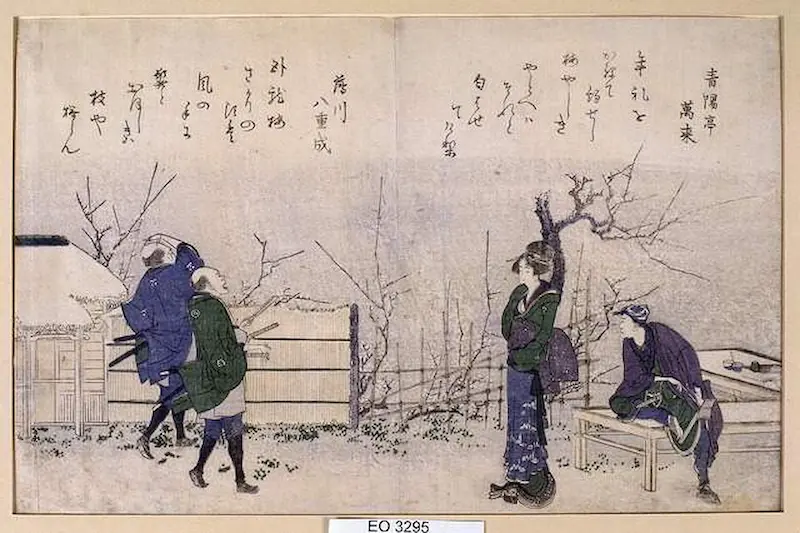
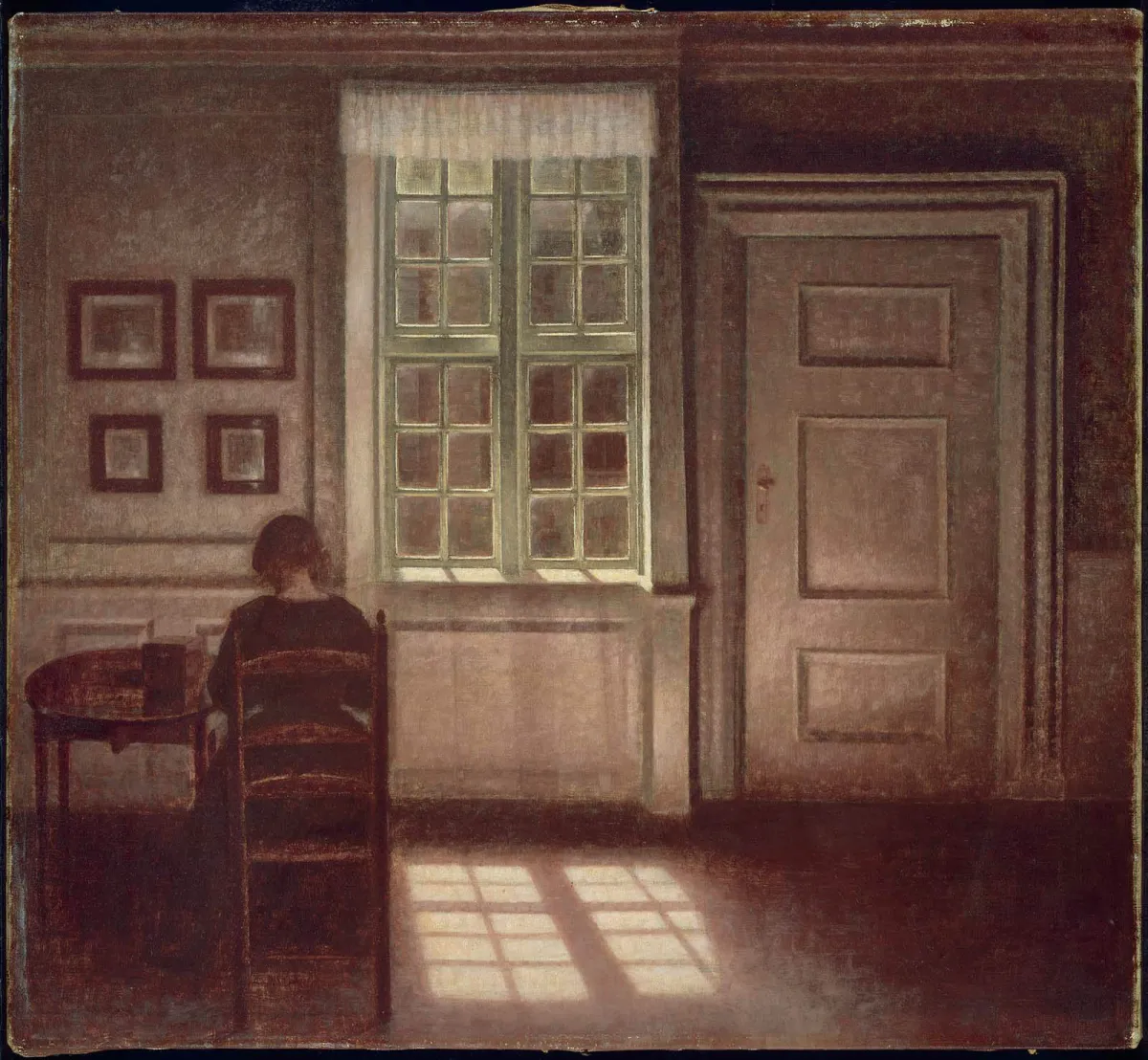
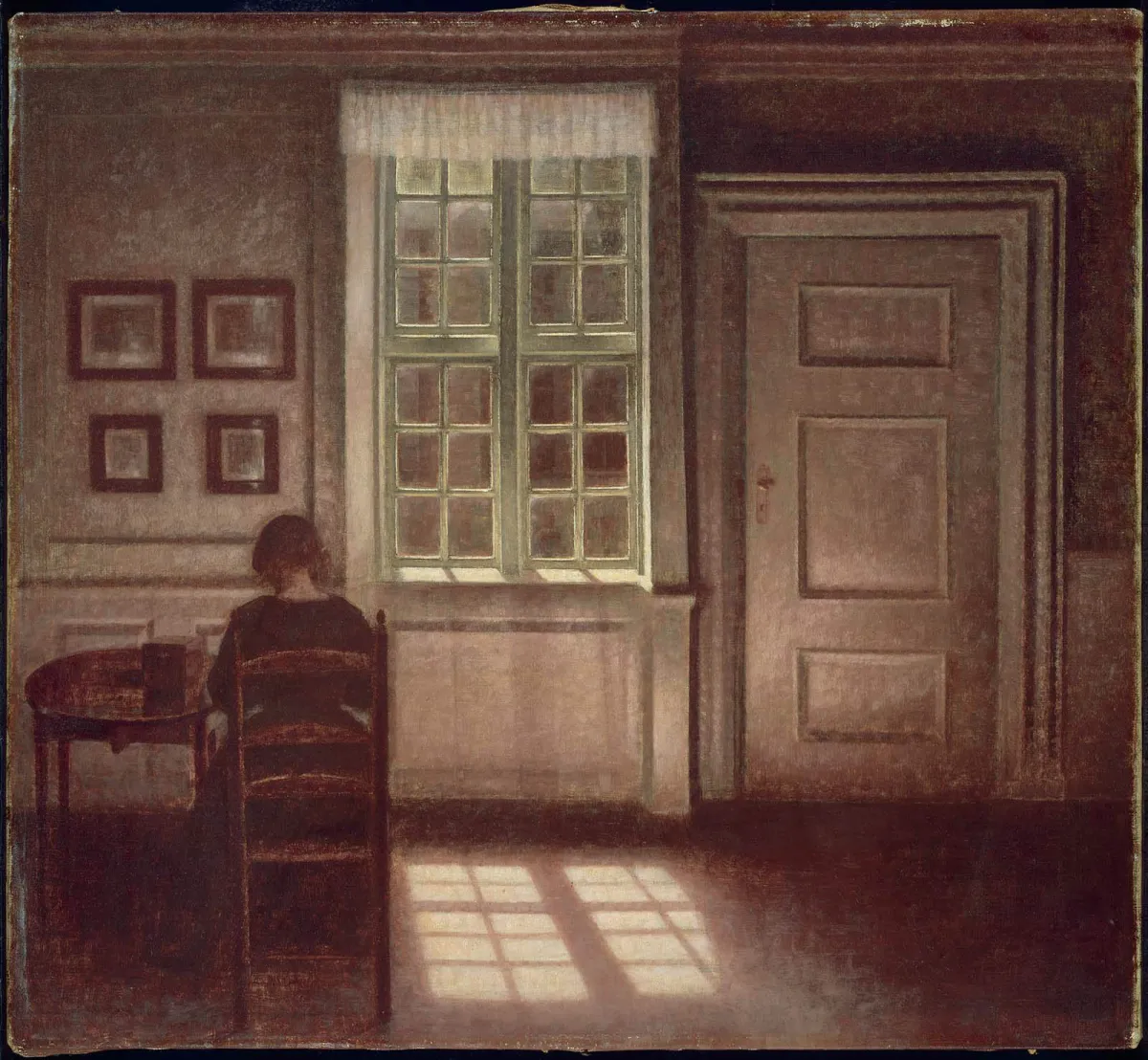
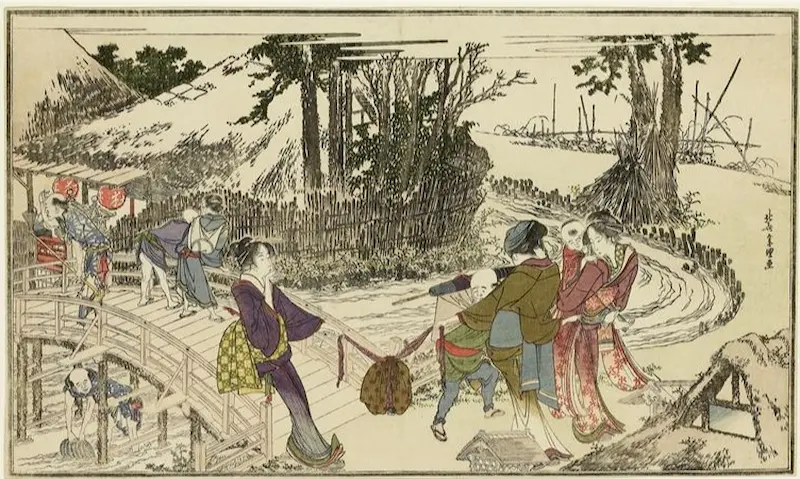
Each brushstroke in Hokusai’s "Woman in an Interior" demonstrates the refined technique associated with oil on canvas works of the Ukiyo-e era. The artist’s attention to delicate detail and harmonious composition brings the domestic scene to life, offering a window into historical Japan. Collectors interested in Hokusai’s oeuvre may also appreciate related pieces like "Women walking in a garden," which showcase similar artistic brilliance and timeless appeal.
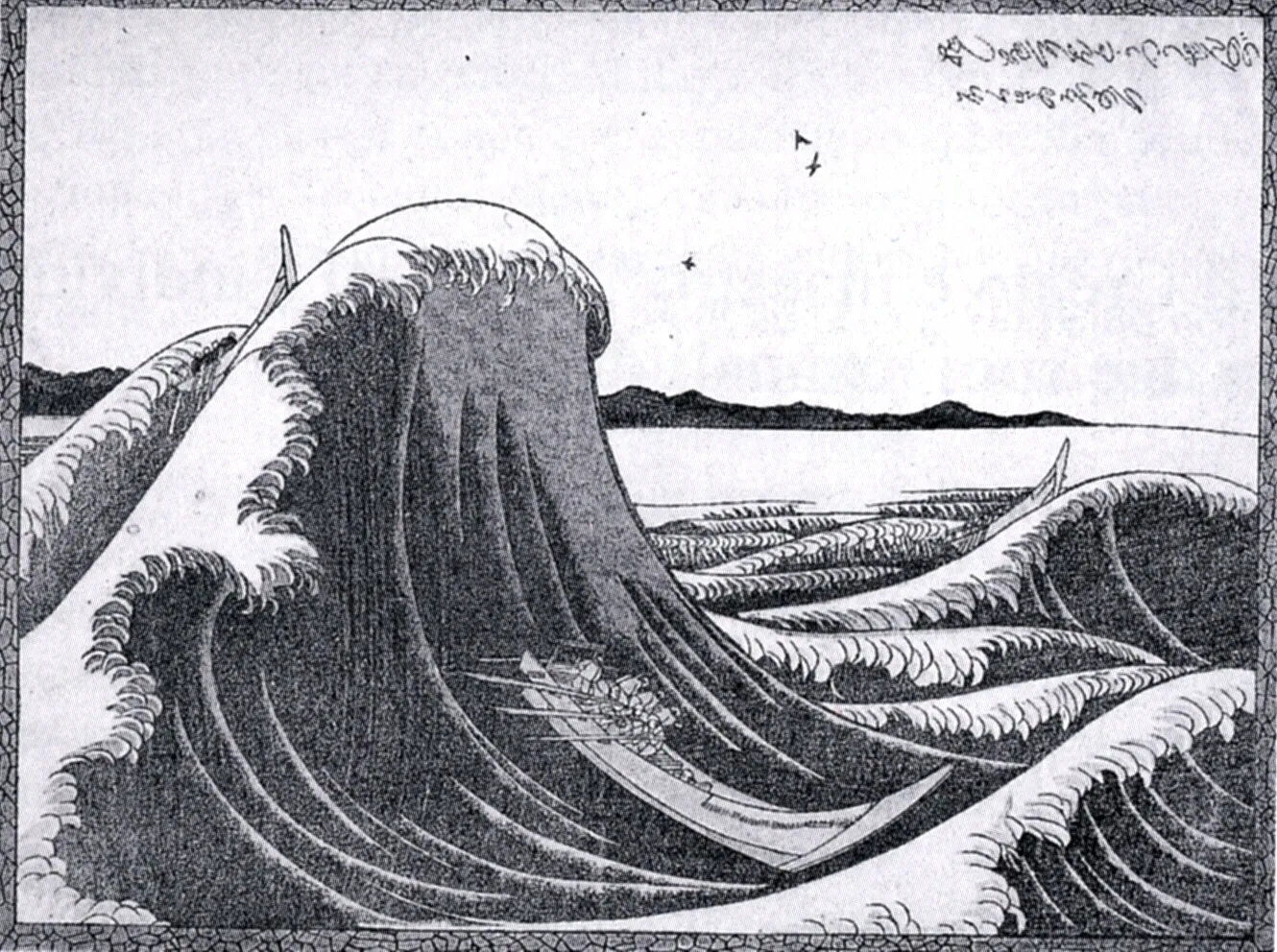
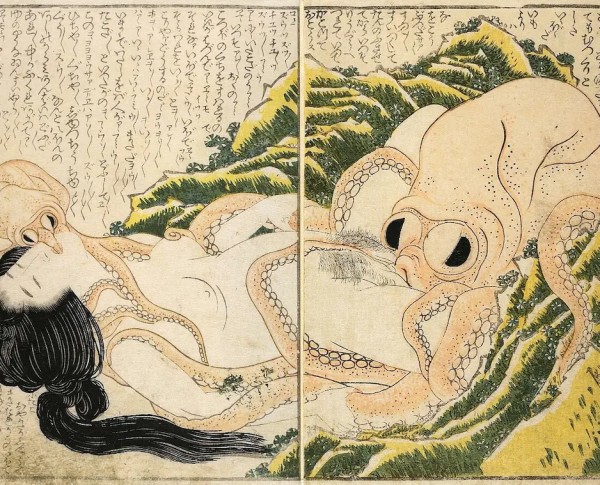
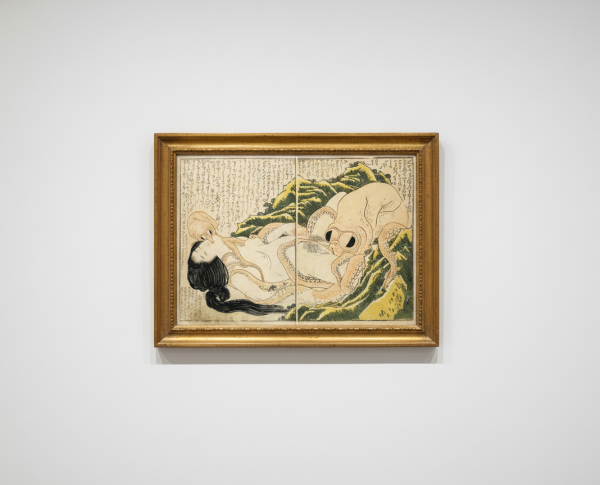
The narrative within "Woman in an Interior" invites viewers to explore themes of femininity, tradition, and daily life. This fine art painting for sale is rich in symbolism, echoing the storytelling found in other Ukiyo-e works by Katsushika Hokusai. Art lovers drawn to narrative depth may also find interest in related products like "Dream of the Fisherman’s Wife," each piece offering its own unique glimpse into Japanese culture and artistry.
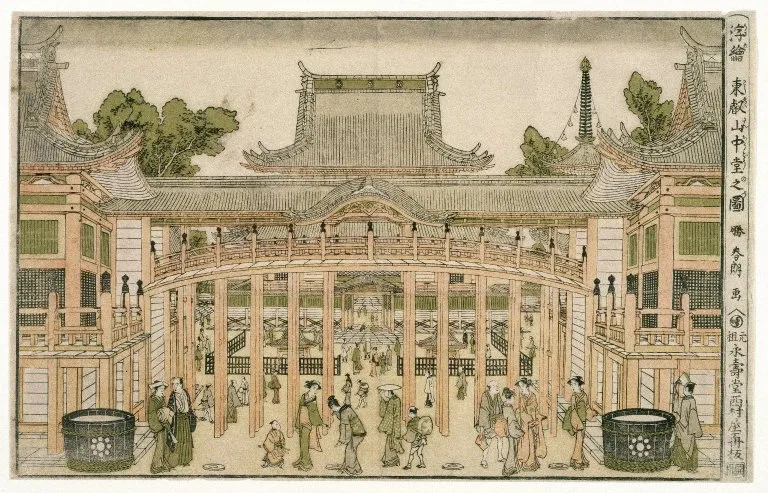
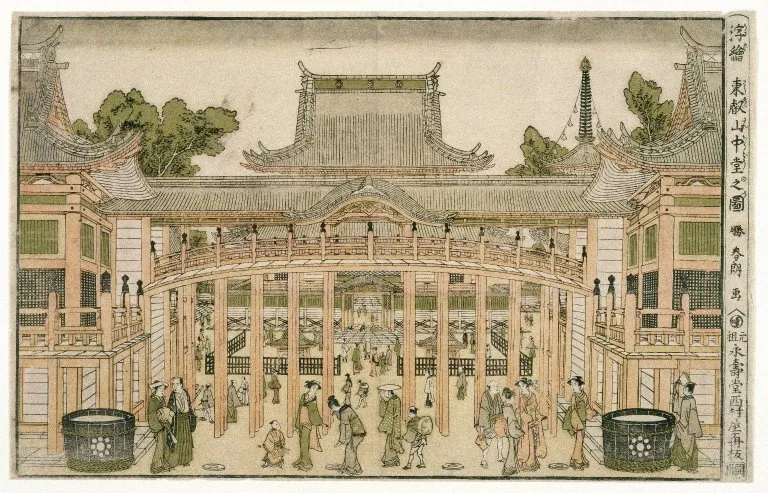
Owning "Woman in an Interior" by Katsushika Hokusai means acquiring a distinguished piece from the Ukiyo-e movement, perfect for those seeking a hand-painted oil painting with historical significance. This artwork, along with related treasures such as "Inside the Courtyard of the Toeizan Temple at Ueno," stands as a testament to refined craftsmanship and cultural heritage, making it an invaluable addition to any collection of fine art painting for sale.
When Art Meets History
"Woman in an Interior" by Katsushika Hokusai stands as a testament to the rich legacy of the Ukiyo-e movement. Created during a time of vibrant cultural transformation in Japan, this hand-painted oil painting captures the essence of daily life through Hokusai's masterful vision. The artwork, alongside other notable pieces by the artist, offers a unique glimpse into historical interiors, blending tradition with artistic innovation and highlighting the enduring popularity of Ukiyo-e in the world of fine art.
Techniques That Speak
Katsushika Hokusai's "Woman in an Interior" showcases his exceptional skill in manipulating oil on canvas, a medium less common in traditional Ukiyo-e works. Hokusai’s brushwork creates delicate textures and subtle color transitions, enhancing the intimate atmosphere of the scene. This painting exemplifies the artist’s innovative approach, merging Eastern and Western techniques, and stands as a remarkable example of how oil on canvas can elevate the expressive power of the Ukiyo-e movement.
Emotions on Display
In "Woman in an Interior," Hokusai masterfully conveys a sense of tranquility and introspection, inviting viewers to connect emotionally with the subject. The gentle play of light and shadow in this fine art painting for sale enhances the serene mood, reflecting the artist’s deep understanding of human emotion. Through careful composition and attention to detail, Hokusai’s work resonates with audiences, offering a timeless portrayal of everyday life within the Ukiyo-e tradition.
Coveted by Collectors
"Woman in an Interior" by Katsushika Hokusai is highly sought after by art enthusiasts and collectors worldwide. Its significance within the Ukiyo-e movement, combined with its status as a hand-painted oil painting, makes it a prized addition to any collection. As interest in Japanese art continues to grow, works like this remain in high demand, representing both cultural heritage and artistic excellence in the realm of fine art painting for sale.
Frequently Asked Questions About Woman in an Interior
What is the historical context of "Woman in an Interior"?
"Woman in an Interior" was created during the Edo period in Japan, a time characterized by economic growth, cultural flourishing, and the rise of the merchant class. This period allowed for the development of distinct artistic styles, including ukiyo-e, which Hokusai is renowned for.
Who is Katsushika Hokusai and what is his significance in art history?
Katsushika Hokusai was a prominent Japanese ukiyo-e painter and printmaker, active during the late 18th and early 19th centuries. He is best known for his landscapes and depictions of everyday life, and his work has had a profound influence on Western art, particularly Impressionism.
What artistic techniques did Hokusai employ in "Woman in an Interior"?
Hokusai utilized woodblock printing techniques, characterized by vibrant colors and intricate details. The composition often features a flat perspective and bold outlines, which are hallmarks of ukiyo-e art, allowing for a striking visual impact.
What themes are explored in "Woman in an Interior"?
The painting explores themes of domesticity, femininity, and the intimate moments of daily life. It reflects the role of women in Edo society, often portraying them in serene and contemplative settings.
What symbols are present in "Woman in an Interior" and what do they represent?
Common symbols in Hokusai's works include flowers, textiles, and household items, which often represent beauty, transience, and the harmony of nature with everyday life. In "Woman in an Interior," these elements contribute to the overall narrative of domestic tranquility.
How does "Woman in an Interior" reflect the aesthetics of the Edo period?
The aesthetics of the Edo period emphasized simplicity, elegance, and the beauty of everyday life. "Woman in an Interior" embodies these principles through its focus on a solitary figure in a serene environment, showcasing the appreciation for subtle beauty in domestic settings.
In what ways did Hokusai influence later artistic movements?
Hokusai's innovative use of color, composition, and perspective significantly influenced Western art movements such as Impressionism and Post-Impressionism. Artists like Vincent van Gogh and Claude Monet drew inspiration from his works, incorporating elements of Japanese aesthetics into their own practices.
What role does color play in "Woman in an Interior"?
Color in "Woman in an Interior" serves to evoke mood and emotion, highlighting the tranquility and introspection of the scene. Hokusai's use of contrasting colors helps to create depth and draw the viewer's eye to the central figure.
How does the composition of "Woman in an Interior" enhance its narrative?
The composition of the painting, with its careful arrangement of space and figures, guides the viewer's gaze and emphasizes the solitude of the woman. This thoughtful layout enhances the narrative of introspection and the beauty of everyday life.
What is the significance of the title "Woman in an Interior"?
The title "Woman in an Interior" highlights the focus on the female figure within a domestic space, emphasizing themes of femininity and the private sphere. It invites viewers to reflect on the role of women in society and the intimate moments that define their experiences.























_GFM_Painting_(1).webp)


 100% Hand-Painted: Finished in 3-6 Weeks

.png)















_(1).webp)