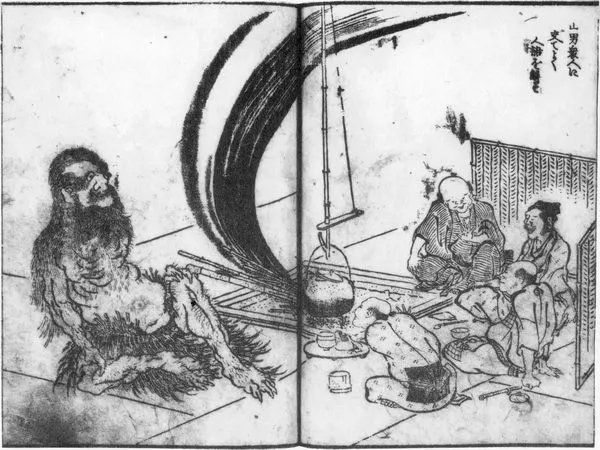
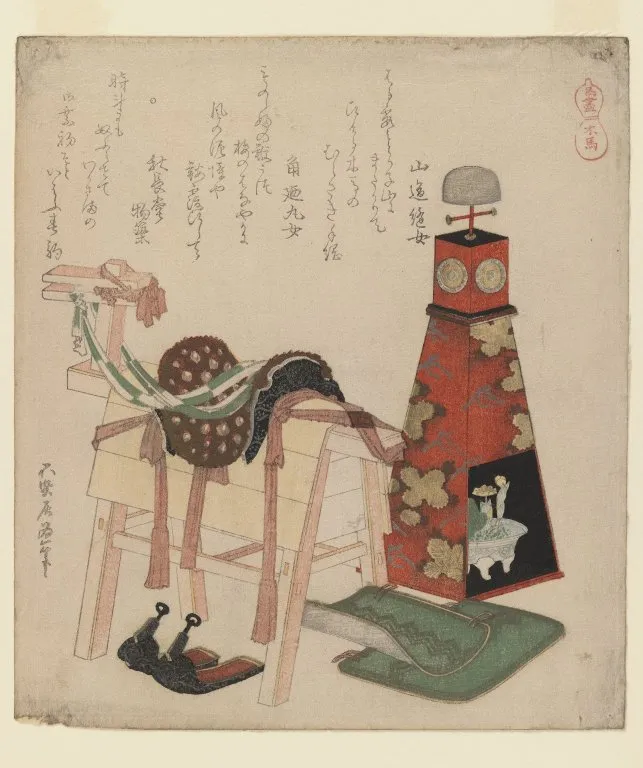
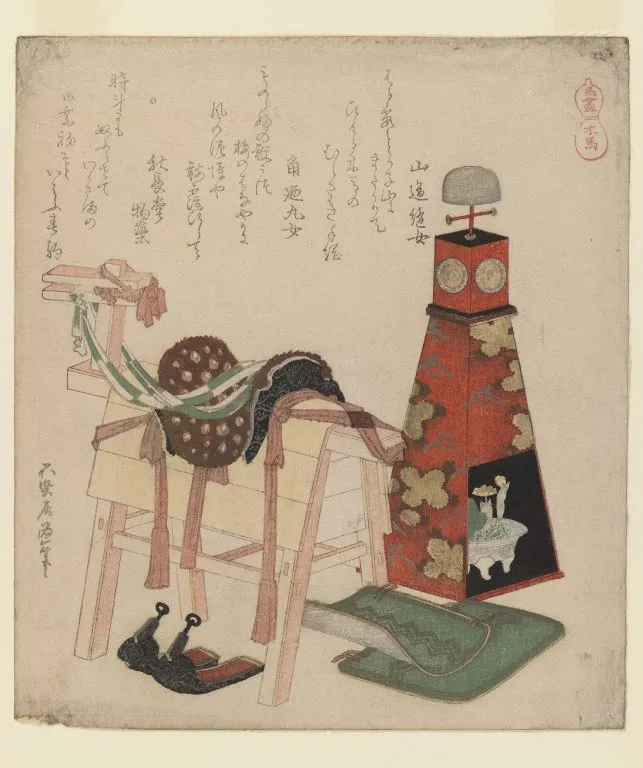
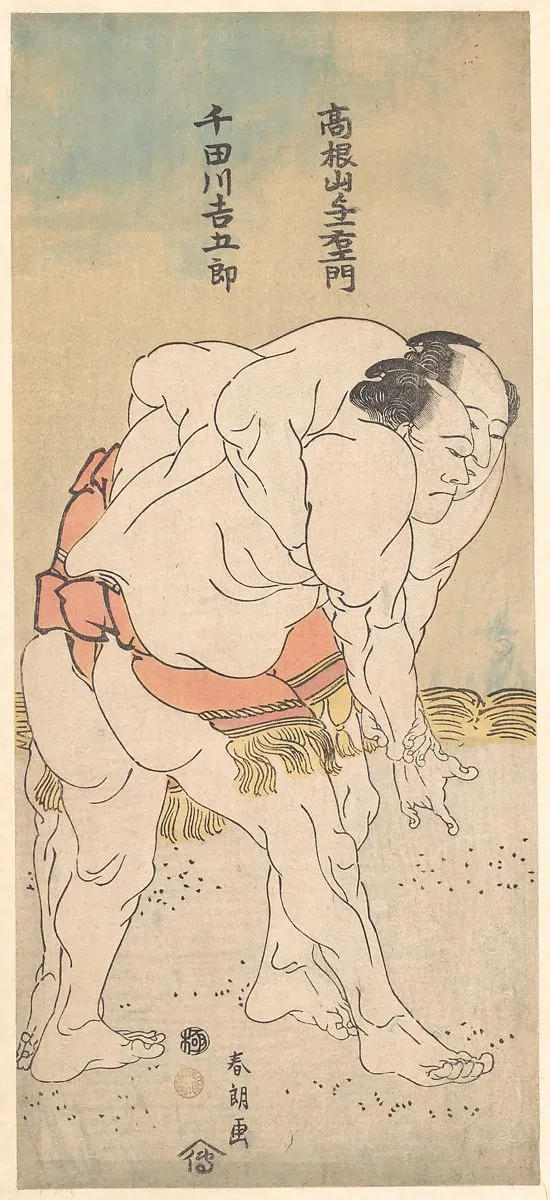
Katsushika Hokusai’s renowned technique is evident in every detail of "Wooden Horse," a stunning oil on canvas work that brings out the delicate lines and vibrant colors typical of the Ukiyo-e movement. As with his other works like "Onmyo Imoseyama" and "The giant mountain man," Hokusai’s brushwork in this painting demonstrates an unparalleled mastery. Collectors seeking an authentic representation of Japanese artistry will find this oil on canvas piece a valuable addition to their collection.
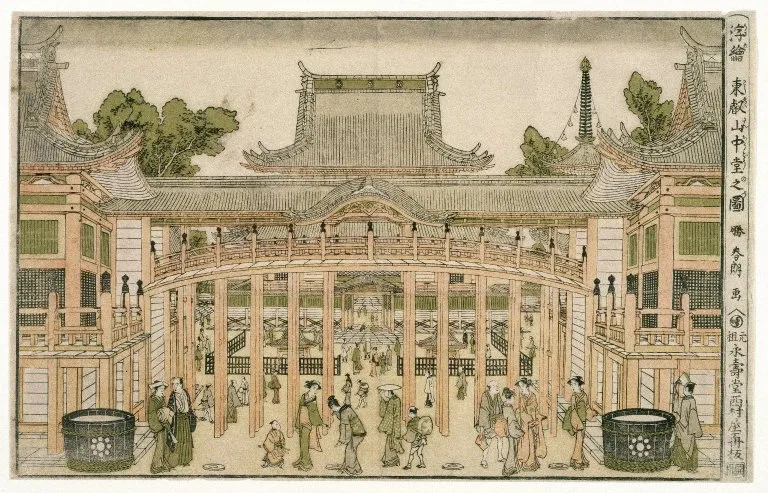
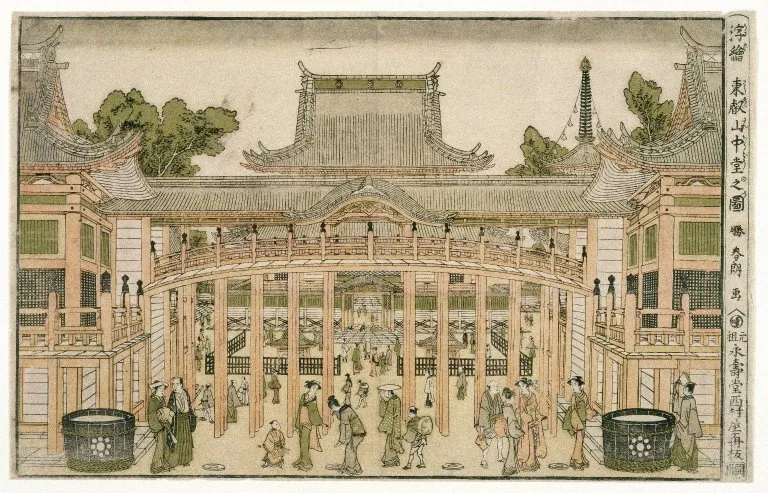
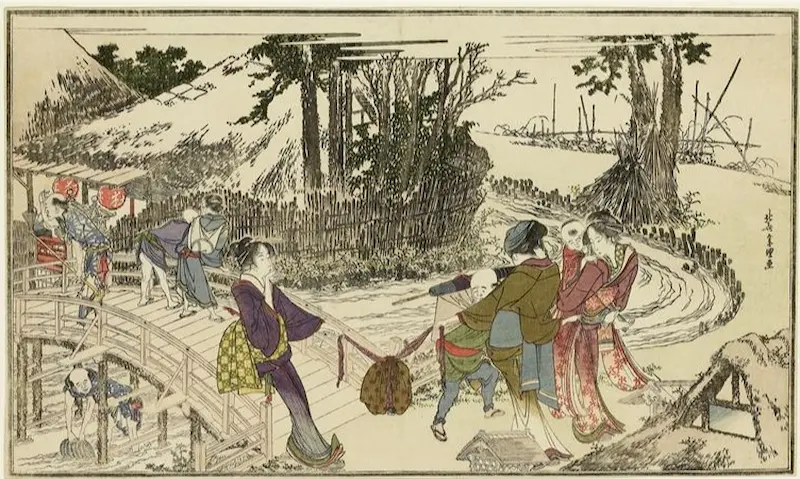
"Wooden Horse" is more than just a fine art painting for sale; it is a narrative woven with cultural significance and symbolism. Hokusai’s depiction of the horse reflects traditional Japanese beliefs and the Ukiyo-e movement’s fascination with everyday life. Like "Primer Book of Treasury loyal vassals" and "Inside the Courtyard of the Toeizan Temple at Ueno," this work invites viewers to explore the stories hidden within each brushstroke, making it a must-have for art lovers and historians alike.
For those seeking a unique and valuable addition to their collection, "Wooden Horse" by Katsushika Hokusai is an exceptional choice. This hand-painted oil painting not only exemplifies the Ukiyo-e movement but also connects collectors to a broader range of related products. Whether displayed alongside other masterpieces or as a standalone work, this painting represents a timeless investment in Japanese fine art and craftsmanship, appealing to connoisseurs and new admirers alike.
When Art Meets History
Katsushika Hokusai’s “Wooden Horse” stands as a remarkable example of the Ukiyo-e movement, capturing a unique intersection of Japanese tradition and artistic innovation. This hand-painted oil painting reflects Hokusai’s deep understanding of both history and culture, intertwining legendary themes with masterful technique. As with his other iconic works, “Wooden Horse” transports viewers to a bygone era, making it a coveted piece among those seeking authentic fine art painting for sale from this influential artist.
Techniques That Speak
In “Wooden Horse,” Hokusai employs meticulous brushwork and vivid color palettes, hallmarks of the Ukiyo-e style, while embracing the enduring appeal of oil on canvas. His approach demonstrates a harmonious blend of traditional Japanese printmaking aesthetics with Western painting methods. This synthesis results in a visually striking composition that distinguishes the painting within Hokusai’s oeuvre, making it a sought-after hand-painted oil painting for collectors and admirers of fine art alike.
Emotions on Display
Through “Wooden Horse,” Hokusai conveys a rich tapestry of emotions, inviting viewers to experience the serenity and dynamism characteristic of the Ukiyo-e movement. The expressive details and careful layering in this oil on canvas work evoke a sense of nostalgia and wonder. Hokusai’s ability to capture fleeting moments and subtle feelings is evident, paralleling the emotional depth found in his related paintings, and further enhancing the appeal of this fine art painting for sale.
Coveted by Collectors
“Wooden Horse” by Katsushika Hokusai is highly prized among art collectors, admired for its historical significance and technical mastery. As a standout example of the Ukiyo-e movement, this hand-painted oil painting offers both artistic and investment value. Collectors seeking a distinguished oil on canvas by Hokusai recognize the rarity of such pieces, making “Wooden Horse” a true gem in the realm of fine art painting for sale and a testament to the artist’s enduring legacy.
Frequently Asked Questions About Wooden Horse
What is the historical significance of "Wooden Horse"?
"Wooden Horse" reflects the Edo period's fascination with both traditional craftsmanship and the natural world, showcasing the cultural values and artistic innovations of 19th-century Japan.
Who was Katsushika Hokusai and what is his contribution to art?
Katsushika Hokusai was a prominent Japanese ukiyo-e painter and printmaker known for his dynamic compositions and mastery of color. His work greatly influenced both Japanese and Western art, particularly through his iconic landscapes and depictions of everyday life.
What artistic techniques did Hokusai employ in "Wooden Horse"?
Hokusai utilized woodblock printing techniques, characterized by bold lines and vibrant colors, to create depth and movement in "Wooden Horse," effectively capturing the essence of his subject matter.
What symbolism is present in "Wooden Horse"?
The wooden horse symbolizes strength, resilience, and the connection between nature and craftsmanship, reflecting the cultural importance of horses in Japanese society as both working animals and symbols of nobility.
How does "Wooden Horse" fit into the genre of ukiyo-e?
What themes are explored in "Wooden Horse"?
The painting explores themes of harmony between humanity and nature, the beauty of traditional craftsmanship, and the celebration of rural life, which were prevalent during the Edo period.
What materials were used in the creation of "Wooden Horse"?
"Wooden Horse" was created using traditional woodblock printing techniques, which involved hand-carved wooden blocks, natural pigments, and was often printed on washi paper, emphasizing the artisanal quality of the work.
In what ways did "Wooden Horse" influence later artists?
The work of Hokusai, including "Wooden Horse," influenced numerous artists both in Japan and abroad, inspiring movements such as Impressionism and Post-Impressionism, which sought to capture the essence of everyday life and nature.
What is the significance of the horse in Japanese culture?
In Japanese culture, the horse is often associated with strength, loyalty, and prosperity. It plays a significant role in folklore and mythology, symbolizing both physical power and spiritual guidance.
How does "Wooden Horse" reflect the aesthetics of the Edo period?
"Wooden Horse" exemplifies the aesthetics of the Edo period through its emphasis on simplicity, elegance, and the celebration of nature, which were key elements in the artistic expressions of that time.























_GFM_Painting_(1).webp)


 100% Hand-Painted: Finished in 3-6 Weeks

.png)















_(1).webp)