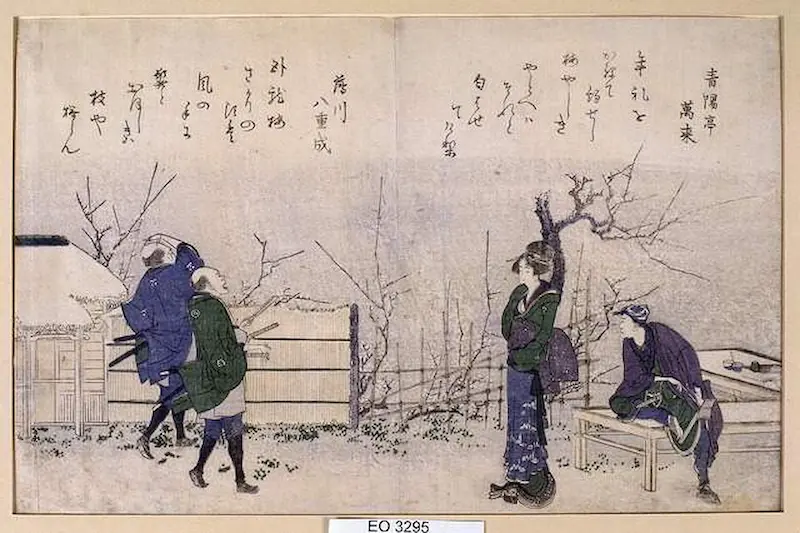
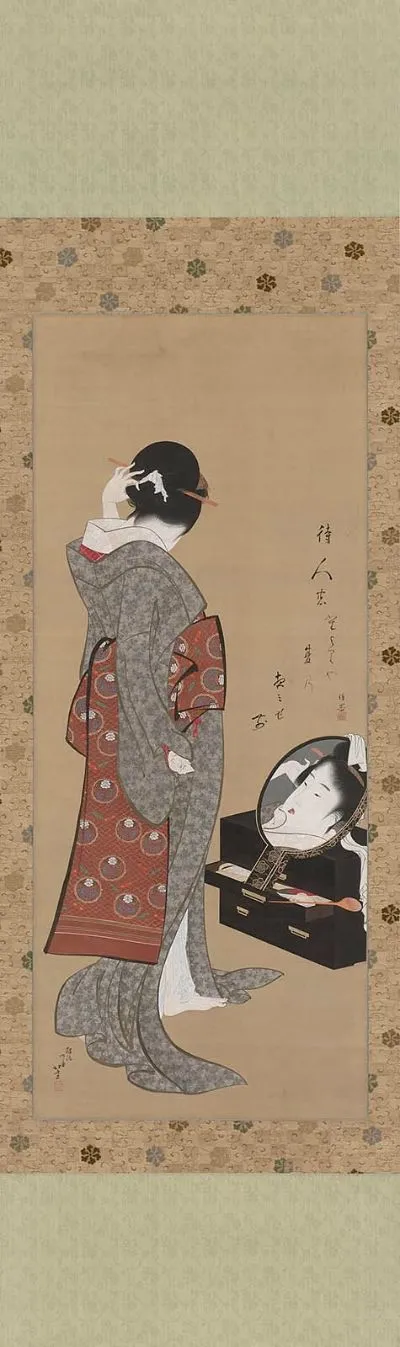
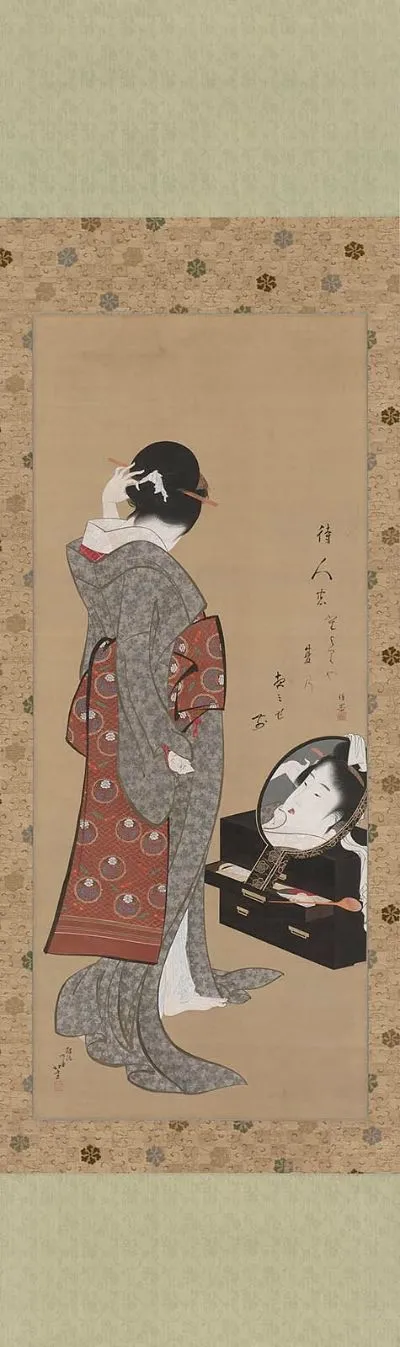
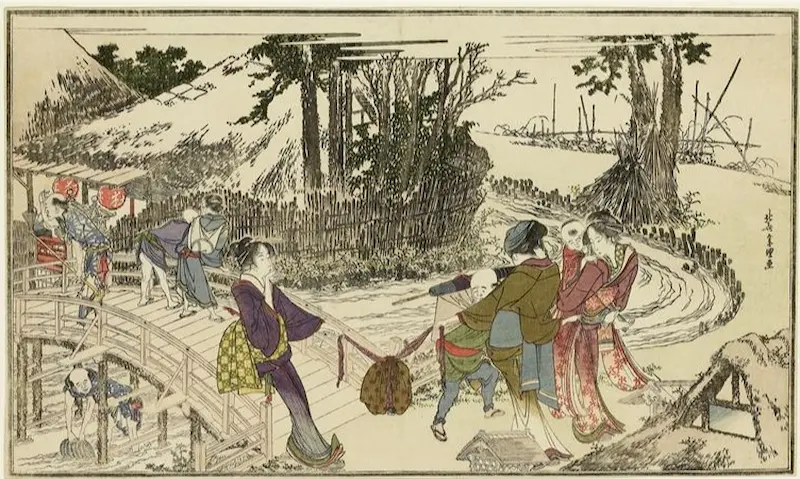
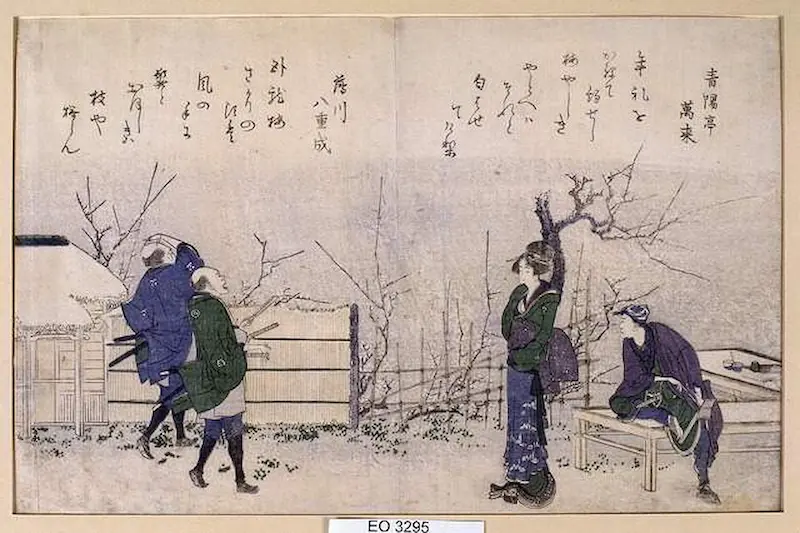
The exquisite detail in “Woman Looking at Herself in a Mirror” showcases Hokusai’s unmatched skill with oil on canvas. His delicate brushwork and mastery of color bring depth and emotion to the scene, embodying the essence of the Ukiyo-e style. Similar to works such as “Women walking in a garden” and “Teahouse Umeyashiki,” this painting demonstrates how Hokusai transformed everyday moments into lasting art.
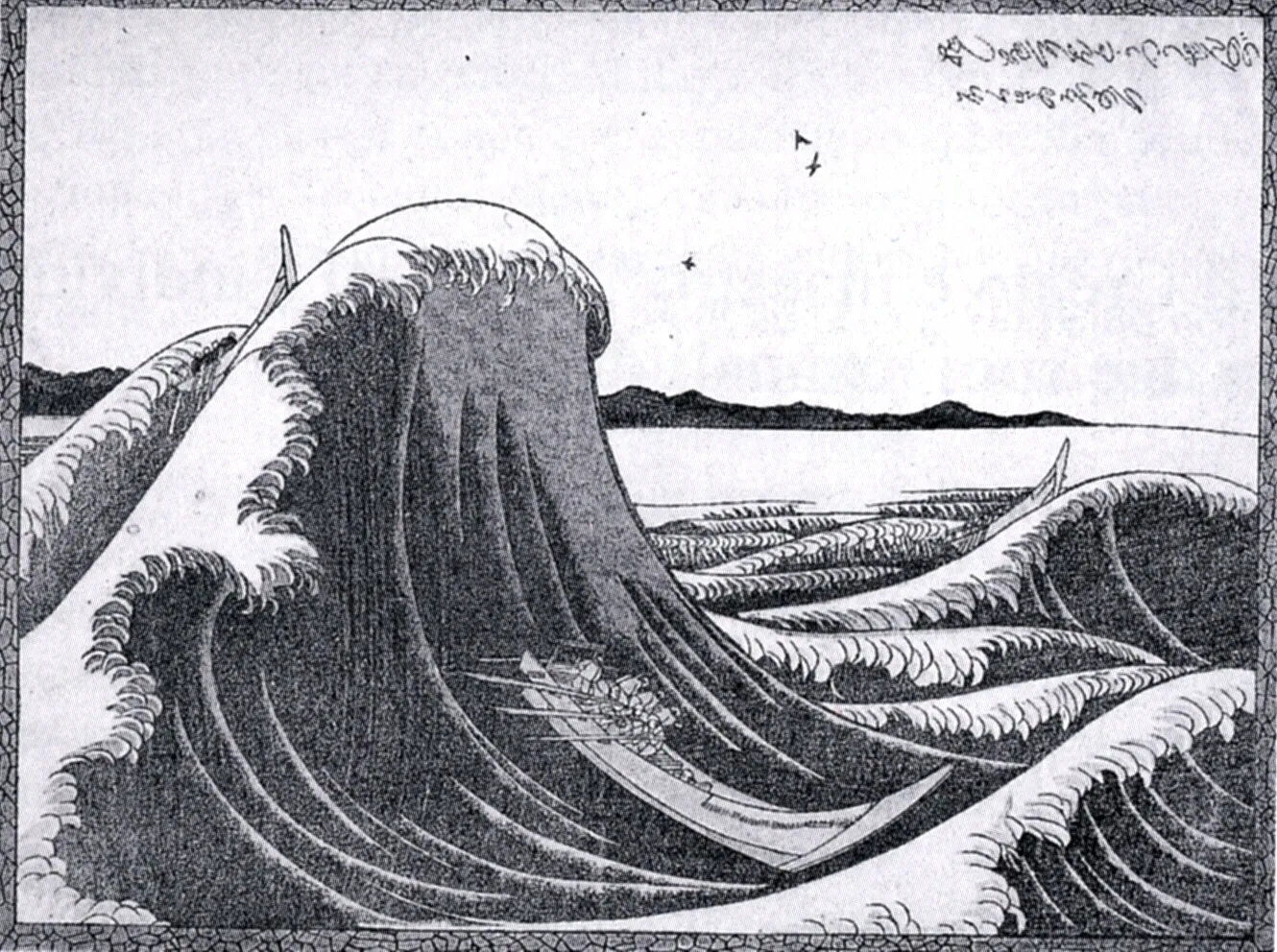
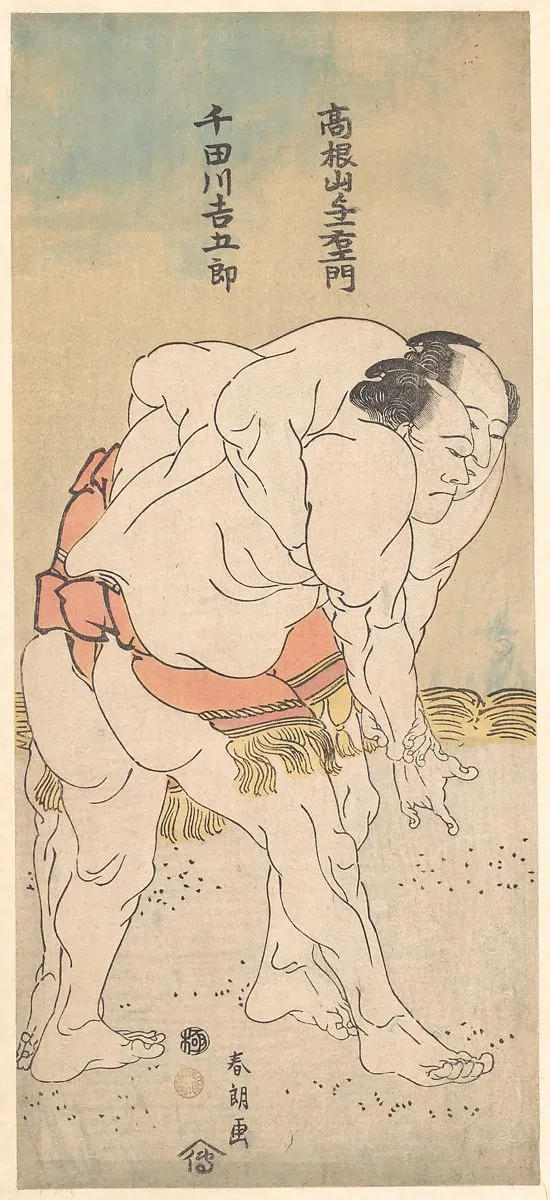
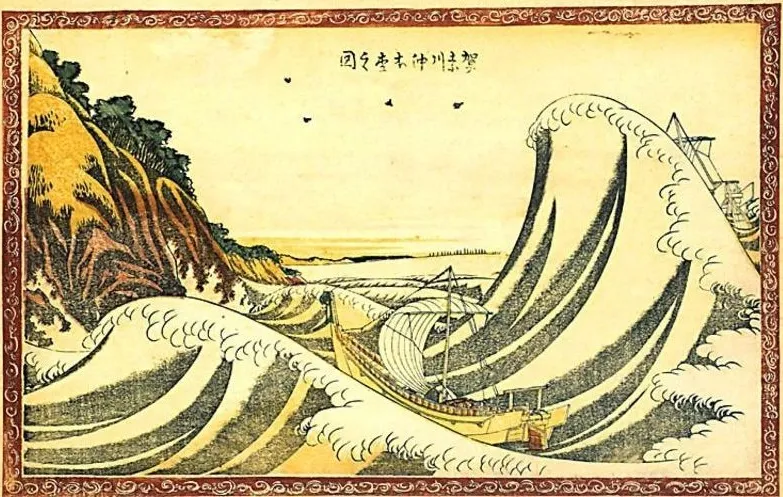
In Hokusai’s “Woman Looking at Herself in a Mirror,” each element is thoughtfully chosen, reflecting the inner world of the subject. This fine art painting for sale invites viewers to interpret themes of self-reflection and beauty, which are central to Ukiyo-e. The symbolism resonates with other iconic pieces, including “The Sumo Wrestlers Takaneyama Yoichiemon and Sendagawa Kichigoro” and “Cargo ship and wave,” offering a glimpse into Japanese culture.
Owning “Woman Looking at Herself in a Mirror” by Katsushika Hokusai is a privilege for any art collector. As a hand-painted oil painting, its authenticity and historical significance are unparalleled within the Ukiyo-e movement. Complement your collection with related works like “Teahouse Umeyashiki” or “Women walking in a garden,” and experience the enduring allure of Hokusai’s artistry through this remarkable fine art painting for sale.
When Art Meets History
"Woman Looking at Herself in a Mirror" by Katsushika Hokusai is a remarkable example of the Ukiyo-e movement, capturing the elegance and daily life of Edo-period Japan. This hand-painted oil painting reflects a moment of quiet introspection, highlighting the cultural importance of beauty and self-reflection. Hokusai, renowned for works like "The Great Wave off Kanagawa," masterfully brings history to life, making this fine art painting for sale an essential piece for collectors and enthusiasts alike.
Techniques That Speak
Katsushika Hokusai’s "Woman Looking at Herself in a Mirror" showcases the artist’s mastery of line and color, hallmarks of the Ukiyo-e movement. Although traditionally created as woodblock prints, this oil on canvas adaptation brings a new depth to Hokusai's original techniques. The delicate brushwork and subtle gradations of color in this oil on canvas highlight the artist’s attention to detail, offering a unique perspective on traditional Japanese aesthetics and composition.
Emotions on Display
In "Woman Looking at Herself in a Mirror," Hokusai captures a fleeting moment of self-contemplation, inviting viewers to explore the emotional depth within the scene. The subject’s gentle gaze and poised demeanor evoke a sense of serenity and introspection, hallmarks of many Ukiyo-e masterpieces. This hand-painted oil painting resonates with those seeking art that reflects inner beauty, much like Hokusai’s other celebrated works from the same influential movement.
Coveted by Collectors
"Woman Looking at Herself in a Mirror" remains a sought-after gem among art enthusiasts who appreciate the legacy of Katsushika Hokusai and the Ukiyo-e movement. Its timeless subject and exquisite technique make it a fine art painting for sale that stands out in any collection. Collectors value such pieces for their artistry and cultural significance, ensuring that Hokusai’s evocative vision continues to inspire admiration in galleries and private collections worldwide.
Frequently Asked Questions About Woman Looking at Herself in a Mirror
What is the historical context of "Woman Looking at Herself in a Mirror"?
This artwork was created during the Edo period in Japan, a time characterized by a flourishing of the arts and culture. Hokusai, a prominent artist of this era, contributed significantly to the ukiyo-e genre, which depicted scenes of everyday life, landscapes, and beautiful women.
What artistic techniques did Hokusai employ in this painting?
Hokusai utilized woodblock printing techniques, which allowed for vibrant colors and intricate details. The composition showcases his mastery in capturing the delicate features and expressions of his subjects, as well as the interplay of light and shadow.
What is the significance of the mirror in the painting?
The mirror serves as a powerful symbol of self-reflection and introspection. It invites viewers to consider themes of identity, vanity, and the nature of beauty, suggesting a deeper exploration of the self beyond mere physical appearance.
How does this painting reflect the role of women in Edo period Japan?
The depiction of a woman engaged in a private moment highlights the societal expectations and cultural norms surrounding femininity during the Edo period. It reflects both the beauty ideals of the time and the limited public roles available to women.
What influences can be seen in Hokusai's style in this work?
Hokusai's style in "Woman Looking at Herself in a Mirror" is influenced by both traditional Japanese aesthetics and Western art, which began to permeate Japan during this period. His use of perspective and color demonstrates a blend of these artistic traditions.
What themes are prevalent in Hokusai's body of work?
Common themes in Hokusai's work include the beauty of nature, the transient nature of life, and the exploration of human emotions. "Woman Looking at Herself in a Mirror" encapsulates the theme of self-exploration and the complexities of personal identity.
What materials were used in the creation of this artwork?
The painting was created using traditional ukiyo-e techniques, which involved hand-carved woodblocks, natural pigments, and was printed on handmade paper. These materials contributed to the unique texture and vibrancy of the final piece.
How does this painting compare to other works by Hokusai?
What impact did Hokusai have on later art movements?
Hokusai's innovative techniques and themes influenced various art movements, including Impressionism and Art Nouveau. His ability to blend Eastern and Western styles inspired many artists in the late 19th and early 20th centuries.
What is the legacy of "Woman Looking at Herself in a Mirror"?
The painting remains a significant representation of Hokusai's artistic genius and the cultural richness of the Edo period. It continues to be studied and appreciated for its aesthetic beauty and profound exploration of identity.























_GFM_Painting_(1).webp)


 100% Hand-Painted: Finished in 3-6 Weeks

.png)















_(1).webp)