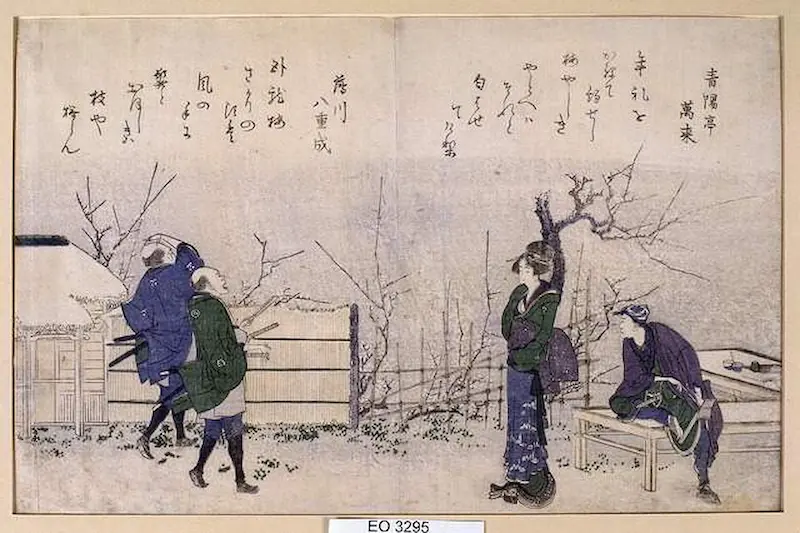
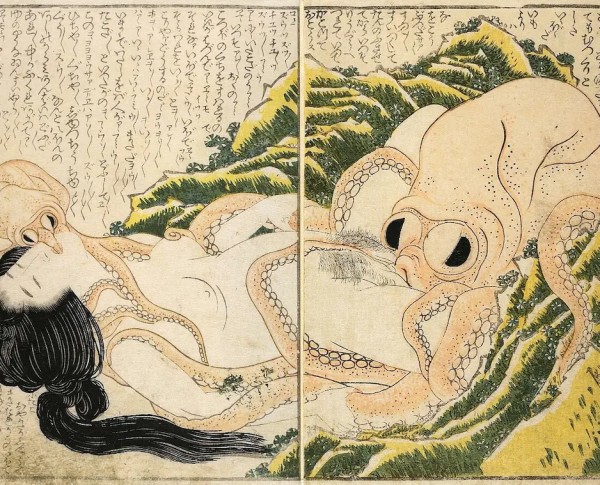
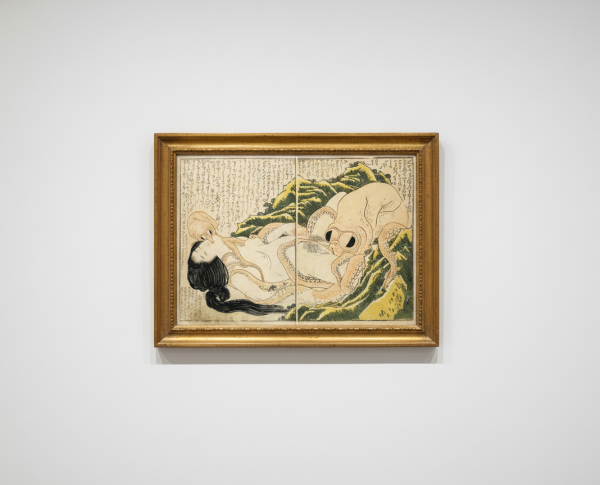
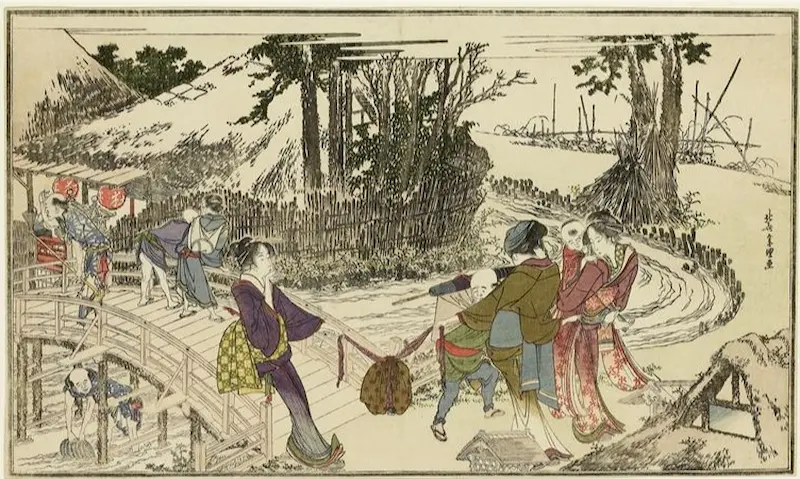
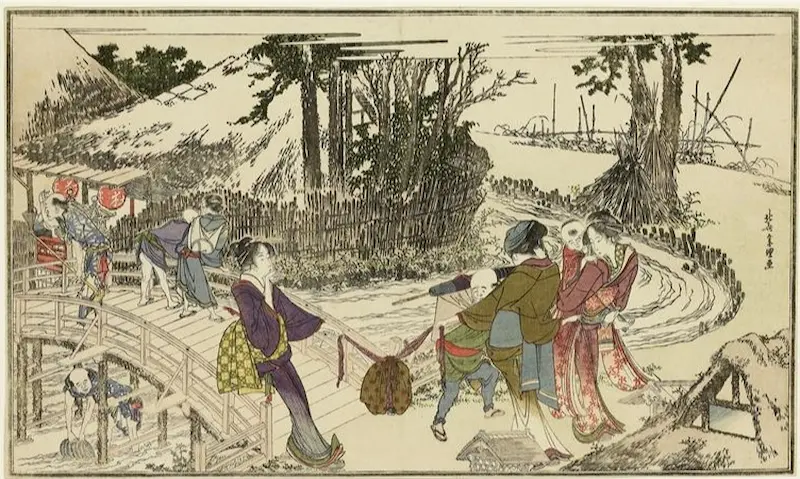
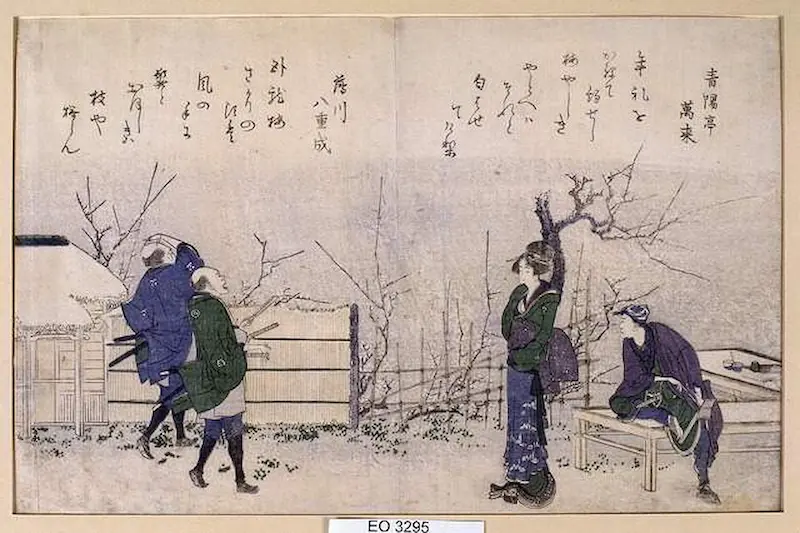
Rendered with exquisite detail, "Women Walking in a Garden" demonstrates Hokusai’s remarkable technique and control over oil on canvas. The delicate interplay of color and line brings the garden scene to life, embodying the essence of the Ukiyo-e movement. For those seeking a fine art painting for sale, this piece stands as a testament to Hokusai’s mastery, making it a prized addition alongside "Dream of the Fisherman’s Wife" and other iconic works.
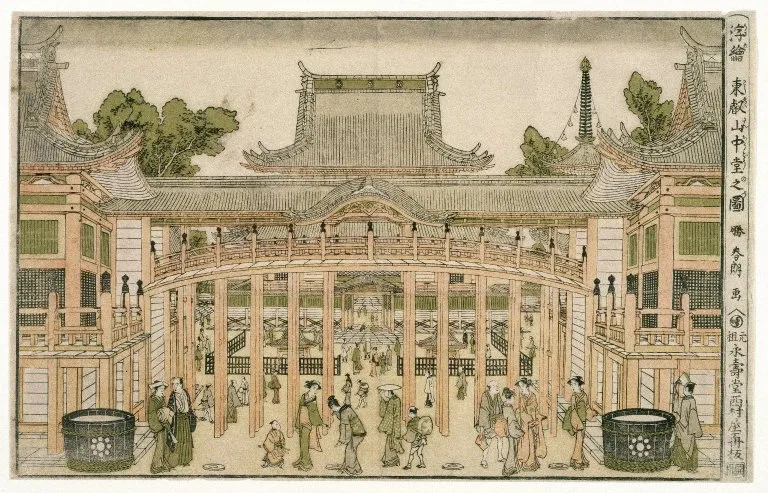
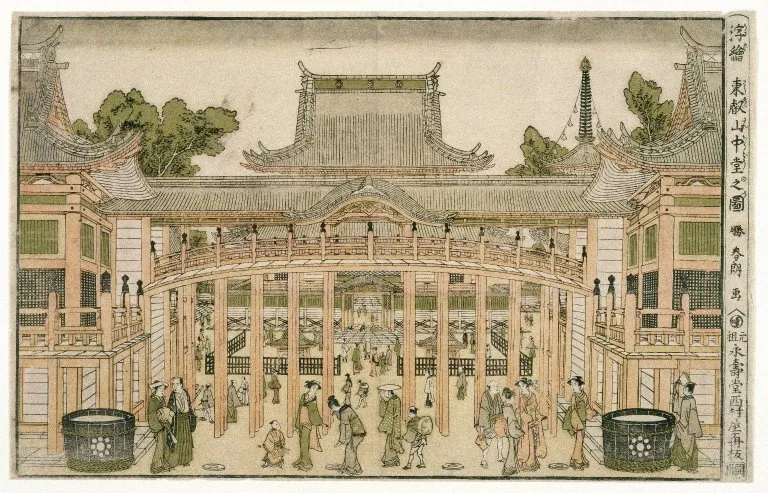
Each figure in "Women Walking in a Garden" tells a subtle story, with symbolic gestures and traditional attire reflecting the cultural values of Edo-period Japan. Hokusai’s hand-painted oil painting invites viewers to interpret the layered meanings within the tranquil garden setting. Collectors often find connections between this piece and "Inside the Courtyard of the Toeizan Temple at Ueno," appreciating the narrative depth present in these fine art treasures.
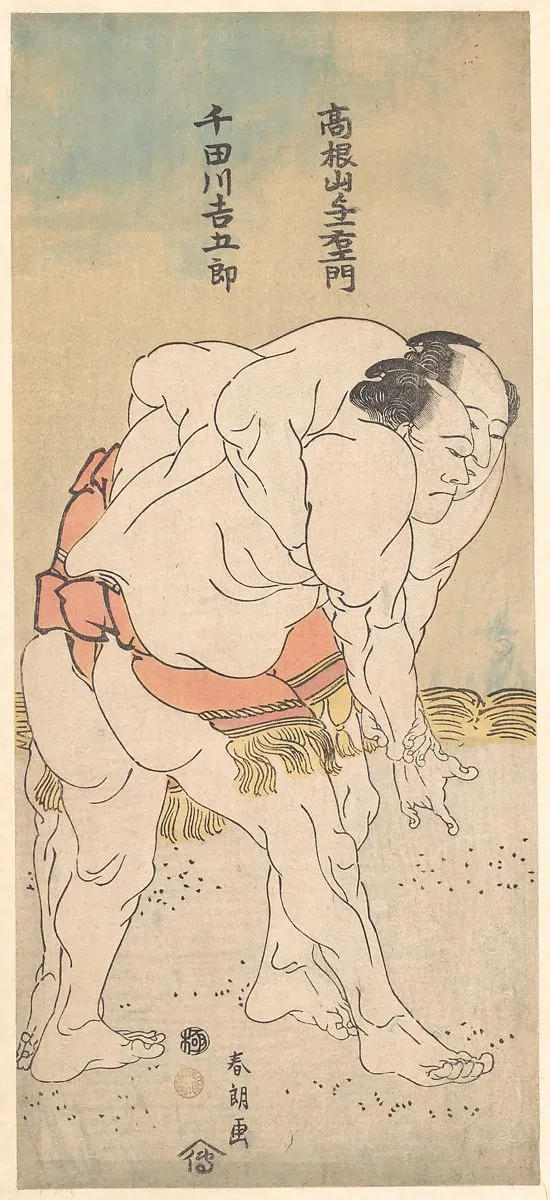
For art enthusiasts, owning "Women Walking in a Garden" by Katsushika Hokusai is a rare privilege. This oil on canvas painting not only represents the height of the Ukiyo-e movement but also resonates with timeless beauty. As a fine art painting for sale, it complements collections featuring related products such as "Dream of the Fisherman’s Wife" and "The Sumo Wrestlers Takaneyama Yoichiemon and Sendagawa Kichigoro," making it a distinguished choice for discerning collectors.
When Art Meets History
Katsushika Hokusai’s "Women walking in a garden" is a remarkable example of the Ukiyo-e movement, capturing the serene beauty of everyday life in Japan. This hand-painted oil painting transports viewers to a tranquil garden scene, reflecting the cultural elegance of its era. Hokusai, renowned for his iconic works, masterfully portrays women in traditional attire, similar to his other celebrated fine art painting for sale, all while preserving the spirit of the Edo period’s artistic renaissance.
Techniques That Speak
Hokusai’s "Women walking in a garden" demonstrates his innovative approach within the Ukiyo-e movement through meticulous brushwork and a harmonious color palette. Utilizing oil on canvas, he creates depth and movement, enhancing the natural grace of the figures. The balance of delicate lines and vibrant hues is characteristic of Hokusai's broader oeuvre, making this painting a standout piece for admirers of traditional Japanese artistry and oil on canvas techniques.
Emotions on Display
In "Women walking in a garden," Katsushika Hokusai imbues the scene with a sense of calm and contemplative joy. The women’s gentle gestures and the peaceful garden setting evoke feelings of tranquility and appreciation for nature’s beauty. This fine art painting for sale resonates emotionally, inviting viewers to experience the quiet moments of daily life cherished in the Ukiyo-e movement, as seen in many of Hokusai’s other works.
Coveted by Collectors
Collectors highly seek "Women walking in a garden" by Katsushika Hokusai for its historical significance and exquisite artistry. As a hand-painted oil painting from the Ukiyo-e movement, it represents a fusion of cultural heritage and masterful technique. Its rarity and connection to Hokusai’s celebrated legacy make it a prized addition to any collection, alongside other notable oil on canvas works from the same influential period.
Frequently Asked Questions About Women walking in a garden
What is the historical context of "Women walking in a garden"?
"Women walking in a garden" was created during the Edo period in Japan, a time characterized by peace, stability, and economic growth. This era allowed for the flourishing of arts and culture, particularly in the realm of ukiyo-e, or "pictures of the floating world," which Hokusai was renowned for.
What artistic techniques did Hokusai employ in this painting?
Hokusai utilized traditional ukiyo-e techniques, including woodblock printing and vibrant color palettes. His mastery of line work and attention to detail in the depiction of the figures and garden elements highlight his innovative approach to composition and perspective.
What themes are explored in "Women walking in a garden"?
The painting explores themes of femininity, nature, and the relationship between humans and their environment. The serene setting of the garden symbolizes tranquility and beauty, while the women represent grace and the everyday life of Edo-period society.
How does the garden setting contribute to the painting's symbolism?
The garden serves as a metaphor for harmony and the fleeting nature of beauty, reflecting the Japanese aesthetic of 'mono no aware,' which emphasizes the transience of life. The lush flora represents growth and renewal, while the women embody the connection between humanity and nature.
What influences can be seen in Hokusai's portrayal of women?
Hokusai's portrayal of women in this painting reflects the ukiyo-e tradition, which often idealized female beauty and grace. His figures are depicted with elegance and poise, showcasing the cultural significance of women in Edo society as both muses and active participants in daily life.
How does "Women walking in a garden" fit into Hokusai's broader body of work?
This painting is part of Hokusai's extensive exploration of nature and human interaction. It exemplifies his ability to blend traditional themes with innovative techniques, solidifying his status as a pivotal figure in Japanese art history and influencing generations of artists.
What role does color play in this artwork?
Color in "Women walking in a garden" enhances the emotional impact of the scene. Hokusai's use of vibrant hues not only brings the garden to life but also evokes a sense of joy and serenity, inviting viewers to immerse themselves in the beauty of the moment.
What is the significance of the clothing worn by the women?
The clothing worn by the women is indicative of the fashion of the Edo period, showcasing intricate patterns and vibrant colors. This attention to detail not only reflects societal status but also serves as a visual representation of cultural identity and aesthetic values of the time.
How has "Women walking in a garden" influenced modern art?
The painting has had a lasting impact on modern art, particularly in the realm of printmaking and the appreciation of Japanese aesthetics in Western art movements. Hokusai's innovative techniques and themes have inspired countless artists to explore the relationship between nature and humanity.
What can we learn about Edo-period society from this painting?
This painting provides insight into the daily lives and social roles of women during the Edo period. It highlights the importance of leisure and nature in Japanese culture, as well as the aesthetic values that permeated the lives of individuals in that era.























_GFM_Painting_(1).webp)


 100% Hand-Painted: Finished in 3-6 Weeks

.png)















_(1).webp)