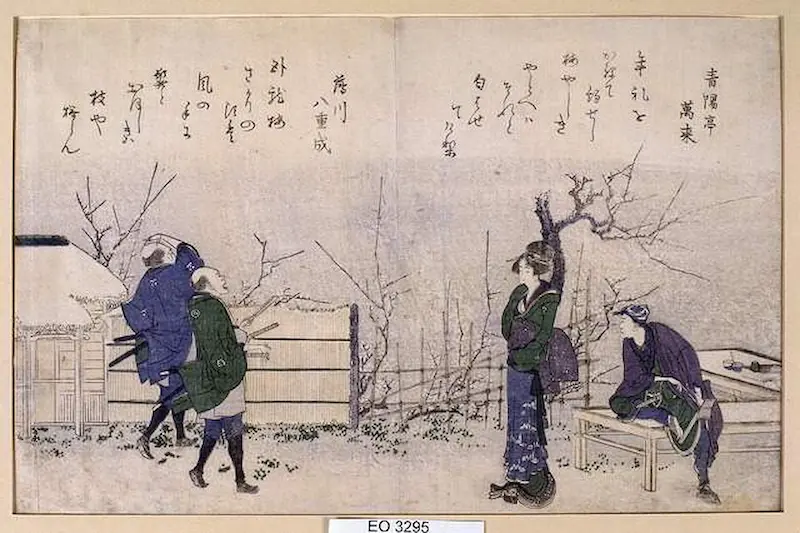
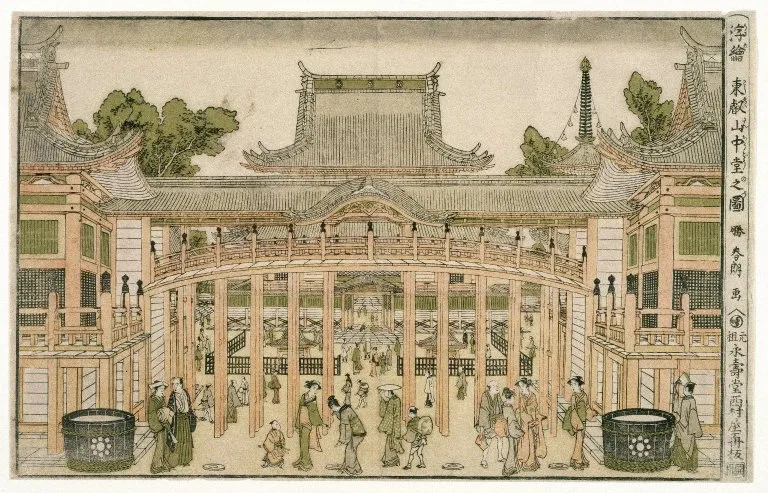
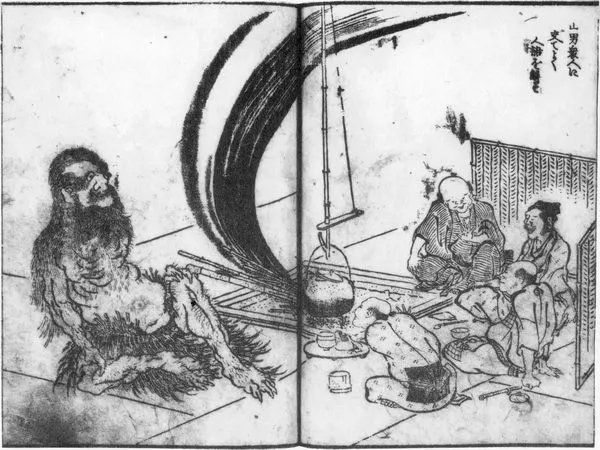
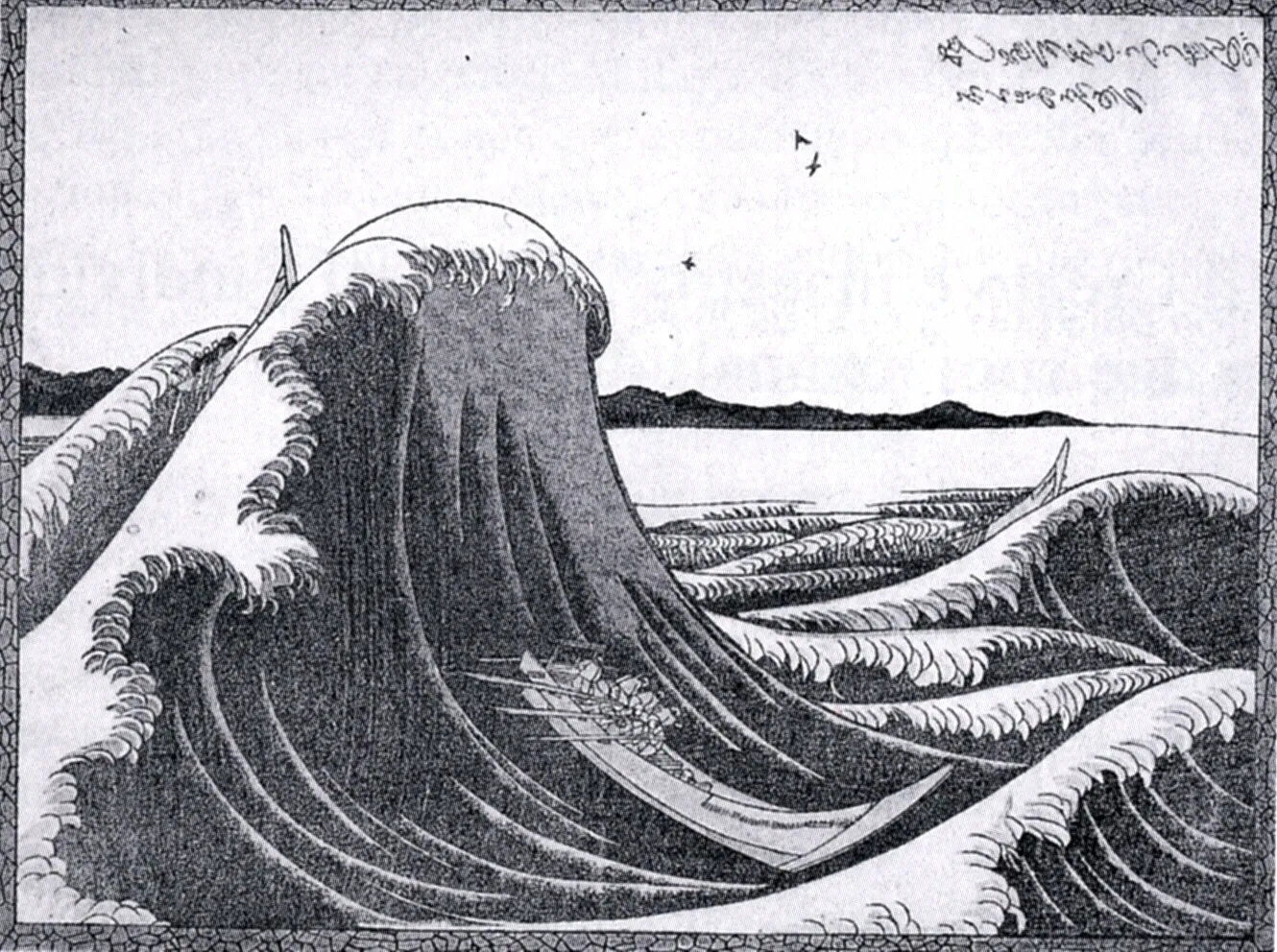
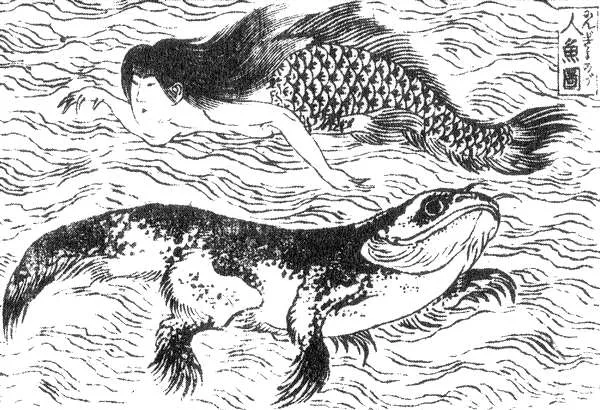
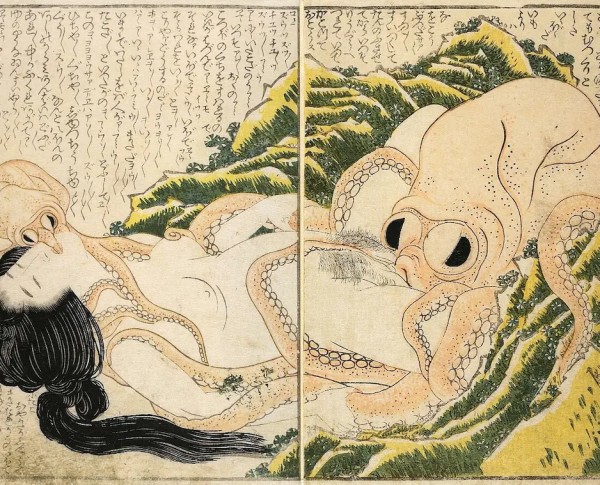
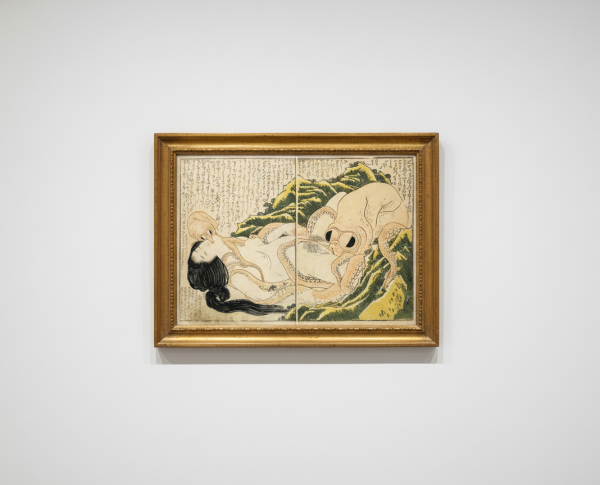
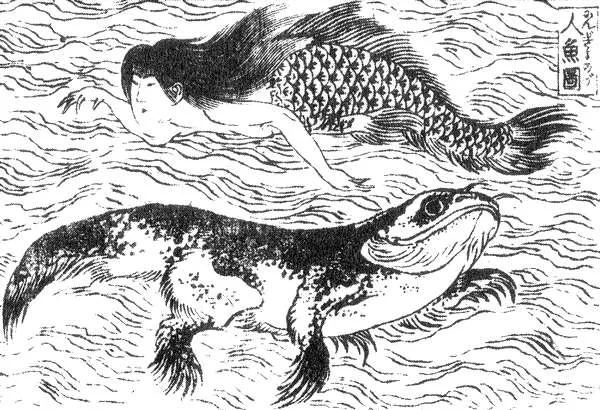
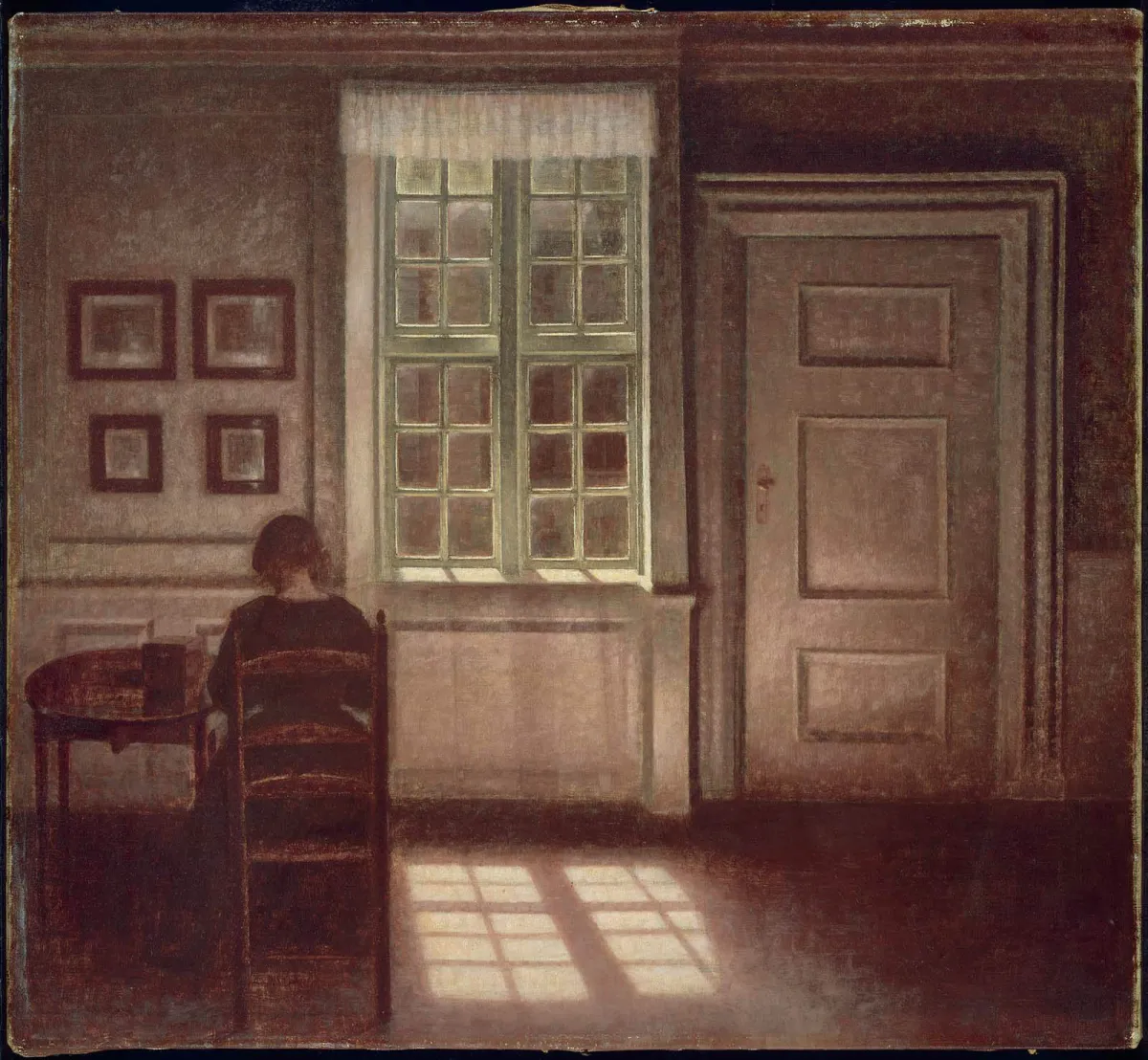
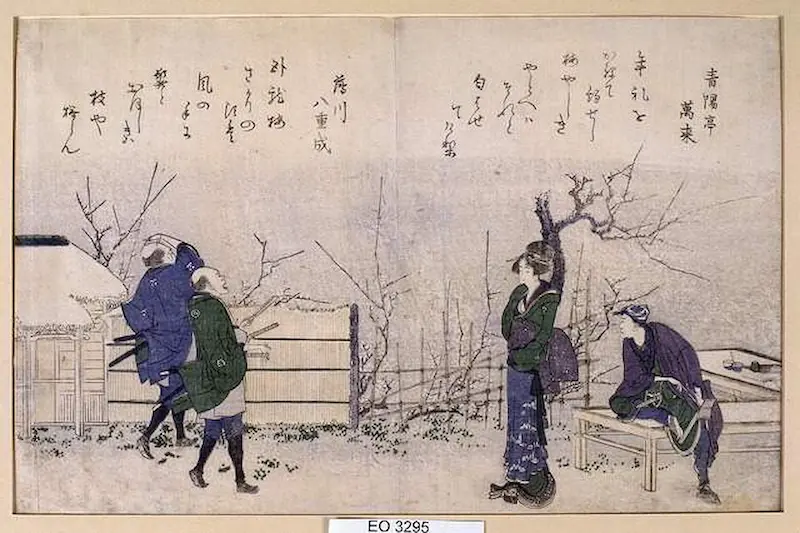
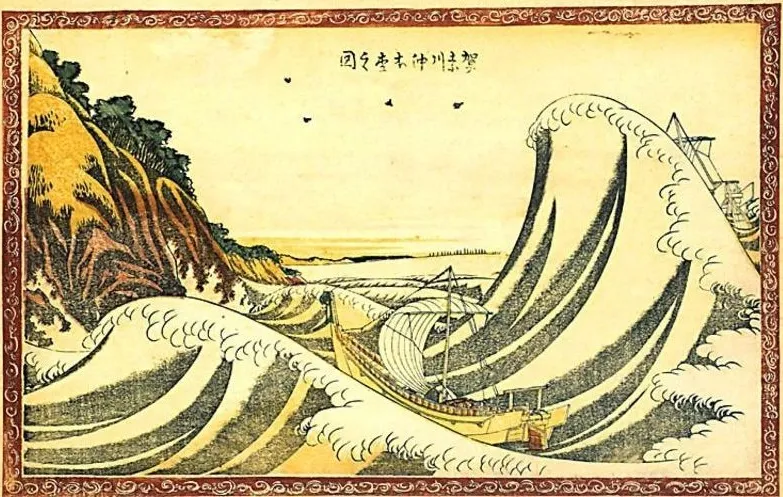
Hokusai’s “Ningyo” showcases his remarkable technique with oil on canvas, blending delicate details with vibrant storytelling. Each brushstroke embodies the spirit of Ukiyo-e, capturing everyday beauty with a timeless allure. This painting shares its refined artistry with related masterpieces like “Primer Book of Treasury loyal vassals” and “Woman in an Interior,” both of which demonstrate the meticulous skill and craftsmanship that define Hokusai’s celebrated style.
The enchanting narrative of “Ningyo” unfolds through its symbolic imagery, a hallmark of the Ukiyo-e movement. Hokusai weaves cultural myths and hidden meanings into this hand-painted oil painting, inviting viewers to discover layers of interpretation. Similar to works like “Dream of the Fisherman’s Wife” and “Teahouse Umeyashiki,” “Ningyo” offers a glimpse into Japanese folklore and tradition, making it a compelling fine art painting for sale for collectors seeking depth and history.
For art enthusiasts and collectors, “Ningyo” by Katsushika Hokusai is a coveted oil on canvas piece that embodies the essence of Ukiyo-e. Its rarity and artistic excellence place it among sought-after works such as “Woman in an Interior” and “Teahouse Umeyashiki.” Owning such a masterpiece elevates any collection, offering both cultural significance and investment value for those seeking a truly fine art painting for sale from a legendary artist.
When Art Meets History
"Ningyo" by Katsushika Hokusai stands as a remarkable example of the Ukiyo-e movement, capturing the spirit of 19th-century Japan. Hokusai, renowned for his iconic works, used traditional methods to create this masterpiece, which has since inspired countless artists. The painting’s historical context adds depth to its allure, making it a sought-after hand-painted oil painting among art enthusiasts. Its connection to the broader Ukiyo-e tradition highlights the enduring appeal of this artistic era.
Techniques That Speak
Katsushika Hokusai’s "Ningyo" demonstrates masterful techniques that define the Ukiyo-e movement. The artist’s use of delicate lines and vibrant colors brings the subject to life, while the composition draws viewers into the scene. Though originally not an oil on canvas, contemporary interpretations often recreate "Ningyo" using this medium, blending tradition with modern artistry. Such adaptations showcase the versatility and timeless appeal of Hokusai’s techniques in the world of fine art.
Emotions on Display
The expressive nature of "Ningyo" reveals Hokusai’s ability to convey emotion through his art. The painting invites viewers to experience a sense of wonder and curiosity, hallmarks of the Ukiyo-e movement. Each brushstroke captures subtle feelings, making the piece resonate deeply with audiences. As a fine art painting for sale, "Ningyo" continues to captivate collectors and admirers, reflecting the emotional depth that has made Hokusai’s work so enduring and influential.
Coveted by Collectors
Katsushika Hokusai’s "Ningyo" is highly prized among art collectors, especially those passionate about the Ukiyo-e movement. The rarity and historical significance of this fine art painting for sale contribute to its desirability. Collectors value both original prints and hand-painted oil painting reproductions, appreciating the legacy Hokusai established. The enduring popularity of "Ningyo" and related works cements its status as a timeless treasure in the world of Japanese art.
Frequently Asked Questions About Ningyo
What is the historical significance of "Ningyo"?
"Ningyo," created by Katsushika Hokusai, reflects the Edo period's fascination with folklore and the supernatural. It showcases the cultural importance of traditional Japanese dolls and their connection to spiritual beliefs.
Who was Katsushika Hokusai?
Katsushika Hokusai was a renowned Japanese ukiyo-e painter and printmaker of the Edo period, celebrated for his innovative compositions and mastery of color. He is best known for his iconic woodblock prints, including "The Great Wave off Kanagawa."
What themes are explored in "Ningyo"?
The painting explores themes of identity, transformation, and the intersection of the human and supernatural realms. It invites viewers to reflect on the nature of existence and the stories that dolls can embody.
What artistic techniques did Hokusai use in "Ningyo"?
Hokusai employed a combination of vibrant colors, intricate line work, and dynamic composition to create a sense of movement and life within the painting. His use of perspective enhances the depth and emotional resonance of the piece.
How does "Ningyo" reflect Japanese culture?
The painting embodies the rich traditions of Japanese culture, particularly the significance of dolls in rituals and celebrations. It serves as a reminder of the cultural narratives that shape Japanese identity and heritage.
What symbolism is present in "Ningyo"?
"Ningyo" symbolizes the connection between the physical and spiritual worlds. Dolls in Japanese culture are often believed to hold protective qualities, and Hokusai's depiction invites contemplation of their role in safeguarding human experiences.
In what ways did Hokusai influence later artists?
Hokusai's innovative approach to composition and color profoundly influenced both Japanese and Western artists. His ability to blend traditional themes with modern techniques paved the way for movements such as Impressionism and beyond.
What is the significance of the title "Ningyo"?
The title "Ningyo" translates to "human-shaped" or "doll" in Japanese, highlighting the central subject of the artwork. This title encapsulates the essence of the painting, emphasizing the interplay between humanity and the inanimate.
How does "Ningyo" compare to Hokusai's other works?
While Hokusai is known for his landscapes and iconic prints, "Ningyo" showcases his versatility in exploring different subjects. It stands out for its intimate portrayal of a cultural artifact, reflecting a more personal and narrative-driven approach.
What impact did "Ningyo" have on contemporary art?
"Ningyo" continues to resonate with contemporary artists who explore themes of identity and cultural heritage. Its enduring relevance speaks to the universal human experience, inspiring new interpretations and dialogues in modern art.























_GFM_Painting_(1).webp)

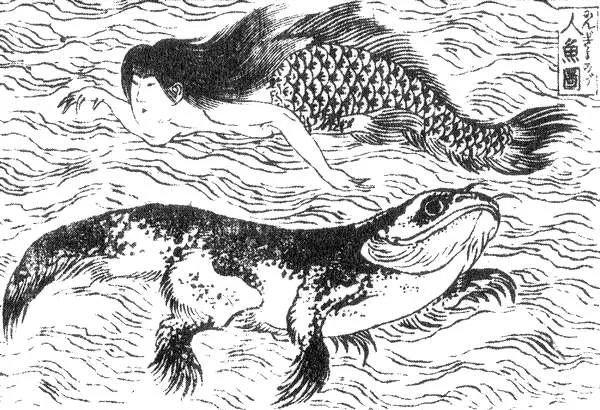

 100% Hand-Painted: Finished in 3-6 Weeks

.png)















_(1).webp)