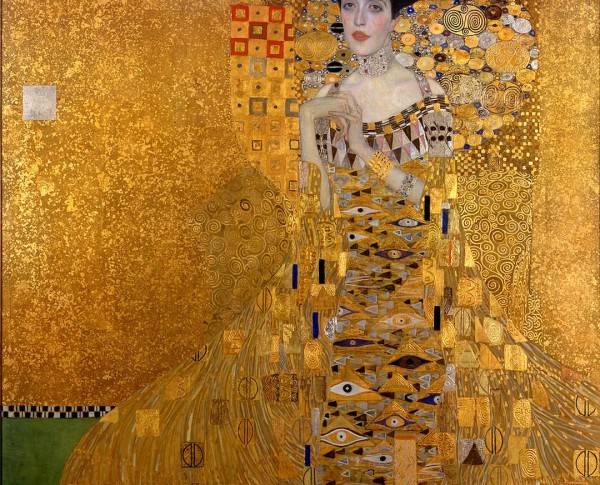
Klimt’s genius shines through the meticulous detail and luxurious textures of "Judith I," an exquisite oil on canvas that highlights his unique approach to composition and color. The Vienna Secession’s decorative elegance is evident in every brushstroke, creating a mesmerizing effect. Art admirers searching for an oil on canvas masterpiece will find "Judith I" and related works like "Portrait Of Adele Bloch Bauer I" and "Nuda Veritas" to be exemplary additions to any collection.
"Judith I" by Gustav Klimt is renowned for its rich symbolism and complex narrative, reflecting both the allure and the power of its biblical subject. This hand-painted oil painting invites viewers to interpret the emotional intensity and hidden meanings woven throughout the composition. Klimt’s work, along with pieces like "Danaë" and "Litzlberg on the Attersee," offers a compelling journey into the symbolic language that defines the Vienna Secession movement.
Owning a fine art painting for sale such as "Judith I" allows collectors to connect with the legacy of Gustav Klimt and the transformative Vienna Secession movement. The painting’s timeless beauty and historical importance make it a sought-after prize, often displayed alongside other Klimt masterpieces like "Fulfillment" and "Water Serpents I." Each acquisition enriches a collection, celebrating the enduring allure of Klimt’s iconic vision and the movement he helped define.
When Art Meets History
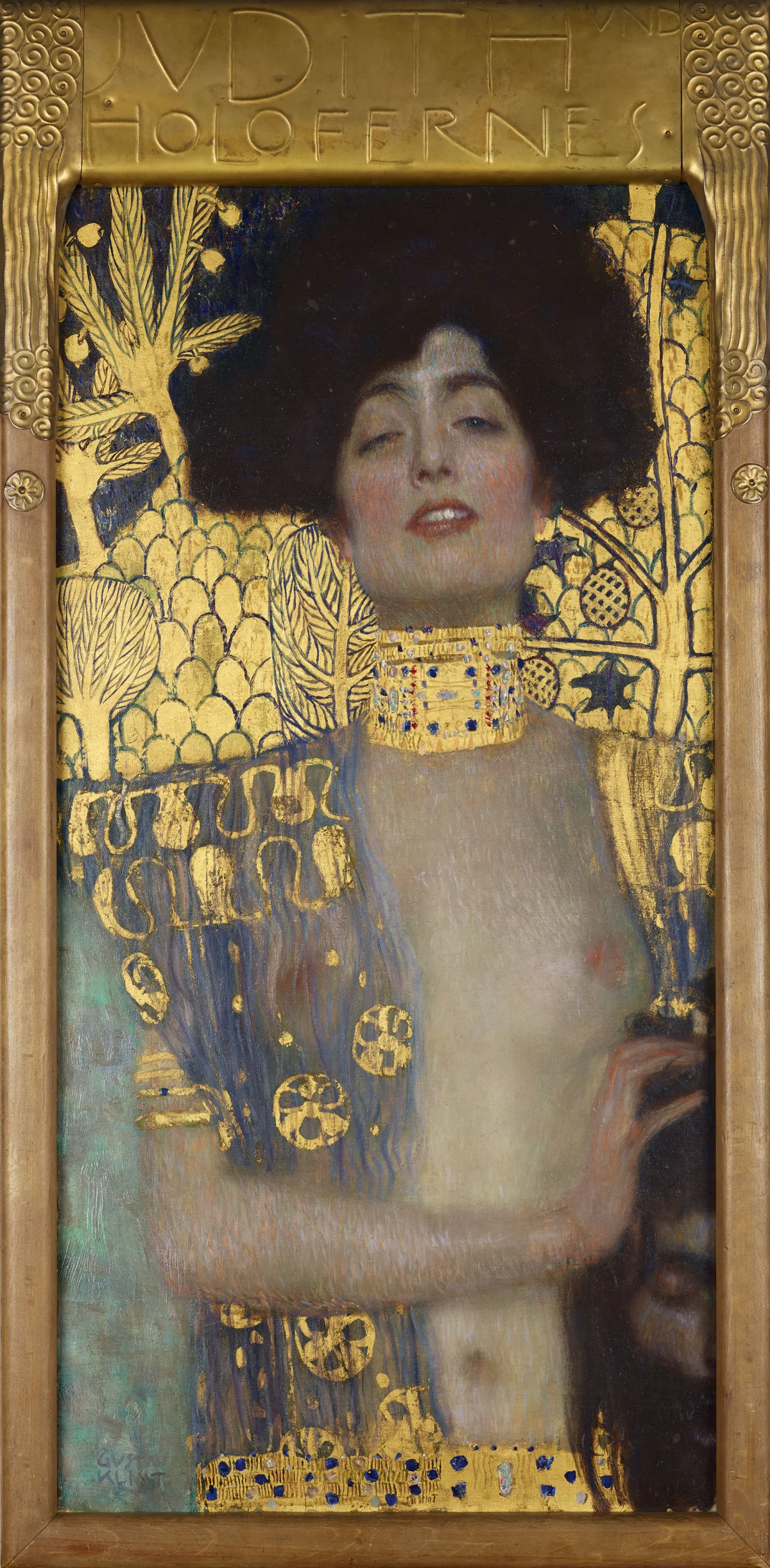
"Judith I" by Gustav Klimt stands as a testament to the Vienna Secession movement, blending historical narrative with avant-garde artistry. Completed in 1901, this hand-painted oil painting captures the biblical figure Judith at a pivotal moment. Klimt's interpretation diverges from traditional depictions, emphasizing sensuality and power. As with other notable works from the movement, "Judith I" invites viewers to reflect on the shifting roles of women in art and society at the turn of the century.
Techniques That Speak
Gustav Klimt’s mastery is evident in his use of oil on canvas, where shimmering gold leaf and intricate patterns create a hypnotic effect. The Vienna Secession’s signature style is reflected in the painting’s bold contours and decorative elements. Klimt’s technique balances realism with abstraction, drawing attention to Judith’s enigmatic expression and luxurious surroundings. These methods, also seen in his other fine art painting for sale, distinguish "Judith I" as a cornerstone of early modernism.
Emotions on Display
In "Judith I," Klimt conveys a mix of seduction, triumph, and defiance through both subject and style. The hand-painted oil painting pulsates with emotion, as Judith’s gaze captivates and unsettles. Her poised demeanor contrasts with the underlying violence of the biblical tale, a hallmark of Klimt’s approach to psychological complexity. Like other Vienna Secession works, this painting invites viewers to explore the depths of human experience, making it a powerful addition to any fine art collection.
Coveted by Collectors
As a celebrated oil on canvas from Gustav Klimt, "Judith I" is highly sought after by collectors and museums alike. Its unique blend of symbolism and sensuality makes it a quintessential example of the Vienna Secession movement. The painting’s provenance and influence have contributed to its status as a fine art painting for sale that commands admiration worldwide. Klimt’s legacy endures, with "Judith I" standing as a coveted masterpiece that continues to inspire art enthusiasts.
Frequently Asked Questions About Judith I
What is the historical context of Gustav Klimt's "Judith I"?
"Judith I" was created in 1901, during a period of significant artistic innovation in Vienna. This era, known as the Fin de Siècle, was characterized by a departure from traditional artistic norms and the exploration of themes such as sexuality, femininity, and power.
What artistic movements influenced "Judith I"?
The painting is heavily influenced by Symbolism and Art Nouveau. Klimt's use of decorative elements and intricate patterns reflects the Art Nouveau style, while the thematic focus on psychological and emotional depth aligns with Symbolist ideals.
Who is the figure depicted in "Judith I"?
The painting portrays Judith, a biblical figure known for her beauty and cunning. In the Book of Judith, she beheads the Assyrian general Holofernes to save her people, symbolizing female empowerment and the triumph of good over evil.
What are the key symbols present in "Judith I"?
Key symbols in "Judith I" include the sword, representing Judith's strength and decisiveness, and the gold and decorative patterns that signify wealth and seduction. The contrasting elements of beauty and violence are central to the painting's narrative.
How does Klimt's use of color contribute to the painting's meaning?
Klimt employs a rich palette of golds, reds, and greens, which creates a sense of opulence and allure. The use of gold leaf not only enhances the visual impact but also symbolizes divinity and the sacred, elevating Judith's act to a heroic level.
What techniques did Klimt use in "Judith I"?
Klimt utilized oil on canvas with a combination of detailed brushwork and gold leaf application. His distinctive style includes the use of flat patterns and decorative motifs, which serve to enhance the overall composition and thematic depth of the work.
How does "Judith I" reflect the role of women in society during Klimt's time?
The painting challenges traditional representations of women by depicting Judith as a powerful and assertive figure. This portrayal reflects the evolving perceptions of femininity and the struggle for women's autonomy in the early 20th century.
What is the significance of the expression on Judith's face?
Judith's expression is both enigmatic and confident, conveying a sense of determination and seduction. This duality invites viewers to contemplate her complex character, embodying both vulnerability and strength in her decisive act.
How has "Judith I" influenced modern art?
"Judith I" has had a lasting impact on modern art, particularly in its exploration of gender roles and the representation of women. Klimt's innovative techniques and thematic depth have inspired countless artists to challenge societal norms through their work.
Where can I view "Judith I" today?
"Judith I" is part of the collection at the Belvedere Museum in Vienna, Austria. It remains a significant work in Klimt's oeuvre and continues to attract art enthusiasts and scholars interested in its historical and artistic significance.




















_GFM_Painting_(1).webp)


 100% Hand-Painted: Finished in 3-6 Weeks

.png)















_(1).webp)