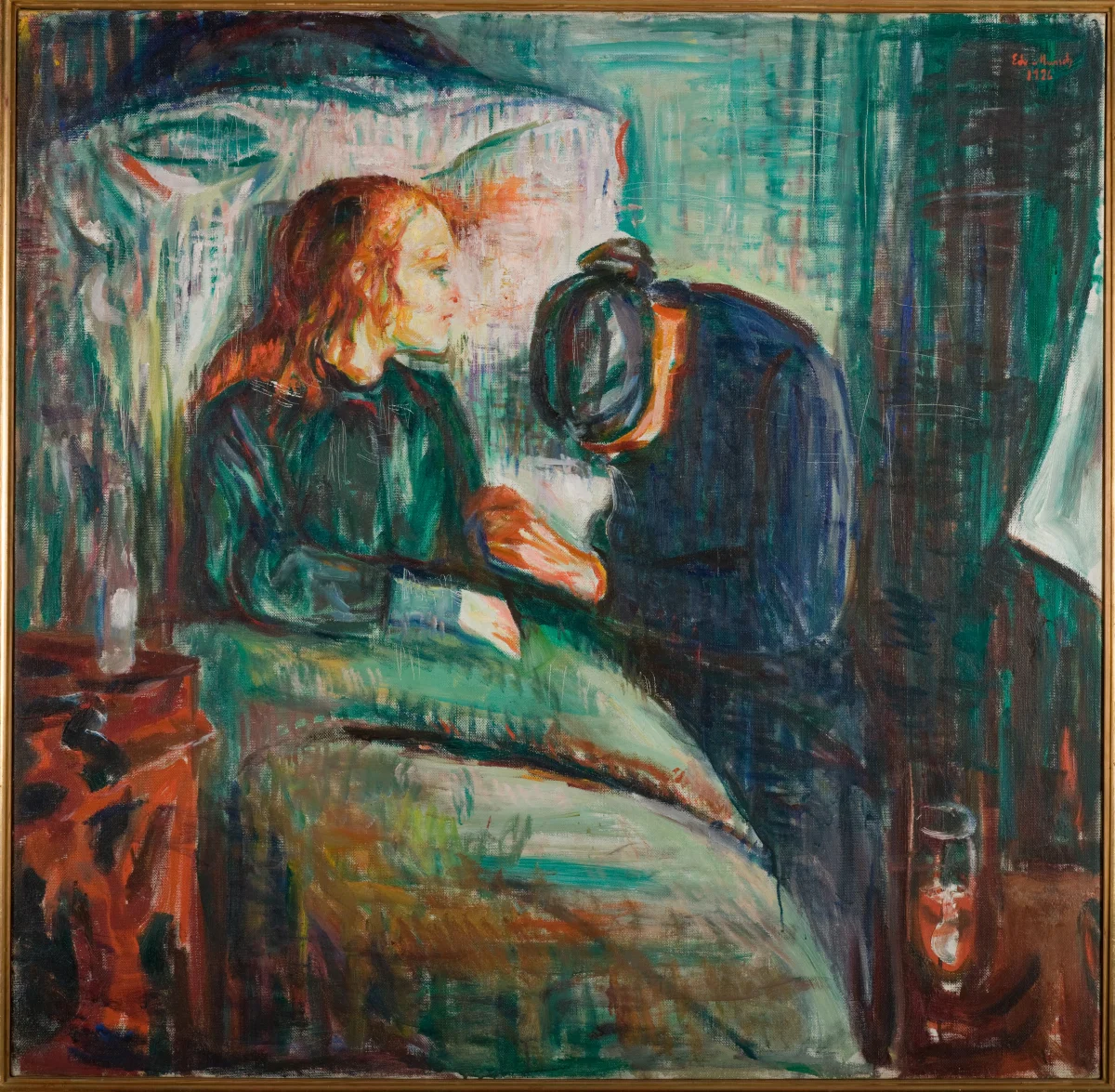
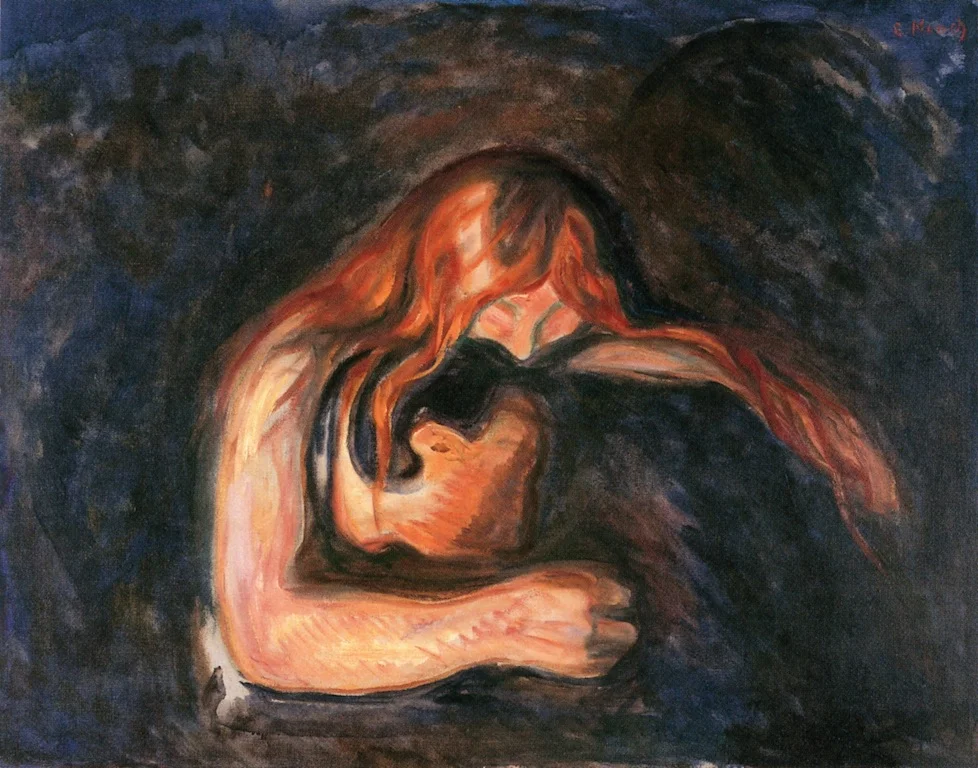
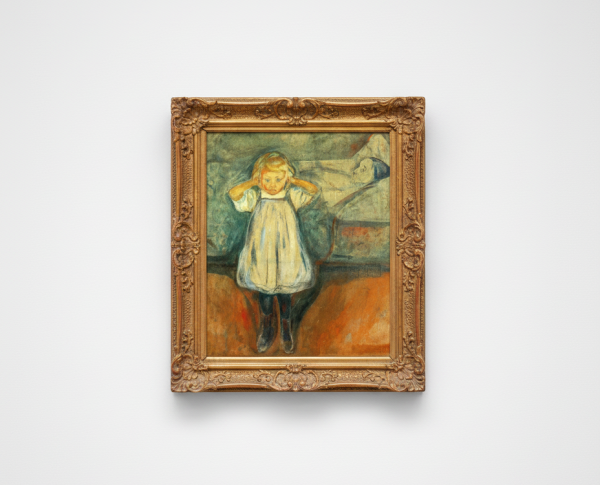
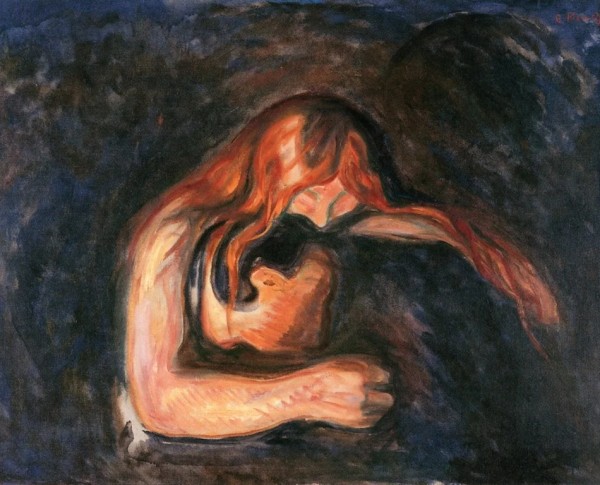
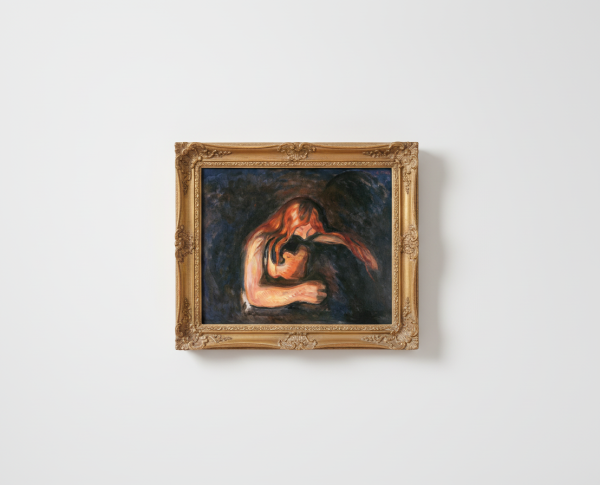
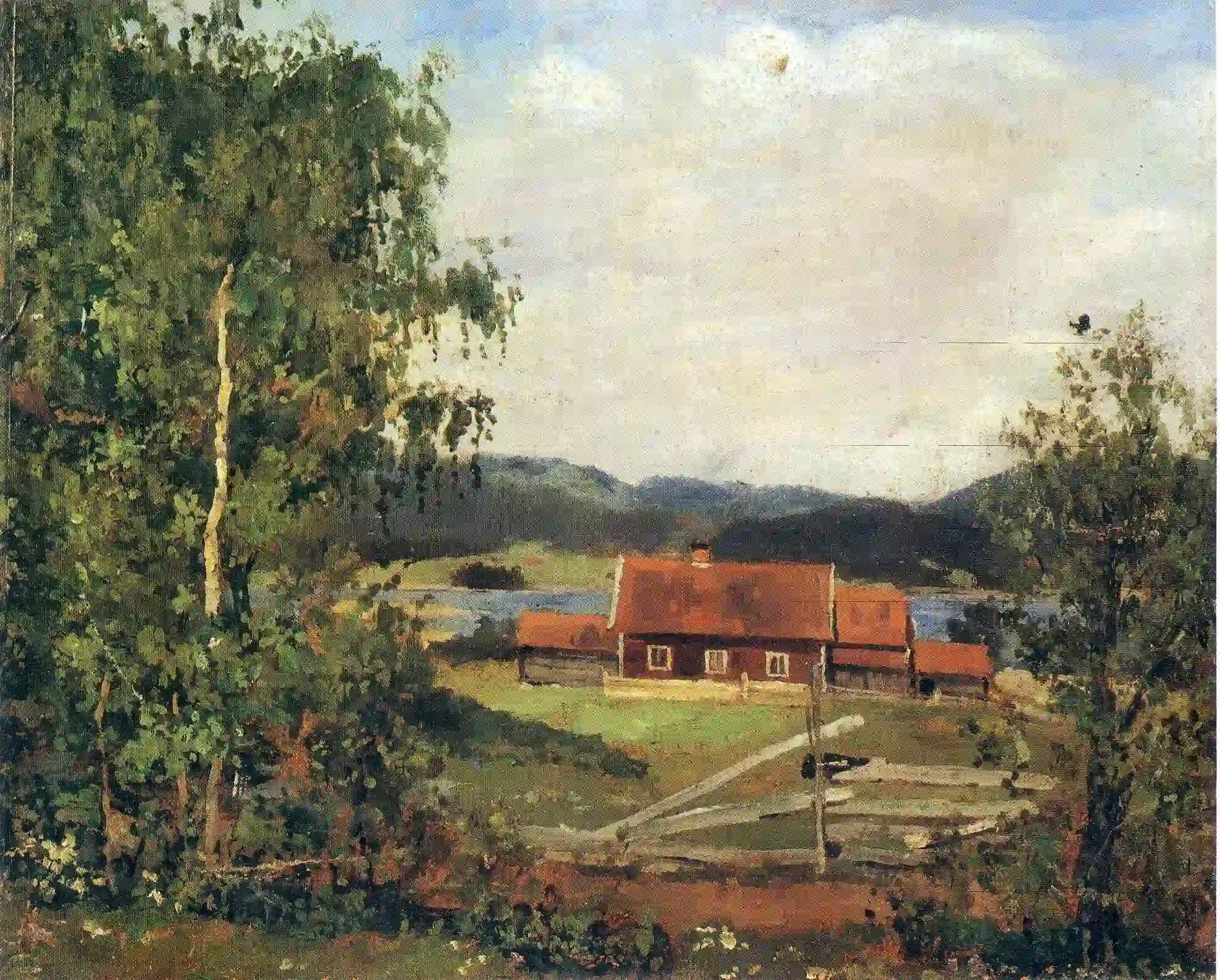
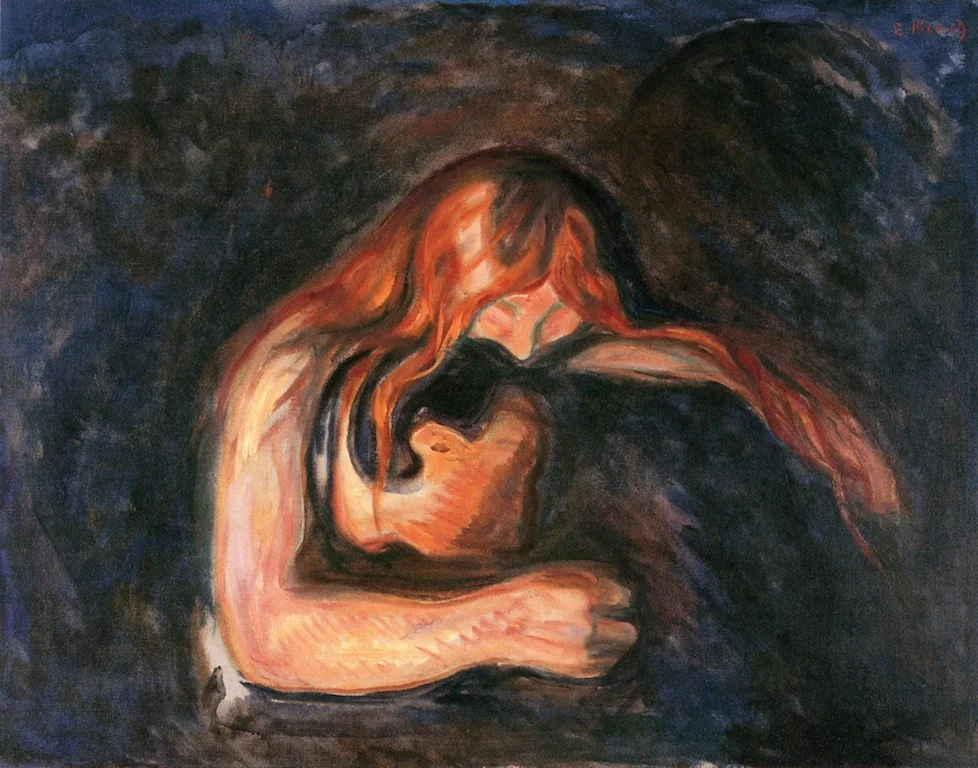
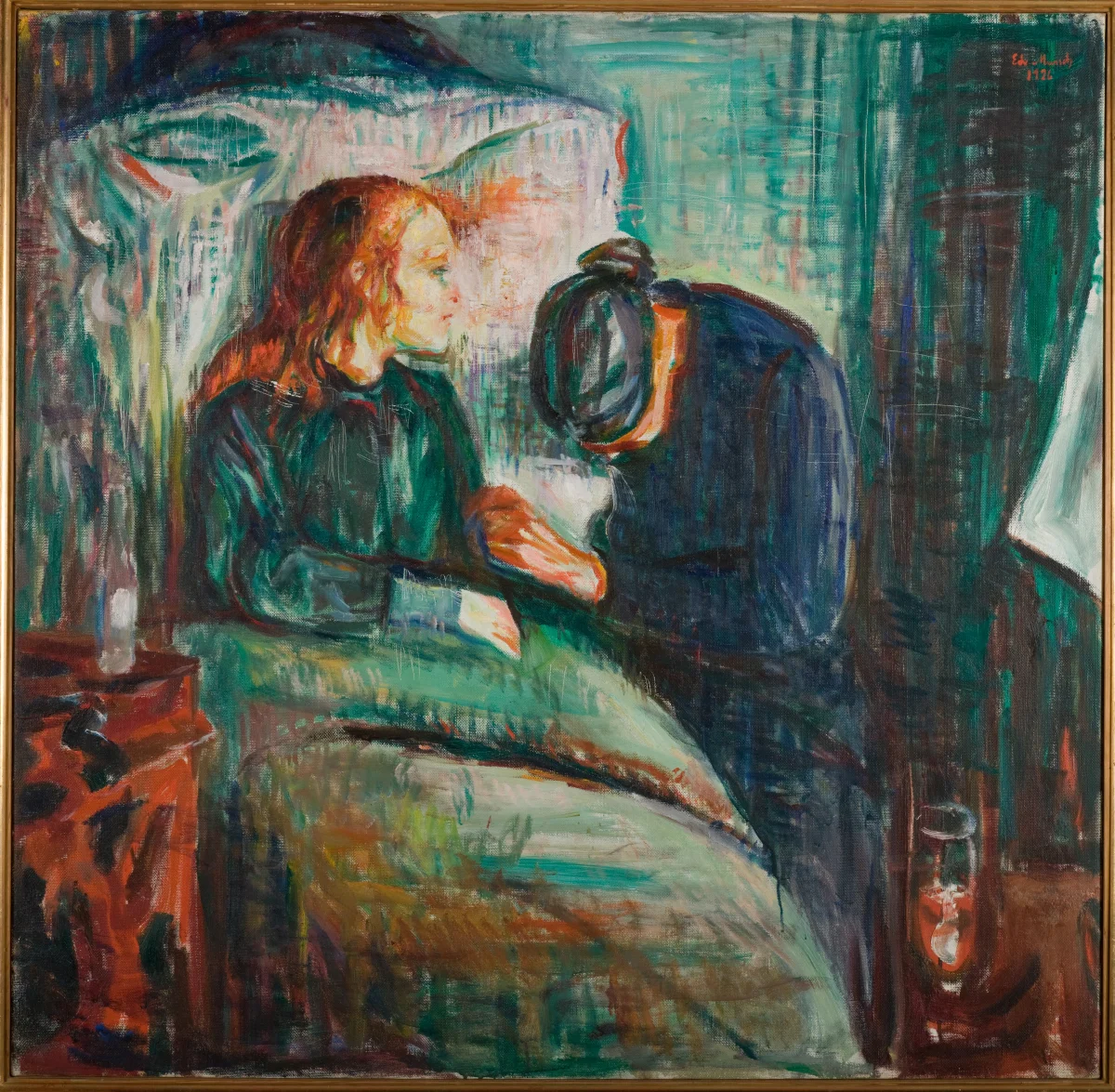
Edvard Munch’s "Landscape. Maridalen by Oslo" showcases his unique technique in oil on canvas, blending bold colors and expressive brushwork. Every stroke embodies the emotional intensity characteristic of the Expressionism movement. His mastery is evident in the atmospheric depiction of Maridalen, near Oslo, mirroring the evocative power found in "Vampire" and "The Sick Child." This oil on canvas demonstrates Munch’s unparalleled ability to convey mood and movement, making it a standout in his oeuvre.
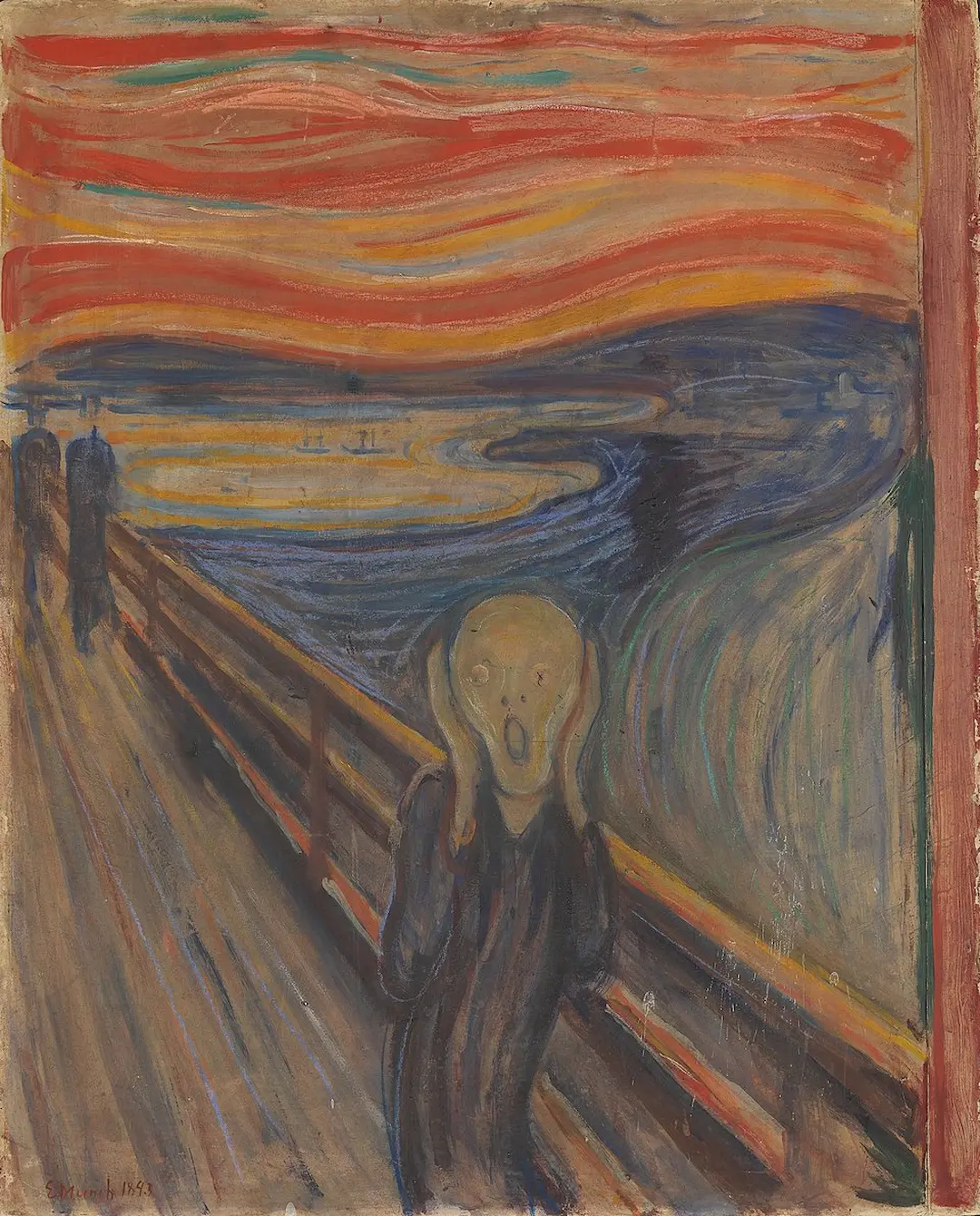
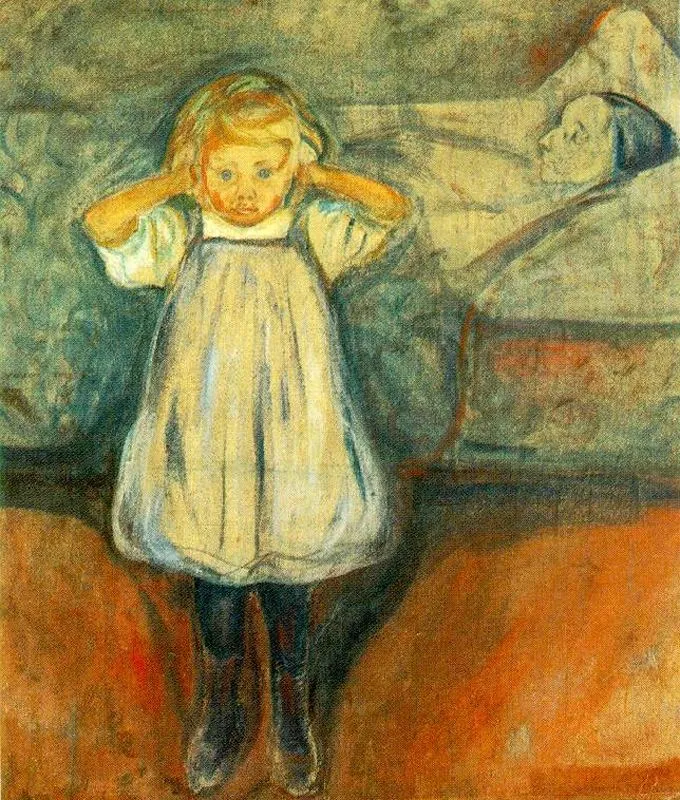
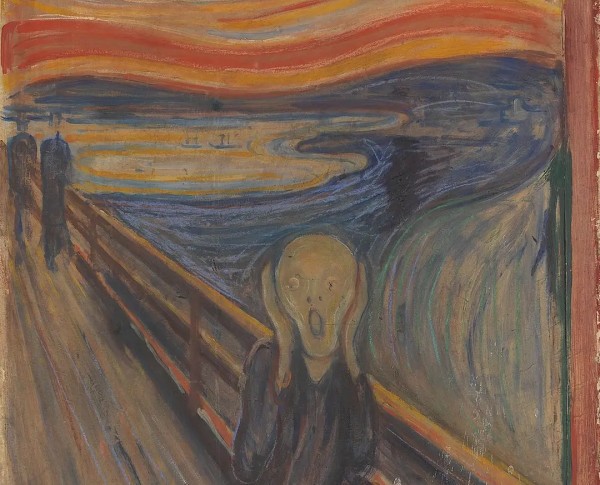
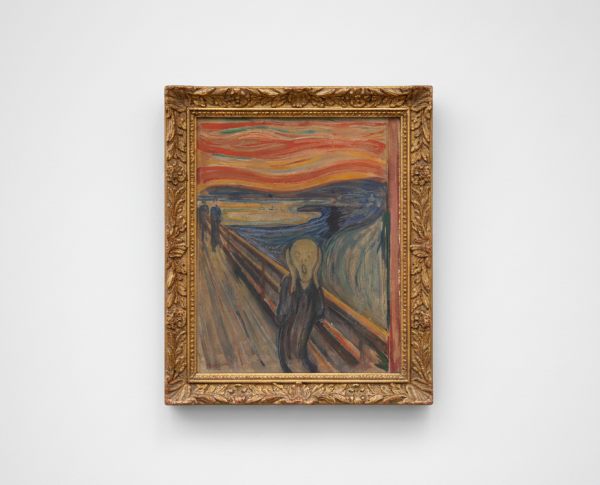
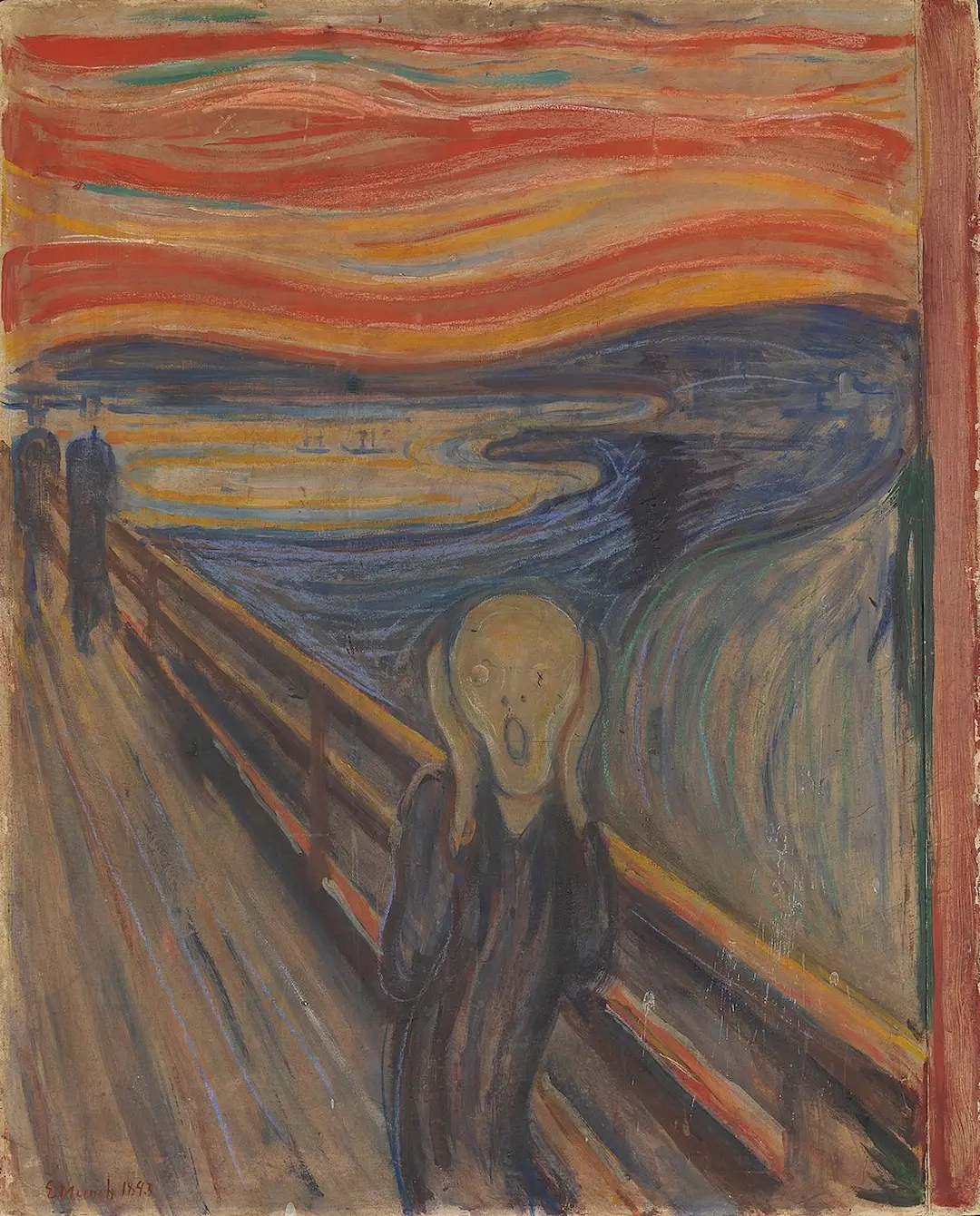
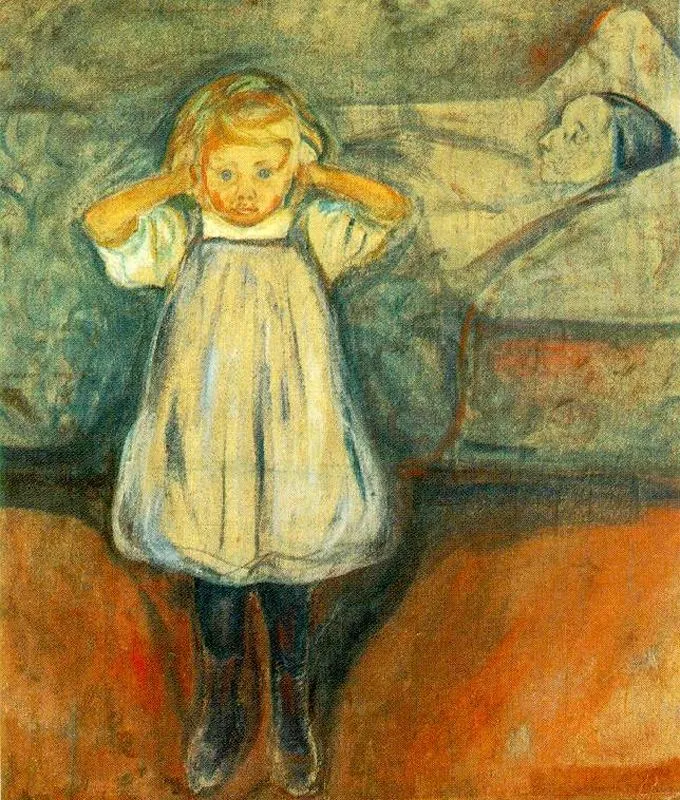
In "Landscape. Maridalen by Oslo," Edvard Munch weaves stories into the landscape, using color and form to symbolize deeper emotions. As with his iconic works "Death and the Child" and "The Scream," this fine art painting for sale invites interpretation, with the scenery reflecting themes of solitude and introspection. The painting’s symbolic power makes it an essential piece for those who appreciate the narrative depth of Expressionism and the artistry of Munch’s vision.
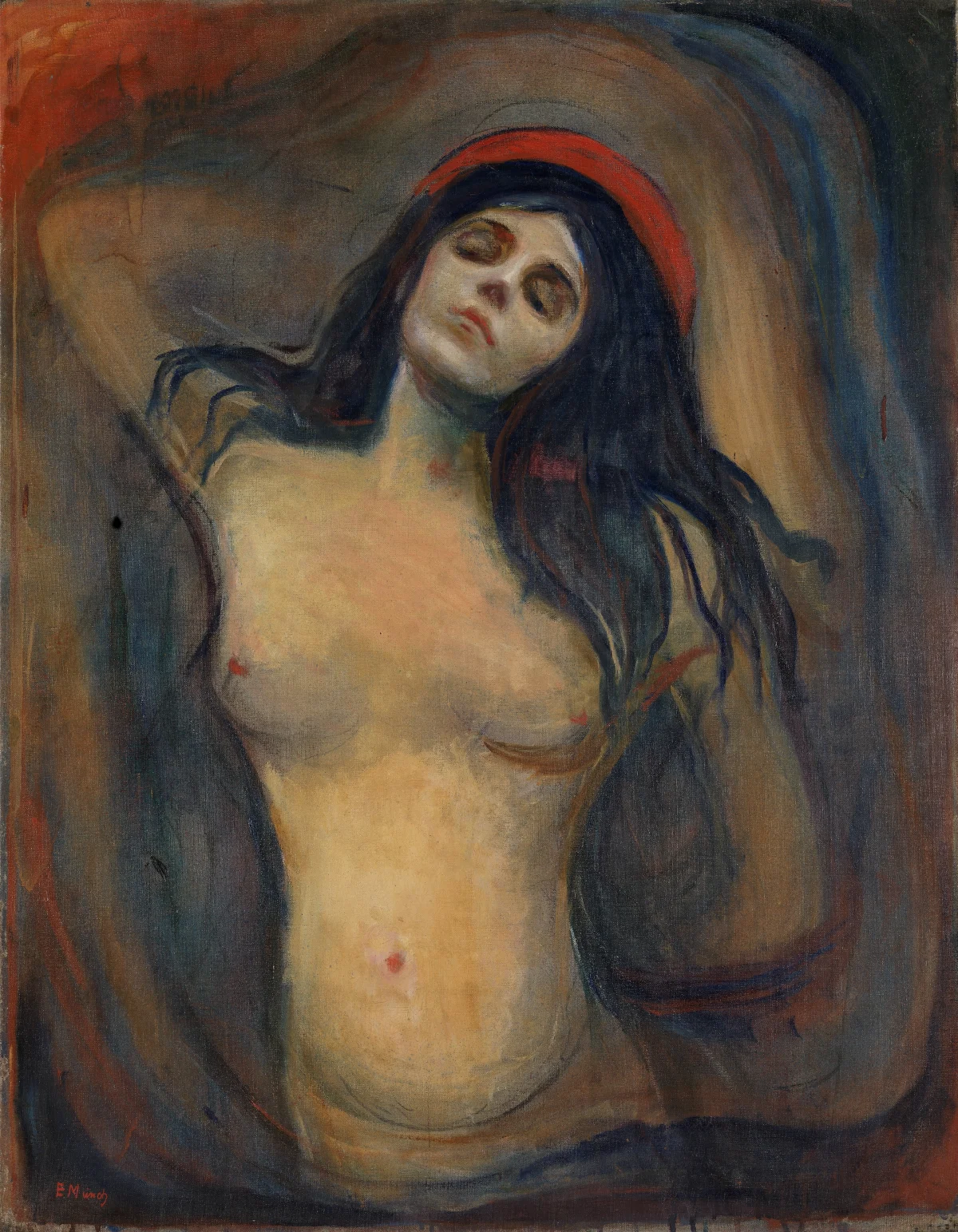
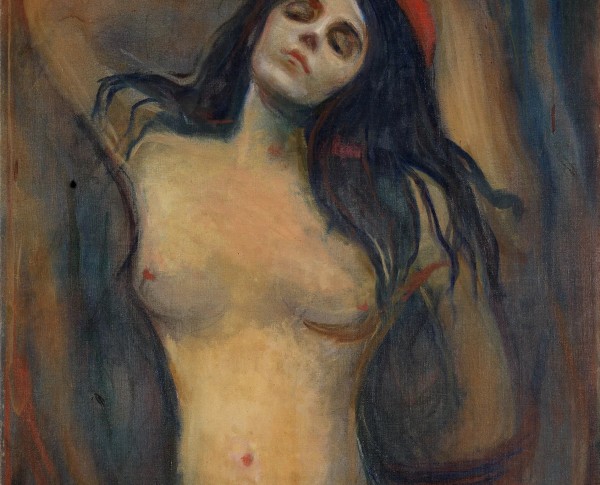
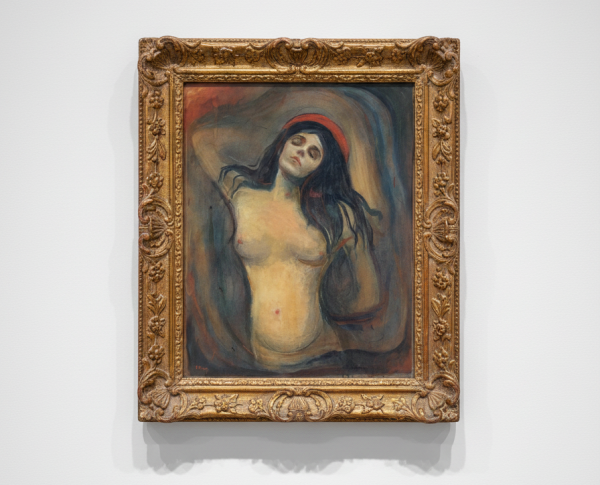
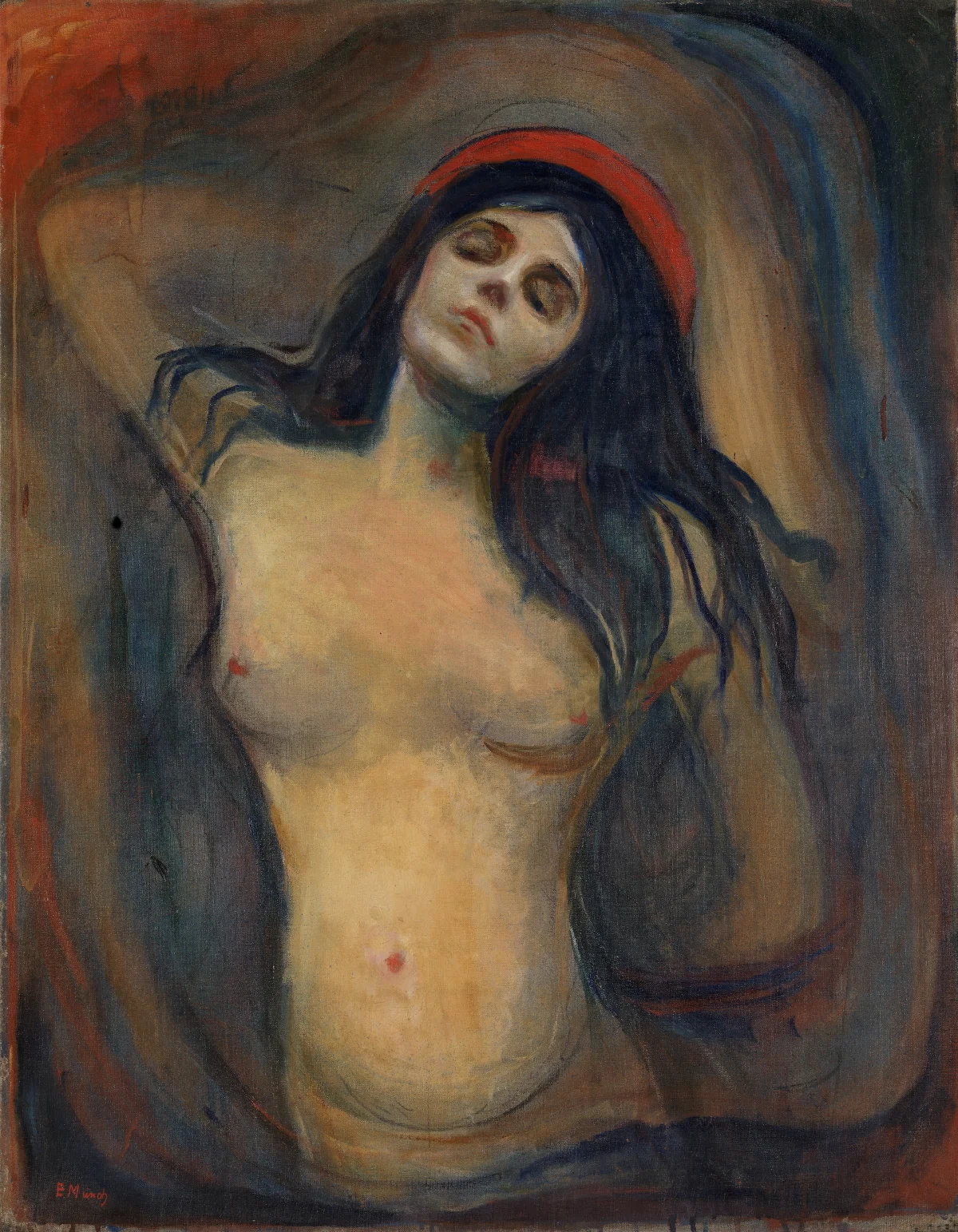
For art collectors and enthusiasts, "Landscape. Maridalen by Oslo" by Edvard Munch is a fine art painting for sale that represents the best of Expressionism. Its connection to other legendary works like "Madonna" and "The Sick Child" adds significant value. Owning this painting means acquiring a piece of history from an artist whose influence endures. This masterpiece is not just a beautiful addition but also a testament to Munch’s lasting impact on the world of fine art.
When Art Meets History
"Landscape. Maridalen by Oslo" by Edvard Munch is a remarkable example of Expressionism, a movement that reshaped early twentieth-century art. Painted during a period of personal and national transformation, this hand-painted oil painting encapsulates the vibrant atmosphere of Norway’s countryside near Oslo. Munch, renowned for masterpieces like "The Scream," uses this work to connect viewers with the historical and emotional landscape of his homeland, making it a significant piece for both art lovers and historians alike.
Techniques That Speak
Edvard Munch’s "Landscape. Maridalen by Oslo" demonstrates his mastery of oil on canvas, a medium that allowed him to convey depth and emotion with bold brushwork. The expressive strokes and vivid palette characteristic of Expressionism are evident in every inch of this landscape. Like his other notable paintings, Munch’s technical choices here heighten the viewer’s sensory experience, immersing them in the scenery’s atmosphere and emotional resonance, which is characteristic of the Expressionist movement.
Emotions on Display
Through "Landscape. Maridalen by Oslo," Edvard Munch channels the core tenet of Expressionism: the portrayal of raw emotion. The painting’s dynamic composition and intense colors evoke a deep sense of place and mood, inviting viewers to feel the landscape’s tranquility and melancholy. This fine art painting for sale stands alongside Munch’s most emotive works, demonstrating his ability to translate human feeling into visual form, making it a compelling addition to any art collection.
Coveted by Collectors
Collectors worldwide seek out Edvard Munch’s works, and "Landscape. Maridalen by Oslo" is no exception. As a hand-painted oil painting from the Expressionist movement, it offers both historical significance and visual impact. The demand for such masterpieces, including Munch’s related paintings, continues to grow, driven by their rarity and expressive power. Owning this artwork means possessing a piece of art history that resonates with personal and cultural meaning, making it highly coveted in today’s art market.
Frequently Asked Questions About Landscape. Maridalen by Oslo
What is the historical context of "Landscape. Maridalen by Oslo"?
"Landscape. Maridalen by Oslo" was created during a period when Edvard Munch was exploring themes of nature and existentialism. Painted in the late 19th century, this work reflects the transition in Norwegian art towards a more personal and emotional expression.
What artistic techniques did Munch employ in this painting?
Munch utilized a combination of bold brush strokes and vibrant colors to convey the emotional resonance of the landscape. His use of light and shadow enhances the depth of the scene, creating a sense of movement and atmosphere.
What symbolism can be found in "Landscape. Maridalen by Oslo"?
The painting symbolizes the connection between humanity and nature, reflecting Munch's belief in the therapeutic power of the natural world. The serene landscape serves as a backdrop for introspection and emotional exploration.
How does this painting relate to Munch's other works?
The Norwegian landscape profoundly influenced Munch's artistic vision. The natural beauty of Norway served as a source of inspiration, allowing him to explore complex emotions and the human condition through the lens of his surroundings.
What role does color play in "Landscape. Maridalen by Oslo"?
Color in this painting plays a crucial role in evoking mood and emotion. Munch's choice of vibrant greens and blues creates a sense of harmony and tranquility, while contrasting tones highlight the emotional undertones of the landscape.
How does Munch's style in this painting reflect the Symbolist movement?
Munch's style in "Landscape. Maridalen by Oslo" reflects the Symbolist movement through its emphasis on emotion and subjective experience. The painting transcends mere representation, inviting viewers to engage with the deeper meanings behind the landscape.
What emotions does "Landscape. Maridalen by Oslo" evoke?
The painting evokes a sense of peace and contemplation. The serene landscape invites viewers to reflect on their own emotions and experiences, fostering a connection between the observer and the natural world.
In what ways did Munch's personal life influence this artwork?
Munch's personal experiences, including his struggles with mental health and his relationship with nature, greatly influenced this artwork. The landscape serves as a refuge, reflecting his desire for solace and understanding in a tumultuous world.
What is the significance of the location depicted in the painting?
Maridalen, located near Oslo, holds personal significance for Munch, as it represents a place of beauty and tranquility. The location symbolizes the artist's connection to his homeland and the inspiration he drew from its landscapes.






















_GFM_Painting_(1).webp)


 100% Hand-Painted: Finished in 3-6 Weeks

.png)















_(1).webp)