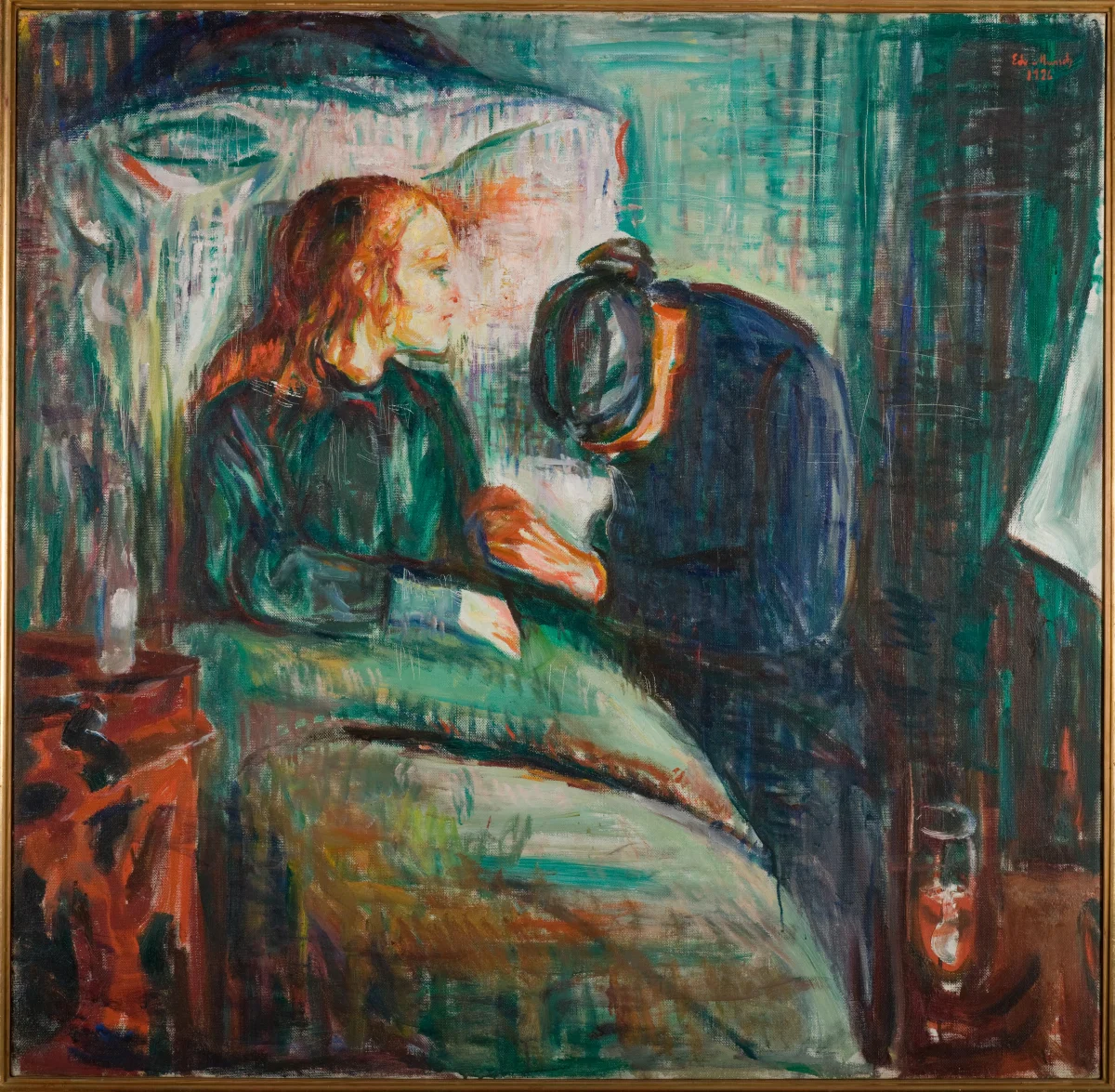
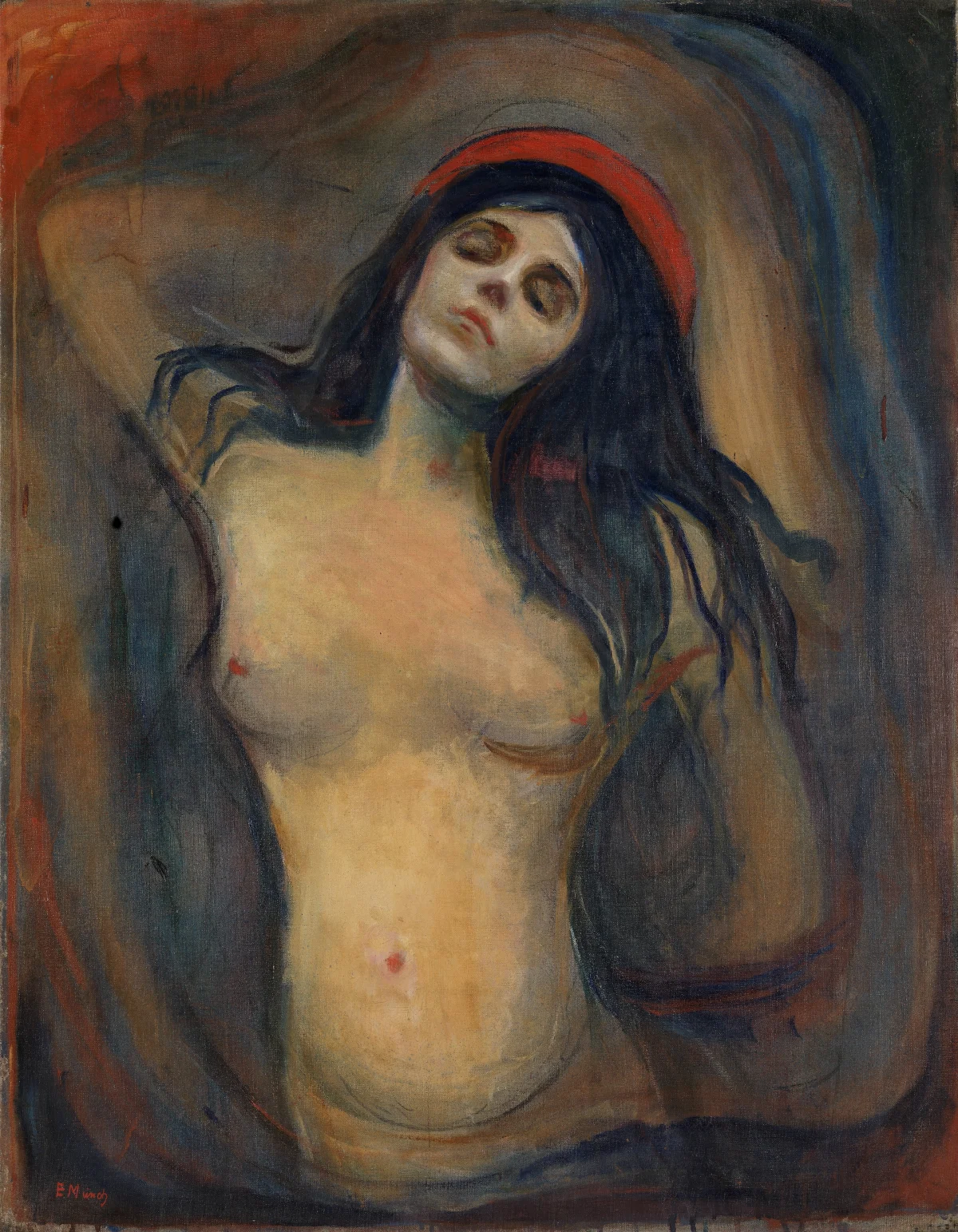
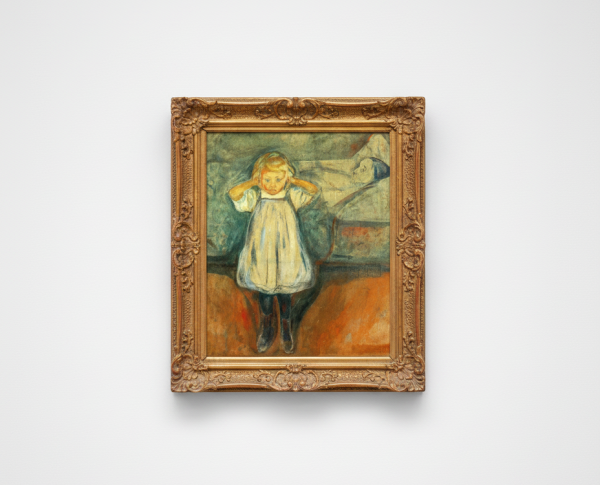
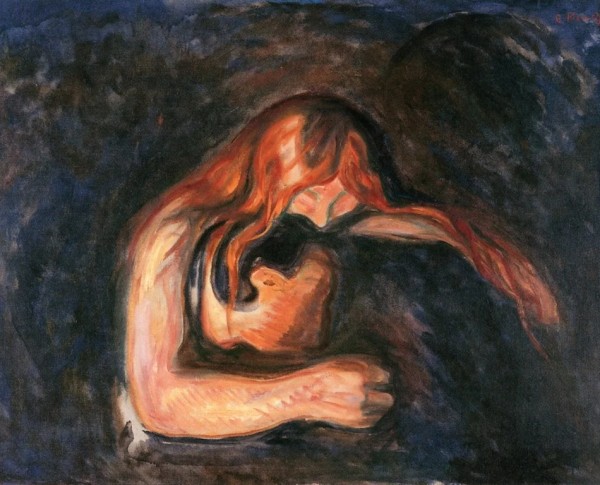
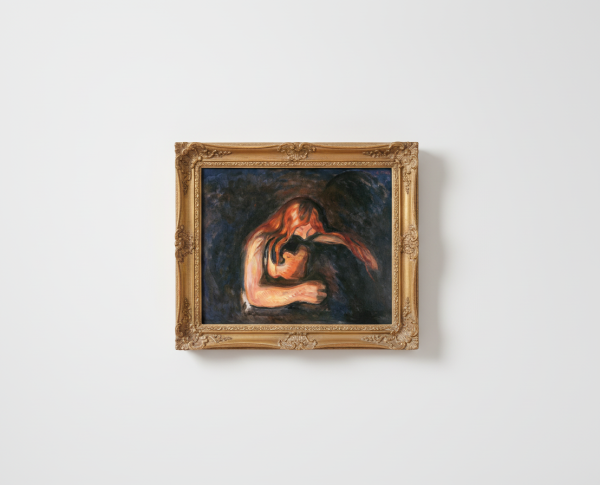
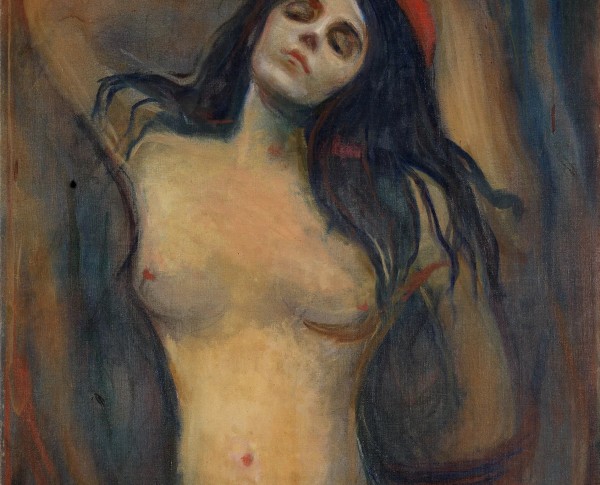
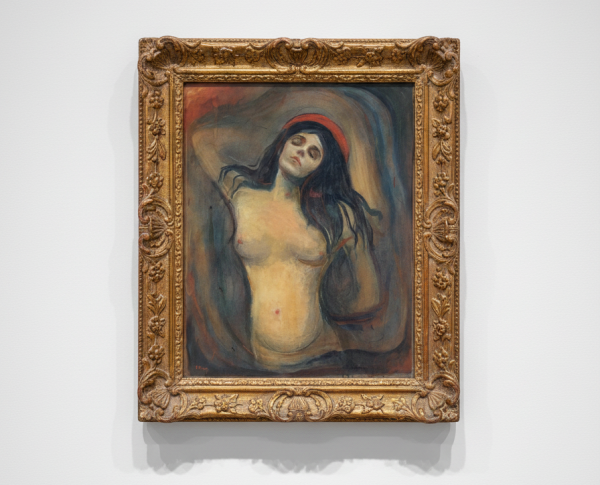
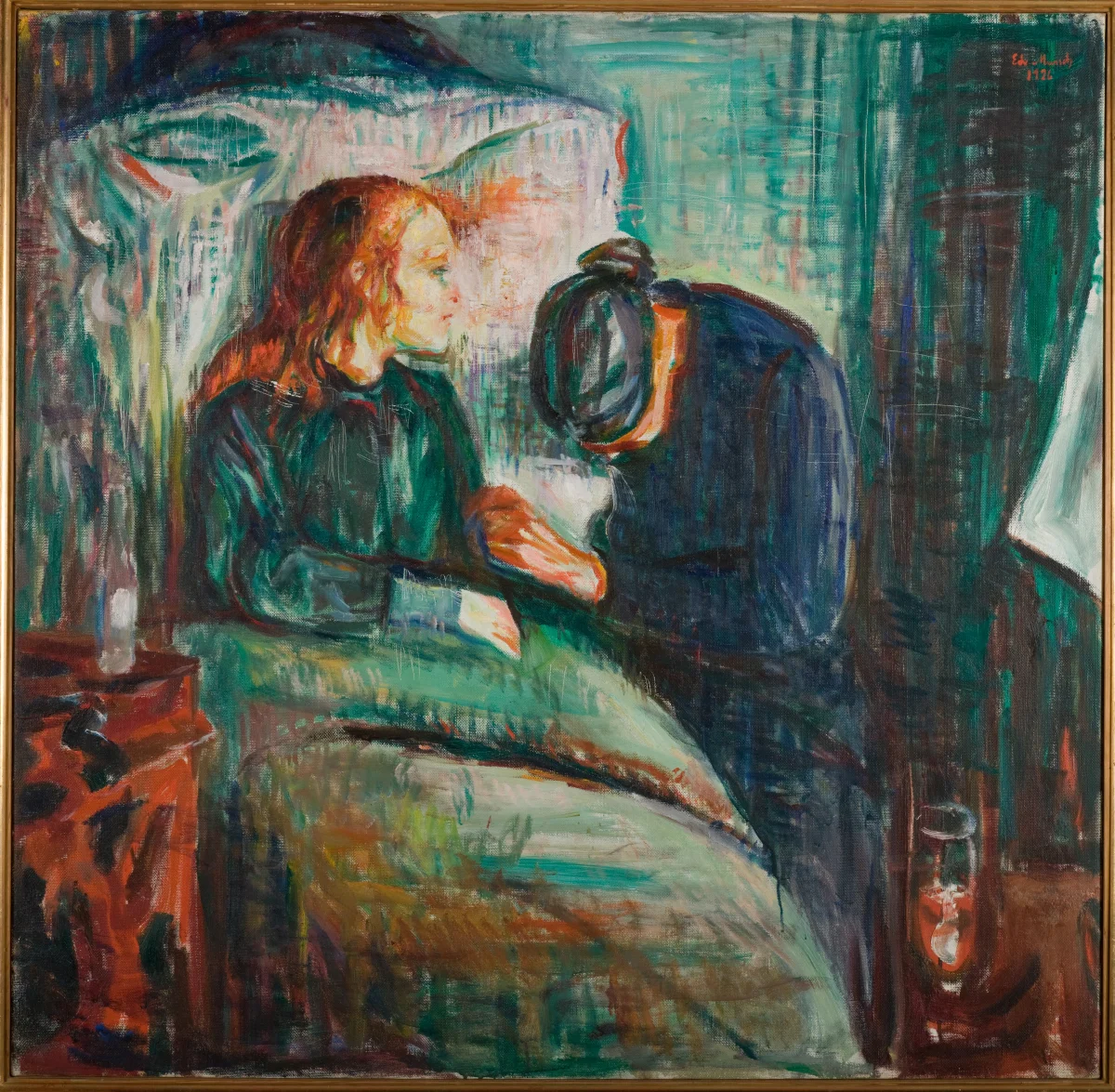
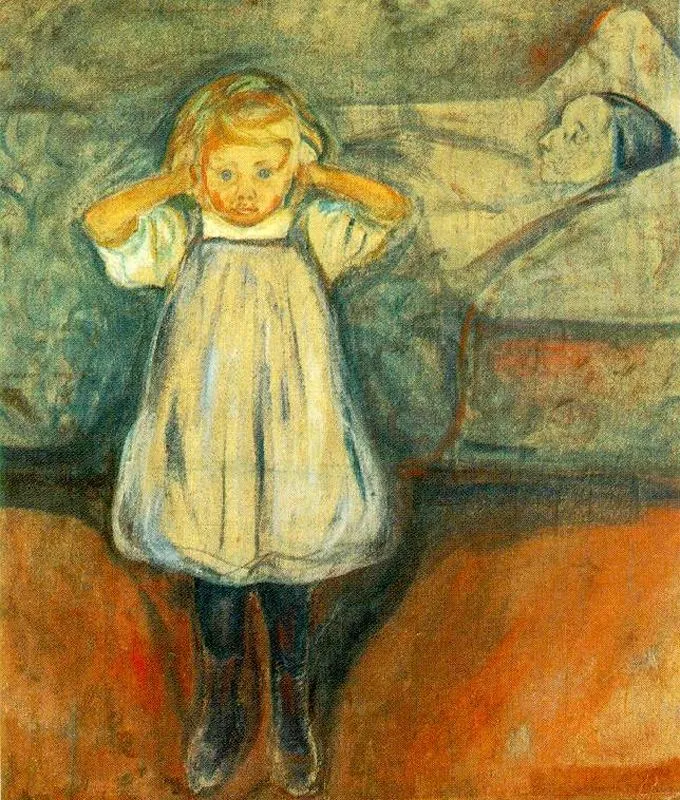
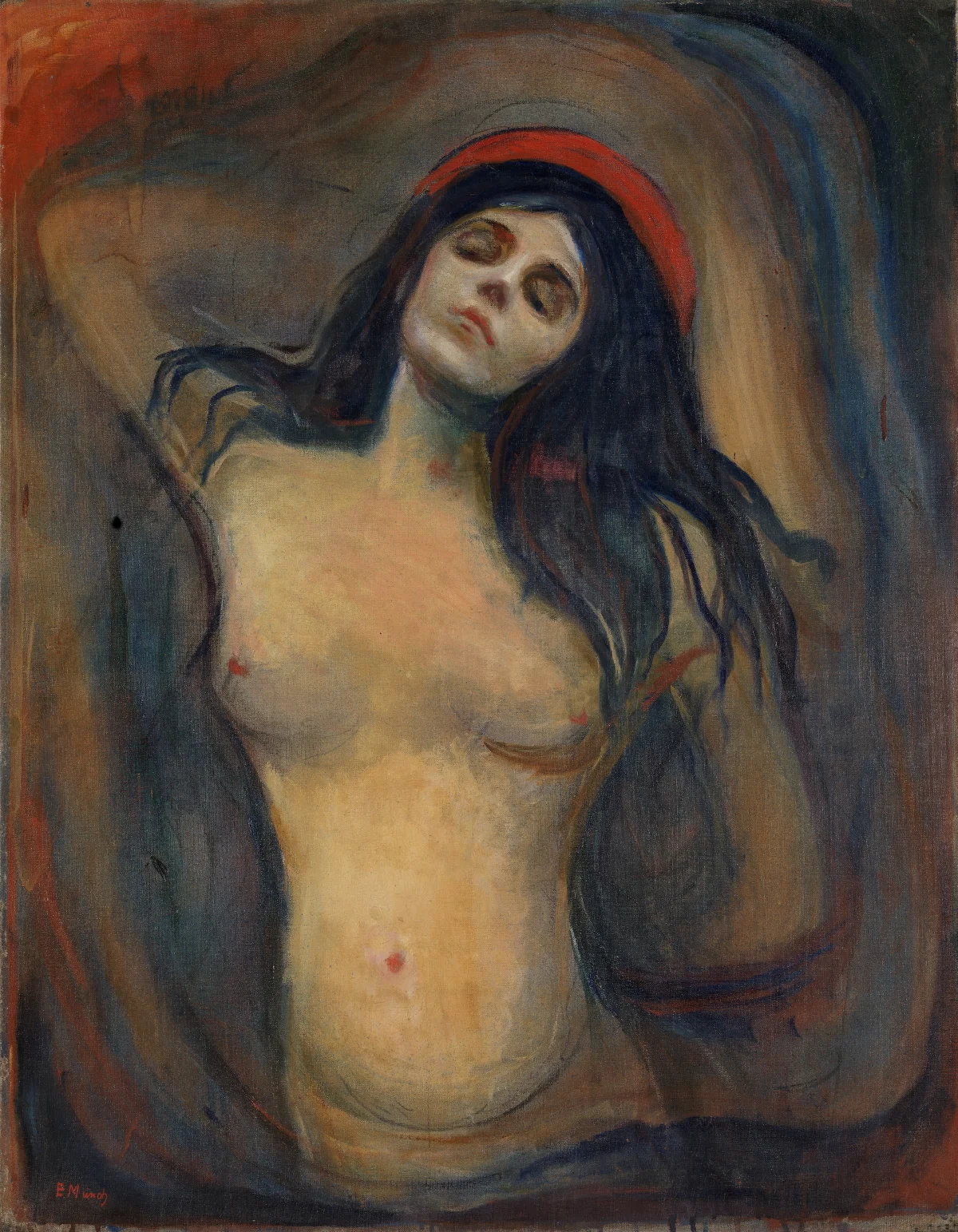
Edvard Munch’s "The Sick Child" exemplifies his innovative approach to oil on canvas, using loose brushwork and vivid colors to convey deep psychological states. Through the Expressionism movement, Munch challenged traditional techniques, focusing on emotional authenticity rather than realism. Collectors and enthusiasts of fine art painting for sale are drawn to the tactile quality and intense atmosphere of this piece, making it a standout among related works like "Madonna" and "Death and the Child."
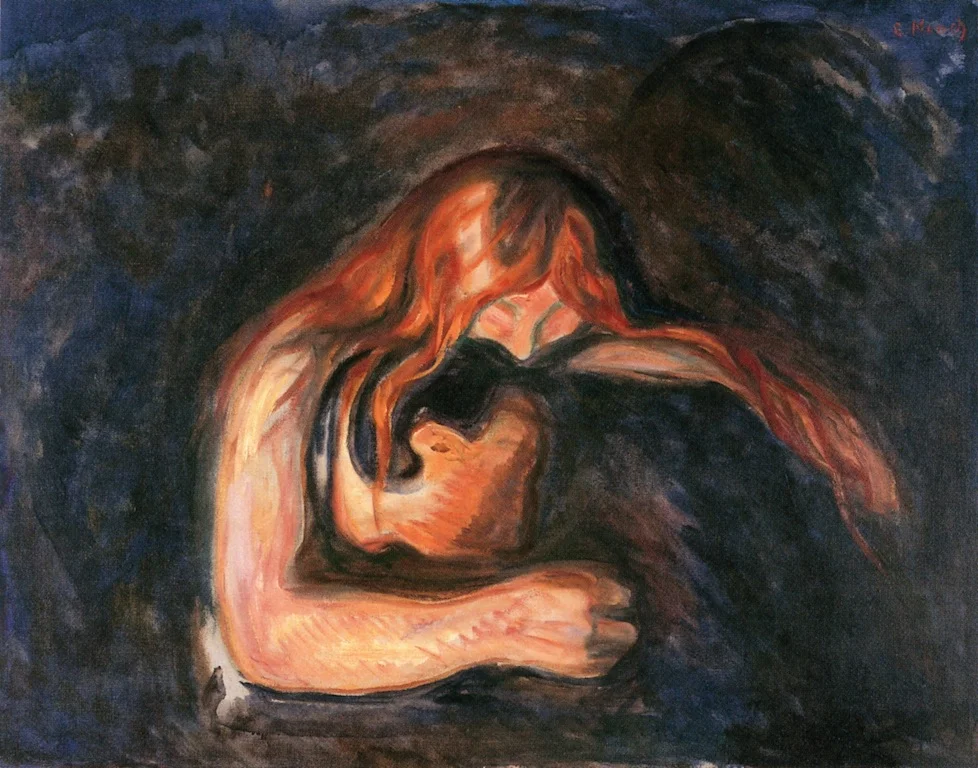
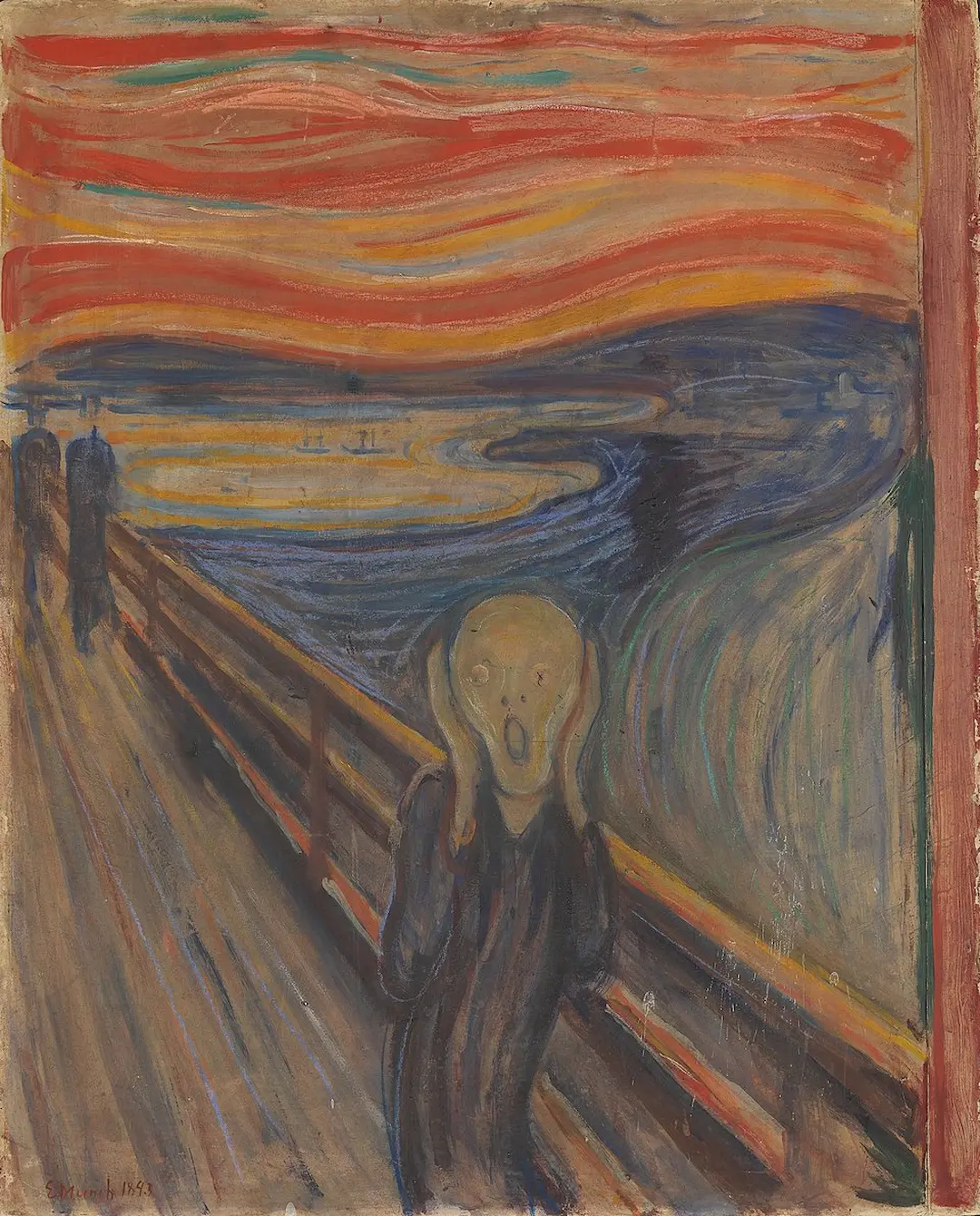
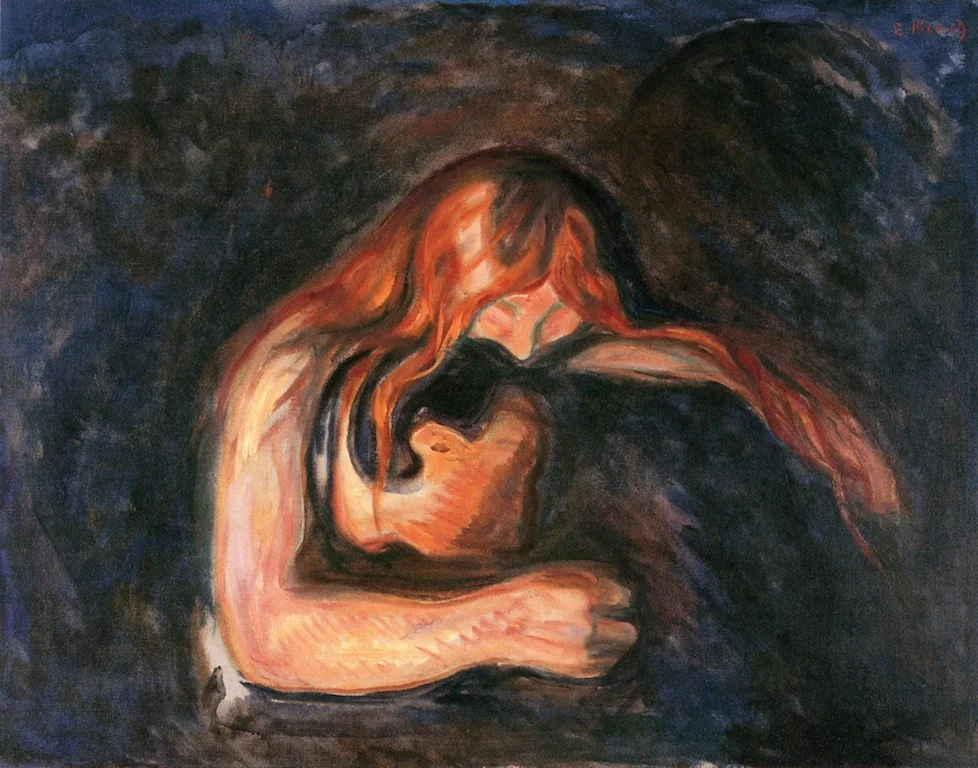
"The Sick Child" is more than a fine art painting for sale—it’s a heartfelt narrative rooted in Munch’s own family tragedy. The painting’s poignant symbolism and expressive forms invite viewers to contemplate themes of loss and compassion, hallmarks of the Expressionism movement. Alongside related products such as "The Scream" and "Vampire," this masterpiece embodies the emotional storytelling that defines Edvard Munch’s enduring legacy.
For art lovers and collectors, "The Sick Child" by Edvard Munch is a prized hand-painted oil painting from the Expressionism era. Its emotional depth and historical significance make it a must-have, whether displayed alongside other works like "Death and the Child" or "Madonna." Owning this oil on canvas not only enriches your collection but also connects you to a transformative period in art history, offering a unique investment in timeless creativity.
When Art Meets History
"The Sick Child" by Edvard Munch, a pivotal work in the Expressionism movement, was first unveiled in 1886. This hand-painted oil painting marked a turning point in modern art, reflecting both personal tragedy and broader social concerns. Munch’s depiction of illness and loss not only immortalized his own memories but also resonated with the anxieties of his era. Like many of his other works, it invites viewers to reflect on the emotional depth of fine art painting for sale.
Techniques That Speak
Munch’s mastery of oil on canvas is evident in "The Sick Child". He employed loose brushwork, layered textures, and a muted palette to evoke a sense of fragility and sorrow. This technique became a hallmark of Expressionism, influencing future generations of artists. The painting’s visible brushstrokes and blurred contours convey an atmosphere of uncertainty, demonstrating the power of oil on canvas to express the intangible. Munch’s innovative approach continues to inspire comparisons with other fine art painting for sale.
Emotions on Display
"The Sick Child" stands as a testament to Edvard Munch’s ability to channel raw emotion through his art. The poignant scene, featuring a young girl and her grieving mother, captures the universal themes of love and loss. This hand-painted oil painting is celebrated for its emotional intensity, a characteristic that defines the Expressionism movement. Munch’s evocative style invites viewers to empathize deeply, making "The Sick Child" a profoundly moving fine art painting for sale.
Coveted by Collectors
Over the years, "The Sick Child" has become one of Edvard Munch’s most sought-after works among art collectors and museums worldwide. Its significance within the Expressionism movement and its innovative use of oil on canvas contribute to its enduring appeal. Collectors prize this painting for its historical value and emotional resonance, often seeking similar fine art painting for sale to enrich their collections. Munch’s legacy endures through the continued appreciation of his groundbreaking art.
Frequently Asked Questions About The Sick Child
What is the historical context of "The Sick Child"?
"The Sick Child" was painted by Edvard Munch in 1885-1886, during a period when the artist was deeply influenced by personal experiences, particularly the illness and death of his beloved sister Sophie. This painting reflects the themes of illness and mortality that permeated Munch's work.
What artistic techniques did Edvard Munch use in "The Sick Child"?
Munch employed a combination of bold colors and expressive brushwork to convey emotion. The use of light and shadow enhances the somber mood, while the simplified forms and contours focus attention on the emotional state of the figures.
What themes are explored in "The Sick Child"?
The painting explores themes of illness, suffering, and the fragility of life. It captures the emotional turmoil of witnessing a loved one in pain, highlighting the deep connections between love, loss, and grief.
How does "The Sick Child" reflect Munch's broader artistic style?
This work is emblematic of Munch's Symbolist style, characterized by its focus on psychological themes and emotional expression. It foreshadows his later masterpieces, where similar themes of existential angst and human vulnerability are prevalent.
What is the significance of the color palette in "The Sick Child"?
The color palette is dominated by muted tones, particularly shades of green and brown, which evoke a sense of melancholy and despair. The contrasting brighter colors used for the figures serve to highlight their emotional states and the gravity of the situation.
What is the symbolism of the figures in "The Sick Child"?
The figures in the painting symbolize the duality of life and death. The sick child represents vulnerability and innocence, while the adult figure embodies the caregiver's anguish and helplessness, illustrating the emotional burden of watching a loved one suffer.
How does "The Sick Child" compare to Munch's other works?
Compared to Munch's other works, "The Sick Child" is more intimate and personal, focusing on familial relationships rather than broader existential themes. It serves as a precursor to his later explorations of human emotion and psychological depth.
What impact did "The Sick Child" have on the art world at the time of its creation?
Upon its release, "The Sick Child" was met with mixed reactions, as it challenged traditional representations of illness and mortality in art. Its emotional intensity and innovative style contributed to Munch's reputation as a leading figure in the Symbolist movement.
In what ways does "The Sick Child" reflect Munch's personal experiences?
Munch's personal experiences, particularly the loss of his sister to tuberculosis, profoundly influenced "The Sick Child." The painting serves as a poignant reflection of his grief and the impact of illness on family dynamics, making it a deeply personal work.
What legacy has "The Sick Child" left in contemporary art?
"The Sick Child" has left a lasting legacy in contemporary art, influencing artists to explore themes of vulnerability, mental health, and the human condition. Its emotional depth continues to resonate, making it a significant work in discussions of art and psychology.






















_GFM_Painting_(1).webp)


 100% Hand-Painted: Finished in 3-6 Weeks

.png)















_(1).webp)