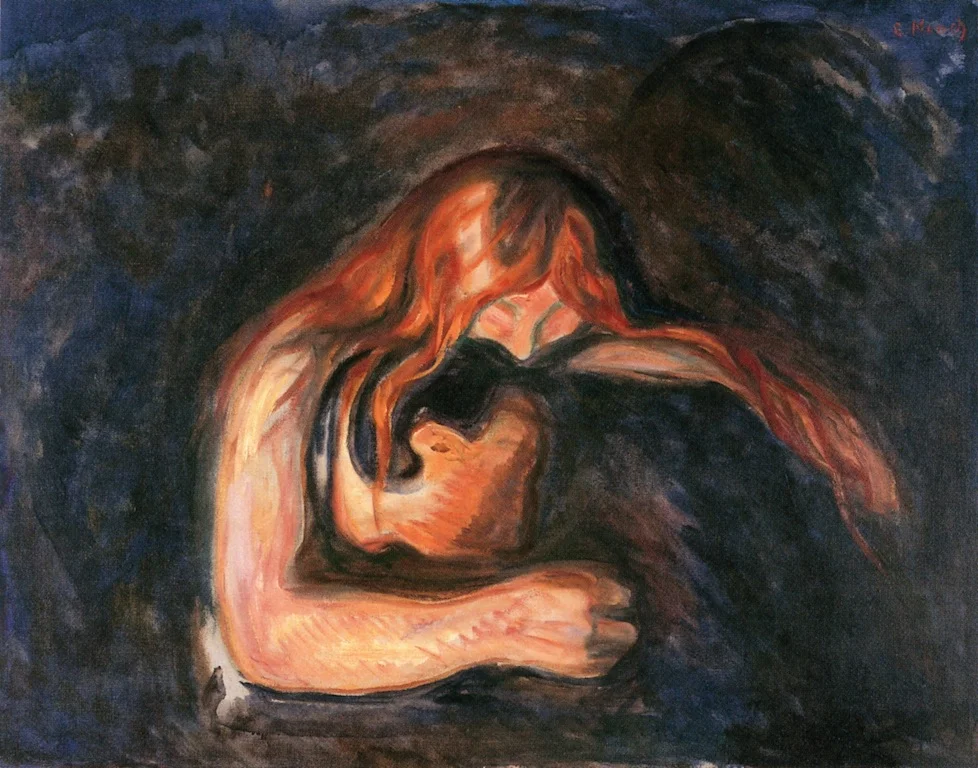
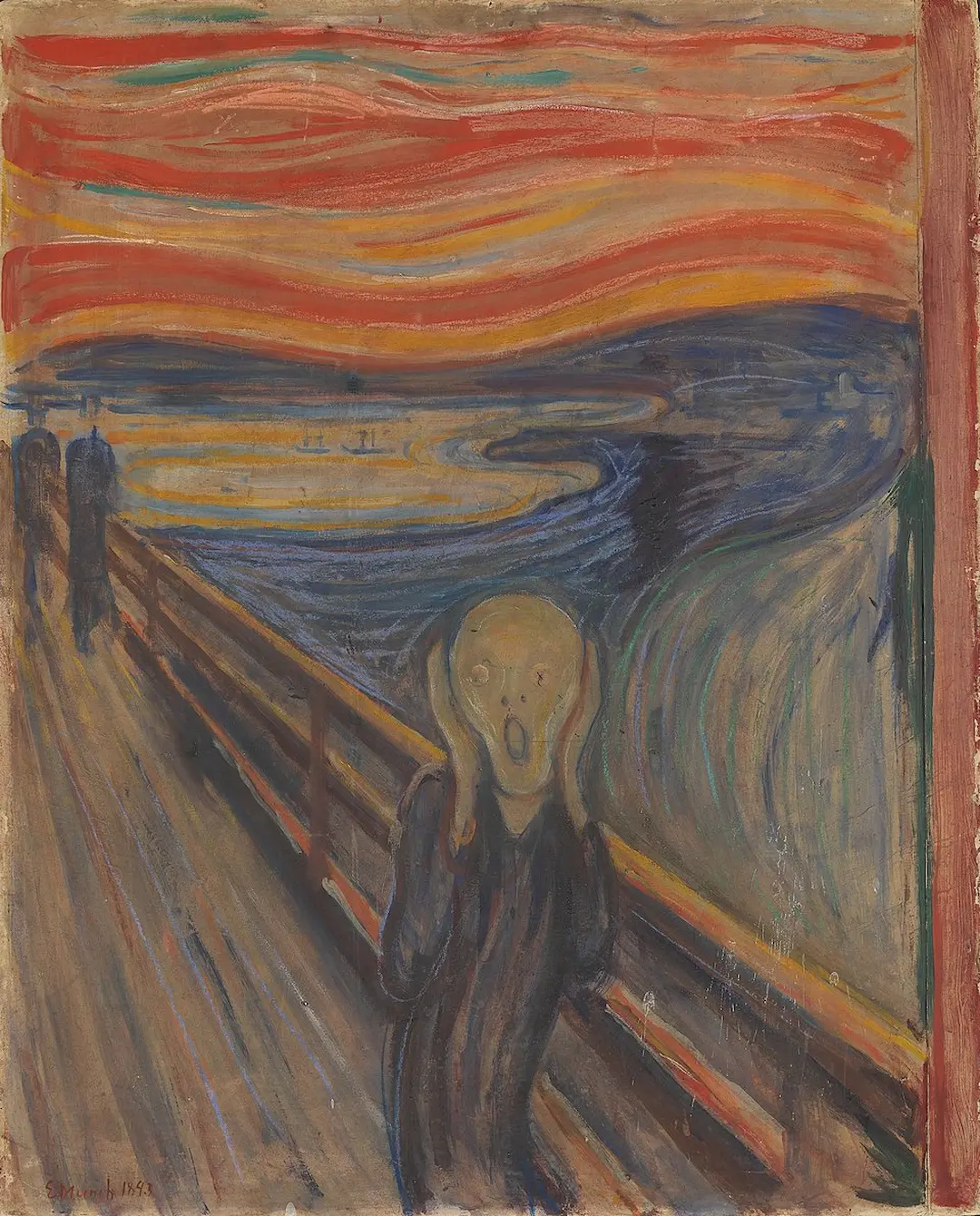
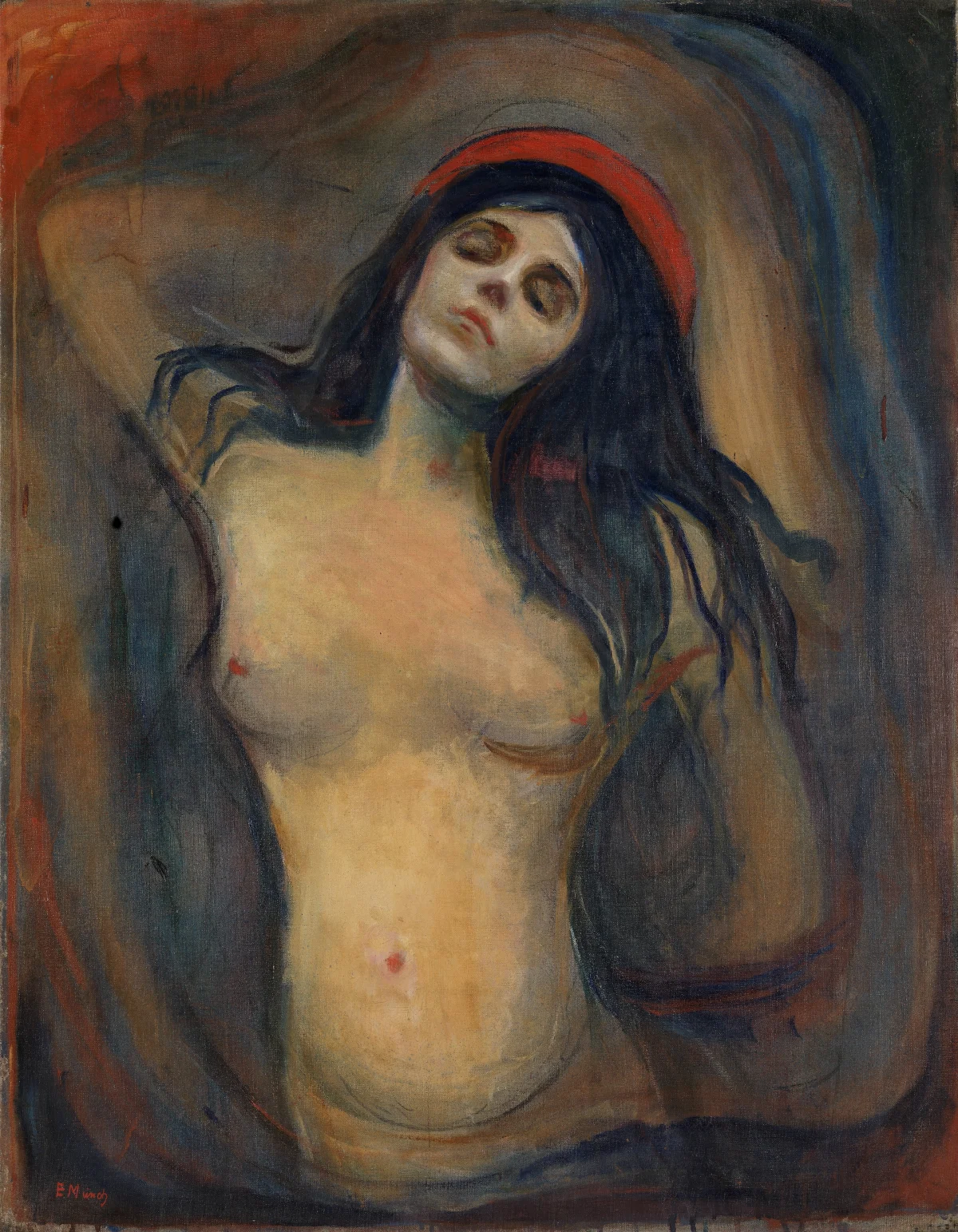
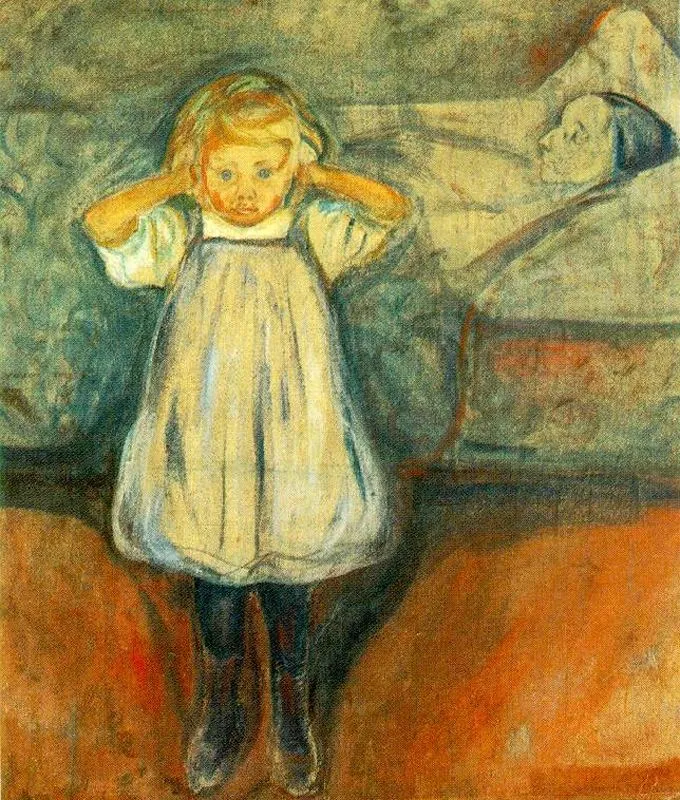
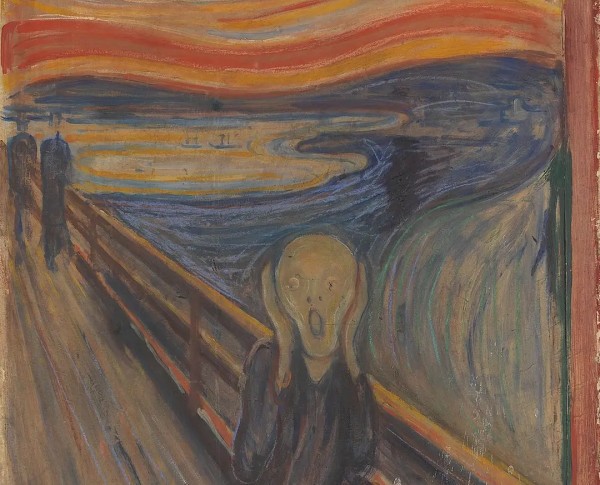
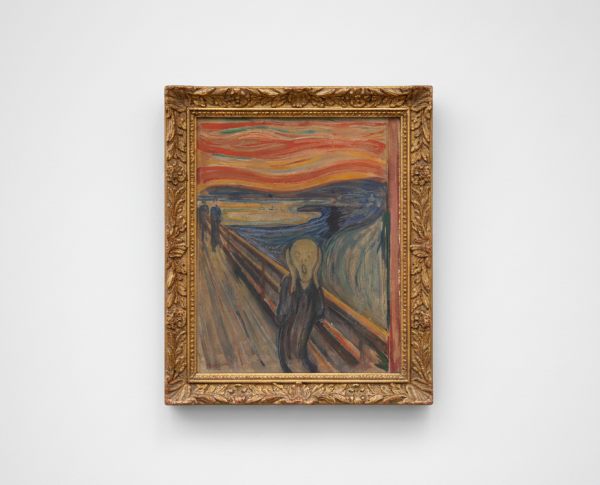
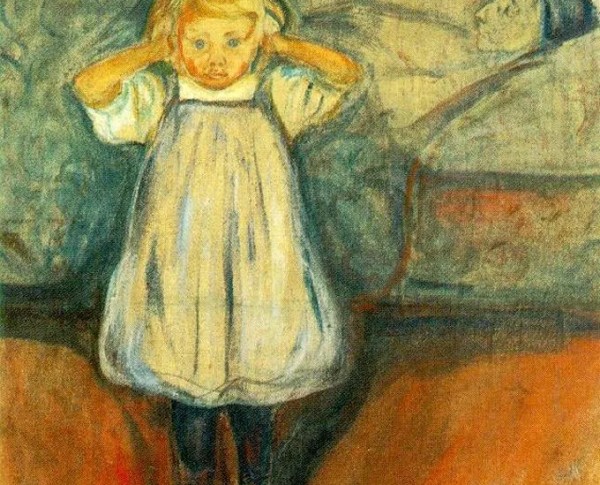
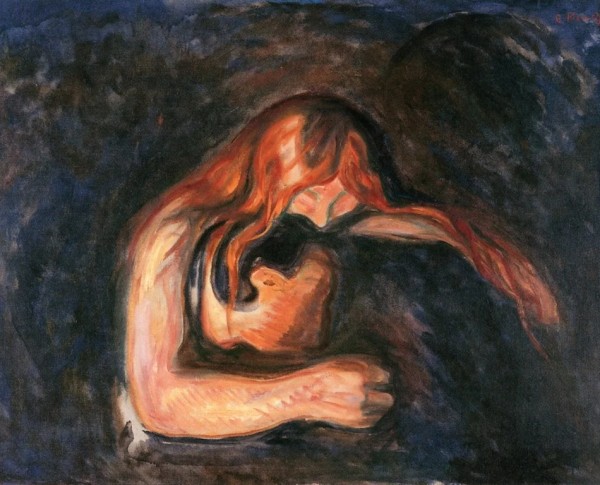
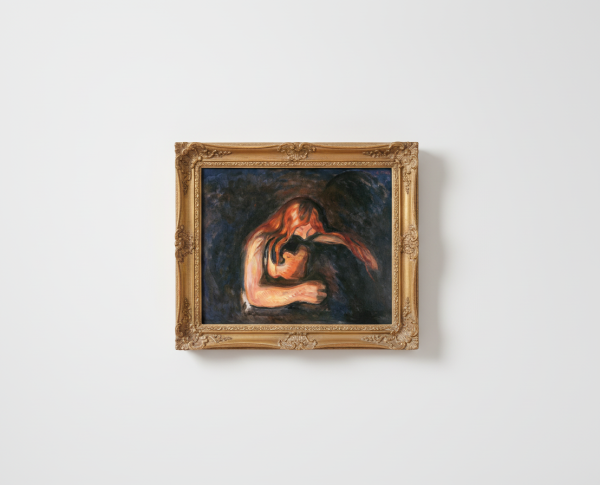
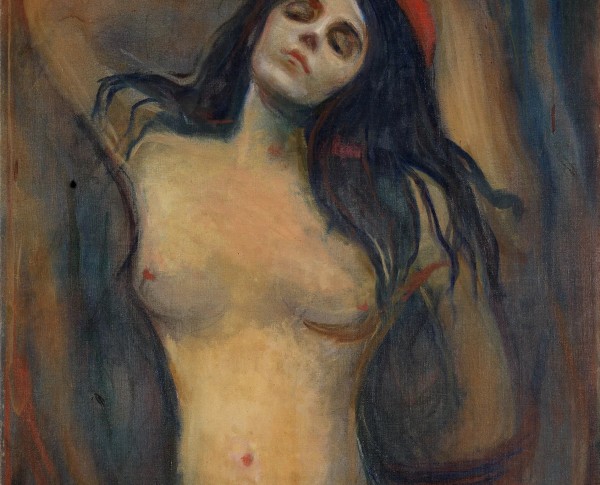
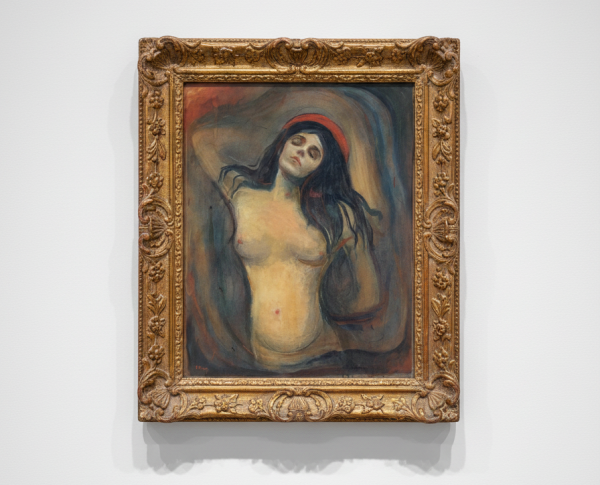
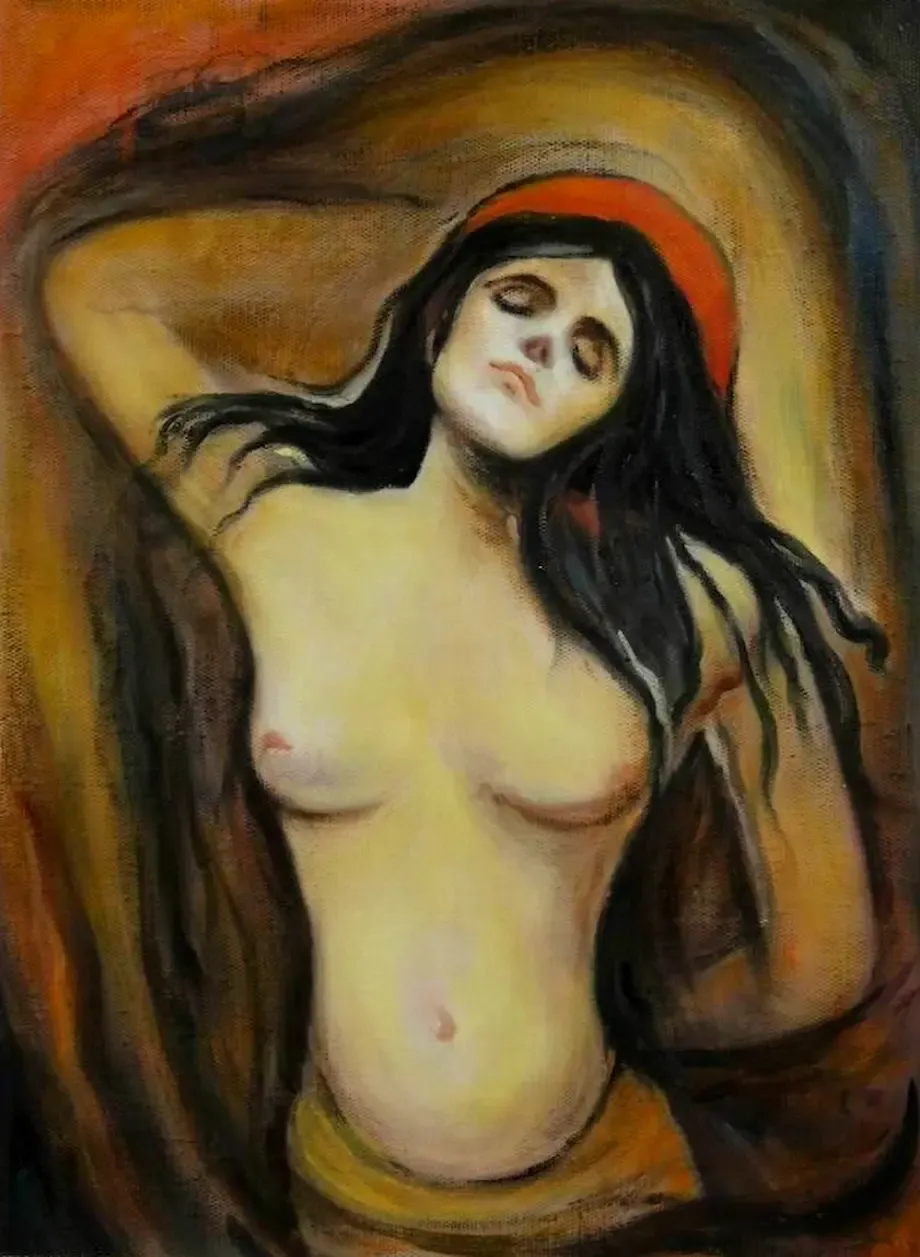
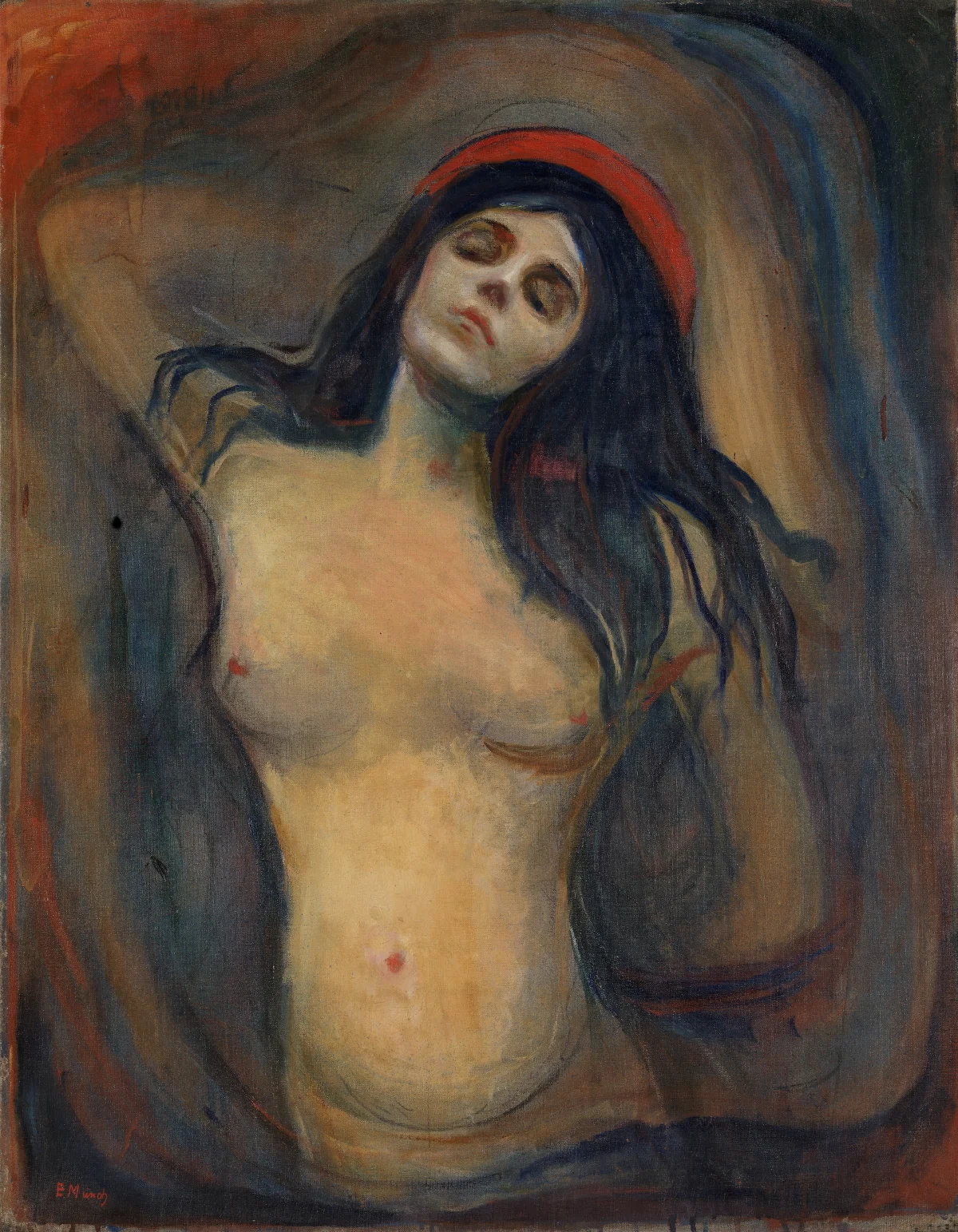
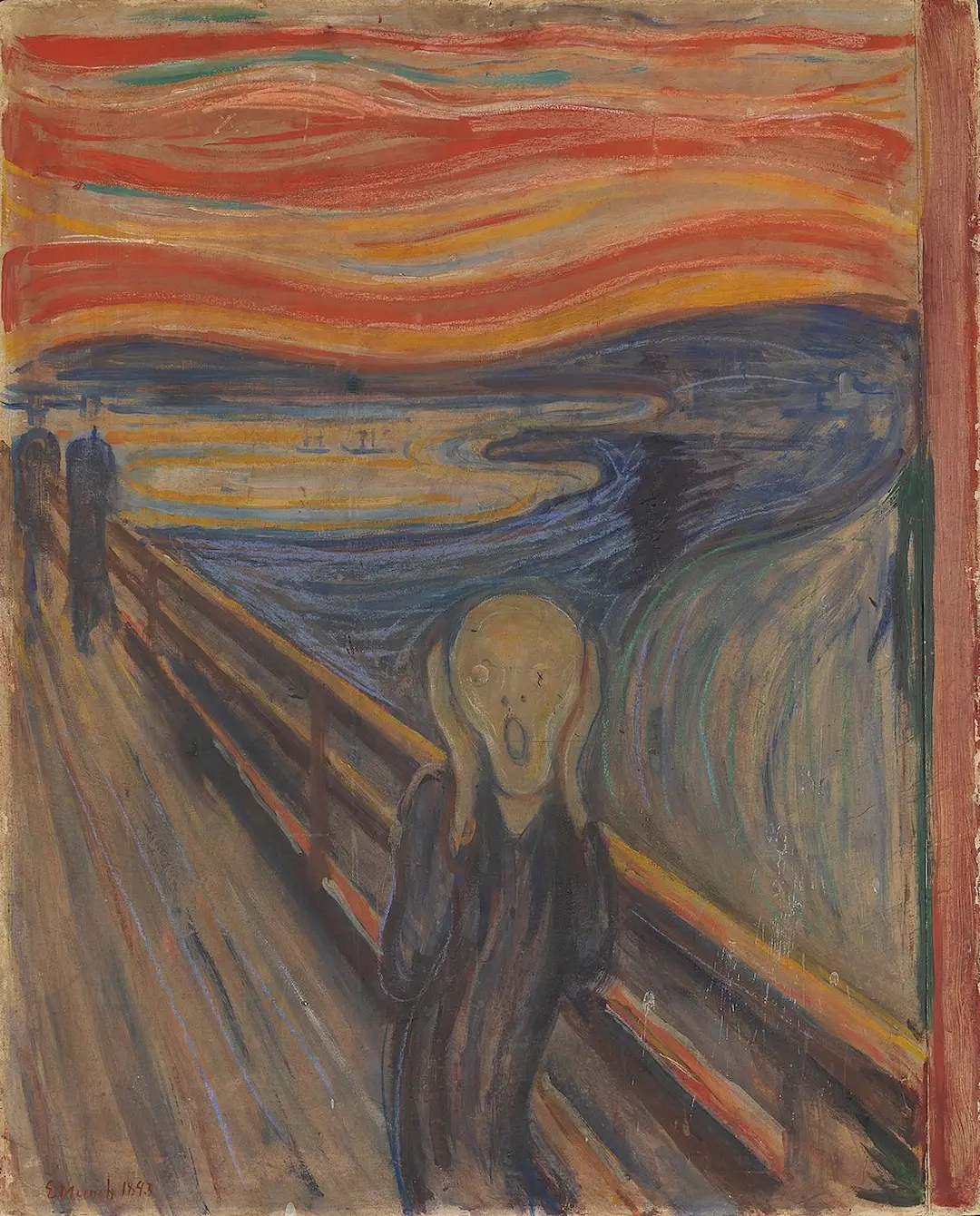
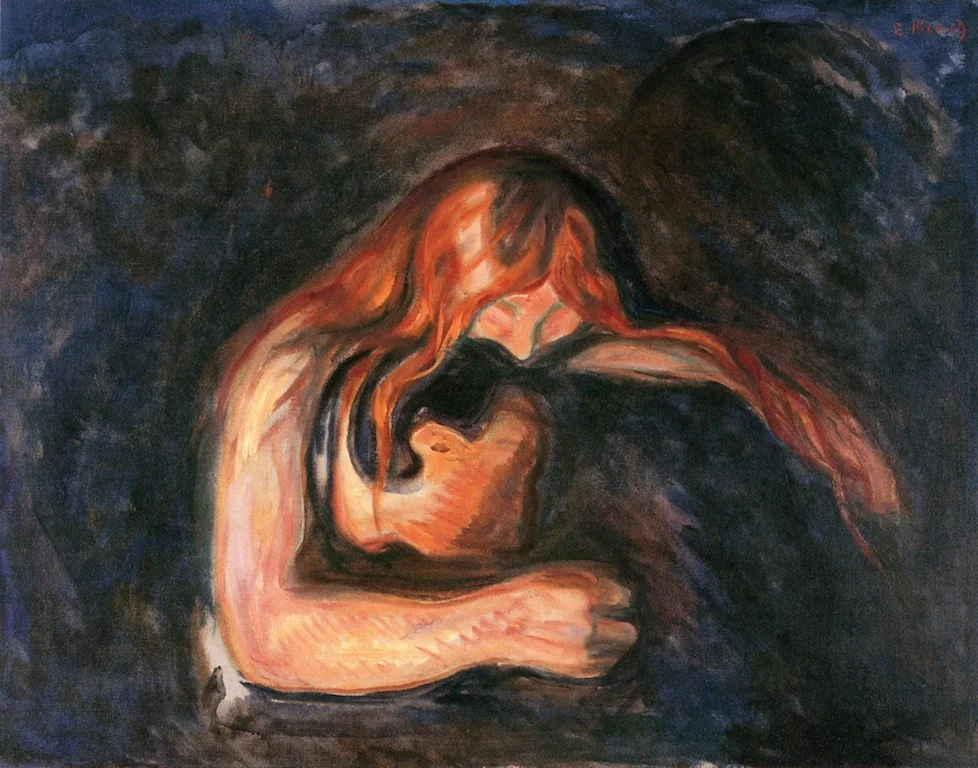
Edvard Munch’s "Madonna" exemplifies the artist’s exceptional skill with oil on canvas, utilizing bold lines and evocative colors to convey intense emotion. The brushwork and composition reflect the Expressionism movement’s focus on internal experience over realism. This masterpiece, alongside Munch’s other works such as "The Scream" and "Vampire," demonstrates the power of oil painting to evoke profound responses, making it a standout in the world of fine art.
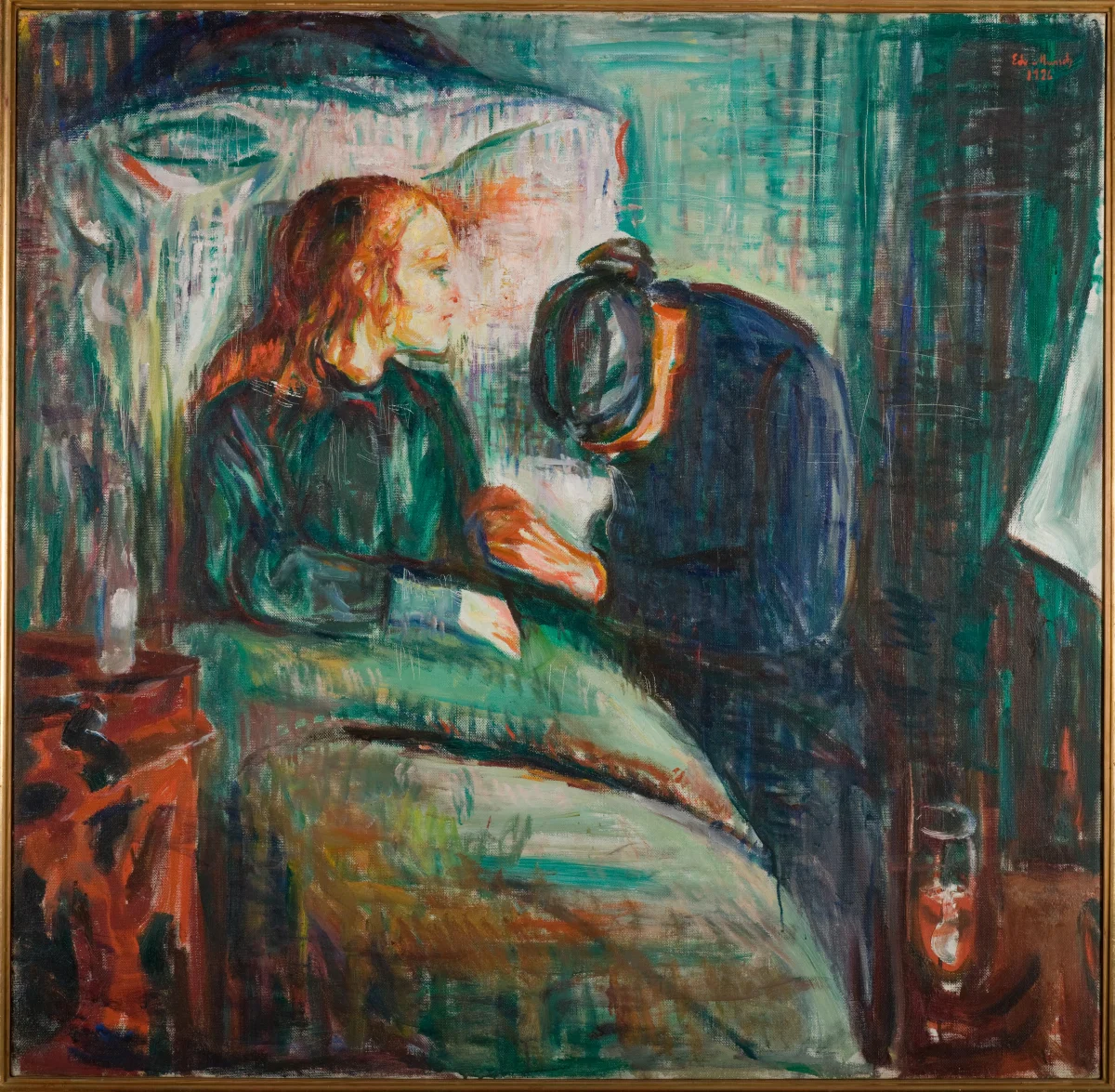
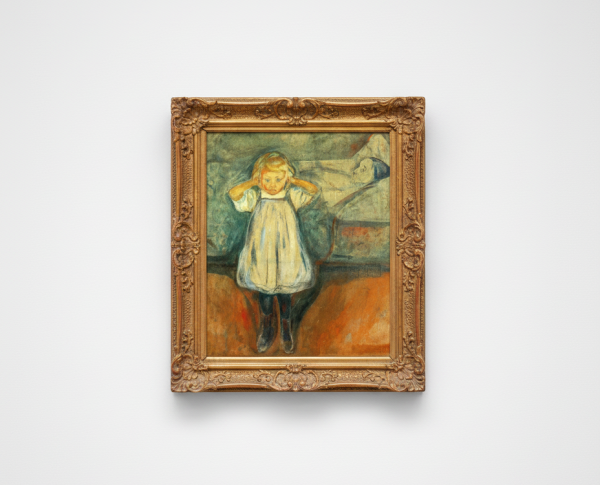
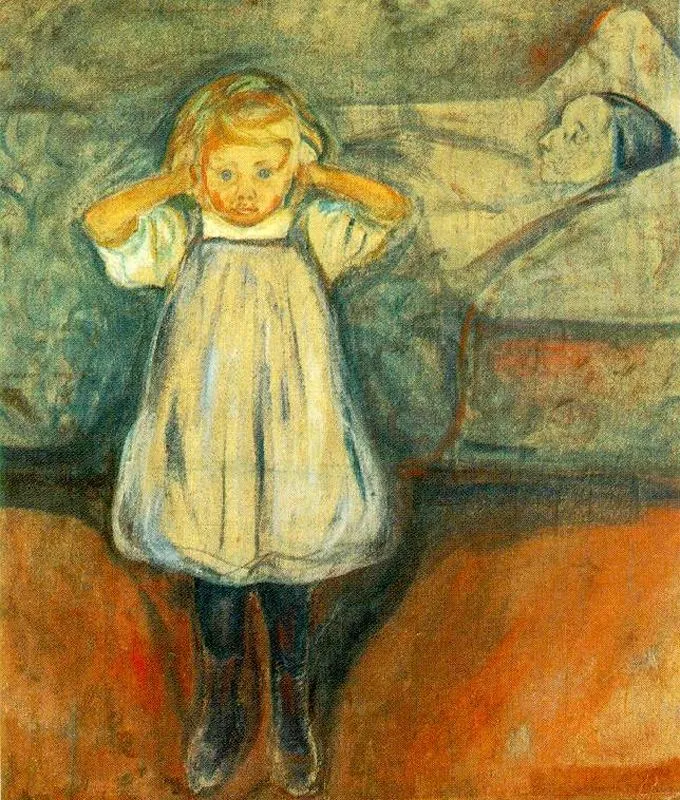
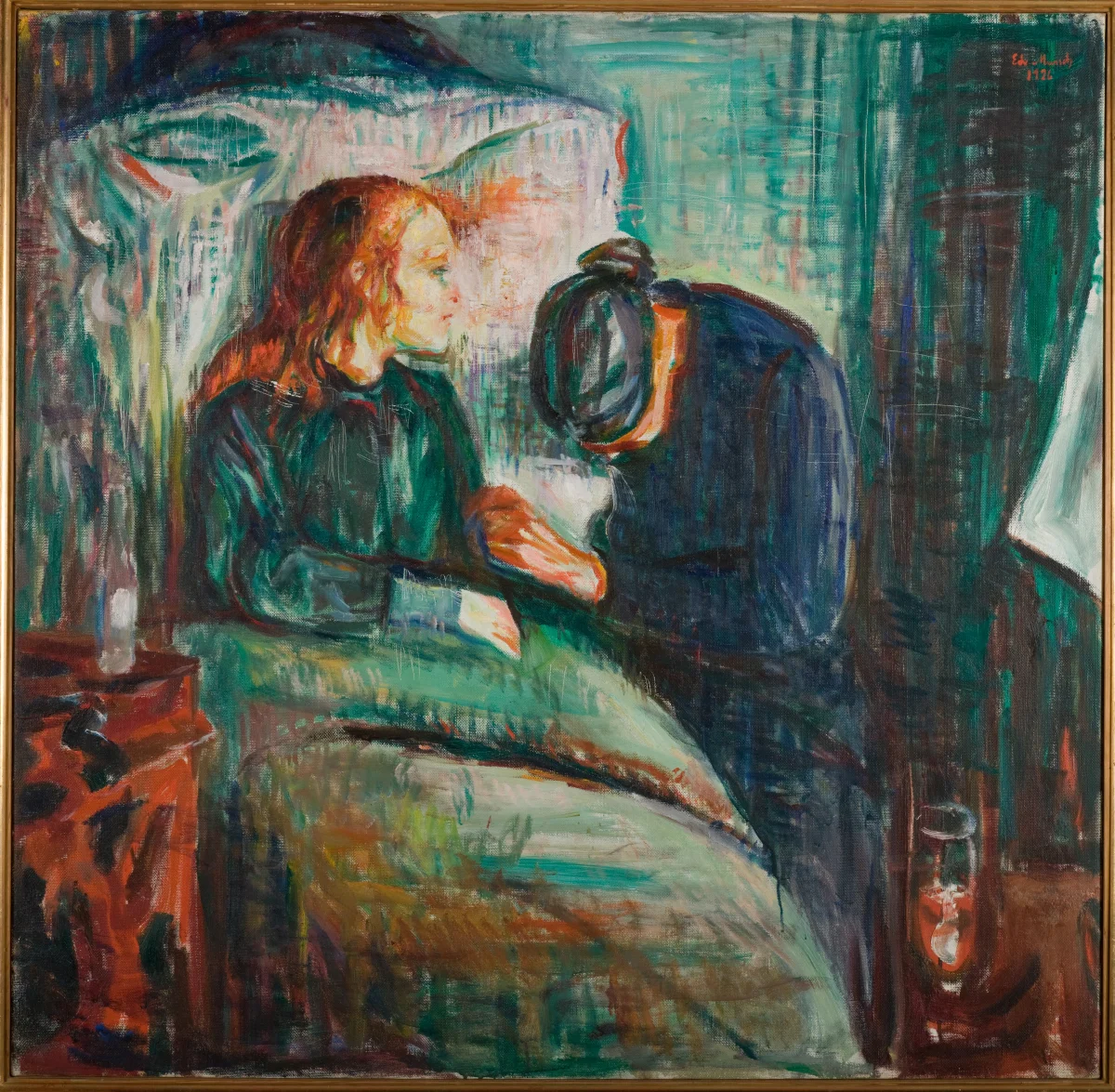
The symbolism within "Madonna" by Edvard Munch is rich and layered, offering viewers a glimpse into the complexities of love, life, and mortality. As a fine art painting for sale, it draws attention to the artist’s recurring themes, which are also present in pieces like "The Sick Child" and "Death and the Child." Through the lens of Expressionism, Munch invites us to interpret the enigmatic forms and emotions woven into the canvas.
Owning "Madonna" by Edvard Munch is a unique opportunity for collectors who value Expressionism and hand-painted oil paintings. This artwork, along with related masterpieces such as "The Scream," "Death and the Child," and "Vampire," represents a significant era in art history. Each piece offers a compelling narrative, making them highly sought-after fine art paintings for sale in prestigious galleries and private collections worldwide.
When Art Meets History
"Madonna" by Edvard Munch stands as a striking example of the Expressionism movement, emerging during a time of profound social and artistic change. This hand-painted oil painting captures the era’s fascination with psychological depth and raw emotion. Munch, also known for works like "The Scream" and "The Dance of Life," used his art to question societal norms. "Madonna" remains a testament to the transformative power of art in shaping cultural and historical narratives.
Techniques That Speak
Munch’s "Madonna" showcases the signature Expressionist approach through his use of oil on canvas. The artist’s bold brushstrokes and vivid colors create a sense of movement and intensity, drawing viewers into the subject’s emotional world. Munch’s mastery of this medium is evident in the painting’s dynamic composition, which helped redefine modern art. Like his other pieces, "Madonna" exemplifies how oil on canvas can evoke deep feelings and provoke thought.
Emotions on Display
With "Madonna," Edvard Munch delves into themes of love, sensuality, and existential longing, hallmarks of the Expressionism movement. The painting’s haunting atmosphere and evocative imagery invite viewers to explore complex emotions. This fine art painting for sale continues to resonate with audiences, much like Munch’s other masterpieces. "Madonna" stands out for its ability to communicate vulnerability and strength, making it a powerful statement within the artist’s broader body of work.
Coveted by Collectors
Collectors and art enthusiasts prize "Madonna" not only for its historical significance but also for its enduring visual impact. As a hand-painted oil painting, it embodies the technical skill and emotional depth that define Edvard Munch’s legacy. The painting’s association with the Expressionism movement and its thematic connection to other Munch works make it a sought-after piece. "Madonna" remains a cornerstone for anyone seeking a fine art painting for sale that captures the spirit of modern art.
Frequently Asked Questions About Madonna
What is the historical context of Edvard Munch's "Madonna"?
"Madonna" was created in 1894-1895 during a period of intense artistic experimentation in Europe. Munch was influenced by Symbolism and the emerging modernist movements, reflecting the emotional and psychological struggles of the time.
What artistic techniques did Munch employ in "Madonna"?
Munch utilized bold colors, dynamic brushwork, and innovative composition to convey deep emotional resonance. The use of vibrant reds and blacks emphasizes the themes of love, death, and existential angst.
What are the primary themes represented in "Madonna"?
The painting explores themes of femininity, sexuality, and the duality of life and death. Munch captures the complexity of the female experience, portraying Madonna as both a nurturing figure and a source of desire.
How does "Madonna" reflect Munch's personal experiences?
Munch's own struggles with love, loss, and mental health profoundly influenced "Madonna." The painting can be seen as a reflection of his tumultuous relationships and his fascination with the darker aspects of human emotion.
What is the significance of the color palette in "Madonna"?
The color palette, dominated by deep reds and blacks, symbolizes passion and mortality. The contrasting colors evoke a sense of tension between life and death, reinforcing the painting's exploration of complex emotional states.
How does "Madonna" fit within the Symbolist movement?
"Madonna" exemplifies the Symbolist movement through its emphasis on emotional expression and the use of symbolic imagery. Munch's portrayal of the female figure transcends realism, inviting viewers to interpret deeper meanings.
What role does the figure of Madonna play in the painting?
The figure of Madonna serves as a multifaceted symbol, representing both maternal love and erotic desire. This duality challenges traditional depictions of women in art, positioning her as a complex and powerful entity.
What impact did "Madonna" have on Munch's career?
"Madonna" solidified Munch's reputation as a leading figure in modern art. The painting's provocative themes and innovative style garnered attention and controversy, establishing him as a pioneer of emotional expressionism.
How has "Madonna" been interpreted by art critics over the years?
Art critics have often interpreted "Madonna" as a commentary on the complexities of female identity and sexuality. Its bold imagery and emotional depth have sparked discussions about gender roles and the nature of desire in art.
What is the legacy of "Madonna" in contemporary art?
The legacy of "Madonna" continues to influence contemporary artists who explore themes of identity, sexuality, and emotional expression. Munch's innovative approach to depicting the human experience remains relevant in today's artistic discourse.






















_GFM_Painting_(1).webp)


 100% Hand-Painted: Finished in 3-6 Weeks

.png)















_(1).webp)