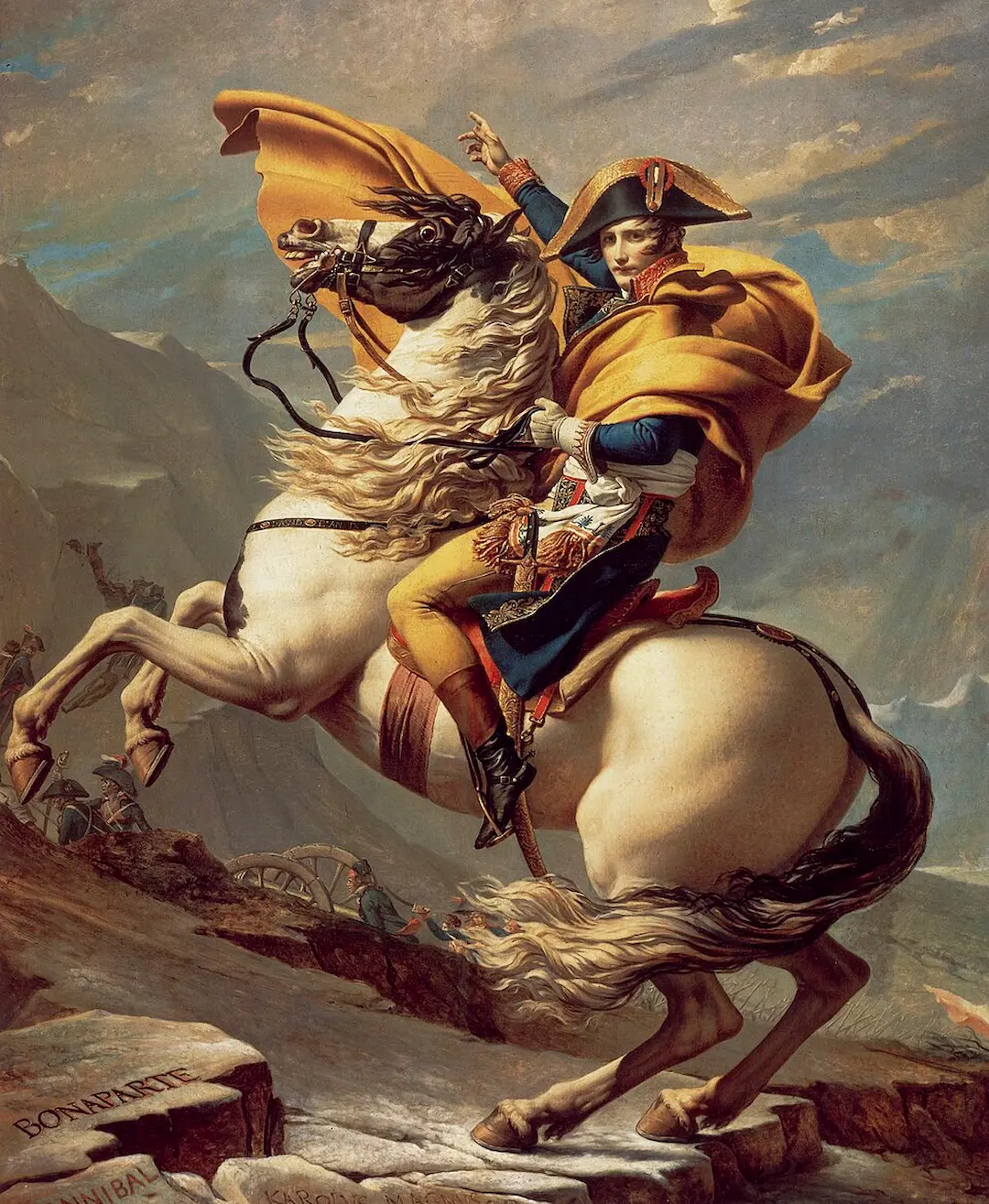
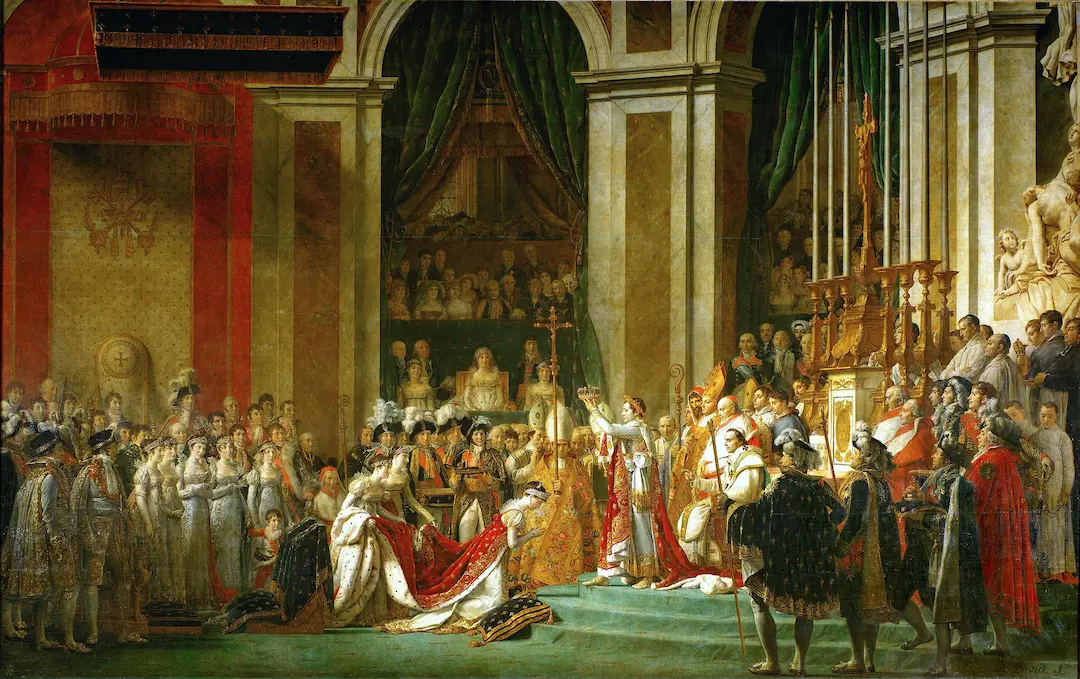
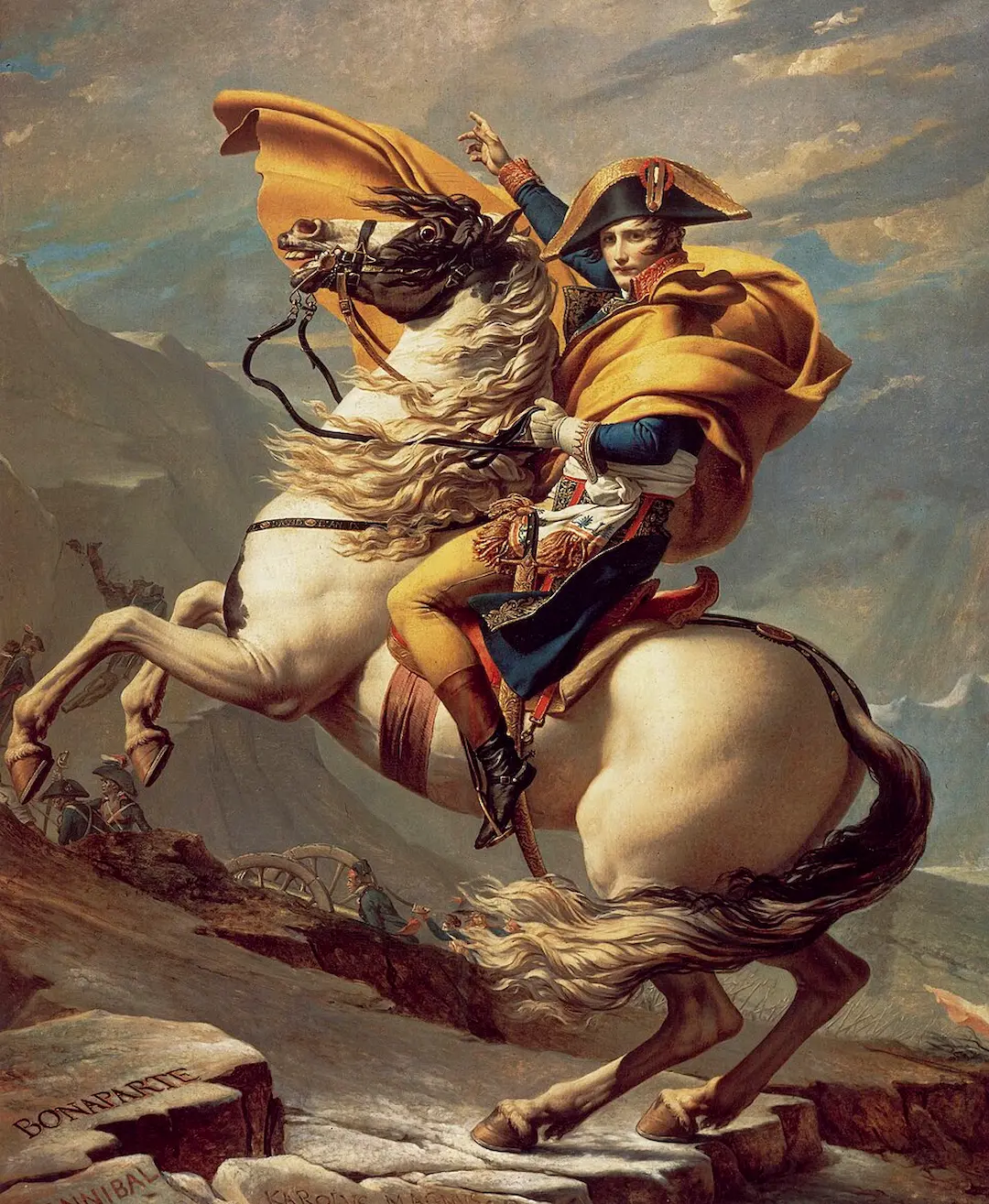
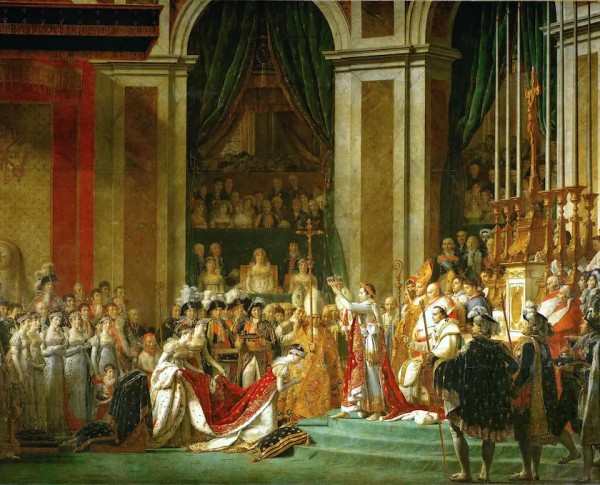
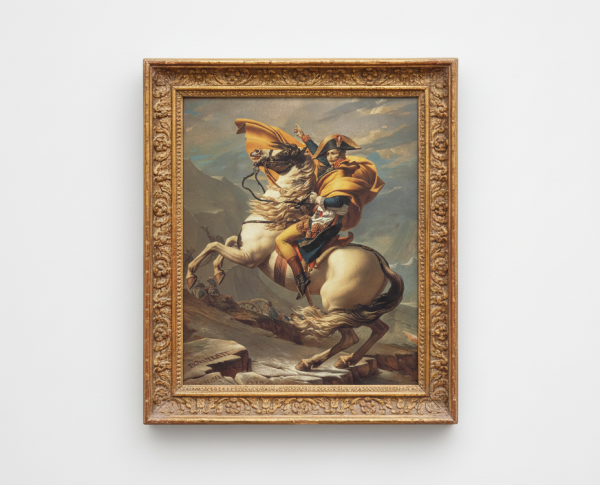
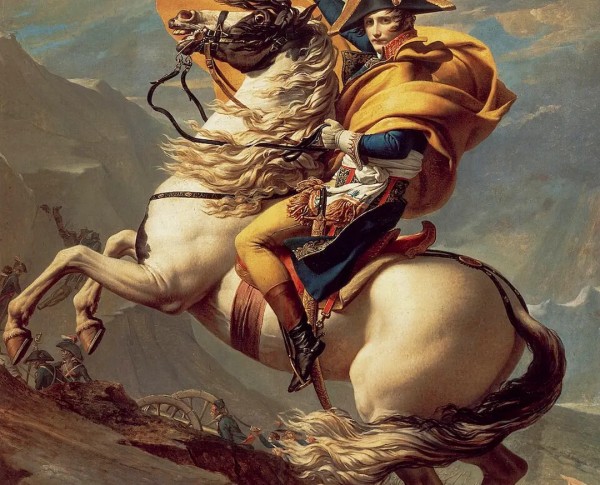
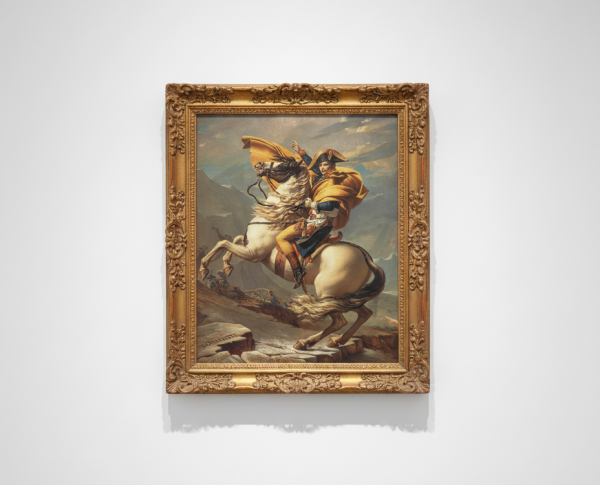
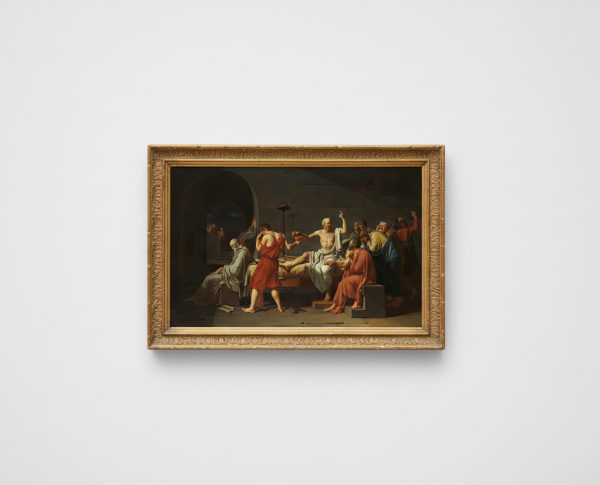
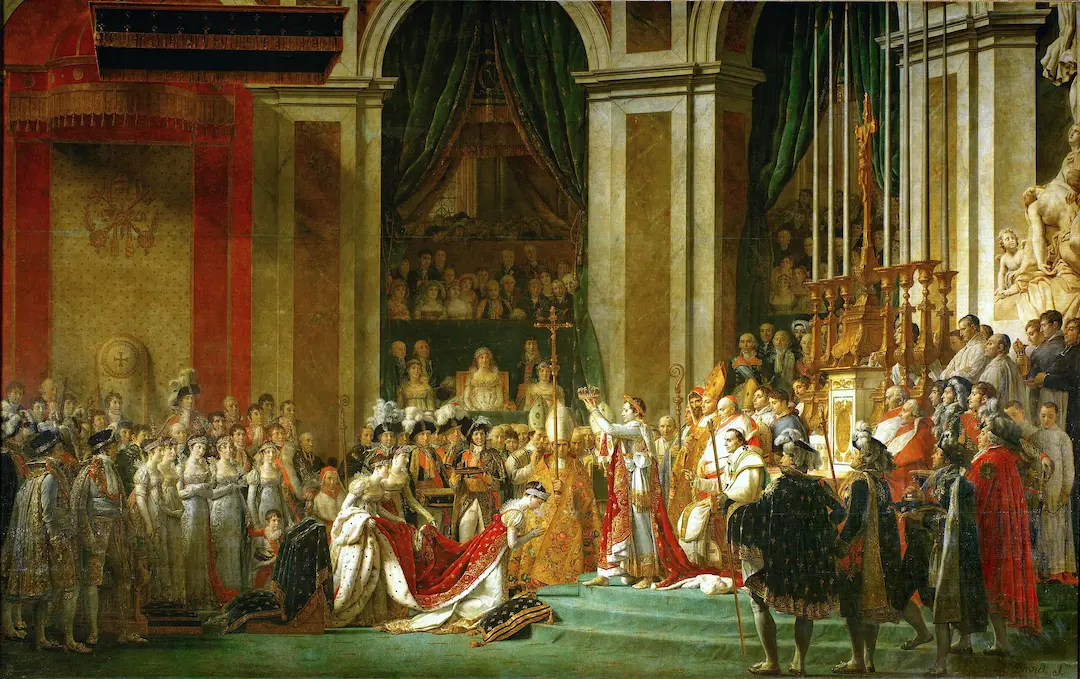
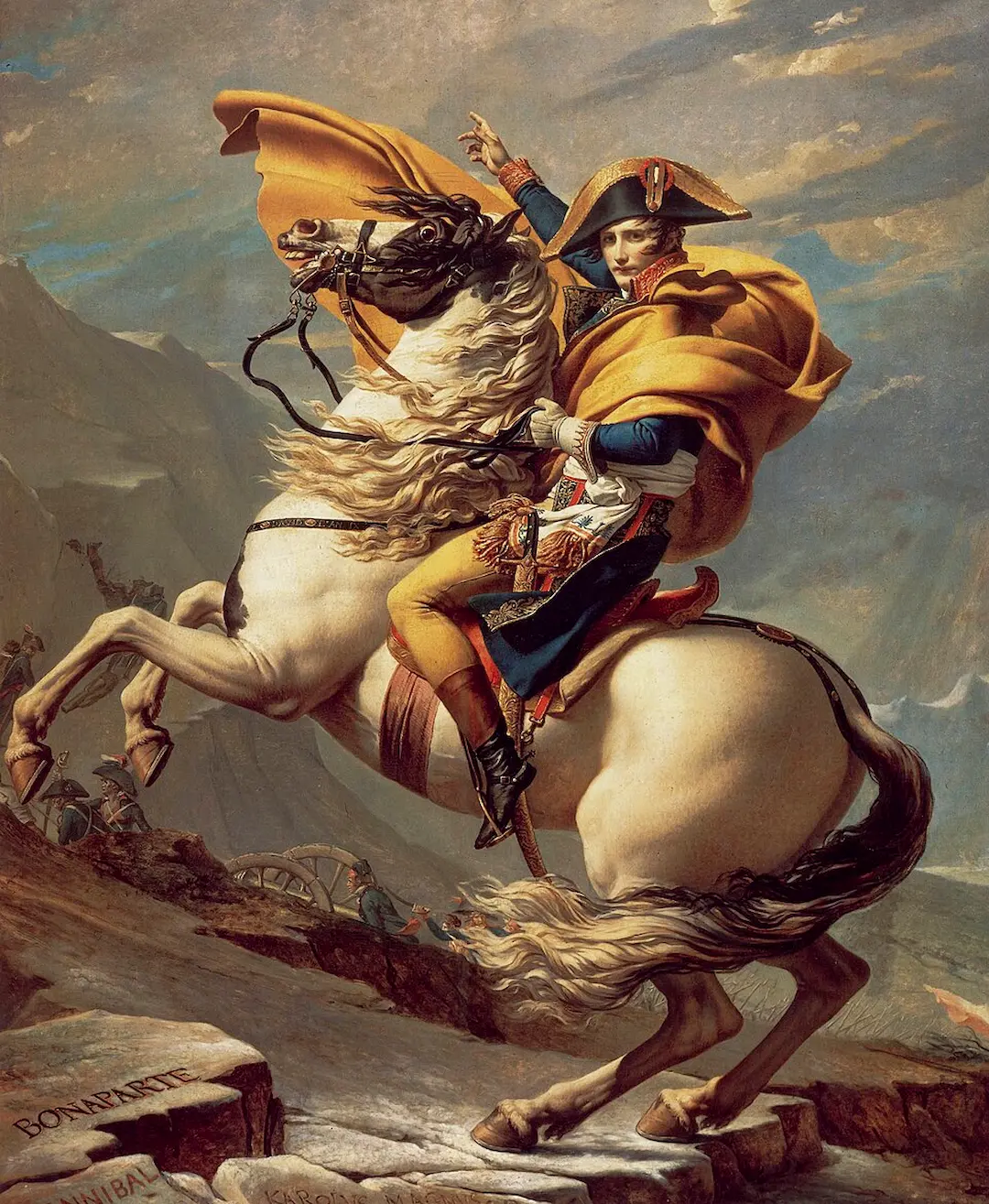
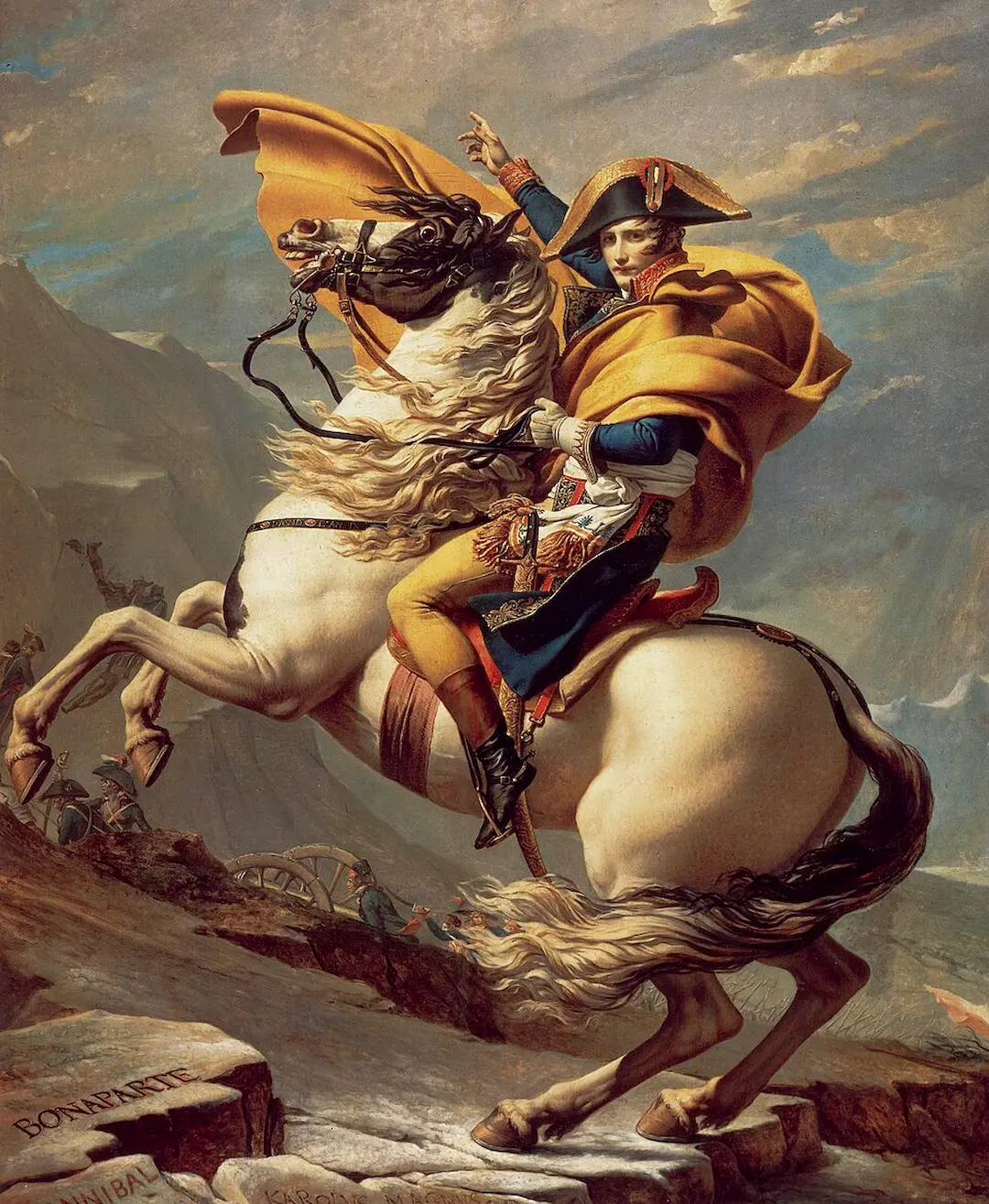
Jacques Louis David’s technique in this oil on canvas work exemplifies the meticulous precision characteristic of Neoclassical Academic Realism. The artist’s skillful brushwork and attention to detail bring the subjects to life, demonstrating the power of portraiture in fine art. Collectors seeking similar masterful works may also appreciate "Bonaparte, Calm on a Fiery Steed" and "Consecration of the Emperor Napoleon I and Coronation of the Empress Josephine 1805-07."
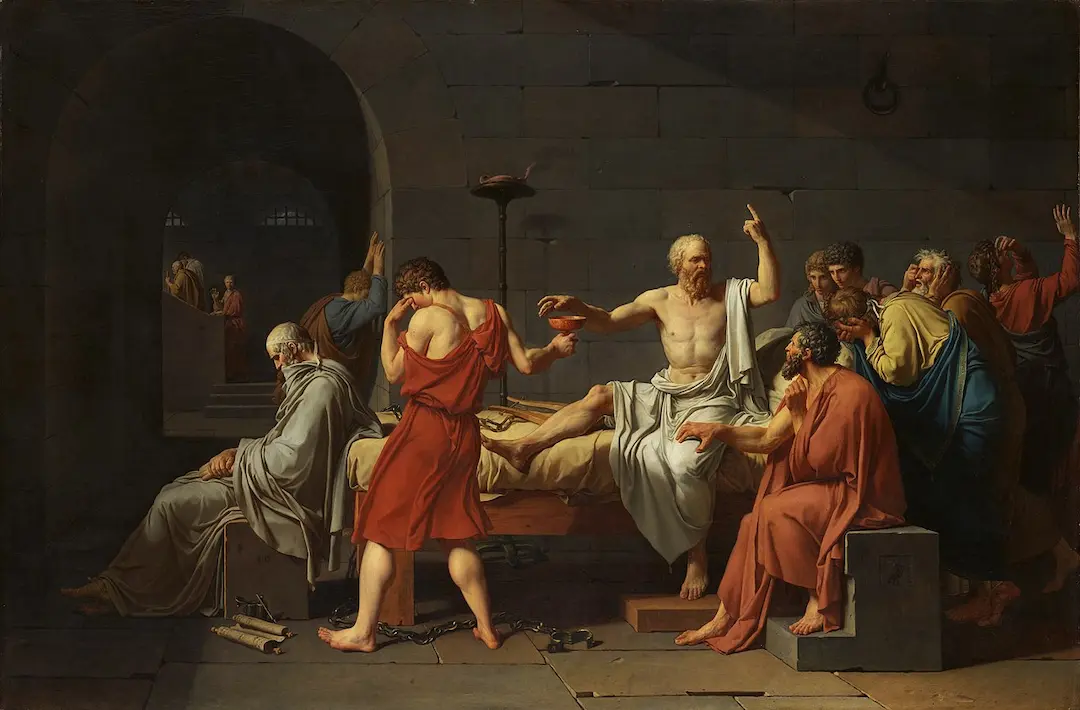
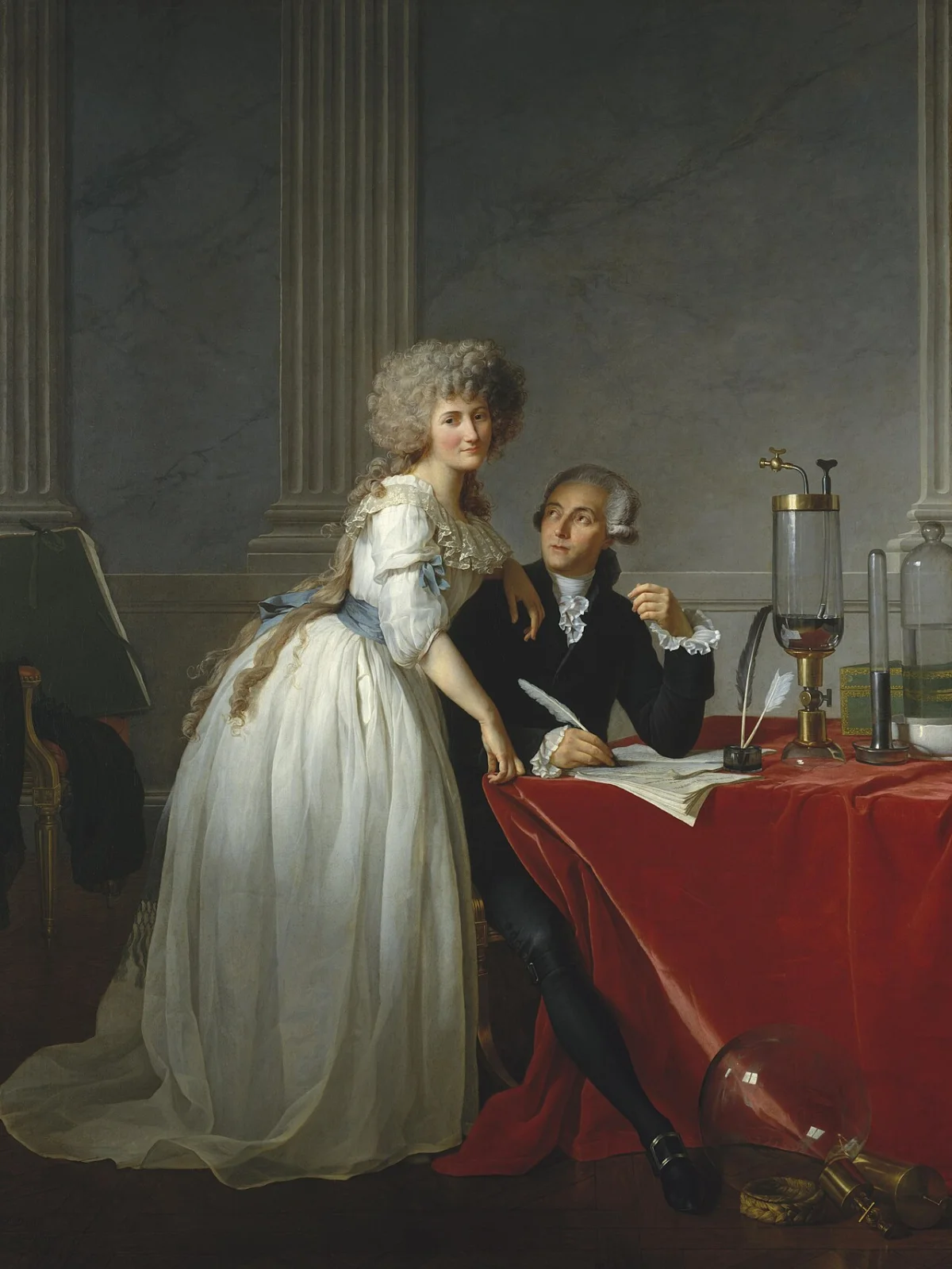
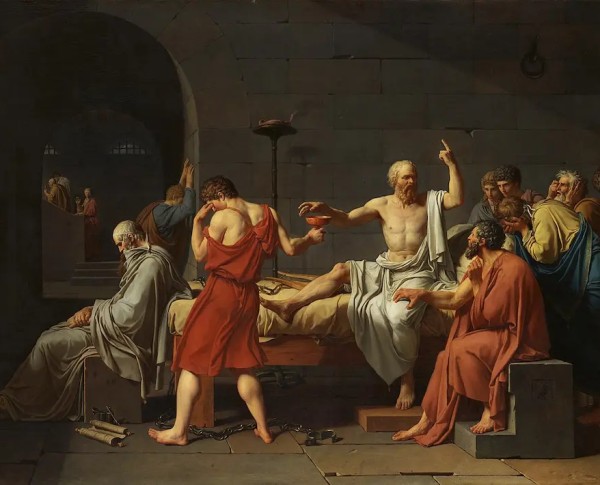
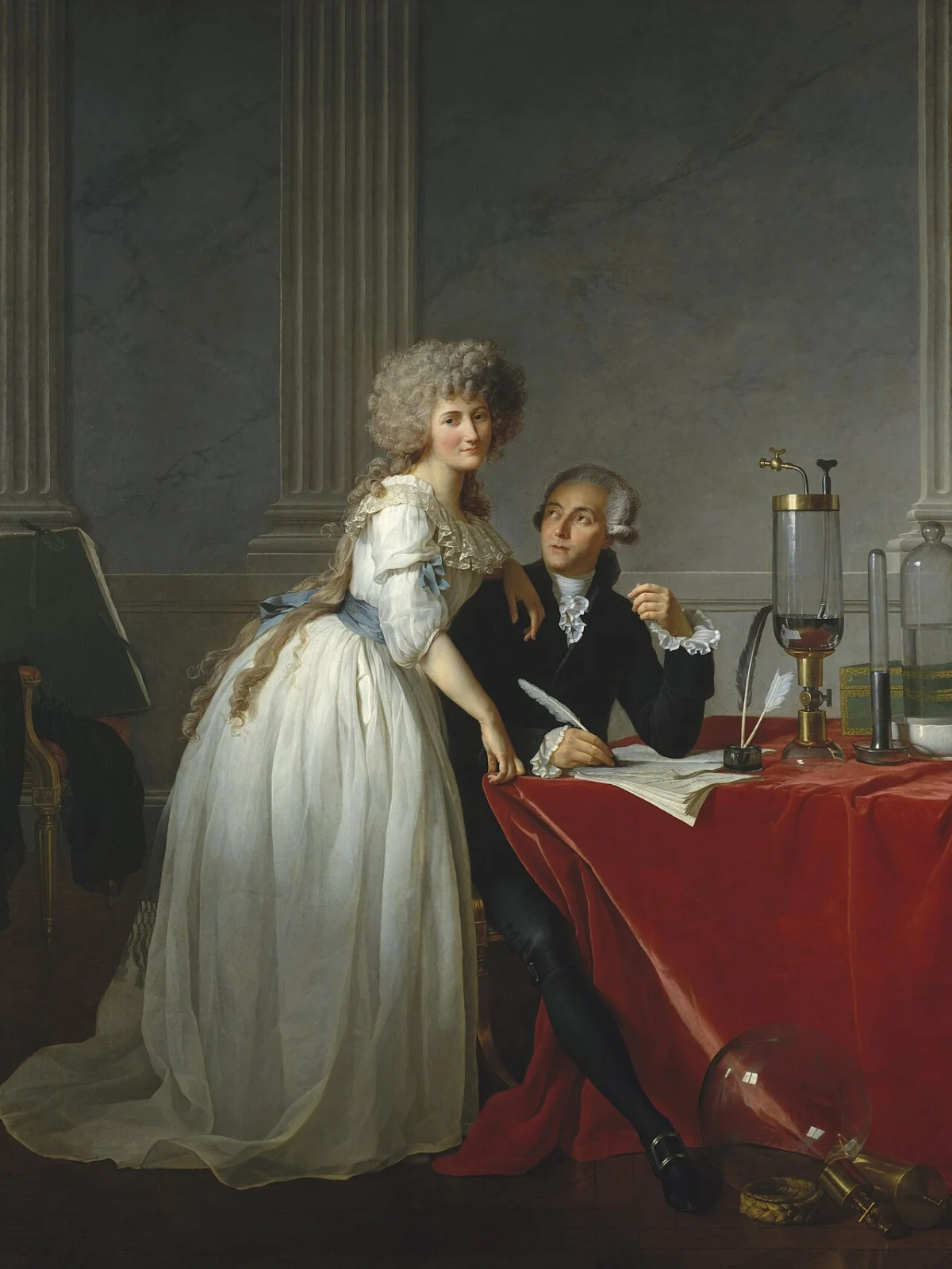
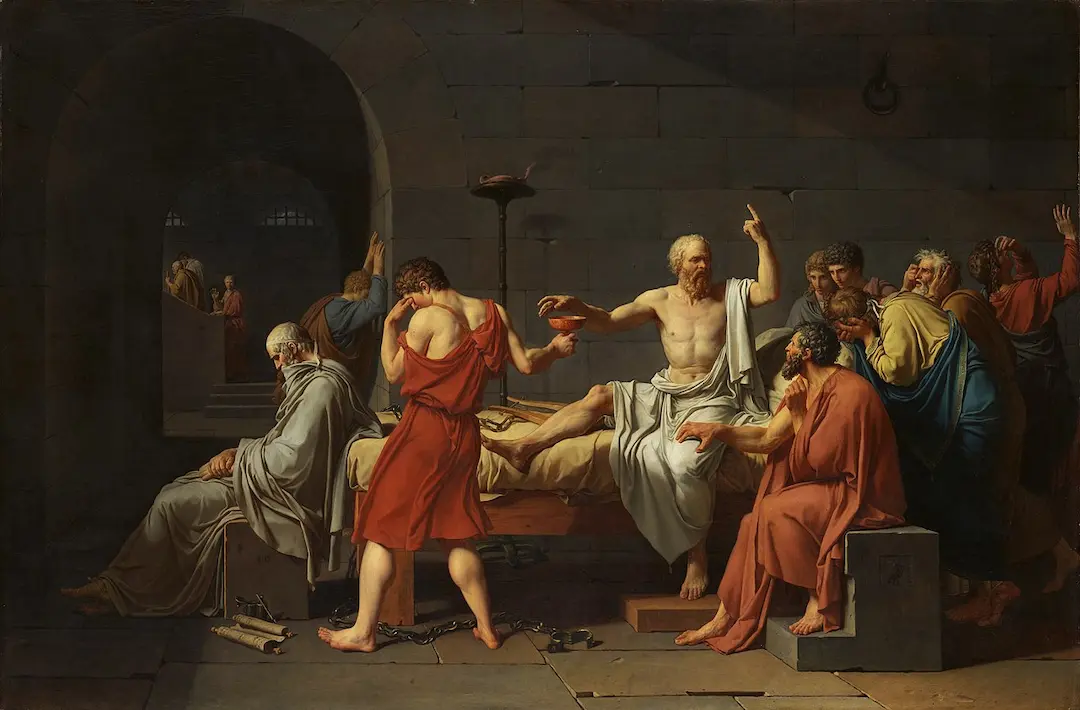
This fine art painting for sale is rich with symbolism, reflecting both the personal and scientific achievements of Antoine-Laurent Lavoisier and his wife. Jacques Louis David integrates subtle elements that highlight the couple’s intellectual pursuits, making the portrait a narrative as much as a visual masterpiece. Art enthusiasts interested in stories woven through art may also find "The Death of Socrates" and "Napoleon Crossing the Alps" compelling additions to their collection.
Owning an original or reproduction of "Portrait of Antoine-Laurent Lavoisier and his wife" is a unique opportunity for any fine art enthusiast. This hand-painted oil painting by Jacques Louis David is a testament to the Neoclassical Academic Realism movement, making it a coveted piece among collectors. Those drawn to David’s oeuvre might also consider related products like "Bonaparte, Calm on a Fiery Steed" or "Consecration of the Emperor Napoleon I and Coronation of the Empress Josephine 1805-07."
When Art Meets History
"Portrait of Antoine-Laurent Lavoisier and his wife" by Jacques Louis David stands as a testament to the Neoclassical Academic Realism movement. This hand-painted oil painting captures the renowned chemist and his partner during a pivotal era of scientific discovery and enlightenment. David, famed for his meticulous attention to detail, immortalizes the Lavoisiers' intellectual partnership. Like his related painting "Idleness II," this portrait bridges art and history, making it an essential fine art painting for sale among collectors.
Techniques That Speak
Jacques Louis David employs exquisite oil on canvas techniques in "Portrait of Antoine-Laurent Lavoisier and his wife," showcasing the hallmarks of Neoclassical Academic Realism. The artist’s mastery is evident in the crisp lines, realistic textures, and harmonious composition. Light and shadow play delicately across the scene, enhancing the lifelike quality. Compared to "Idleness II," this work demonstrates David’s ability to evoke depth and clarity, making it a standout oil on canvas piece in his oeuvre.
Emotions on Display
This hand-painted oil painting conveys a profound emotional connection between Antoine-Laurent Lavoisier and his wife. Jacques Louis David captures not only their likeness but also their mutual respect and affection, hallmarks of the Neoclassical Academic Realism movement. The subtle gestures and attentive poses reflect their collaborative spirit. Like in "Idleness II," David’s sensitive portrayal invites viewers to contemplate the emotional depth behind the historical figures, making this fine art painting for sale especially resonant.
Coveted by Collectors
"Portrait of Antoine-Laurent Lavoisier and his wife" by Jacques Louis David remains highly sought after by art enthusiasts and museums alike. Its status as a stellar example of Neoclassical Academic Realism and its oil on canvas medium ensure its enduring appeal. Alongside related works such as "Idleness II," this masterpiece stands out as a fine art painting for sale that encapsulates both historical significance and artistic excellence, making it a prized addition to any distinguished collection.
Related Neoclassical Academic Realism Hand-Painted Oil Paintings by Other Artists
Other Famous Neoclassical Academic Realism Artists:
Frequently Asked Questions About Portrait of Antoine-Laurent Lavoisier and his wife
Who is depicted in the painting "Portrait of Antoine-Laurent Lavoisier and his wife"?
The painting features Antoine-Laurent Lavoisier, a prominent French chemist known as the "father of modern chemistry," alongside his wife, Marie-Anne Lavoisier.
What is the significance of Antoine-Laurent Lavoisier in the history of science?
Lavoisier is renowned for his contributions to the chemical revolution, particularly for his role in establishing the law of conservation of mass and for naming oxygen and hydrogen.
Who was the artist behind this portrait?
The portrait was created by Jacques-Louis David, a leading French painter known for his neoclassical style and his role in the development of modern art.
What artistic style is represented in this painting?
The painting exemplifies neoclassicism, characterized by its emphasis on clarity, order, and the use of classical themes and subjects.
What is the significance of the composition in the painting?
The composition highlights the partnership between Lavoisier and his wife, symbolizing the collaborative nature of scientific discovery and the importance of support in intellectual pursuits.
How does the painting reflect the Enlightenment ideals?
The portrait embodies Enlightenment ideals through its focus on reason, science, and the value of knowledge, as represented by Lavoisier's scientific achievements.
What elements in the painting symbolize Lavoisier's work?
In the painting, various scientific instruments and a table filled with chemical apparatus symbolize Lavoisier's contributions to chemistry and his experimental methods.
What role did Marie-Anne Lavoisier play in her husband's work?
Marie-Anne Lavoisier was not only a supportive spouse but also an active collaborator, assisting her husband in his experiments and translating scientific texts.
What historical context surrounds the creation of this painting?
The portrait was painted in the late 18th century, a time of significant scientific advancement and political upheaval in France, reflecting the tensions of the pre-Revolutionary period.
How has this painting influenced modern perceptions of science and art?
This portrait has influenced the perception of the relationship between art and science, showcasing how artistic representation can elevate the status of scientific figures and their contributions to society.






















_GFM_Painting_(1).webp)


 100% Hand-Painted: Finished in 3-6 Weeks

.png)















_(1).webp)