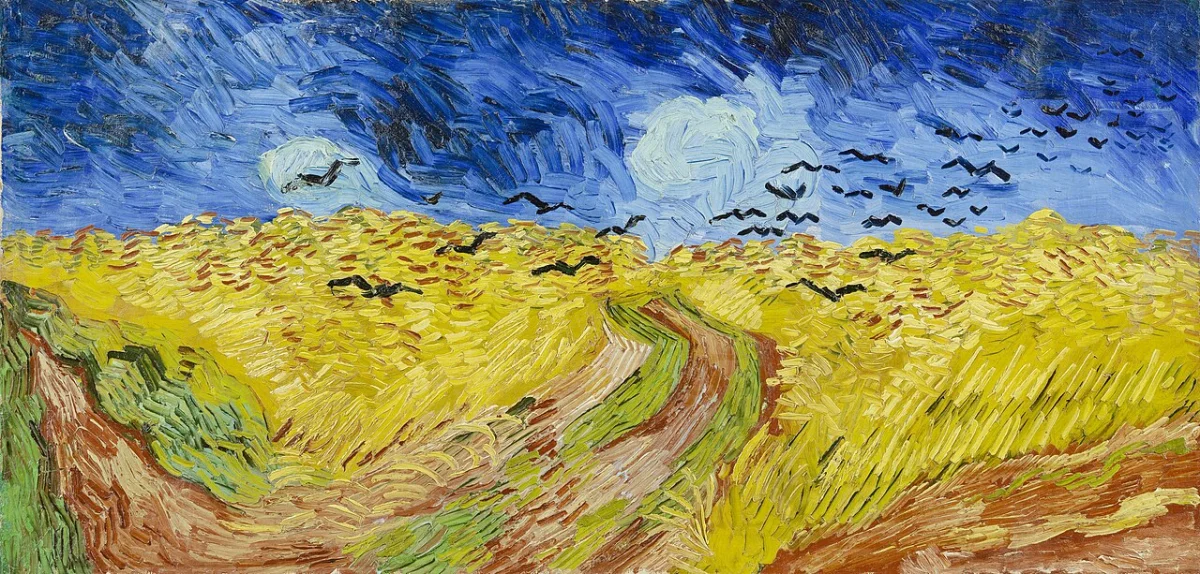
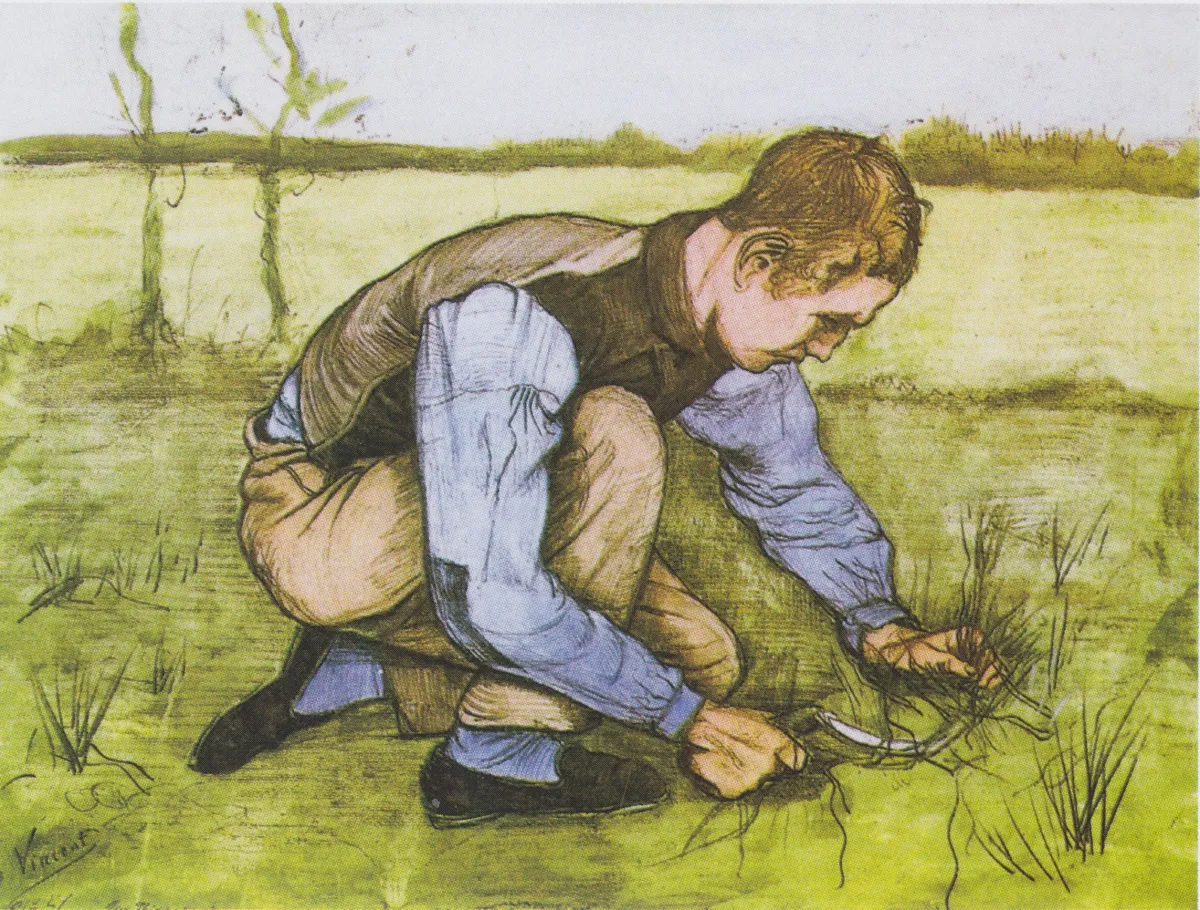
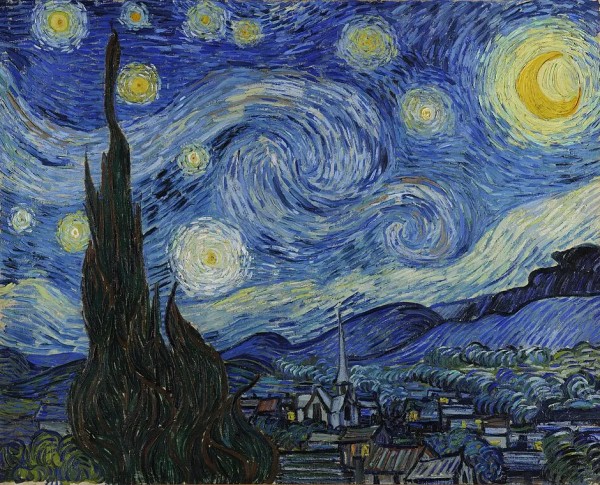
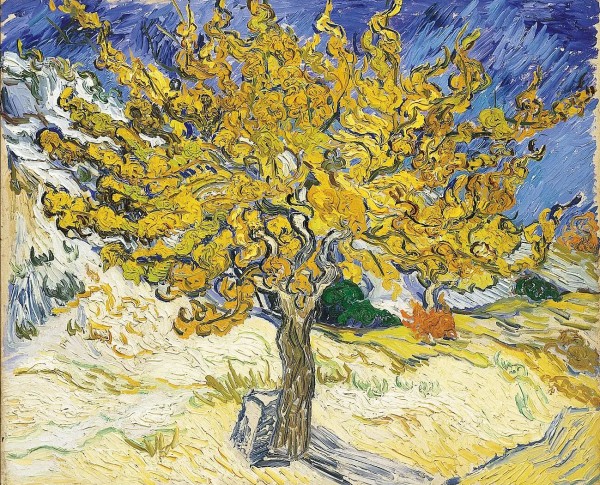
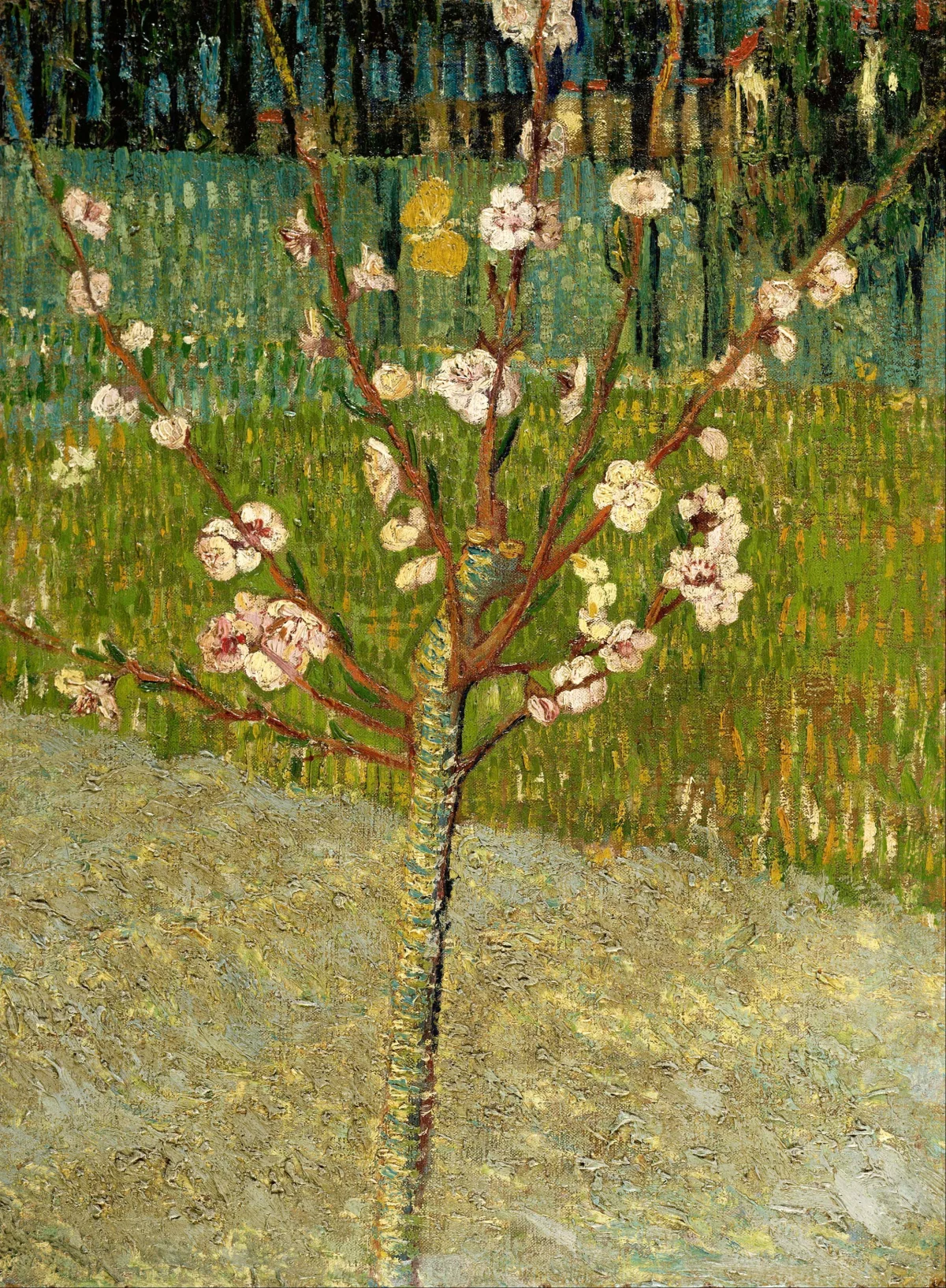
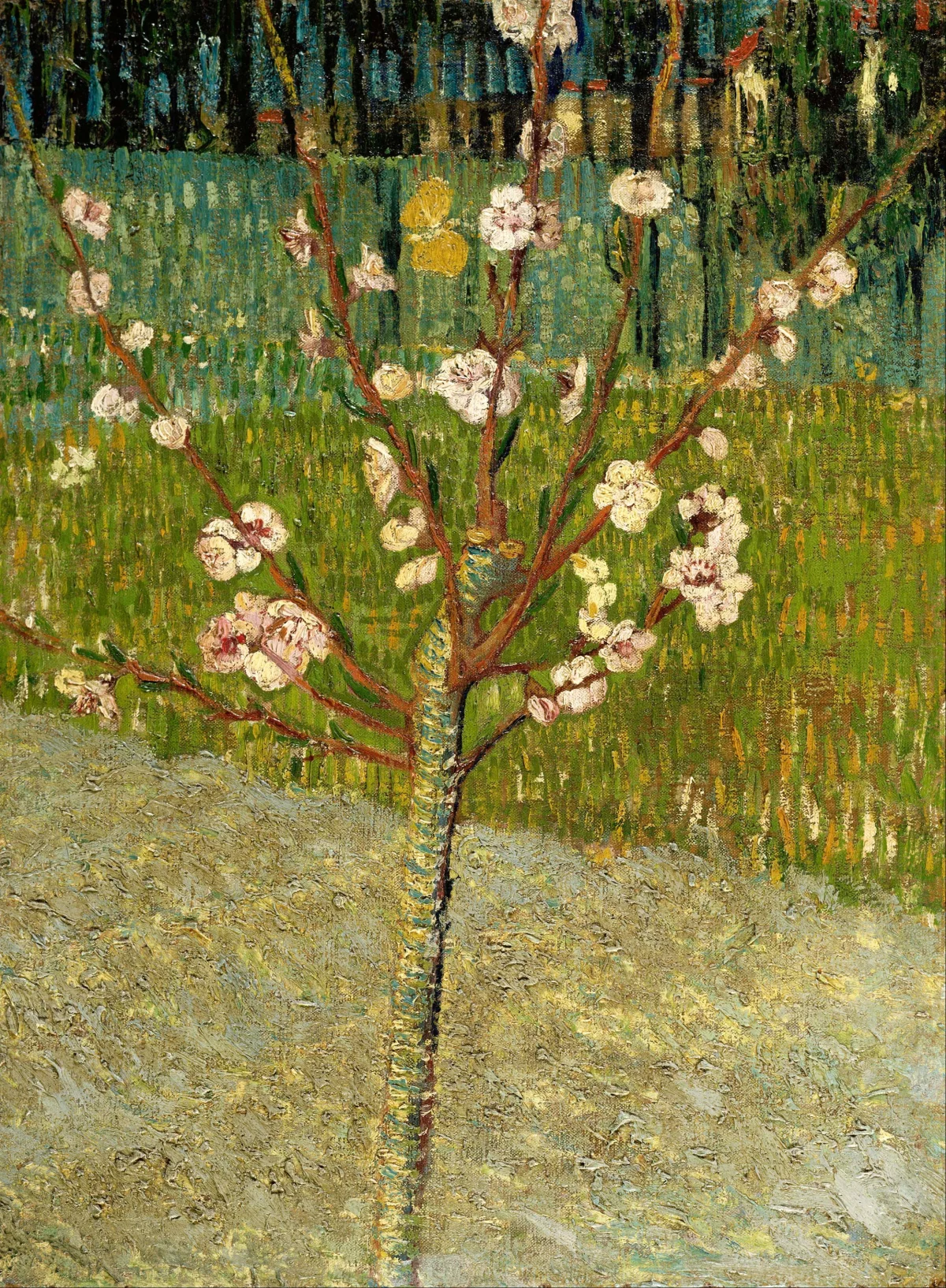
In "Peach Trees in Blossom," Van Gogh employed his signature oil on canvas technique, blending vivid colors and dynamic brushstrokes to evoke the freshness of blooming orchards. The texture and movement in each stroke reveal his mastery and passion for capturing fleeting beauty. This painting, along with works such as "Vase With Twelve Sunflowers II" and "Wheat Field Under Clouded Sky," exemplifies the innovative spirit of the Post-Impressionism movement.
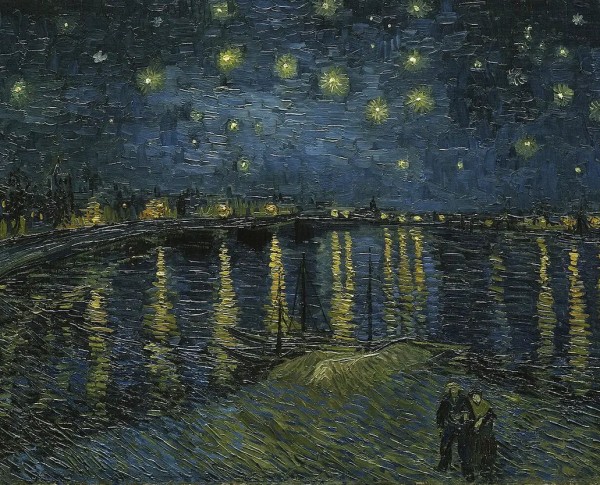
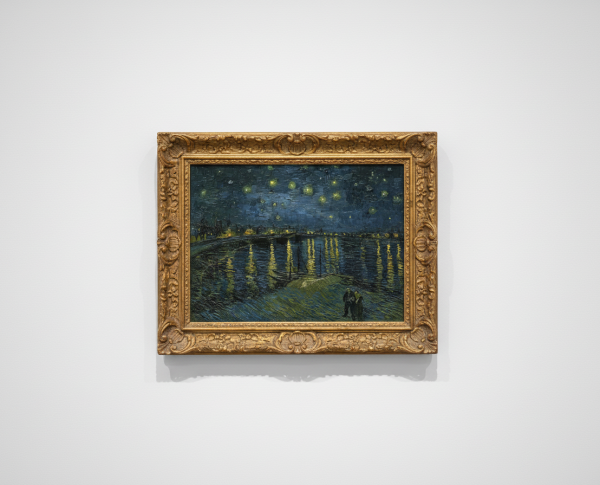
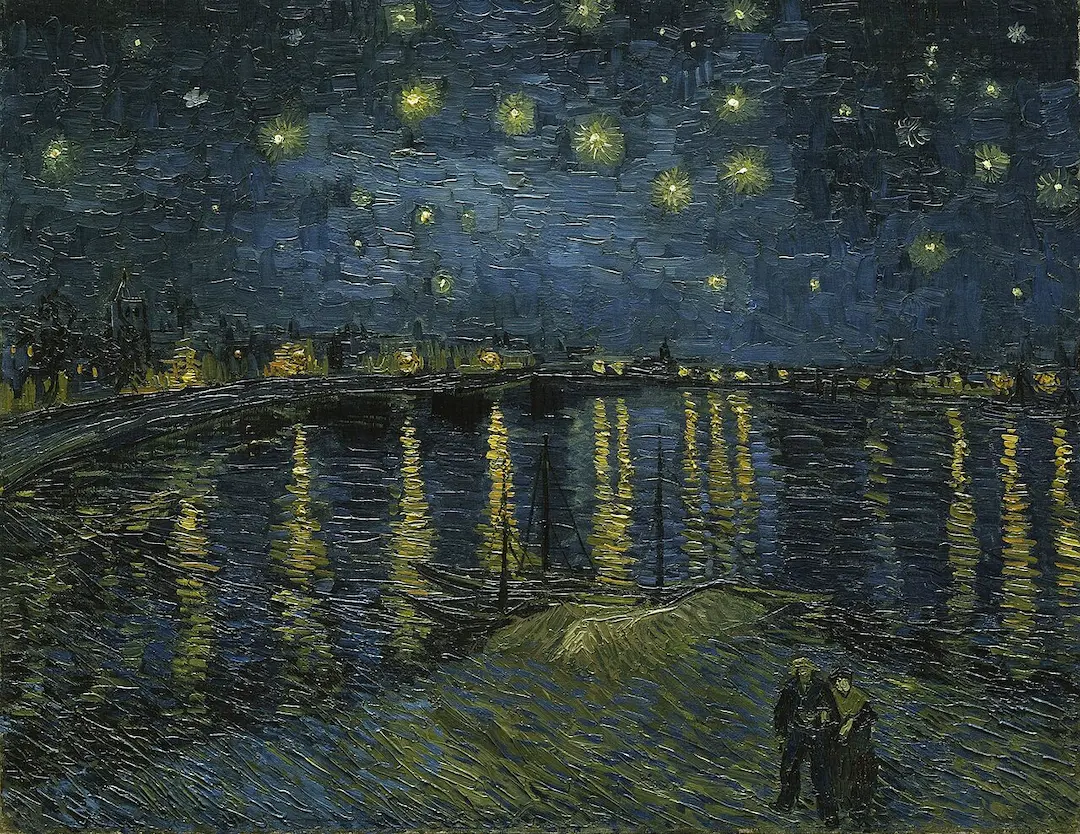
Every element in "Peach Trees in Blossom" tells a story, from the delicate petals to the luminous sky, symbolizing hope and renewal. Van Gogh’s Post-Impressionist vision transforms a simple landscape into a profound narrative. As with "Starry Night Over The Rhone" and "Cypress against a Starry Sky," this fine art painting for sale invites viewers to explore layers of meaning, making it a timeless piece for art enthusiasts and collectors alike.
Owning "Peach Trees in Blossom" is more than acquiring an oil on canvas; it is embracing a piece of Van Gogh’s enduring legacy. This masterpiece, together with related products like "The Red Vineyard" and "Wheat Field With Crows," enhances any collection with the essence of Post-Impressionism. For those seeking a fine art painting for sale that embodies history, emotion, and artistic brilliance, Van Gogh’s work remains an unparalleled choice.
When Art Meets History
"Peach Trees in Blossom" by Vincent Van Gogh stands as a remarkable example of the Post-Impressionism movement. Created during a period of artistic experimentation, this hand-painted oil painting captures the vibrant essence of spring in southern France. Van Gogh, known for masterpieces like "One Of The Family" and "Two Tahitian Women," used this work to express renewal and hope. The painting’s historical context adds depth, making it a highly sought-after piece among collectors and enthusiasts of fine art.
Techniques That Speak
Vincent Van Gogh’s "Peach Trees in Blossom" features his signature bold brushstrokes and vivid color palette, hallmarks of Post-Impressionism. The oil on canvas technique allowed Van Gogh to layer rich pigments, creating dynamic textures that bring the blossoming trees to life. Similar to "A Sunday Afternoon on the Island of La Grande Jatte," this approach emphasizes movement and atmosphere. Van Gogh’s mastery of oil on canvas continues to inspire artists and elevate this painting’s status in the art world.
Emotions on Display
"Peach Trees in Blossom" evokes feelings of renewal and serene optimism, reflecting Vincent Van Gogh’s emotional connection to nature. The delicate blossoms and luminous sky invite viewers into a tranquil landscape, characteristic of Post-Impressionism’s expressive power. This fine art painting for sale resonates with art lovers seeking works that convey deep emotion, much like Van Gogh’s contemporaries in "Two Tahitian Women" and "A Sunday Afternoon on the Island of La Grande Jatte."
Coveted by Collectors
As a quintessential Post-Impressionist masterpiece, "Peach Trees in Blossom" is highly coveted by collectors worldwide. Vincent Van Gogh’s unique style and the painting’s historical significance contribute to its enduring appeal. Those searching for a hand-painted oil painting to enhance their collection will appreciate its artistry and provenance. This piece, alongside related works such as "One Of The Family," remains a prized acquisition in the realm of fine art painting for sale.
Related Post-Impressionism Hand-Painted Oil Paintings by Other Artists
Other Famous Post-Impressionism Artists:
Frequently Asked Questions About Peach Trees in Blossom
What is the historical context of "Peach Trees in Blossom"?
"Peach Trees in Blossom" was painted in 1888 during Vincent Van Gogh's time in Arles, France, a period marked by his exploration of color and light, as well as his desire to capture the beauty of nature.
What artistic techniques did Van Gogh employ in this painting?
Van Gogh utilized bold brush strokes and vibrant colors to convey emotion and movement, creating a dynamic representation of the blossoming peach trees that reflects his unique post-impressionist style.
What symbolism is present in "Peach Trees in Blossom"?
The blossoming peach trees symbolize renewal and the transient nature of beauty, reflecting Van Gogh's fascination with the cycles of life and the ephemeral qualities of nature.
How does "Peach Trees in Blossom" fit into Van Gogh's overall body of work?
This painting is part of Van Gogh's broader exploration of landscapes and floral subjects, showcasing his ability to infuse everyday scenes with emotional depth and personal significance.
What influences can be seen in Van Gogh's use of color in this painting?
Van Gogh's color palette in "Peach Trees in Blossom" is influenced by Japanese woodblock prints and Impressionism, characterized by bright, contrasting colors that evoke a sense of vibrancy and life.
What was Van Gogh's emotional state when he painted "Peach Trees in Blossom"?
During the creation of this work, Van Gogh experienced a mix of hope and despair, reflecting his ongoing struggles with mental health, yet finding solace and inspiration in the beauty of nature.
How did "Peach Trees in Blossom" influence future artists?
This painting has inspired countless artists by demonstrating the power of color and brushwork to convey emotion, paving the way for future movements such as Expressionism and Abstract art.
What role did nature play in Van Gogh's artistic vision?
Nature was central to Van Gogh's artistic vision, serving as both a subject and a source of inspiration, allowing him to express his innermost feelings and connect with the world around him.
Where can "Peach Trees in Blossom" be viewed today?
The painting is part of the collection at the Van Gogh Museum in Amsterdam, where it is preserved and displayed for public appreciation and study.
What are the notable features of the composition in "Peach Trees in Blossom"?
The composition features a dynamic arrangement of branches and blossoms, creating a sense of depth and movement, while the contrasting colors enhance the visual impact and emotional resonance of the scene.






















_GFM_Painting_(1).webp)


 100% Hand-Painted: Finished in 3-6 Weeks

.png)
















_(1).webp)