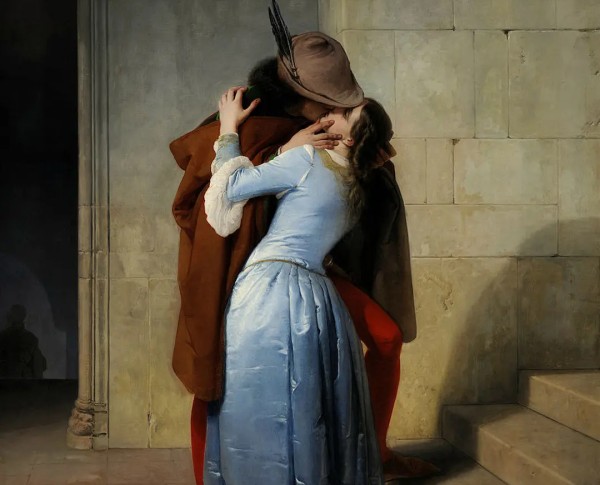
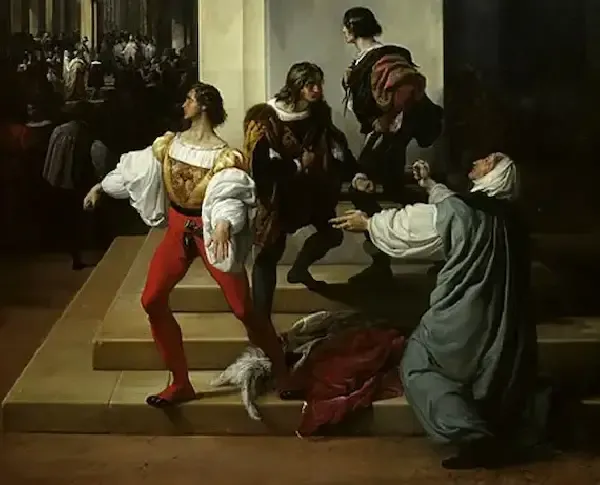
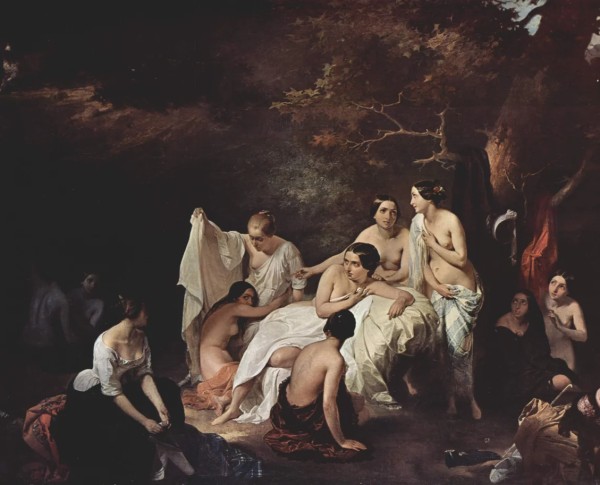
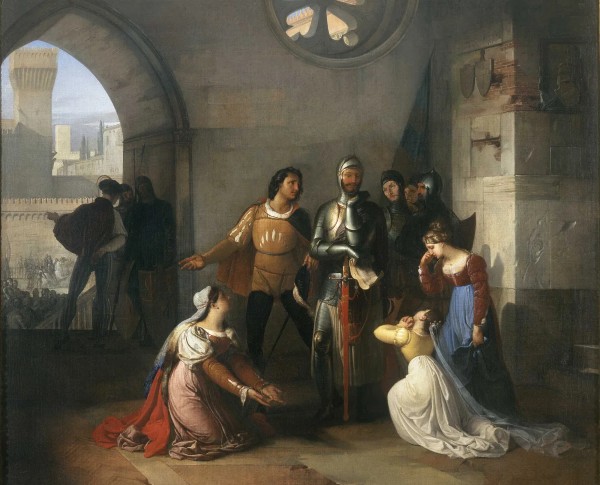
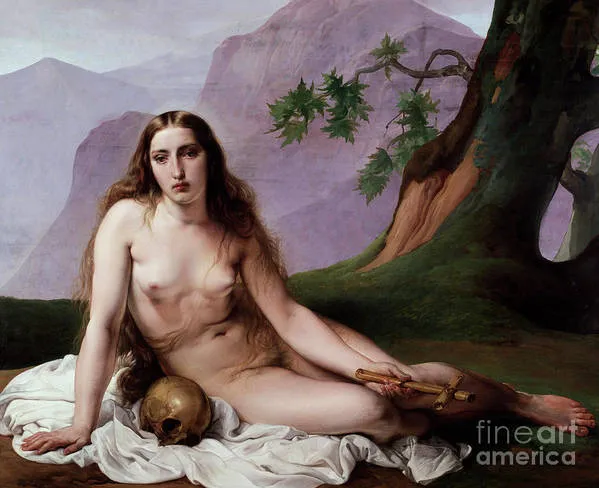
With meticulous attention to detail, Hayez uses oil on canvas to breathe life into “Penitent Mary Magdalene.” The artist’s mastery is evident in each brushstroke, highlighting delicate textures and subtle color transitions. This oil on canvas piece reflects the ideals of Romanticism, focusing on personal emotion and dramatic presentation. Pairing it with works like “Mercury Gives Paris the Apple of Discord” or “Portrait of Antoniet Vitali Sola” creates a gallery of timeless elegance and artistic achievement.
“Penitent Mary Magdalene” is more than a fine art painting for sale; it is a visual narrative rich with symbolism. Hayez’s interpretation of Mary Magdalene’s repentance resonates with themes of redemption and hope, central to the Romanticism movement. Collectors often display this piece alongside related products to evoke deeper meanings and conversations. The painting’s expressive gestures and thoughtful composition invite viewers to reflect on the timeless stories found within each brushstroke.
Owning “Penitent Mary Magdalene” by Francesco Paolo Hayez means possessing a remarkable hand-painted oil painting that embodies the spirit of Romanticism. Its presence enhances any collection, whether showcased alone or with other masterpieces like “Wall Decoration” or “The Sicilian Vespers.” This fine art painting for sale is a testament to Hayez’s artistic legacy, making it a coveted treasure for discerning collectors and admirers of historical and emotional depth in art.
When Art Meets History
"Penitent Mary Magdalene" by Francesco Paolo Hayez stands as a testament to the Romanticism movement, capturing a moment where art and history intertwine. This remarkable hand-painted oil painting not only reflects Hayez's mastery but also echoes the introspective spirit of the 19th century. Similar to his contemporaries’ works, such as "The Battle of Nazareth" and "Presumed portrait of Jean Vasserot," this piece immerses viewers in a narrative rich with emotion and historical depth.
Techniques That Speak
Francesco Paolo Hayez utilized oil on canvas to breathe life into "Penitent Mary Magdalene," showcasing his technical prowess and attention to detail. The Romanticism movement favored expressive brushwork, and Hayez’s technique is evident in the luminous skin tones and flowing drapery. Comparable to "Phantom Crane" and "Portrait of Madame Bruyere," this painting demonstrates how oil on canvas can be manipulated to create both softness and intensity, captivating art lovers and historians alike.
Emotions on Display
In "Penitent Mary Magdalene," Hayez masterfully conveys deep emotion through subtle gestures and evocative facial expressions, hallmarks of the Romanticism movement. The painting’s somber palette and dramatic lighting draw viewers into Mary Magdalene’s world of repentance and reflection. Like other fine art painting for sale from this era, including "Presumed portrait of Jean Vasserot," Hayez’s work invites contemplation and empathy, making it a cherished piece among collectors and enthusiasts.
Coveted by Collectors
As a distinguished work by Francesco Paolo Hayez, "Penitent Mary Magdalene" holds a special place in the realm of fine art painting for sale. Collectors are drawn to its historical significance and emotional depth, qualities shared with paintings like "The Battle of Nazareth" and "Portrait of Madame Bruyere." The enduring appeal of Romanticism, combined with Hayez's unique vision, ensures this masterpiece remains highly sought-after in galleries and private collections around the world.
Related Romanticism Hand-Painted Oil Paintings by Other Artists
Other Famous Romanticism Artists:
Frequently Asked Questions About Penitent Mary Magdalene
What is the historical context of "Penitent Mary Magdalene"?
"Penitent Mary Magdalene" was painted by Francesco Paolo Hayez in the 19th century, a period marked by Romanticism in art. This movement emphasized emotion and individualism, reflecting societal changes and a renewed interest in classical themes.
What artistic techniques did Hayez use in this painting?
Hayez employed a combination of chiaroscuro and vibrant color palettes to create depth and emotion in "Penitent Mary Magdalene." His use of light and shadow enhances the three-dimensionality of the figure, drawing attention to Mary’s expression and posture.
What does the figure of Mary Magdalene symbolize in this artwork?
In "Penitent Mary Magdalene," the figure symbolizes redemption and repentance. Traditionally viewed as a fallen woman, Mary’s portrayal reflects the themes of forgiveness and spiritual transformation, resonating with the viewer's understanding of personal struggle and salvation.
How does Hayez's portrayal of Mary Magdalene differ from other artists?
Hayez's portrayal of Mary Magdalene is notable for its emotional depth and psychological complexity. Unlike other artists who may depict her in a more overtly sinful light, Hayez presents her in a moment of introspection and sorrow, emphasizing her humanity and capacity for redemption.
What role does the setting play in "Penitent Mary Magdalene"?
The setting in "Penitent Mary Magdalene" is minimalistic, focusing the viewer's attention on Mary herself. The subdued background enhances the emotional weight of the scene, allowing the viewer to engage more deeply with her internal struggle and spiritual journey.
What influences can be seen in Hayez's style in this painting?
Hayez's style in "Penitent Mary Magdalene" reflects influences from both the Italian Renaissance and Romanticism. The classical composition and attention to anatomical detail are reminiscent of Renaissance masters, while the emotive expression aligns with Romantic ideals of individual experience and emotion.
How does the use of color contribute to the painting's meaning?
The use of color in "Penitent Mary Magdalene" is significant; the warm tones of Mary’s skin contrast with the cooler, darker background, symbolizing the tension between sin and redemption. The rich reds and golds also evoke a sense of warmth and humanity, inviting empathy from the viewer.
What is the significance of the pose and expression of Mary Magdalene?
Mary Magdalene's pose and expression are crucial to the painting's narrative. Her downcast gaze and contemplative posture convey a profound sense of remorse and introspection, inviting viewers to reflect on their own experiences of guilt and forgiveness.
What messages about femininity can be interpreted from this artwork?
"Penitent Mary Magdalene" presents a complex view of femininity, portraying Mary as both a sinner and a figure of strength through her capacity for repentance. This duality highlights the societal perceptions of women during Hayez's time, challenging traditional notions of virtue and morality.
How has "Penitent Mary Magdalene" influenced modern interpretations of Mary Magdalene?
The painting has significantly influenced modern interpretations of Mary Magdalene, shifting her image from that of a mere sinner to a symbol of redemption and empowerment. Hayez's empathetic portrayal has contributed to contemporary discussions around women's roles in religious and cultural narratives.























_GFM_Painting_(1).webp)


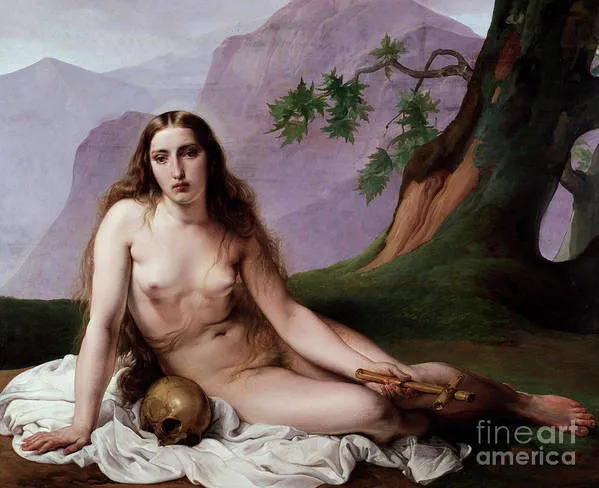
 100% Hand-Painted: Finished in 3-6 Weeks

.png)















_(1).webp)