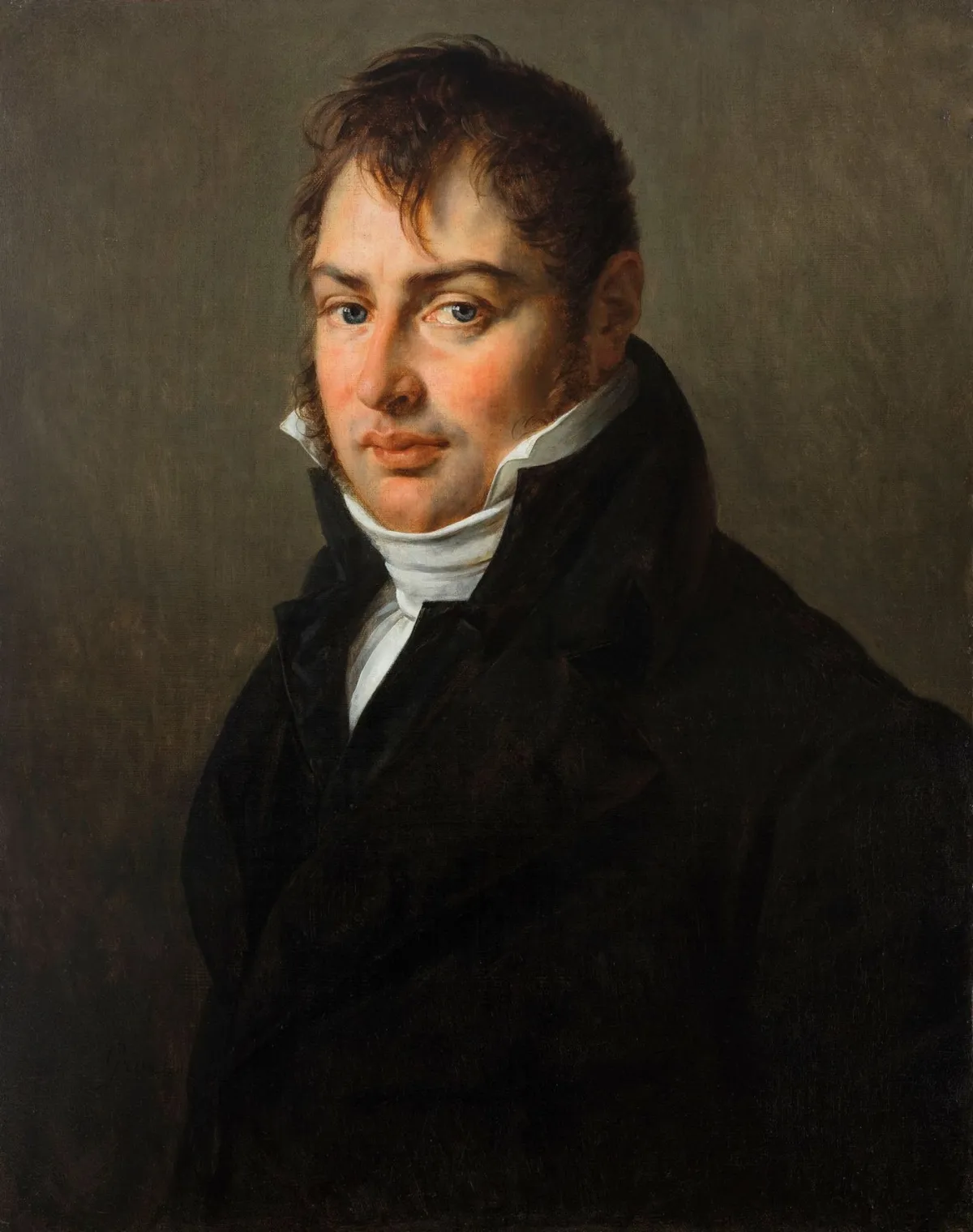
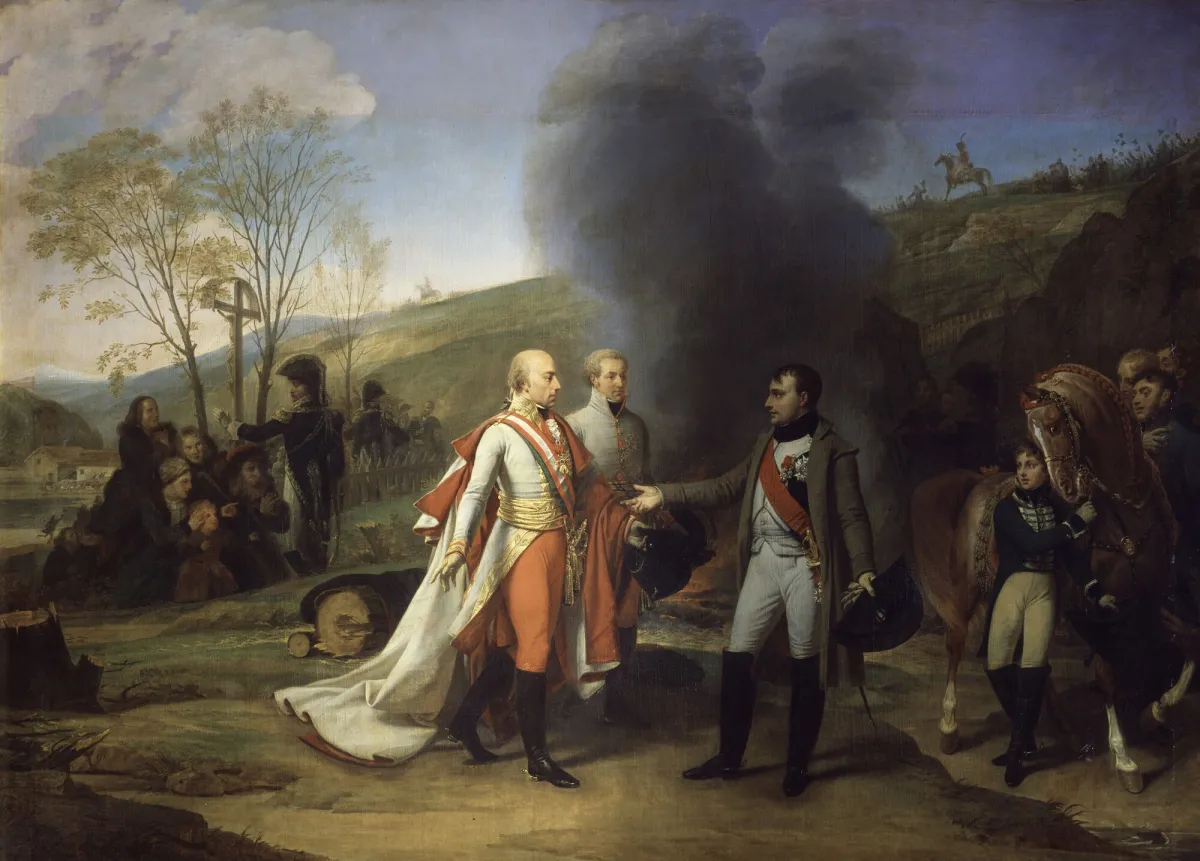
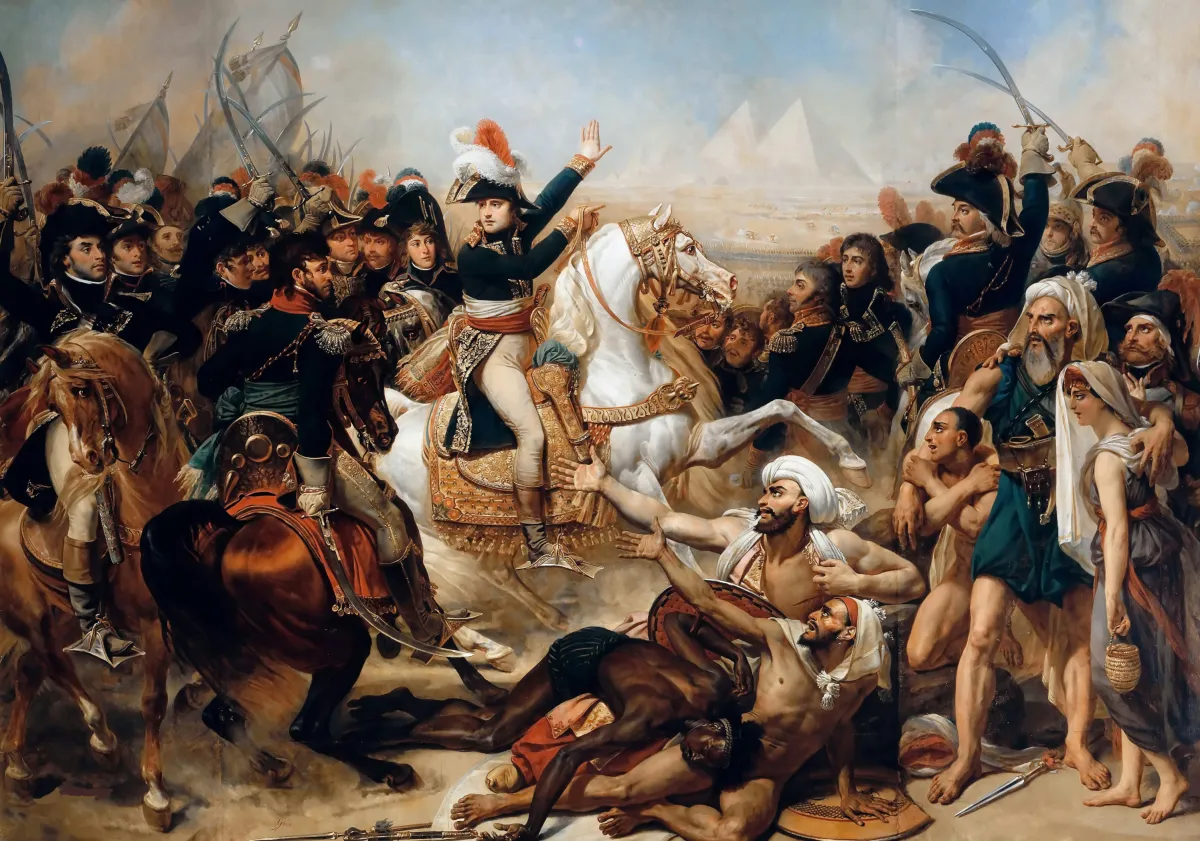
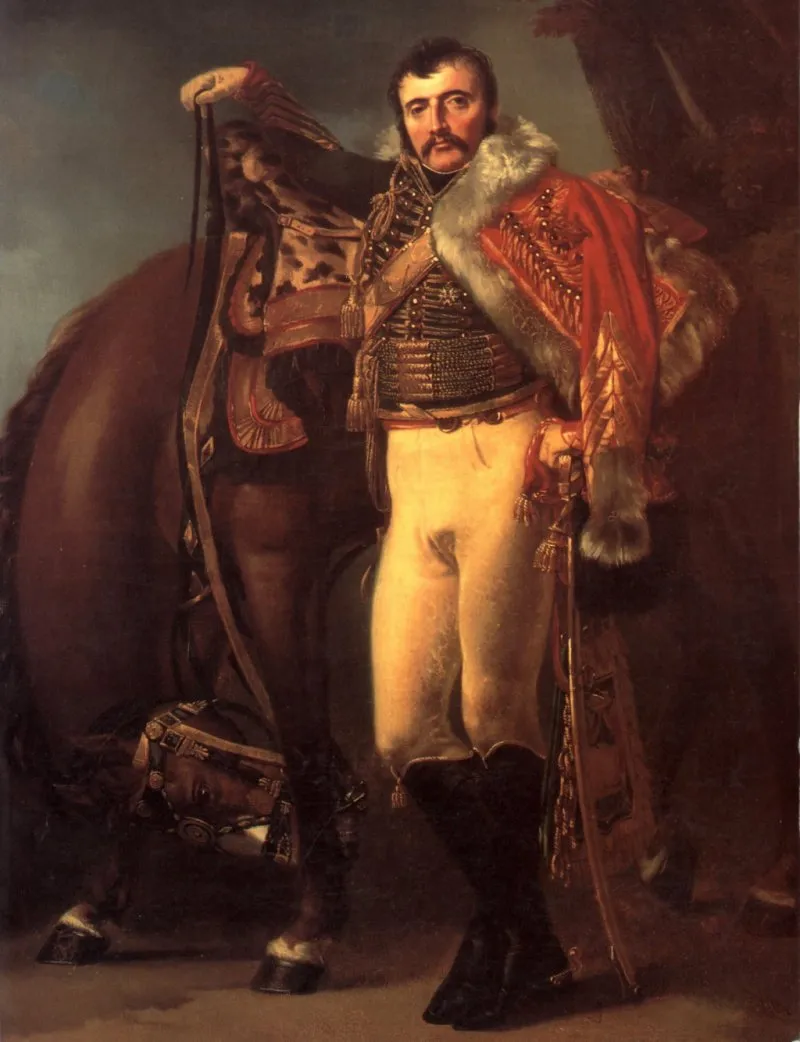
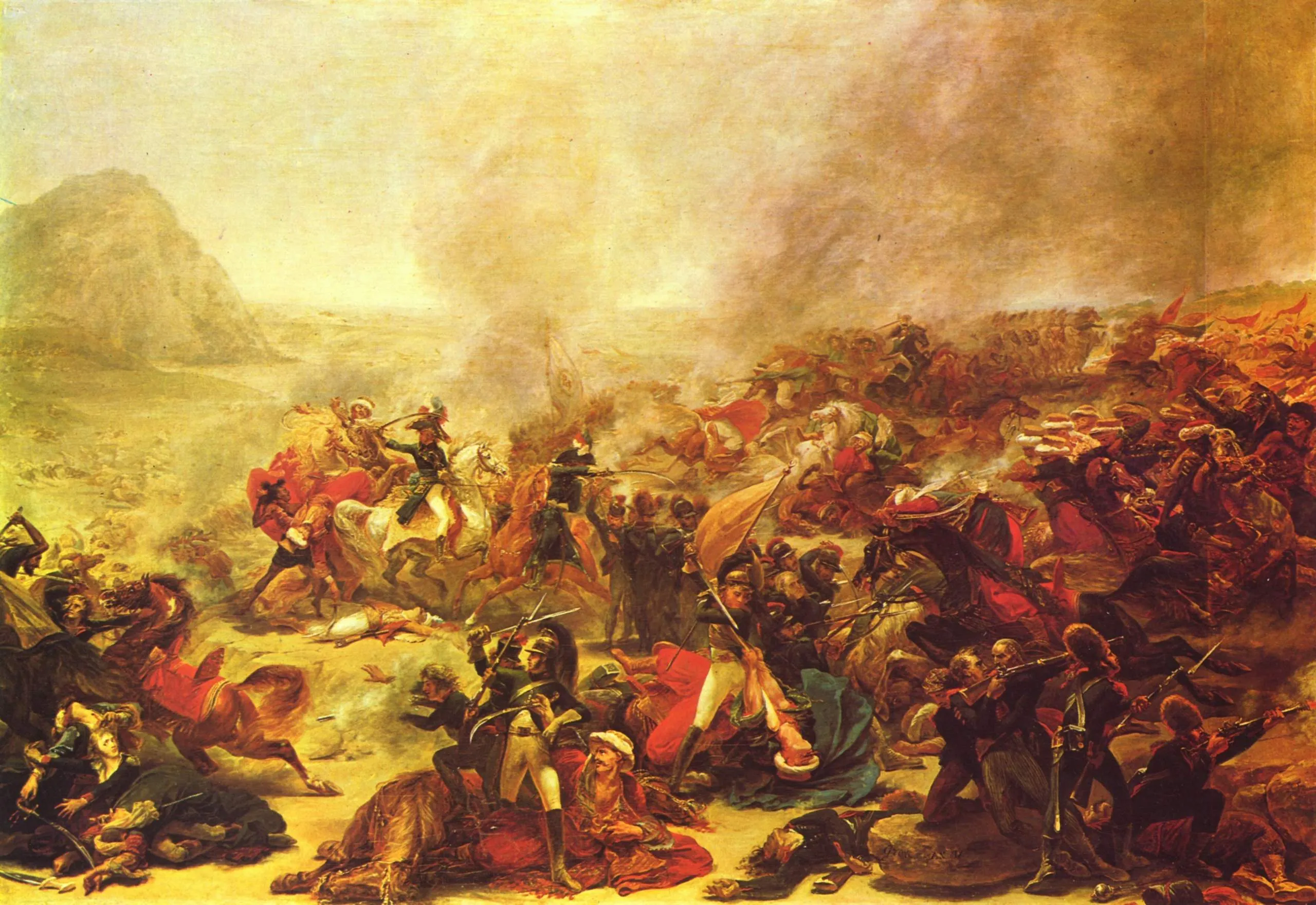
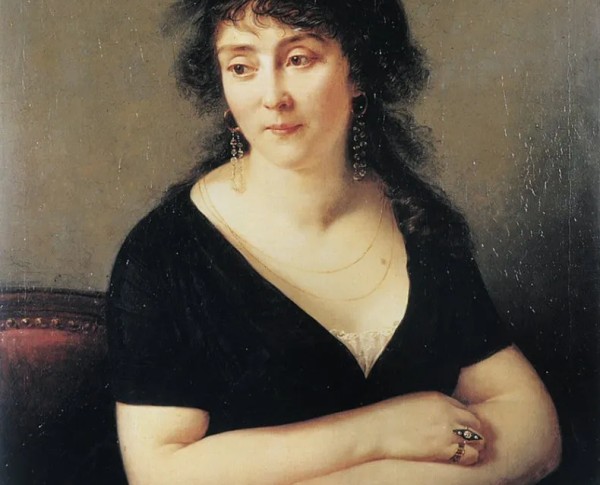
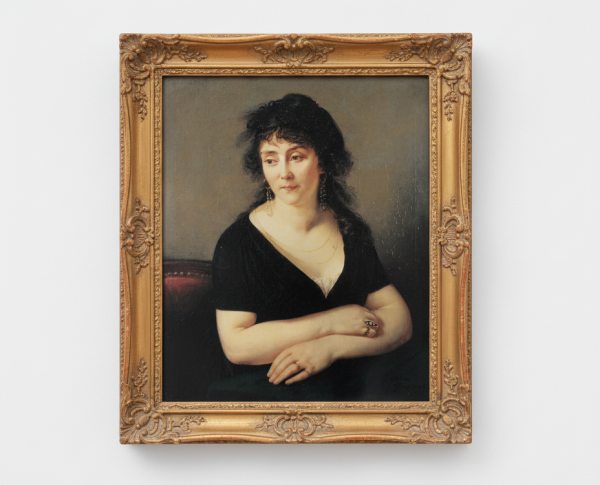
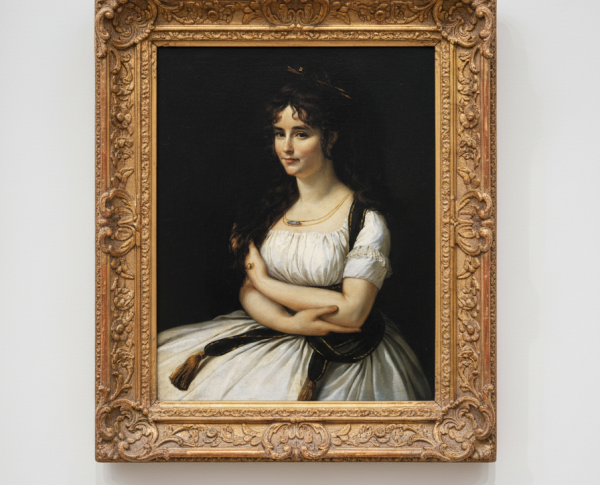
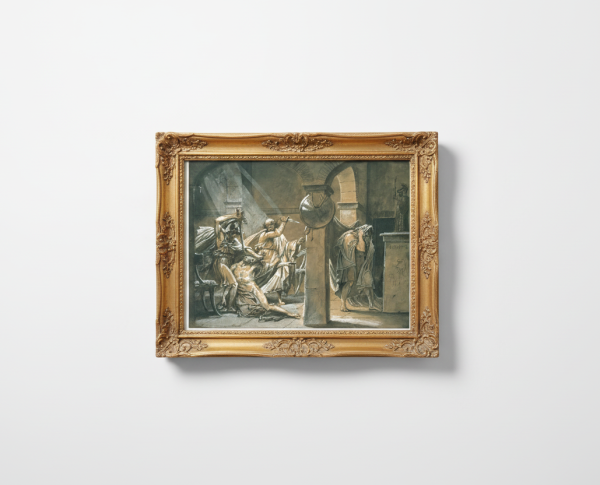
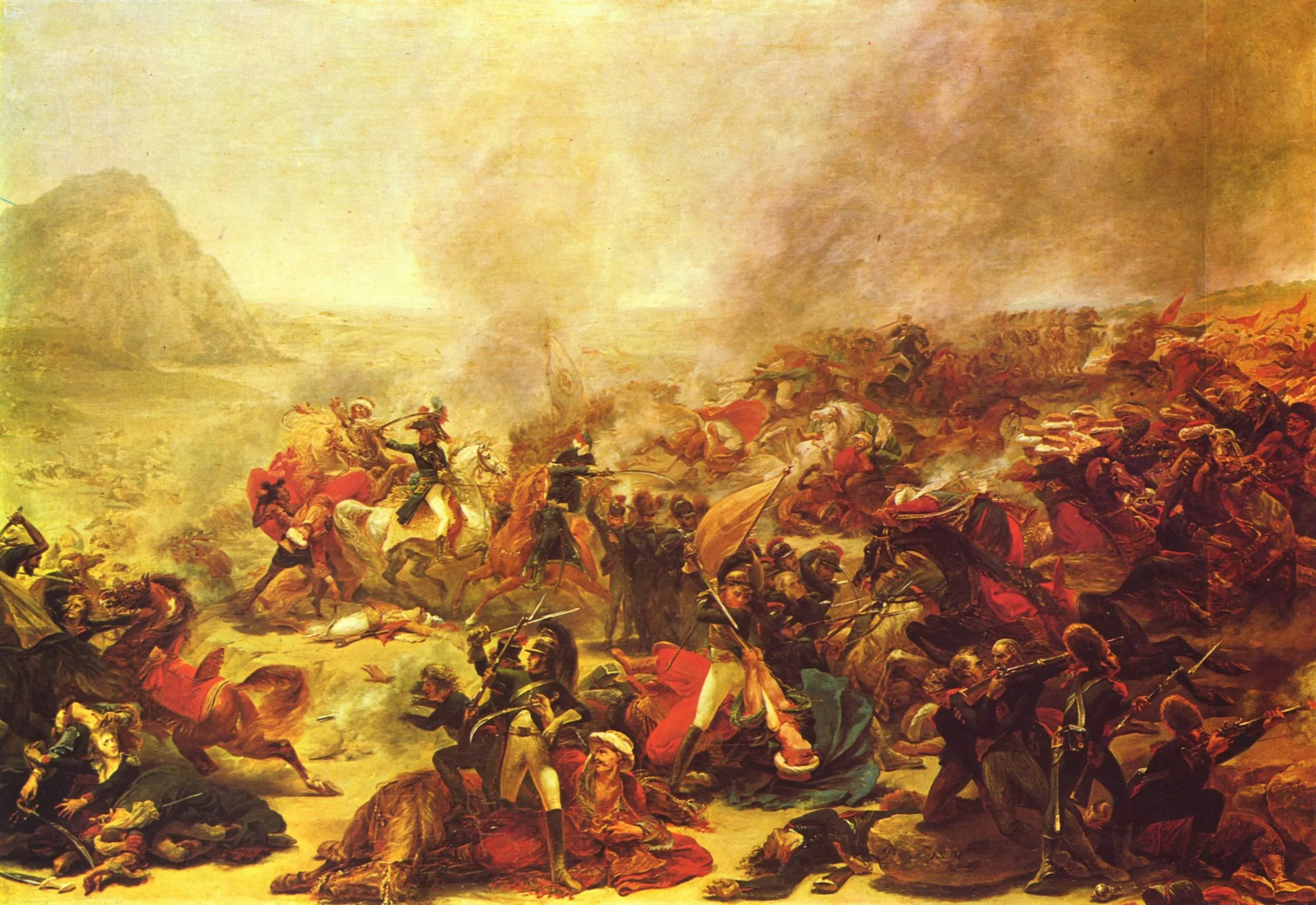
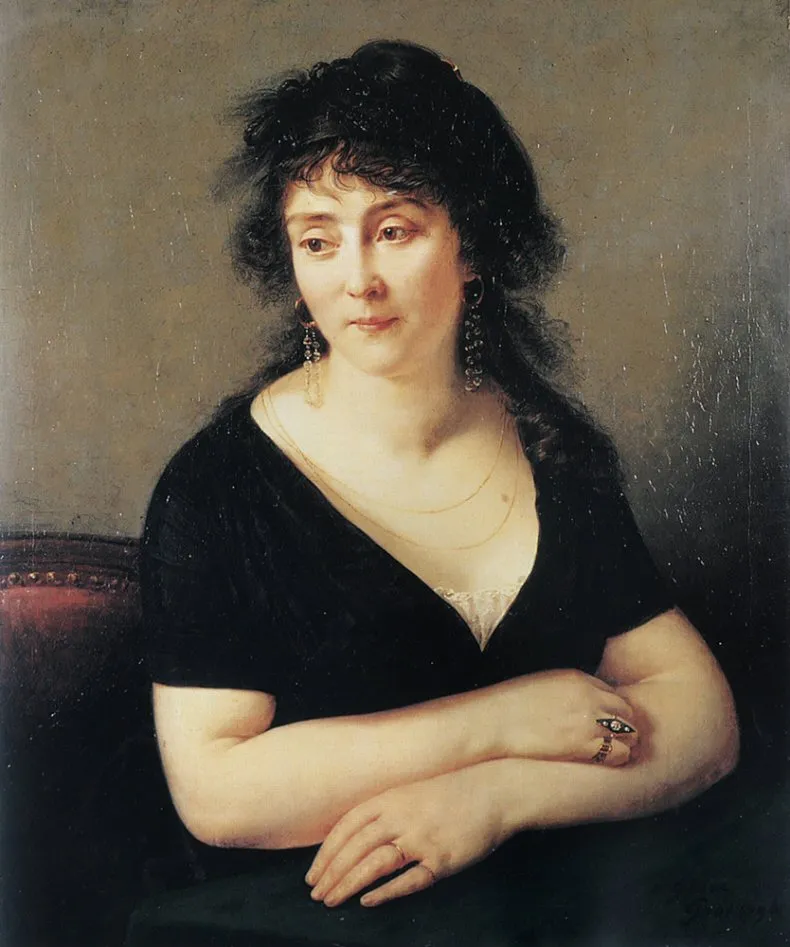
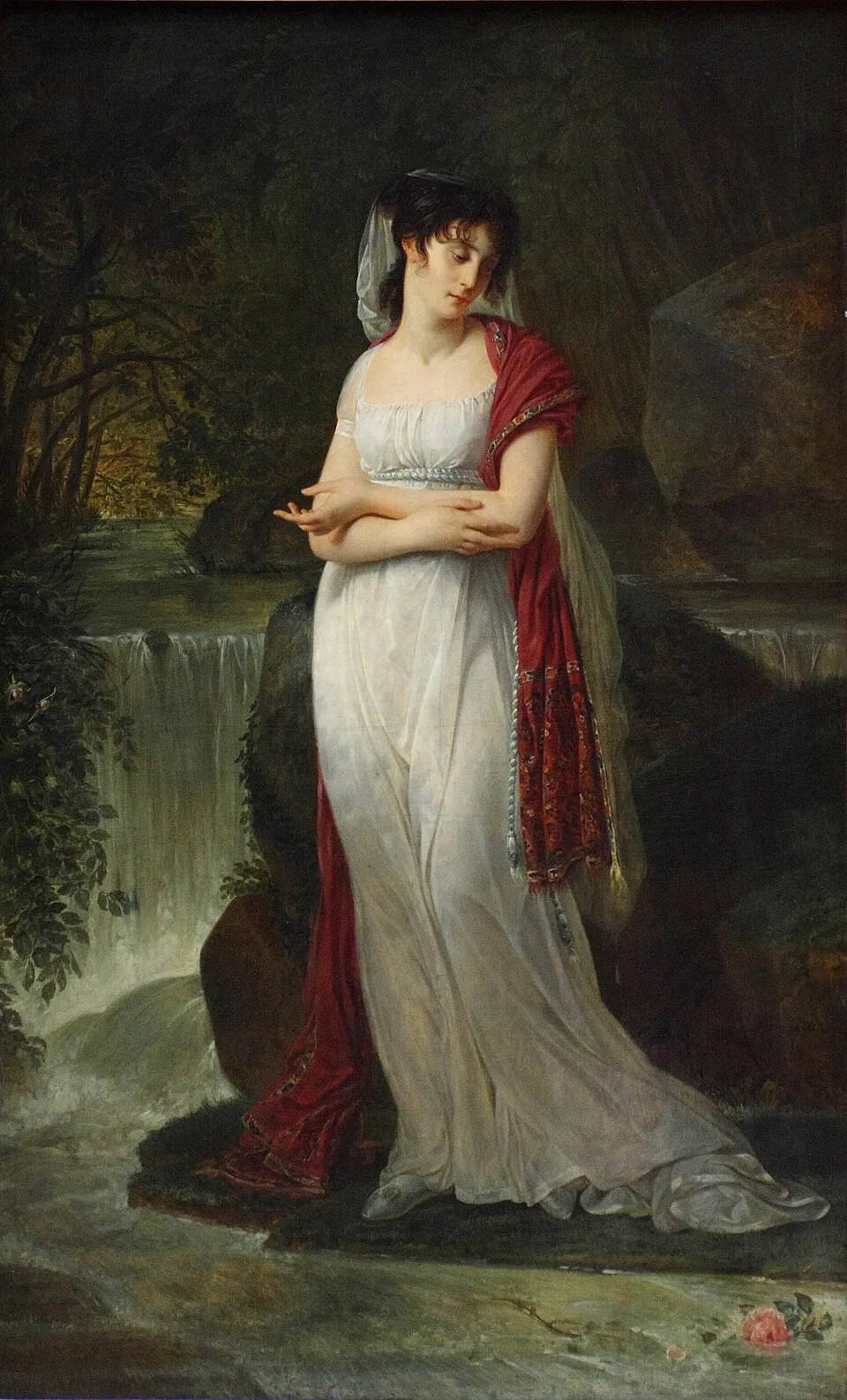
Gros’s expertise is evident in the detailed composition and vibrant colors of "The Battle of Nazareth," executed masterfully in oil on canvas. The swirling action and dynamic figures bring the historic scene to life, showcasing techniques that are hallmarks of Romanticism. Collectors and admirers of Antoine-Jean Gros’s work often seek similar pieces, including "Portrait of Christine Boyer" and "Portrait of Madame Bruyere," for their rich artistry and historical significance.
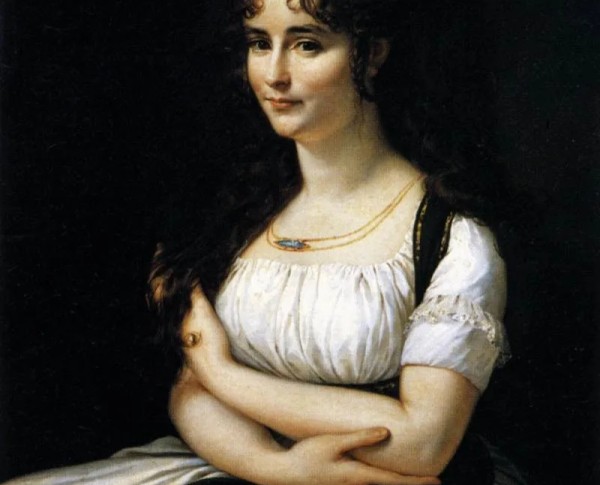
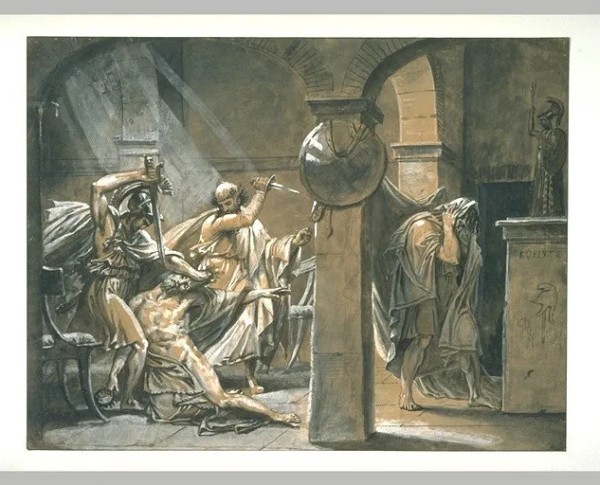
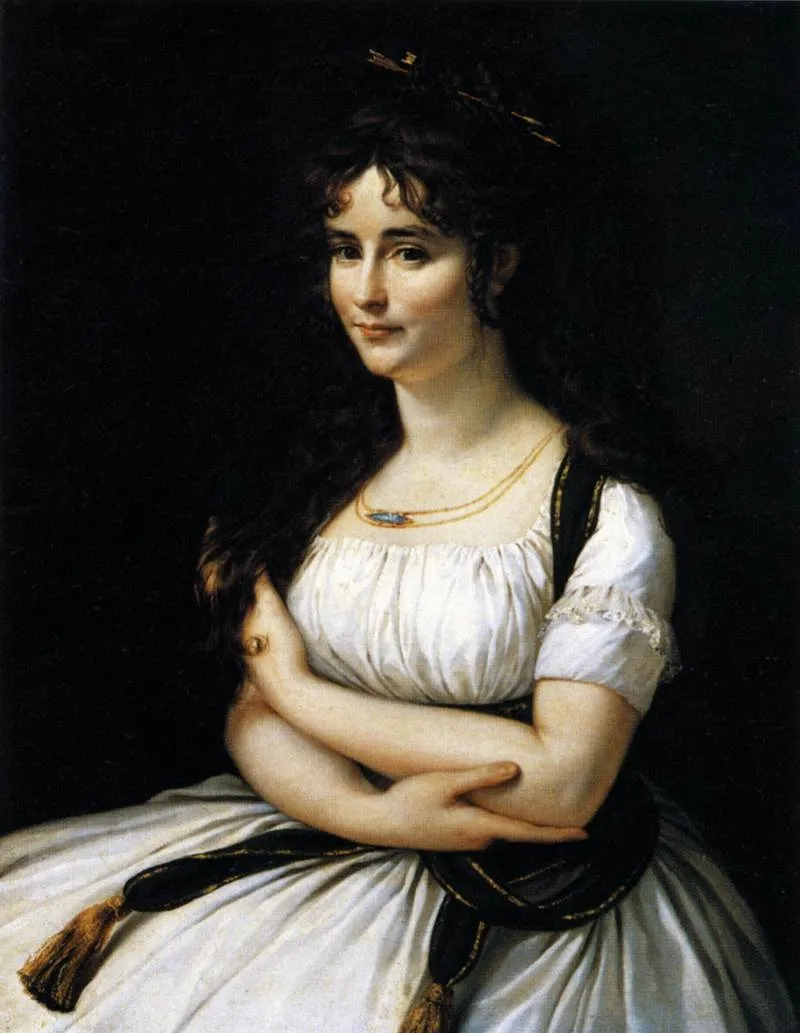
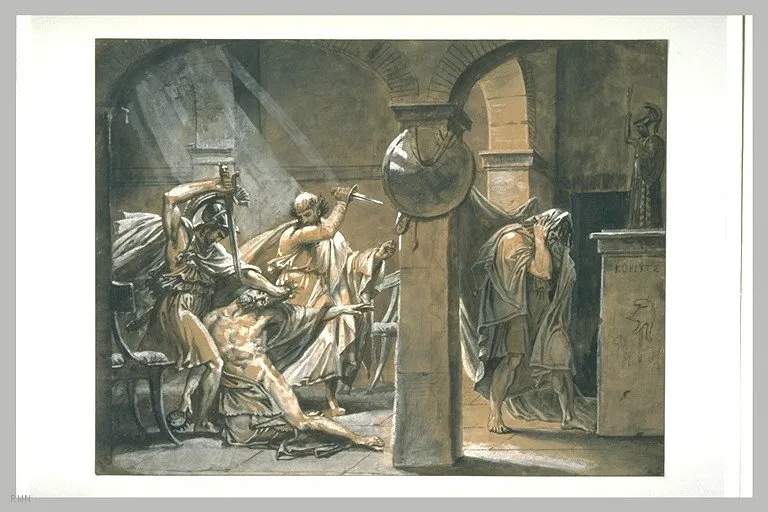
Every element of "The Battle of Nazareth" tells a story, with Gros weaving symbolism and emotion into his fine art painting for sale. The depiction of soldiers, the interplay of light and shadow, and the dramatic landscape all serve to evoke the tumult and heroism of the era. This narrative depth is also present in Gros’s works like "Madame Pasteur" and "The Death of Timophanes," making them prized among collectors of Romanticism art.
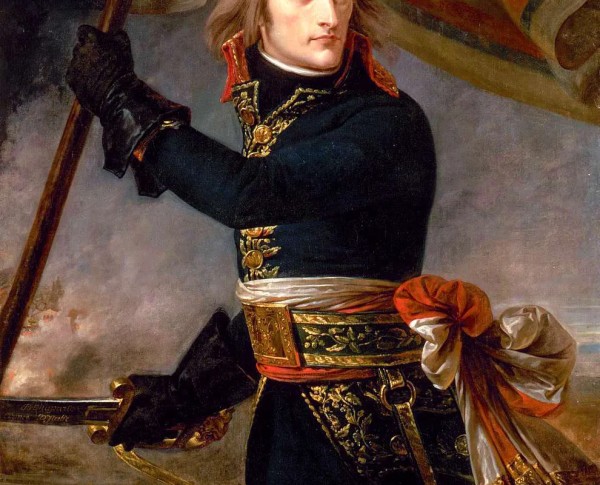
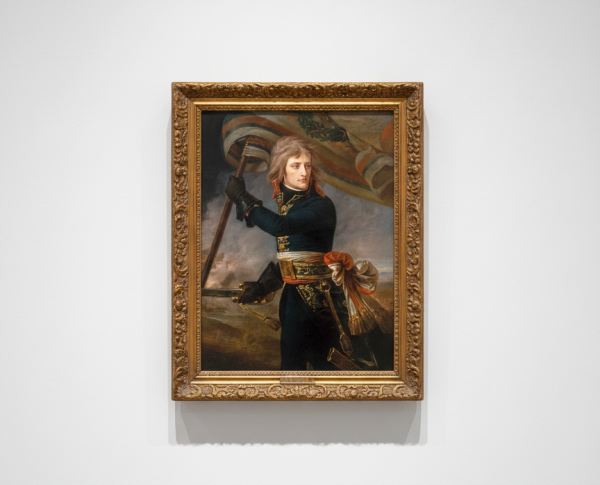
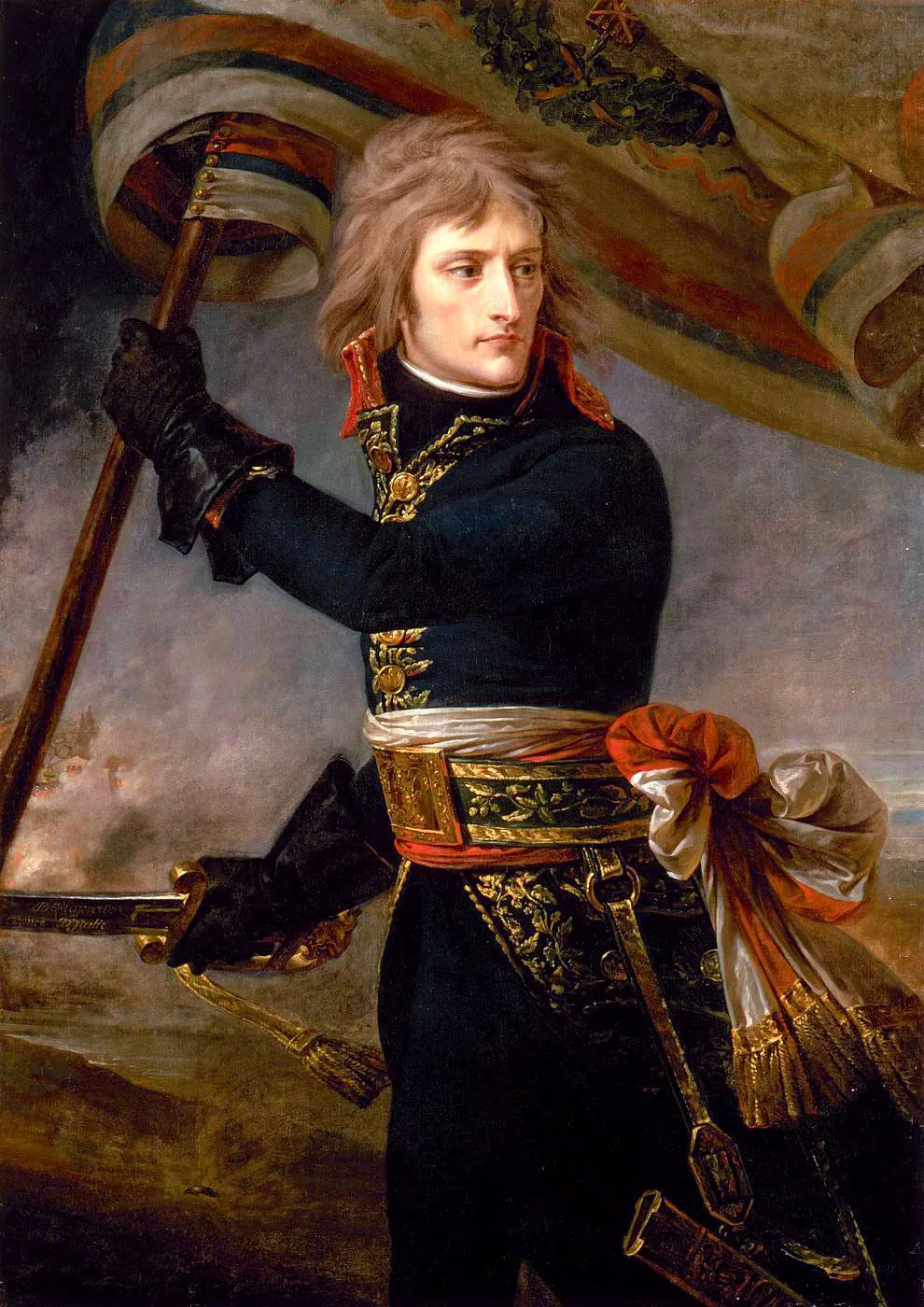
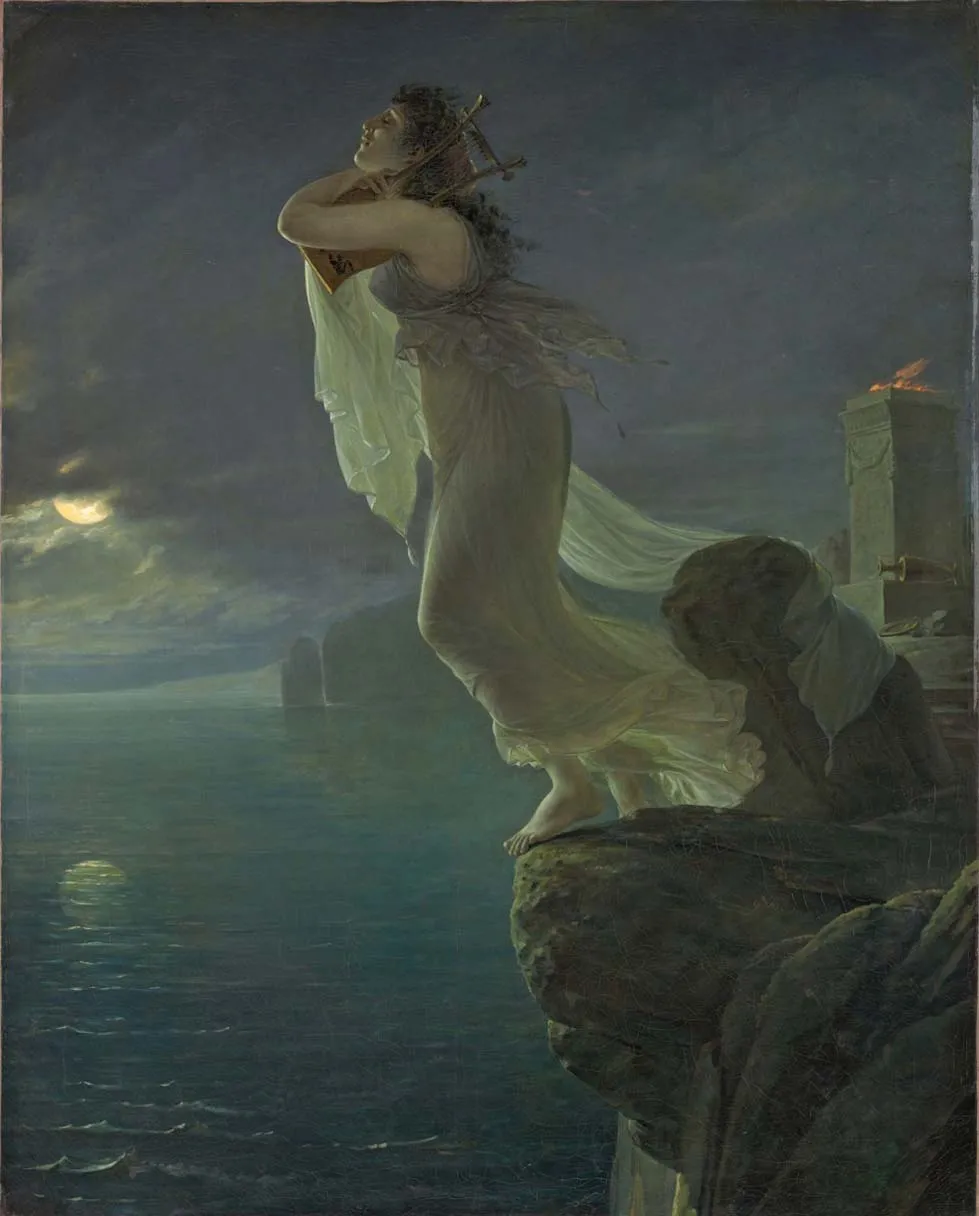
Owning "The Battle of Nazareth" by Antoine-Jean Gros is a unique opportunity for those seeking a hand-painted oil painting that exemplifies the Romanticism movement. Its historical relevance and exceptional artistry make it a standout among fine art collections. Collectors often pair such masterpieces with related works, including "Bonaparte at the Pont D'Arcole" and "Sappho at Leucate," enhancing the cultural and aesthetic value of their collection.
When Art Meets History
Antoine-Jean Gros’s "The Battle of Nazareth" stands as a remarkable example of Romanticism, blending dramatic historical narrative with vivid artistry. This hand-painted oil painting immortalizes a pivotal moment, much like related works such as "Soldiers at the Alamo" and "George Washington Baines By." Gros masterfully captures the chaos and heroism of battle, ensuring that viewers are transported to the heart of the conflict. The painting’s historical relevance makes it a treasure for enthusiasts of both art and history.
Techniques That Speak
Gros’s technique in "The Battle of Nazareth" exemplifies the Romantic movement’s emphasis on dynamic composition and expressive brushwork. Executed in oil on canvas, the painting features bold contrasts and energetic lines, drawing the viewer’s eye to the central figures. This approach can also be seen in other fine works like "Salisbury Cathedral from the Meadows" and "Teddy's Christmas Greeting." The artist’s ability to convey movement and intensity highlights the technical mastery behind this celebrated piece.
Emotions on Display
"The Battle of Nazareth" by Antoine-Jean Gros is a fine art painting for sale that pulsates with emotion, embodying the Romanticism movement’s focus on human drama. The turmoil and valor depicted evoke deep feelings, similar to the atmospheric tension found in "Cottage at East Bergholt." Gros’s nuanced portrayal of soldiers’ expressions and the chaotic battlefield stirs empathy in viewers, making each glance a powerful experience. This emotional depth is what sets Romantic art apart from earlier movements.
Coveted by Collectors
Collectors worldwide seek "The Battle of Nazareth" as a prime example of hand-painted oil painting from the Romanticism era. Antoine-Jean Gros’s work, alongside related masterpieces like "Soldiers at the Alamo" and "Salisbury Cathedral from the Meadows," remains highly desirable in the art market. Its historical narrative and artistic brilliance ensure enduring appeal. Owning such a painting connects collectors to a legacy of passion and creativity, making it a prized addition to any fine art collection.
Related Romanticism Hand-Painted Oil Paintings by Other Artists
Other Famous Romanticism Artists:
Frequently Asked Questions About The Battle of Nazareth
What historical event does "The Battle of Nazareth" depict?
"The Battle of Nazareth" illustrates the significant military engagement that took place in 1799 during the Egyptian campaign led by Napoleon Bonaparte against the Ottoman Empire.
Who was the artist, and what is his significance in art history?
The painting was created by Antoine-Jean Gros, a prominent French painter known for his historical and battle scenes, which played a crucial role in shaping the Romantic style in art.
What artistic techniques did Gros employ in this painting?
Gros utilized dramatic lighting and dynamic composition to enhance the emotional intensity of the scene, employing techniques such as chiaroscuro to create depth and focus on key figures.
What is the significance of the figures depicted in the painting?
The central figure of Napoleon is portrayed as a heroic leader, symbolizing strength and determination, while the soldiers around him represent the valor and sacrifice of the French army during the battle.
How does "The Battle of Nazareth" reflect the ideals of Romanticism?
The painting embodies Romantic ideals through its emphasis on emotion, individual heroism, and the sublime nature of war, capturing the drama and chaos of battle in a way that evokes a strong emotional response.
What symbolism can be found in the use of color in this artwork?
Gros employs a rich color palette, using reds and golds to symbolize valor and glory, while darker tones convey the gravity and turmoil of war, enhancing the painting's emotional impact.
What role did "The Battle of Nazareth" play in the promotion of Napoleon's image?
The painting served as a powerful propaganda tool, reinforcing Napoleon's status as a military genius and a national hero, thereby shaping public perception of his leadership during the campaign.
How does the composition of the painting guide the viewer's eye?
The strategic placement of figures and the use of diagonal lines in the composition lead the viewer's eye towards Napoleon, emphasizing his central role and creating a sense of movement and urgency within the scene.
What was the public reception of "The Battle of Nazareth" upon its unveiling?
Upon its unveiling, the painting was met with acclaim for its dramatic portrayal and technical skill, solidifying Gros's reputation and contributing to the fascination with Napoleon's military exploits in the early 19th century.
In what ways has "The Battle of Nazareth" influenced later artists?
The painting has inspired subsequent generations of artists to explore themes of heroism, conflict, and the human experience in war, influencing both historical and contemporary representations of battle in art.






















_GFM_Painting_(1).webp)


 100% Hand-Painted: Finished in 3-6 Weeks

.png)















_(1).webp)