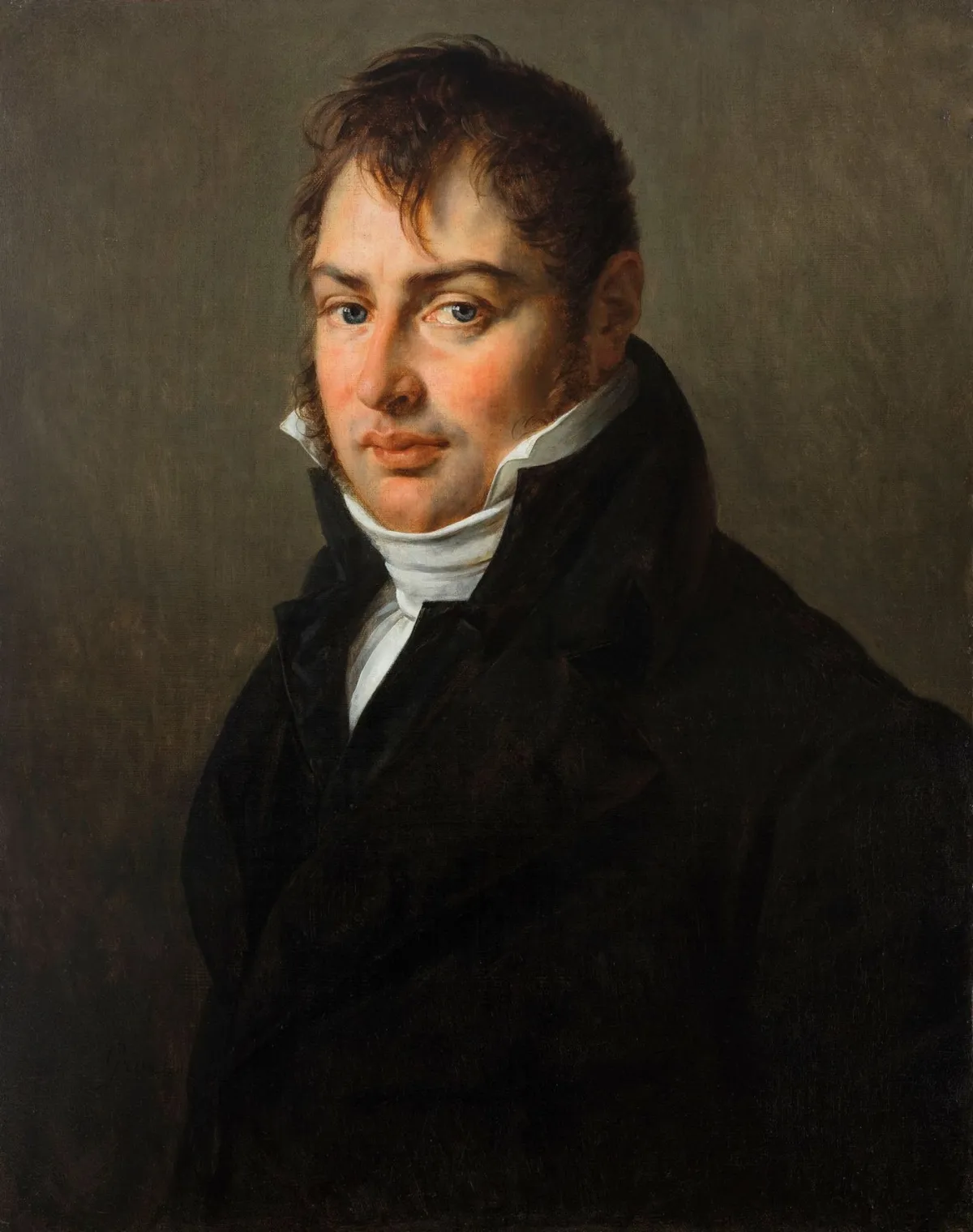
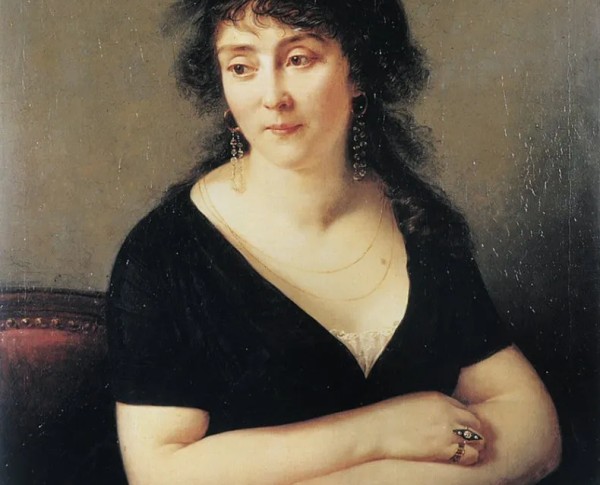
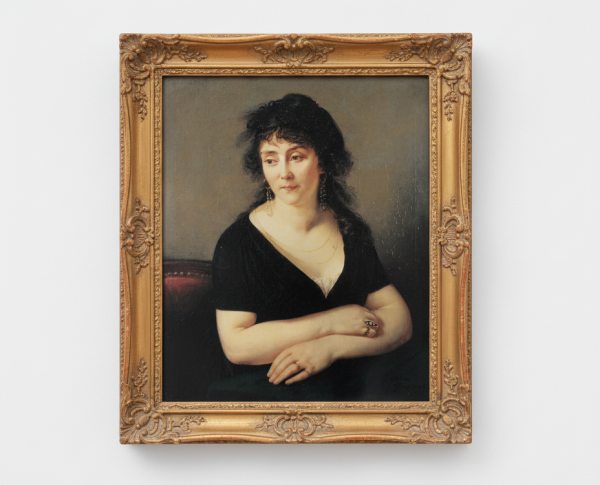
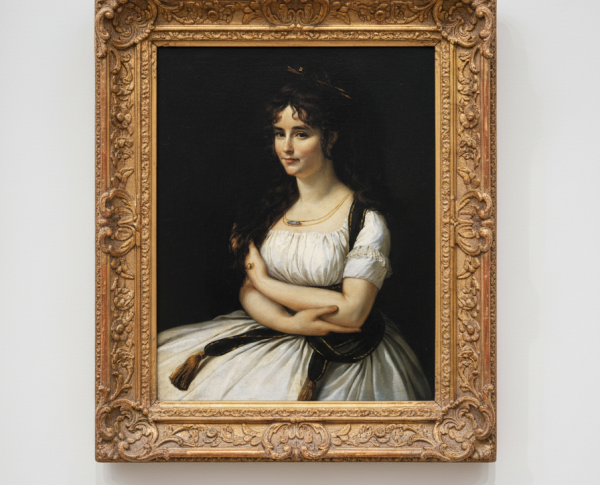
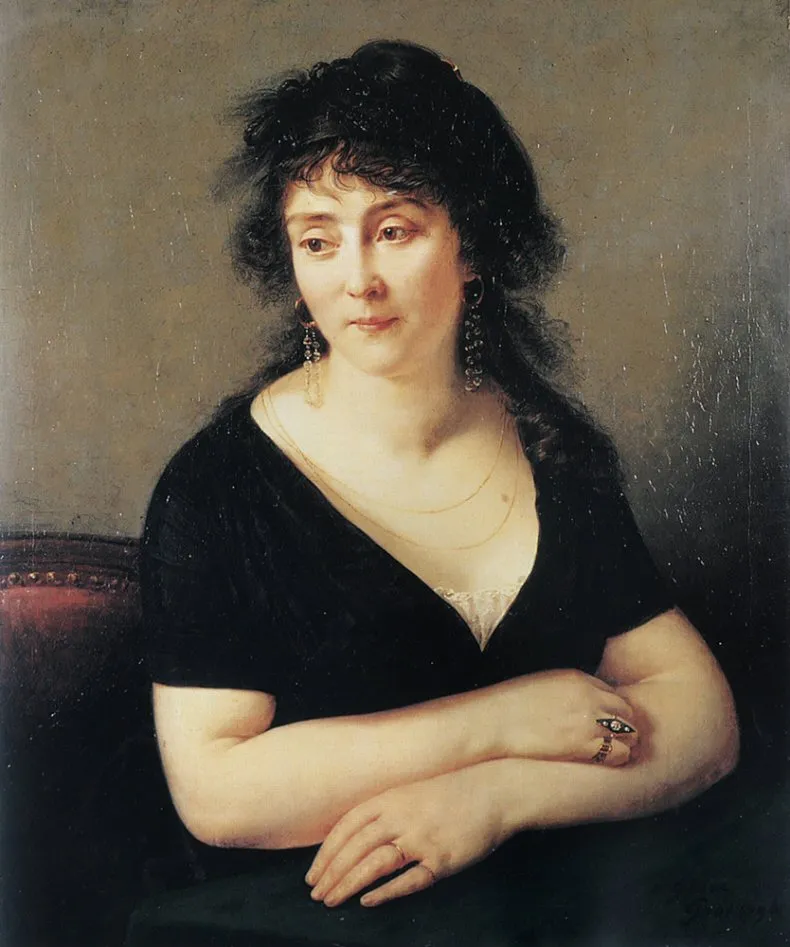
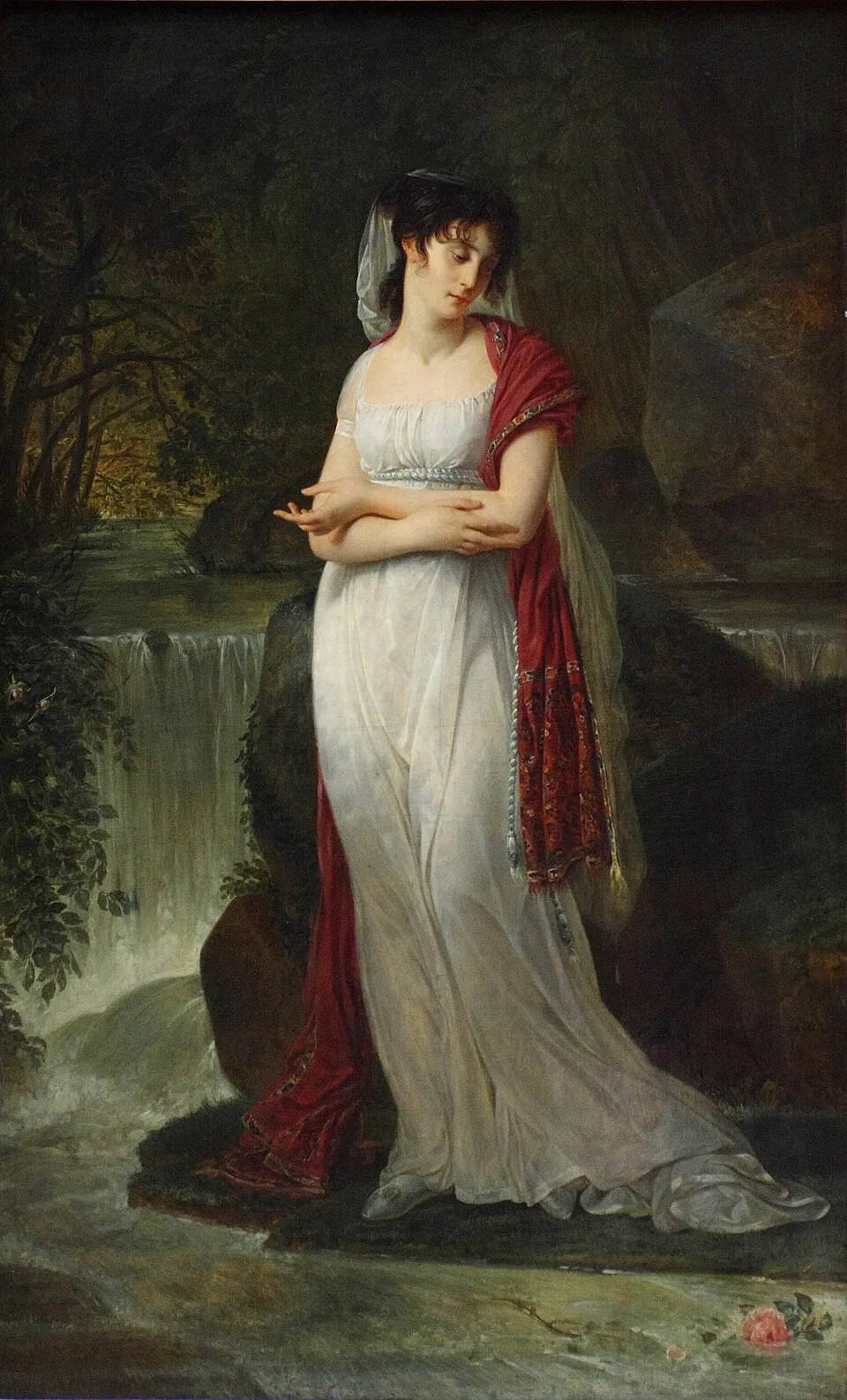
Antoine-Jean Gros’s exceptional technique is evident in every detail of "Portrait of Madame Bruyere." Utilizing oil on canvas, he skillfully blended color and light to create lifelike textures and subtle expressions. This careful attention to detail exemplifies the Romanticism movement’s focus on emotion and individuality. Gros’s ability to convey both realism and feeling ensures that each oil on canvas painting remains a cherished piece in any art collection, resonating with viewers across generations.
The "Portrait of Madame Bruyere" is more than a visual representation; it is a narrative woven through brushwork and symbolism. Gros’s hand-painted oil painting delves into the subject’s personality, using Romanticism’s expressive style to reveal inner strength and grace. Every element, from the sitter’s pose to the background, contributes to the story Gros wished to tell. As with many fine art painting for sale today, this portrait invites viewers to uncover its deeper meanings and historical context.
For collectors seeking a fine art painting for sale, "Portrait of Madame Bruyere" by Antoine-Jean Gros is a prized acquisition. Its significance within the Romanticism movement and the artist’s renowned skill make it a standout piece. Owning such an artwork is not only an investment in beauty but also in history and culture. This oil on canvas masterpiece continues to captivate art lovers, maintaining its allure and value in the world of distinguished fine art collections.
When Art Meets History
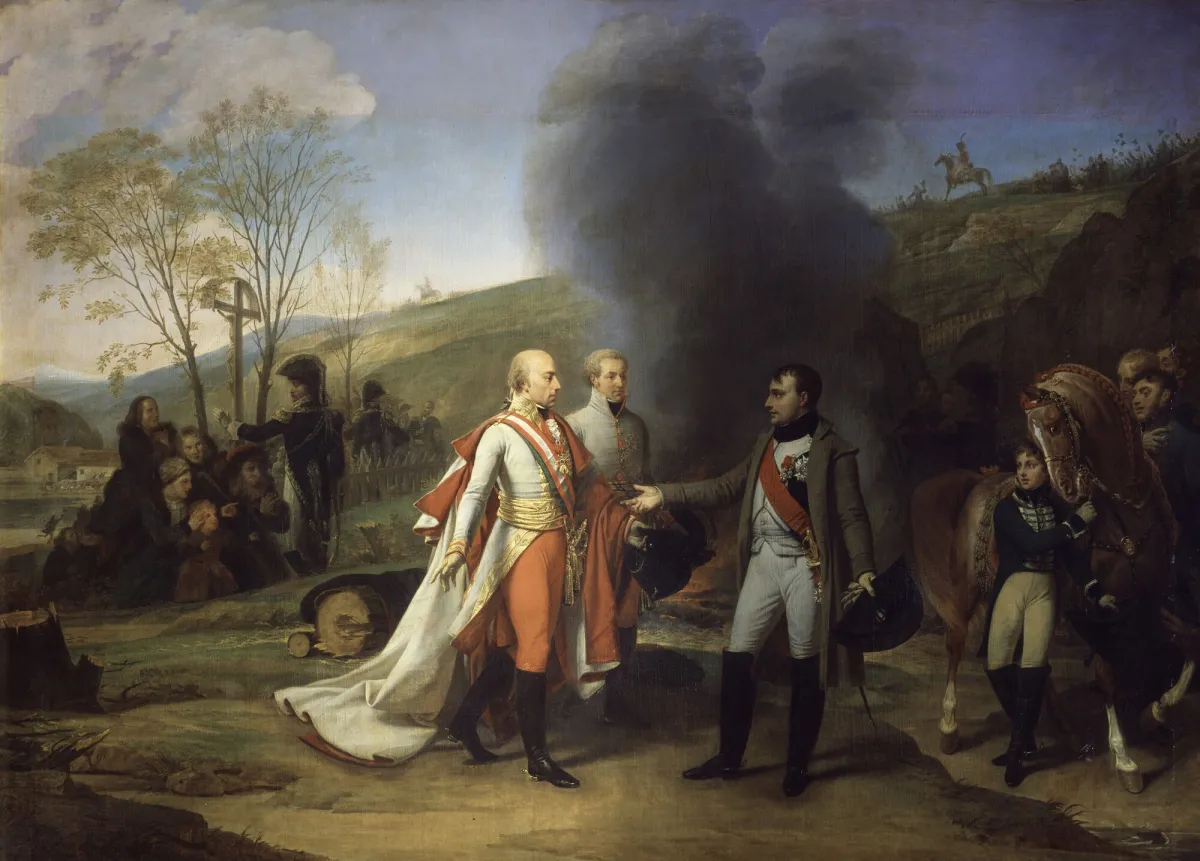
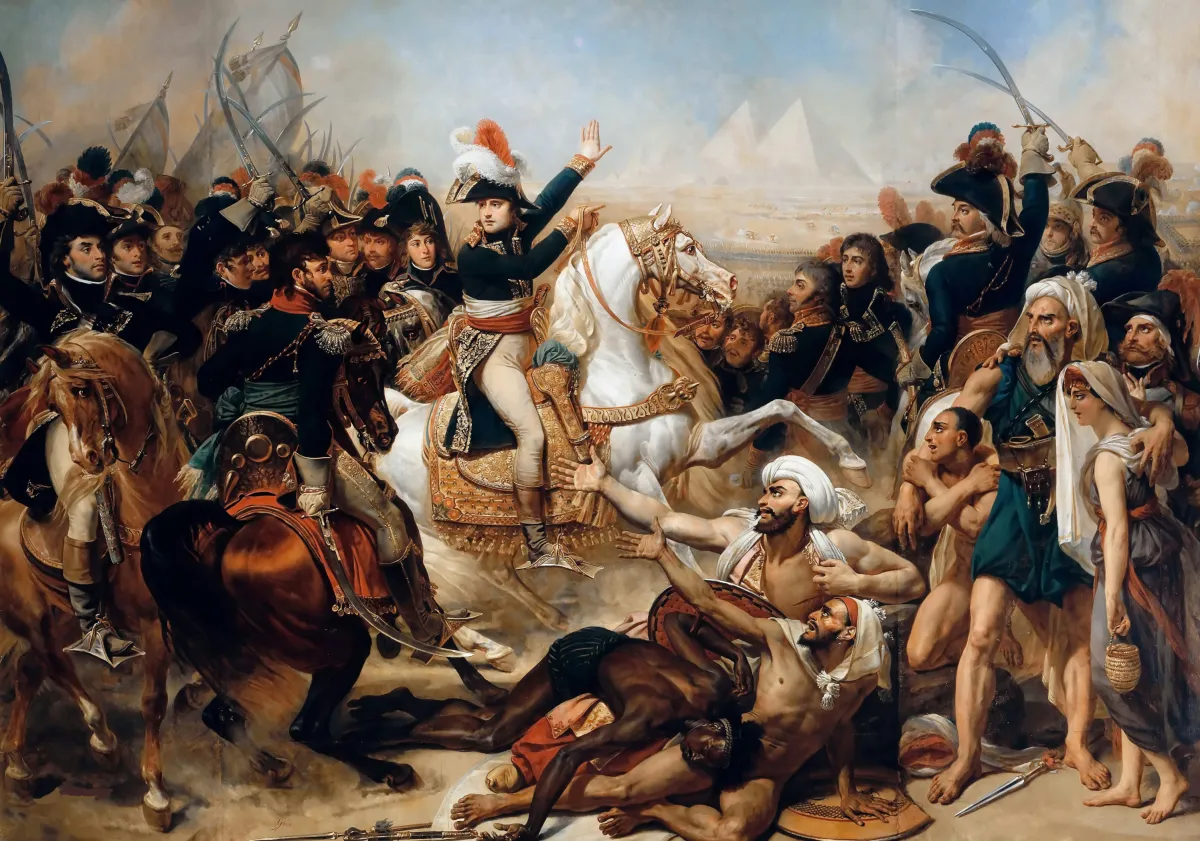
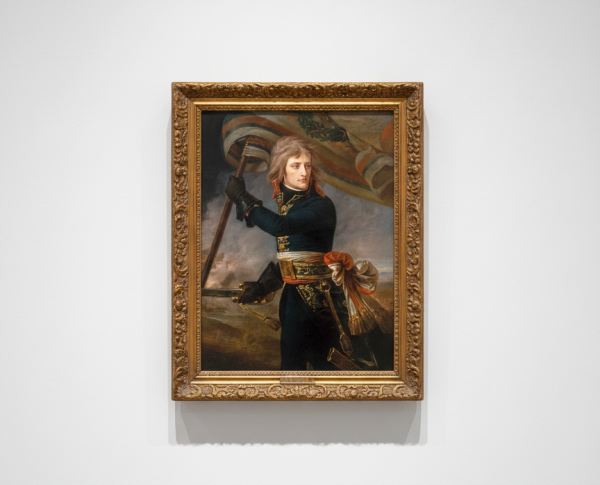
"Portrait of Madame Bruyere" by Antoine-Jean Gros stands as a testament to the evocative power of Romanticism. Created during a period of great political and social change, this hand-painted oil painting captures the spirit of its era. Gros, celebrated for his works like "The Battle of Trafalgar" and "Ben Milam Calling for Volunteers," masterfully connects his subject to history. The portrait remains a compelling example of how art can reflect the nuances of its time.
Techniques That Speak
Antoine-Jean Gros employed oil on canvas with remarkable skill in "Portrait of Madame Bruyere." His brushwork, reminiscent of other Romantic masterpieces such as "Light and Colour (Goethe's Theory) – The Morning after the Deluge – Moses Writing the Book of Genesis," brings depth and vitality to the sitter. The subtle gradations and luminous textures demonstrate Gros’s command of the medium, making this oil on canvas an enduring study in technique and artistic innovation within the Romanticism movement.
Emotions on Display
Emotion radiates from "Portrait of Madame Bruyere," as Antoine-Jean Gros channels the Romanticism movement’s fascination with inner life. Like "The Witches' Ride" and "Susanna and the Elders," Gros’s portrait delves into the psychological realm, revealing the sitter’s character through expressive detail. The fine art painting for sale invites viewers to interpret the nuanced feelings portrayed, showcasing the artist’s ability to convey depth and complexity through subtle expression and dramatic composition.
Coveted by Collectors
"Portrait of Madame Bruyere" is highly sought after by collectors of Romanticism, standing alongside related works such as "Ben Milam Calling for Volunteers" and "The Battle of Trafalgar." As a hand-painted oil painting, it represents both artistic mastery and historical significance. Antoine-Jean Gros’s evocative style and the portrait’s provenance make it a fine art painting for sale that continues to captivate art enthusiasts and collectors around the world.
Related Romanticism Hand-Painted Oil Paintings by Other Artists
Other Famous Romanticism Artists:
Frequently Asked Questions About Portrait of Madame Bruyere
What is the historical context of "Portrait of Madame Bruyere"?
"Portrait of Madame Bruyere" was created during the early 19th century, a period marked by the rise of Romanticism in art. Antoine-Jean Gros, the artist, was influenced by the political and social changes occurring in France following the Revolution, which shaped his approach to portraiture.
Who is Madame Bruyere, and what is her significance?
Madame Bruyere was a prominent figure in Parisian society during the time of Gros. Her portrait reflects the cultural elite of the era and serves as a testament to the importance of women in the social fabric of post-Revolutionary France.
What artistic techniques did Gros employ in this portrait?
Gros utilized a combination of realistic detail and expressive brushwork to capture the likeness and personality of Madame Bruyere. His use of light and shadow enhances the three-dimensionality of the figure, showcasing his mastery of chiaroscuro.
What symbolism can be found in "Portrait of Madame Bruyere"?
The portrait is rich in symbolism, with the attire and accessories of Madame Bruyere reflecting her social status and femininity. The choice of colors and the pose convey a sense of confidence and grace, emphasizing her role in the cultural milieu of her time.
How does "Portrait of Madame Bruyere" compare to other portraits of the same era?
Compared to other portraits of the early 19th century, Gros's work stands out for its emotional depth and psychological insight. While many artists focused on idealized representations, Gros captured the individuality and character of his subjects, making his portraits more relatable and engaging.
What influence did Gros have on later portrait artists?
Antoine-Jean Gros was a pivotal figure in the transition from Neoclassicism to Romanticism in portraiture. His innovative techniques and focus on emotional expression influenced subsequent generations of artists, paving the way for a more personal and intimate approach to portrait painting.
What materials were used in the creation of this painting?
Gros likely used oil paints on canvas, a common medium for portraiture during this period. The rich pigments and layering techniques allowed for vibrant colors and fine details, contributing to the overall impact of the portrait.
What role did portraiture play in society during Gros's time?
During the early 19th century, portraiture served not only as a means of documenting the likenesses of individuals but also as a way to convey social status and personal identity. Portraits were often commissioned by the wealthy to display their influence and legacy within society.
How is the composition of "Portrait of Madame Bruyere" structured?
The composition of the portrait is carefully arranged, with Madame Bruyere positioned centrally to draw the viewer's attention. The background is subtly rendered, allowing the subject to stand out, while the use of diagonal lines in her posture adds dynamism to the overall composition.
What is the legacy of "Portrait of Madame Bruyere" in the art world?
"Portrait of Madame Bruyere" remains a significant work in the study of early 19th-century portraiture. It exemplifies the shift towards more personal and expressive representations in art, and continues to be admired for its technical skill and emotional resonance.






















_GFM_Painting_(1).webp)


 100% Hand-Painted: Finished in 3-6 Weeks

.png)















_(1).webp)