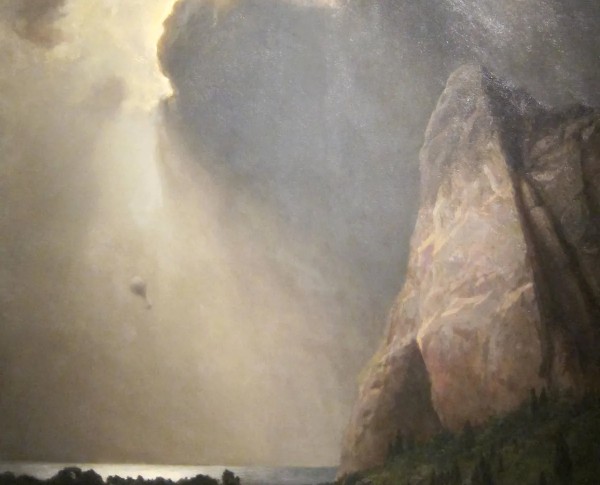
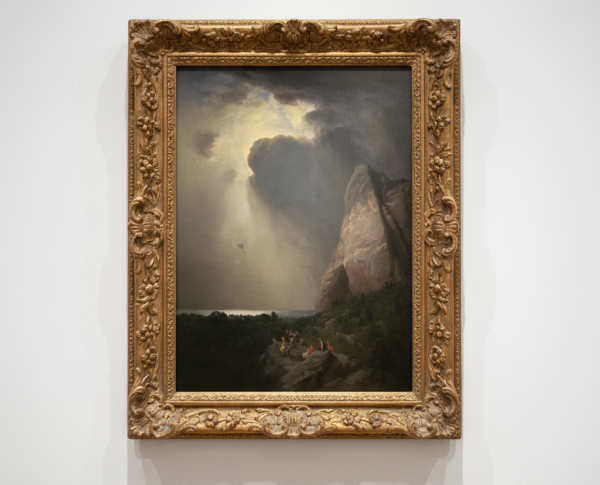
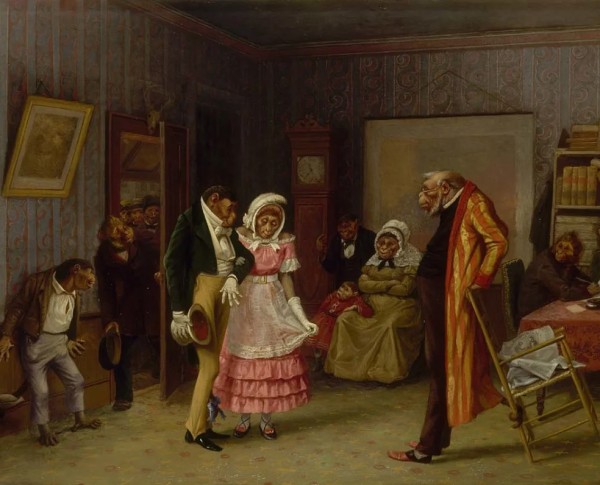
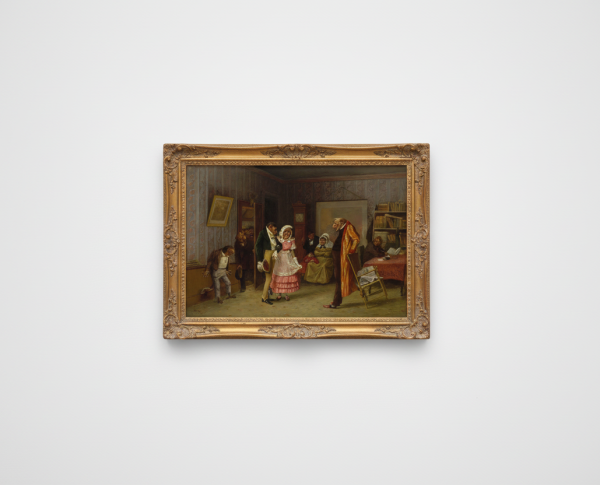
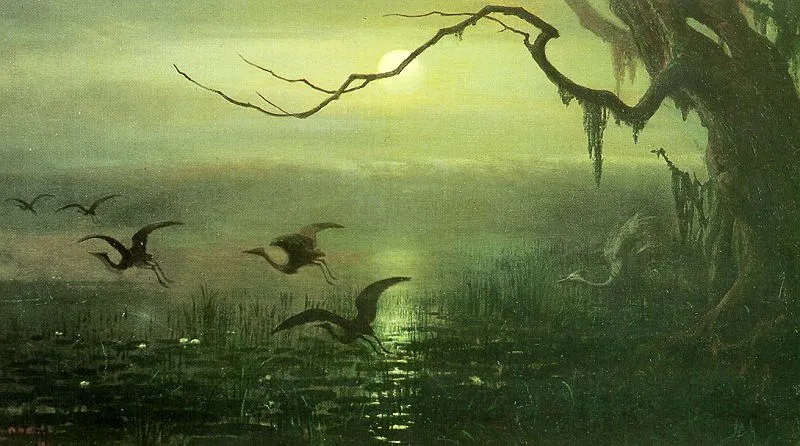
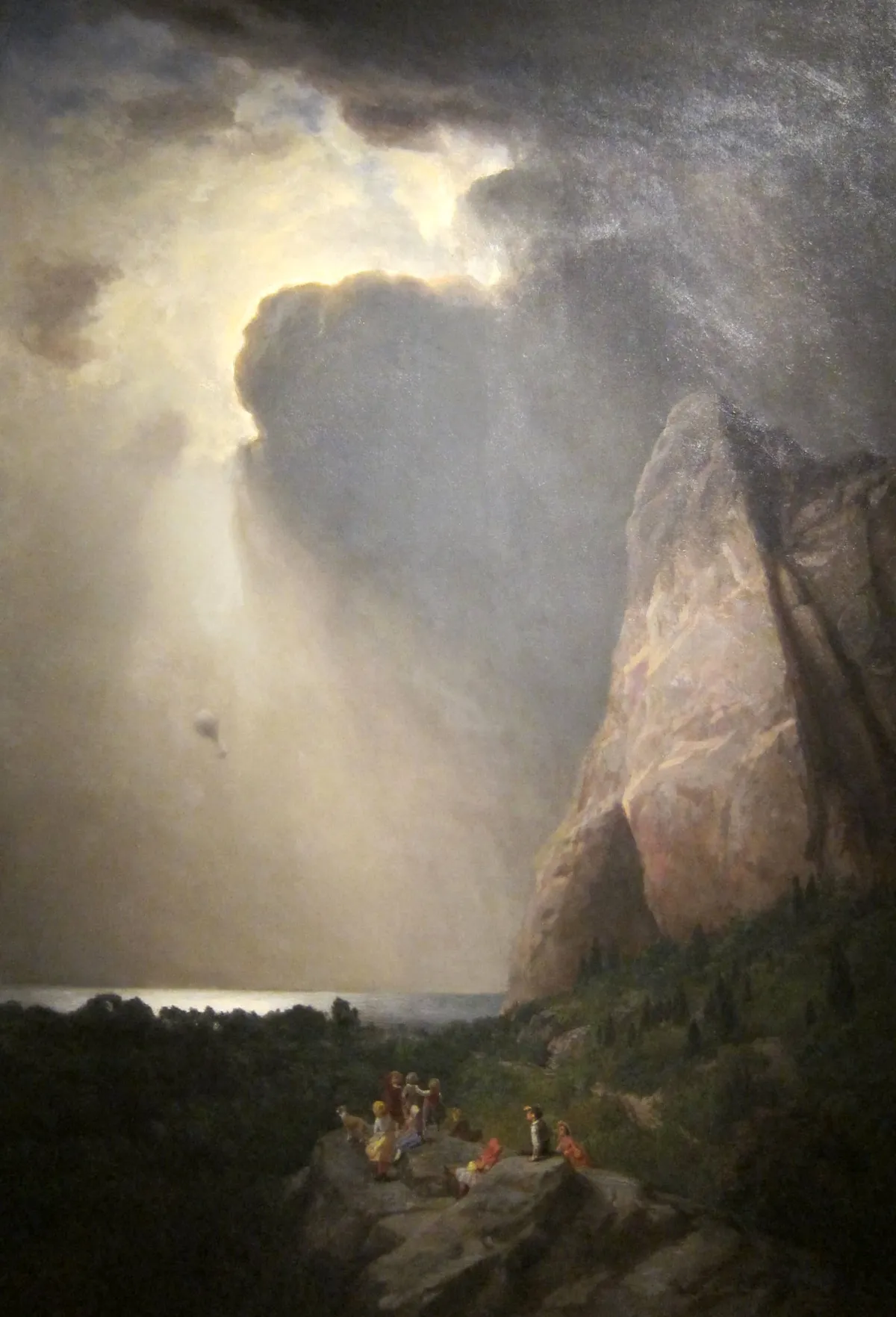
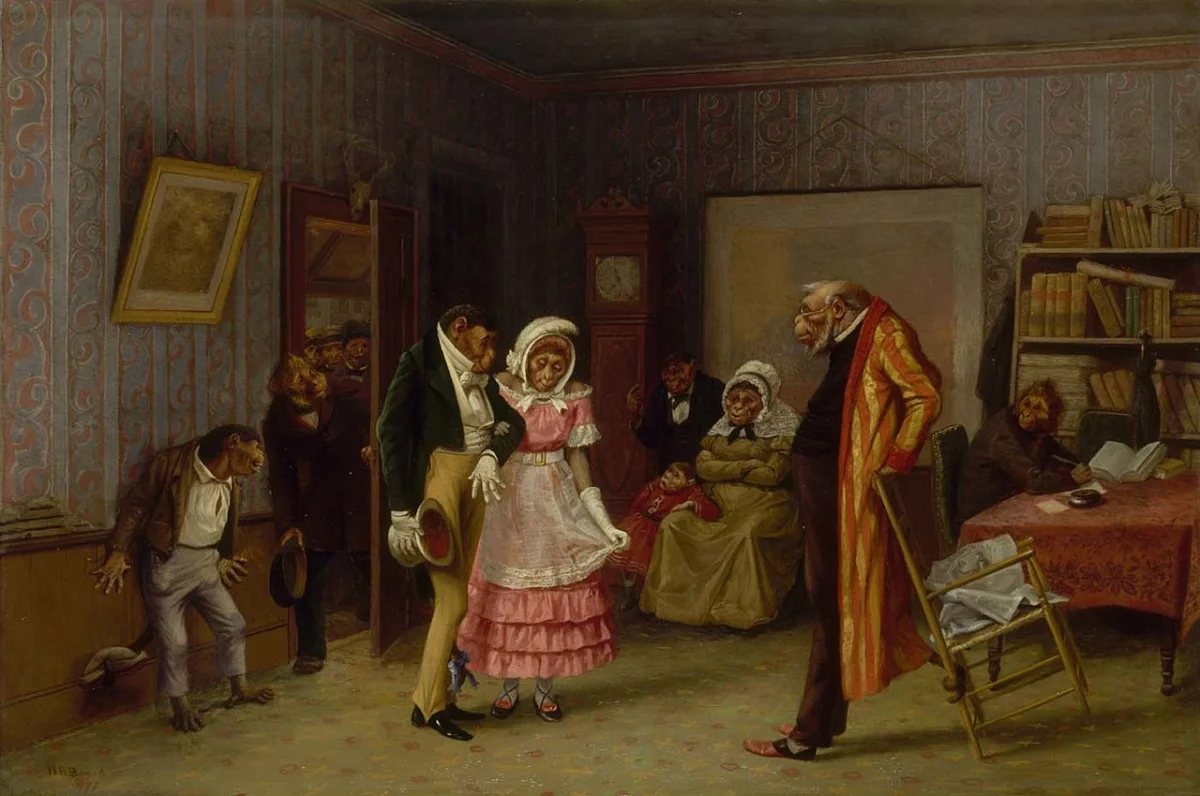
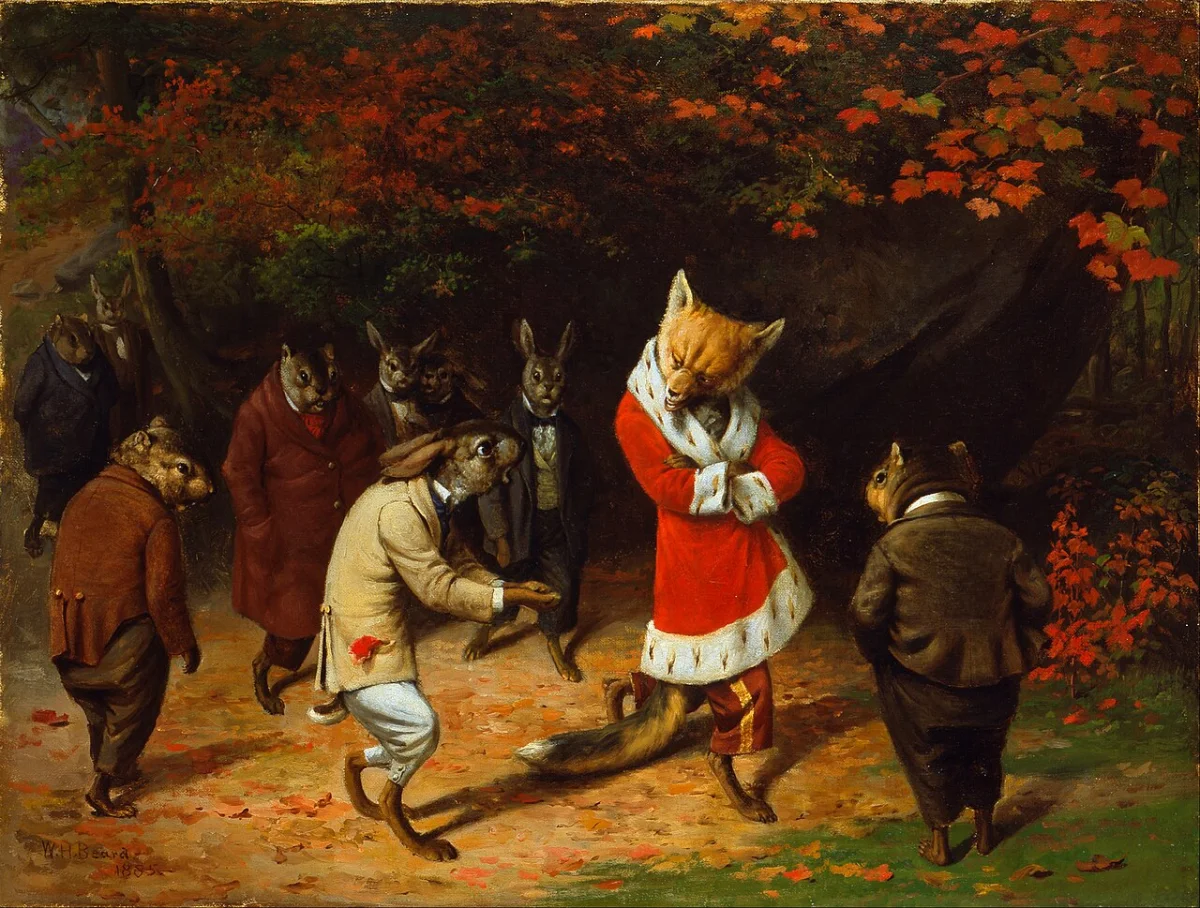
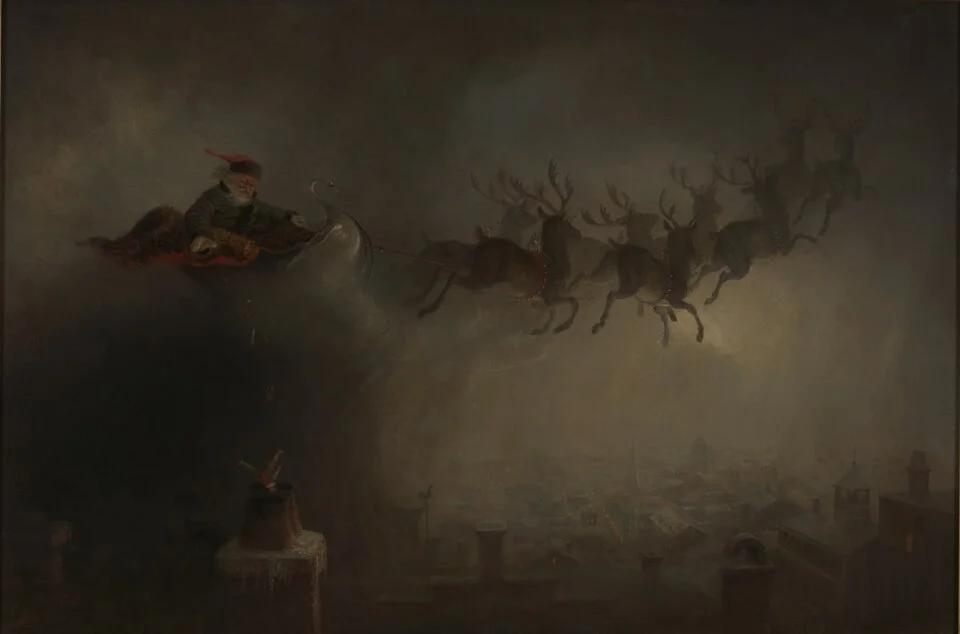
William Holbrook Beard’s "Phantom Crane" exemplifies the mastery found in each stroke of oil on canvas. The artist’s meticulous technique and attention to detail are hallmarks of the Romanticism era. His ability to bring scenes to life is matched in related products like "And The Sky Was Full of Forms" and "The Runaway Match." Beard’s technique ensures that every oil on canvas work is both timeless and evocative.
"Phantom Crane" is much more than a fine art painting for sale; it is a narrative woven through symbolism and emotion, characteristic of the Romanticism movement. William Holbrook Beard infuses each element with meaning, inviting viewers to interpret the mysterious presence of the crane. Similar symbolic storytelling can be found in his other works, such as "0005 Scientists At Work by" and "The March of Silenus," making his portfolio rich with hidden tales.
For collectors seeking a hand-painted oil painting that embodies the spirit of Romanticism, "Phantom Crane" by William Holbrook Beard is a prized acquisition. The painting’s captivating subject and refined technique make it a standout among fine art painting for sale. Alongside related products like "Five Bears" and "The Bulls and Bears in the Market," it presents an opportunity to own a masterpiece by a celebrated artist whose work continues to inspire.
When Art Meets History
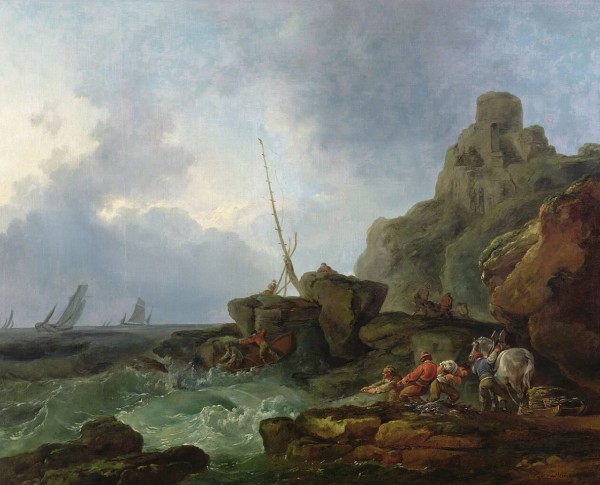
"Phantom Crane" by William Holbrook Beard is a captivating example of the Romanticism movement, blending historical context with imaginative artistry. This hand-painted oil painting echoes the era’s fascination with nature and the mysterious, similar to works like "Sunrise with Sea Monsters" and "The Monk by the Sea." Beard’s approach in "Phantom Crane" not only reflects his unique vision but also highlights the enduring appeal of Romanticism in fine art, making it a significant piece for collectors and enthusiasts.
Techniques That Speak
William Holbrook Beard demonstrates masterful technique in "Phantom Crane," utilizing oil on canvas to create depth and atmospheric tension. His brushwork captures both the ethereal subject and the dramatic landscape, reminiscent of "The Lampugnani Conspiracy" and "Snow Storm: Hannibal and his Army Crossing the Alps." The nuanced use of color and light in this oil on canvas painting showcases Beard’s technical prowess and solidifies its place among the most evocative works of the Romanticism movement.
Emotions on Display
The emotional resonance of "Phantom Crane" is unmistakable, as Beard channels the Romanticism movement’s emphasis on awe and wonder. This fine art painting for sale evokes a sense of mystery and longing, much like "The Fighting 'Téméraire' tugged to her last Berth to be broken up." Through expressive composition and dramatic contrasts, Beard invites viewers to immerse themselves in a world where nature and imagination intertwine, making the painting a profound emotional experience.
Coveted by Collectors
As a hand-painted oil painting, "Phantom Crane" by William Holbrook Beard is highly sought after by collectors of Romanticism art. Its rarity and artistic significance, alongside related works such as "Sunrise with Sea Monsters" and "Snow Storm: Hannibal and his Army Crossing the Alps," contribute to its desirability. Collectors prize these pieces for their historical value and the opportunity to own a fine art painting for sale that captures the spirit of a transformative art movement.
Related Romanticism Hand-Painted Oil Paintings by Other Artists
Other Famous Romanticism Artists:
Frequently Asked Questions About Phantom Crane
What is the historical context of "Phantom Crane"?
"Phantom Crane," created by William Holbrook Beard in the late 19th century, reflects the artistic movements of the time, particularly the fascination with nature and wildlife during the American Romantic period.
What artistic techniques did William Holbrook Beard employ in "Phantom Crane"?
Beard utilized a combination of realistic detail and imaginative elements, employing oil on canvas to create a vivid representation of the crane, emphasizing both its physical beauty and symbolic significance.
What symbolism is associated with the crane in "Phantom Crane"?
The crane is often seen as a symbol of grace, longevity, and wisdom in various cultures. In this painting, it may represent the connection between the earthly and the spiritual realms.
How does "Phantom Crane" reflect the themes of nature in Beard's work?
Beard's "Phantom Crane" embodies a deep appreciation for the natural world, showcasing the intricate relationship between wildlife and their habitats, a recurring theme in his oeuvre.
What influences can be seen in Beard's style in "Phantom Crane"?
Beard's style in "Phantom Crane" is influenced by the Hudson River School, characterized by its detailed landscapes and romanticized views of nature, blending realism with a sense of the sublime.
What role does color play in "Phantom Crane"?
The color palette in "Phantom Crane" is carefully chosen to evoke a sense of tranquility and harmony, with soft earth tones and vibrant accents that highlight the crane's ethereal presence.
How does "Phantom Crane" compare to other works by William Holbrook Beard?
Compared to Beard's other works, "Phantom Crane" stands out for its focus on a single subject, allowing for a more intimate exploration of the crane's symbolism and the surrounding environment.
What was the public reception of "Phantom Crane" when it was first exhibited?
Upon its exhibition, "Phantom Crane" was well-received, praised for its technical skill and the emotional depth it conveyed, contributing to Beard's reputation as a significant figure in American art.
What can "Phantom Crane" teach us about the relationship between humans and nature?
"Phantom Crane" serves as a reminder of the beauty and fragility of wildlife, encouraging viewers to reflect on their own connection to nature and the importance of conservation.
In what ways does "Phantom Crane" reflect the cultural attitudes of its time?
The painting reflects a growing appreciation for nature and wildlife conservation in the late 19th century, mirroring societal shifts towards valuing the natural world amidst industrialization.






















_GFM_Painting_(1).webp)


 100% Hand-Painted: Finished in 3-6 Weeks

.png)















_(1).webp)