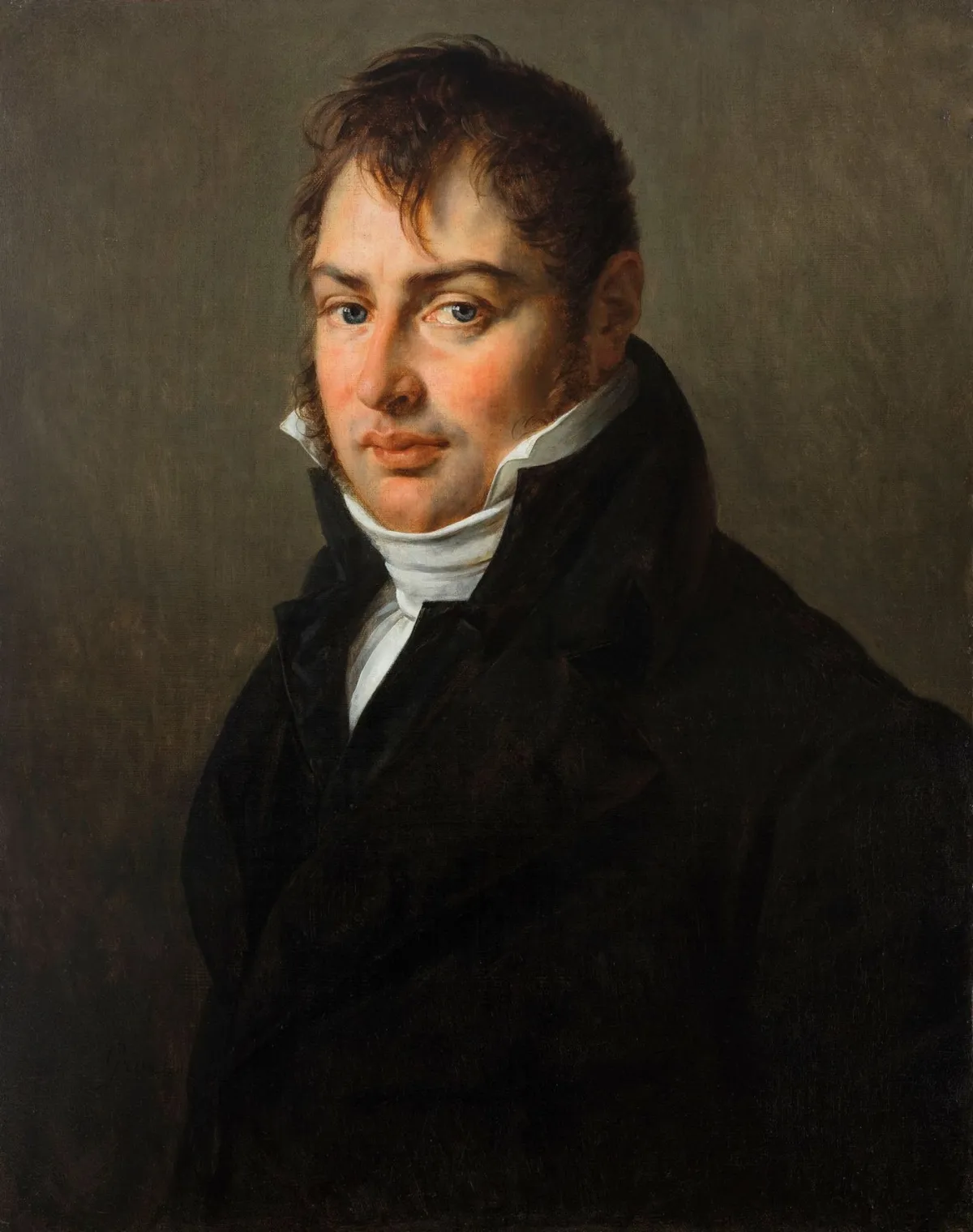
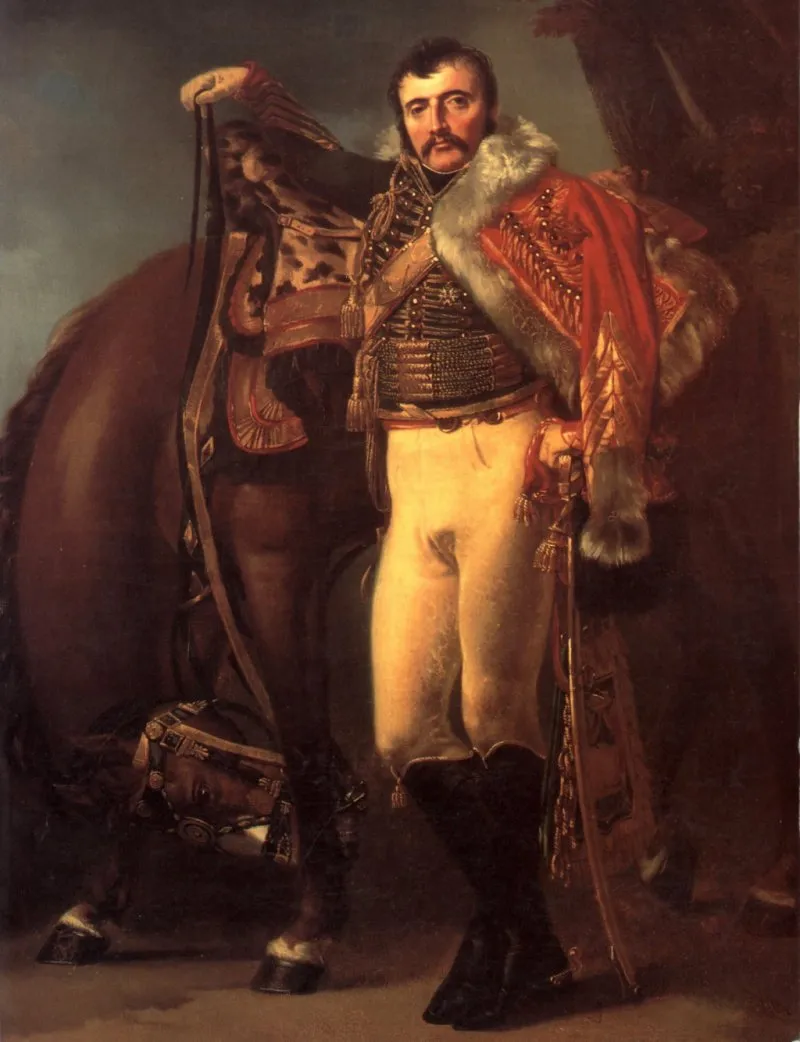
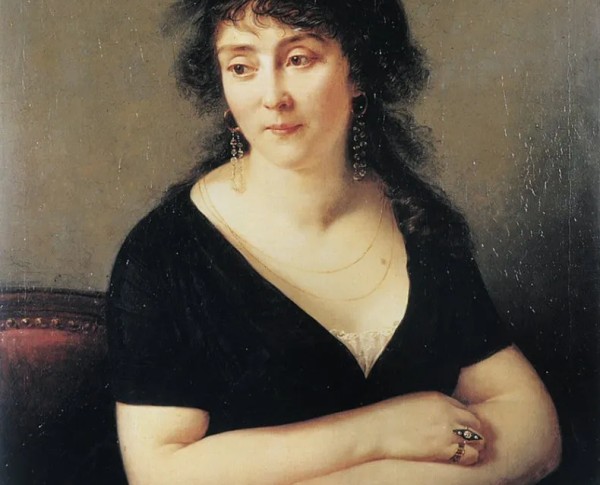
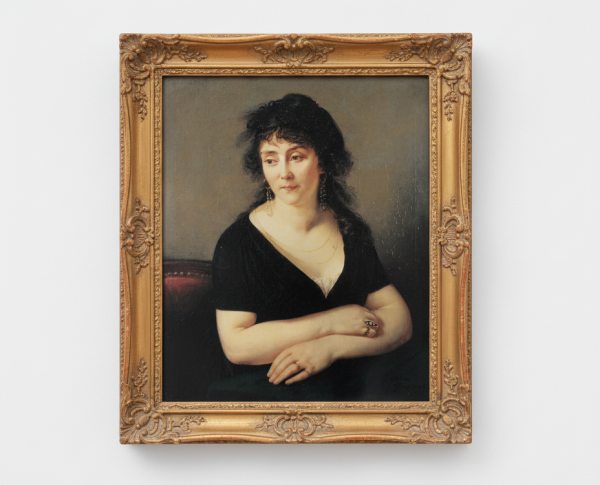
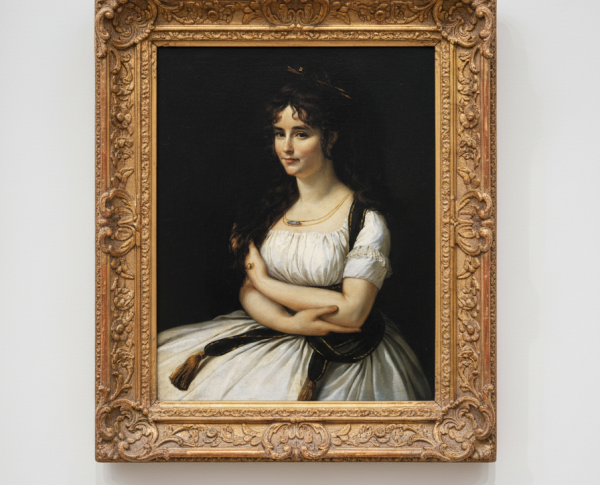
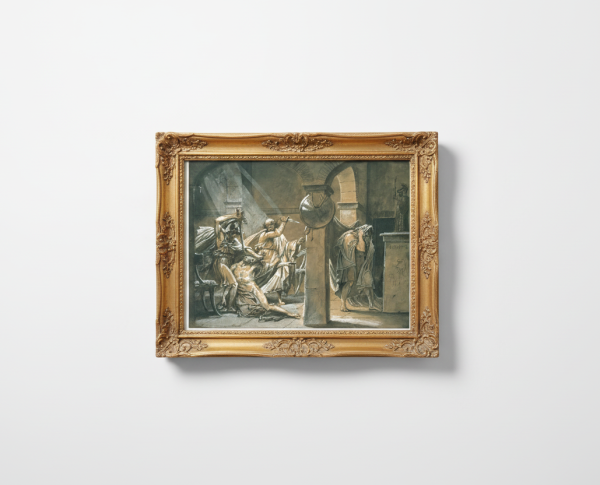
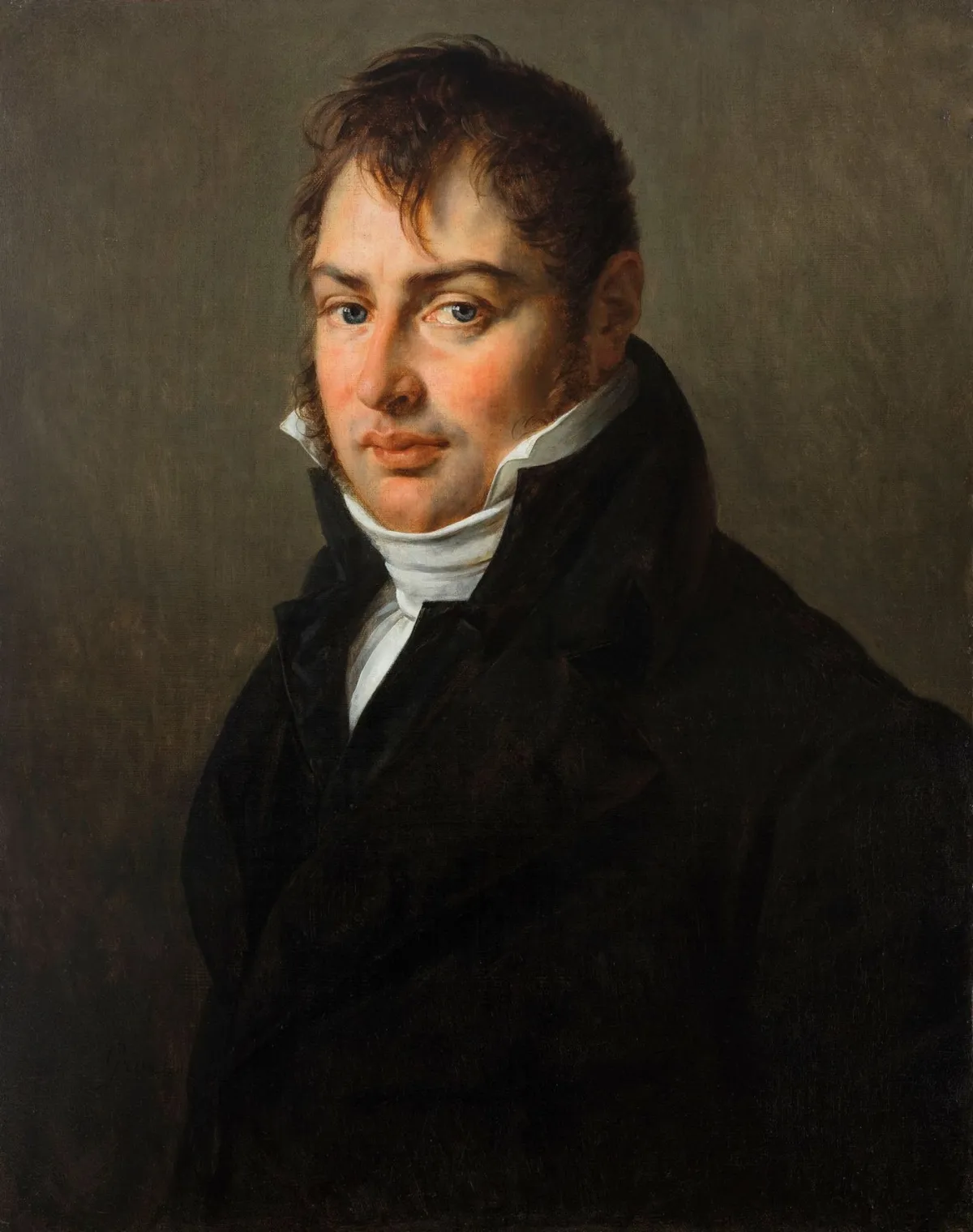
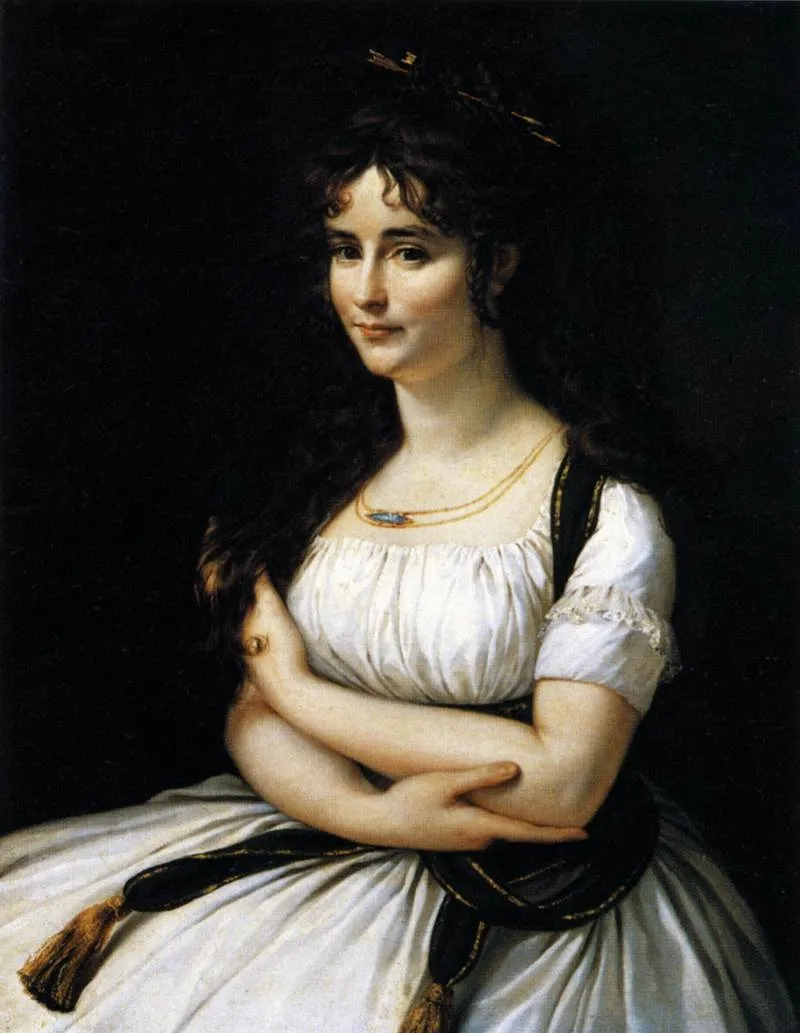
Antoine-Jean Gros’s expertise shines through in the "Presumed portrait of Jean Vasserot," where his mastery of oil on canvas techniques brings the sitter’s character to life. The delicate brushwork and subtle interplay of light and shadow echo the artistry seen in related fine art painting for sale, such as "Portrait of Antoine Roy, comte Roy" and "General Lasalle at the Siege of Stettin." Each stroke demonstrates Gros’s command of Romanticism’s expressive possibilities, elevating this portrait to an exceptional work of art.
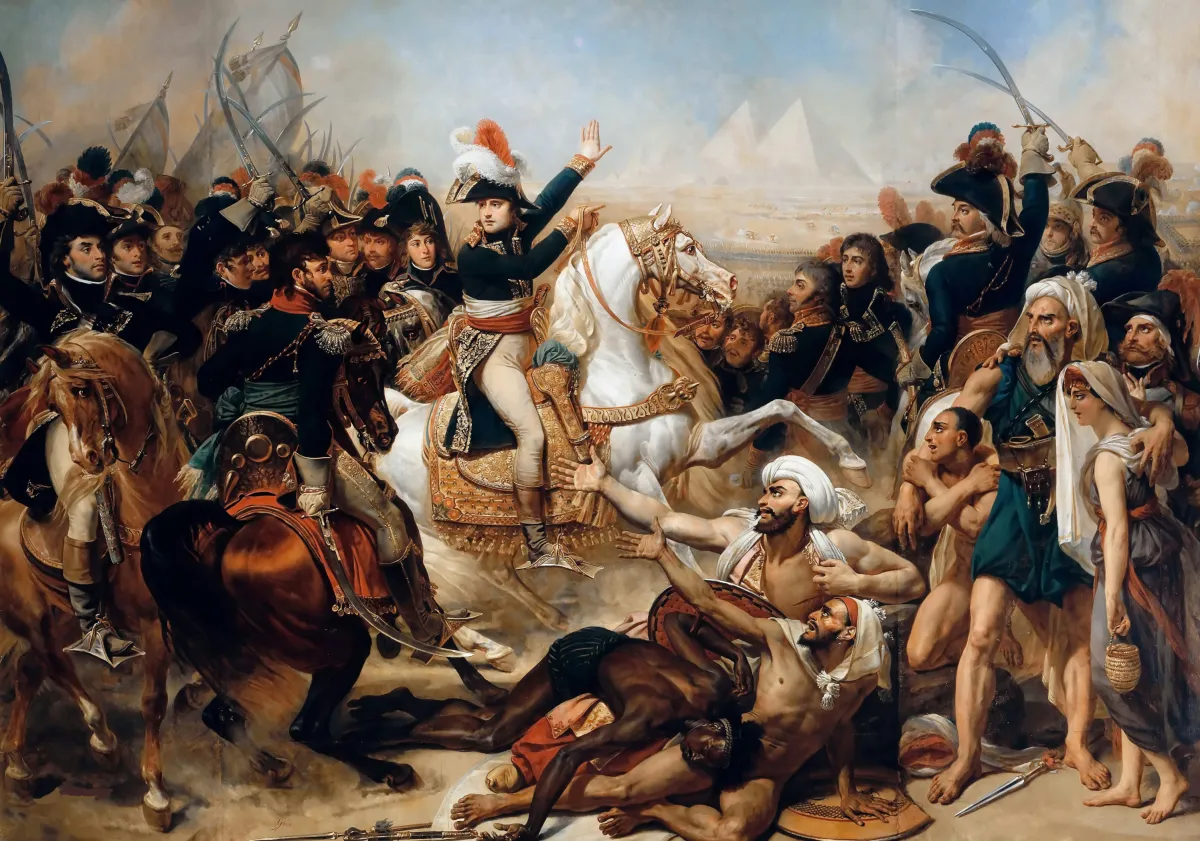
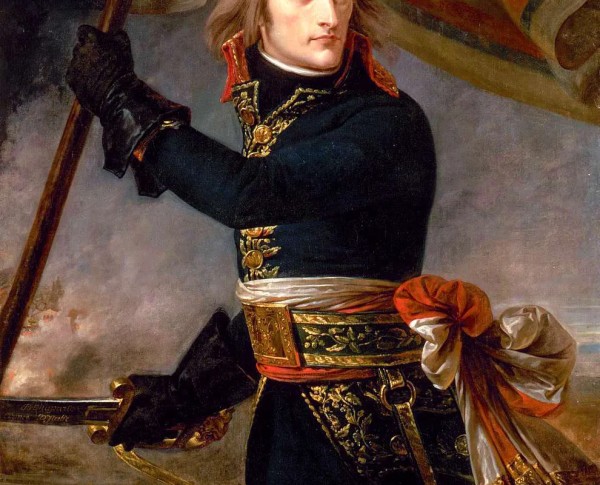
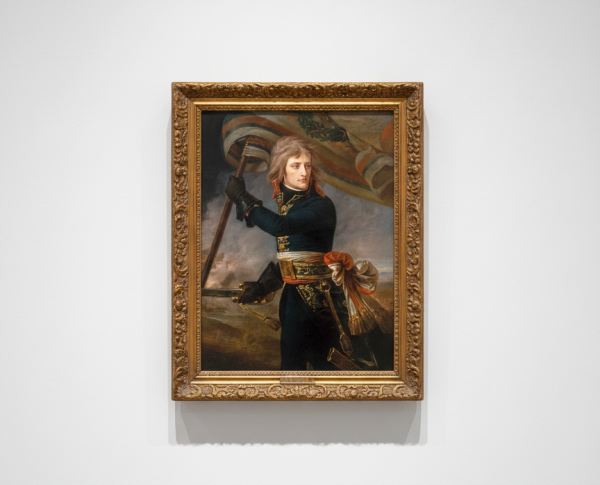
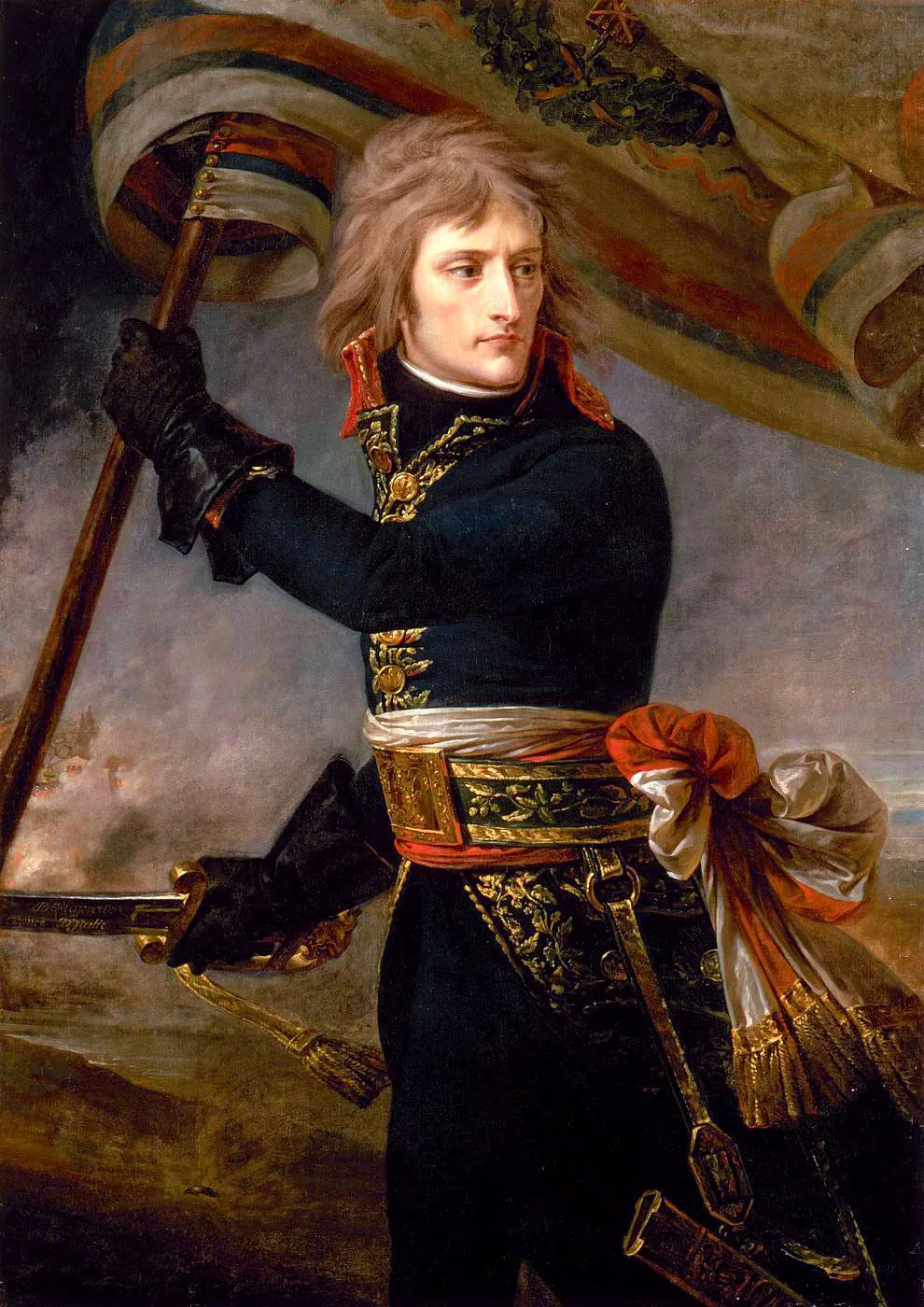
Within the "Presumed portrait of Jean Vasserot," Gros weaves a narrative rich with symbolism and emotion, hallmarks of the Romanticism movement. As with his acclaimed "Bonaparte Visiting the Plague Victims of Jaffa," the artist infuses his subject with a sense of inner life and historical context. This fine art painting for sale invites viewers to explore the untold stories behind the sitter’s gaze, connecting the portrait to a broader tapestry of 19th-century European history and culture.
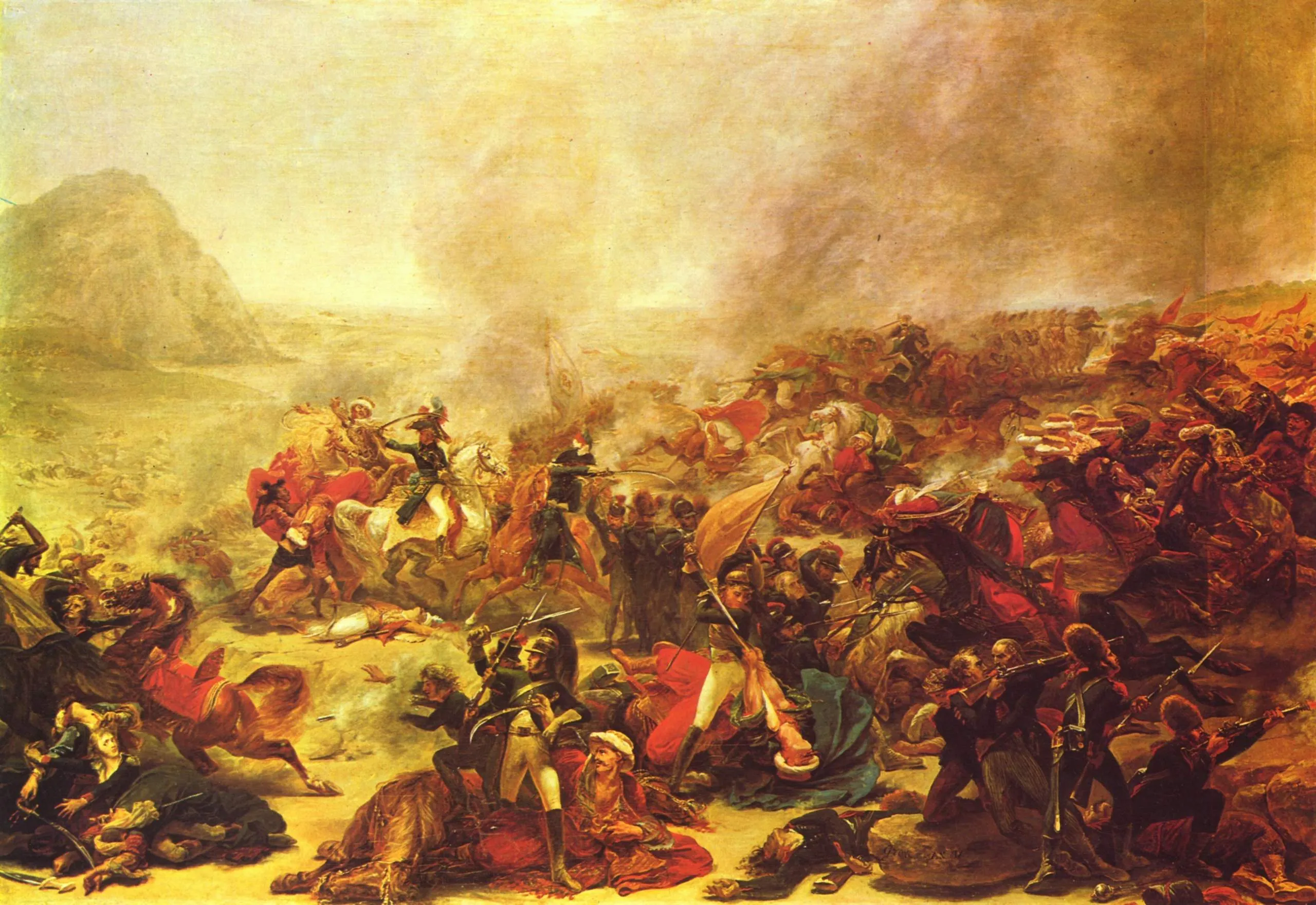
For collectors seeking a remarkable addition to their galleries, the "Presumed portrait of Jean Vasserot" by Antoine-Jean Gros offers an outstanding example of fine art painting for sale. This oil on canvas masterpiece aligns with other coveted works, such as "Portrait of Baron Ségoing de Laborde" and "Battle of Aboukir, July 25, 1799." Owning such a piece means acquiring not only a hand-painted oil painting but also a slice of Romanticism’s enduring legacy.
When Art Meets History
"Presumed portrait of Jean Vasserot" by Antoine-Jean Gros is a remarkable hand-painted oil painting that captures the essence of the Romanticism movement. Created during a time of great artistic innovation, this portrait is a testament to Gros's skill and his deep connection to his subject. Like other masterpieces such as "For What Was I Created?" and "Santa Claus," this work not only depicts an individual but also reflects the broader historical and cultural shifts of its era.
Techniques That Speak
Antoine-Jean Gros employs masterful oil on canvas techniques in the "Presumed portrait of Jean Vasserot," showcasing his signature brushwork and attention to detail. The rich textures and subtle color transitions exemplify the Romanticism movement's emphasis on emotion and individuality. Gros’s approach can also be seen in works like "The Lost Balloon" and "Hutten Grave," where his mastery of oil on canvas brings depth and vitality to his subjects.
Emotions on Display
In this fine art painting for sale, Gros channels the core values of Romanticism—emotion, imagination, and individualism. The sitter’s expression and posture reveal a story beyond the surface, inviting viewers into a moment of introspection. Much like "Calais Pier" and other related paintings, "Presumed portrait of Jean Vasserot" evokes a sense of empathy and connection, making it a powerful example of portraiture that resonates across centuries.
Coveted by Collectors
Collectors highly value "Presumed portrait of Jean Vasserot" for its unique blend of historical importance and artistic mastery. As a hand-painted oil painting by Antoine-Jean Gros, it stands alongside celebrated Romantic works such as "Santa Claus" and "For What Was I Created?" The combination of provenance, technique, and emotional depth ensures that this piece remains a sought-after treasure for anyone passionate about fine art and the legacy of Romanticism.
Related Romanticism Hand-Painted Oil Paintings by Other Artists
Other Famous Romanticism Artists:
Frequently Asked Questions About Presumed portrait of Jean Vasserot
What is the historical significance of the painting "Presumed portrait of Jean Vasserot"?
This painting is significant as it represents a pivotal moment in French portraiture during the late 18th and early 19th centuries, showcasing the transition from neoclassicism to romanticism in art.
Who was Jean Vasserot and why is he important?
Jean Vasserot was a notable figure in the French art community, recognized for his contributions as a painter and engraver. His portrayal in this artwork highlights the importance of individual identity in the artistic narrative of the time.
What artistic techniques did Antoine-Jean Gros employ in this portrait?
Antoine-Jean Gros utilized a combination of chiaroscuro and vibrant color palettes to create depth and emotional resonance, techniques that were characteristic of his style and indicative of the romantic movement.
How does this painting reflect the characteristics of the Romantic movement?
The painting embodies the Romantic movement through its emphasis on individual expression and emotional depth, moving away from the rigid forms of neoclassicism to capture the subject's personality and inner life.
What symbolism can be found in the "Presumed portrait of Jean Vasserot"?
The portrait may symbolize the connection between the artist and his subject, reflecting the broader themes of friendship and intellectual camaraderie that were prevalent in the artistic circles of the time.
In what ways does this painting contribute to our understanding of portraiture in the 19th century?
This work illustrates the evolving role of portraiture as a means of personal expression and social commentary, moving beyond mere representation to convey deeper narratives about identity and status in society.
What influences can be seen in Gros's style in this portrait?
Gros's style in this portrait reflects influences from both neoclassical ideals and the burgeoning romantic style, showcasing a blend of classical composition with emotional expressiveness and a focus on the individual.
How does the composition of the painting affect its overall impact?
The composition, with its careful arrangement of elements and the positioning of Vasserot, draws the viewer's eye and creates a sense of intimacy, enhancing the emotional connection to the subject.
What role did Antoine-Jean Gros play in the art world of his time?
Antoine-Jean Gros was a prominent figure in the art world, known for his historical and portrait paintings. His work not only contributed to the evolution of French art but also influenced subsequent generations of artists.
How has "Presumed portrait of Jean Vasserot" been received by art critics and historians?
The painting has been well-received by art critics and historians, who appreciate its technical mastery and its role in illustrating the cultural and artistic shifts of the era, marking it as a significant contribution to the genre of portraiture.






















_GFM_Painting_(1).webp)


 100% Hand-Painted: Finished in 3-6 Weeks

.png)















_(1).webp)