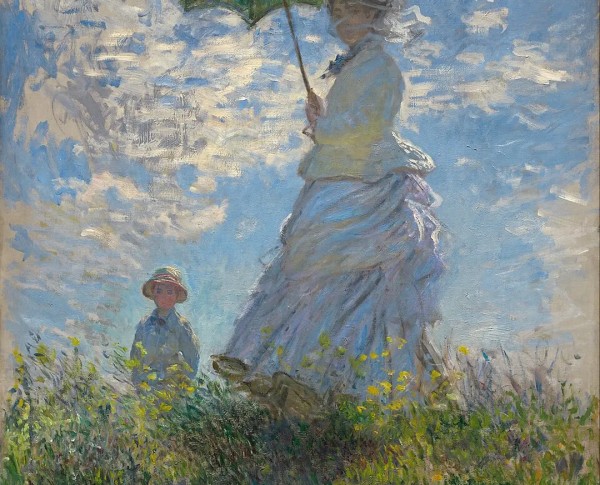
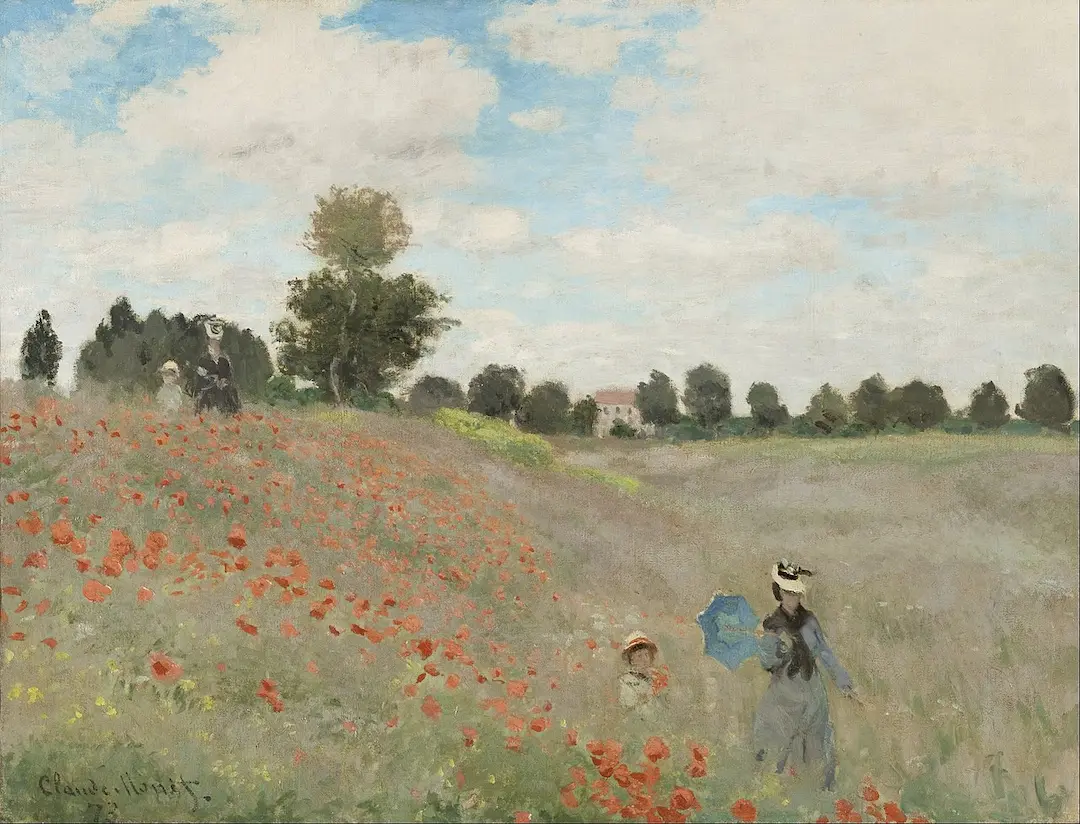
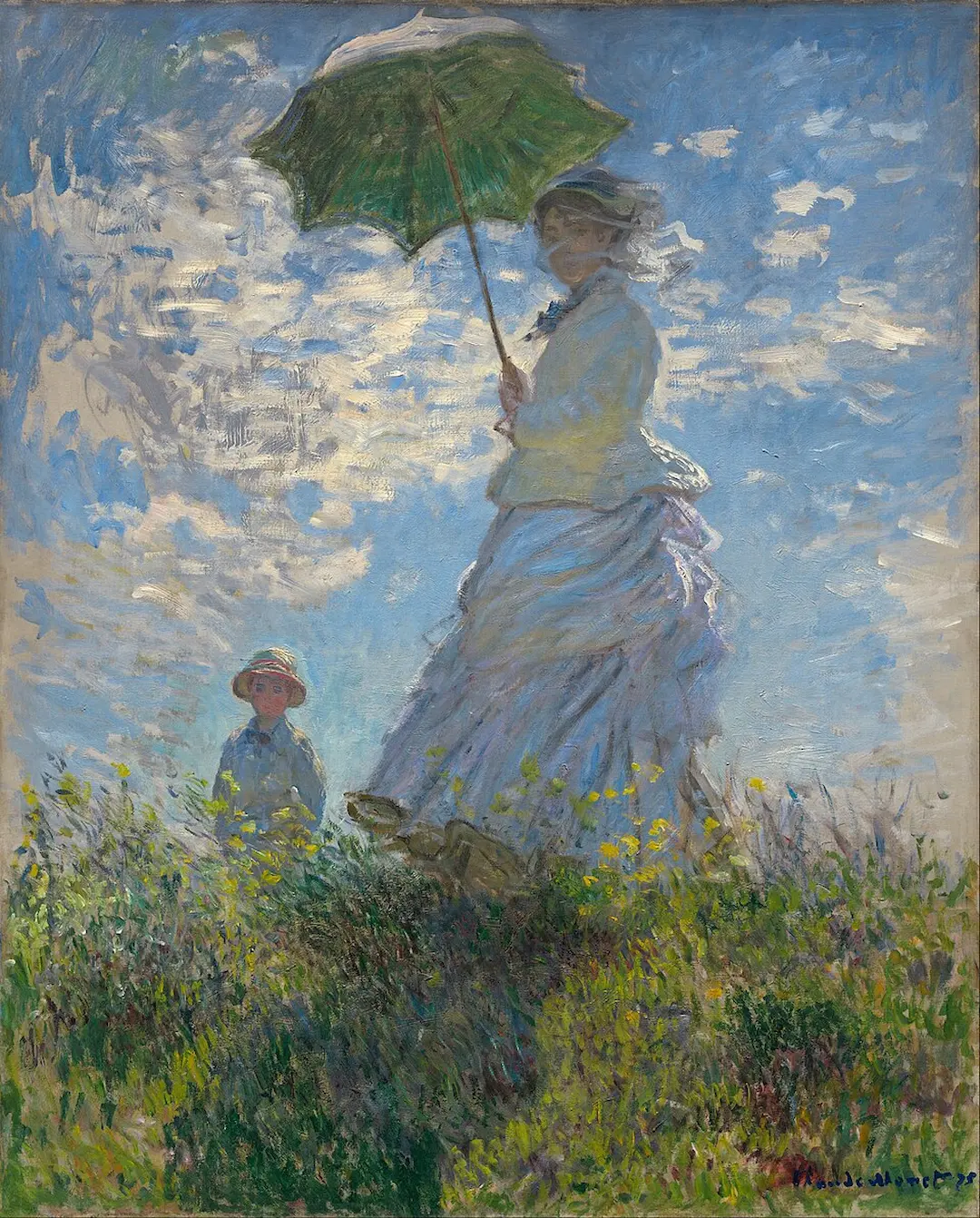
Claude Monet’s exceptional technique is evident in "Wild Poppies, Near Argenteuil," where every brushstroke breathes life into the landscape. This stunning oil on canvas showcases the artist’s mastery of light and color, hallmarks of the Impressionism movement. The gentle sway of poppies and the luminous sky evoke emotion and movement. Collectors seeking similar works may also appreciate "Terrace at the Seaside, Sainte-Adresse" or "The Walk Woman With A Parasol" for their exquisite style.
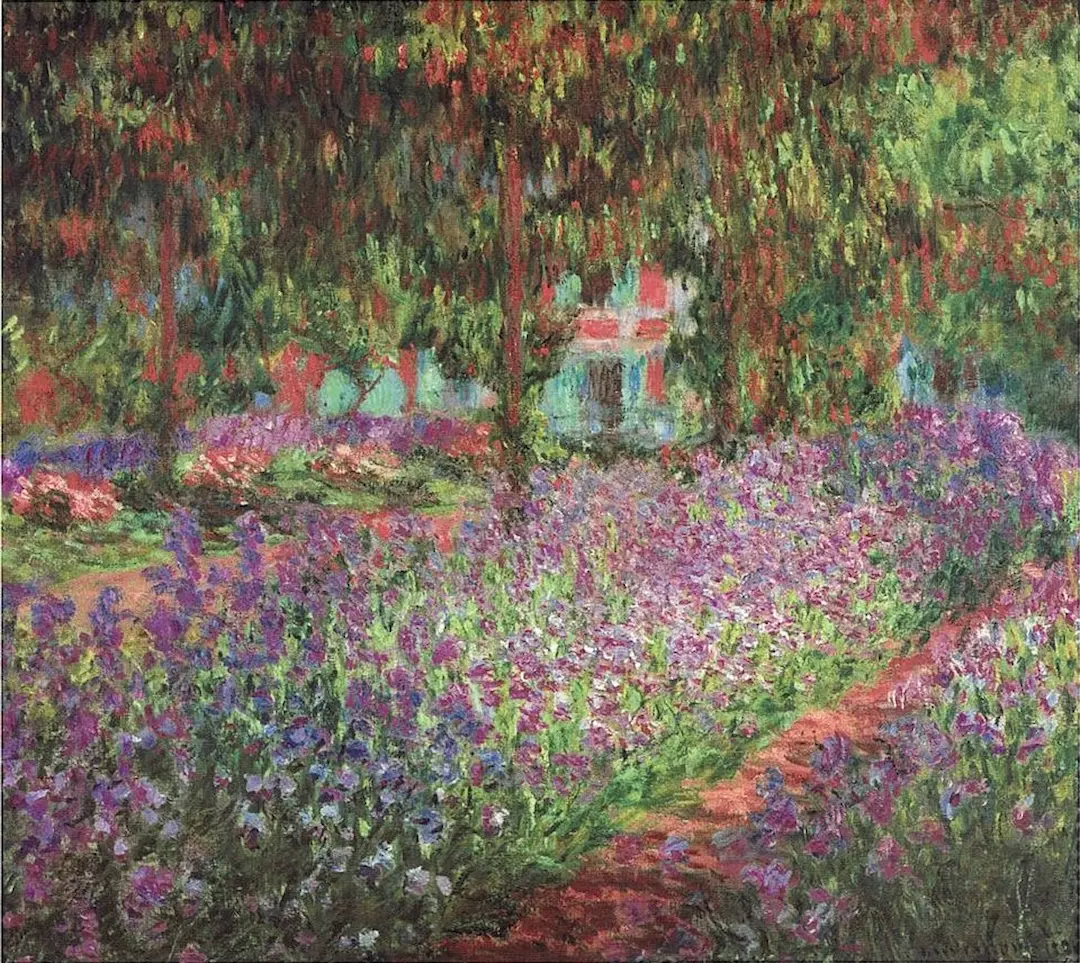
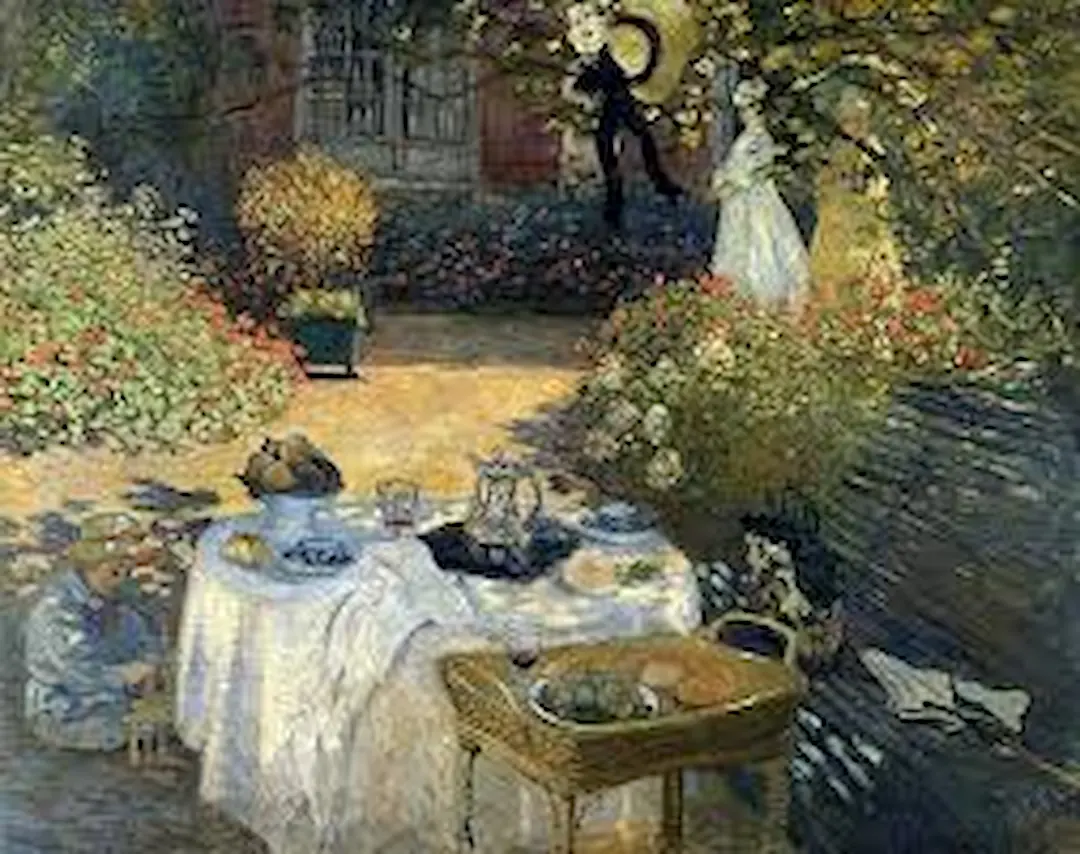
"Wild Poppies, Near Argenteuil" is more than a fine art painting for sale; it’s a window into Monet’s world. The painting’s vibrant poppies and tranquil setting symbolize renewal and the fleeting nature of beauty, themes central to Impressionism. Monet’s connection to nature and family is reflected in this and related works like "The Luncheon (Monet's Garden At Argenteuil)" and "The Cliff Walk at Pourville," each telling unique stories through color and composition.
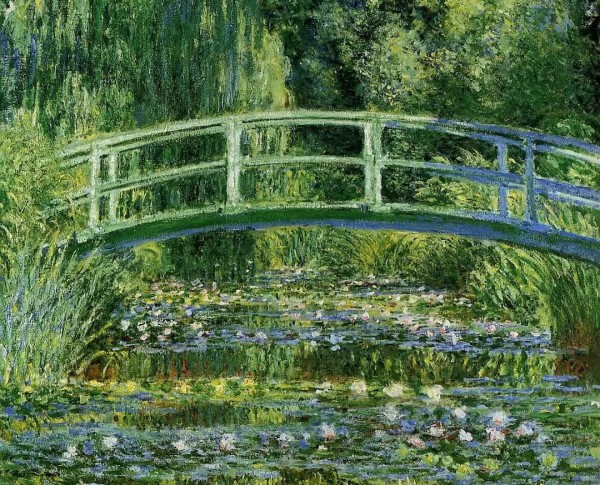
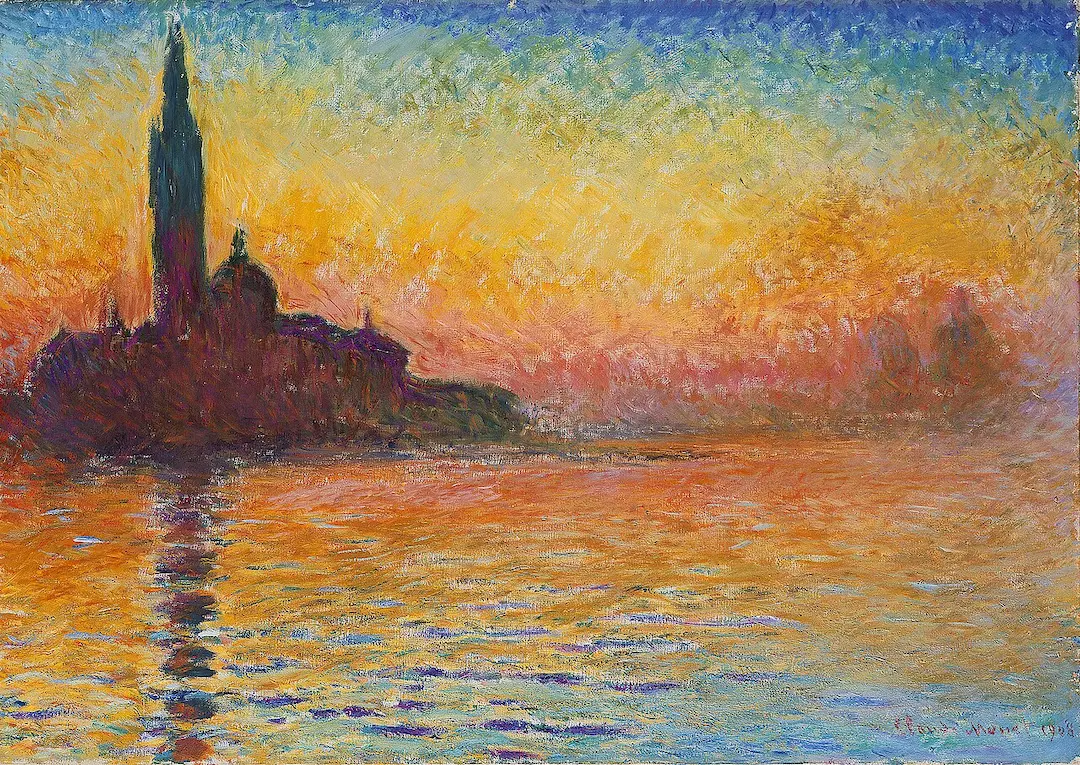
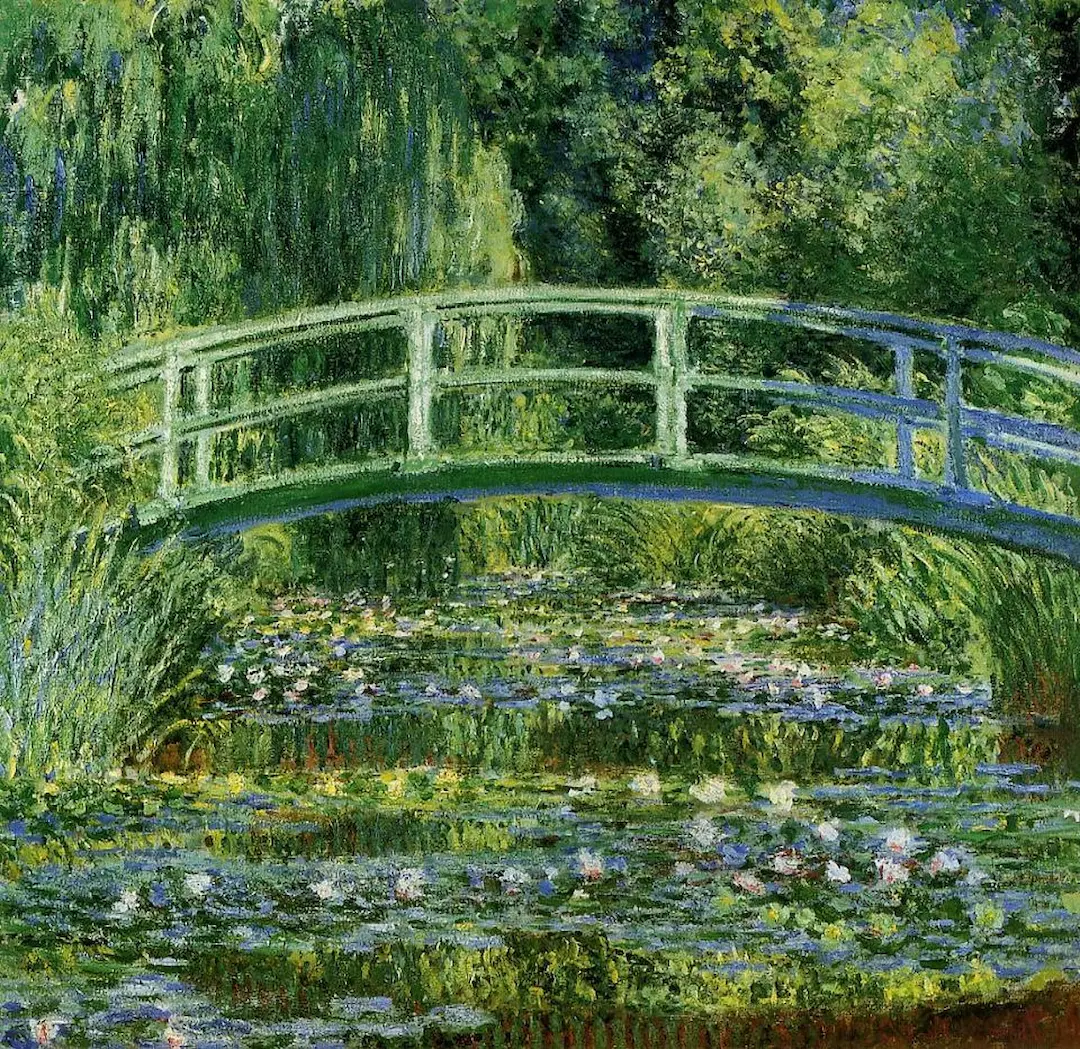
For art enthusiasts, "Wild Poppies, Near Argenteuil" by Claude Monet represents an essential piece of the Impressionism movement. As a hand-painted oil painting, it offers timeless elegance and historic significance. Collectors often seek similar masterpieces, such as "Impression Sunrise" and "The Water Lily Pond Aka Japanese Bridge," to enrich their collections. Owning this fine art painting for sale connects you to Monet’s enduring legacy and the vibrant world of Impressionist art.
When Art Meets History
"Wild Poppies, Near Argenteuil" by Claude Monet stands as a luminous example of the Impressionism movement. Painted in 1873, this hand-painted oil painting captures a fleeting moment in the French countryside, reflecting the era’s fascination with light and nature. Monet, a pioneer of Impressionism, created other masterpieces like "Two Sisters Aka On The Terrace" and "A Girl with a Watering Can," each echoing the movement’s revolutionary approach to color and atmosphere.
Techniques That Speak
Claude Monet’s use of oil on canvas in "Wild Poppies, Near Argenteuil" showcases the hallmark techniques of Impressionism. Rapid brushstrokes and vibrant, unmixed colors create a lively, sunlit field, drawing viewers into the landscape. Monet’s innovative approach, seen also in works like "Paris Street - Rainy Weather 1877," inspired generations of artists to break free from academic traditions and embrace a more spontaneous, expressive style in their fine art painting for sale.
Emotions on Display
The emotional resonance of "Wild Poppies, Near Argenteuil" is undeniable. Monet’s depiction of a serene countryside scene evokes feelings of peace and nostalgia, hallmarks of Impressionist art. This oil on canvas transports viewers to a moment of tranquility, much like his related paintings "Dancers In Pink" and "Blue Dancers, c.1899." Through delicate color transitions and atmospheric effects, Monet invites us to experience the subtle beauty and fleeting emotions of everyday life.
Coveted by Collectors
As a fine art painting for sale, "Wild Poppies, Near Argenteuil" is highly sought after by collectors and art enthusiasts alike. Its historical significance, combined with Monet’s masterful technique and the painting’s connection to the Impressionism movement, elevates its value. Alongside iconic works like "A Girl with a Watering Can," this hand-painted oil painting continues to inspire admiration, making it a treasured addition to any art collection worldwide.
Related Impressionism Hand-Painted Oil Paintings by Other Artists
Other Famous Impressionism Artists:
Frequently Asked Questions About Wild Poppies, Near Argenteuil
What is the historical context of "Wild Poppies, Near Argenteuil"?
"Wild Poppies, Near Argenteuil" was painted in 1873, during a period when Claude Monet was deeply influenced by the Impressionist movement. This era marked a shift in artistic focus towards capturing light and natural scenes, moving away from traditional academic painting.
What techniques did Monet use in this painting?
Monet employed loose brushwork and a vibrant color palette to convey the ephemeral qualities of light and nature. His technique of applying paint in quick, short strokes allows the viewer to experience the scene as a moment in time, characteristic of Impressionism.
What are the primary themes represented in the painting?
The primary themes of "Wild Poppies, Near Argenteuil" include the beauty of nature, the transience of life, and the interplay between light and color. The wild poppies symbolize both the fleeting nature of beauty and the richness of the French countryside.
How does "Wild Poppies, Near Argenteuil" reflect Monet's artistic evolution?
This painting reflects Monet's evolution towards a more abstract representation of nature. It showcases his growing interest in capturing the effects of light and atmosphere, moving away from detailed realism to a more subjective interpretation of the landscape.
What significance do the wild poppies hold in the painting?
The wild poppies in the foreground serve as a vibrant focal point, symbolizing the beauty and vitality of nature. They also represent the fleeting moments of life, as they bloom brightly yet are transient, echoing the themes of impermanence found in Monet's work.
What role does color play in "Wild Poppies, Near Argenteuil"?
Color plays a crucial role in this painting, with Monet using a bright palette to evoke emotion and atmosphere. The contrasting reds of the poppies against the greens of the grass and the blues of the sky create a dynamic visual experience, enhancing the sense of vibrancy in the scene.
How does this painting fit within the broader Impressionist movement?
"Wild Poppies, Near Argenteuil" is a quintessential example of Impressionism, as it emphasizes the effects of light and color over detailed representation. It embodies the movement's focus on capturing everyday scenes and the artist's personal perception of nature.
What influences did Monet draw from his surroundings in this painting?
Monet was heavily influenced by the landscapes of Argenteuil, where he lived and painted. The local flora, particularly the wild poppies, inspired him to explore the beauty of his immediate environment, reflecting his deep connection to nature.
In what ways does "Wild Poppies, Near Argenteuil" exemplify Monet's relationship with light?
This painting exemplifies Monet's fascination with light through his depiction of sunlight filtering through the clouds and illuminating the poppies. The interplay of light and shadow creates a sense of depth and movement, capturing the transient effects of nature.
What impact did "Wild Poppies, Near Argenteuil" have on future artists?
The painting had a significant impact on future generations of artists by demonstrating the importance of personal expression and the exploration of color and light. It paved the way for modern art movements that embraced abstraction and subjective interpretation of the natural world.






















_GFM_Painting_(1).webp)


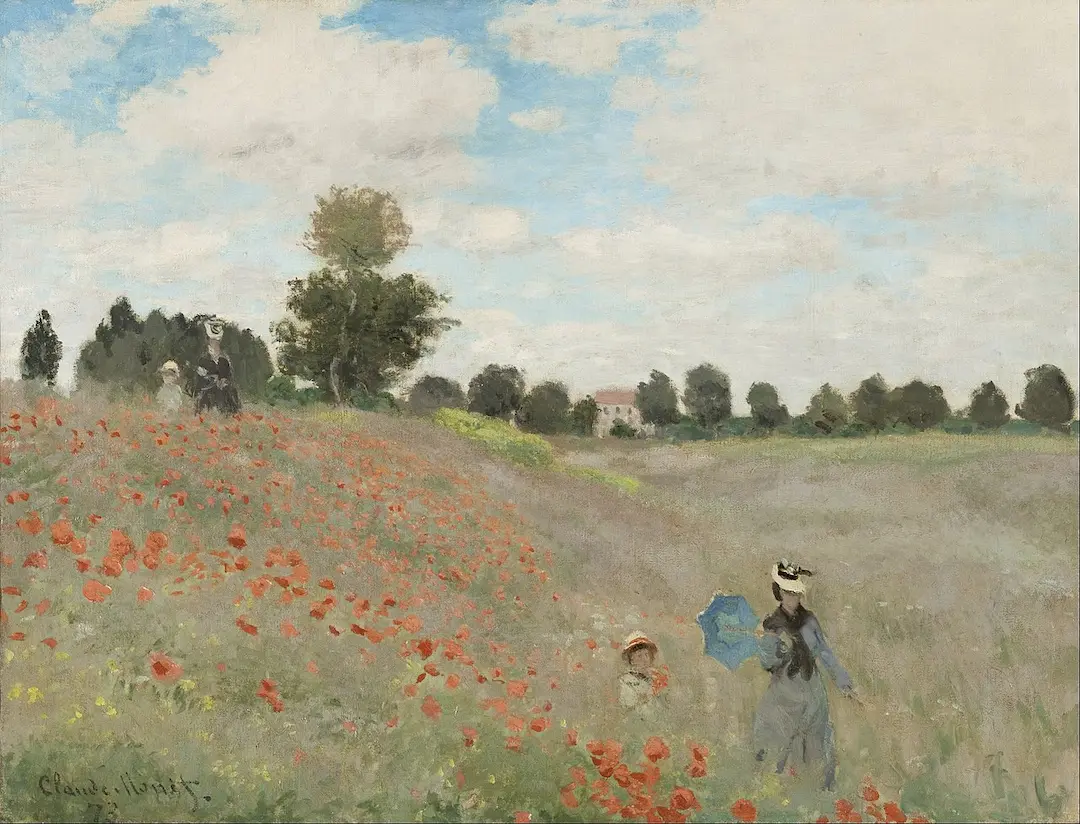
 100% Hand-Painted: Finished in 3-6 Weeks

.png)















_(1).webp)