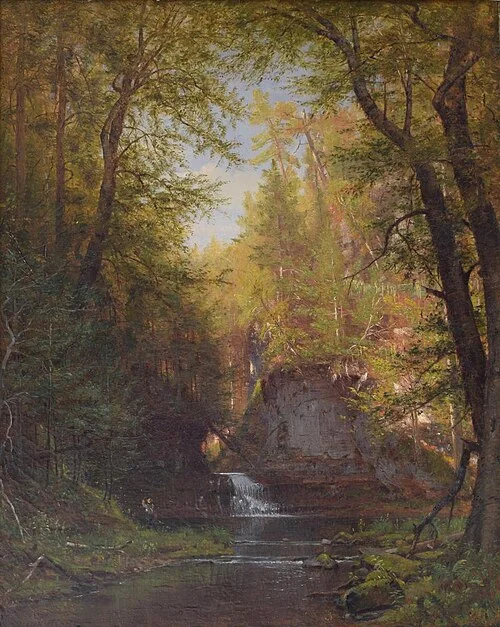
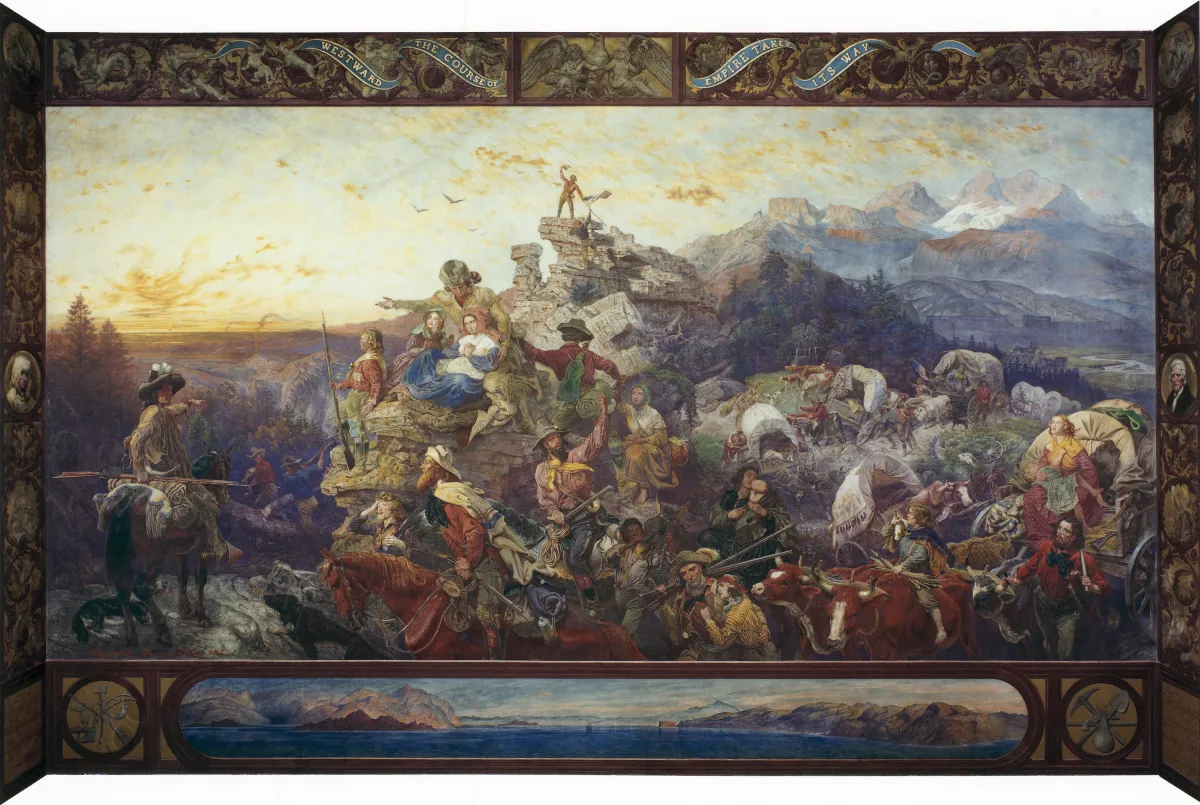
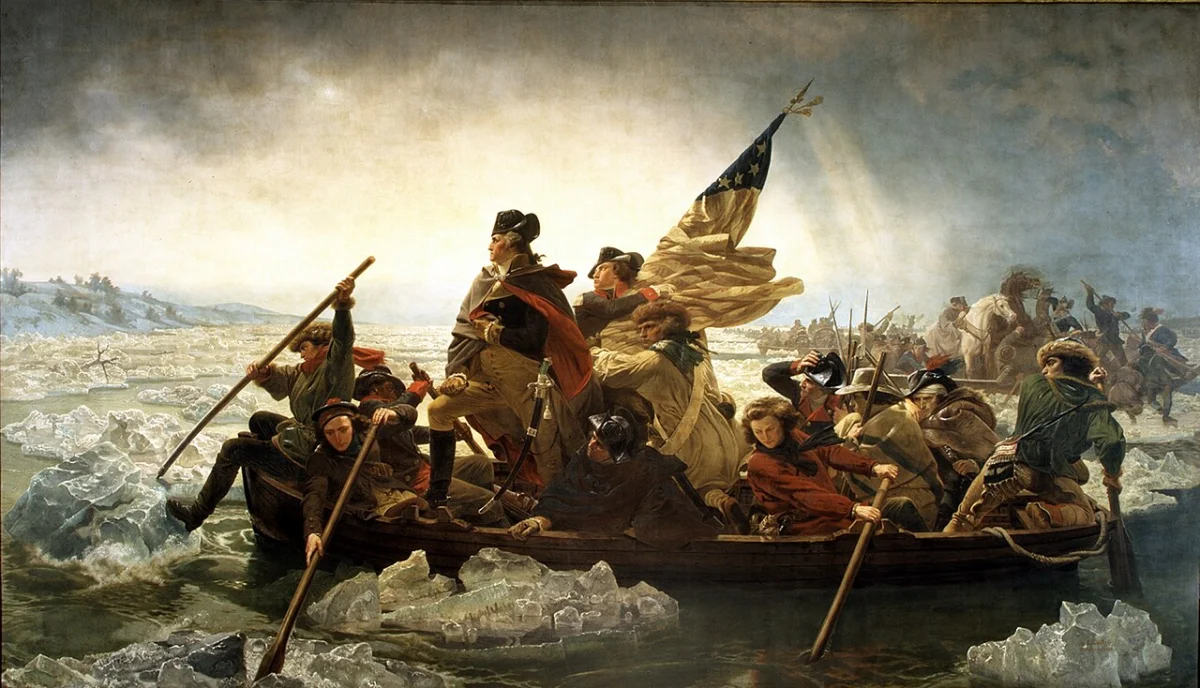
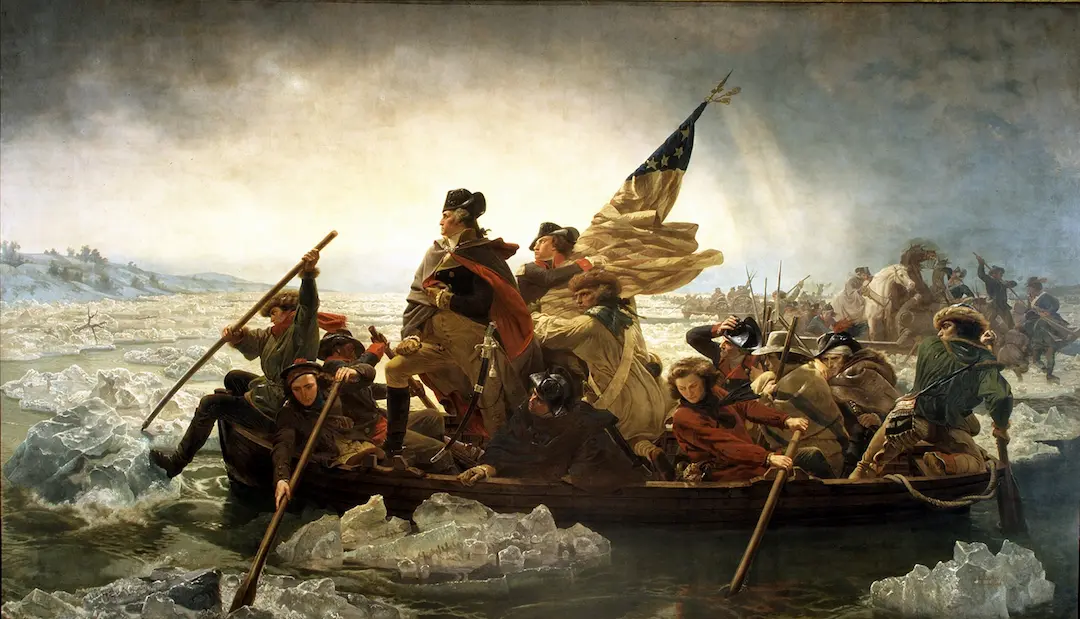
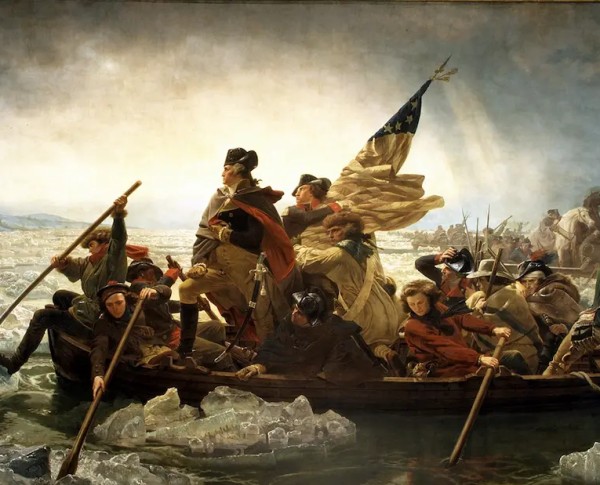
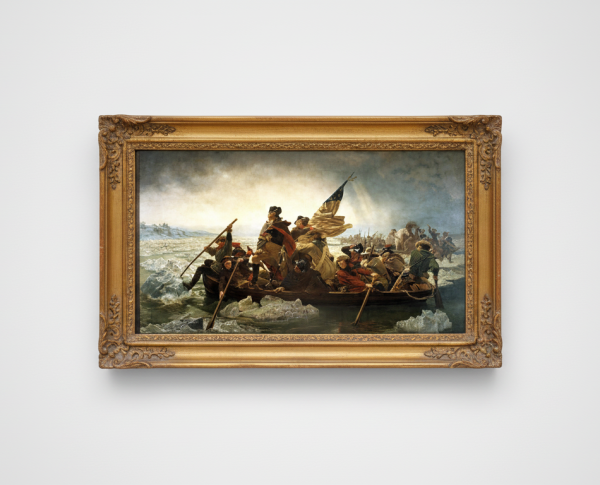
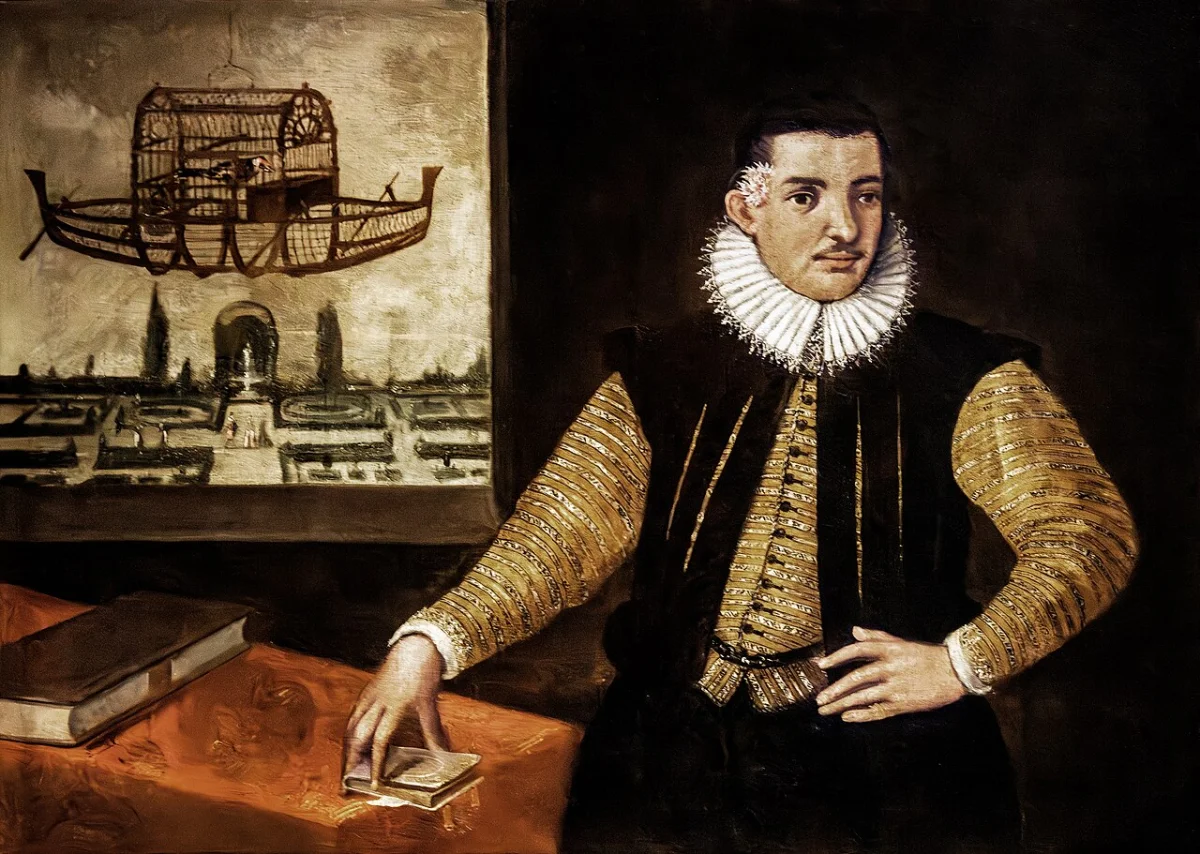
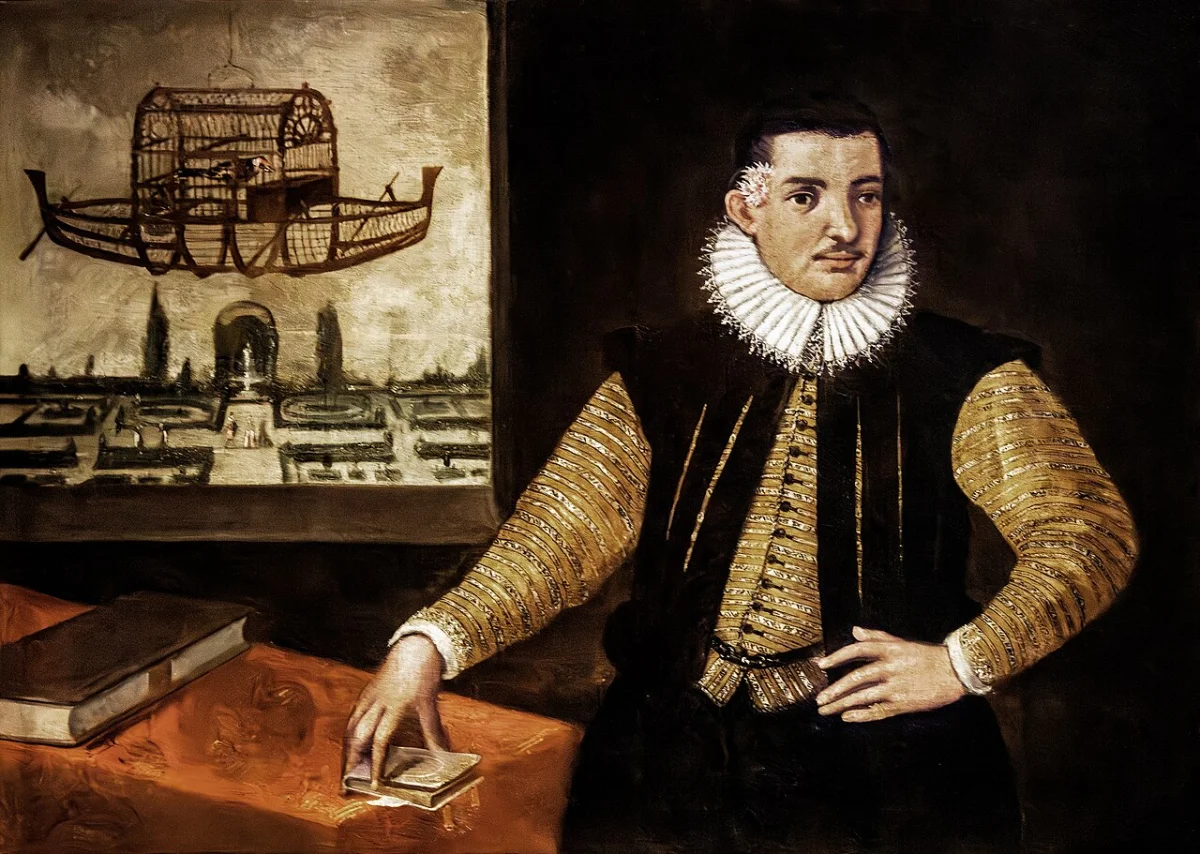
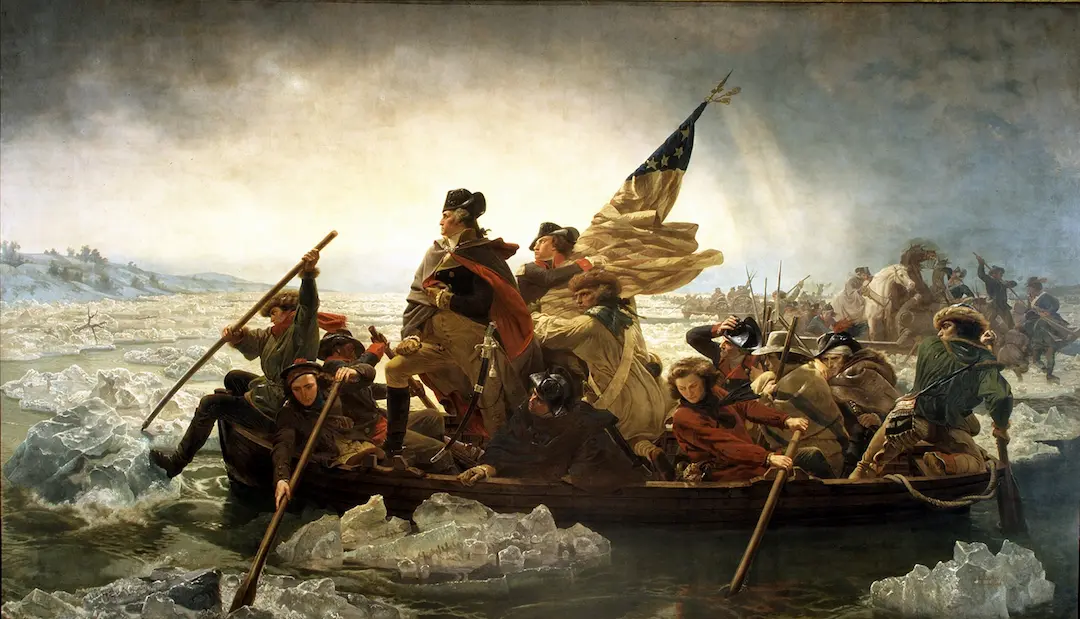
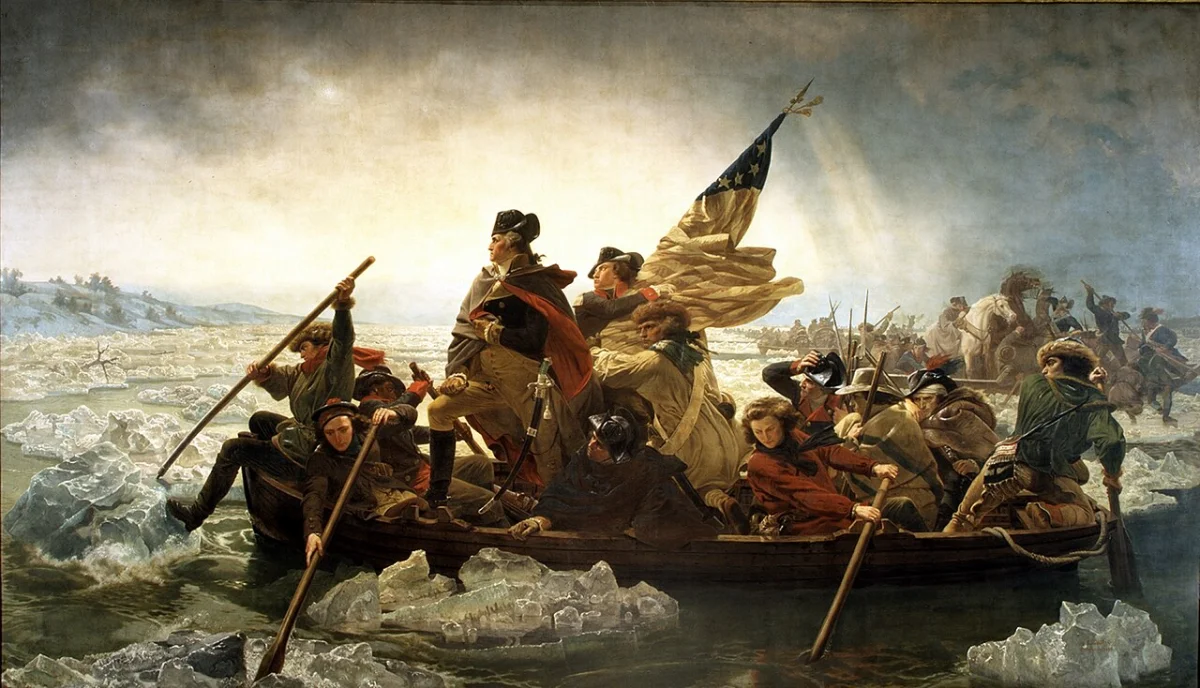
The exceptional quality of Leutze’s "Portrait of a Gentleman" is evident in every brushstroke, demonstrating the artist’s mastery of oil on canvas techniques. His ability to capture the intricate details of fabric, skin, and expression places this painting firmly within the Romanticism movement. Similar artistry can be found in "Washington Crossing the Delaware 1851" and works by Worthington Whittredge, making Leutze’s paintings highly sought-after among collectors and enthusiasts of fine art painting for sale.
Leutze’s "Portrait of a Gentleman" is more than just an oil on canvas; it is a window into the era’s ideals and aspirations. The subject’s poised demeanor and subtle background elements reflect the values of the Romanticism movement. This hand-painted oil painting shares its narrative depth with celebrated works like "Washington Crossing the Delaware" and invites viewers to uncover the stories and symbols that define Leutze’s artistic vision.
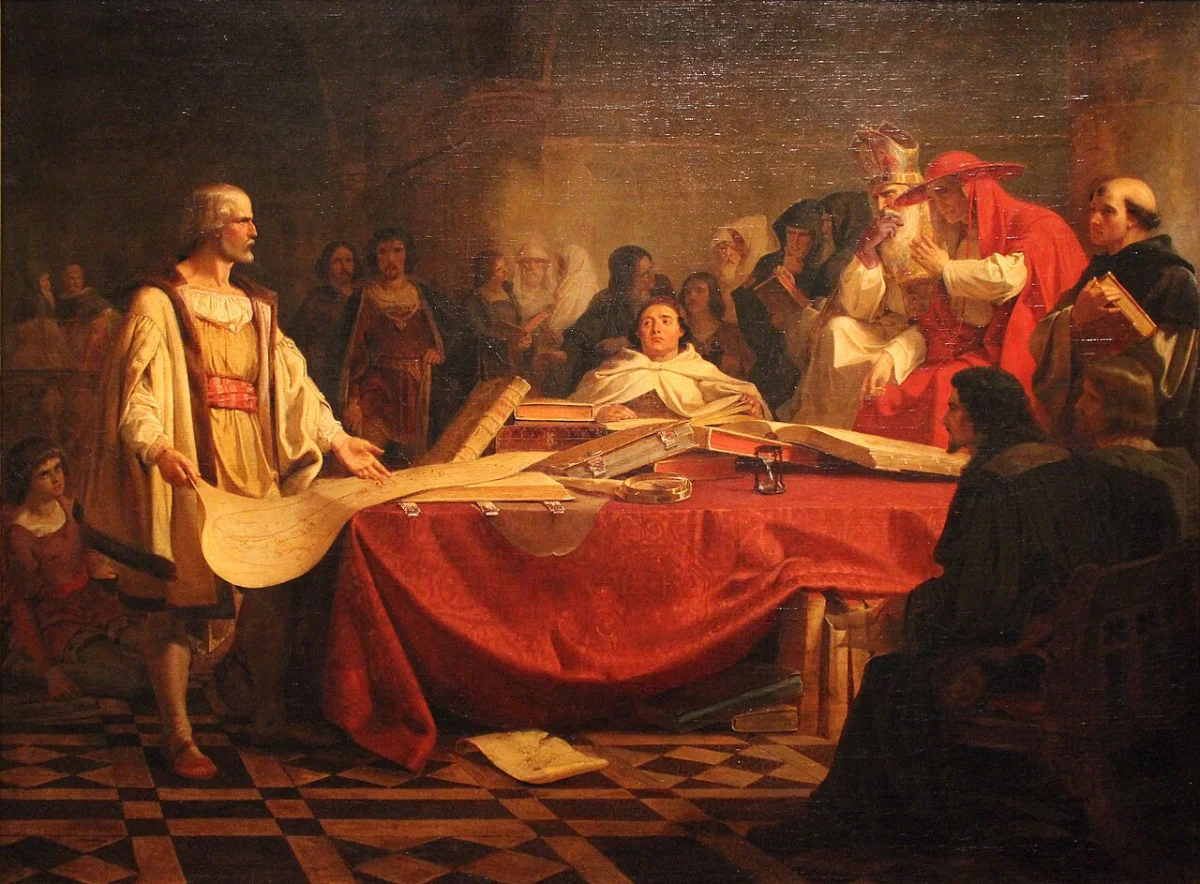
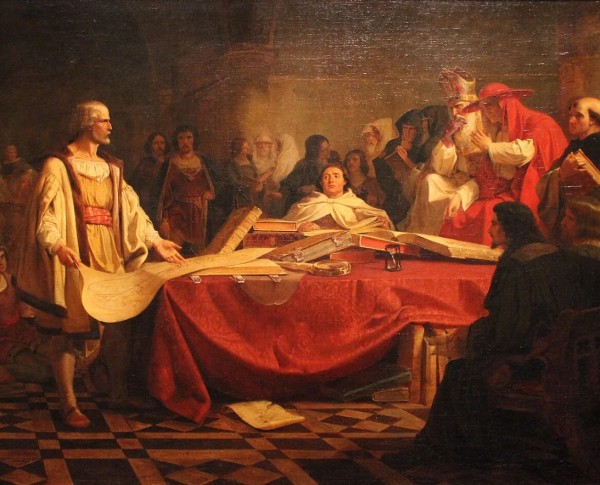
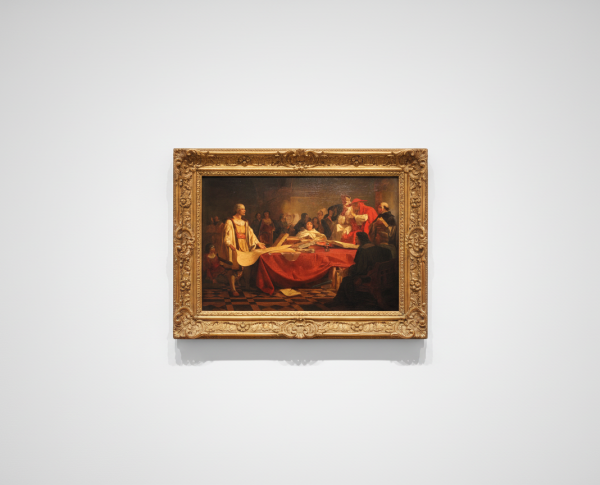
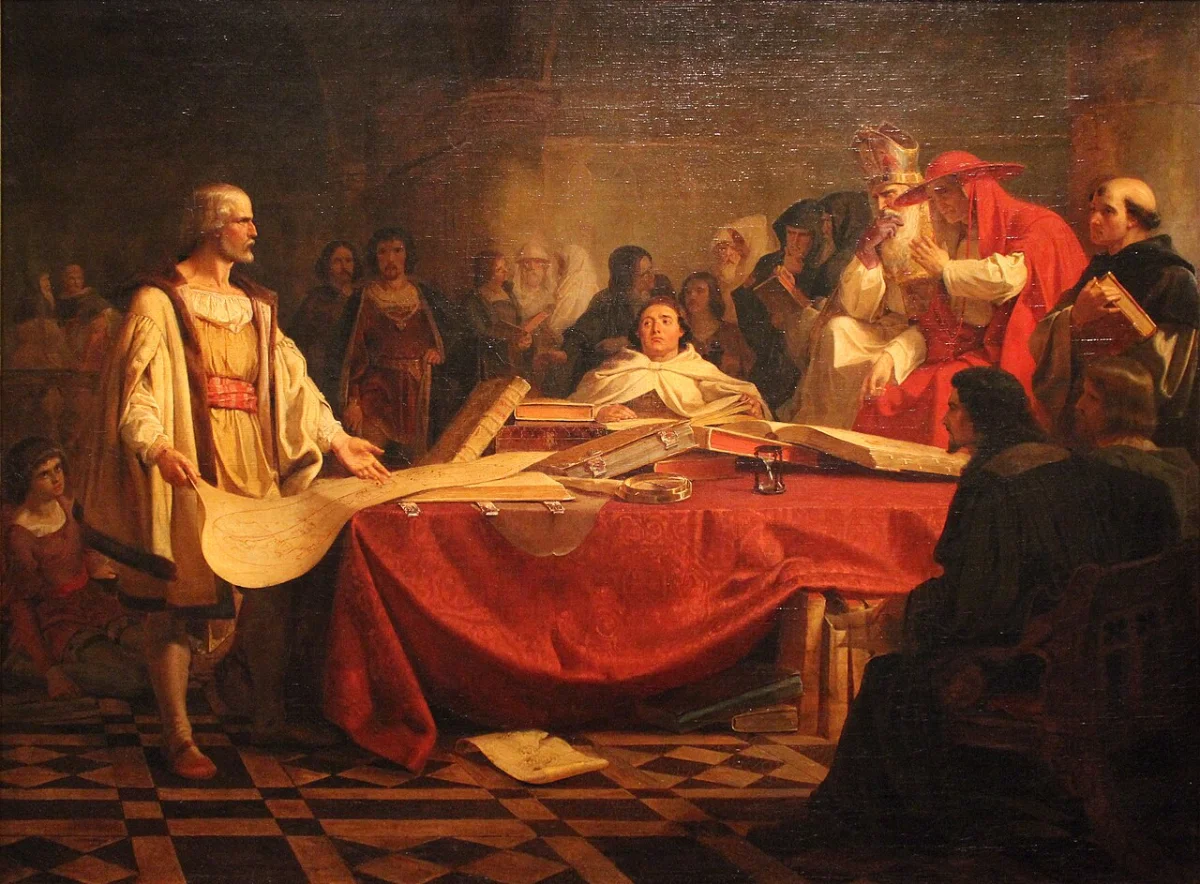
For collectors, "Portrait of a Gentleman" by Emanuel Gottlieb Leutze represents a rare opportunity to own a piece of art history. This fine art painting for sale is a testament to the enduring appeal of Romanticism and the artist’s skill. Displayed alongside related products such as "Christopher Columbus Before the Council of Salamanca" and "Washington Crossing the Delaware," it adds sophistication and historical significance to any collection of hand-painted oil paintings.
When Art Meets History
"Portrait of a Gentleman" by Emanuel Gottlieb Leutze stands as a testament to the Romanticism movement, capturing both historical context and personal narrative. This hand-painted oil painting reflects Leutze's mastery, much like his other renowned works such as "Dawn at the Alamo" and "Dickens Characters By." Through his brushwork, Leutze immortalizes the era’s ideals, seamlessly blending artistry and history. Collectors and enthusiasts alike appreciate the blend of storytelling and technique in this remarkable piece.
Techniques That Speak
Emanuel Gottlieb Leutze’s "Portrait of a Gentleman" showcases the refined techniques of oil on canvas, a hallmark of Romanticism. The artist’s approach, evident in related works like "Bad der Nymphen" and "Deer on the Prairie," employs rich textures and luminous colors. Every brushstroke in this painting reveals Leutze’s dedication to capturing depth and character, making it a captivating example for those who admire the artistry of nineteenth-century oil painting.
Emotions on Display
In "Portrait of a Gentleman," Leutze masterfully evokes emotion, a defining quality of Romanticism. The subject’s expression and posture convey a sense of introspection, reminiscent of the emotive power found in "Weymouth Bay: Bowleaze Cove and Jordon Hill." This fine art painting for sale invites viewers to connect with the sitter’s inner world, highlighting Leutze’s ability to blend realism with emotional depth, making it a prized addition to any art collection.
Coveted by Collectors
Collectors seek out "Portrait of a Gentleman" not only for its historical significance but also for its exquisite artistry. Emanuel Gottlieb Leutze’s reputation, bolstered by works like "Dawn at the Alamo" and "Dickens Characters By," ensures that this hand-painted oil painting remains in high demand. As a standout within the Romanticism movement, it offers both aesthetic beauty and investment value, making it a highly desirable piece among fine art enthusiasts worldwide.
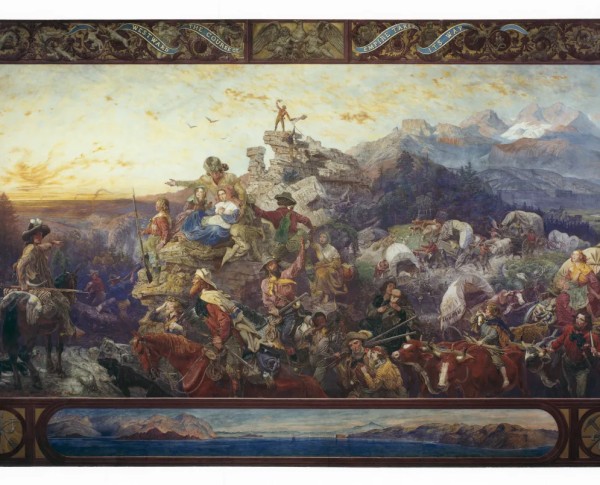
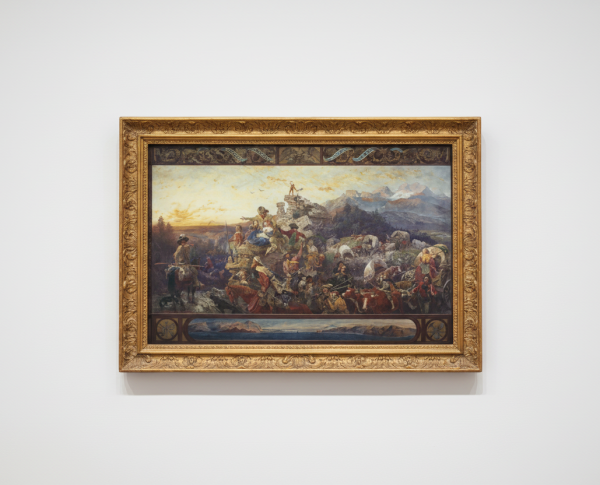
Related Romanticism Hand-Painted Oil Paintings by Other Artists
Other Famous Romanticism Artists:
Frequently Asked Questions About Portrait of a Gentleman
Who is the artist of "Portrait of a Gentleman"?
The painting "Portrait of a Gentleman" was created by Emanuel Gottlieb Leutze, a prominent 19th-century American artist known for his historical subjects and dramatic compositions.
What is the historical context of "Portrait of a Gentleman"?
This painting reflects the artistic trends of the mid-19th century, a time when portraiture was highly valued and served as a means to convey social status and individual identity.
What artistic techniques did Leutze employ in this painting?
Leutze utilized oil on canvas to create rich textures and vibrant colors, employing techniques such as chiaroscuro to enhance the three-dimensionality of the figure.
What is the significance of the attire worn by the gentleman in the painting?
The gentleman's attire is indicative of his social standing and the fashion of the period, symbolizing wealth and sophistication, which were important aspects of identity in the 19th century.
What does the expression of the gentleman convey?
The gentleman's expression is contemplative and dignified, suggesting introspection and confidence, which may reflect the ideals of masculinity during the era.
How does "Portrait of a Gentleman" compare to other works by Leutze?
This painting showcases Leutze's mastery of portraiture, similar to his other works, but it also highlights his ability to capture the individuality of his subjects while maintaining a sense of historical context.
What symbolism can be found in the background of the painting?
The background elements often serve to enhance the narrative of the portrait, providing context about the gentleman's life and status, and may include symbols of education, industry, or nature.
What influence did Leutze's German heritage have on his work?
Leutze's German heritage influenced his artistic style, incorporating elements of Romanticism and a focus on historical themes, which is evident in the dramatic presentation of his subjects.
What role does light play in "Portrait of a Gentleman"?
The use of light in the painting is crucial for creating depth and focus, drawing the viewer's attention to the gentleman's face and emphasizing his features and expression.
How has "Portrait of a Gentleman" been received by art critics over time?
Over the years, "Portrait of a Gentleman" has been praised for its technical skill and emotional depth, with critics noting Leutze's ability to blend realism with a narrative quality that engages viewers.






















_GFM_Painting_(1).webp)


 100% Hand-Painted: Finished in 3-6 Weeks

.png)















_(1).webp)