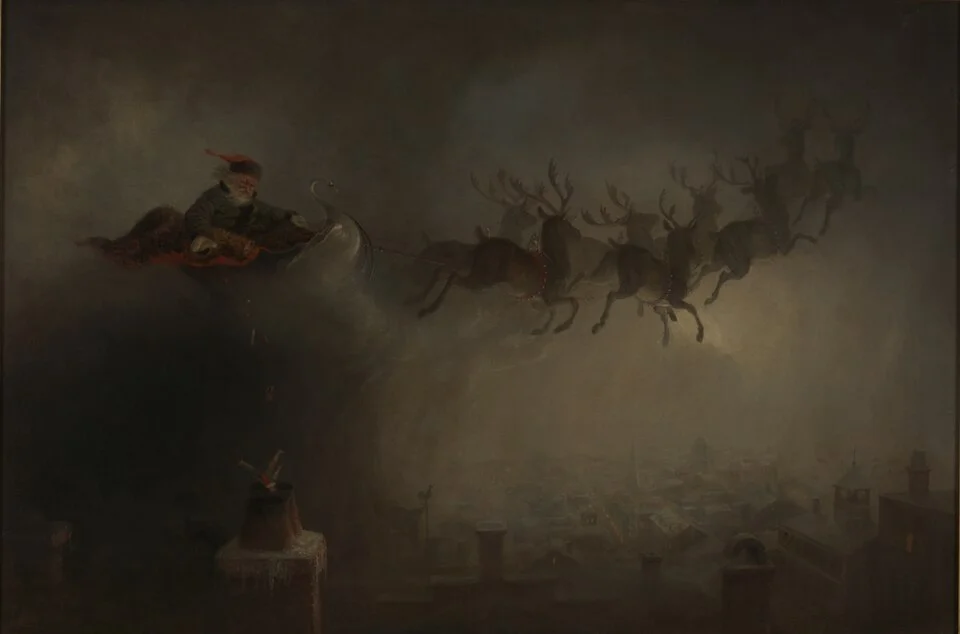
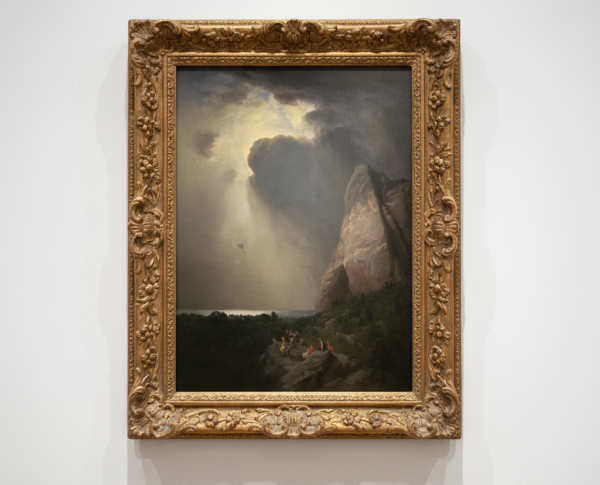
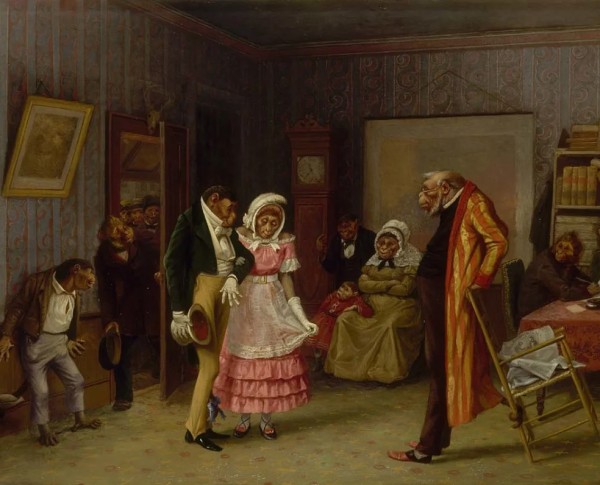
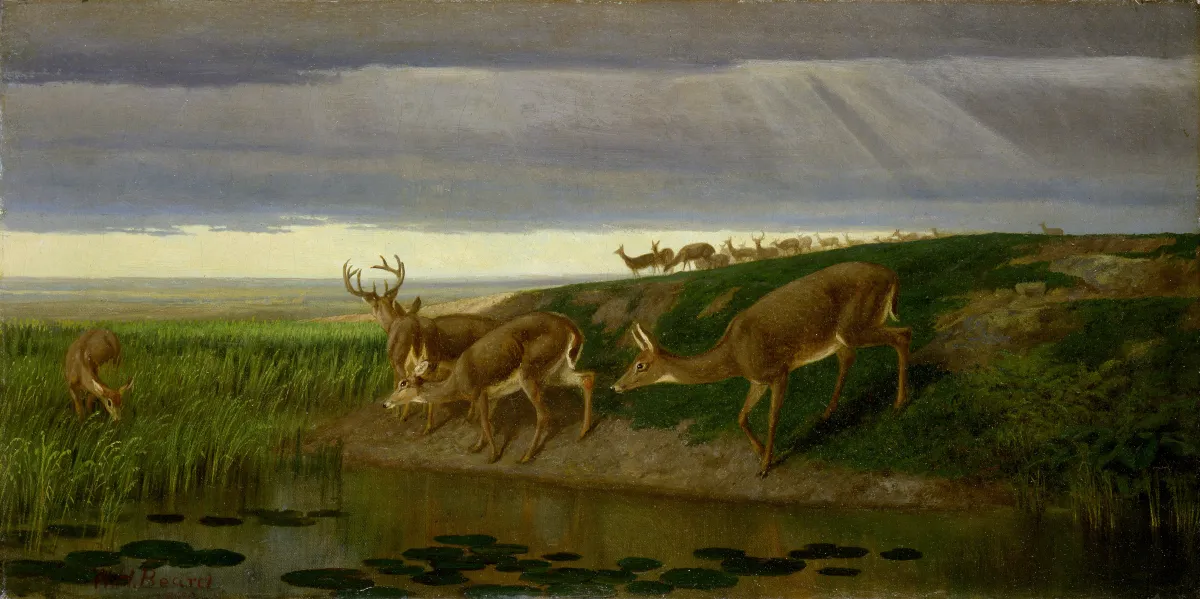
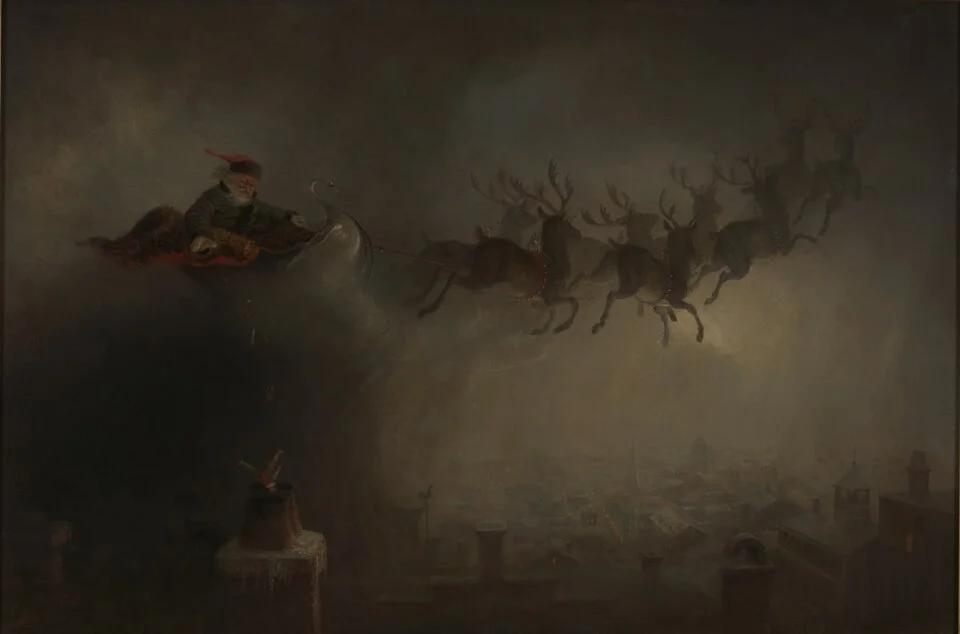
William Holbrook Beard’s "Deer on the Prairie" demonstrates his exceptional skill with oil on canvas, utilizing sweeping brushwork and rich colors to evoke emotion and depth. The painting’s detailed portrayal of deer amidst the vast prairie landscape is a testament to Beard’s mastery in capturing movement and mood. Admirers of Romanticism will find this work reminiscent of other masterpieces such as "Santa Claus" and "Power of Death," each displaying Beard’s artistic expertise.
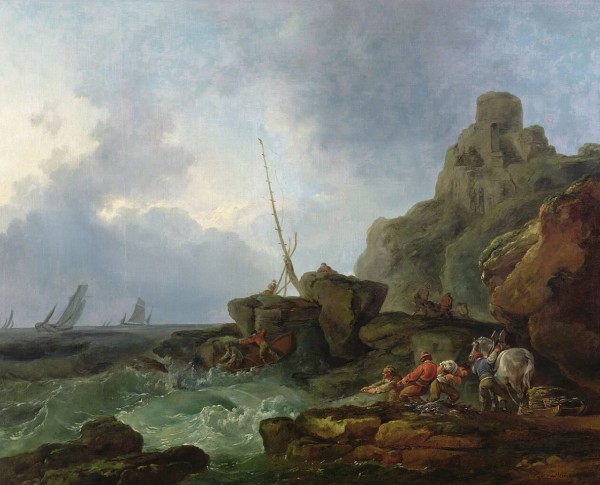
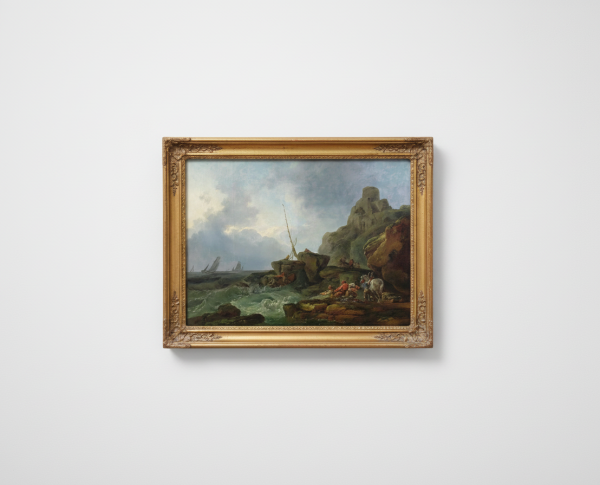
Every element within "Deer on the Prairie" tells a story, reflecting the ideals of the Romanticism movement. The depiction of deer symbolizes innocence and freedom, themes often explored by William Holbrook Beard. This fine art painting for sale invites viewers to interpret its rich narrative, much like Beard’s other works including "The Wreckers" and "In the Forest." Collectors seeking meaningful art will find this piece particularly compelling for its layered symbolism.
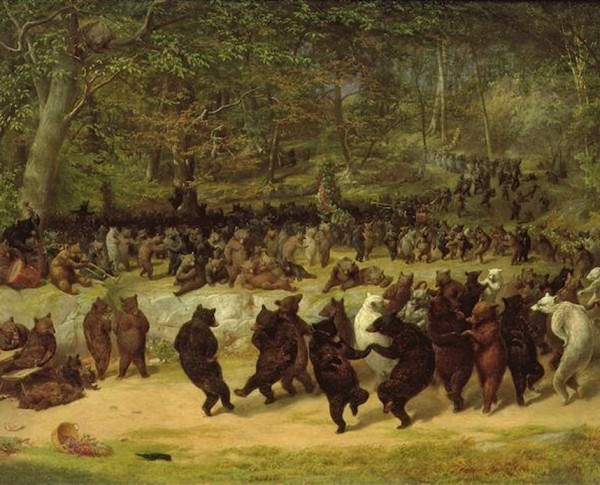
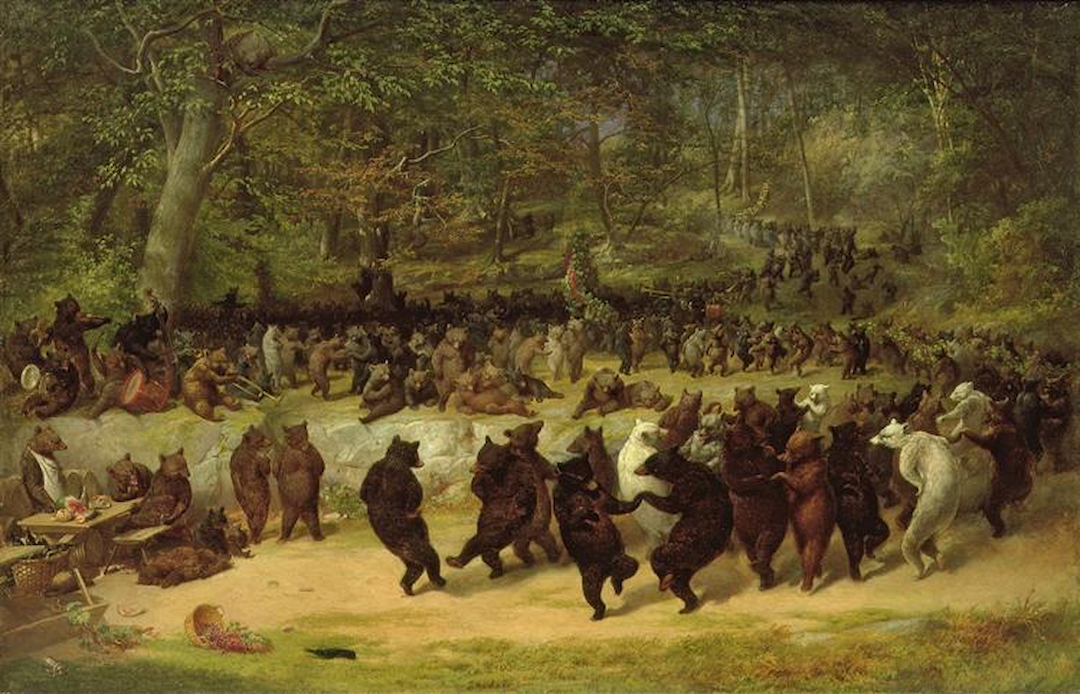
For those passionate about fine art, "Deer on the Prairie" by William Holbrook Beard is a true collector’s treasure. As a hand-painted oil painting, it offers both historical significance and timeless beauty, embodying the spirit of the Romanticism movement. Owning this masterpiece, alongside related products such as "Five Bears" or "Phantom Crane," adds depth and prestige to any collection, making it an exceptional fine art painting for sale to consider.
When Art Meets History
"Deer on the Prairie" by William Holbrook Beard stands as a testament to the Romanticism movement, capturing the untamed beauty of the American landscape. Created during a period when artists celebrated nature’s grandeur, this hand-painted oil painting echoes the spirit of works like "The Burning of the Houses of Lords and Commons" and "The Slave Ship 1840." Beard’s masterpiece not only reflects his era’s fascination with wildlife but also invites viewers to appreciate the harmony between art and history.
Techniques That Speak
William Holbrook Beard’s "Deer on the Prairie" showcases masterful oil on canvas techniques, with delicate brushwork that brings the prairie and its graceful deer to life. The artist’s Romanticism roots shine through his use of atmospheric light and vibrant color, similar to approaches in "Dawn at the Alamo" and "Worthington Whittredge." Each stroke in this oil on canvas work demonstrates Beard’s technical prowess and dedication to portraying the sublime beauty found in the natural world.
Emotions on Display
With "Deer on the Prairie," Beard evokes a profound sense of tranquility and awe, hallmarks of Romanticism. The painting’s serene composition and rich detail allow viewers to feel the gentle presence of wildlife, echoing the emotive power of "The Slave Ship" and other fine art painting for sale from that era. Beard’s ability to capture both the vulnerability and majesty of nature ensures that emotions are not just seen, but deeply felt by all who encounter the work.
Coveted by Collectors
"Deer on the Prairie" remains a sought-after treasure among collectors of Romanticism, standing alongside masterpieces like "The Burning of the Houses of Lords and Commons" and "Worthington Whittredge." Its status as a fine art painting for sale is elevated by Beard’s reputation and the enduring appeal of hand-painted oil paintings. Collectors value the piece not only for its beauty but also for its representation of a pivotal era in American and European art history.
Related Romanticism Hand-Painted Oil Paintings by Other Artists
Other Famous Romanticism Artists:
Frequently Asked Questions About Deer on the Prairie
What is the historical context of "Deer on the Prairie"?
"Deer on the Prairie" was painted during the late 19th century, a time when American artists were increasingly exploring themes of nature and wildlife, reflecting the growing interest in the American landscape and its preservation.
What artistic techniques did William Holbrook Beard use in this painting?
William Holbrook Beard employed a realistic style, utilizing detailed brushwork and a naturalistic color palette to capture the essence of the prairie landscape and the deer within it, showcasing his skill in rendering both animals and their environments.
What symbolism can be found in "Deer on the Prairie"?
The deer in the painting symbolizes grace and tranquility, representing the harmony of nature. The expansive prairie setting further emphasizes the theme of wilderness and the importance of wildlife in the American landscape.
How does "Deer on the Prairie" reflect the American Romantic movement?
This painting embodies the American Romantic movement by emphasizing the beauty and majesty of nature, celebrating the untamed wilderness and the spiritual connection between humans and the natural world.
What influences can be seen in Beard's style in this work?
Beard's style in "Deer on the Prairie" shows influences from both the Hudson River School and the European Romantic tradition, characterized by a focus on realism, attention to detail, and an appreciation for the sublime aspects of nature.
What role does light play in "Deer on the Prairie"?
Light plays a crucial role in the painting, as Beard skillfully uses it to create depth and dimension, highlighting the deer and enhancing the overall atmosphere of serenity and openness in the prairie landscape.
How does this painting relate to Beard's other works?
"Deer on the Prairie" is consistent with Beard's other works that often depict wildlife and natural scenes, showcasing his fascination with animals and the environment, as well as his commitment to portraying them with accuracy and respect.
What impact did "Deer on the Prairie" have on American art?
The painting contributed to the growing appreciation for wildlife art in America, inspiring future generations of artists to explore themes of nature and conservation, and reinforcing the importance of depicting the American landscape.
In what ways does "Deer on the Prairie" reflect the relationship between humans and nature?
The painting illustrates a peaceful coexistence between humans and the natural world, suggesting a reverence for wildlife and the environment, and inviting viewers to reflect on their own relationship with nature.
What materials and techniques did Beard likely use for this painting?
William Holbrook Beard likely used oil paints on canvas, a common medium for the time, allowing him to achieve rich colors and fine details that bring the prairie scene to life.






















_GFM_Painting_(1).webp)


 100% Hand-Painted: Finished in 3-6 Weeks

.png)















_(1).webp)