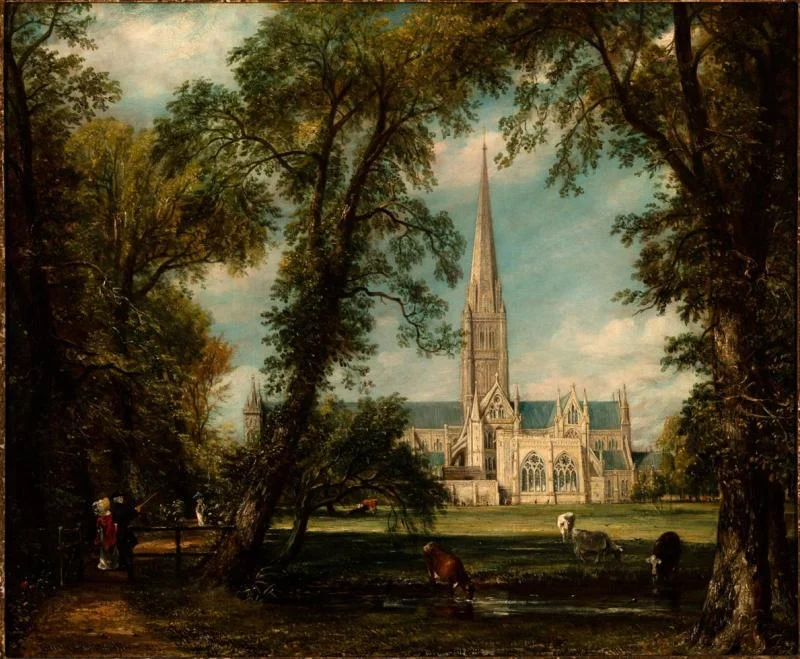
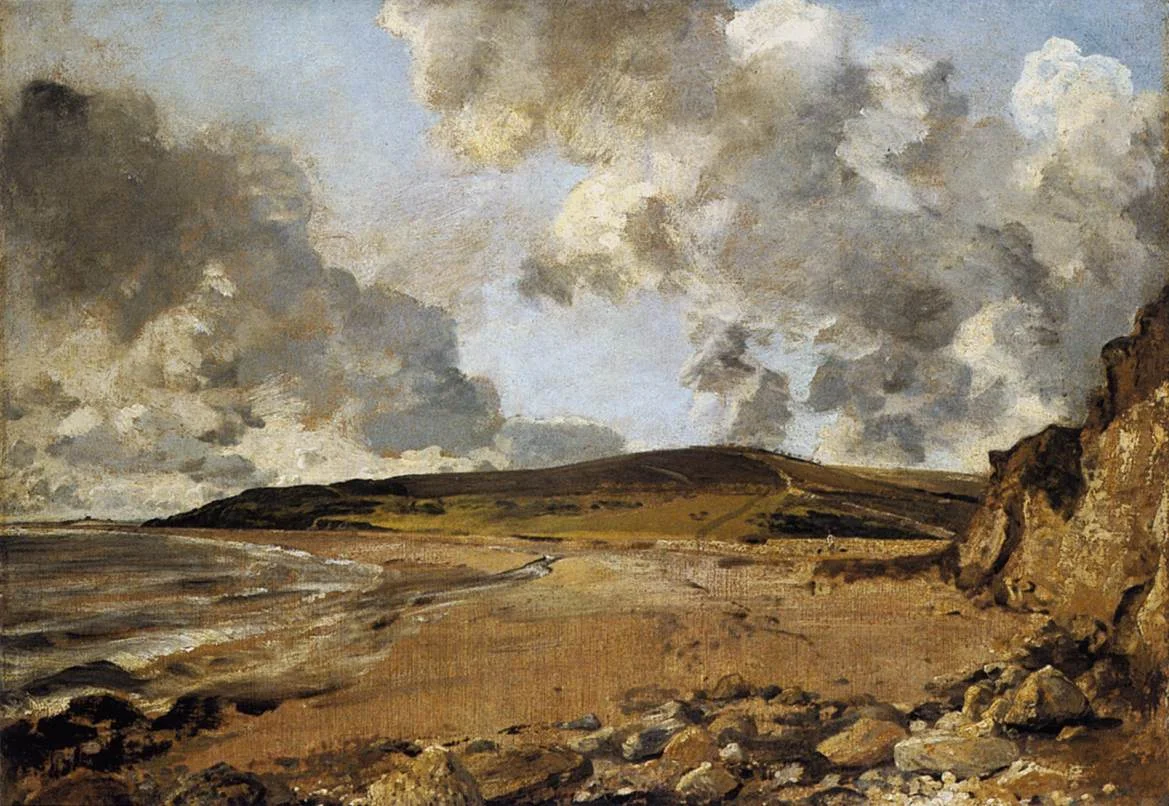
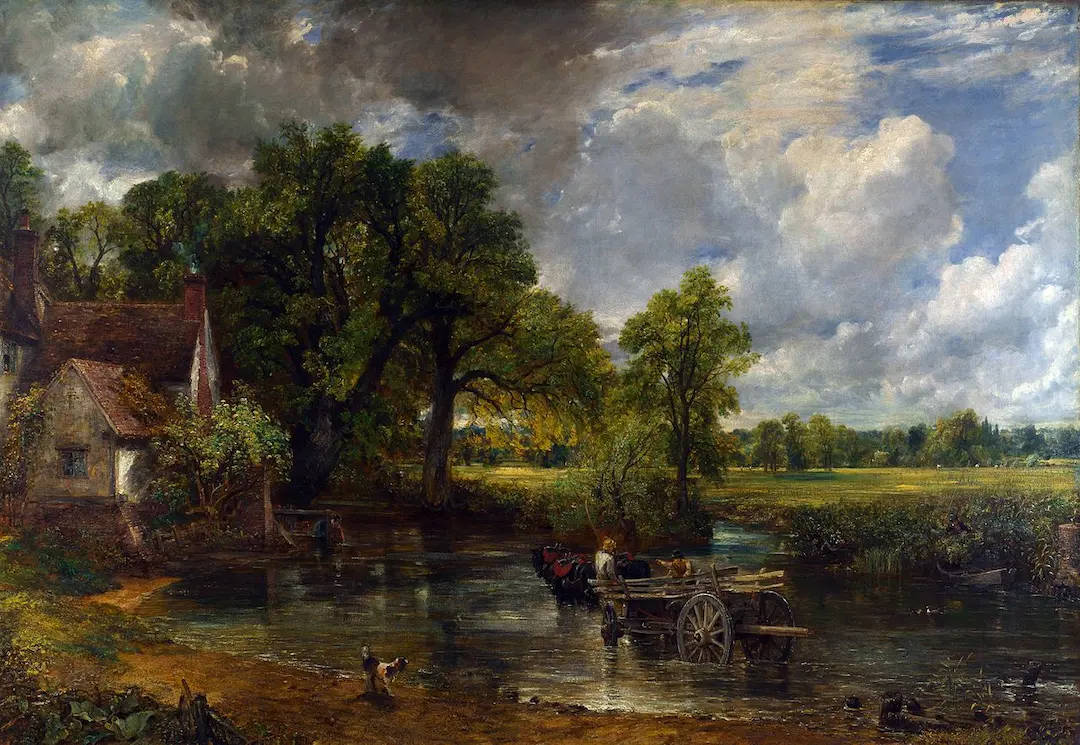
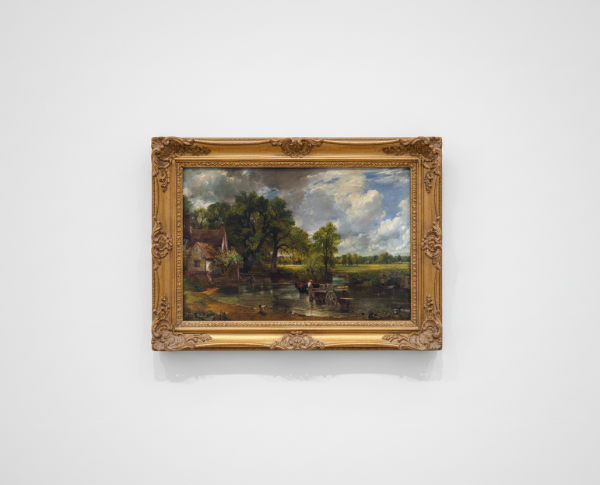
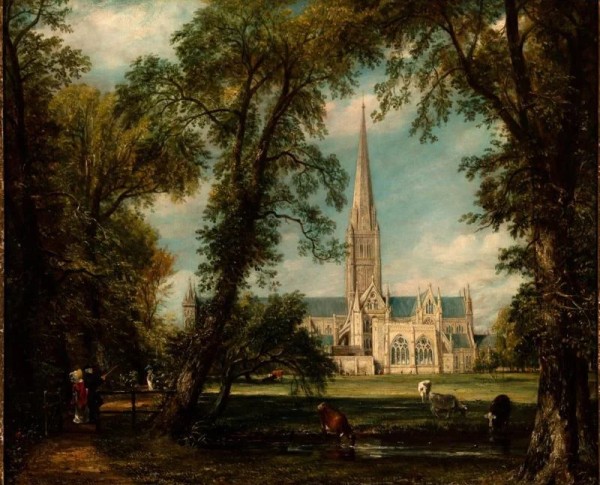
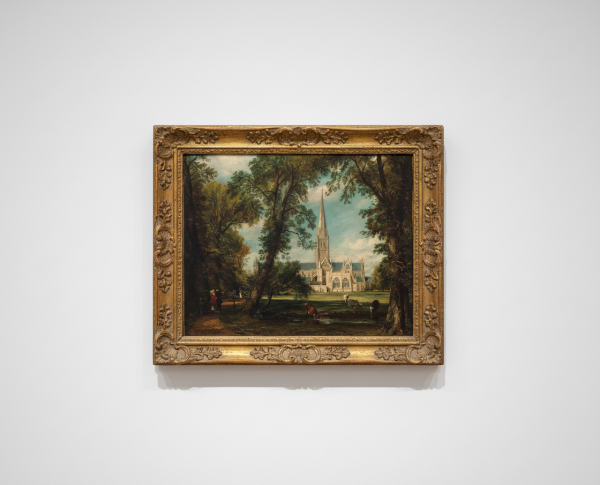
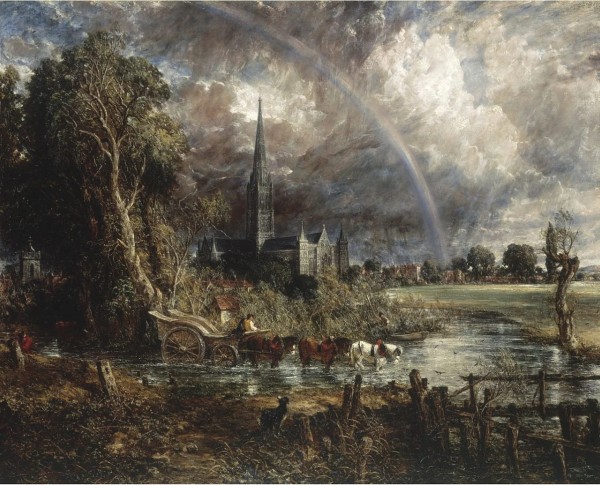
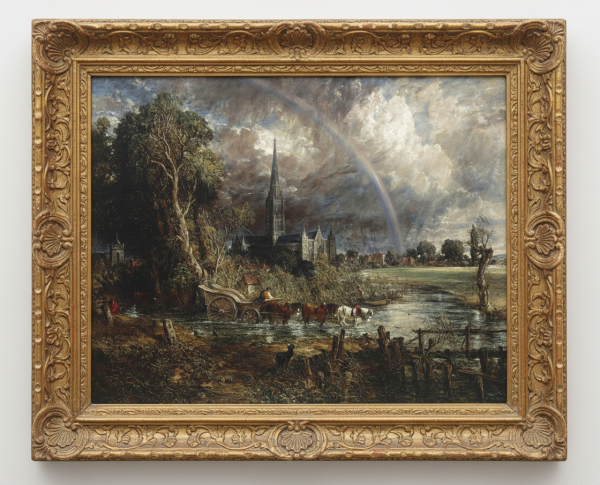
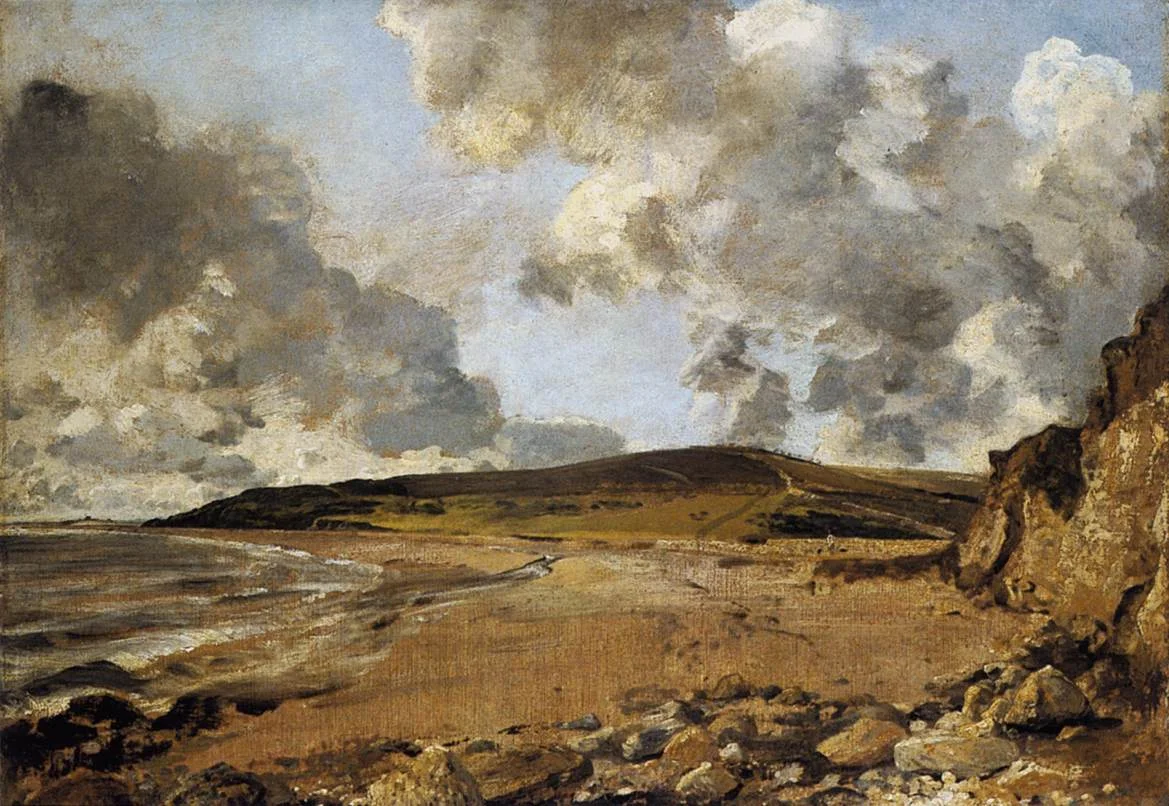
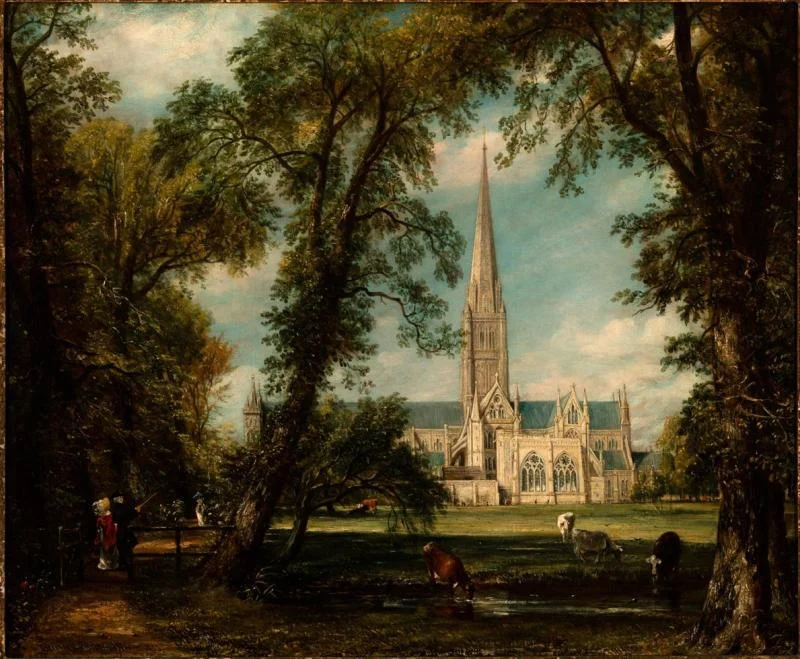
The meticulous technique in "Weymouth Bay: Bowleaze Cove and Jordon Hill" demonstrates John Constable’s expertise with oil on canvas. The artist’s mastery is visible in the dynamic brushwork and delicate color gradations that evoke the movement of clouds and the tranquility of the shore. Admirers of Romanticism may also be interested in acquiring related masterpieces, including "Salisbury Cathedral from the Meadows" and "Salisbury Cathedral from the Bishop's Grounds," to enhance their collections.
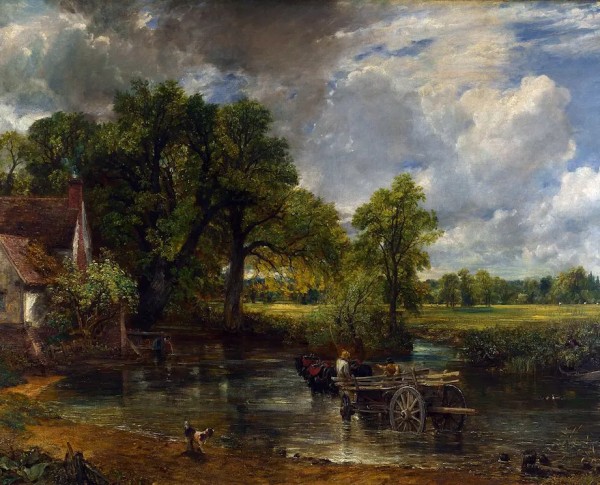
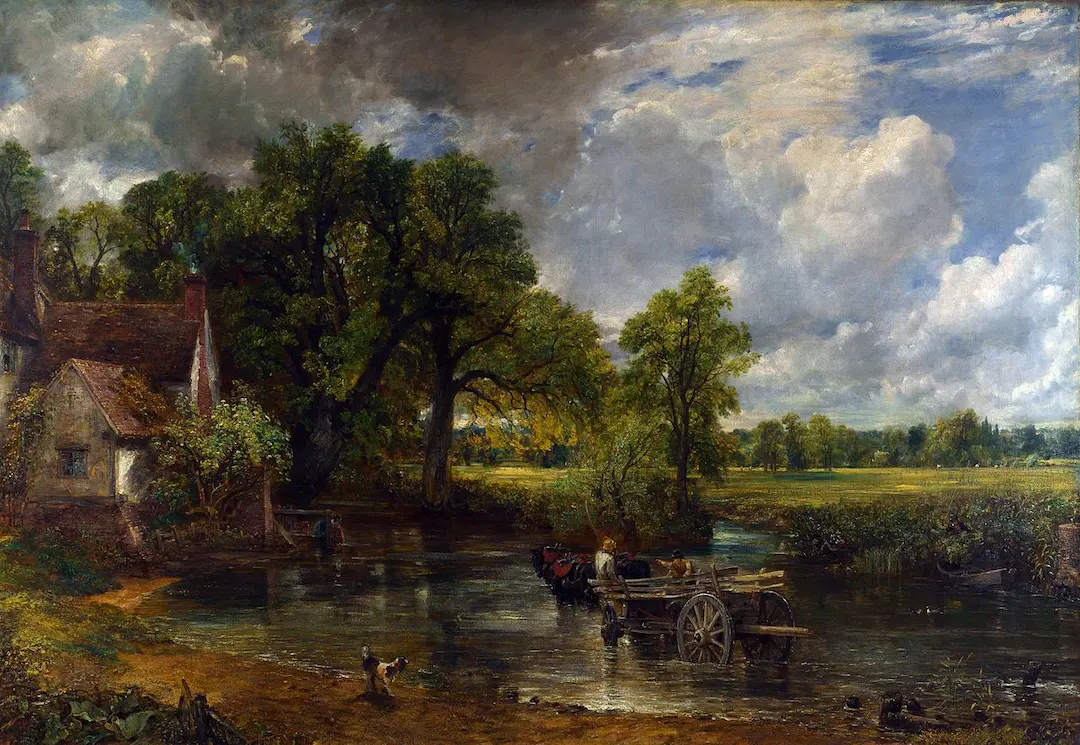
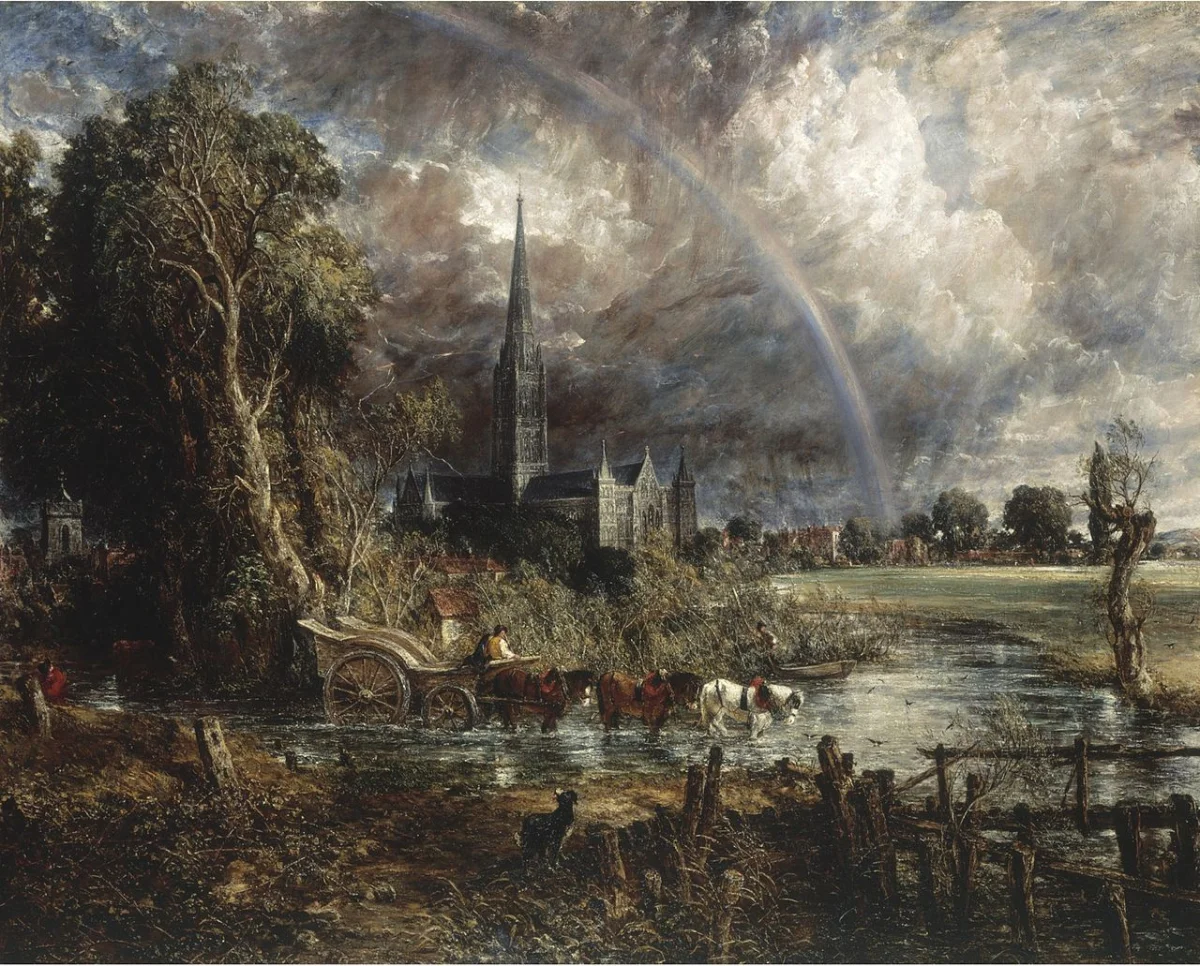
"Weymouth Bay: Bowleaze Cove and Jordon Hill" tells a silent story through its evocative landscape, inviting viewers to interpret the symbolism in nature’s shifting moods. John Constable’s fine art painting for sale captures not only the physical beauty of the coastline but also the emotional resonance at the heart of the Romanticism movement. Collectors often pair this piece with works like "The Hay Wain, 1821" for a richer narrative experience in their galleries.
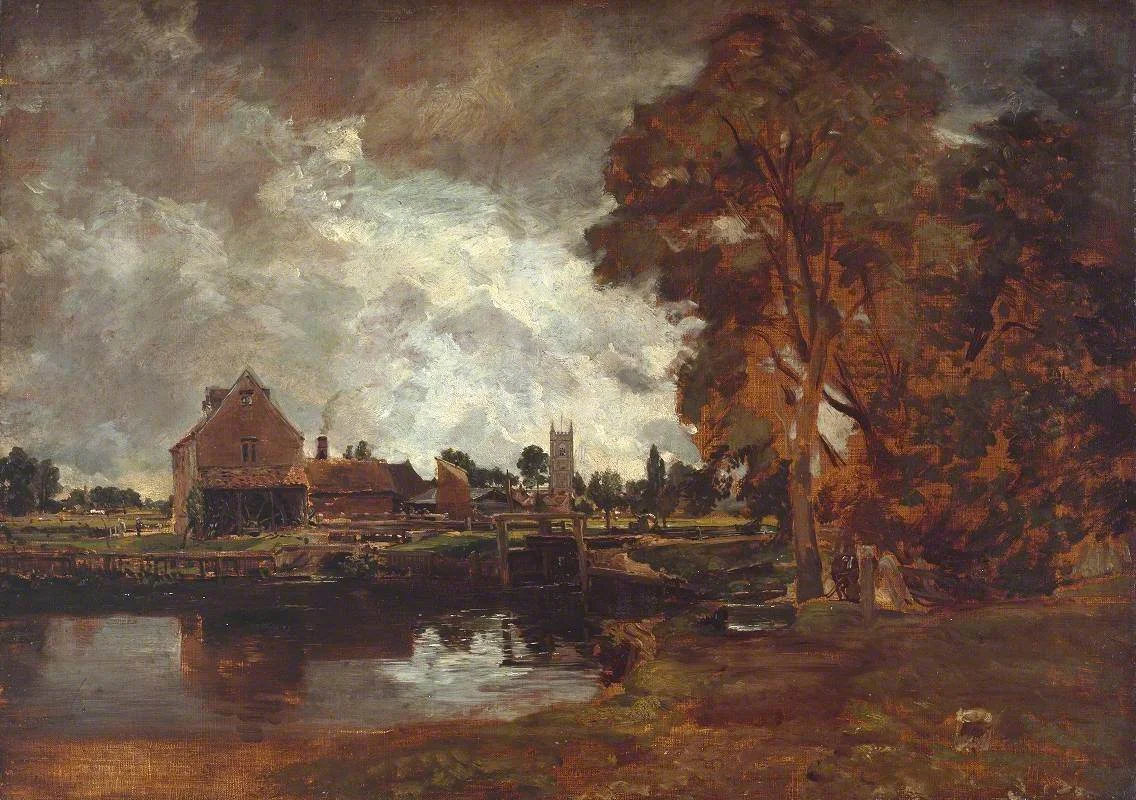
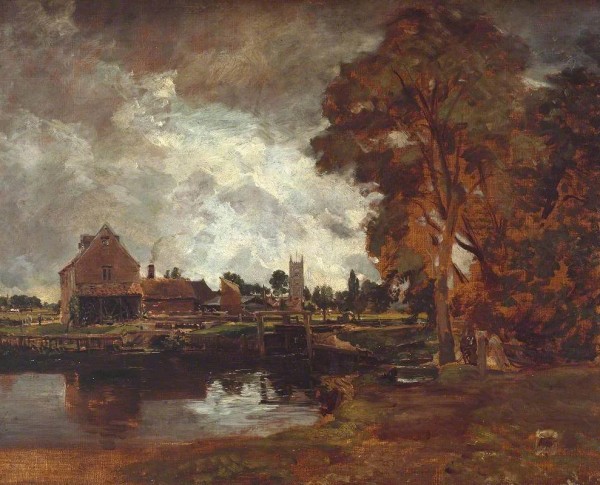
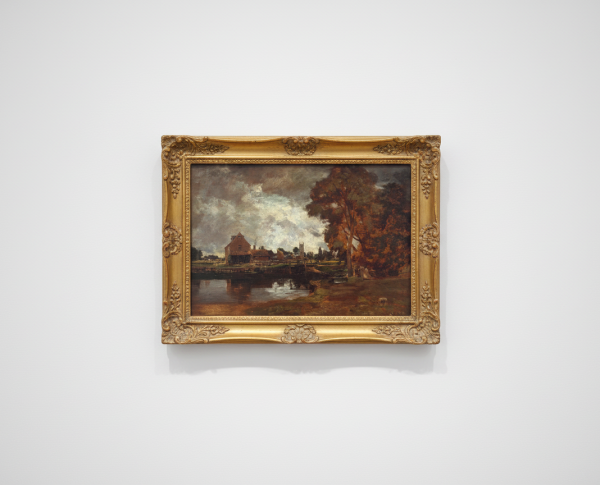
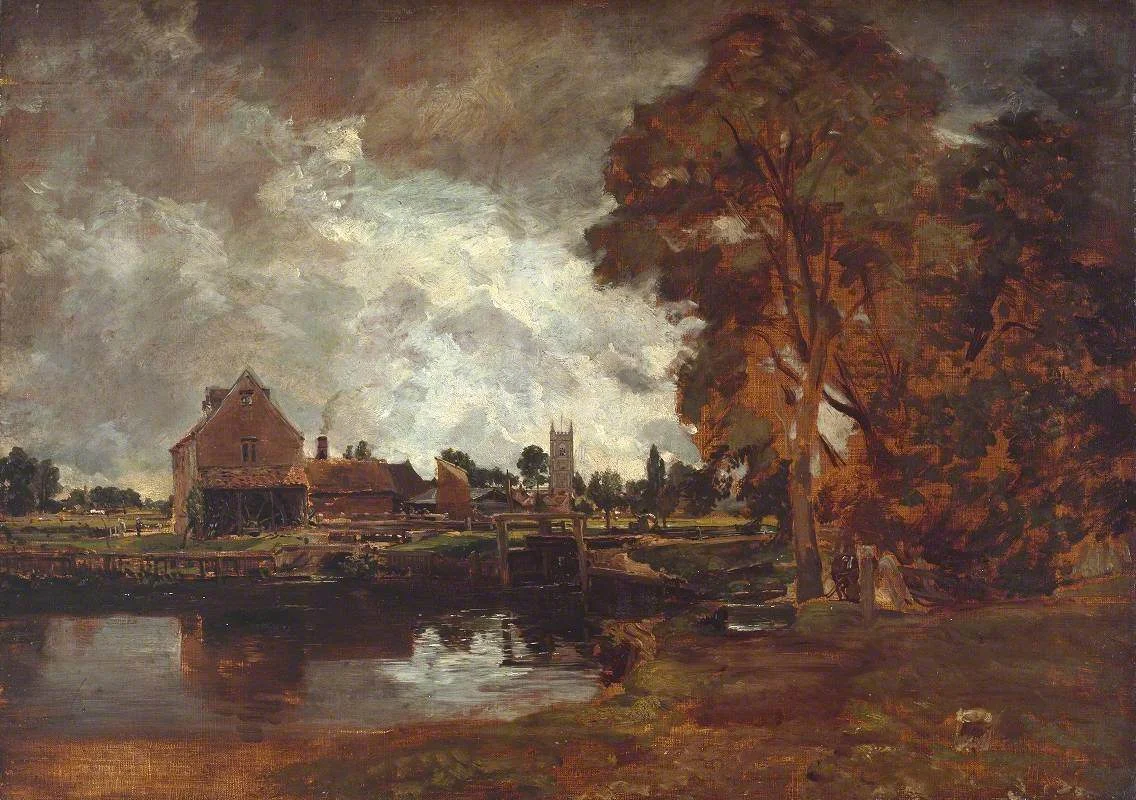
Owning "Weymouth Bay: Bowleaze Cove and Jordon Hill" is a privilege for any art connoisseur seeking a fine art painting for sale that exemplifies Romanticism. John Constable’s oil on canvas technique ensures this piece remains a timeless treasure. Enhance your collection with related works such as "Salisbury Cathedral from the Meadows" or "Dedham Lock and Mill" to fully appreciate the breadth of Constable’s artistic vision and his profound influence on landscape painting.
When Art Meets History
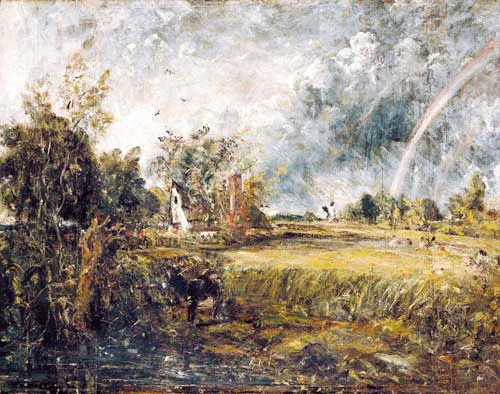
"Weymouth Bay: Bowleaze Cove and Jordon Hill" by John Constable stands as a testament to the Romanticism movement, capturing the essence of early 19th-century England. This hand-painted oil painting beautifully documents the coastal landscape, blending historical context with artistic vision. Similar to works like "Mountain Landscape with Rainbow, Ancient Rome" and "The Slave Ship 1840," Constable’s masterpiece serves as both a historical record and a fine example of the era’s aesthetic ideals.
Techniques That Speak
John Constable’s use of oil on canvas in "Weymouth Bay: Bowleaze Cove and Jordon Hill" showcases his mastery of atmospheric effects and natural light. The visible brushstrokes and subtle color transitions exemplify the Romanticism movement’s focus on emotional expression. Like "Agrippina Landing with the Ashes of Germanicus" and "Riding out a Gale," this painting demonstrates Constable’s innovative approach to landscape, setting his work apart in the world of fine art.
Emotions on Display
In "Weymouth Bay: Bowleaze Cove and Jordon Hill," Constable captures the turbulent skies and serene shoreline, evoking a profound sense of contemplation. This fine art painting for sale immerses viewers in the dramatic interplay between nature and emotion, a hallmark of Romanticism. Alongside works like "His Majesty Receives," Constable’s painting invites the audience to experience the landscape’s mood, making it an enduring source of inspiration and emotional resonance.
Coveted by Collectors
"Weymouth Bay: Bowleaze Cove and Jordon Hill" remains highly sought after among art enthusiasts and collectors. As a hand-painted oil painting from John Constable, it represents a significant piece of the Romanticism movement. Collectors value it alongside related masterpieces such as "The Slave Ship 1840" and "Riding out a Gale," recognizing its importance in the evolution of landscape art and its timeless appeal as a fine art painting for sale.
Related Romanticism Hand-Painted Oil Paintings by Other Artists
Other Famous Romanticism Artists:
Frequently Asked Questions About Weymouth Bay: Bowleaze Cove and Jordon Hill
What is the historical significance of "Weymouth Bay: Bowleaze Cove and Jordon Hill"?
This painting, created by John Constable in 1816, captures the picturesque landscape of Weymouth Bay, reflecting the Romantic era's fascination with nature and the English countryside.
How does this painting exemplify John Constable's artistic style?
Constable is known for his ability to convey the effects of light and atmosphere. In this work, he employs a naturalistic approach, using vibrant colors and dynamic brushwork to depict the changing skies and the serene coastal landscape.
What techniques did Constable use in "Weymouth Bay: Bowleaze Cove and Jordon Hill"?
Constable utilized oil on canvas, employing techniques such as layering and impasto to create texture and depth, which enhances the realism of the scene.
What themes are present in this painting?
The painting explores themes of nature's beauty, tranquility, and the sublime, reflecting the Romantic ideal of finding solace and inspiration in the natural world.
What elements of symbolism can be found in this artwork?
The coastal landscape symbolizes the relationship between humanity and nature, while the clouds and light suggest the transient beauty of the moment, evoking a sense of nostalgia and reflection.
How does "Weymouth Bay: Bowleaze Cove and Jordon Hill" compare to Constable's other works?
This painting shares similarities with Constable's other landscapes, particularly in its focus on the English countryside and the depiction of atmospheric effects, yet it stands out for its coastal setting and vibrant color palette.
What was the public's reaction to this painting when it was first exhibited?
Upon its exhibition, the painting received acclaim for its vivid representation of the English landscape, contributing to Constable's growing reputation as a leading landscape painter of his time.
In what ways did "Weymouth Bay: Bowleaze Cove and Jordon Hill" influence later artists?
This work influenced later generations of artists by demonstrating the importance of capturing the emotional and atmospheric qualities of nature, paving the way for the Impressionists and other landscape painters.
What role did Weymouth Bay play in Constable's life and work?
Weymouth Bay was a significant location for Constable, as it provided inspiration and a sense of personal connection, allowing him to explore his artistic vision in a serene coastal environment.
How does this painting reflect the Romantic movement in art?
"Weymouth Bay: Bowleaze Cove and Jordon Hill" embodies the Romantic movement's emphasis on emotion, nature, and individual experience, showcasing Constable's deep appreciation for the beauty and power of the natural world.






















_GFM_Painting_(1).webp)


 100% Hand-Painted: Finished in 3-6 Weeks

.png)















_(1).webp)