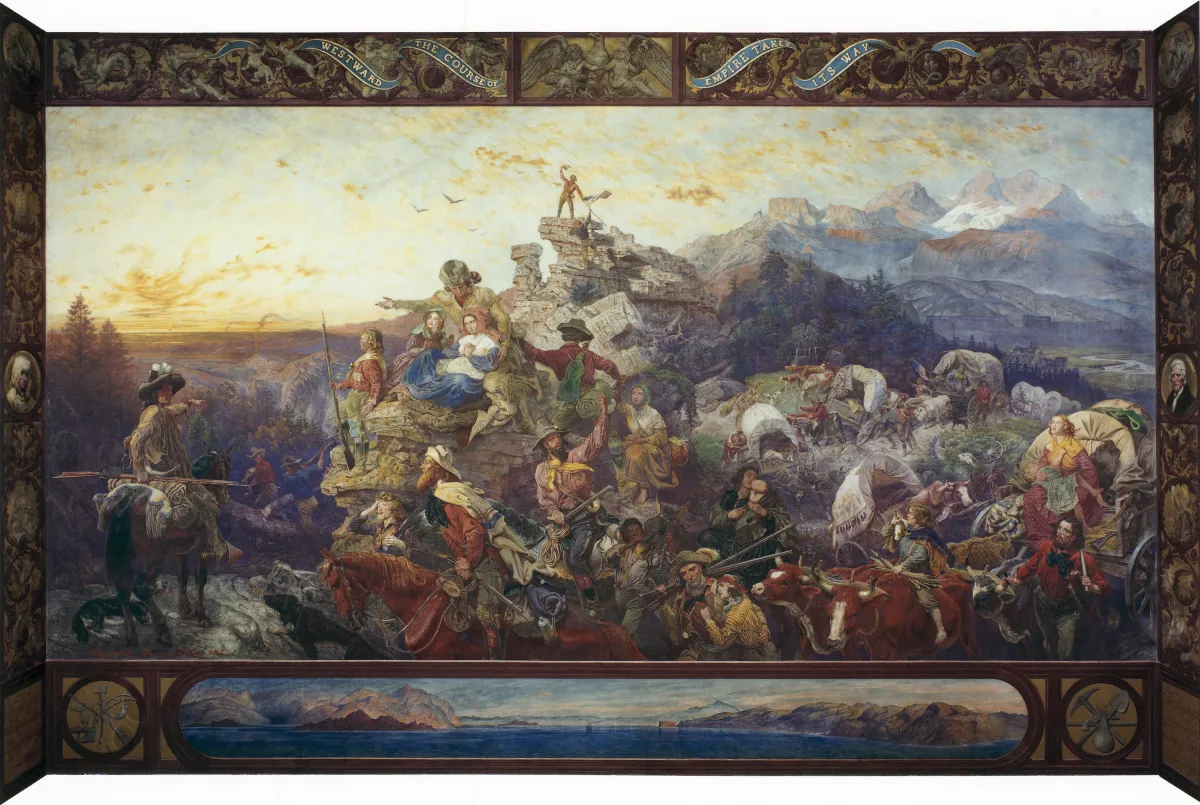
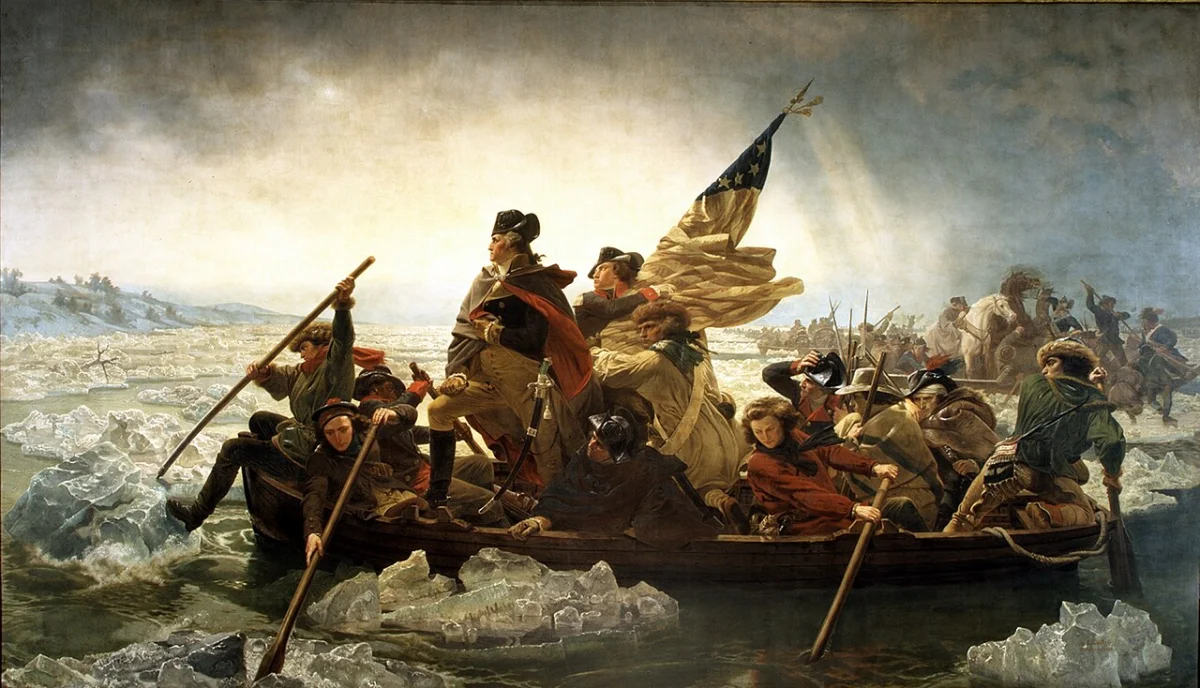
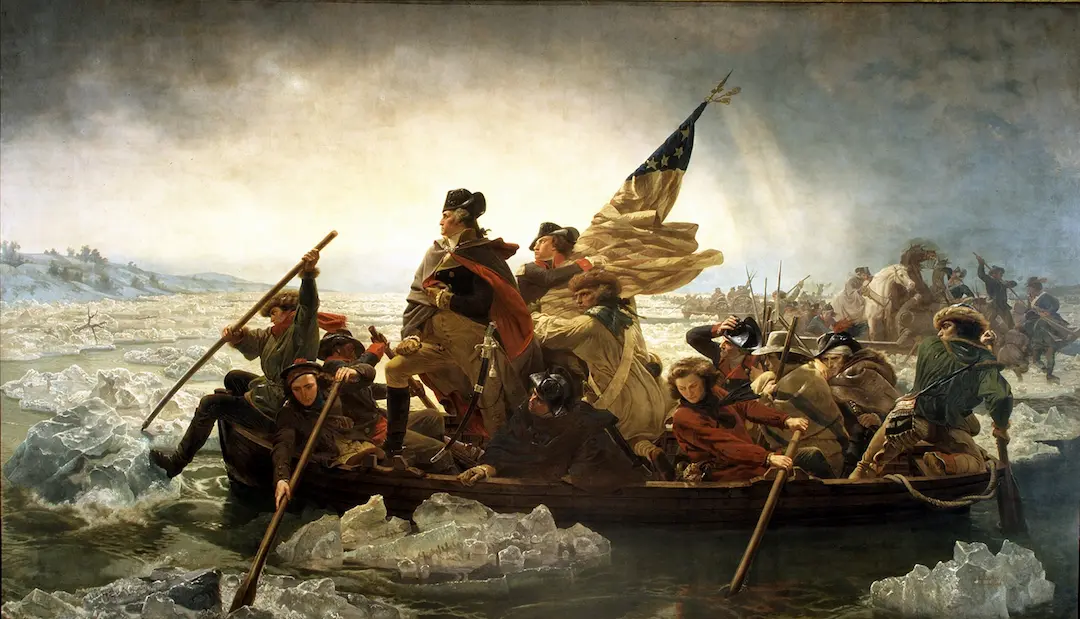
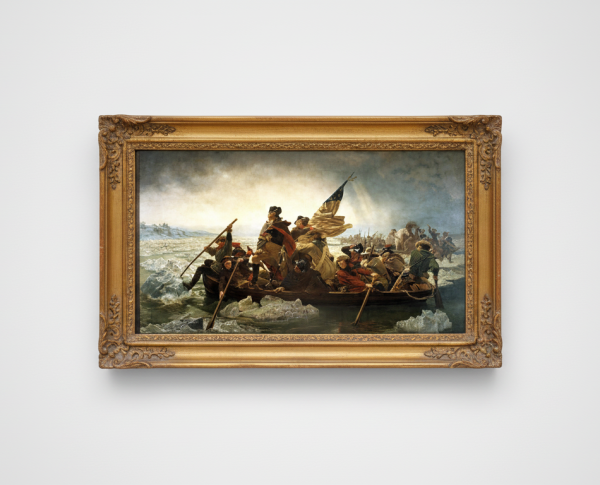
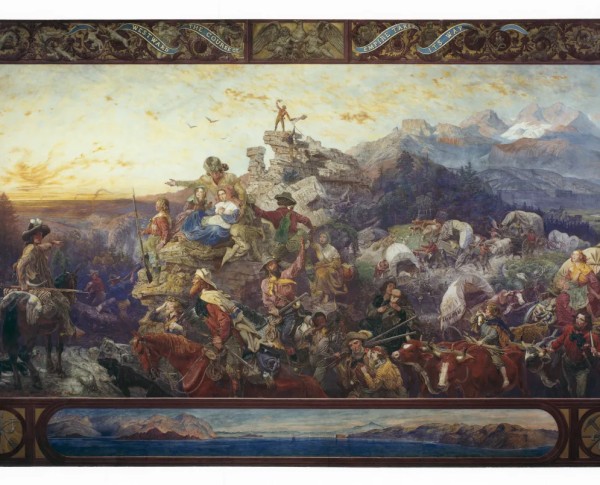
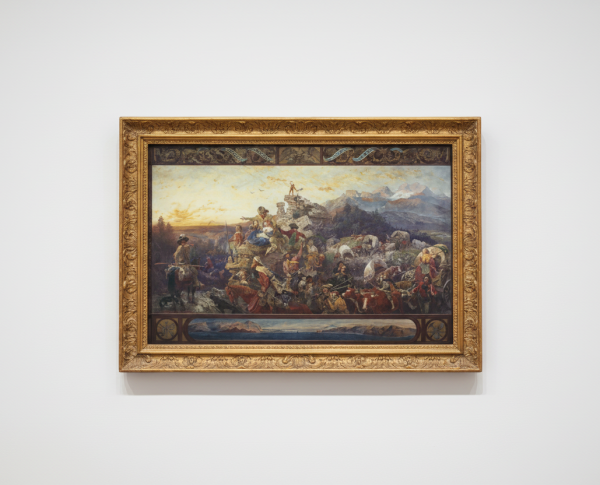
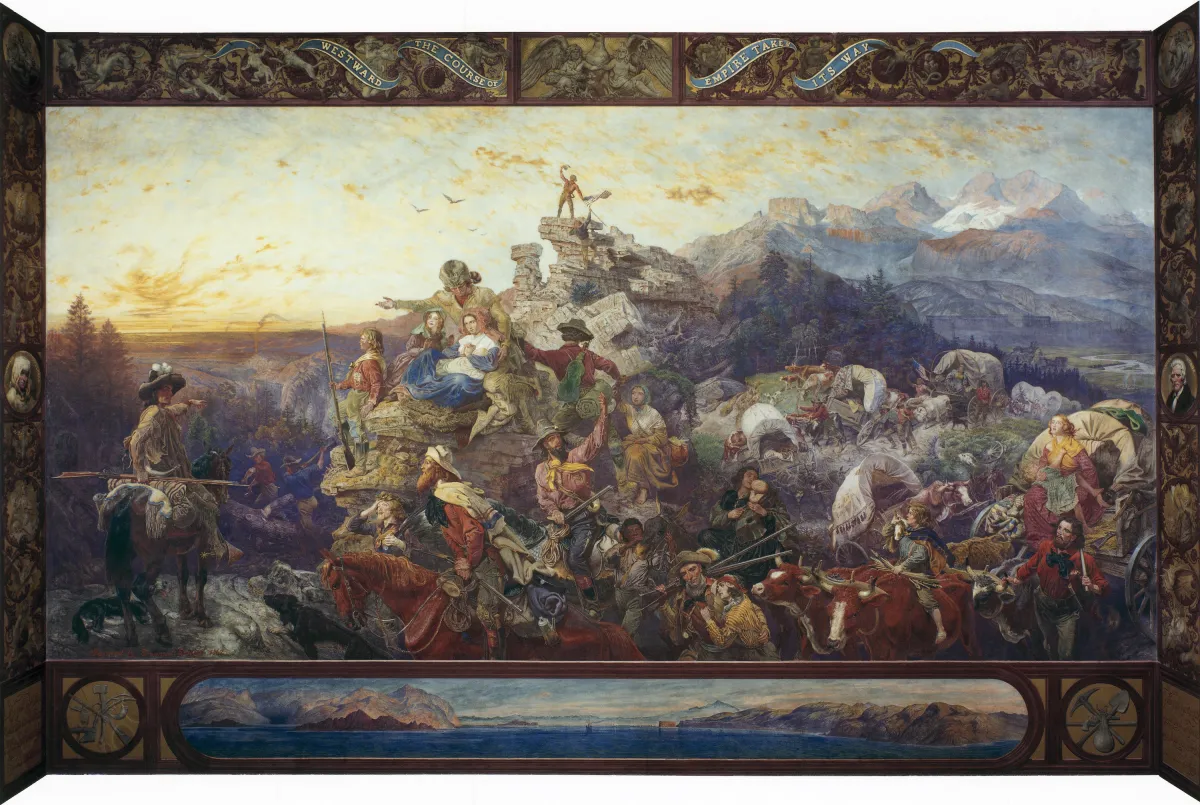
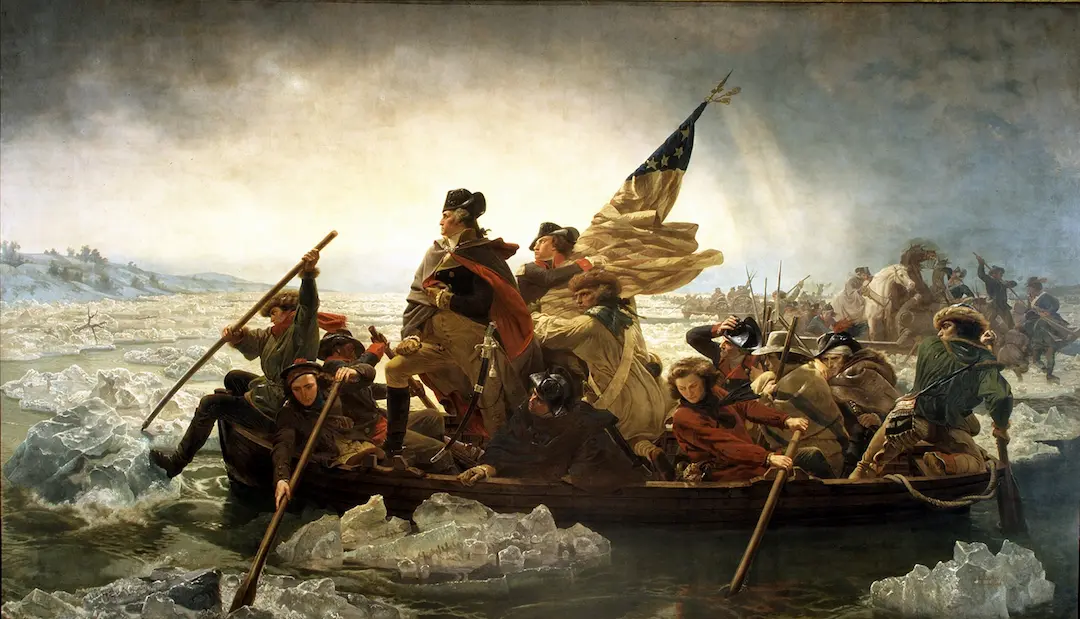
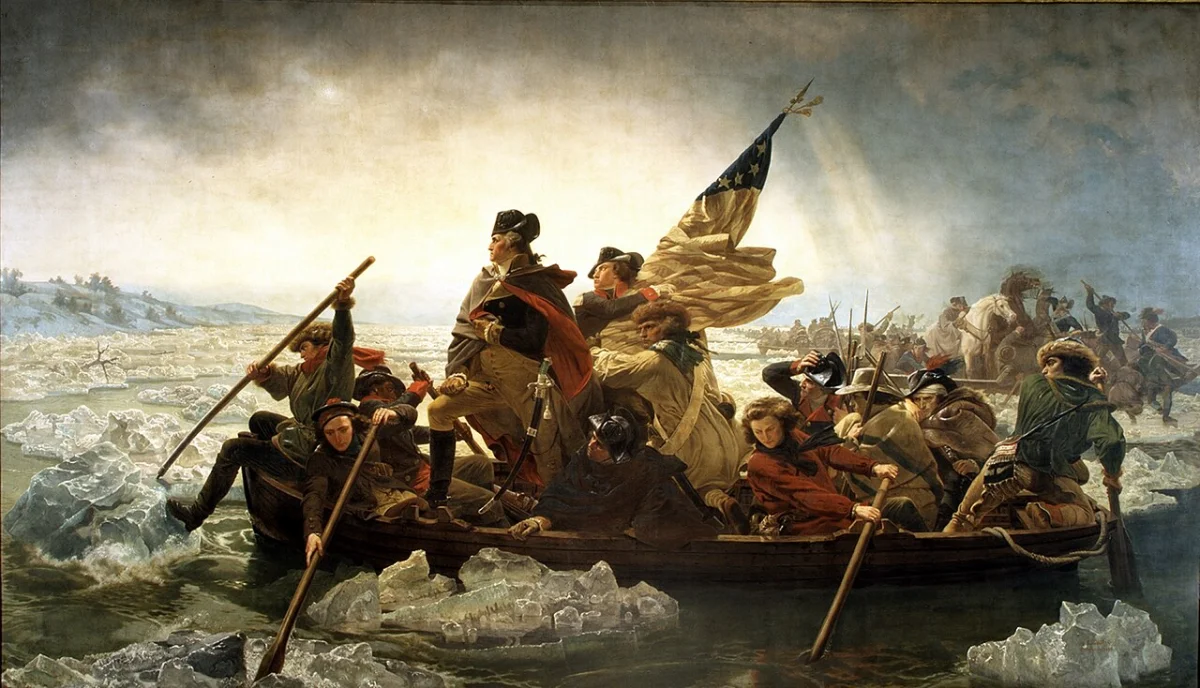
Leutze’s exceptional technique is evident in every detail of this oil on canvas, where sweeping landscapes and expressive figures reveal his Romanticism roots. The artist’s skillful brushwork illuminates both the grandeur of the American frontier and the emotional intensity of its pioneers. As with his other masterpieces, including "Washington Crossing the Delaware," this painting demonstrates a mastery that makes it a coveted fine art painting for sale among discerning collectors.
"Westward the Course of Empire Takes Its Way" is more than just an oil on canvas; it’s a narrative tapestry filled with allegorical symbols of hope, progress, and destiny. Emanuel Gottlieb Leutze weaves together the dreams and challenges of westward expansion, embodying the ideals of the Romanticism movement. Art enthusiasts often seek hand-painted oil painting reproductions of this work, along with related pieces like "Washington Crossing the Delaware 1851," to appreciate its layered storytelling.
For those passionate about American history and fine art painting for sale, Leutze’s "Westward the Course of Empire Takes Its Way" is an essential acquisition. The painting’s resonance within the Romanticism movement and its connection to related works, such as "Washington Crossing the Delaware," elevate its status among collectors. Owning this hand-painted oil painting is not only an investment in art but also a celebration of Emanuel Gottlieb Leutze’s enduring legacy.
When Art Meets History
Emanuel Gottlieb Leutze's masterpiece, "Westward the Course of Empire Takes Its Way," is a testament to the Romanticism movement, capturing a pivotal moment in American history. This hand-painted oil painting dramatically illustrates the nation's westward expansion, blending historical narrative with artistic grandeur. Leutze, also known for works like "Life Saving Patrol" and "Ship at Sea," uses his art to immortalize defining moments, making this piece a cornerstone for those passionate about American history and Romanticism.
Techniques That Speak
Leutze's use of oil on canvas in "Westward the Course of Empire Takes Its Way" showcases his mastery of Romanticism techniques. The painting’s vivid colors, dynamic brushstrokes, and intricate details create a sense of movement and urgency. Similar to his approach in "Sunset, Marine" and "The Kiss 1859," Leutze’s technical prowess elevates the narrative, drawing viewers into the scene. The choice of oil on canvas ensures longevity and brilliance, hallmarks of his celebrated style.
Emotions on Display
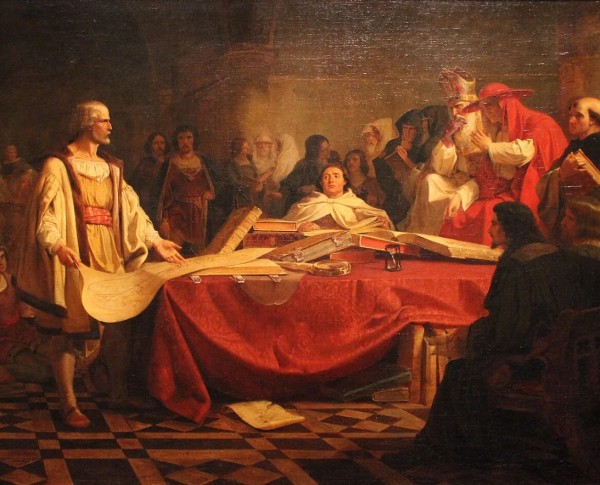
"Westward the Course of Empire Takes Its Way" radiates the emotional intensity characteristic of Romanticism. Emanuel Gottlieb Leutze infuses the composition with hope, determination, and ambition, inviting viewers to feel the pioneers' journey. As seen in related paintings like "Pietro Rossi prisonner of the Scaligeri," Leutze expertly captures the spirit of his subjects. This fine art painting for sale continues to evoke powerful emotions, making it a favorite among art lovers and historians alike.
Coveted by Collectors
Collectors highly prize "Westward the Course of Empire Takes Its Way" for its historical significance and artistic merit. Emanuel Gottlieb Leutze’s reputation, firmly established through works like "Life Saving Patrol" and "Ship at Sea," enhances the painting's allure. As a hand-painted oil painting from the Romanticism movement, it represents both a cultural milestone and an investment opportunity. Owning this masterpiece connects collectors to a legacy of fine art and the enduring appeal of American history.
Related Romanticism Hand-Painted Oil Paintings by Other Artists
Other Famous Romanticism Artists:
Frequently Asked Questions About Westward the Course of Empire Takes Its Way
What historical event does the painting depict?
The painting illustrates the concept of Manifest Destiny, a 19th-century doctrine that justified American expansion westward across the continent, symbolizing the belief in the inevitable growth of the United States.
Who is the artist behind this work?
Emanuel Gottlieb Leutze, a German-American artist, created this painting in 1861. He is renowned for his historical scenes that capture the spirit of American nationalism.
What artistic techniques did Leutze employ in this painting?
Leutze utilized dramatic lighting, dynamic composition, and a vibrant color palette to evoke emotion and convey the grandeur of the American landscape and the spirit of exploration.
What symbols are present in the painting?
The painting features various symbols, including the covered wagon representing pioneers, Native Americans symbolizing the indigenous peoples affected by westward expansion, and the American flag symbolizing national pride and identity.
How does the composition of the painting enhance its message?
The composition leads the viewer's eye from the foreground to the horizon, suggesting a journey and the promise of new opportunities, reinforcing the theme of progress and expansion.
What is the significance of the title "Westward the Course of Empire Takes Its Way"?
The title reflects the historical narrative of American expansionism and the belief that the United States was destined to spread its ideals and governance across the continent, often at the expense of indigenous populations.
In what ways does this painting reflect the values of its time?
The painting embodies the values of the mid-19th century, including nationalism, optimism about progress, and a belief in American exceptionalism, all of which were prevalent during the period of westward expansion.
What role does the landscape play in the painting?
The expansive landscape serves as a backdrop that emphasizes the vastness of the American frontier, symbolizing both opportunity and the challenges faced by those who ventured westward.
How has this painting been received by critics and historians?
Critics and historians have praised the painting for its dramatic representation of American ideals, though it has also been critiqued for its romanticized portrayal of westward expansion, overlooking the consequences for Native Americans.
Where can this painting be viewed today?
The painting is part of the collection at the Metropolitan Museum of Art in New York City, where it continues to be a significant example of American historical art.






















_GFM_Painting_(1).webp)


 100% Hand-Painted: Finished in 3-6 Weeks

.png)















_(1).webp)