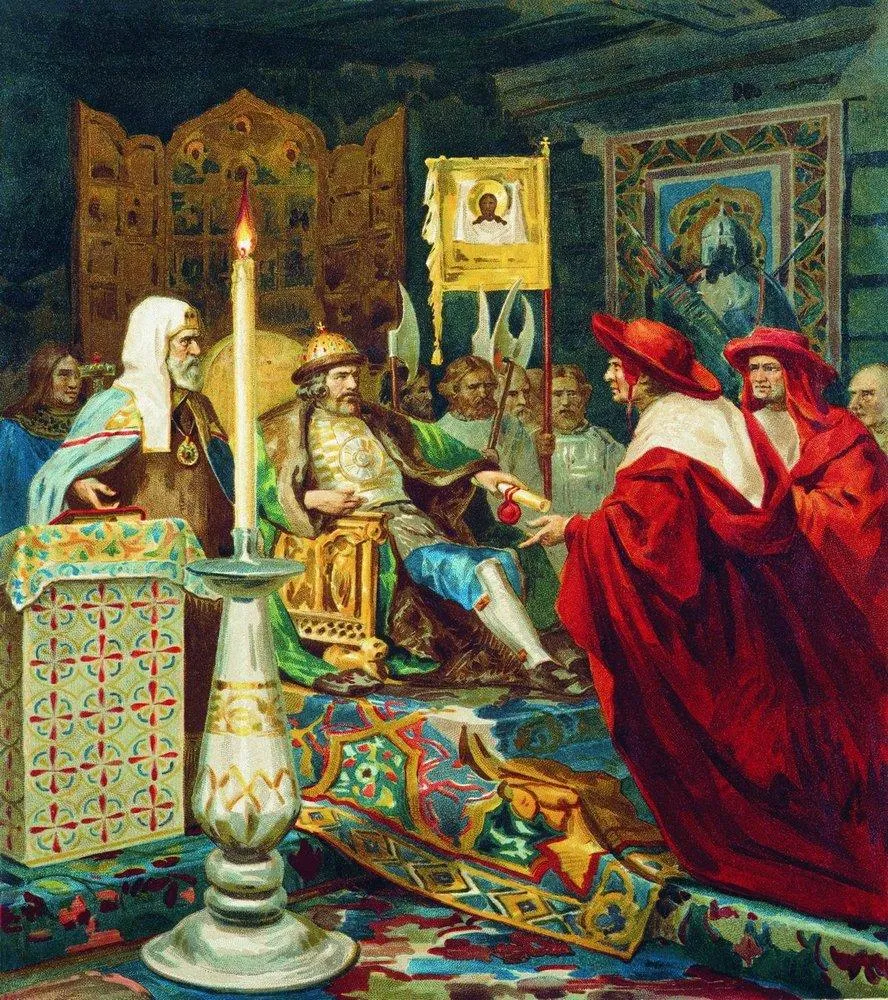
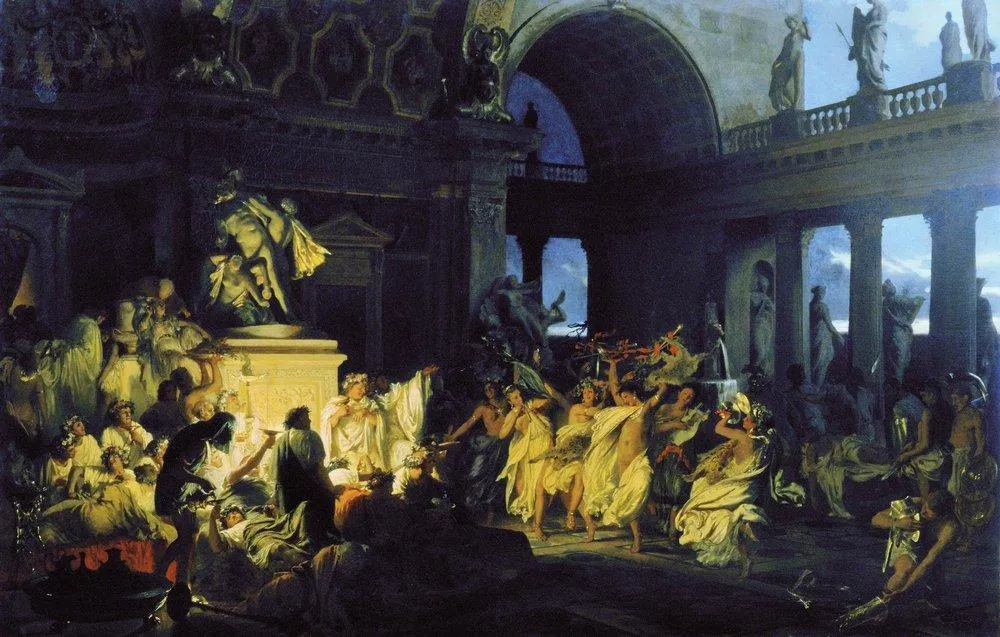
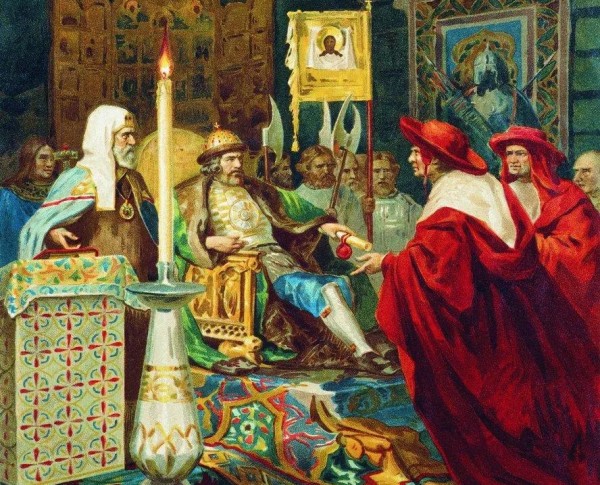
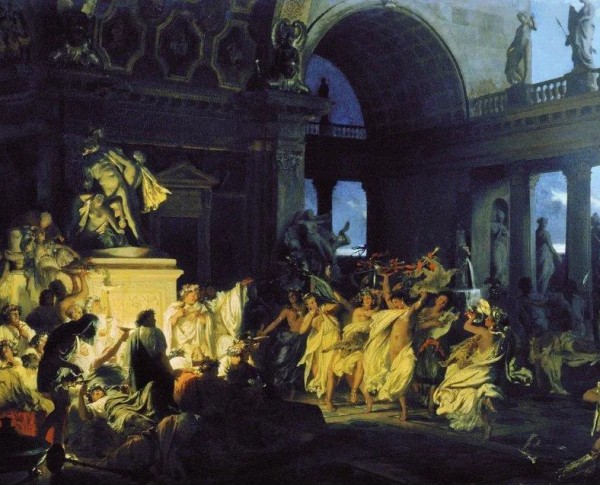
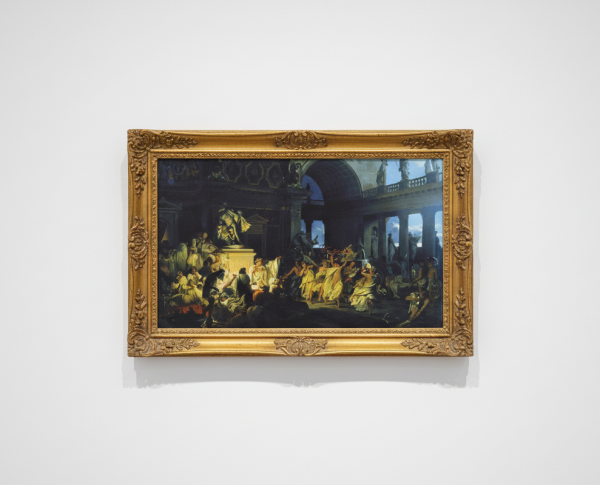
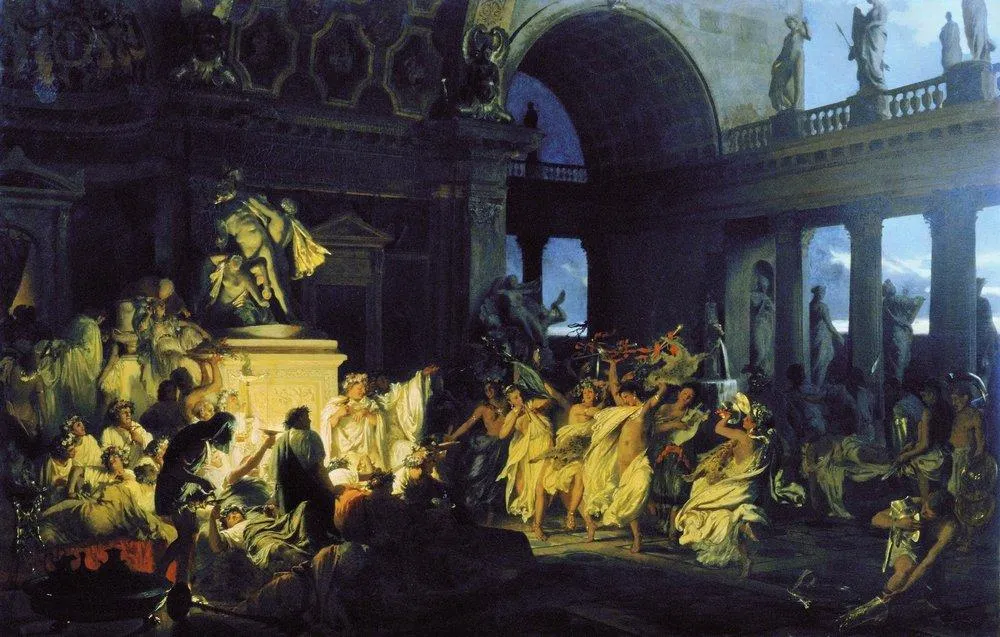
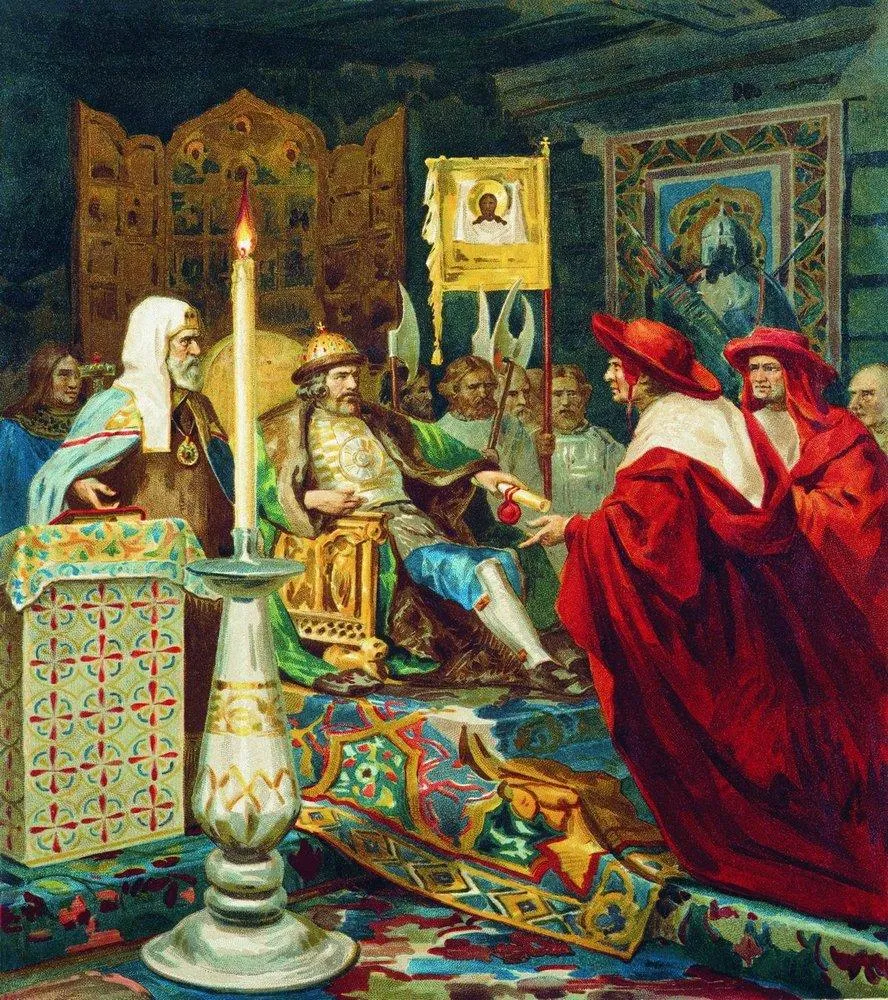
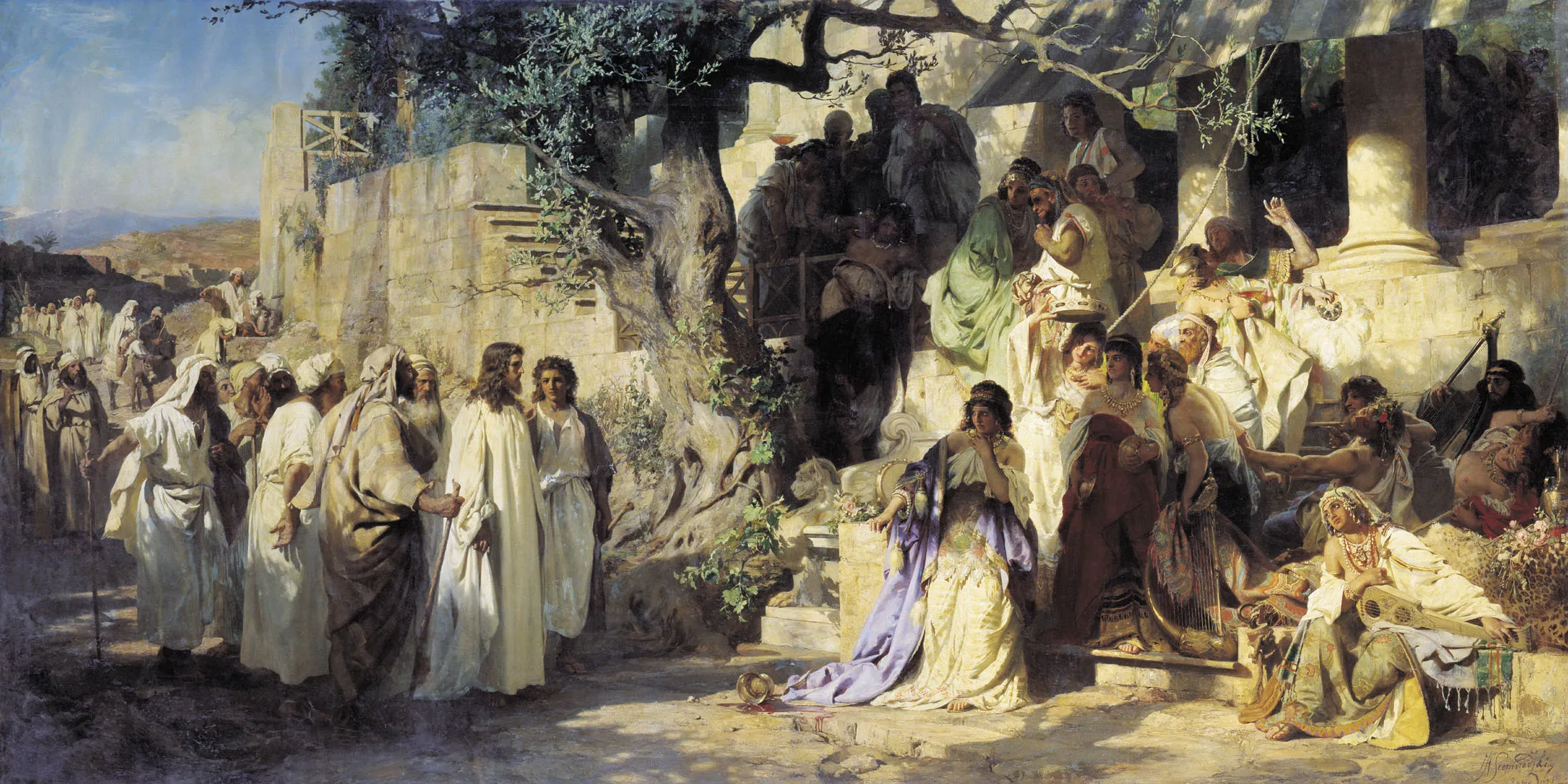
Siemiradzki’s "Roman Orgy in the Time of Caesars" showcases his technical prowess and mastery of oil on canvas. Each brushstroke brings to life the lavish scenes and intricate costumes typical of the Academic Art movement. The artist’s ability to render light and texture elevates this painting above mere historical depictions, making it a prime example for those seeking a fine art painting for sale. Complement your appreciation with other works like "Prince Alexander Nevsky Receiving Papal Legates."
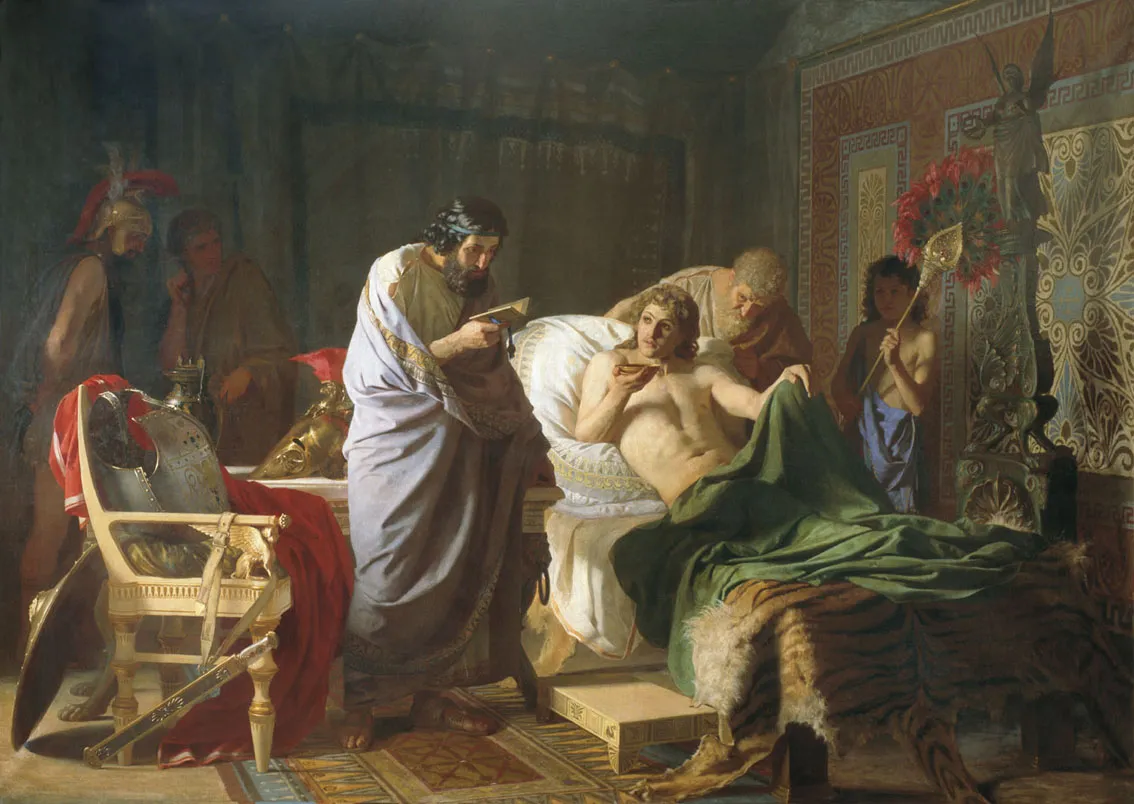
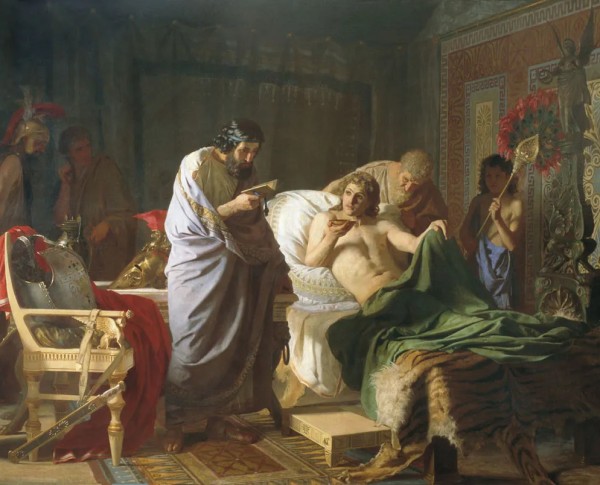
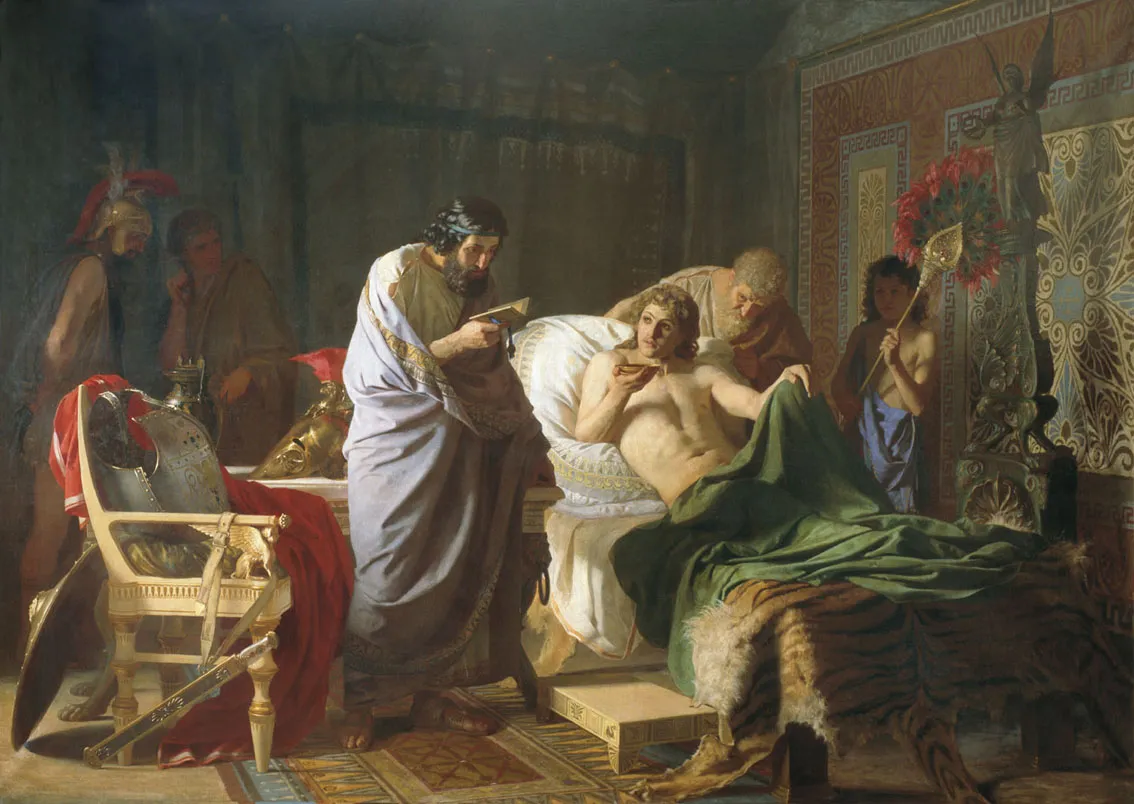
Within "Roman Orgy in the Time of Caesars," Henryk Siemiradzki weaves stories of ancient revelry and symbolism using the rich medium of oil on canvas. The painting invites viewers to decode its layered narratives, from the gestures of the figures to the luxurious surroundings. As an exemplary piece of the Academic Art movement, it stands alongside related products like "Alexander of Macedon Trust's the Doctor Philip," making it a compelling addition for enthusiasts of hand-painted oil paintings.
For art collectors, "Roman Orgy in the Time of Caesars" by Henryk Siemiradzki represents a rare fine art painting for sale from the esteemed Academic Art movement. Its grandeur, historical significance, and artistic excellence make it a centerpiece in any curated collection. Pairing this masterpiece with related products such as "Prince Alexander Nevsky Receiving Papal Legates" and "Alexander of Macedon Trust's the Doctor Philip" allows collectors to celebrate the enduring legacy of Academic Art.
When Art Meets History
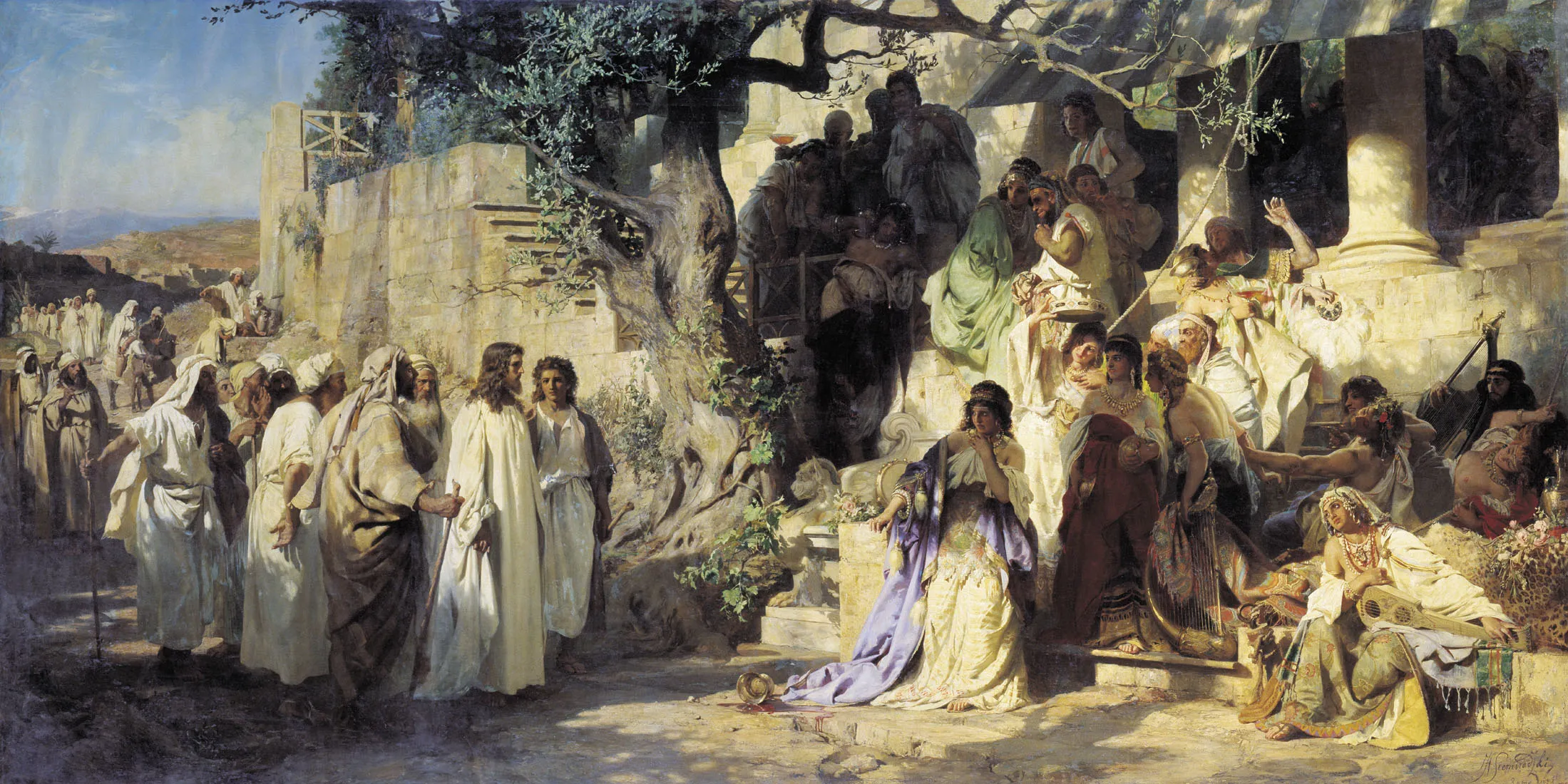
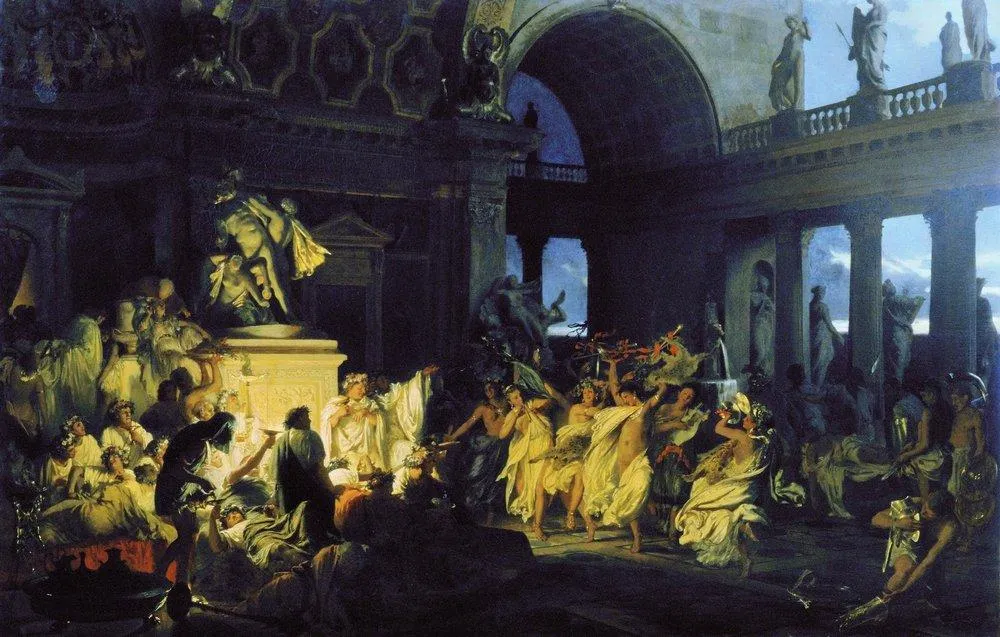
"Roman Orgy in the Time of Caesars" by Henryk Siemiradzki is an exquisite hand-painted oil painting that captures the grandeur and decadence of ancient Rome. As a masterwork of the Academic Art movement, this piece immerses viewers in a historical spectacle, much like Siemiradzki's other works such as "The Vision" and "Legend of the 14th Century." The artist’s attention to detail and historical accuracy make this painting a true treasure for admirers of classical art.
Techniques That Speak
Siemiradzki’s "Roman Orgy in the Time of Caesars" showcases his mastery of oil on canvas, evident in the lush textures and brilliant interplay of light and shadow. This technique, characteristic of the Academic Art movement, gives the scene a vivid sense of realism. Similar technical prowess can be seen in related paintings like "Crystal vase" and "Portrait Of The Painter's Wife. Henriette Knaus, née Hoffmann," demonstrating the artist’s remarkable skill and attention to intricate details.
Emotions on Display
The emotional intensity in "Roman Orgy in the Time of Caesars" is palpable, with each figure’s expression and posture conveying the revelry and drama of the era. This fine art painting for sale invites viewers to experience the passions and extravagance of ancient Rome. Siemiradzki, much like in his "On lake Brienz" or "Little girl with dachshund puppy," brings human emotion to the forefront, making each character relatable and the scene unforgettable.
Coveted by Collectors
Collectors worldwide seek out "Roman Orgy in the Time of Caesars" for its historical depth and artistic excellence. As a hallmark of the Academic Art movement, this hand-painted oil painting by Henryk Siemiradzki stands alongside masterpieces like "The Vision" and "Legend of the 14th Century." Its enduring appeal and technical brilliance ensure it remains a highly desirable piece, perfect for those searching for a prestigious fine art painting for sale to enhance their collection.
Related Academic Art Hand-Painted Oil Paintings by Other Artists
Other Famous Academic Art Artists:
Frequently Asked Questions About Roman Orgy in the Time of Caesars
What historical period does "Roman Orgy in the Time of Caesars" depict?
This painting represents the height of the Roman Empire, specifically during the reign of the Caesars, a time characterized by opulence, decadence, and complex social hierarchies.
Who is the artist of "Roman Orgy in the Time of Caesars" and what is his significance?
Henryk Siemiradzki was a Polish painter known for his historical and mythological scenes. His works often explore themes of antiquity and are significant for their detailed representation of classical subjects.
What themes are explored in this painting?
The painting explores themes of excess, indulgence, and the moral decay associated with power and wealth in ancient Rome, reflecting the societal dynamics of the time.
What artistic techniques did Siemiradzki employ in this work?
Siemiradzki utilized a combination of realism and dramatic lighting, along with meticulous attention to detail, to create a vivid and immersive depiction of the scene.
How does the composition of the painting enhance its narrative?
The composition is dynamic, with figures arranged in a circular formation that draws the viewer's eye into the center of the orgy, emphasizing the chaotic and hedonistic atmosphere of the gathering.
What symbols can be found in "Roman Orgy in the Time of Caesars"?
Symbols such as wine, fruits, and luxurious fabrics represent abundance and pleasure, while the presence of reclining figures suggests a sense of leisure and excess typical of Roman feasts.
How does this painting reflect the social structure of ancient Rome?
The painting illustrates the stratification of Roman society, showcasing the elite's indulgence while hinting at the underlying tensions and moral implications of such excess.
What influence did the Renaissance have on Siemiradzki's work?
Siemiradzki was influenced by the Renaissance in his use of classical themes, humanistic portrayal of figures, and an emphasis on beauty and idealism, all of which are evident in this painting.
In what ways does "Roman Orgy in the Time of Caesars" reflect the artist's cultural background?
As a Polish artist, Siemiradzki's work reflects a fascination with classical antiquity, which was a significant aspect of European artistic culture during the 19th century, showcasing a blend of national pride and universal themes.
What is the significance of the title "Roman Orgy in the Time of Caesars"?
The title emphasizes both the historical context and the central theme of indulgence, suggesting a critical view of the excesses of power during a pivotal era in Roman history.























_GFM_Painting_(1).webp)


 100% Hand-Painted: Finished in 3-6 Weeks

.png)















_(1).webp)