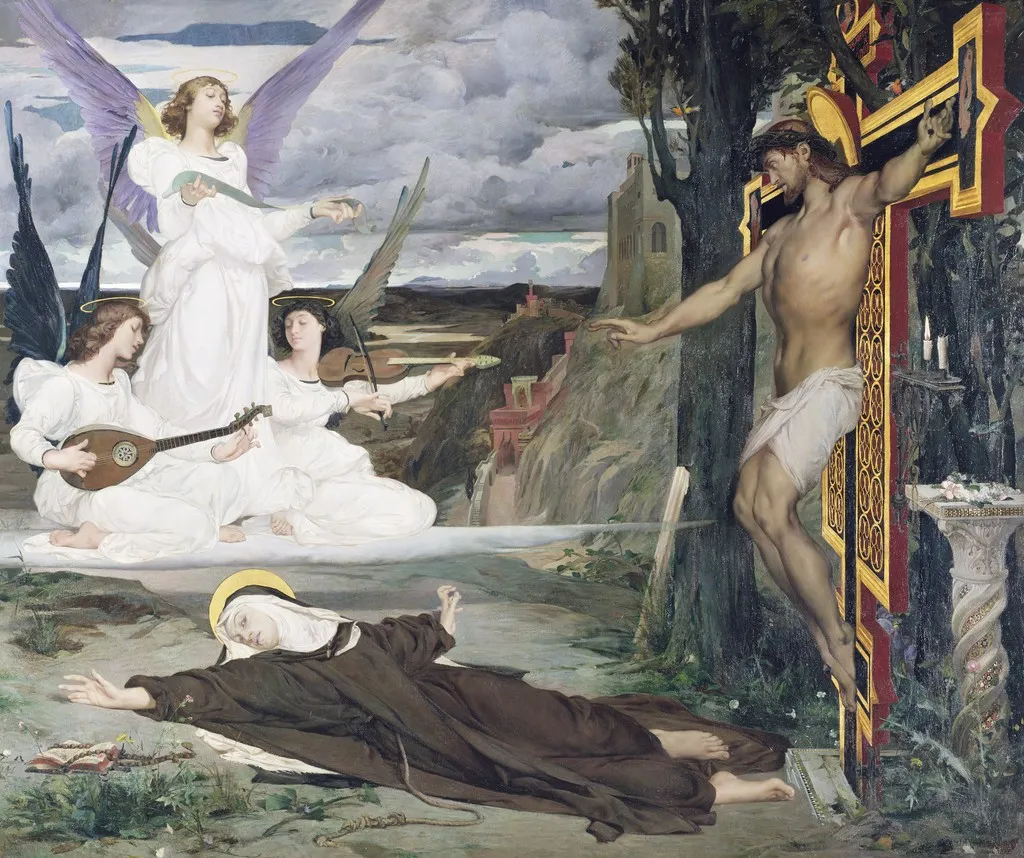
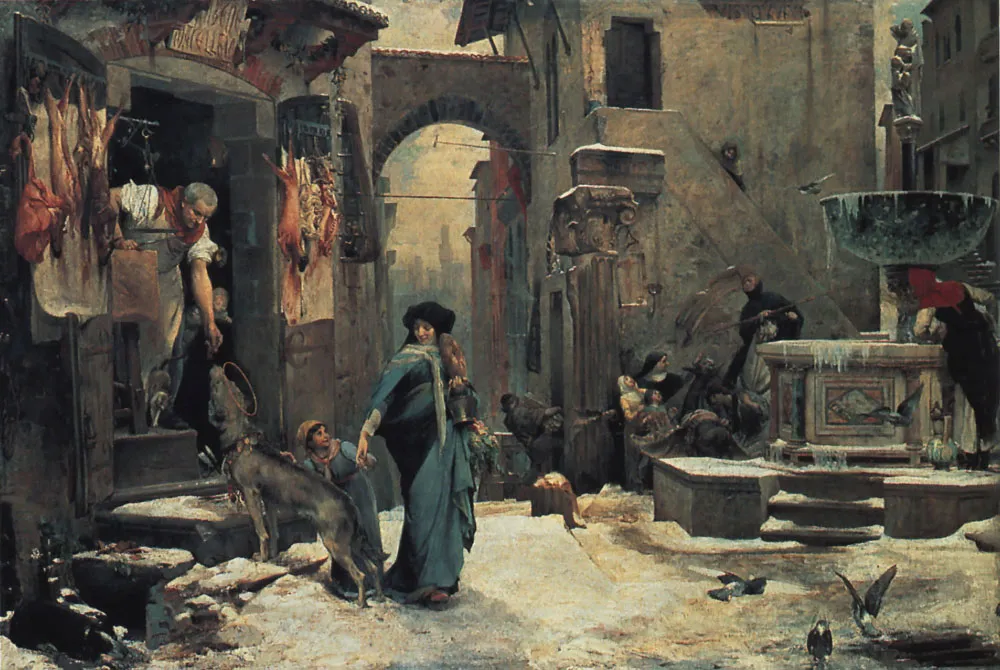
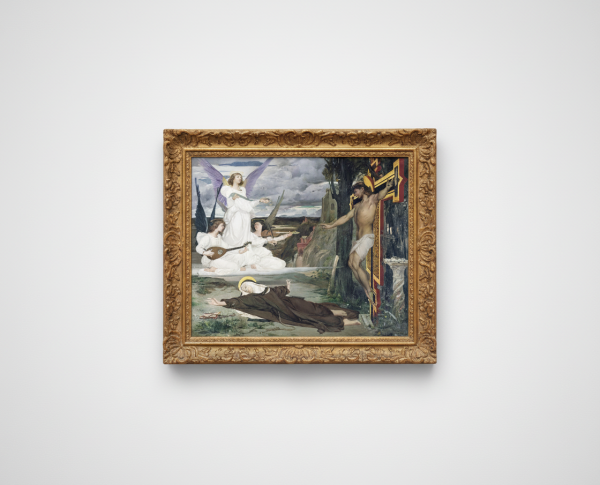
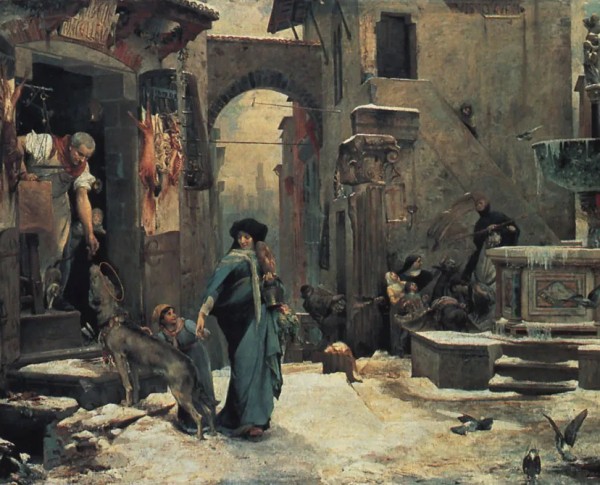
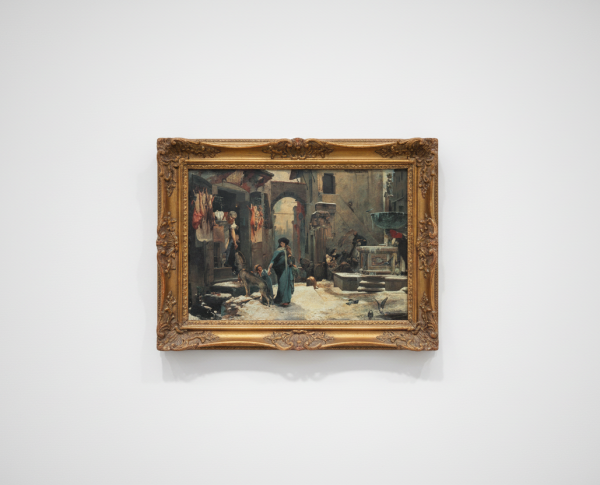
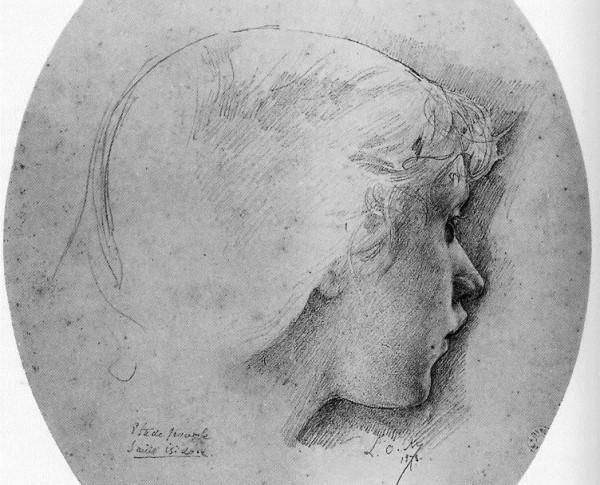
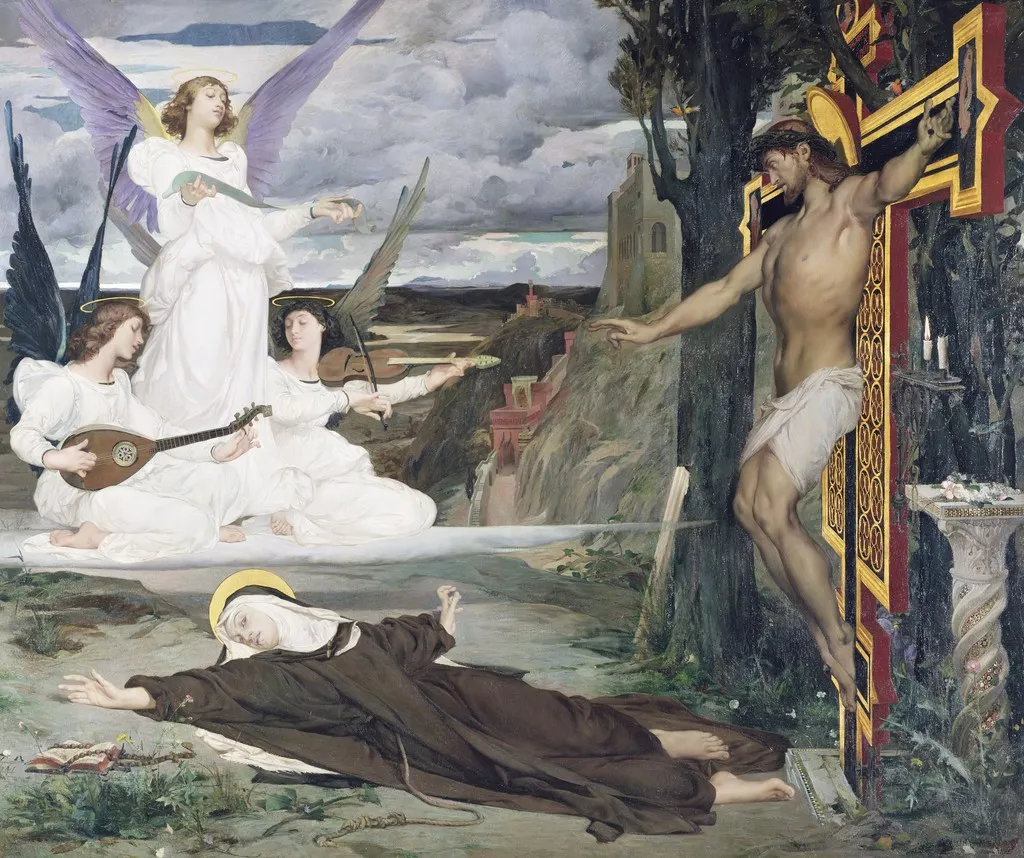
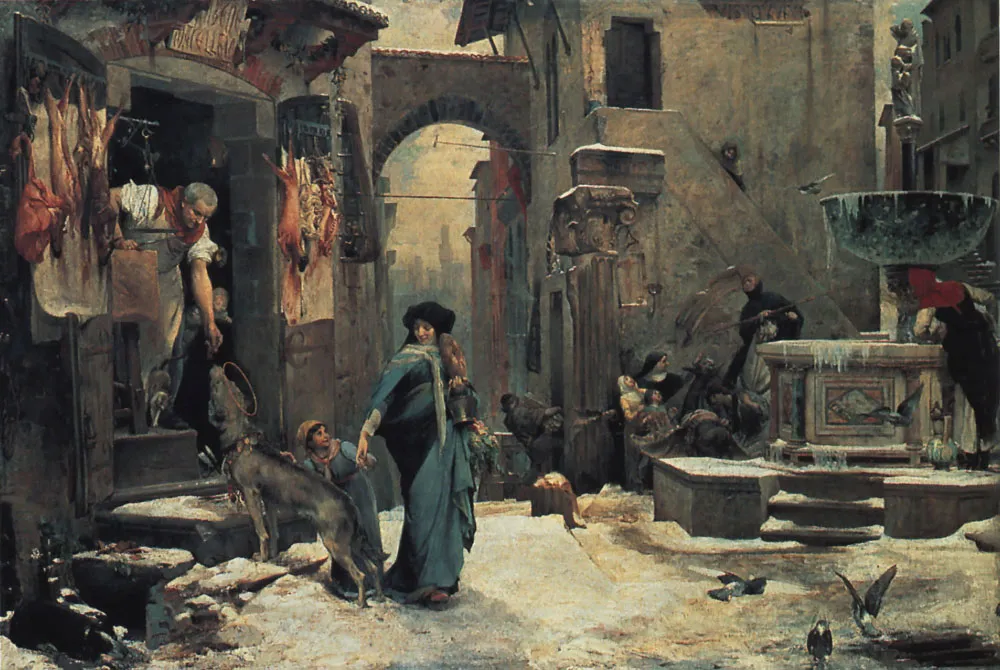
Luc-Olivier Merson’s "The Vision, Legend of the 14th Century" demonstrates unparalleled skill with oil on canvas, a medium that brings depth and vibrancy to his evocative scenes. The Academic Art movement prized precision and beauty, qualities that radiate from every detail in this painting. Art enthusiasts searching for works like "Christ in Majesty in Basilique du Sacré-Cœur de Montmartre" will appreciate Merson’s meticulous craftsmanship and attention to historical authenticity.
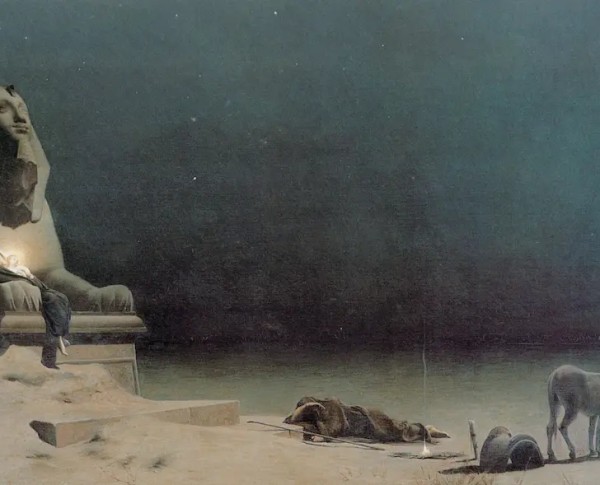
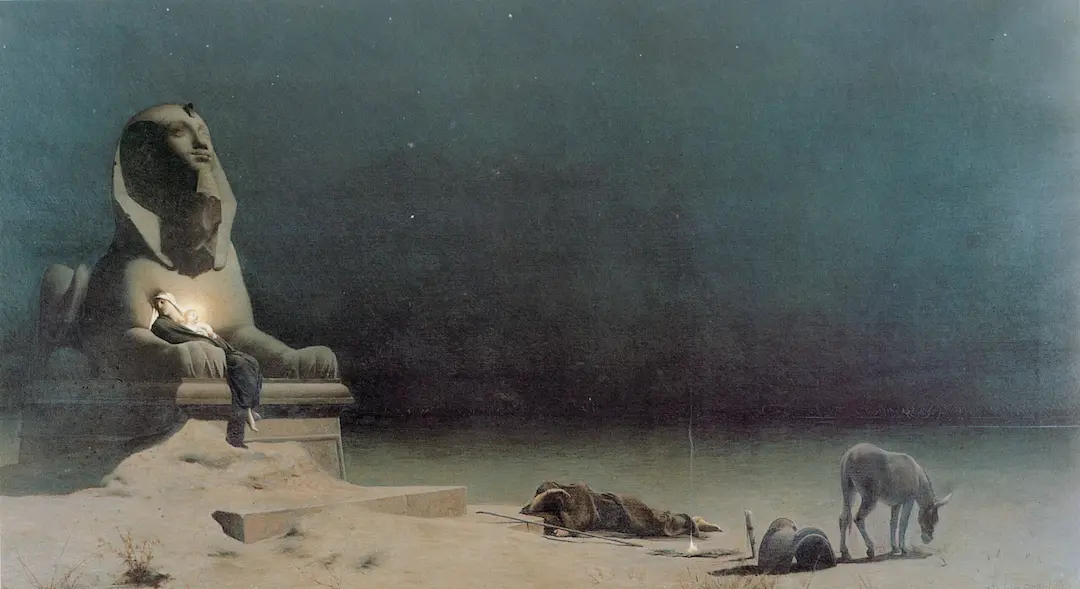
In "The Vision, Legend of the 14th Century," Luc-Olivier Merson weaves intricate stories and symbols into a fine art painting for sale that captivates the imagination. Academic Art is renowned for its narrative depth, and this piece is no exception—each figure and background element hints at deeper meanings. For those interested in allegorical art, related works such as "Rest on the Flight into Egypt" offer further insight into Merson’s storytelling prowess.
Owning "The Vision, Legend of the 14th Century" by Luc-Olivier Merson is more than acquiring a beautiful hand-painted oil painting; it’s embracing a piece of Academic Art history. As demand grows for authentic oil on canvas works, collectors seek out treasures like this alongside related products. This masterpiece is a testament to Merson’s legacy and a distinguished addition to any fine art collection.
When Art Meets History
"The Vision, Legend of the 14th Century" by Luc-Olivier Merson is a masterful hand-painted oil painting that seamlessly blends historical events with artistic imagination. Created during the flourishing Academic Art movement, this piece reflects Merson's fascination with the legends and stories of the medieval era. Like his other works such as "Le Goût" and "Vercingetorix throws down his arms at the feet of Julius Caesar," Merson’s painting invites viewers to experience history through the lens of fine art.
Techniques That Speak
Rendered in oil on canvas, "The Vision, Legend of the 14th Century" showcases Luc-Olivier Merson’s technical brilliance, a hallmark of Academic Art. The meticulous brushwork and layered textures create a mesmerizing depth, highlighting the artist’s dedication to realism. This painting stands alongside his other celebrated works, including "Mud Pies" and "The Truant," as exemplary demonstrations of the detailed techniques that defined the era's masterpieces.
Emotions on Display
In "The Vision, Legend of the 14th Century," Luc-Olivier Merson uses expressive figures and evocative lighting to convey deep emotion, a signature trait of Academic Art. The painting’s somber mood and dramatic storytelling resonate with viewers, much like the emotional impact found in "Vercingetorix Throwing down His Weapons at the feet of Julius Caesar." This fine art painting for sale is a testament to Merson’s ability to capture the human spirit in moments of legend and myth.
Coveted by Collectors
"The Vision, Legend of the 14th Century" remains highly sought after by art collectors and enthusiasts who admire hand-painted oil paintings from the Academic Art movement. Luc-Olivier Merson’s works, including "Le Goût" and "The Truant," are prized for their historical significance and exquisite craftsmanship. Owning such a painting is not just acquiring a piece of art, but also a timeless connection to the storied past and the artist’s extraordinary legacy.
Related Academic Art Hand-Painted Oil Paintings by Other Artists
Other Famous Academic Art Artists:
Frequently Asked Questions About The Vision, Legend of the 14th Century
What historical event does "The Vision, Legend of the 14th Century" depict?
This painting illustrates the significant events and cultural shifts of the 14th century, particularly focusing on the interplay between legend and reality during a time of great upheaval in Europe.
Who is the central figure in the painting, and what does he represent?
The central figure is often interpreted as a visionary leader or saint, symbolizing hope and guidance amidst the chaos of the 14th century, reflecting the era's spiritual and social struggles.
What artistic techniques did Luc-Olivier Merson employ in this work?
Merson utilized a combination of dramatic lighting, rich color palettes, and intricate detailing to evoke emotion and draw the viewer into the narrative of the painting.
How does the composition of the painting enhance its narrative?
The composition is carefully structured to lead the viewer's eye through the scene, creating a dynamic flow that emphasizes the tension and resolution within the depicted legend.
What symbols are present in "The Vision, Legend of the 14th Century"?
Common symbols include light representing divine inspiration, figures in prayer signifying faith, and various objects that reflect the cultural and historical context of the 14th century.
In what ways does the painting reflect the artistic movements of its time?
The painting embodies elements of Romanticism, particularly in its emotional depth and focus on individual experience, while also incorporating neoclassical influences in its formality and composition.
What role does color play in the overall impact of the painting?
Color is used strategically to evoke specific emotions and highlight important elements within the narrative, with warm tones suggesting hope and cooler shades conveying somber reflections on the past.
How does "The Vision, Legend of the 14th Century" compare to other works by Luc-Olivier Merson?
This painting showcases Merson's characteristic style, marked by intricate detail and historical themes, while also pushing the boundaries of narrative depth compared to his earlier works.
What historical influences can be seen in the characters and settings depicted?
The characters and settings are influenced by medieval European culture, reflecting the societal norms, religious beliefs, and historical figures that shaped the 14th century.
What message or themes does Merson convey through this painting?
Merson conveys themes of resilience, faith, and the search for truth, encouraging viewers to reflect on the lessons of history and the enduring human spirit in the face of adversity.






















_GFM_Painting_(1).webp)


 100% Hand-Painted: Finished in 3-6 Weeks

.png)















_(1).webp)