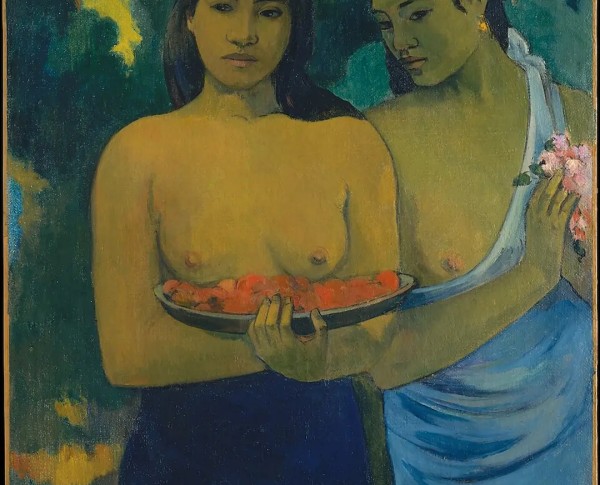
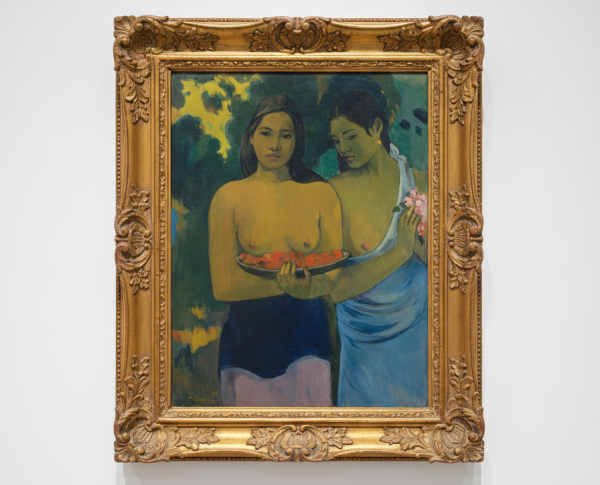
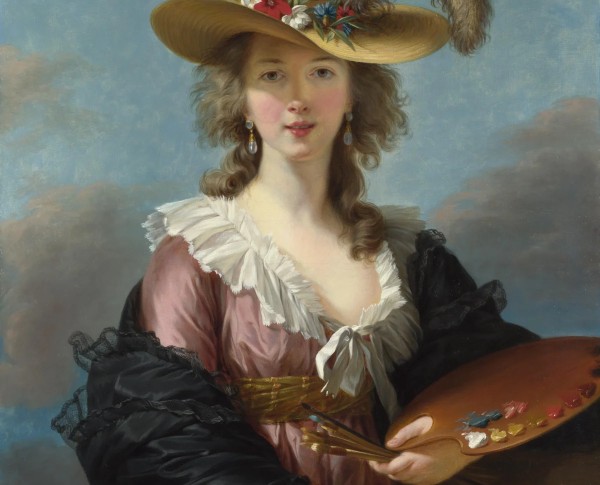
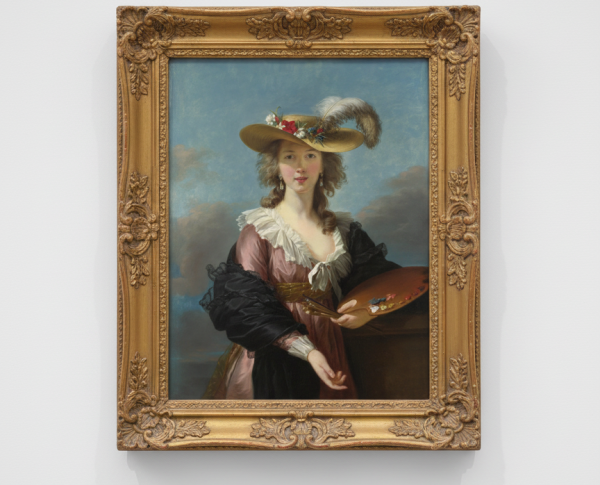
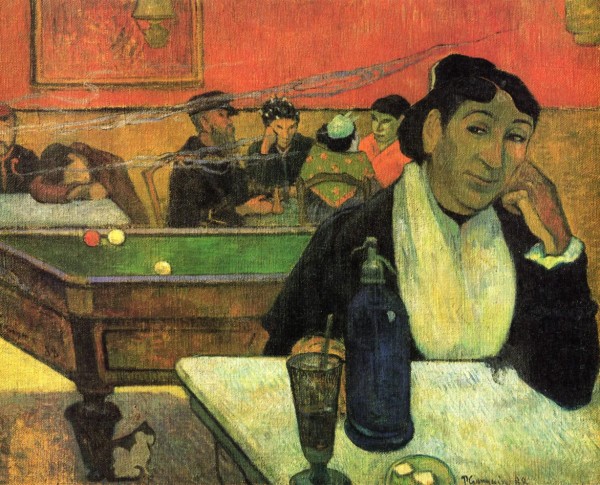
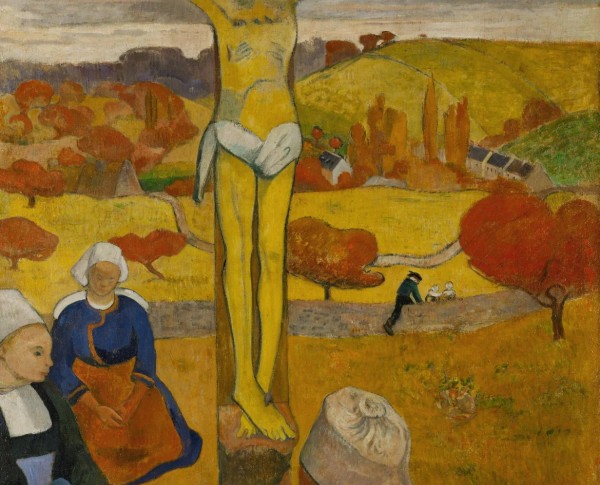
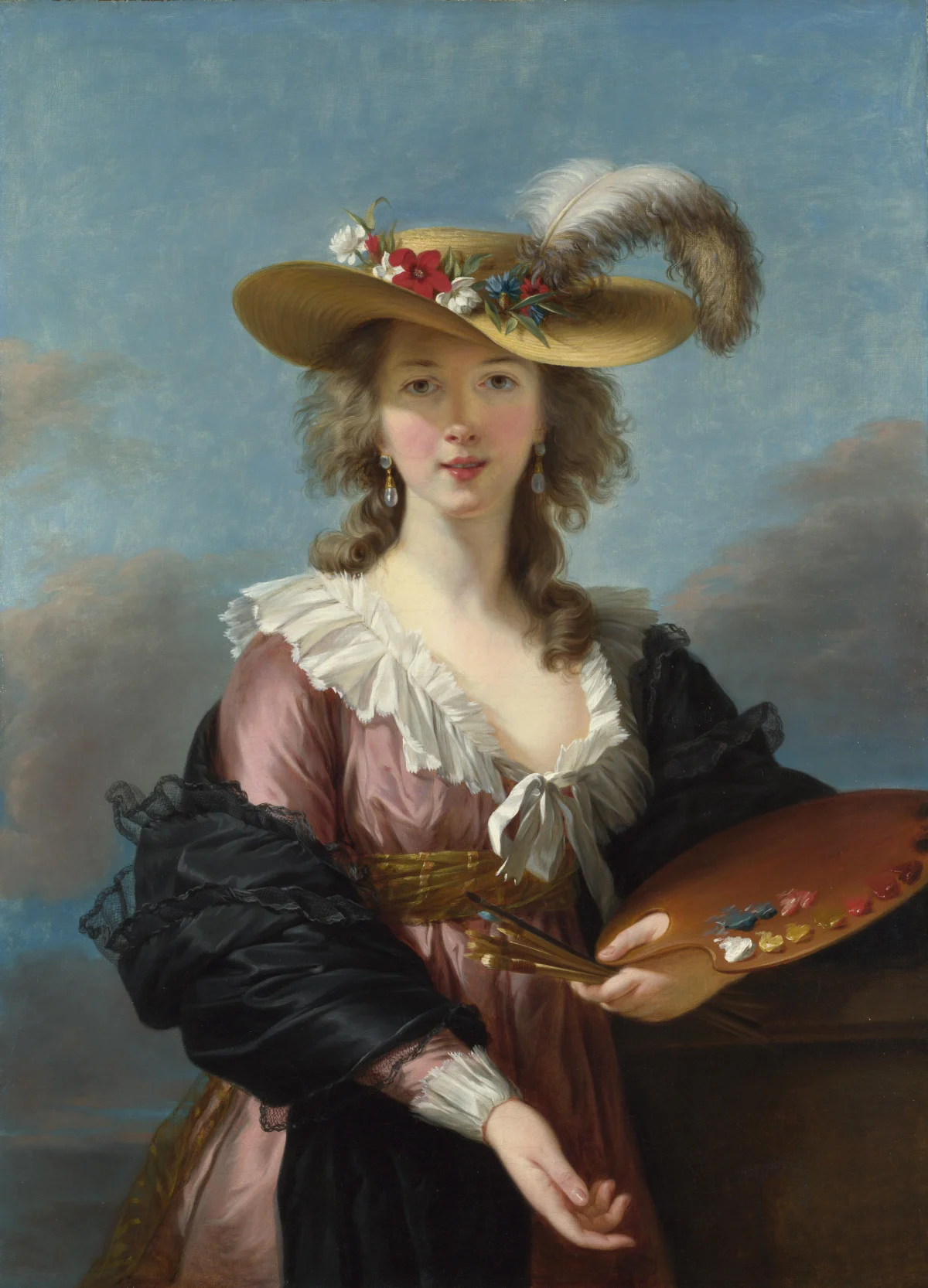
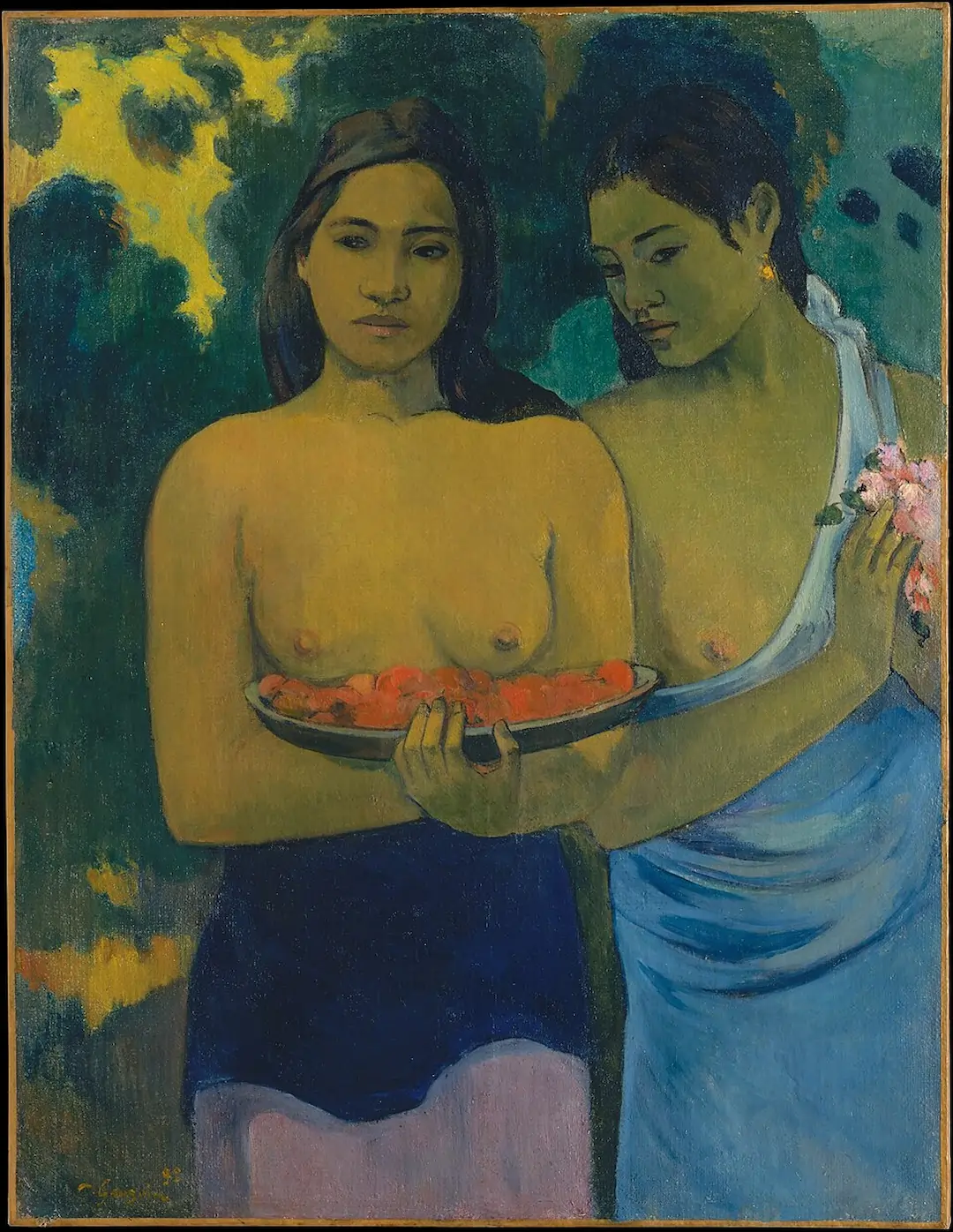
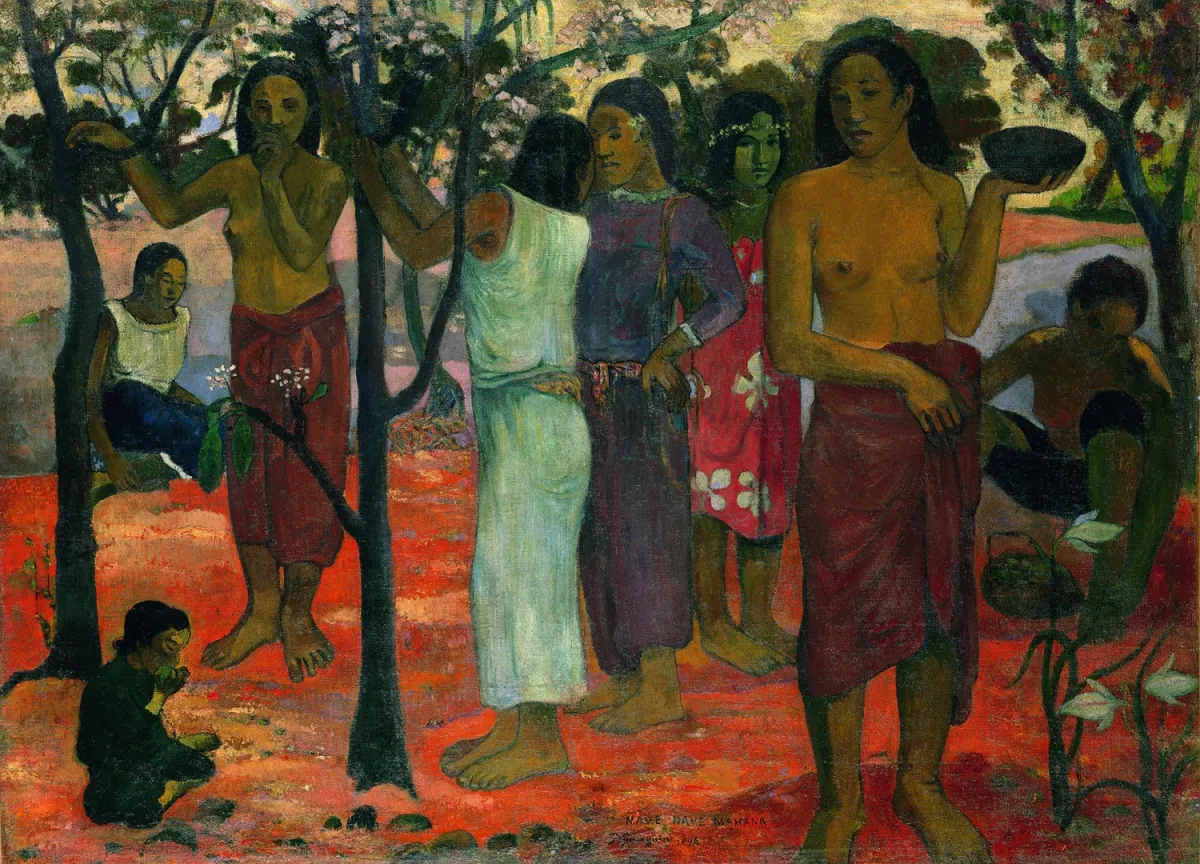
The "Self-portrait with Hat" by Paul Gauguin showcases the artist’s expertise in oil on canvas, a medium favored by many Post-Impressionist painters. Gauguin’s brushwork demonstrates a confident command of texture and color, bringing his introspective vision to life. Those interested in fine art painting for sale will appreciate how this piece, like "Tahitian Women on the Beach" and "Nave Nave Mahana," exemplifies the movement’s breakthrough techniques and enduring allure for modern audiences.
In "Self-portrait with Hat," Paul Gauguin weaves personal stories and enigmatic symbols throughout the composition. This hand-painted oil painting invites viewers to interpret the artist’s mindset during a transformative period in his career. Post-Impressionism’s emphasis on emotion and symbolism is evident, much like in "Ia Orana Maria" and "The Royal End." Gauguin’s self-portrait remains a compelling subject for collectors and enthusiasts seeking deeper meaning in their art collections.
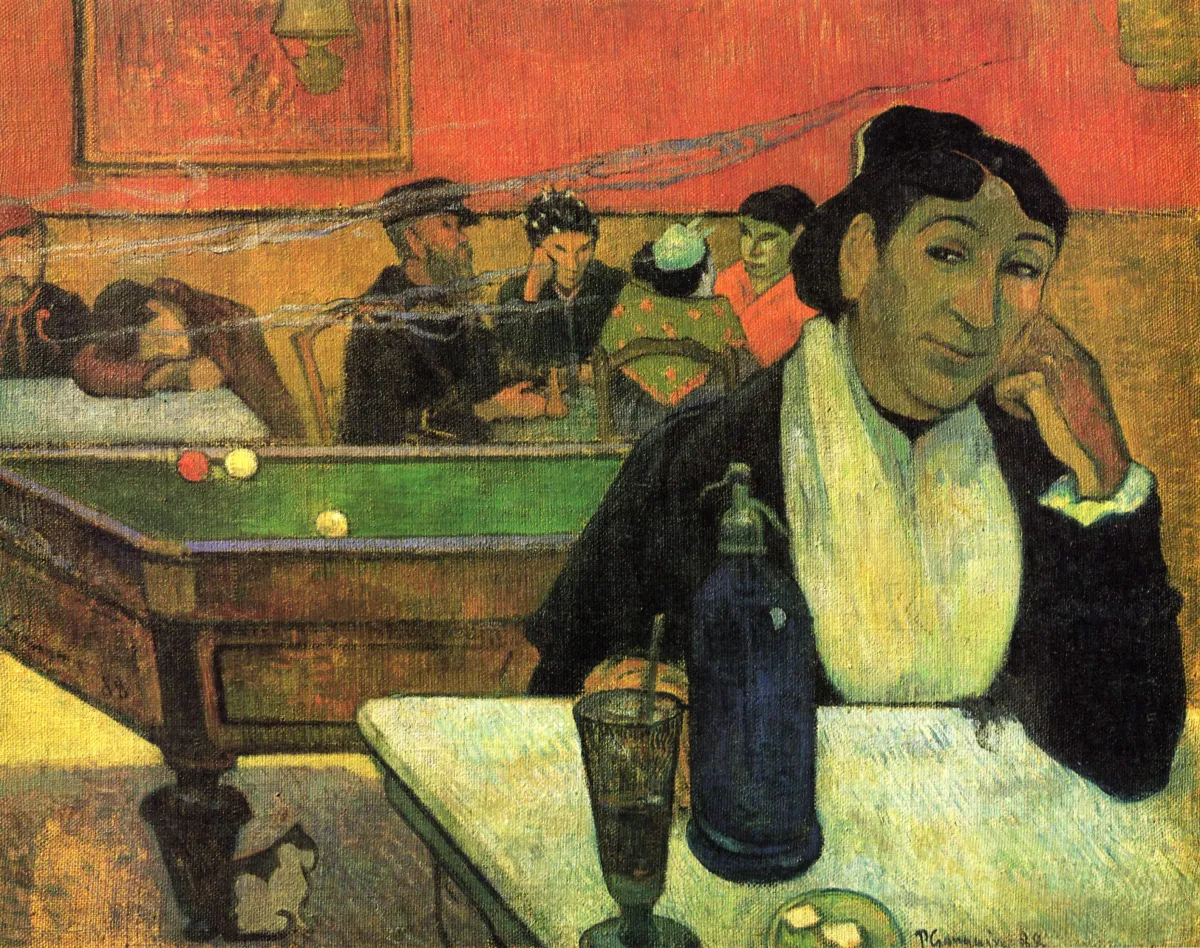
For those seeking a fine art painting for sale, "Self-portrait with Hat" by Paul Gauguin represents a prized addition to any collection. This oil on canvas masterpiece is celebrated for its historical significance within the Post-Impressionism movement. Collectors often pair it with related works such as "The Night Café in Arles" and "Tahitian Women on the Beach" to create a cohesive and distinguished gallery. Gauguin’s legacy endures through these captivating works of art.
When Art Meets History
"Self-portrait with hat" by Paul Gauguin stands as a remarkable example of Post-Impressionism, a movement that redefined artistic boundaries in the late 19th century. This hand-painted oil painting not only captures Gauguin's introspective gaze but also reflects the era's quest for personal expression. Like related paintings such as "The Potato Eaters" and "Peach Trees in Blossom," Gauguin’s work bridges history and innovation, making it a timeless piece for both art lovers and historians alike.
Techniques That Speak
Paul Gauguin’s "Self-portrait with hat" utilizes the vibrant brushwork characteristic of oil on canvas, a medium beloved by Post-Impressionist artists. Gauguin’s mastery is evident in his bold color choices and layered textures, techniques that inspired works like "A Sunday Afternoon on the Island of La Grande Jatte" and "Irises." This oil on canvas painting demonstrates how Gauguin and his contemporaries pushed the boundaries of traditional portraiture, creating pieces that continue to captivate audiences today.
Emotions on Display
In "Self-portrait with hat," Paul Gauguin conveys a profound sense of introspection and complexity, hallmarks of the Post-Impressionism movement. This fine art painting for sale invites viewers to explore the artist’s emotional landscape, much like "One Of The Family" and other related paintings. The thoughtful expression and subtle use of color evoke an intimate dialogue between the artist and the observer, making it a compelling addition to any art collection.
Coveted by Collectors
"Self-portrait with hat" by Paul Gauguin is highly sought after among collectors of hand-painted oil paintings. Its place in the Post-Impressionism movement, alongside masterpieces like "Peach Trees in Blossom" and "Irises," enhances its desirability. Collectors value the painting’s unique perspective and historical significance, recognizing it as a pivotal work in Gauguin’s oeuvre. Owning such a piece means possessing a chapter of art history and a testament to enduring creative vision.
Related Post-Impressionism Hand-Painted Oil Paintings by Other Artists
Other Famous Post-Impressionism Artists:
Frequently Asked Questions About Self-portrait with hat
What year was "Self-portrait with hat" painted?
"Self-portrait with hat" was created in 1889, during Paul Gauguin's time in Pont-Aven, Brittany, France.
What artistic movement is Paul Gauguin associated with?
Paul Gauguin is primarily associated with Post-Impressionism, a movement that sought to express emotional and symbolic content through bold colors and simplified forms.
What are the main themes depicted in "Self-portrait with hat"?
The painting explores themes of identity, self-expression, and the artist's inner life, reflecting Gauguin's quest for personal and artistic authenticity.
What is the significance of the hat in the painting?
The hat serves as a symbol of Gauguin's artistic persona, representing both his individuality and his connection to the cultural influences of the time.
How does Gauguin's use of color contribute to the painting?
Gauguin's use of vibrant, non-naturalistic colors enhances the emotional intensity of the self-portrait, allowing viewers to engage with the artist's psychological state.
What techniques did Gauguin employ in "Self-portrait with hat"?
Gauguin utilized bold brushstrokes and flat areas of color, moving away from traditional techniques to create a more expressive and symbolic representation of himself.
In what ways does this painting reflect Gauguin's personal experiences?
The painting reflects Gauguin's struggles with identity and belonging, as he sought to reconcile his artistic ambitions with societal expectations and personal challenges.
How does "Self-portrait with hat" compare to other self-portraits by Gauguin?
This self-portrait is notable for its introspective quality and bold stylistic choices, distinguishing it from other works where Gauguin often depicted himself in more traditional or narrative contexts.
What influence did "Self-portrait with hat" have on future artists?
The painting has influenced numerous artists by showcasing the importance of personal expression and emotional depth in art, paving the way for modern self-portraiture.
Where is "Self-portrait with hat" currently housed?
The painting is part of the collection at the National Gallery of Art in Washington, D.C., where it is preserved and displayed for public viewing.






















_GFM_Painting_(1).webp)


 100% Hand-Painted: Finished in 3-6 Weeks

.png)















_(1).webp)