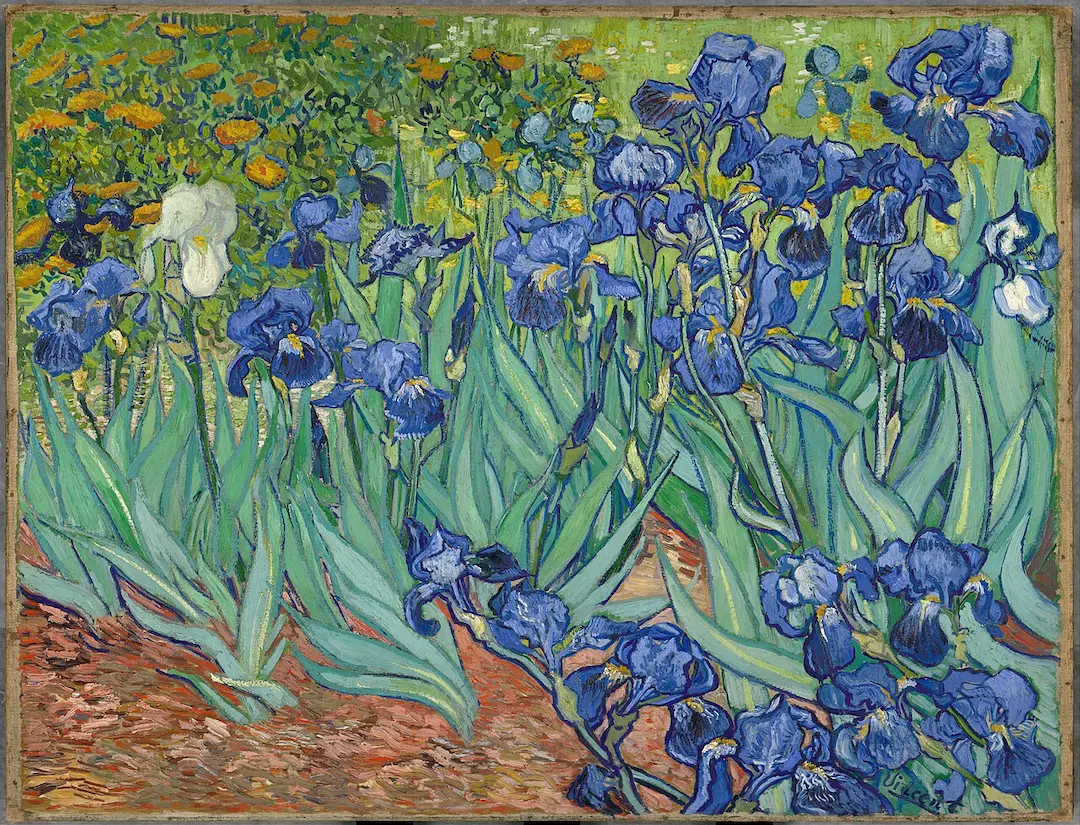
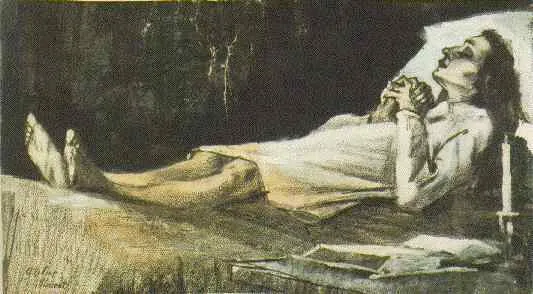
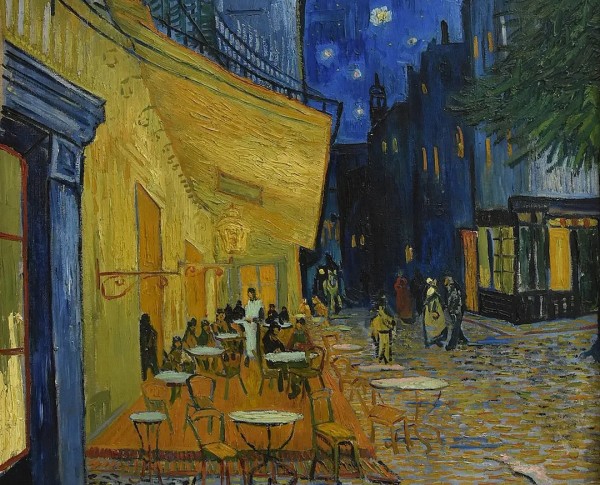
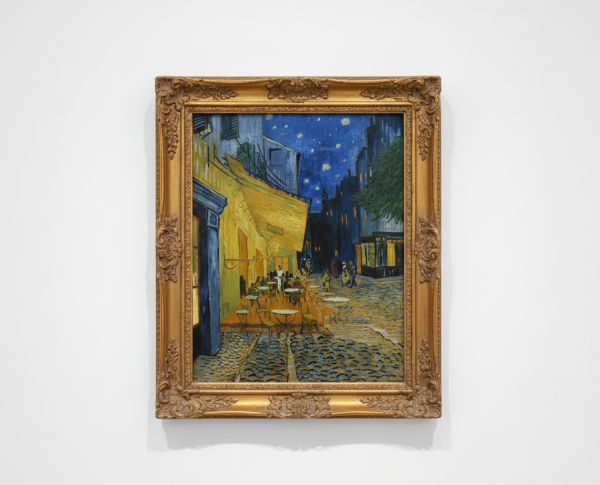
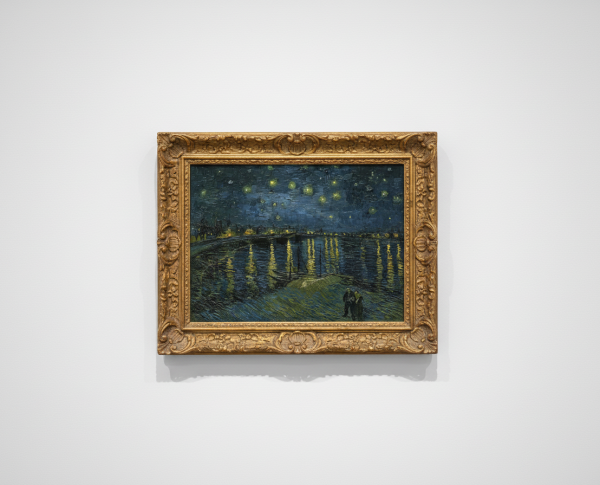
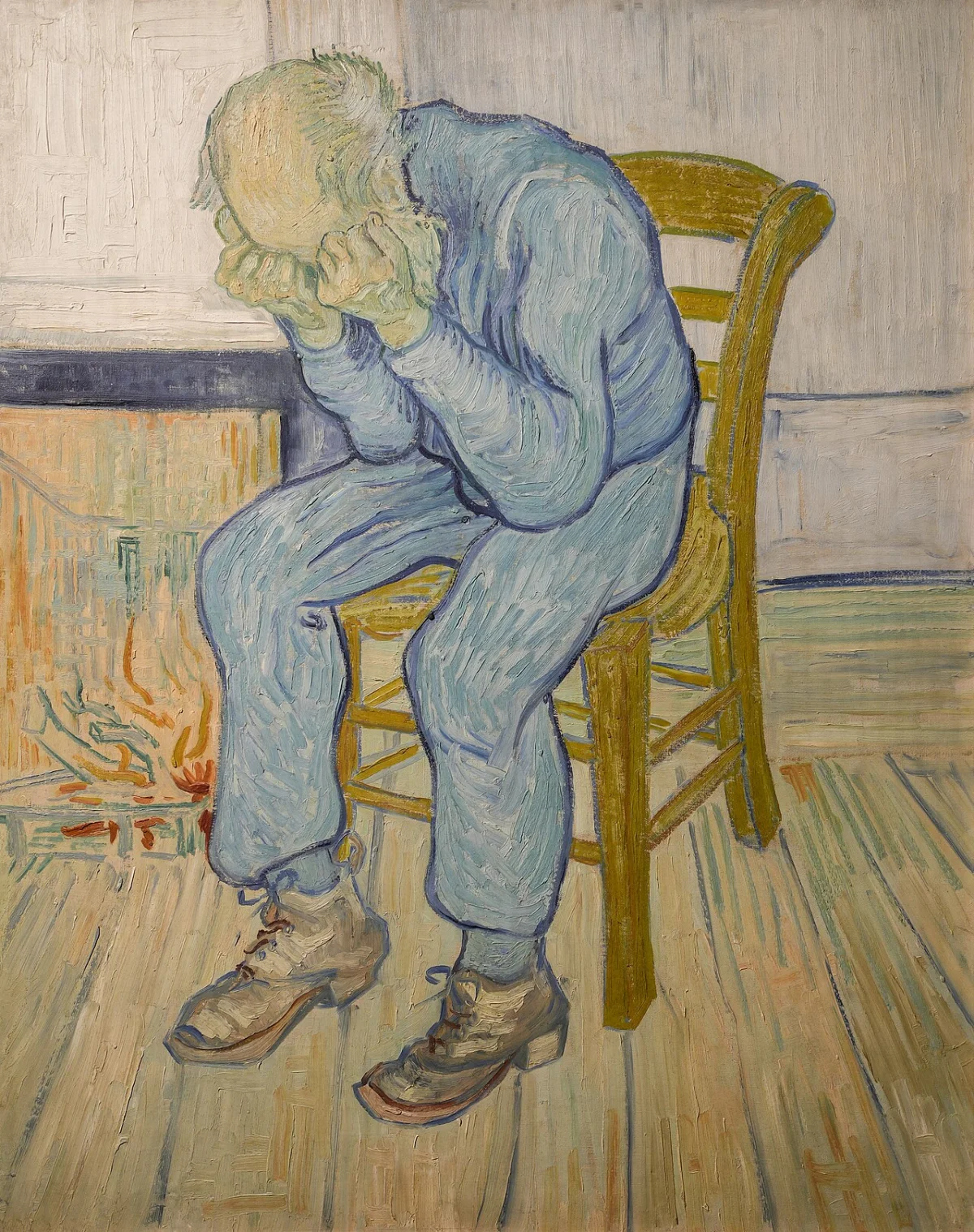
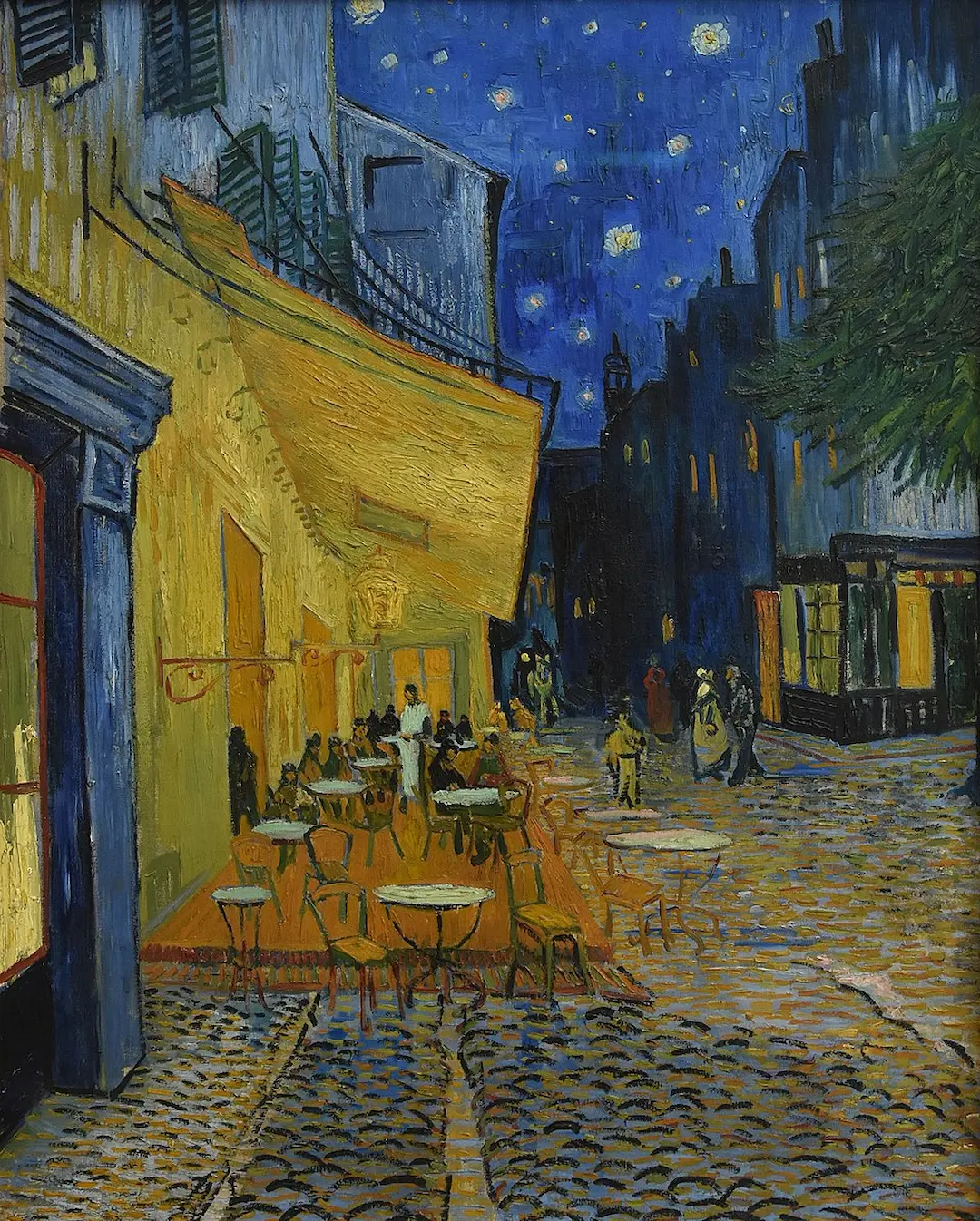
In "At Eternity's Gate," Van Gogh’s mastery of oil on canvas is unmistakable. His expressive brushwork and bold color choices reflect the essence of Post-Impressionism, inviting viewers into a world of raw emotion and introspection. Similar techniques can be seen in related works such as "Cafe Terrace on the Place du Forum" and "Skull With Burning Cigarette," showcasing the artist’s ability to evoke feeling through every stroke and shade in his remarkable paintings.
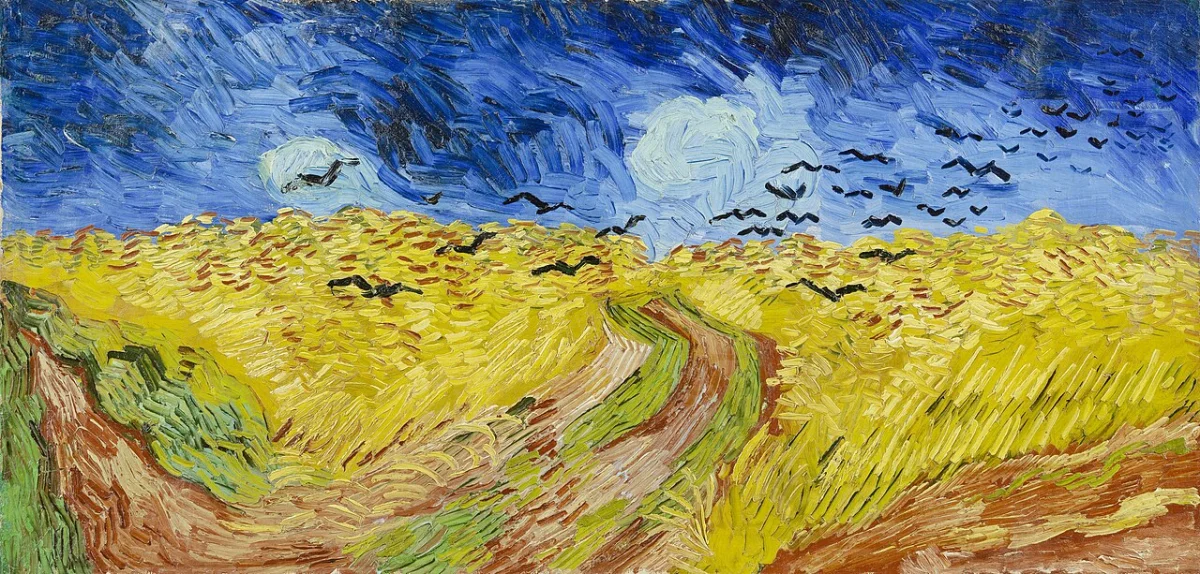
"At Eternity's Gate" is more than just a fine art painting for sale; it is a window into Van Gogh’s soul. The seated figure, shrouded in contemplation, speaks to universal themes of despair and hope. This symbolic narrative is echoed in other Van Gogh pieces like "Wheat Field Under Clouded Sky" and "Bridges Across The Seine At Asnieres," each offering a unique glimpse into the artist’s emotional landscape and the broader context of the Post-Impressionism movement.
Owning "At Eternity's Gate" by Vincent Van Gogh is a privilege for any fine art connoisseur. This hand-painted oil painting not only represents a pivotal moment in art history but also complements collections featuring other Van Gogh masterpieces such as "The Drinkers" and "Cafe Terrace on the Place du Forum." As a cherished artifact from the Post-Impressionism movement, it remains an exceptional choice for those seeking a meaningful fine art painting for sale.
When Art Meets History
"At Eternity's Gate" by Vincent Van Gogh is a striking example from the Post-Impressionism movement, created during a turbulent period in the artist's life. This hand-painted oil painting captures the spirit of its era, offering insight into Van Gogh's emotional state and artistic evolution. Alongside related works like "Vase of Flowers" and "Self-portrait with hat," this piece stands as a testament to the enduring influence of fine art painting for sale in the late 19th century.
Techniques That Speak
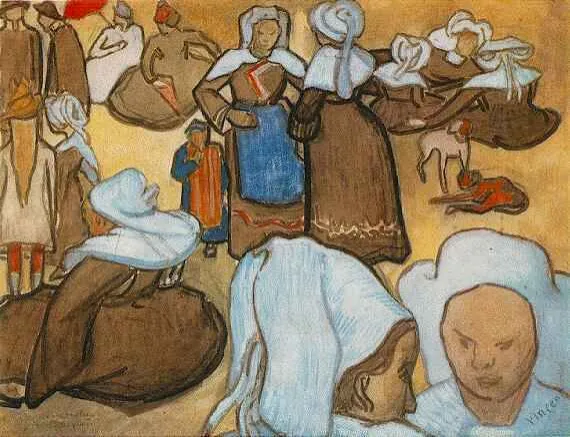
Van Gogh's mastery of oil on canvas is evident in "At Eternity's Gate," where vibrant brushstrokes and bold colors convey deep emotion. The texture and layering techniques used here are hallmarks of the Post-Impressionism movement, setting this work apart from contemporaries. Similar approaches can be seen in related paintings such as "One Of The Family" and "The Seine at Courbevoie," all demonstrating the expressive power of a hand-painted oil painting by a true master.
Emotions on Display
"At Eternity's Gate" reveals Van Gogh's profound sense of empathy and inner turmoil, themes that resonate throughout his oeuvre and the Post-Impressionism movement. The subject's posture and the painting's color palette evoke a strong emotional response, inviting viewers to reflect on human vulnerability. This fine art painting for sale, like "Nave Nave Mahana" and "Self-portrait with hat," captures the raw intensity that defines Van Gogh's most celebrated works.
Coveted by Collectors
Collectors worldwide seek out "At Eternity's Gate" for its historical significance and exceptional technique, making it a prized oil on canvas masterpiece. Vincent Van Gogh's legacy, along with other Post-Impressionist gems like "Vase of Flowers" and "The Seine at Courbevoie," continues to inspire admiration and demand. Owning such a hand-painted oil painting connects collectors to the rich artistic heritage that Van Gogh and his contemporaries helped to shape.
Related Post-Impressionism Hand-Painted Oil Paintings by Other Artists
Other Famous Post-Impressionism Artists:
Frequently Asked Questions About At Eternity's Gate
What is the historical context of "At Eternity's Gate"?
"At Eternity's Gate" was painted by Vincent Van Gogh in 1890, during a tumultuous period in his life marked by mental health struggles and a search for solace in art. This painting reflects his emotional state and the existential themes he grappled with during his final days.
What artistic techniques did Van Gogh use in "At Eternity's Gate"?
Van Gogh employed his signature impasto technique, applying thick layers of paint to create texture and depth. The swirling brushstrokes and vibrant colors convey a sense of movement and emotional intensity, characteristic of his later works.
What symbolism is present in "At Eternity's Gate"?
The painting symbolizes the struggle between life and death, as depicted through the figure of a man in despair. The use of dark colors juxtaposed with brighter hues suggests a longing for peace and the search for meaning in suffering.
How does "At Eternity's Gate" reflect Van Gogh's mental state?
The figure's posture and expression convey deep sorrow and contemplation, mirroring Van Gogh's own battles with mental illness. This work serves as a poignant reflection of his inner turmoil and quest for understanding in the face of despair.
What influences can be seen in "At Eternity's Gate"?
Van Gogh was influenced by the Symbolist movement, which emphasized emotional experience over realism. The painting's emotive quality and use of color reflect this influence, showcasing his desire to express profound feelings rather than depict a literal scene.
What is the significance of the title "At Eternity's Gate"?
The title suggests a threshold between life and the afterlife, inviting viewers to contemplate mortality and the human condition. It reflects Van Gogh's preoccupation with existential themes and the inevitability of death.
How does "At Eternity's Gate" compare to Van Gogh's other works?
This painting stands out among Van Gogh's oeuvre for its profound emotional depth and somber tone. Unlike his more vibrant landscapes and portraits, "At Eternity's Gate" captures a moment of introspection and vulnerability, showcasing a different facet of his artistic expression.
What emotions does "At Eternity's Gate" evoke in viewers?
The painting evokes feelings of sadness, empathy, and contemplation. Viewers may find themselves reflecting on their own experiences with loss and the search for peace, making it a deeply personal and moving work of art.
Where is "At Eternity's Gate" currently housed?
"At Eternity's Gate" is part of the collection at the Kröller-Müller Museum in the Netherlands. This museum is known for its extensive collection of Van Gogh's works, providing a fitting home for this poignant piece.
What impact has "At Eternity's Gate" had on modern art?
The painting has influenced numerous artists and movements, particularly in its exploration of emotional depth and the human experience. Its raw expressionism has paved the way for future generations to explore similar themes in their own artistic practices.






















_GFM_Painting_(1).webp)


 100% Hand-Painted: Finished in 3-6 Weeks

.png)
















_(1).webp)