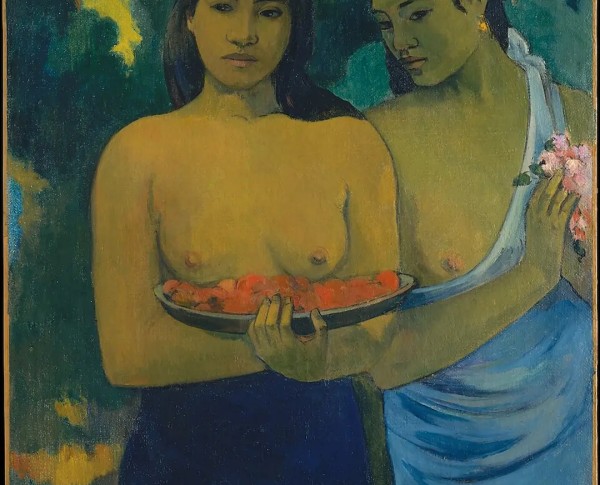
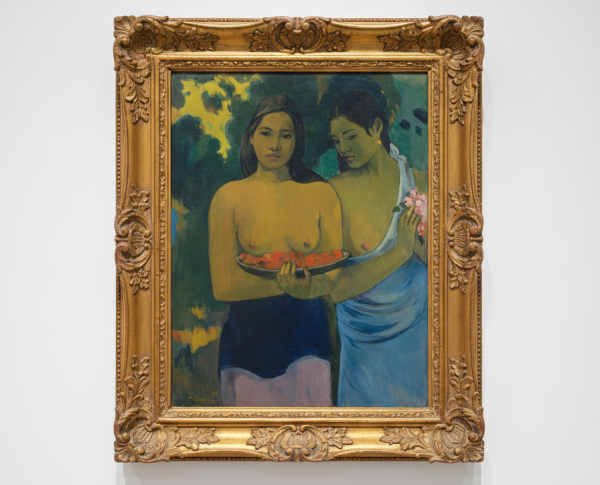
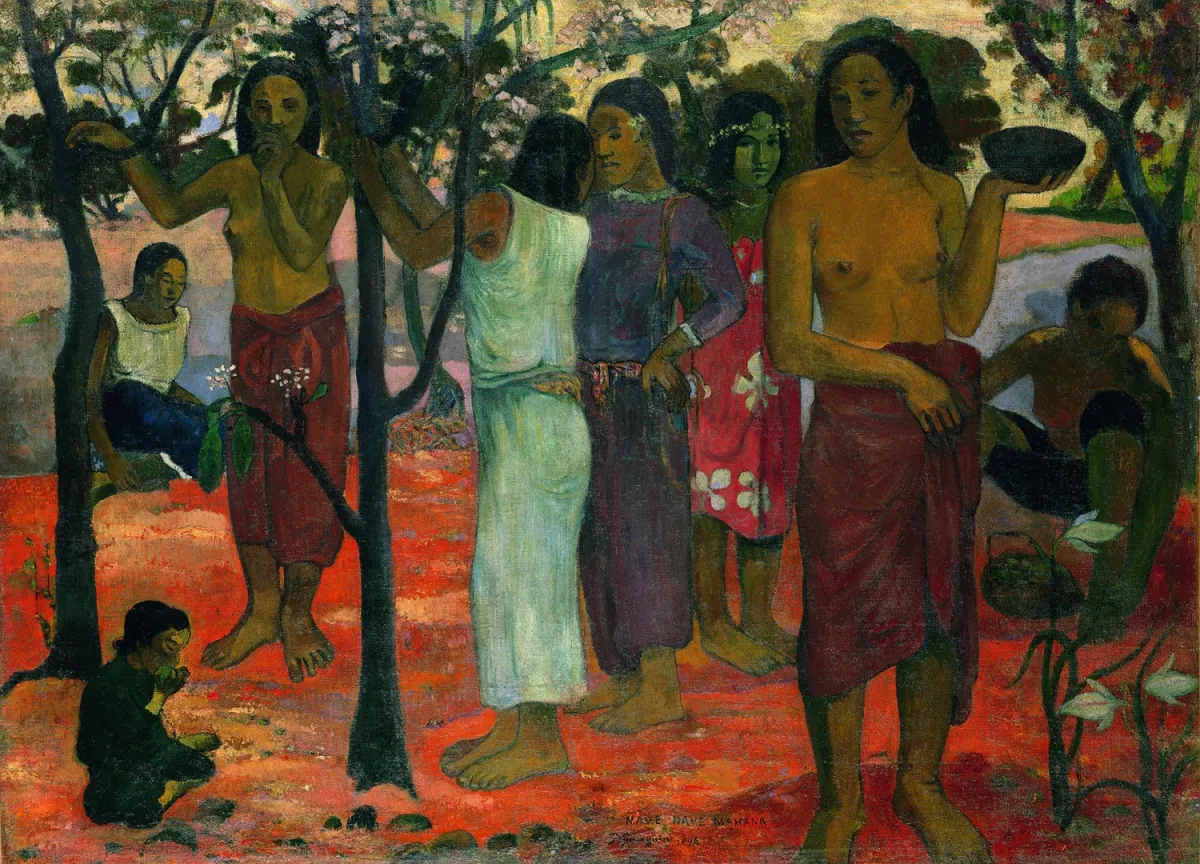
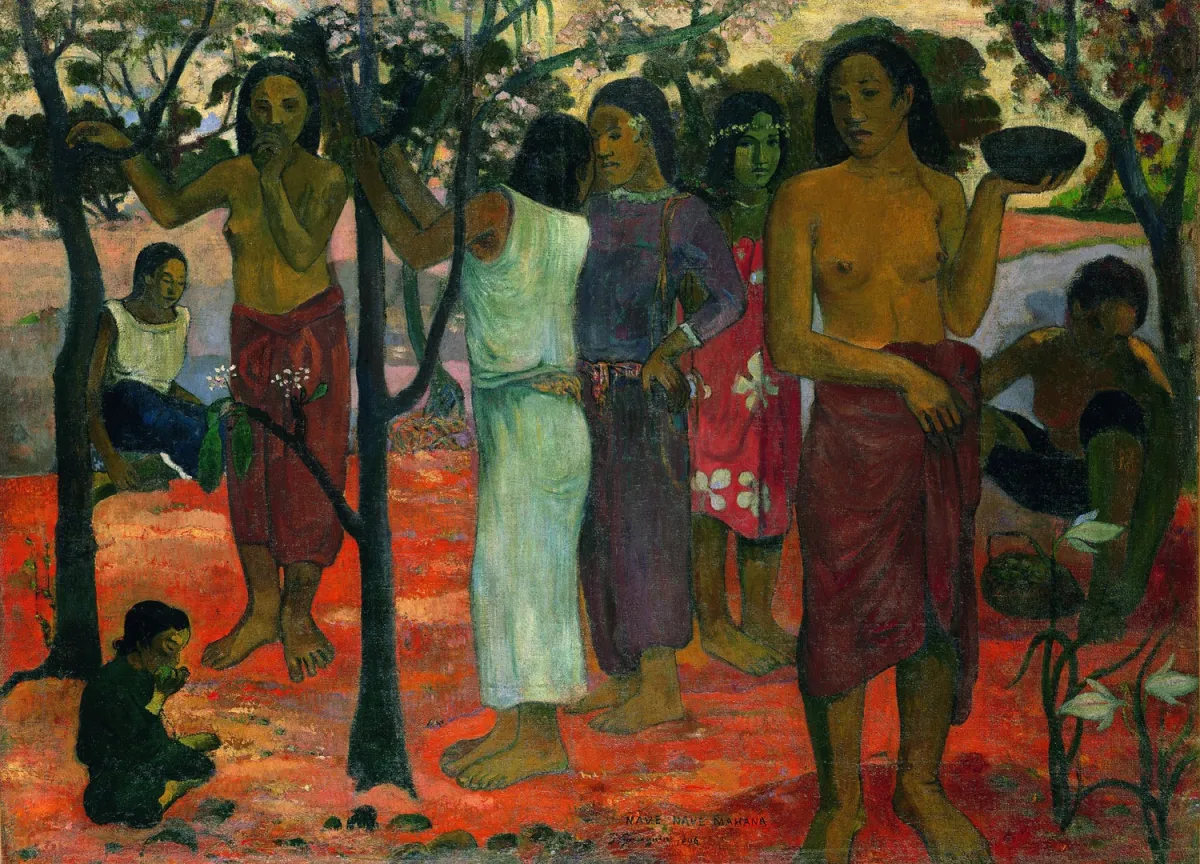
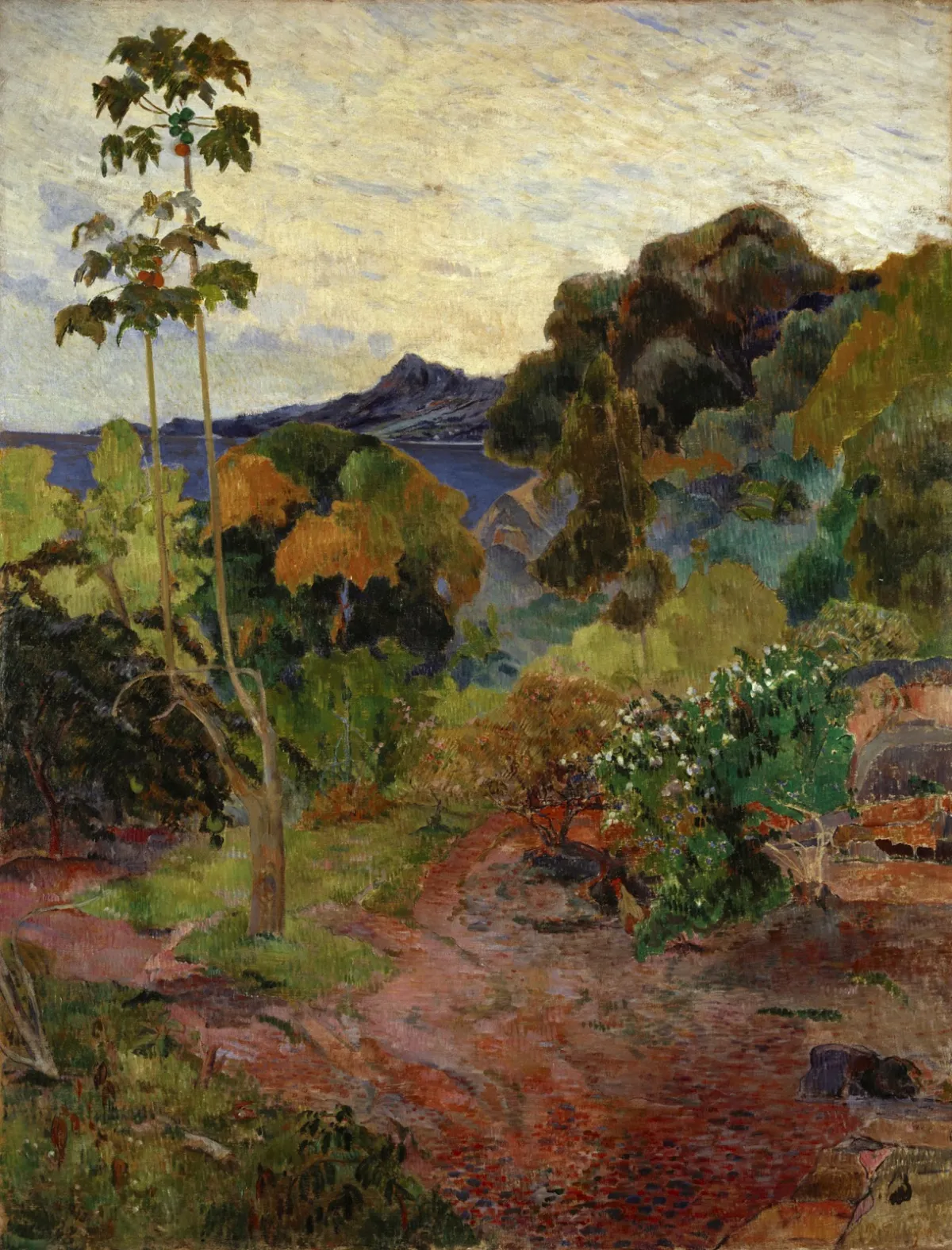
Paul Gauguin’s "Nave Nave Mahana" showcases his technical brilliance and bold use of color, characteristic of oil on canvas works from the Post-Impressionism era. The lush, expressive brushwork reveals the artist’s intimate connection to his subject. Collectors drawn to oil on canvas pieces often seek out related treasures such as "Martinique Landscape" and "Where Do We Come From? What Are We? Where Are We Going?" for their remarkable artistry and emotional depth.
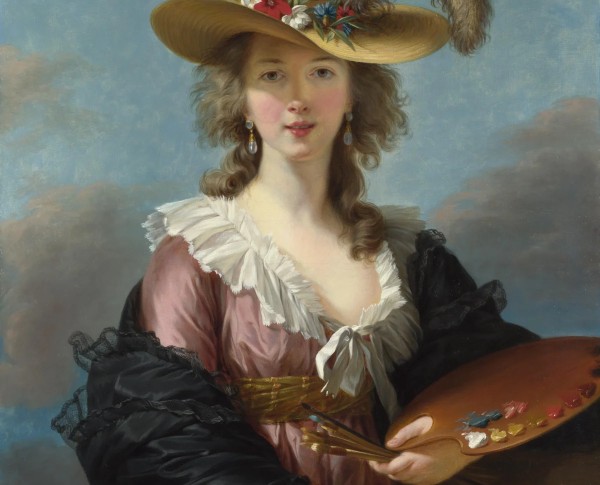
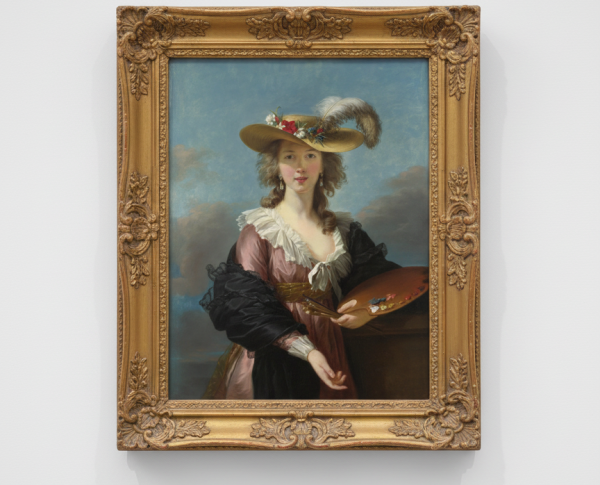
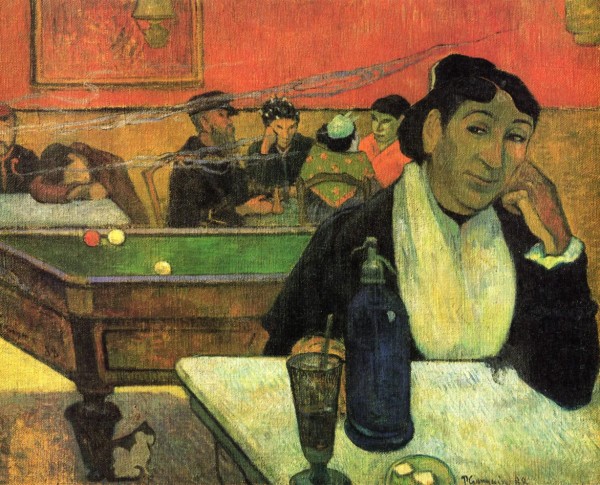
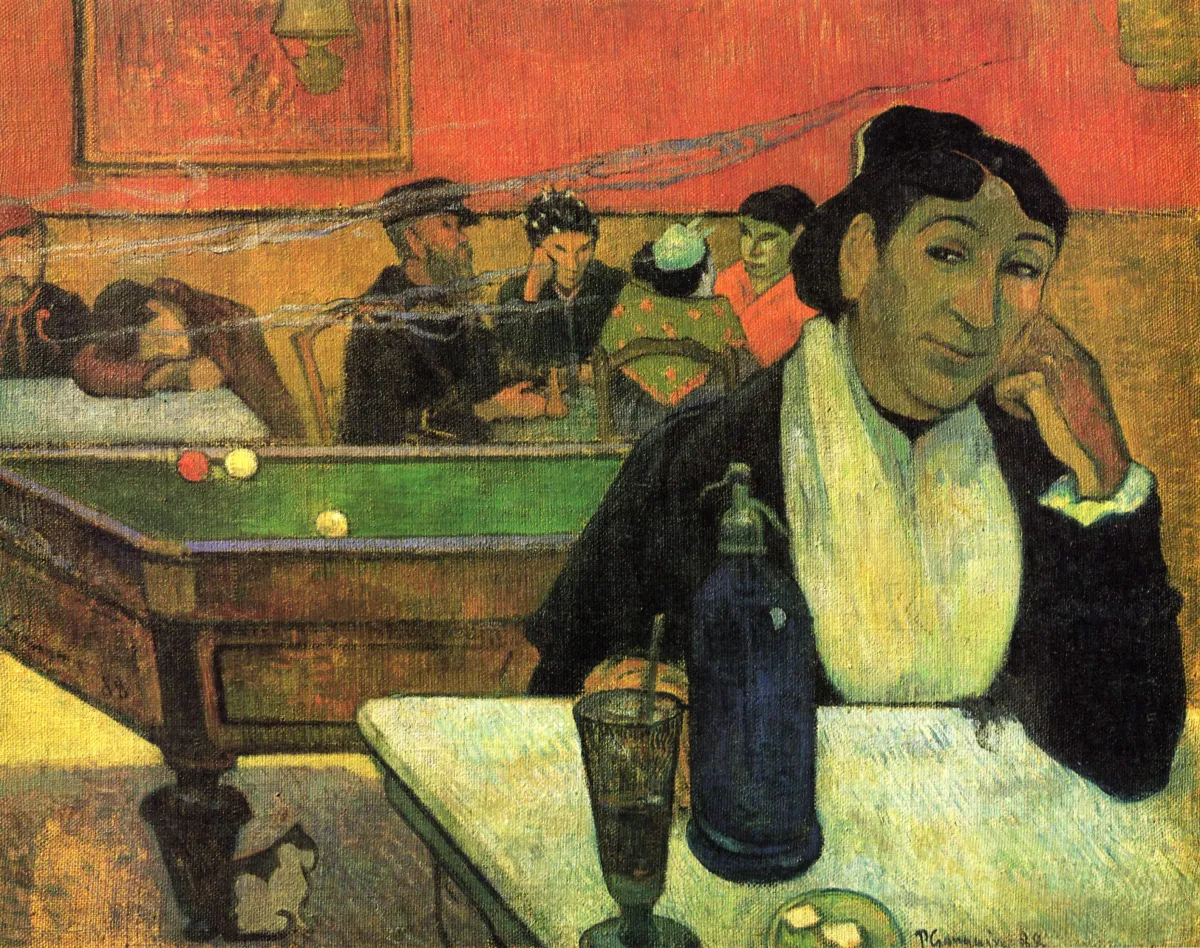
Every detail in Gauguin’s "Nave Nave Mahana" is imbued with symbolism, reflecting the artist’s fascination with Tahitian culture. The figures and landscapes tell stories of serenity and longing, a hallmark of Post-Impressionism. For those seeking a fine art painting for sale, exploring related works like "The Night Café in Arles" or "Self-portrait with hat" offers deeper insight into Gauguin’s narrative style and the symbolic language of his era.
Owning "Nave Nave Mahana" or a related masterpiece, such as "Tahitian Women on the Beach," is the ultimate aspiration for many collectors of Post-Impressionist art. This fine art painting for sale not only represents Paul Gauguin’s genius but also embodies the movement’s spirit. Each piece, from "Martinique Landscape" to "Self-portrait with hat," offers a unique glimpse into the world of hand-painted oil painting masterpieces cherished by art enthusiasts worldwide.
When Art Meets History
"Nave Nave Mahana" by Paul Gauguin is a remarkable example of the Post-Impressionism movement, capturing the unique spirit of its era. Created in 1896, this hand-painted oil painting reflects Gauguin’s fascination with Tahitian culture and landscapes. The artist’s journey to Tahiti inspired not only this work but also influenced other masterpieces like "Mulberry Tree" and "Olive Trees With Yellow Sky And Sun." The painting stands as a testament to the rich historical tapestry of fine art from this period.
Techniques That Speak
Paul Gauguin’s "Nave Nave Mahana" showcases his innovative use of oil on canvas, a medium that allowed him to experiment with bold colors and simplified forms. The brushwork in this fine art painting for sale demonstrates Gauguin’s mastery in blending vibrant hues, a hallmark of the Post-Impressionism movement. Similar technical brilliance can be seen in related paintings such as "Skull With Burning Cigarette" and "Peach Trees in Blossom," each revealing the artist’s evolving style and expressive approach.
Emotions on Display
The emotional depth in "Nave Nave Mahana" is palpable, with Gauguin’s hand-painted oil painting technique conveying a sense of tranquility and longing. The serene figures and lush setting evoke a dreamlike atmosphere, inviting viewers to connect with the peacefulness of Tahiti. Like "Bridges Across The Seine At Asnieres," this work captures not just a scene, but an emotion, making it a powerful example of Post-Impressionist art that continues to resonate with audiences today.
Coveted by Collectors
As a fine art painting for sale, "Nave Nave Mahana" remains highly sought after by collectors and art enthusiasts worldwide. Its significance within the Post-Impressionism movement, combined with Gauguin’s innovative approach, makes it a prized possession. Artwork such as "Olive Trees With Yellow Sky And Sun" and "Mulberry Tree" share this esteemed status, demonstrating the enduring appeal of Gauguin’s oil on canvas masterpieces in both private and public collections.
Related Post-Impressionism Hand-Painted Oil Paintings by Other Artists
Other Famous Post-Impressionism Artists:
Frequently Asked Questions About Nave Nave Mahana
What is the historical context of "Nave Nave Mahana"?
"Nave Nave Mahana" was painted in 1896 during Paul Gauguin's time in Tahiti, a period marked by his desire to escape European civilization and explore a more primitive and spiritual way of life.
What artistic techniques did Gauguin use in "Nave Nave Mahana"?
Gauguin employed bold colors, simplified forms, and a flat perspective, which were characteristic of his Symbolist style. He also used a unique palette that reflects the tropical landscape of Tahiti.
What themes are explored in "Nave Nave Mahana"?
The painting explores themes of paradise, sensuality, and the idealization of the South Sea islands. It reflects Gauguin's fascination with the natural beauty and cultural richness of Tahiti.
What is the significance of the title "Nave Nave Mahana"?
The title translates to "Delightful Day" in Tahitian, encapsulating the idyllic and serene atmosphere that Gauguin sought to convey through the painting.
How does "Nave Nave Mahana" reflect Gauguin's views on civilization?
Gauguin viewed Western civilization as corrupt and materialistic. In "Nave Nave Mahana," he contrasts this with the perceived purity and simplicity of Tahitian life, suggesting a longing for a more authentic existence.
What role do the figures in "Nave Nave Mahana" play?
The figures in the painting represent Tahitian women, embodying Gauguin's idealization of femininity and the natural world. Their poses and expressions contribute to the overall theme of tranquility and harmony.
How does "Nave Nave Mahana" fit into Gauguin's broader body of work?
This painting is a pivotal example of Gauguin's transition from Impressionism to Symbolism, showcasing his innovative use of color and form that would influence modern art movements.
What symbols can be found in "Nave Nave Mahana"?
Symbolism in the painting includes the lush tropical flora, which represents fertility and abundance, and the serene expressions of the figures, symbolizing peace and contentment in nature.
How did "Nave Nave Mahana" influence future artists?
The painting influenced many artists of the 20th century, particularly in the realms of Fauvism and Expressionism, due to its bold color choices and emotional depth.
What is the current location of "Nave Nave Mahana"?
"Nave Nave Mahana" is part of the collection at the Museum of Fine Arts in Boston, where it continues to be a significant work in the study of post-Impressionist art.






















_GFM_Painting_(1).webp)


 100% Hand-Painted: Finished in 3-6 Weeks

.png)















_(1).webp)