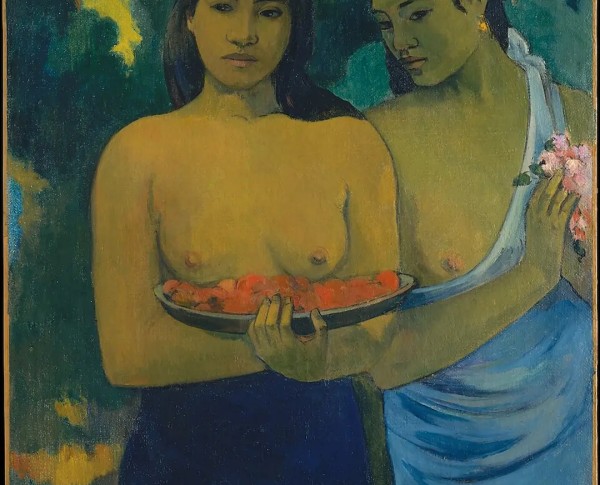
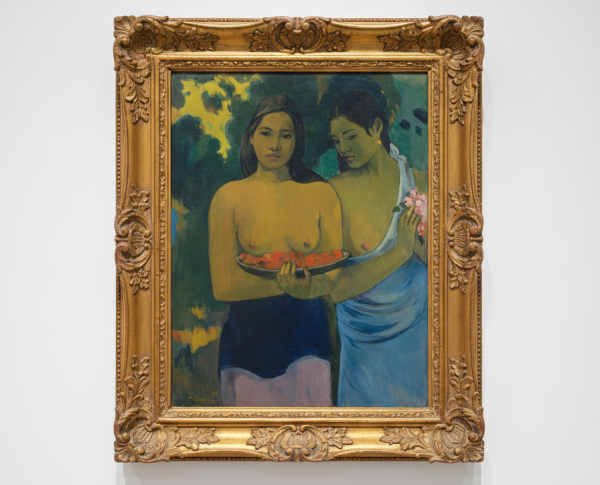
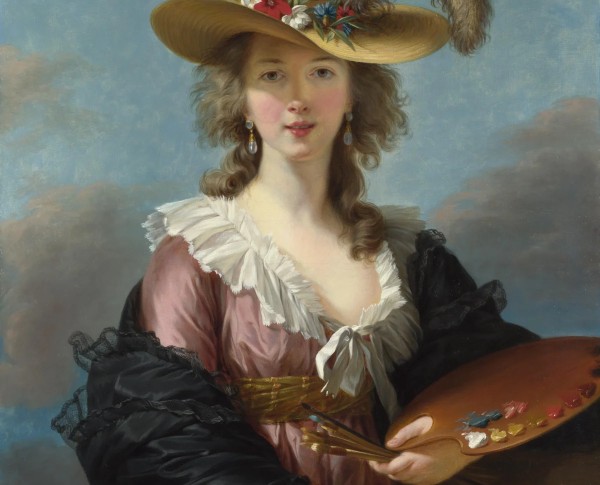
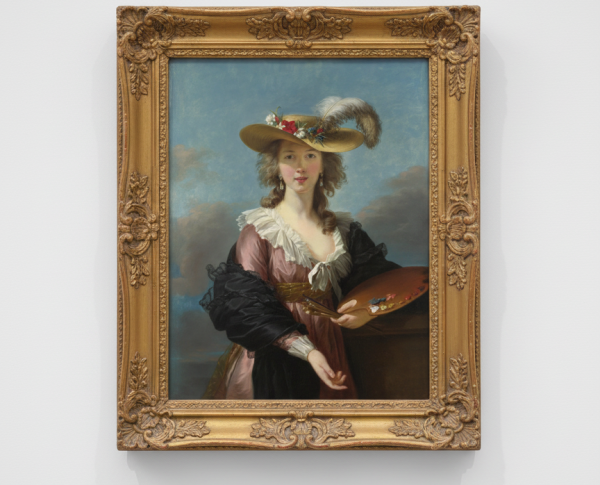
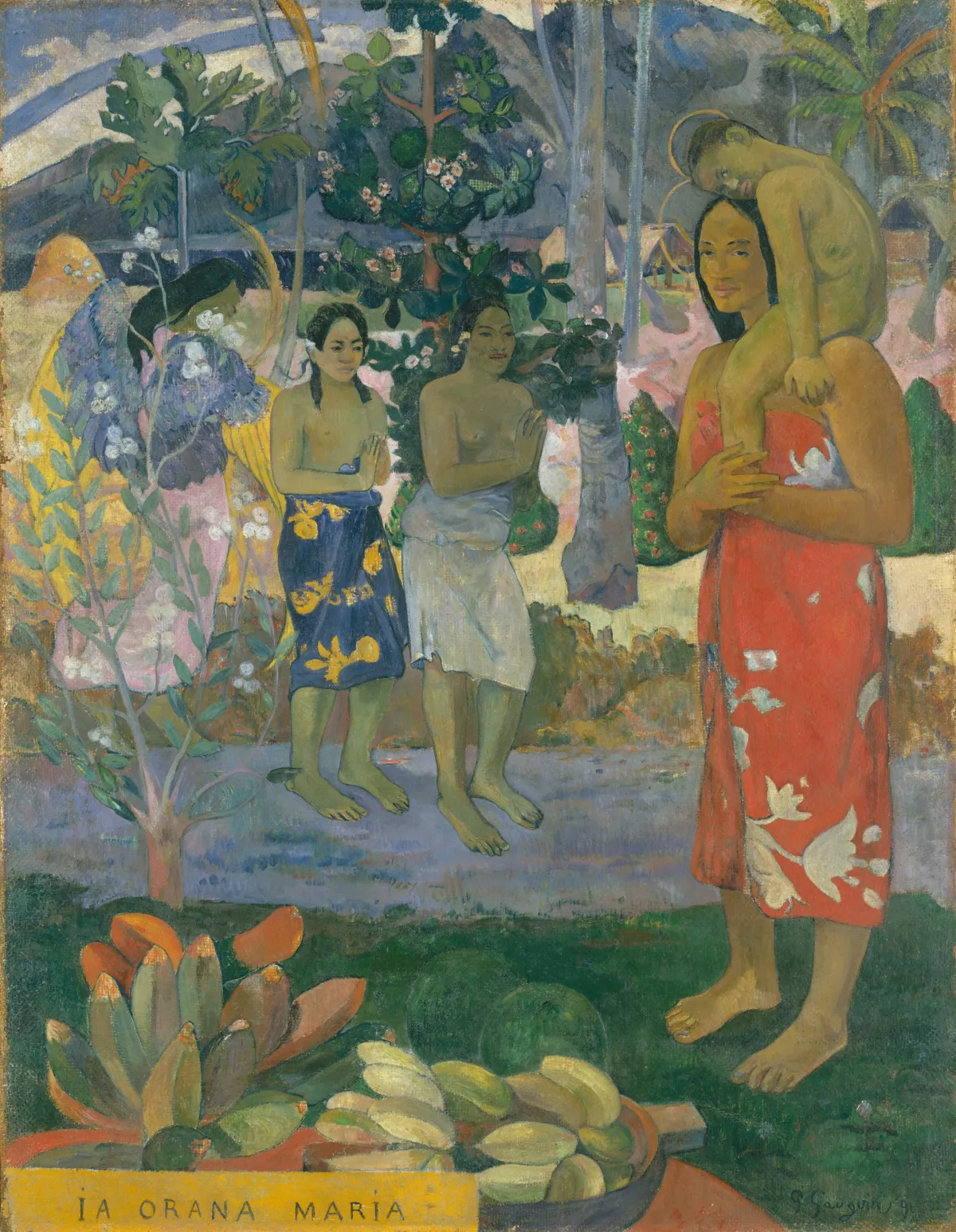
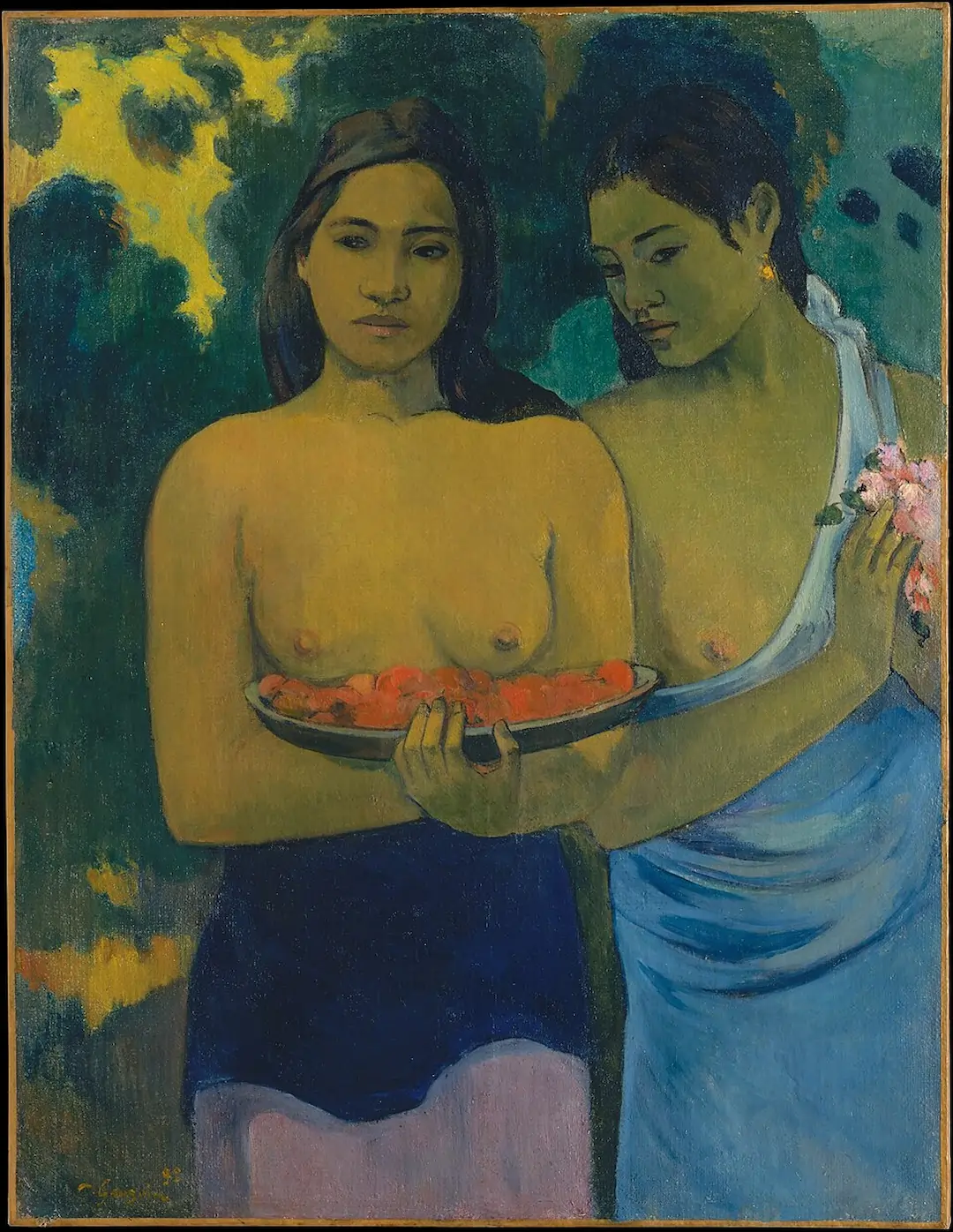
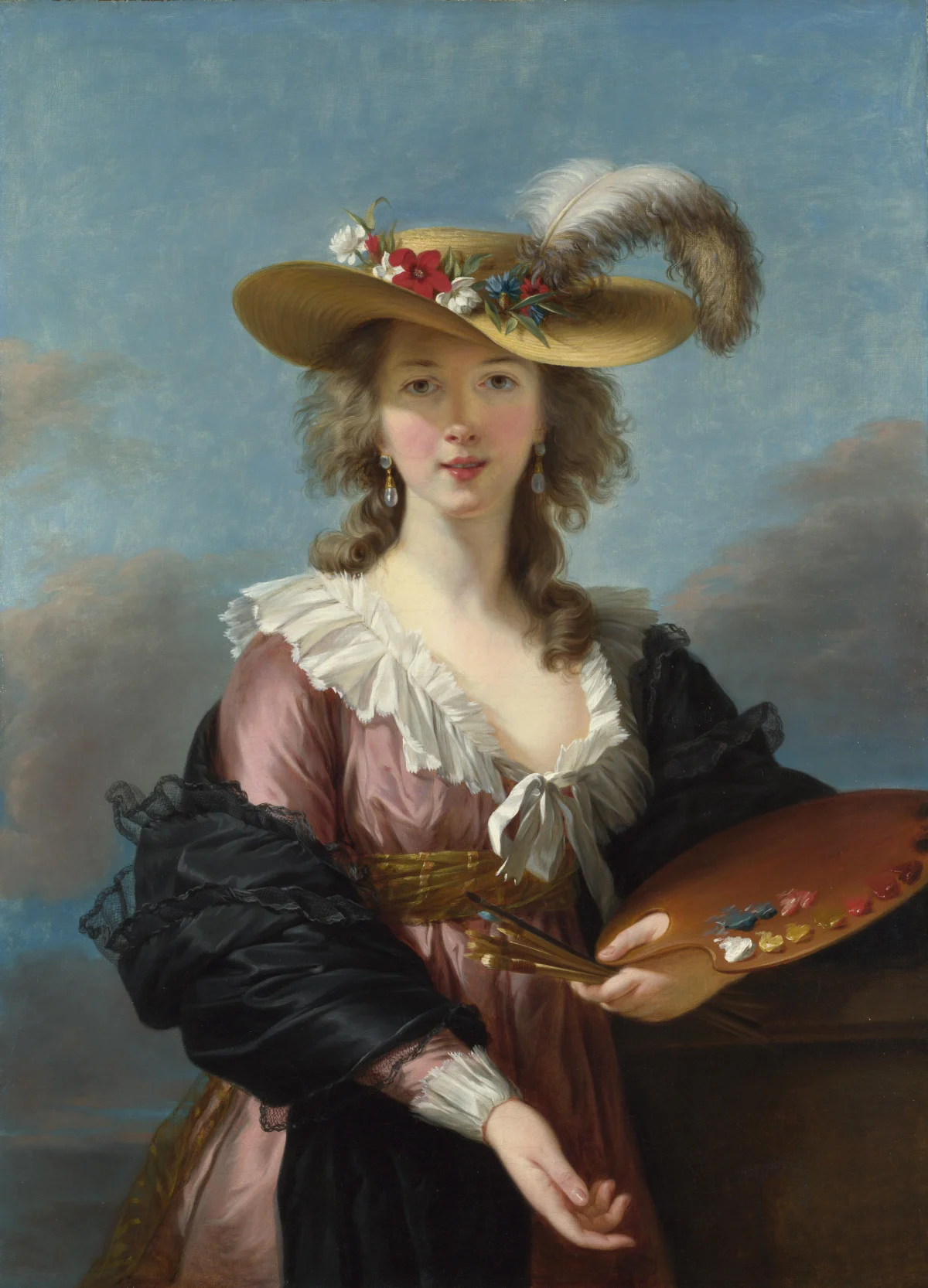
Gauguin’s "Ia Orana Maria" exemplifies his technical prowess, with each brushstroke on the oil on canvas radiating emotion and intent. The artist’s use of bold outlines and harmonious color schemes sets this Post-Impressionist work apart. Collectors and enthusiasts often seek similar pieces, making "Tahitian Women on the Beach" and "Self-portrait with hat" popular choices for those who appreciate the mastery of oil on canvas by Paul Gauguin.
Every element of "Ia Orana Maria" is rich with meaning, merging Christian iconography with Polynesian traditions. This fine art painting for sale invites viewers into a world of narrative depth, where symbols speak volumes about faith and identity. Gauguin’s storytelling approach is also evident in related works like "Where Do We Come From? What Are We? Where Are We Going?"—each painting a chapter in the broader tapestry of Post-Impressionist art.
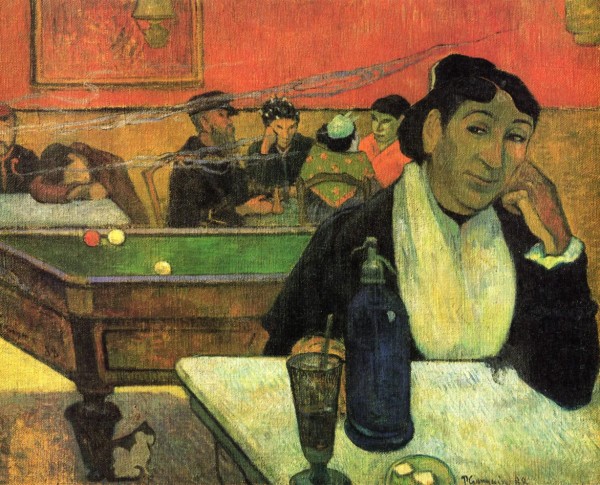
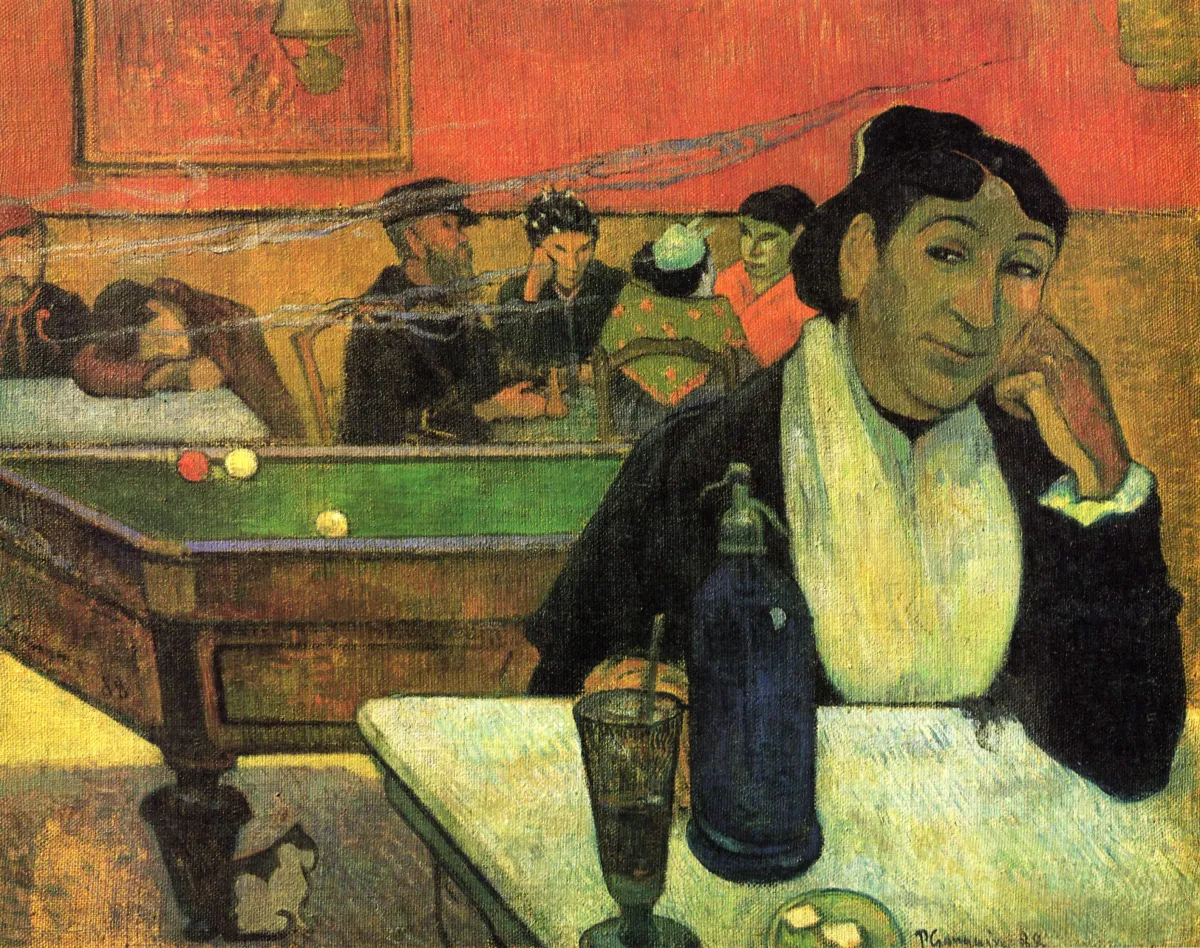
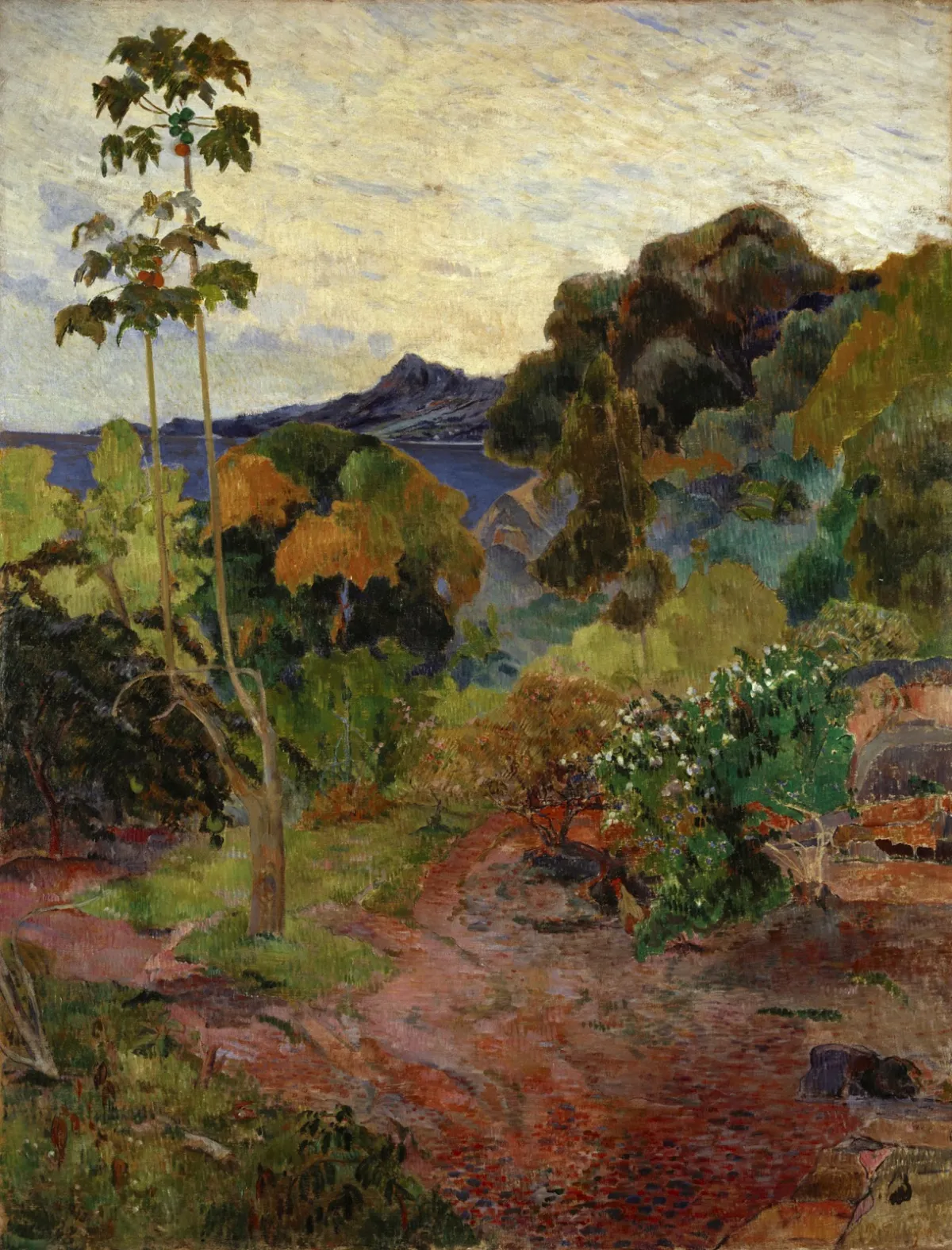
Owning "Ia Orana Maria" as a hand-painted oil painting is a dream for many collectors of Post-Impressionism. Its vibrant imagery and cultural significance make it a prized addition to any fine art collection. Those interested in expanding their portfolio often consider related products such as "The Night Café in Arles" or "Martinique Landscape," both celebrated for their captivating artistry and enduring value in the world of fine art painting for sale.
When Art Meets History
"Ia Orana Maria" by Paul Gauguin stands as a remarkable example of Post-Impressionism, capturing the vibrant spirit of late 19th-century Tahiti. Gauguin’s immersion in island culture is evident throughout this hand-painted oil painting, which reinterprets the Madonna and Child within a Polynesian context. This work, alongside related paintings such as "The Seine at Courbevoie" and "Woman on Her Deathbed," reflects the era’s fascination with exoticism and bold artistic innovation.
Techniques That Speak
Gauguin’s mastery of oil on canvas shines through in "Ia Orana Maria," where rich, saturated colors and strong outlines create a dreamlike narrative. The artist’s signature style—seen also in "Irises" and "Bridges Across The Seine At Asnieres"—emphasizes symbolic content over realism. Through his inventive brushwork and use of color, Gauguin invites viewers to experience the emotional and spiritual depth unique to Post-Impressionist masterpieces.
Emotions on Display
"Ia Orana Maria" evokes a sense of reverence and tranquility, blending religious iconography with the lush landscapes of Tahiti. Paul Gauguin’s fine art painting for sale reveals his fascination with both the sacred and the everyday, inviting deep emotional responses. Like "Skull With Burning Cigarette," this painting challenges traditional perspectives, encouraging viewers to reflect on themes of identity, spirituality, and cultural exchange within the Post-Impressionism movement.
Coveted by Collectors
As a celebrated work within the Post-Impressionism movement, "Ia Orana Maria" by Paul Gauguin is highly sought after by collectors worldwide. Its unique fusion of Western and Polynesian elements, combined with Gauguin’s distinctive style, makes it a prized hand-painted oil painting. Collectors often compare it to related pieces like "Woman on Her Deathbed" and "Irises," all of which contribute significantly to the legacy of fine art painting for sale.
Related Post-Impressionism Hand-Painted Oil Paintings by Other Artists
Other Famous Post-Impressionism Artists:
Frequently Asked Questions About Ia Orana Maria
What is the historical significance of "Ia Orana Maria"?
"Ia Orana Maria," painted by Paul Gauguin in 1891, is significant as it reflects the artist's fascination with Tahitian culture and spirituality, marking a pivotal moment in the Post-Impressionist movement.
What themes are explored in "Ia Orana Maria"?
The painting explores themes of motherhood, spirituality, and the connection between humanity and nature, encapsulated in the depiction of the Virgin Mary and the child Jesus in a tropical setting.
How does Gauguin's style influence the interpretation of "Ia Orana Maria"?
Gauguin's use of bold colors, simplified forms, and symbolic elements invites viewers to interpret the work beyond its surface, encouraging a deeper understanding of its emotional and spiritual dimensions.
What cultural elements are present in "Ia Orana Maria"?
The painting incorporates Tahitian motifs and iconography, reflecting Gauguin's desire to merge Western religious themes with indigenous culture, thus challenging colonial perspectives.
What is the symbolism behind the figures in "Ia Orana Maria"?
The figures of Mary and Jesus symbolize purity and innocence, while their placement in a lush, tropical landscape signifies the harmony between spirituality and the natural world.
How does "Ia Orana Maria" reflect Gauguin's artistic philosophy?
The painting embodies Gauguin's belief in the importance of emotion and spirituality in art, as he sought to convey deeper truths through his unique interpretation of reality.
What impact did "Ia Orana Maria" have on modern art?
"Ia Orana Maria" influenced subsequent generations of artists by promoting the use of color and form as vehicles for emotional expression, paving the way for movements such as Fauvism and Expressionism.
What techniques did Gauguin employ in "Ia Orana Maria"?
Gauguin utilized a technique of flat color application and bold outlines, which deviated from traditional perspective, emphasizing the emotional resonance of the subject matter.
How does the composition of "Ia Orana Maria" contribute to its meaning?
The composition, with its central figures framed by vibrant flora, creates a sense of intimacy and reverence, enhancing the viewer's connection to the spiritual themes presented in the work.
In what ways does "Ia Orana Maria" reflect the artist's personal experiences?
The painting reflects Gauguin's personal quest for meaning and his search for an idealized existence, as he sought solace and inspiration in the simplicity and beauty of Tahitian life.






















_GFM_Painting_(1).webp)


 100% Hand-Painted: Finished in 3-6 Weeks

.png)















_(1).webp)