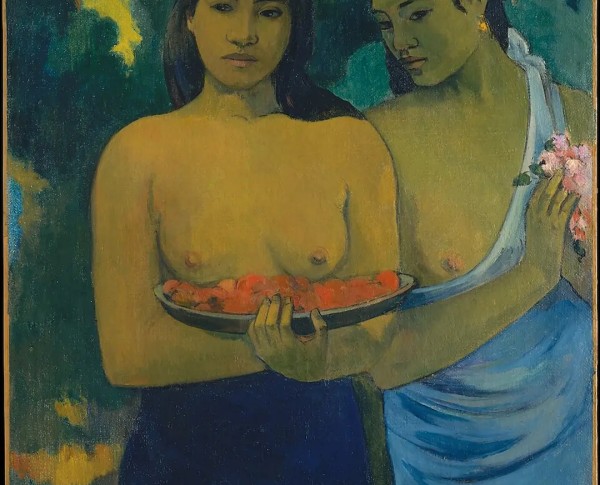
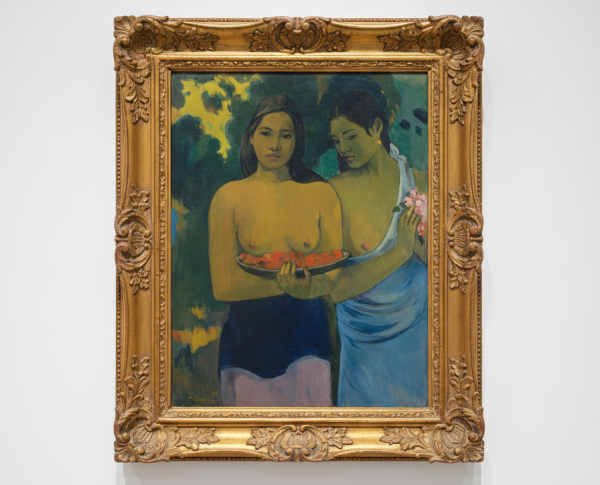
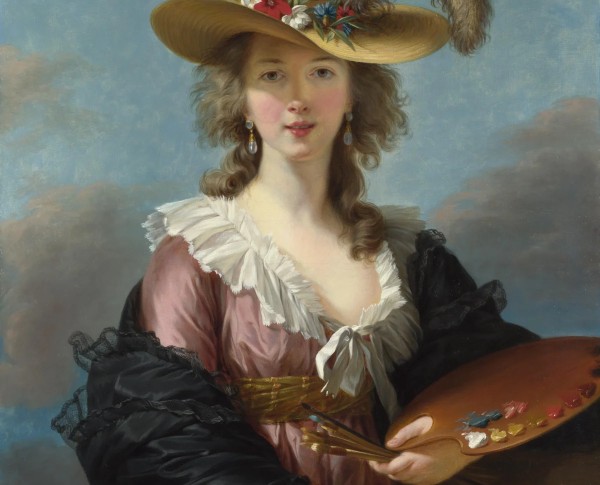
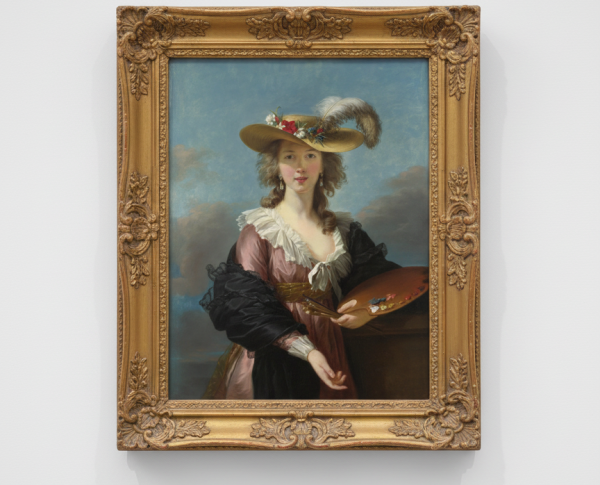
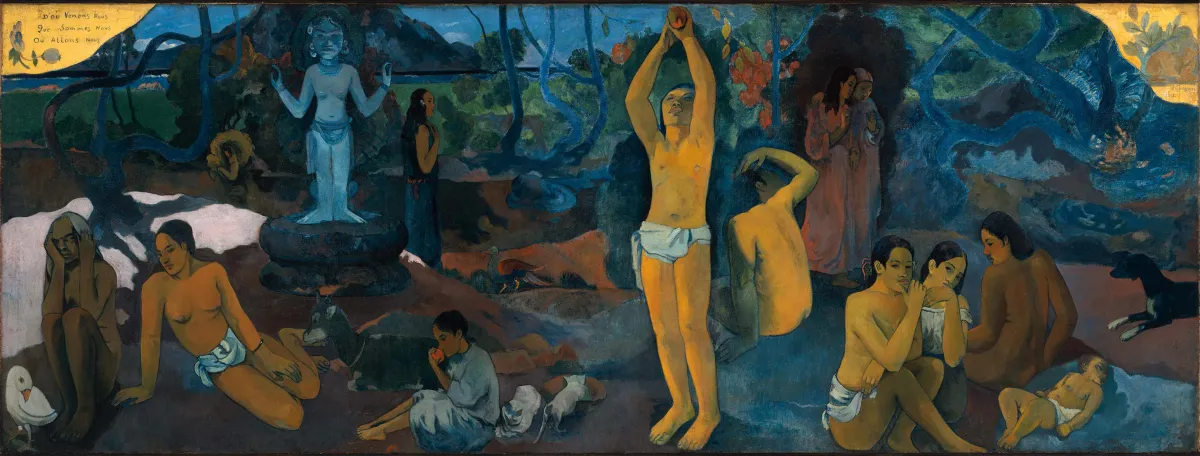
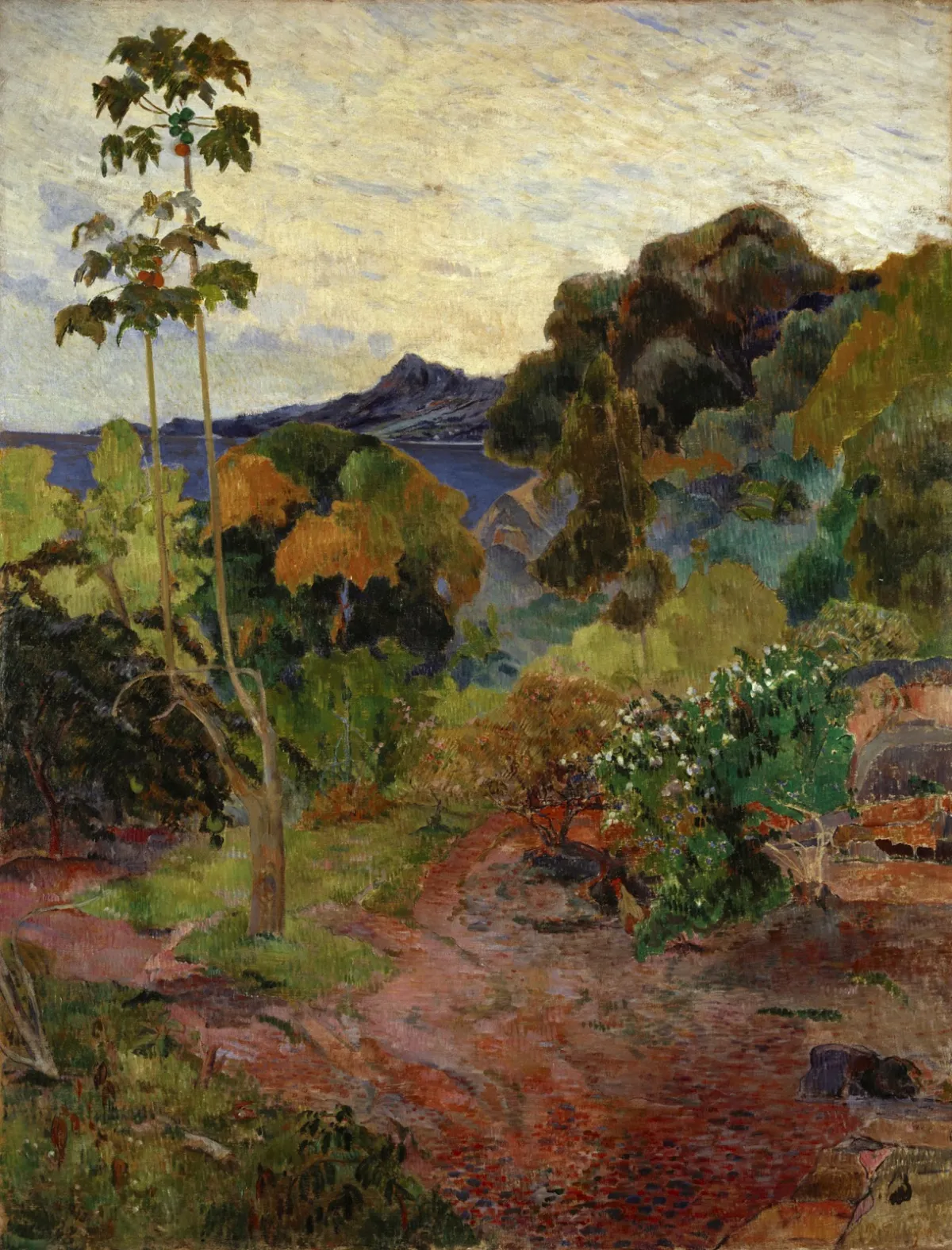
The technical prowess of Paul Gauguin is evident in this oil on canvas masterpiece. His bold use of color and innovative composition techniques set "Where Do We Come From? What Are We? Where Are We Going?" apart within the Post-Impressionism era. Gauguin’s brushwork brings life and emotion to every figure, much like in his other works such as "Martinique Landscape" and "Self-portrait with hat". Experience the mastery that defines this oil on canvas creation.
"Where Do We Come From? What Are We? Where Are We Going?" is rich with symbolic meaning, inviting viewers to ponder life’s greatest questions. Gauguin weaves narrative and myth into this fine art painting for sale, echoing the spiritual and existential themes present in related products like "Parahi te marae". The painting’s enigmatic figures and tropical backdrop reflect the artist’s fascination with Tahitian culture and philosophical exploration within the Post-Impressionism movement.
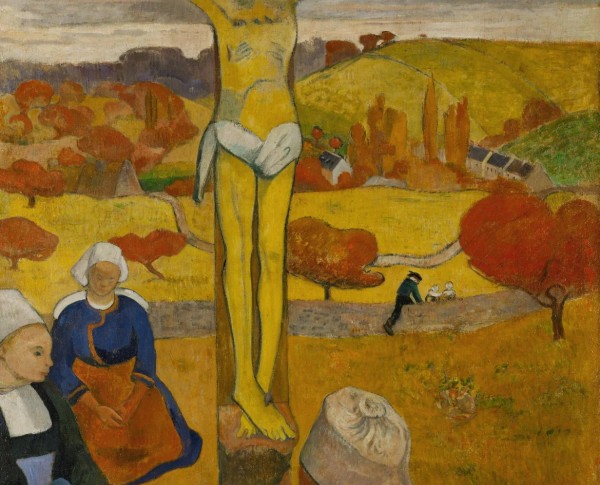
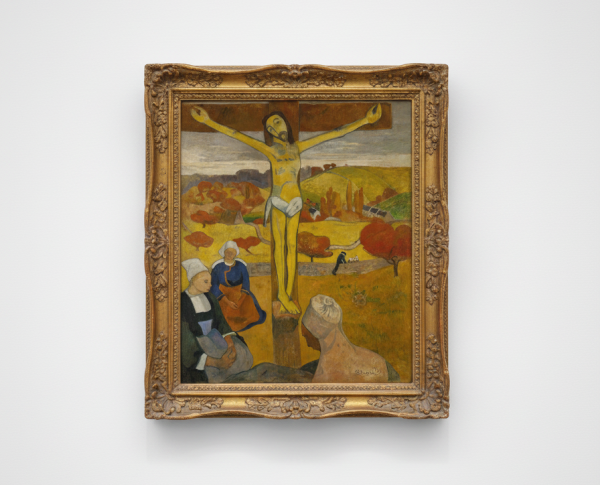
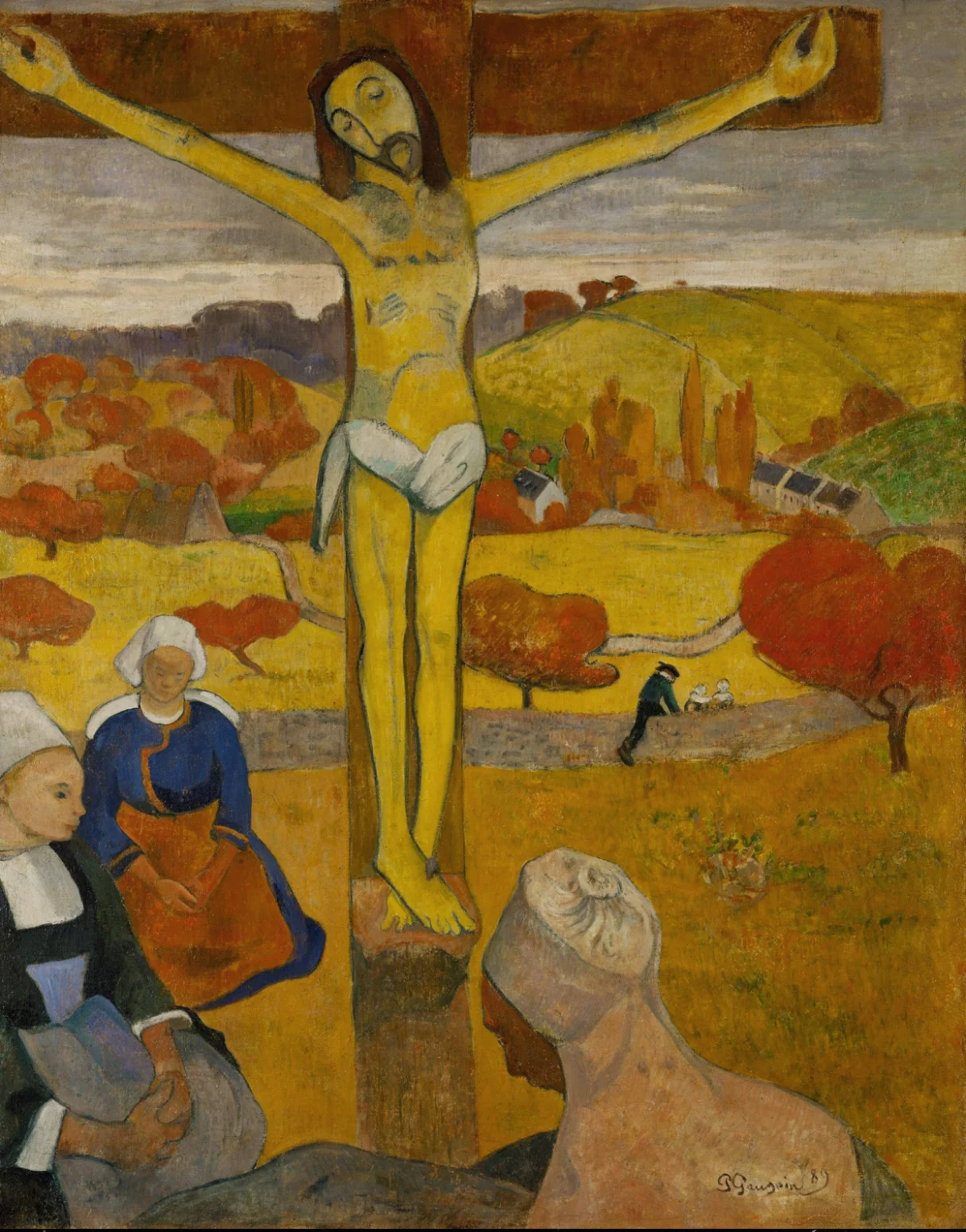
For art enthusiasts, owning a hand-painted oil painting by Paul Gauguin represents a pinnacle in collecting. "Where Do We Come From? What Are We? Where Are We Going?" is not just an artwork; it’s a piece of history from the Post-Impressionism movement. Collectors often seek related masterpieces such as "The Yellow Christ" to complement their collections. This exceptional painting remains a coveted treasure for those passionate about oil on canvas art.
When Art Meets History
"Where Do We Come From? What Are We? Where Are We Going?" by Paul Gauguin stands as a hallmark of the Post-Impressionism movement. This hand-painted oil painting, created in 1897, reflects Gauguin's deep philosophical questions about existence and the human condition. Like his other works such as "The Red Vineyard" and "Breton Women and Children," this masterpiece captures a pivotal moment in art history, blending symbolism and emotion in a way that continues to inspire viewers and collectors worldwide.
Techniques That Speak
Gauguin’s use of oil on canvas in this large-scale work exemplifies the signature techniques of Post-Impressionism. His bold color choices, flattened forms, and expressive brushwork create a dreamlike atmosphere, inviting viewers to ponder the mysteries of life. Similar techniques can be seen in related paintings like "Landscape with a Carriage and a Train" and "Still Life with Beer Mug and Fruit," showcasing how Gauguin’s innovative approach elevated the status of oil on canvas artworks.
Emotions on Display
This fine art painting for sale captures a spectrum of human emotion, from despair to hope, as figures move through the symbolic landscape. Paul Gauguin’s unique vision in "Where Do We Come From? What Are We? Where Are We Going?" embodies the introspective spirit of Post-Impressionism. Like "On Deeside" and other related works, the painting invites viewers to reflect on their own journeys, making it a powerful emotional statement in the world of fine art painting for sale.
Coveted by Collectors
Collectors highly prize "Where Do We Come From? What Are We? Where Are We Going?" for its profound impact on modern art and its status as a masterful hand-painted oil painting. Paul Gauguin’s legacy within the Post-Impressionism movement, along with his related paintings, drives demand among art enthusiasts. This iconic piece, alongside works like "The Red Vineyard," remains a cornerstone for anyone seeking to own a significant chapter of art history.
Related Post-Impressionism Hand-Painted Oil Paintings by Other Artists
Other Famous Post-Impressionism Artists:
Frequently Asked Questions About "Where Do We Come From? What Are We? Where Are We Going?"
What is the historical context of the painting?
"Where Do We Come From? What Are We? Where Are We Going?" was created by Paul Gauguin in 1897-1898 during his time in Tahiti. This period was marked by Gauguin's exploration of primitivism and his desire to escape European civilization.
What artistic techniques did Gauguin use in this painting?
Gauguin employed bold colors, flattened forms, and symbolic imagery to convey deeper meanings. His use of color was not just representational but also emotional, aiming to evoke feelings rather than depict reality.
What are the main themes represented in the painting?
The painting explores existential themes such as the cycle of life, the search for identity, and the quest for meaning. It poses profound questions about existence and humanity's place in the world.
How does Gauguin's use of symbolism manifest in the painting?
Symbolism is prevalent throughout the work, with various figures representing different stages of life. The presence of the three women—infancy, adulthood, and old age—illustrates the continuum of existence and the inevitability of death.
What influences did Gauguin draw upon for this artwork?
Gauguin was influenced by indigenous Tahitian culture, as well as by the Symbolist movement in France. He sought to incorporate local mythology and spirituality into his work, creating a unique fusion of styles.
What is the significance of the title of the painting?
The title poses three fundamental questions that reflect the human condition. It invites viewers to contemplate their origins, their current state, and their future, making it a philosophical inquiry into existence.
How does this painting fit into Gauguin's overall body of work?
This painting is considered one of Gauguin's masterpieces and encapsulates his artistic evolution. It represents his departure from Impressionism and his embrace of a more symbolic and expressive style.
What impact did this painting have on modern art?
The painting has had a significant influence on modern art, particularly in the realms of Expressionism and Surrealism. Its bold colors and emotional depth paved the way for future artists to explore similar themes.
Where is the painting currently housed?
"Where Do We Come From? What Are We? Where Are We Going?" is part of the collection at the Museum of Fine Arts in Boston, Massachusetts, where it continues to be a focal point for discussions about Gauguin's legacy.
What is the public reception of the painting over time?
The painting has received acclaim for its innovative approach and emotional resonance. Initially met with mixed reviews, it has since been recognized as a pivotal work in the history of art, celebrated for its depth and complexity.






















_GFM_Painting_(1).webp)


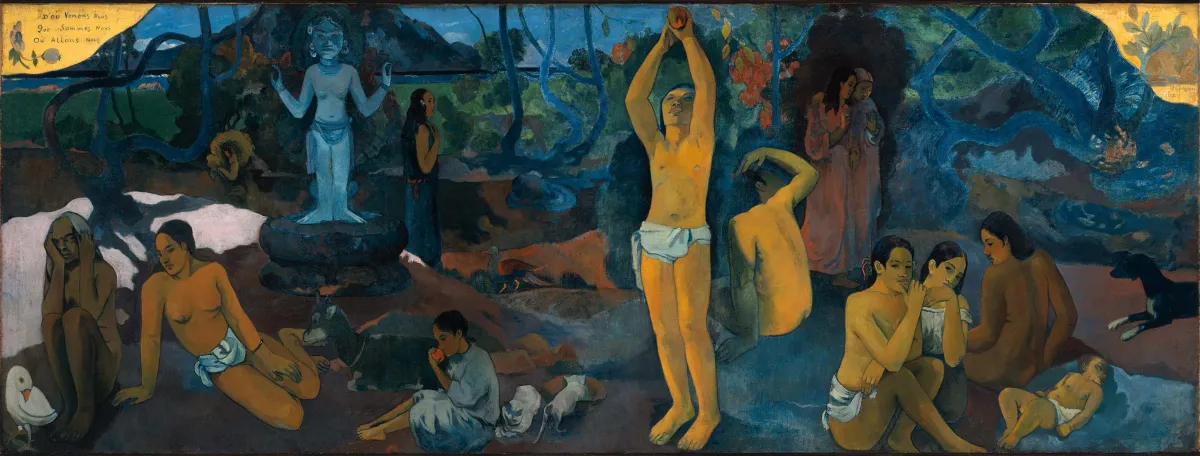
 100% Hand-Painted: Finished in 3-6 Weeks

.png)















_(1).webp)