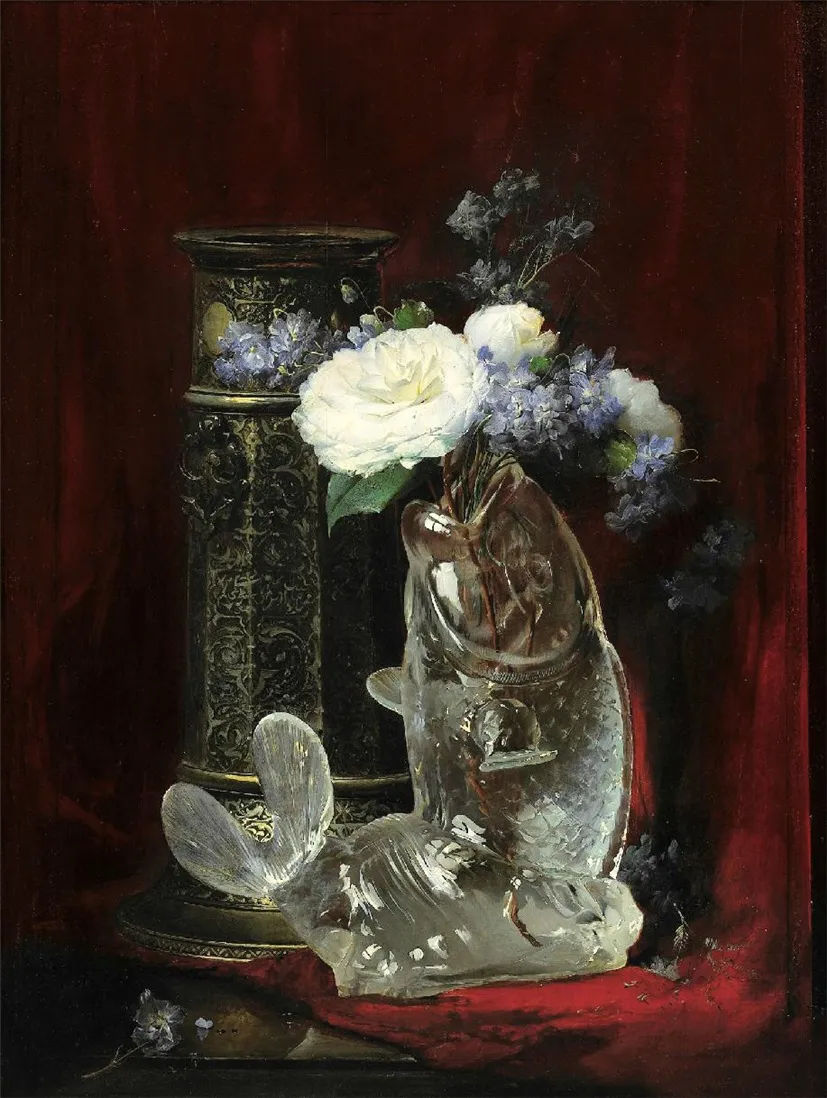
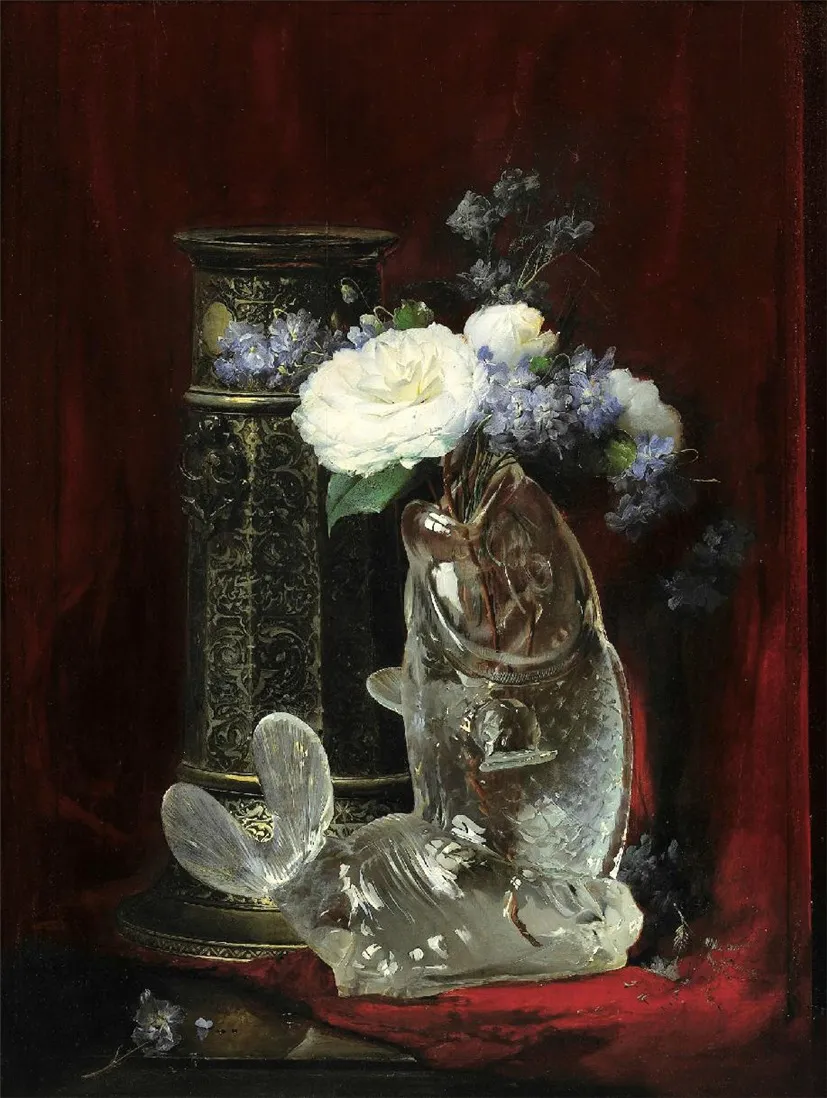
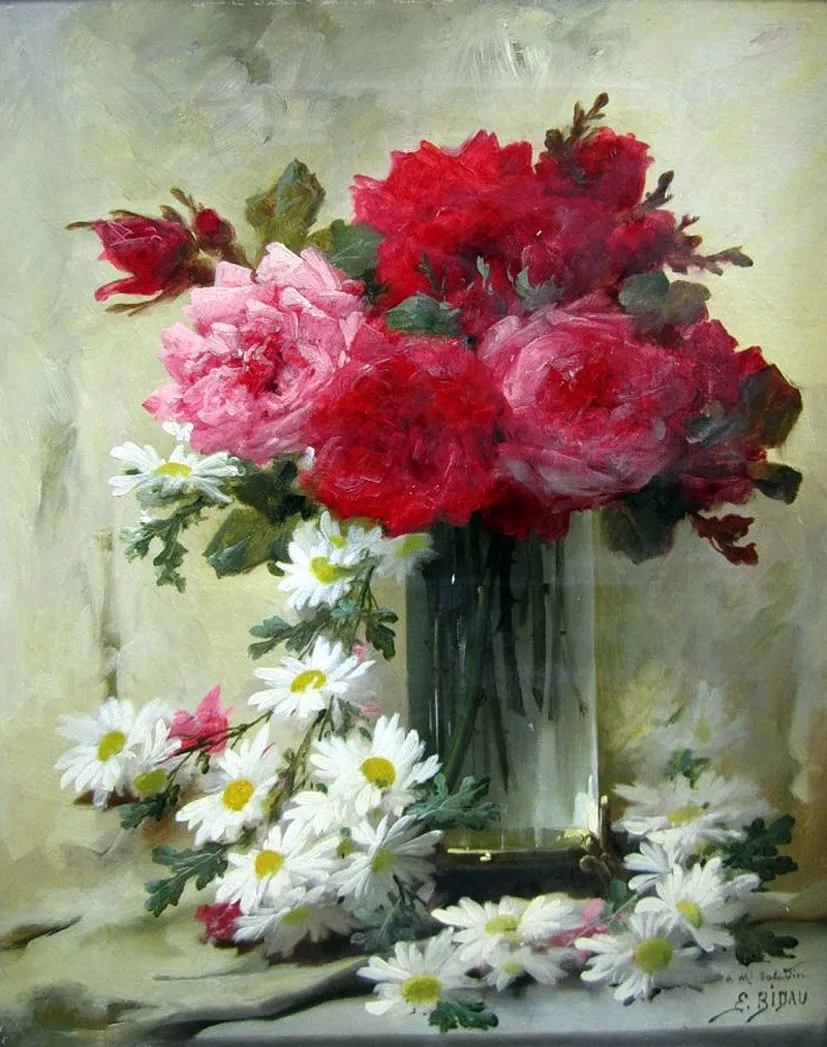
Eugene Bidau’s "Still Life" exemplifies the refined skill associated with oil on canvas masterpieces. Every brushstroke reflects his commitment to realism and precision, hallmarks of the Academic Realism movement. The delicate rendering of textures and interplay of light showcase Bidau’s artistic mastery. For those seeking to own a piece of history, this painting and related works like "Untitled" offer exquisite examples of oil on canvas artistry worth exploring.
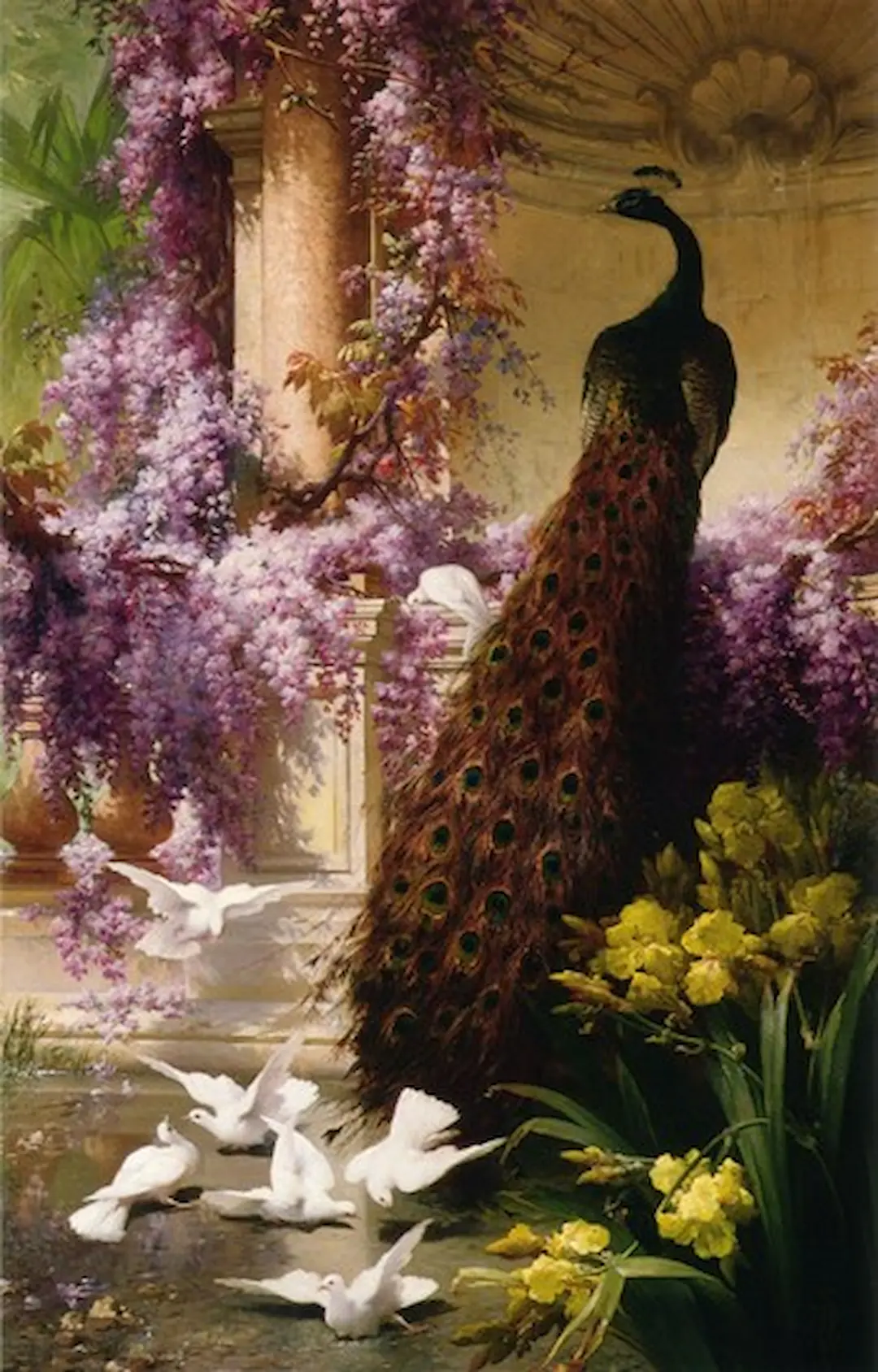
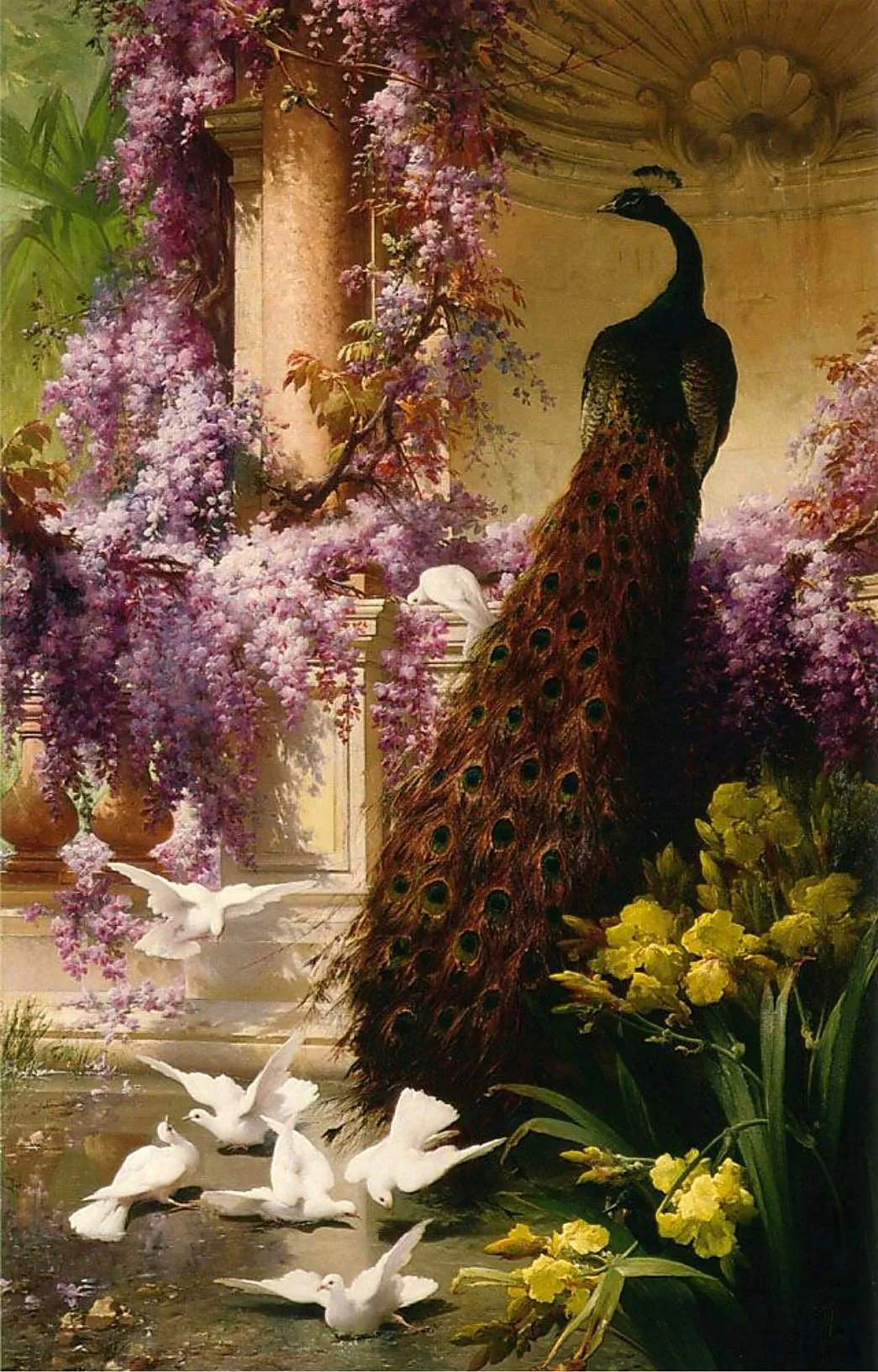
Within "Still Life," Eugene Bidau weaves a visual narrative rich in symbolism, a signature trait of Academic Realism. Each element in the composition tells a story, inviting viewers to interpret the deeper meanings behind the objects depicted. Collectors searching for a fine art painting for sale will appreciate the thoughtful storytelling in Bidau’s work. Complement your collection with related products such as "A Peacock and Doves in a Garden" for a harmonious display of symbolic beauty.
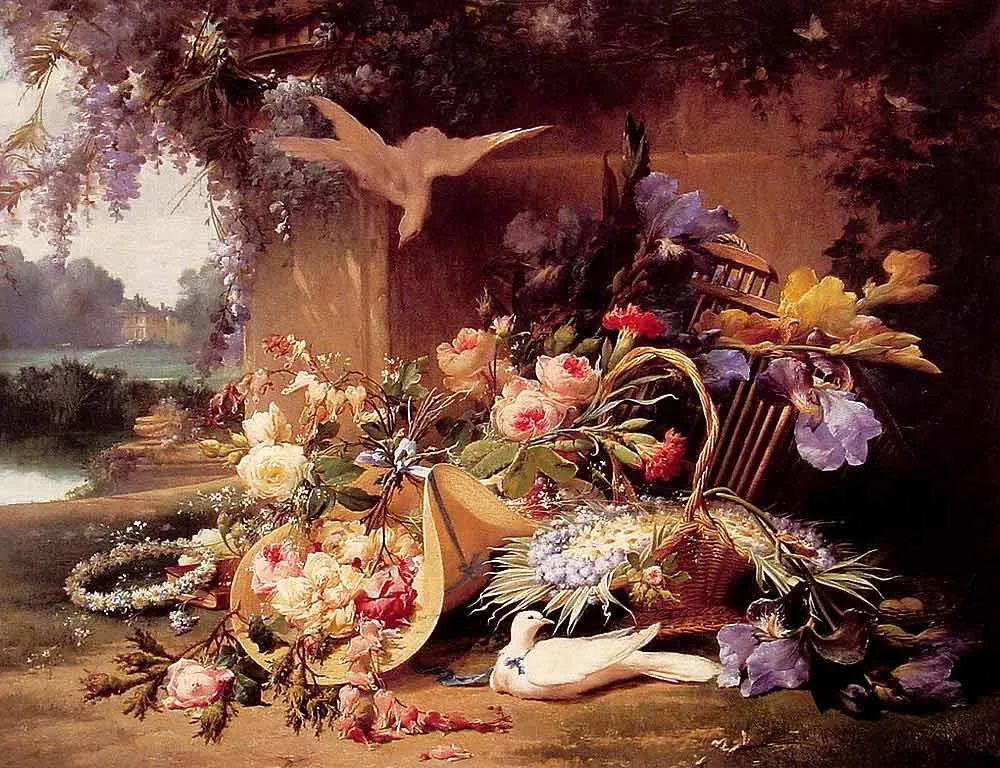
Owning "Still Life" by Eugene Bidau means investing in a piece of Academic Realism that transcends time. This hand-painted oil painting is more than just a decorative piece—it’s a collector’s treasure that adds sophistication to any space. With related products like "Elegant Still Life with Flowers" and "Untitled," enthusiasts have the opportunity to curate a remarkable selection of fine art painting for sale, each embodying Bidau’s artistic legacy.
When Art Meets History
"Still Life" by Eugene Bidau is a remarkable example of the Academic Realism movement, showcasing the artist’s dedication to detail and authenticity. This hand-painted oil painting captures the essence of its era, reflecting the traditions and techniques valued by 19th-century artists. Bidau's meticulous approach aligns with other notable works such as "Homo (Behold the Man!)," "Ecce Homo," and "Christ Carried to the Tomb," making it a significant piece in art history.
Techniques That Speak
Eugene Bidau’s "Still Life" demonstrates masterful use of oil on canvas, a hallmark of Academic Realism. The painting’s lifelike textures and subtle interplay of light and shadow reveal Bidau’s technical prowess. His careful layering and blending techniques breathe vitality into everyday objects, much like in related paintings of his era. This oil on canvas work stands as a testament to the artist’s skill and the movement’s emphasis on precision and realism.
Emotions on Display
"Still Life" by Eugene Bidau invites viewers to experience the quiet beauty and contemplative mood characteristic of Academic Realism. The painting evokes a sense of serenity, encouraging reflection on the fleeting nature of time. Unlike the dramatic themes in "Ecce Homo" or "Christ Carried to the Tomb," this fine art painting for sale offers an intimate, emotional connection through its composition and subject matter, making it a cherished piece for art lovers.
Coveted by Collectors
Collectors highly value Eugene Bidau’s "Still Life," recognizing its importance within the Academic Realism movement. As a hand-painted oil painting, it appeals to those seeking authenticity and historical significance. Its connection to related masterpieces like "Homo (Behold the Man!)" and "Ecce Homo" further enhances its desirability. This fine art painting for sale represents both artistic excellence and a tangible link to the rich traditions of 19th-century realism.
Related Academic Realism Hand-Painted Oil Paintings by Other Artists
Other Famous Academic Realism Artists:
Frequently Asked Questions About Still Life
What is the historical significance of "Still Life" by Eugene Bidau?
"Still Life" by Eugene Bidau is significant as it reflects the transition in still life painting during the late 19th century, showcasing a blend of realism and impressionism that was emerging in the art world at that time.
What artistic techniques did Eugene Bidau employ in "Still Life"?
Bidau utilized a combination of chiaroscuro and vibrant color palettes to create depth and texture, enhancing the realism of the objects depicted while also infusing a sense of lightness and movement.
What objects are depicted in "Still Life" and what do they symbolize?
The painting features a selection of fruits and flowers, which traditionally symbolize abundance and the transience of life, reflecting themes of mortality and the beauty of nature.
How does "Still Life" compare to other still life works from the same period?
Compared to other still life works of the era, Bidau's "Still Life" stands out for its dynamic composition and the emotional resonance of the objects, moving beyond mere representation to evoke a deeper narrative.
What influences can be seen in Bidau's "Still Life"?
The influences of Dutch Golden Age painting are evident in Bidau's meticulous attention to detail and composition, while the use of light and color hints at the Impressionist movement that was gaining prominence during his time.
What role does light play in "Still Life"?
Light plays a crucial role in "Still Life," as it not only enhances the three-dimensionality of the objects but also creates an atmosphere that invites viewers to contemplate the fleeting nature of beauty.
What emotions does "Still Life" evoke in viewers?
The painting evokes a sense of nostalgia and contemplation, encouraging viewers to reflect on the passage of time and the ephemeral quality of life, which is a common theme in still life art.
How does "Still Life" reflect the cultural context of its time?
"Still Life" reflects the cultural context of the late 19th century, a period marked by a growing interest in nature, domesticity, and the everyday, which artists like Bidau sought to capture in their work.
What is the significance of color in "Still Life"?
The color palette in "Still Life" is significant as it not only enhances the visual appeal but also conveys emotional undertones, with warm tones suggesting comfort and cool tones evoking introspection.
In what ways does "Still Life" challenge traditional still life conventions?
Bidau's "Still Life" challenges traditional conventions by incorporating unexpected elements and a more expressive use of color and light, thus inviting viewers to engage with the artwork on a more personal level.






















_GFM_Painting_(1).webp)


 100% Hand-Painted: Finished in 3-6 Weeks

.png)












.webp)



_(1).webp)