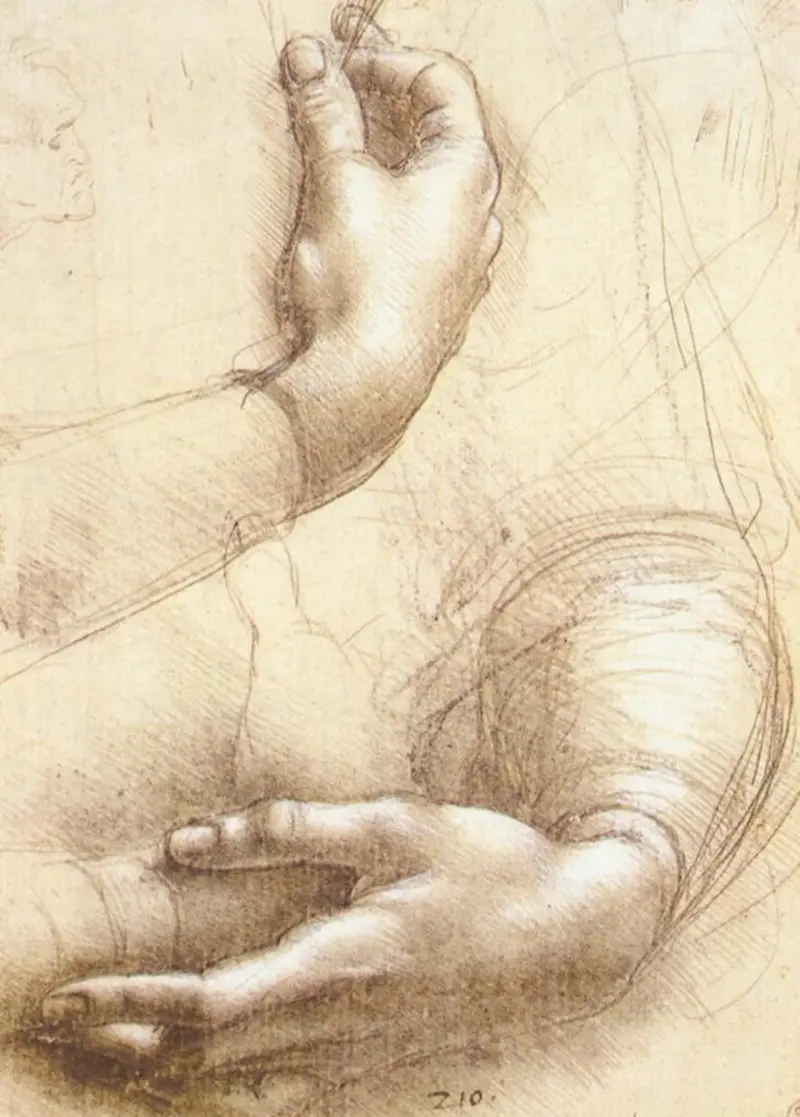
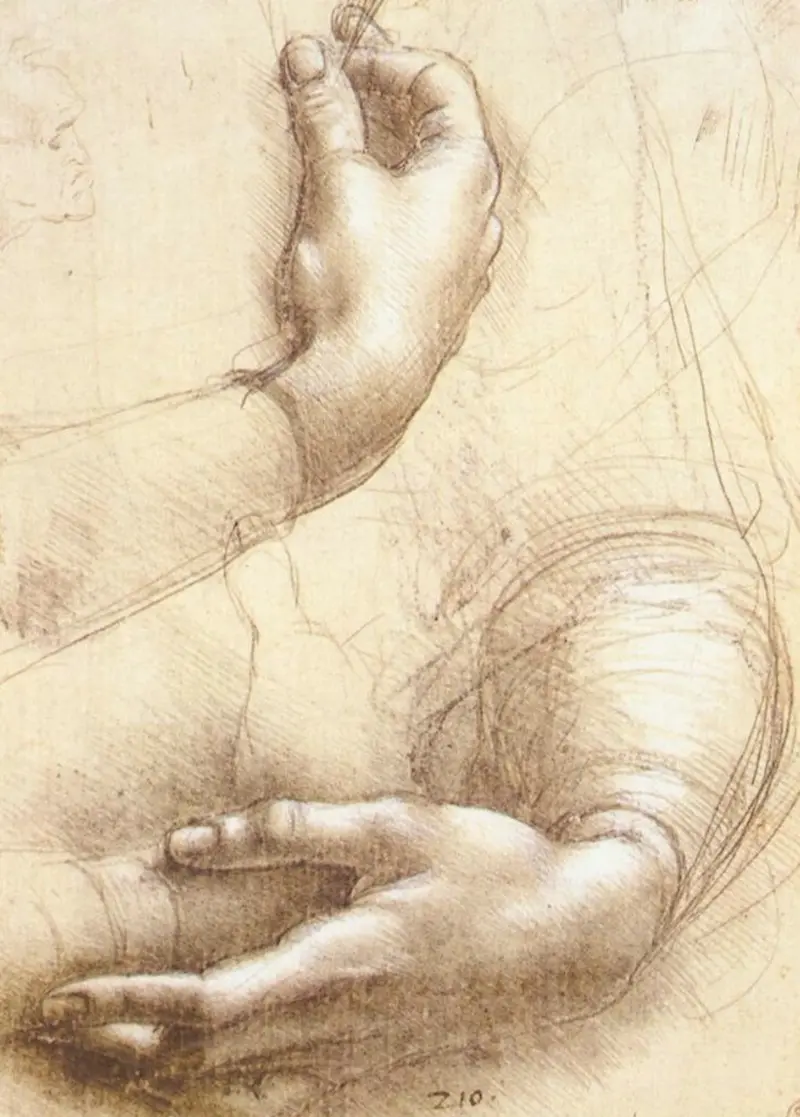
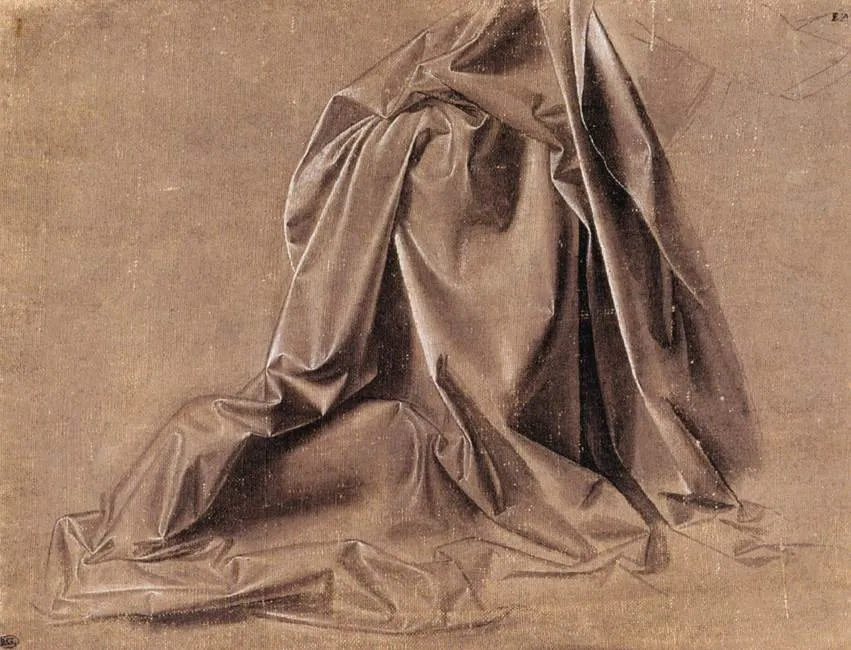
Every detail in "Study of hands" reveals Leonardo Da Vinci’s unrivaled mastery of oil on canvas. The High Renaissance era is renowned for its pursuit of anatomical accuracy and emotional depth, qualities that Da Vinci exemplified. This painting’s lifelike depiction of hands echoes techniques found in "Sleeve Study for the Annunciation" and "The Study of Drapery of a Seated Figure." Such works continue to inspire artists and collectors who appreciate the enduring beauty of oil on canvas.
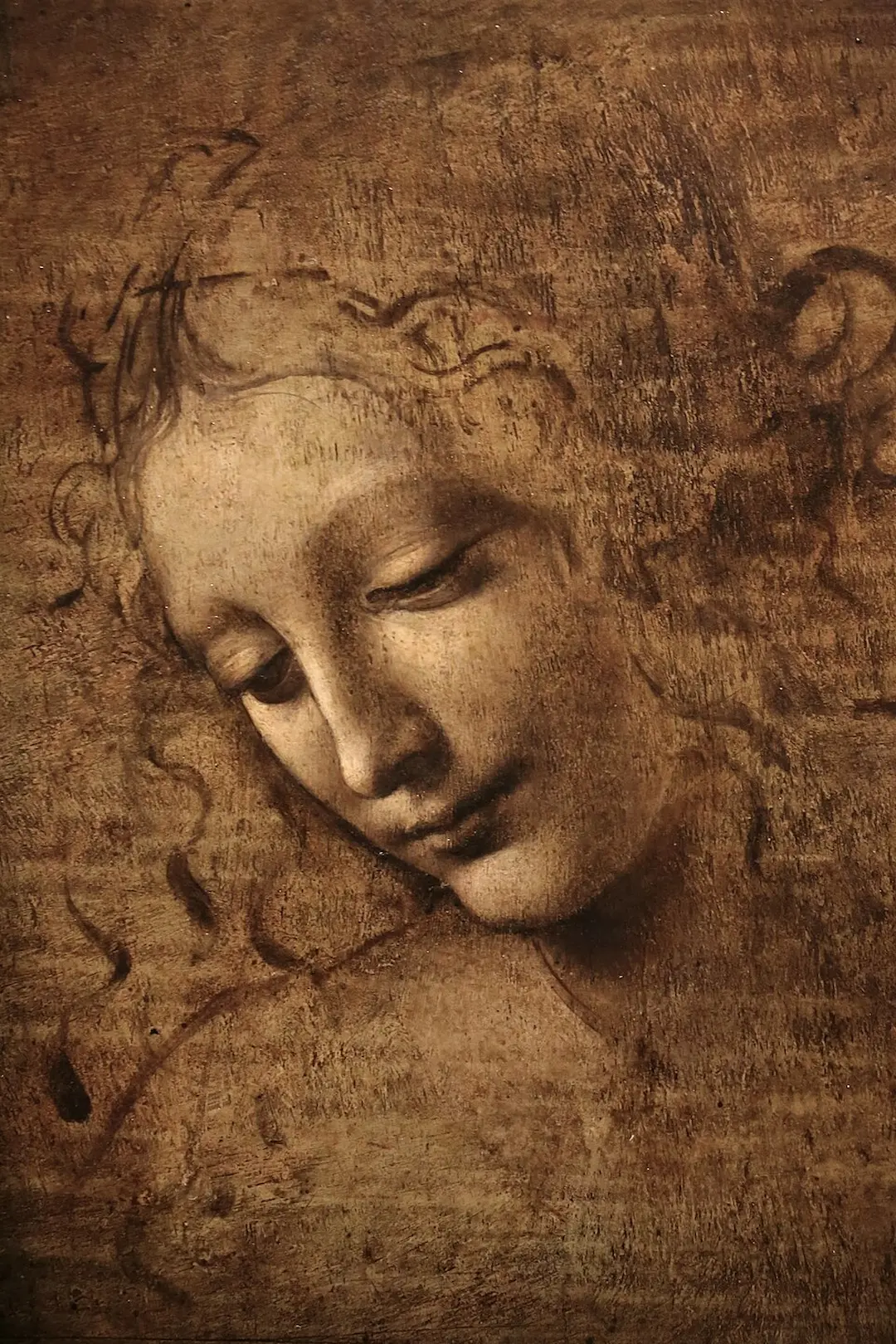
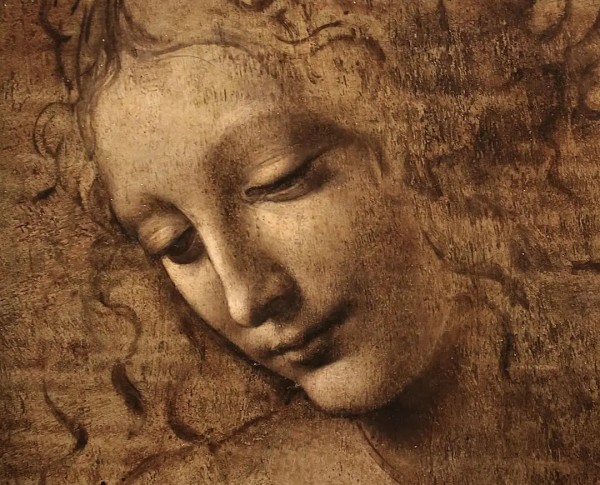
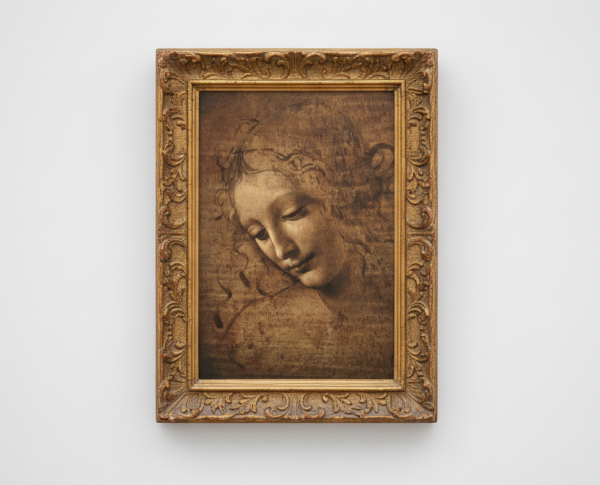
In "Study of hands," Leonardo Da Vinci explores more than anatomy—he weaves subtle narratives and symbolism into his hand-painted oil painting. The positioning and form suggest themes of creation and human potential, resonating with motifs in "Female head (The Lady of the Dishevelled Hair) (or La Scapigliata)" and "Drapery for a seated figure." For admirers of the High Renaissance, each detail offers a window into Da Vinci’s genius and the deeper meanings behind his iconic artworks.
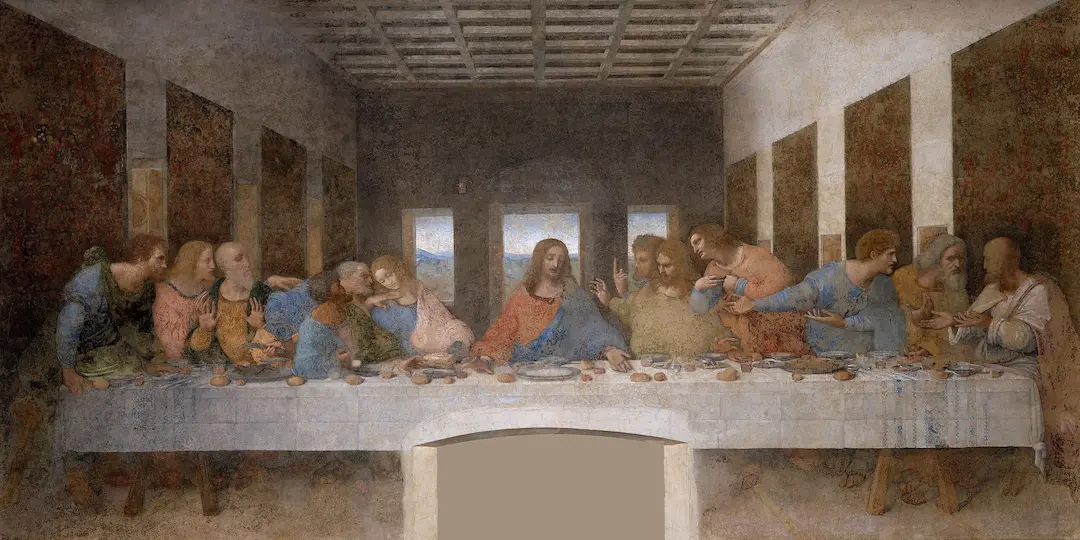
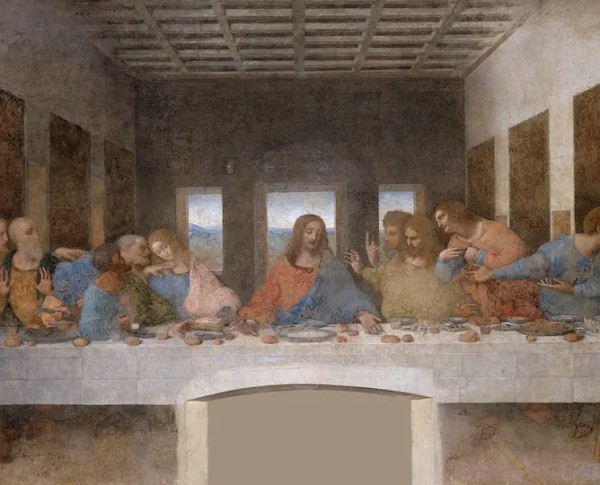
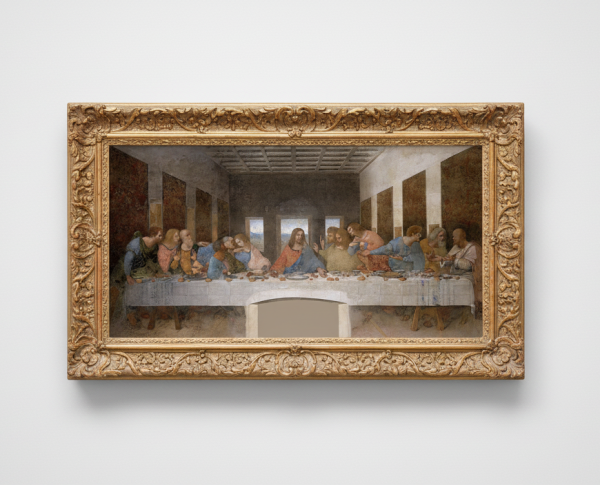
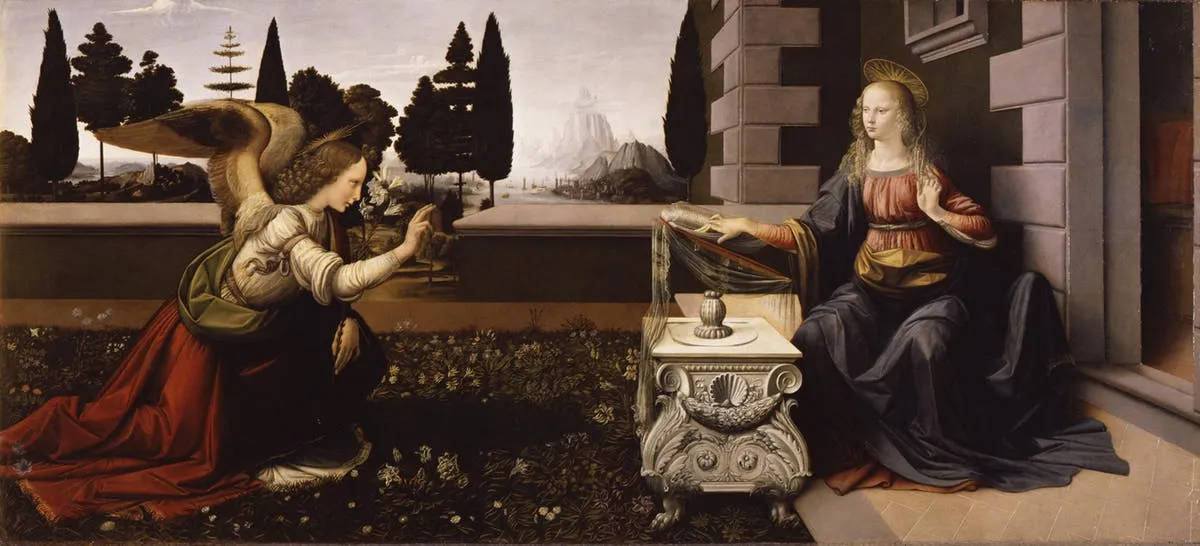
For collectors, "Study of hands" by Leonardo Da Vinci is a coveted fine art painting for sale that embodies the spirit of the High Renaissance movement. Displaying this masterpiece alongside related works such as "Annunciation" or "The Last Supper 1498" enhances any art collection. Each piece offers a glimpse into Da Vinci’s extraordinary vision, making them timeless treasures for those who value the legacy of hand-painted oil paintings and the genius of a true Renaissance master.
When Art Meets History
Leonardo Da Vinci’s "Study of Hands" stands as a testament to the High Renaissance movement, a period that redefined artistic boundaries. This hand-painted oil painting showcases Da Vinci’s keen observation and mastery of anatomy, echoing the scientific curiosity of his era. Like his contemporaries’ works such as "Creation of Adam 1510" and "The Punishment of Haman," Da Vinci’s piece bridges art and science, making it a pivotal oil on canvas that captures a transformative moment in art history.
Techniques That Speak
Leonardo’s "Study of Hands" exemplifies the meticulous techniques that define the High Renaissance. Through delicate brushwork and subtle shading, he achieves lifelike realism, much like in "Madonna of Belvedere (or Madonna del Prato)" and "The Hill of Calvary." Each detail in this fine art painting for sale reveals Da Vinci’s mastery over oil on canvas, allowing viewers to appreciate the intricate play of light and form that made his work revolutionary in the world of classical art.
Emotions on Display
In "Study of Hands," Leonardo Da Vinci captures a profound sense of emotion through the expressive gestures of the hands. The painting’s subtlety conveys not just physical form but the inner life of its subjects, echoing the emotional depth found in "The Creation of the Sun, Moon and Planets." This hand-painted oil painting invites viewers to reflect on the human experience, a hallmark of the High Renaissance movement that continues to resonate with art lovers today.
Coveted by Collectors
As a celebrated example of High Renaissance art, "Study of Hands" by Leonardo Da Vinci remains highly sought after by collectors worldwide. This fine art painting for sale appeals to those who appreciate the genius of Da Vinci and the era’s masterpieces, such as "The Hill of Calvary" and "Madonna of Belvedere." Its rarity and historical significance make it a prized oil on canvas, treasured for its technical brilliance and enduring cultural impact.
Related High Renaissance Hand-Painted Oil Paintings by Other Artists
Other Famous High Renaissance Artists:
Frequently Asked Questions About Study of hands
What is the historical significance of Leonardo Da Vinci's "Study of hands"?
"Study of hands" is significant as it showcases Da Vinci's deep understanding of human anatomy and his innovative approach to capturing movement and emotion through gesture.
What techniques did Leonardo Da Vinci use in "Study of hands"?
Da Vinci employed techniques such as chiaroscuro to create depth and volume, and he meticulously studied the anatomy of the hands to depict them with precision and realism.
How does "Study of hands" reflect the Renaissance ideals?
The painting embodies Renaissance ideals by emphasizing humanism, the study of anatomy, and the importance of observation in art, reflecting a shift towards realism and individual expression.
What symbolic meanings can be derived from the hands depicted in the artwork?
The hands in "Study of hands" symbolize communication, creativity, and the human experience, representing the artist's exploration of gesture as a form of expression and connection.
In what ways did "Study of hands" influence later artists?
This work influenced later artists by establishing a standard for anatomical accuracy and the expressive potential of hands, encouraging subsequent generations to explore gesture and form in their own works.
What is the context in which "Study of hands" was created?
"Study of hands" was created during the late 15th century, a time when artists were increasingly focused on realism and the human form, reflecting the broader cultural movement of the Renaissance.
How does "Study of hands" exemplify Da Vinci's approach to observational drawing?
Da Vinci's approach to observational drawing is exemplified in "Study of hands" through his detailed studies of the structure and movement of hands, showcasing his commitment to empirical observation and scientific inquiry.
What materials did Leonardo Da Vinci likely use for "Study of hands"?
Leonardo Da Vinci likely used pen and ink on paper for "Study of hands," a common medium for sketches during the Renaissance, allowing for fine detail and quick studies of form.
How does "Study of hands" compare to other works by Da Vinci?
Compared to other works by Da Vinci, "Study of hands" is more focused on anatomical studies rather than narrative or compositional complexity, highlighting his dedication to understanding the human body.
What can "Study of hands" teach us about the role of gesture in art?
"Study of hands" teaches us that gesture is a powerful means of conveying emotion and narrative in art, emphasizing the importance of physical expression in human communication.






















_GFM_Painting_(1).webp)


 100% Hand-Painted: Finished in 3-6 Weeks

.png)













_c._1503-05_.webp)
_(or_La_Scapigliata).webp)
_1483-90.webp)



_(1).webp)